 How to resolve AdBlock issue?
News
LOWER LAKE, Calif. – The popular “Christmas at the Ranch” Victorian Christmas celebration held each year in the historic Ranch House at Anderson Marsh State Historic Park is being canceled for the 2020 season due to COVID-19 health concerns associated with indoor events that don’t allow for social distancing.
“This is always one of our favorite events to host,” noted Anderson Marsh Interpretive Association President Roberta Lyons. “Unfortunately, because of COVID-19 pandemic restrictions, we won’t be holding it this year. We could not in good conscience encourage the large number of people who come to this event each year to gather closely together in the Ranch House.”
AMIA cooperates with California State Parks to raise funds and present programs that benefit the park.
The association has been presenting this Christmas event for more than 25 years.
It features tasty Christmas baked goods, hot apple cider and coffee, and performances by local musicians singing Christmas carols and holiday songs. Santa is always present to greet children of all ages.
“I hope that by this time next year, we will once again be able to gather together at the Ranch House to enjoy each other’s company and holiday cheer,” Lyons said.
Anderson Marsh State Historic Park is located off of Highway 53 between Lower Lake and Clearlake.
For more information contact AMIA atThis email address is being protected from spambots. You need JavaScript enabled to view it. , call 707-995-2658, or go to www.andersonmarsh.org or www.facebook.com/AMIA.org.
“This is always one of our favorite events to host,” noted Anderson Marsh Interpretive Association President Roberta Lyons. “Unfortunately, because of COVID-19 pandemic restrictions, we won’t be holding it this year. We could not in good conscience encourage the large number of people who come to this event each year to gather closely together in the Ranch House.”
AMIA cooperates with California State Parks to raise funds and present programs that benefit the park.
The association has been presenting this Christmas event for more than 25 years.
It features tasty Christmas baked goods, hot apple cider and coffee, and performances by local musicians singing Christmas carols and holiday songs. Santa is always present to greet children of all ages.
“I hope that by this time next year, we will once again be able to gather together at the Ranch House to enjoy each other’s company and holiday cheer,” Lyons said.
Anderson Marsh State Historic Park is located off of Highway 53 between Lower Lake and Clearlake.
For more information contact AMIA at
The California Department of Public Health reported that 9,004 reported new cases of valley fever in California in 2019, the highest number since the state started tracking cases in 1995.
While reasons for this record level are not clear, the above-average level of rainfall during the 2018-2019 winter might have contributed, officials said.
Consistent with previous years, the highest incidence of valley fever in 2019 was reported in counties in the Central Valley and Central Coast regions of California, including Kern, Kings, San Luis Obispo, Fresno, Tulare, Madera and Monterey counties.
"With the continued increase in valley fever cases, people living and working in the Central Valley and Central Coast regions of California should take steps to avoid breathing in dusty air outside," said Dr. Erica Pan, CDPH acting State Public Health officer.
“Although the symptoms of valley fever can be similar to those of COVID-19, it’s important that individuals with lingering cough and fatigue also talk to a health care provider about valley fever, especially if they have been outdoors in dusty air,” Pan said. “People who work primarily outdoors such as construction workers and others that dig or disturb soil should especially learn more about the prevention of valley fever.”
Valley fever, also known as coccidioidomycosis, or “cocci,” is caused by breathing in the spores of a fungus that grows in the soil and dirt in some areas of California.
The fungal spores, which are too small to see, can be present in dust that gets into the air when it is windy or when soil is disturbed, such as digging during construction.
This fungus usually infects the lungs and can cause respiratory symptoms including cough, fever, chest pain, and tiredness.
In most people, the infection will go away on its own, but anyone who has these symptoms for more than a week should ask their healthcare provider if their symptoms could be Valley fever.
While anyone can get valley fever, those most at-risk for severe disease include people who are Black or Filipino, adults 60 years or older, pregnant women, and people with diabetes or conditions that weaken the immune system.
In severe disease, the infection can spread to other parts of the body, and in these serious cases, prolonged antifungal medicine is required.
A person can reduce their risk of valley fever by taking steps to avoid breathing in dust in areas where valley fever is common:
– When it is windy outside and the air is dusty, stay indoors and keep windows and doors closed.
– While driving, keep car windows closed and use recirculating air conditioning, if available.
– If individuals must be outdoors in dusty areas, they should consider wearing a properly fitted N95 mask.
To raise statewide awareness of valley fever among the general public and health care providers, CDPH posts data monthly, issues periodic updates, and provides educational materials on the CDPH website.
During 2019-2020, CDPH implemented a multimedia valley fever awareness campaign to reach more people and providers, including people living in areas with moderate to high rates of valley fever and those at risk for severe disease.
Lessons learned from this awareness campaign will be used in CDPH’s continued efforts to address Valley fever in California.
For more information on valley fever, visit CDPH’s “Could Be Valley Fever” webpages.
While reasons for this record level are not clear, the above-average level of rainfall during the 2018-2019 winter might have contributed, officials said.
Consistent with previous years, the highest incidence of valley fever in 2019 was reported in counties in the Central Valley and Central Coast regions of California, including Kern, Kings, San Luis Obispo, Fresno, Tulare, Madera and Monterey counties.
"With the continued increase in valley fever cases, people living and working in the Central Valley and Central Coast regions of California should take steps to avoid breathing in dusty air outside," said Dr. Erica Pan, CDPH acting State Public Health officer.
“Although the symptoms of valley fever can be similar to those of COVID-19, it’s important that individuals with lingering cough and fatigue also talk to a health care provider about valley fever, especially if they have been outdoors in dusty air,” Pan said. “People who work primarily outdoors such as construction workers and others that dig or disturb soil should especially learn more about the prevention of valley fever.”
Valley fever, also known as coccidioidomycosis, or “cocci,” is caused by breathing in the spores of a fungus that grows in the soil and dirt in some areas of California.
The fungal spores, which are too small to see, can be present in dust that gets into the air when it is windy or when soil is disturbed, such as digging during construction.
This fungus usually infects the lungs and can cause respiratory symptoms including cough, fever, chest pain, and tiredness.
In most people, the infection will go away on its own, but anyone who has these symptoms for more than a week should ask their healthcare provider if their symptoms could be Valley fever.
While anyone can get valley fever, those most at-risk for severe disease include people who are Black or Filipino, adults 60 years or older, pregnant women, and people with diabetes or conditions that weaken the immune system.
In severe disease, the infection can spread to other parts of the body, and in these serious cases, prolonged antifungal medicine is required.
A person can reduce their risk of valley fever by taking steps to avoid breathing in dust in areas where valley fever is common:
– When it is windy outside and the air is dusty, stay indoors and keep windows and doors closed.
– While driving, keep car windows closed and use recirculating air conditioning, if available.
– If individuals must be outdoors in dusty areas, they should consider wearing a properly fitted N95 mask.
To raise statewide awareness of valley fever among the general public and health care providers, CDPH posts data monthly, issues periodic updates, and provides educational materials on the CDPH website.
During 2019-2020, CDPH implemented a multimedia valley fever awareness campaign to reach more people and providers, including people living in areas with moderate to high rates of valley fever and those at risk for severe disease.
Lessons learned from this awareness campaign will be used in CDPH’s continued efforts to address Valley fever in California.
For more information on valley fever, visit CDPH’s “Could Be Valley Fever” webpages.
LAKE COUNTY, Calif. – A Northshore woman who fled the scene of a crash in which she hit and fatally injured a bicyclist has been arrested.
Amber Bruhn, 33, of Nice was arrested following the crash, which occurred just before 2 p.m. Wednesday in the north Lakeport area, the California Highway Patrol’s Clear Lake Area office reported.
A 73-year-old man from Lakeport died as a result of the crash. His name was withheld in the CHP’s Wednesday evening report on the crash pending notification of family.
The CHP said that its dispatch center received a call at approximately 1:54 p.m. Wednesday reporting a hit-and-run traffic collision that occurred on Lakeshore Boulevard, north of Hill Road East in North Lakeport.
The bicyclist was traveling southbound on Lakeshore Boulevard, within the southbound lane. The CHP said Bruhn was driving a white 2005 Kia Sorrento, also southbound on Lakeshore Boulevard, approaching the bicyclist’s location.
The CHP said Bruhn collided with the bicyclist, with the force of the impact throwing the man over Bruhn’s vehicle and onto the roadway.
Medical personnel responded to the scene and treated the man. However, the CHP said lifesaving efforts were unsuccessful and he succumbed to his injuries from the collision. He had been using his safety equipment.
Bruhn fled the scene of the collision and left the vehicle at a nearby hotel, the CHP said.
The CHP said officers located Bruhn within hours of the crash and determined that she was the Kia’s driver at the time of the collision.
The cause of the crash is still under investigation, the CHP said.
Drugs and alcohol are not suspected to be factors in this collision, according to the CHP report.
Correction: While the CHP originally gave the victim’s age as 47, the Lake County Sheriff’s Office gave the correct age as 73. The article has been updated with the correct information.
Email Elizabeth Larson atThis email address is being protected from spambots. You need JavaScript enabled to view it. . Follow her on Twitter, @ERLarson, or Lake County News, @LakeCoNews.
Amber Bruhn, 33, of Nice was arrested following the crash, which occurred just before 2 p.m. Wednesday in the north Lakeport area, the California Highway Patrol’s Clear Lake Area office reported.
A 73-year-old man from Lakeport died as a result of the crash. His name was withheld in the CHP’s Wednesday evening report on the crash pending notification of family.
The CHP said that its dispatch center received a call at approximately 1:54 p.m. Wednesday reporting a hit-and-run traffic collision that occurred on Lakeshore Boulevard, north of Hill Road East in North Lakeport.
The bicyclist was traveling southbound on Lakeshore Boulevard, within the southbound lane. The CHP said Bruhn was driving a white 2005 Kia Sorrento, also southbound on Lakeshore Boulevard, approaching the bicyclist’s location.
The CHP said Bruhn collided with the bicyclist, with the force of the impact throwing the man over Bruhn’s vehicle and onto the roadway.
Medical personnel responded to the scene and treated the man. However, the CHP said lifesaving efforts were unsuccessful and he succumbed to his injuries from the collision. He had been using his safety equipment.
Bruhn fled the scene of the collision and left the vehicle at a nearby hotel, the CHP said.
The CHP said officers located Bruhn within hours of the crash and determined that she was the Kia’s driver at the time of the collision.
The cause of the crash is still under investigation, the CHP said.
Drugs and alcohol are not suspected to be factors in this collision, according to the CHP report.
Correction: While the CHP originally gave the victim’s age as 47, the Lake County Sheriff’s Office gave the correct age as 73. The article has been updated with the correct information.
Email Elizabeth Larson at
LAKE COUNTY, Calif. – The Lake County Registrar of Voters Office has certified the results of the Nov. 3 General Election, finalizing the placements in local races for supervisor, both city councils, three school boards and a water district.
Registrar Maria Valadez released the final election results to the public on Wednesday morning on her website after finishing the certification work on Tuesday night.
The certification involved more adaptations than in previous years due to COVID-19 and some extended deadlines for taking in vote-by-mail ballots.
The final certified results showed a voter turnout of 78.42 percent.
In the local election, the final results confirmed Jessica Pyska of Cobb as the winner by a significant margin in the race for the District 5 supervisorial seat.
Pyska won the seat with 63.62 percent of the vote, or 3,893 ballots, compared to her opponent, retired pharmacy owner Bill Kearney, who received 36.38 percent of the vote, or 2,226 ballots.
In the Clearlake City Council race, David Claffey, a member of the city’s marketing committee, was the top vote-getter in his first run for council, receiving 49.12 percent, or 2,508 ballots cast.
The final count flipped his placement with incumbent Joyce Overton, who won a fifth term with 2,475 ballots cast for her, or 48.47 percent of the vote.
Claffey and Overton were the only candidates actually on the ballot but appointed incumbent Russell Perdock – who had failed to get enough valid signatures to get on the ballot – ran as a write-in. He received 123 votes, or 2.41 percent, which was enough to qualify for the third council seat.
In the Lakeport City Council race, the final results changed the placements from the preliminary count.
Incumbent Kenny Parlet won a third term, with 31.06 percent of the vote, or 1,342 ballots, followed by city planning commissioner Michael Green, who came in with 28.22 percent, or 1,219 ballots. The two had been tied in the initial vote count.
Winning the third seat is contractor Michael Froio, who also serves on the city planning commission. He had been in fourth place at the end of the preliminary count.
However, with all votes now counted, Froio won the third open seat with 22.38 percent of the vote, or 967 ballots, edging out Nathan Maxman, who had 18.33 percent of the vote, or 792 ballots.
Voters also decided on several school board seats in November.
For the Kelseyville Unified School District Board of Trustees, three brand new members are set to join the board, with the final results mirroring the preliminary vote count placement.
Top vote-getter Nov. 3 was school literacy director Gilbert Rangel, with 31.46 percent or 3,027 votes, followed by Natalie Higley, a labor advocate and parent, with 26.32 percent or 2,532 votes, and parent Mary Beth Mosko, with 23.99 percent or 2,308 ballots.
Finishing out of the running was appointed incumbent Beniakem D. Cromwell with 18.23 percent or 1,754 ballots.
For the Konocti Unified School District Board, two seats were up for election, and the final results changed the placements of the candidates in the second and third positions.
Incumbent Mary Silva won the most votes, 3,253, or 27.71 percent of the vote, followed by mental health specialist Zabdy Neria, who received 25.29 percent or 2,969 votes.
By a margin of 21 votes, Neria just edged past incumbent Susan Burton, who had 25.11 percent or 2,948 votes.
Placing fourth was assistant education director Michael “Mac” McMurtrey, with 21.90 percent or 2,571 votes.
For the Upper Lake Unified School District Board, the final placement of the race also followed that shown in the preliminary count.
Incumbent Claudine Pedroncelli was returned for another term, with 37.75 percent or 1,680 votes.
Franklin Gudmundson, a correctional deputy for the county of Lake, won the second seat, with 35.06 percent or 1,560 votes.
Don Meri, a lead construction foreman, finished just out of the running with 27.19 percent, or 1,210 votes.
The other local race was for the Callayomi County Water District, which had two four-year terms on its board up for election.
Receiving the most votes was incumbent Rosemary Córdova, who secured 44.17 percent of the vote, or 163 ballots cast in her favor.
Winning the second seat was Sandra Harris, a retired administrative assistant, with 30.08 percent or 111 ballots.
Coming in third and out of the seats was Roger Rosenthal, a refrigeration controls technician, who received 25.75 percent of the vote, or 95 ballots cast.
Email Elizabeth Larson atThis email address is being protected from spambots. You need JavaScript enabled to view it. . Follow her on Twitter, @ERLarson, or Lake County News, @LakeCoNews.
Registrar Maria Valadez released the final election results to the public on Wednesday morning on her website after finishing the certification work on Tuesday night.
The certification involved more adaptations than in previous years due to COVID-19 and some extended deadlines for taking in vote-by-mail ballots.
The final certified results showed a voter turnout of 78.42 percent.
In the local election, the final results confirmed Jessica Pyska of Cobb as the winner by a significant margin in the race for the District 5 supervisorial seat.
Pyska won the seat with 63.62 percent of the vote, or 3,893 ballots, compared to her opponent, retired pharmacy owner Bill Kearney, who received 36.38 percent of the vote, or 2,226 ballots.
In the Clearlake City Council race, David Claffey, a member of the city’s marketing committee, was the top vote-getter in his first run for council, receiving 49.12 percent, or 2,508 ballots cast.
The final count flipped his placement with incumbent Joyce Overton, who won a fifth term with 2,475 ballots cast for her, or 48.47 percent of the vote.
Claffey and Overton were the only candidates actually on the ballot but appointed incumbent Russell Perdock – who had failed to get enough valid signatures to get on the ballot – ran as a write-in. He received 123 votes, or 2.41 percent, which was enough to qualify for the third council seat.
In the Lakeport City Council race, the final results changed the placements from the preliminary count.
Incumbent Kenny Parlet won a third term, with 31.06 percent of the vote, or 1,342 ballots, followed by city planning commissioner Michael Green, who came in with 28.22 percent, or 1,219 ballots. The two had been tied in the initial vote count.
Winning the third seat is contractor Michael Froio, who also serves on the city planning commission. He had been in fourth place at the end of the preliminary count.
However, with all votes now counted, Froio won the third open seat with 22.38 percent of the vote, or 967 ballots, edging out Nathan Maxman, who had 18.33 percent of the vote, or 792 ballots.
Voters also decided on several school board seats in November.
For the Kelseyville Unified School District Board of Trustees, three brand new members are set to join the board, with the final results mirroring the preliminary vote count placement.
Top vote-getter Nov. 3 was school literacy director Gilbert Rangel, with 31.46 percent or 3,027 votes, followed by Natalie Higley, a labor advocate and parent, with 26.32 percent or 2,532 votes, and parent Mary Beth Mosko, with 23.99 percent or 2,308 ballots.
Finishing out of the running was appointed incumbent Beniakem D. Cromwell with 18.23 percent or 1,754 ballots.
For the Konocti Unified School District Board, two seats were up for election, and the final results changed the placements of the candidates in the second and third positions.
Incumbent Mary Silva won the most votes, 3,253, or 27.71 percent of the vote, followed by mental health specialist Zabdy Neria, who received 25.29 percent or 2,969 votes.
By a margin of 21 votes, Neria just edged past incumbent Susan Burton, who had 25.11 percent or 2,948 votes.
Placing fourth was assistant education director Michael “Mac” McMurtrey, with 21.90 percent or 2,571 votes.
For the Upper Lake Unified School District Board, the final placement of the race also followed that shown in the preliminary count.
Incumbent Claudine Pedroncelli was returned for another term, with 37.75 percent or 1,680 votes.
Franklin Gudmundson, a correctional deputy for the county of Lake, won the second seat, with 35.06 percent or 1,560 votes.
Don Meri, a lead construction foreman, finished just out of the running with 27.19 percent, or 1,210 votes.
The other local race was for the Callayomi County Water District, which had two four-year terms on its board up for election.
Receiving the most votes was incumbent Rosemary Córdova, who secured 44.17 percent of the vote, or 163 ballots cast in her favor.
Winning the second seat was Sandra Harris, a retired administrative assistant, with 30.08 percent or 111 ballots.
Coming in third and out of the seats was Roger Rosenthal, a refrigeration controls technician, who received 25.75 percent of the vote, or 95 ballots cast.
Email Elizabeth Larson at

LAKE COUNTY, Calif. – Ahead of the 79th anniversary of the attack on Pearl Harbor, the name of another man who had survived the attack and later made Lake County his home has been added to the Lake County Pearl Harbor Survivors Association Memorial Mast in Lakeport.
There is no ceremony set for Dec. 7 this year due to the coronavirus pandemic.
However, the Lake County Pearl Harbor Survivors Association is continuing its efforts to remember those who served and survived during the attack.
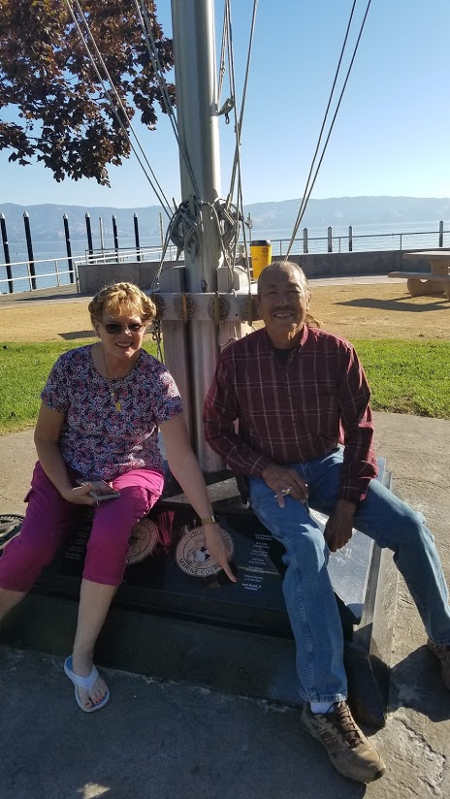
It reported that the name of survivor James W. Dvorak Sr. has been added to the memorial mast in Library Park, bringing the number of names on the mast in remembrance of attack survivors who have lived in Lake County to 38.
On Oct. 14, North Bay Monument Co. inscribed Dvorak’s name on the memorial mast, the association reported.
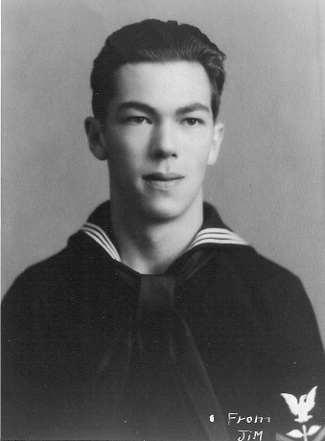
Dvorak was an aviation mechanic working on PBYs on Ford Island before and after the war and during the attack on Pearl Harbor.
His naval career consisted of 22 years of service. During that time he was awarded 11 medals, including the World War II Victory Medal, American Campaign Medal, Asiatic Pacific Campaign Medal, American Defense Medal, Medal for Human Action and the Korean Service Medal.
Following his retirement from the Navy, he worked for Lockheed Corp. in Sunnyvale, California, where he was assigned to be the lead machinist in the fabrication of the Poseidon Missile prototype.
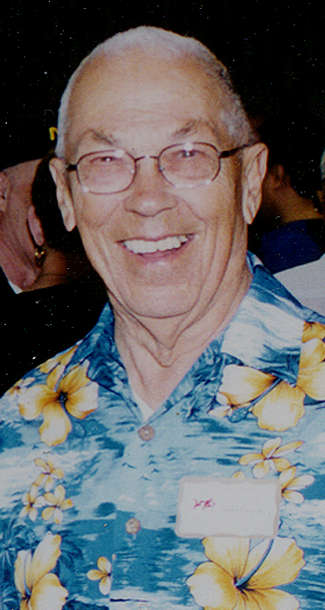
He later lived in Lakeport with his son Jim and daughter-in-law Carol before deciding to move to the Veterans Home in Yountville. Dvorak stayed active, volunteering, bowling, working out in the gym, as well as reading many books and magazines.
Dvorak was a lifetime member of the Pearl Harbor Survivors’ Association and the Berlin US Military Veterans Association. He was highly respected for his work ethic, integrity and commitment to family.
He died on May 11, 2015.
The Pearl Harbor memorial mast in Library Park was Dave Meek’s project when he was president of the Lakeport Rotary Club in 2000.
The Pearl Harbor Survivors group, headed by honorary members Ronnie and Janeane Bogner, hosts the yearly event to honor all Pearl Harbor survivors.
The last local survivor, Bill Slater of Lakeport, died at age 93 on New Year’s Eve of 2017.
Three widows (called sweethearts) survive: World War II Navy nurse Alice Darrow (husband Dean), Charlotte Bower (husband Chuck) and Vanya Leighton (husband Fred).
“In spite of there being no living Pearl Harbor Survivors left in Lake County, we will never forget the men and women who served,” the association said.
LAKE COUNTY, Calif. – During a Tuesday night discussion about whether to sign onto a letter to the governor that the Board of Supervisors sent two weeks ago, the Lakeport City Council and city staff considered possible outreach to the state government and how to help local businesses and residents burdened by greater COVID-19-related restrictions.
City Manager Kevin Ingram asked the council to consider if it wanted to sign onto a letter the Board of Supervisors voted to send to the governor on Nov. 17 regarding the revisions to the state’s Blueprint for a Safer Economy.
The board’s action in sending that letter last month followed by a day Gov. Gavin Newsom’s announcement of the stricter blueprint, which saw the majority of the state’s 58 counties going into the most restrictive of the four tiers, purple.
In particular, the letter, written by Supervisor Bruno Sabatier, focused on the challenges that rural counties like Lake are facing with the shortened time frame for data analysis and ranking that pushed many of them into the highest tier.
But what the board’s letter had been trying to avert – Lake also moving into the purple tier – happened over the weekend.
And on Tuesday morning, during his regular update to the Board of Supervisors, Public Health Officer Dr. Gary Pace said he doesn’t think Lake County will leave the purple tier – and its restrictions – any time soon.
“I suspect we’re probably going to be here for a couple months,” he said, adding that he also expects the state to impose more restrictions.
While the Lakeport City Council ultimately said it supported the supervisors’ letter, it stopped short of signing on or even sending its own at present, noting the rapid changes in the situation which made many of the letter’s main points moot.
They also questioned if, with Lake’s case numbers rapidly rising – the county caseload was up to 971 confirmed cases and 20 deaths on Tuesday, an increase of 94 cases and one death over the previous week – that they could successfully argue that the county’s situation is as unique as the supervisors’ letter maintained.
Trying to thread the needle
While Ingram, in presenting the letter, acknowledged that quite a few developments had occurred since it was sent two weeks ago, he said he still wanted to bring it to the council.
He noted the city’s efforts in trying to thread the needle between controlling the virus and making sure they have an economy left afterward. Ingram questioned how the city can assist businesses with changing regulations, which seem to be different every week.
Ingram also noted that on Monday the governor had warned of the possibility of even greater restrictions due to the statewide spike in cases.
“Our businesses are really struggling,” he said, noting that in addition to financial hardship, “These regulations are overbearing, too.”
Community Development Director Jenni Byers explained that, at the end of May, her department came up with a temporary zoning permit that allowed restaurants to extend into the sidewalk and the street.
The state’s guidelines restrict outside dining to 50 percent restaurant capacity and must allow for airflow. Byers said staff also checked on outside tents in which large heaters are being used to ensure compliance with guidelines from the manufacturers and the Lakeport Fire Department.
Councilwoman Mireya Turner asked Ingram about $500 million in grants for small businesses that Gov. Newsom announced earlier this week. Ingram said they are looking into it and how it can help local business, adding his strategy is to hit the challenging situation “from a million different angles.”
Ingram asked the council members if they wanted to see the city taking a larger and more active role in trying to push Lakeport’s unique case to state legislators or the Governor’s Office.
“I think that this is a moving target,” said Councilwoman Stacey Mattina, adding the situation keeps changing and there could be another lockdown ahead.
“From the beginning, it’s felt like government’s picking winners and losers and it doesn’t seem fair,” Mattina said.
Mattina said she wasn’t sure the council should sign onto the letter, and Councilman Kenny Parlet said he also doubted it would do any good, although Councilman Tim Barnes thought a letter was a good idea.
“I don’t know how much longer some of these small businesses are going to last,” Barnes said, adding that it’s hard enough to make payroll in Lake County in the winter if you’re not getting hit with a public safety power shutoff or a pandemic.
“Just keeping the doors open in a rural community is difficult,” Barnes said.
Turner said she could support a letter but that it needed to be clear in what it’s asking of state officials. She also wanted to know what kind of support is available for residents who are having trouble making ends meet or property owners not collecting rent.
Public weighs in on letter
During public comment, Michael Green – a city planning commissioner who, based on preliminary election results, appears to have won a seat on the council, although the election results weren’t confirmed as of Tuesday evening – said he didn’t know what the point would be in sending a letter if it didn’t have a clear request.
“We’re getting hammered, Lakeport in particular, though our nursing home outbreak,” he said.
Green said the city needed to up its game in supporting curbside dining, and said it’s hard to support a shop local campaign when local business owners are struggling with compliance with rules regarding COVID-19 safety.
Frank Dollosso, a local businessman who led an unsuccessful signature drive to hold a referendum on the county’s COVID-19 enforcement ordinance, said the whole enforcement issue “is nothing but an illusion,” and that this winter is going to be very detrimental for businesses.
Nathan Maxman, another city council candidate who in early returns appeared in line to win a seat, said if the council sends a letter, it needs to include what steps the city is taking to help reduce the number of cases.
“I am against signing this letter. It is outdated. It does not have a clear ask,” Turner said, with Mattina agreeing.
Ultimately, the council took no action. However, Ingram said the pandemic is going to be a continuing issue for some time, and that staff would provide ongoing updates to the council on its efforts to help the community.
Email Elizabeth Larson atThis email address is being protected from spambots. You need JavaScript enabled to view it. . Follow her on Twitter, @ERLarson, or Lake County News, @LakeCoNews.
City Manager Kevin Ingram asked the council to consider if it wanted to sign onto a letter the Board of Supervisors voted to send to the governor on Nov. 17 regarding the revisions to the state’s Blueprint for a Safer Economy.
The board’s action in sending that letter last month followed by a day Gov. Gavin Newsom’s announcement of the stricter blueprint, which saw the majority of the state’s 58 counties going into the most restrictive of the four tiers, purple.
In particular, the letter, written by Supervisor Bruno Sabatier, focused on the challenges that rural counties like Lake are facing with the shortened time frame for data analysis and ranking that pushed many of them into the highest tier.
But what the board’s letter had been trying to avert – Lake also moving into the purple tier – happened over the weekend.
And on Tuesday morning, during his regular update to the Board of Supervisors, Public Health Officer Dr. Gary Pace said he doesn’t think Lake County will leave the purple tier – and its restrictions – any time soon.
“I suspect we’re probably going to be here for a couple months,” he said, adding that he also expects the state to impose more restrictions.
While the Lakeport City Council ultimately said it supported the supervisors’ letter, it stopped short of signing on or even sending its own at present, noting the rapid changes in the situation which made many of the letter’s main points moot.
They also questioned if, with Lake’s case numbers rapidly rising – the county caseload was up to 971 confirmed cases and 20 deaths on Tuesday, an increase of 94 cases and one death over the previous week – that they could successfully argue that the county’s situation is as unique as the supervisors’ letter maintained.
Trying to thread the needle
While Ingram, in presenting the letter, acknowledged that quite a few developments had occurred since it was sent two weeks ago, he said he still wanted to bring it to the council.
He noted the city’s efforts in trying to thread the needle between controlling the virus and making sure they have an economy left afterward. Ingram questioned how the city can assist businesses with changing regulations, which seem to be different every week.
Ingram also noted that on Monday the governor had warned of the possibility of even greater restrictions due to the statewide spike in cases.
“Our businesses are really struggling,” he said, noting that in addition to financial hardship, “These regulations are overbearing, too.”
Community Development Director Jenni Byers explained that, at the end of May, her department came up with a temporary zoning permit that allowed restaurants to extend into the sidewalk and the street.
The state’s guidelines restrict outside dining to 50 percent restaurant capacity and must allow for airflow. Byers said staff also checked on outside tents in which large heaters are being used to ensure compliance with guidelines from the manufacturers and the Lakeport Fire Department.
Councilwoman Mireya Turner asked Ingram about $500 million in grants for small businesses that Gov. Newsom announced earlier this week. Ingram said they are looking into it and how it can help local business, adding his strategy is to hit the challenging situation “from a million different angles.”
Ingram asked the council members if they wanted to see the city taking a larger and more active role in trying to push Lakeport’s unique case to state legislators or the Governor’s Office.
“I think that this is a moving target,” said Councilwoman Stacey Mattina, adding the situation keeps changing and there could be another lockdown ahead.
“From the beginning, it’s felt like government’s picking winners and losers and it doesn’t seem fair,” Mattina said.
Mattina said she wasn’t sure the council should sign onto the letter, and Councilman Kenny Parlet said he also doubted it would do any good, although Councilman Tim Barnes thought a letter was a good idea.
“I don’t know how much longer some of these small businesses are going to last,” Barnes said, adding that it’s hard enough to make payroll in Lake County in the winter if you’re not getting hit with a public safety power shutoff or a pandemic.
“Just keeping the doors open in a rural community is difficult,” Barnes said.
Turner said she could support a letter but that it needed to be clear in what it’s asking of state officials. She also wanted to know what kind of support is available for residents who are having trouble making ends meet or property owners not collecting rent.
Public weighs in on letter
During public comment, Michael Green – a city planning commissioner who, based on preliminary election results, appears to have won a seat on the council, although the election results weren’t confirmed as of Tuesday evening – said he didn’t know what the point would be in sending a letter if it didn’t have a clear request.
“We’re getting hammered, Lakeport in particular, though our nursing home outbreak,” he said.
Green said the city needed to up its game in supporting curbside dining, and said it’s hard to support a shop local campaign when local business owners are struggling with compliance with rules regarding COVID-19 safety.
Frank Dollosso, a local businessman who led an unsuccessful signature drive to hold a referendum on the county’s COVID-19 enforcement ordinance, said the whole enforcement issue “is nothing but an illusion,” and that this winter is going to be very detrimental for businesses.
Nathan Maxman, another city council candidate who in early returns appeared in line to win a seat, said if the council sends a letter, it needs to include what steps the city is taking to help reduce the number of cases.
“I am against signing this letter. It is outdated. It does not have a clear ask,” Turner said, with Mattina agreeing.
Ultimately, the council took no action. However, Ingram said the pandemic is going to be a continuing issue for some time, and that staff would provide ongoing updates to the council on its efforts to help the community.
Email Elizabeth Larson at