 How to resolve AdBlock issue?
News
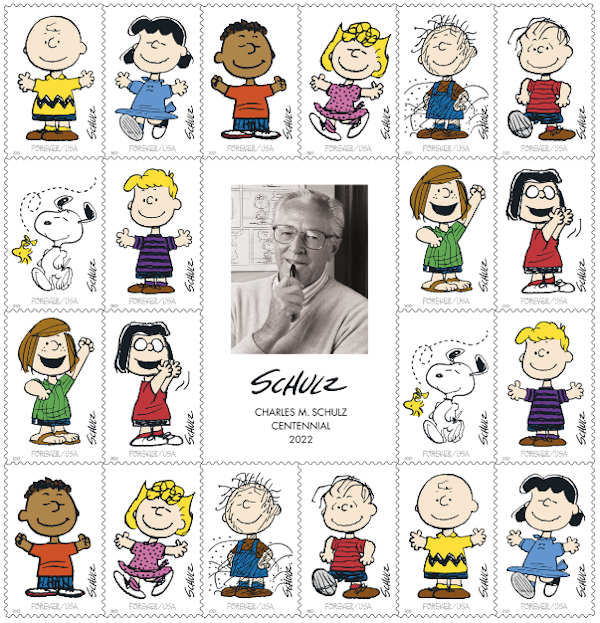
SANTA ROSA, Calif. — The U.S. Postal Service recognized the centennial birth of cartoonist Charles M. Schulz with a first-day-of-issue ceremony, unveiling a pane of 20 new Forever stamps at the Charles M. Schulz Museum and Research Center on Saturday.
“The Postal Service is pleased to present its new Forever stamps commemorating the birth centennial of Charles M. Schulz — the beloved creator of ‘Peanuts’ … the most popular and influential comic strip in history,” said Luke Grossmann, the Postal Service’s finance and strategy senior vice president, who served as the stamp’s dedicating official.
“This isn’t the first time the Postal Service has featured ‘Peanuts’ characters on postage stamps. Snoopy appeared as the World War I Flying Ace in 2001. And in 2015, we issued stamps to celebrate the 50th anniversary of ‘A Charlie Brown Christmas’ — which like the strip itself, was created with both adults and children in mind,” he said.
“The joy of ‘Peanuts’ — matched with the joy of sending and receiving mail — is a wonderful way to commemorate Sparky’s life and the happiness his comic strip continues to bring to the world. From holiday mail to personal collections, we hope these stamps brighten the lives of ‘Peanuts’ fans and stamp collectors alike,” said Jean Schulz, widow of Schulz, referring to the cartoonist by his nickname.
Other participants at the ceremony were Gina Huntsinger, director of the Charles M. Schulz Museum and Research Center, and Paige Braddock, chief creative officer of Charles M. Schulz Creative Associates.
Sparky’s story
Within days of Schulz’s birth on Nov. 26, 1922, an uncle nicknamed the infant after the laughable racehorse Spark Plug, a trending character in the newspaper funny pages. The nickname “Sparky” stuck for life, and so did Schulz’s ties to the comics.
Schulz’s “Peanuts” became the most popular and successful comic strip in the history of the medium.
Its characters, including Charlie Brown and Snoopy, became some of the best-known and most-beloved characters in all of American art and literature, gaining worldwide adoration through the comic strip itself, then via books, greeting cards, television, cinematic films, advertising campaigns, a Broadway musical, and countless other media and products.
Charles Monroe Schulz (1922-2000) was born in Minneapolis and grew up in neighboring St. Paul, Minnesota.
An only child, the avid reader with a knack for drawing was promoted from third grade directly to fifth. Consequently, he was younger and smaller than his classmates, forever feeling like an outsider and an observer.
At age 14, Schulz’s first published drawing appeared in the popular newspaper feature “Ripley’s Believe It or Not!” Its subject, his eccentric pet dog, would later serve as his inspiration for Snoopy.
After high school, Schulz furthered his art education through a Minneapolis-based correspondence course. When World War II intervened, Schulz was drafted into the Army, serving in France and Germany, and rising to the rank of staff sergeant.
After the war, he returned to the correspondence school, this time as an art instructor, where his friends included a fellow teacher named Charlie Brown.
Schulz also found work lettering comic books and drawing single-panel cartoons for a local newspaper. He also sold several cartoons to the Saturday Evening Post.
“Peanuts” debuted in seven newspapers on Oct. 2, 1950. That number would eventually balloon to more than 2,600, in some 75 countries and 21 languages, with 355 million readers worldwide. Charlie Brown and Snoopy were soon joined by Schroeder, Lucy, Linus and Pigpen. Through its cast of children, the strip found humor in life’s often painful realities, such as insecurity and unrequited love.
In the late 1950s, Charlie Brown’s baby sister, Sally, joined the cast, and Schulz and his growing real-life family moved to Sonoma County, California, eventually building an ice arena in Santa Rosa. (The adjacent Charles M. Schulz Museum opened in 2002.)
As “Peanuts” became a worldwide phenomenon — with beloved television specials, books, a Broadway show, feature films and countless consumer products — Schulz added other favorite characters, including Peppermint Patty, Franklin, Marcie and Snoopy’s bird companion, Woodstock. NASA sought Charlie Brown and Snoopy as morale-building mascots.
In 1969, Apollo 10 astronauts orbited the moon in paired spacecraft called Charlie Brown and Snoopy.
Schulz’s characters all reflect aspects of the cartoonist’s inner life, his rich imagination and his great humanity. Charlie Brown faces constant defeat and rejection, but never loses his resolve — whether it’s to kick the football before Lucy pulls it away, to get a kite aloft or to win a single baseball game.
For five decades, Schulz steadfastly wrote, drew, inked and lettered every “Peanuts” strip — nearly 18,000 of them.
On Feb. 12, 2000, he died following a battle with cancer. The final installment of “Peanuts,” a farewell from the cartoonist to his fans and his unforgettable cast of characters, appeared in newspapers the next day.
In addition to the many awards received during his lifetime, Schulz was posthumously awarded the Congressional Gold Medal, the highest civilian honor bestowed by Congress, in 2000. “Peanuts” continues through the re-publication of his unparalleled body of work.
Stamp artwork
The stamp artwork is by Schulz and Greg Breeding was the designer and art director.
During its five-decade run — Schulz created daily strips from 1950 to 2000 — “Peanuts,” featured Charlie Brown and his beagle Snoopy. Eleven members of its beloved gang, all in a celebratory mood, adorn 10 stamp designs on a pane of 20.
The six stamps on the first row feature Charlie Brown in his familiar zig-zag-stripe shirt. Long-suffering, but never truly defeated, he is the center of the cast and largely reflects Schulz’s own insecurities and resilience.
Second, the headstrong Lucy Van Pelt, often the antagonist, is all smiles here in her blue dress. Third is Franklin, introduced to the strip in 1968, triumphant in a red tee shirt.
Fourth on the first row of stamps is Sally, Charlie Brown’s little sister, shown in her pink polka-dotted dress. Sally joined the strip as an infant in 1959. Pigpen, charming and self-assured, is seen on the fifth stamp in his perpetual cloud of dust, a layer of soil, and blue overalls. Sixth is Linus, Lucy’s sensitive, intelligent, and capable younger brother. He wears his typical red-and-black-striped shirt.
The second row’s four stamps begin with Snoopy, whose many alter-egos demonstrate Schulz’s own fanciful imagination. On this stamp, his bird companion, Woodstock, flutters about as Snoopy does his celebratory dance. Second is Schroeder, a prodigy often seen leaning obsessively over his piano — much as Schulz leaned tirelessly over his drawing board. Schroeder is shown here in his purple-and-black-striped shirt.
Peppermint Patty, seen third on the second row, is casual in sandals and her vertically-striped green shirt. Athletic and definitely not academically minded, her baseball team routinely defeats the hapless team headed by “Chuck,” as she calls Charlie Brown. Peppermint Patty’s loyal friend Marcie appears next on the row’s final stamp. Marcie’s no-nonsense outlook contrasts with Peppermint Patty’s; together they make a great team.
A 1987 photograph of the cartoonist, taken by Douglas Kirkland, appears in the center of the pane. The portrait is framed by the characters Schulz brought to life.
Postal products
Customers may purchase stamps and other philatelic products through the Postal Store at usps.com/shopstamps, by calling 844-737-7826, by mail through USA Philatelic or at Post Office locations nationwide.
Forever stamps will always be equal in value to the current First-Class Mail 1‑ounce price.
A feature story about the stamp will be available at facebook.com/usps following the ceremony. Information for ordering first-day-of-issue postmarks and covers is at usps.com/shop.
The Postal Service generally receives no tax dollars for operating expenses and relies on the sale of postage, products and services to fund its operations.
Dogs available for adoption this week include mixes of border collie, German shepherd, hound, husky, Labrador retriever and Rottweiler.
Dogs that are adopted from Lake County Animal Care and Control are either neutered or spayed, microchipped and, if old enough, given a rabies shot and county license before being released to their new owner. License fees do not apply to residents of the cities of Lakeport or Clearlake.
The following dogs at the Lake County Animal Care and Control shelter have been cleared for adoption.
Call Lake County Animal Care and Control at 707-263-0278 or visit the shelter online for information on visiting or adopting.
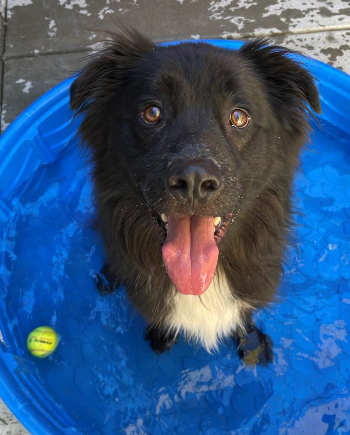
Male border collie
This 2-year-old male border collie has a black and white coat.
He is in kennel No. 18, ID No. LCAC-A-3995.
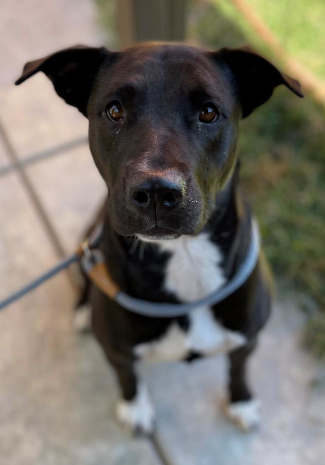
Labrador retriever mix
This 2-year-old female Labrador retriever mix has a short black coat.
She is in kennel No. 19, ID No. LCAC-A-3994.
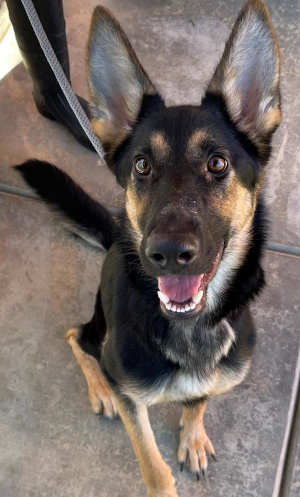
‘Harley’
“Harley” is a 6-month-old female German Shepherd puppy with a black and tan coat.
She is in kennel No. 20, ID No. LCAC-A-4024.
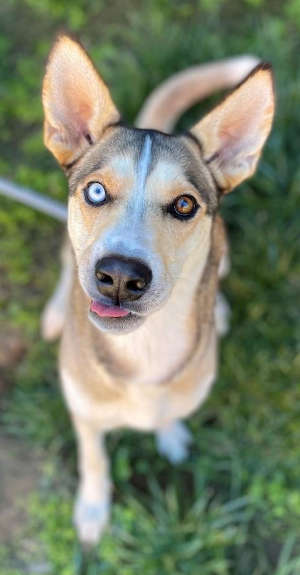
Male husky
This 3-year-old male husky has a short tricolor coat.
He is in kennel No. 22, ID No. LCAC-A-4014.
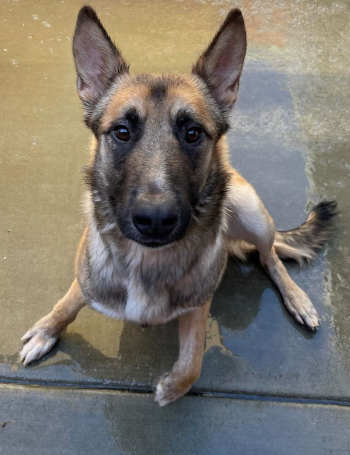
Male German shepherd
This 2-year-old male German shepherd has a black and tan coat.
Shelter staff called him a “handsome sweet dude who is motivated by treats and does well walking on a leash.
He is in kennel No. 25, ID No. LCAC-A-3870.

German shepherd mix
This 7-month-old female German shepherd mix has a black and tan coat.
She is in kennel No. 26, ID No. LCAC-A-4011.
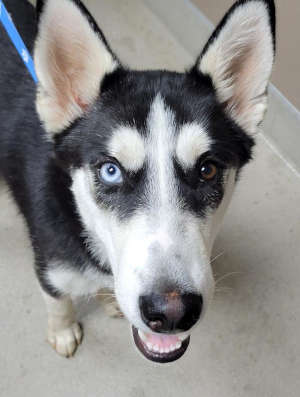
Female husky
This 1-year-old female husky has a cream and black coat.
She is in kennel No. 27, ID No. LCAC-A-3893.
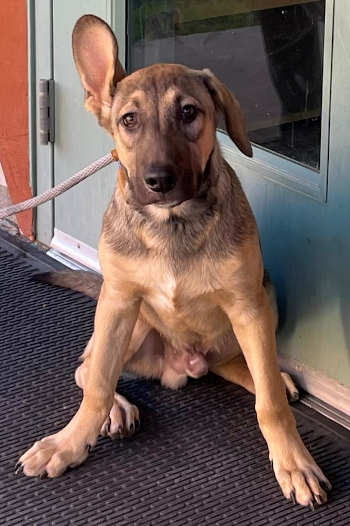
German shepherd mix
This 7-month-old male German shepherd mix pup has a black and tan coat.
He is in kennel No. 28, ID No. LCAC-A-4012.
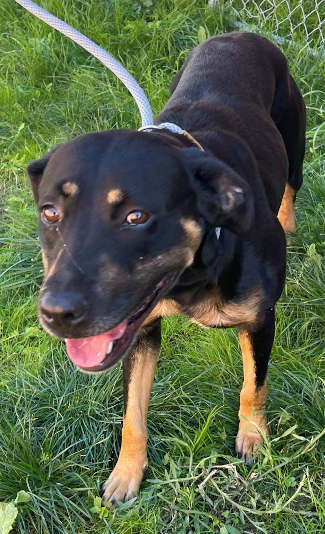
Rottweiler mix
This 4-year-old female Rottweiler has a short black and tan coat.
She is in kennel No. 34, ID No. LCAC-A-4013.
Email Elizabeth Larson at
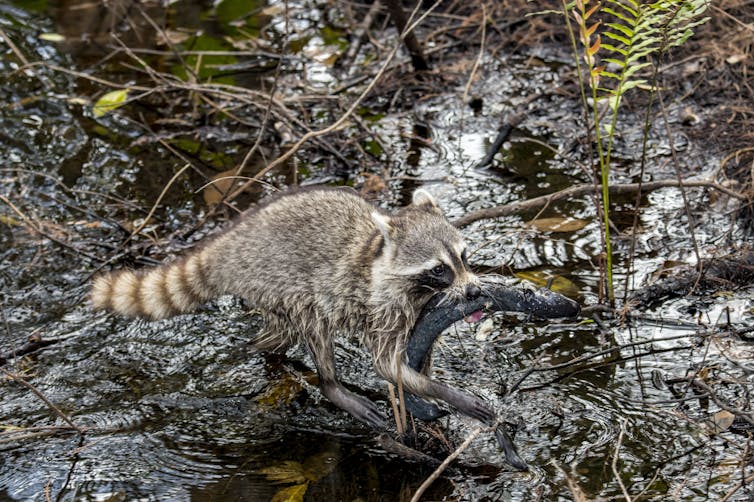
Wetlands are areas of land that are covered by water, or have flooded or waterlogged soils. They can have water on them either permanently or for just part of the year.
Whether it’s year-round or seasonal, this period of water saturation produces hydric soils, which contain little or no oxygen. But this doesn’t mean that they are lifeless: Wetlands are full of unique water-loving plants and wildlife that have adapted to wet environments.
Wetlands can take many different forms, depending on the local climate, water conditions and land forms and features. For example, swamps are dominated by woody trees or shrubs. Marshes often have more grasslike plants, such as cattails and bulrushes. Bogs and fens are areas that accumulate peat – deposits of dead and partly decomposed plant materials that form organic-rich soil.
Trillions of dollars in ecological benefits
Wetlands are important environments for many reasons. They provide ecological services whose value has been estimated to be worth more than US$47 trillion per year.
For example, wetlands support very high levels of biodiversity. Scientists estimate that 40% of all species on Earth live or breed in wetlands.
Wetlands are critical homes or stopovers for many species of migratory birds. In the central U.S. and Canada, for example, wetlands in the so-called prairie pothole region on the Great Plains support up to three-quarters of North America’s breeding ducks.
Along with providing important habitat for everything from microbes to frogs to waterfowl, wetlands also work to improve water quality. They can capture surface runoff from cities and farmlands and work as natural water filters, trapping excess nutrients that otherwise might create dead zones in lakes and bays. Wetlands can also help remove other pollutants and trap suspended sediments that cloud water bodies, which can kill aquatic plants and animals.
Because wetlands are often in low-lying areas of the landscape, they can store and slowly release surface water. Wetlands can be extremely important for reducing the impacts of flooding. In some places, water entering wetlands can also recharge groundwater aquifers that are important for irrigation and drinking water.
Wetlands also act as important carbon sinks. As wetland plants grow, they remove carbon dioxide from the atmosphere. They they die, sink to the bottom of the wetland and decompose very slowly.
Over time, the carbon they contain accumulates in wetland soils, where it can be stored for hundreds of years. Conserving and restoring wetlands is an important strategy for regulating greenhouse gases and mitigating the impacts of climate change.
Resources at risk
Despite the many valuable services they provide, wetlands are constantly being destroyed by draining them or filling them in, mainly for farming and development. Since 1970, the planet has lost 35% of its wetlands, a rate three times faster than the loss of forests.
Destruction and degradation of wetlands has led to the loss of many organisms that rely on wetland habitat, including birds, amphibians, fish, mammals and many insects. As one example, many dragonfly and damselfly species are declining worldwide as the freshwater wetlands where they breed are drained and filled in. A marsh or bog may not look like a productive place, but wetlands teem with life and are critically important parts of our environment.
Jon Sweetman, Assistant Research Professor of Ecosystem Science and Management, Penn State
This article is republished from The Conversation under a Creative Commons license. Read the original article.
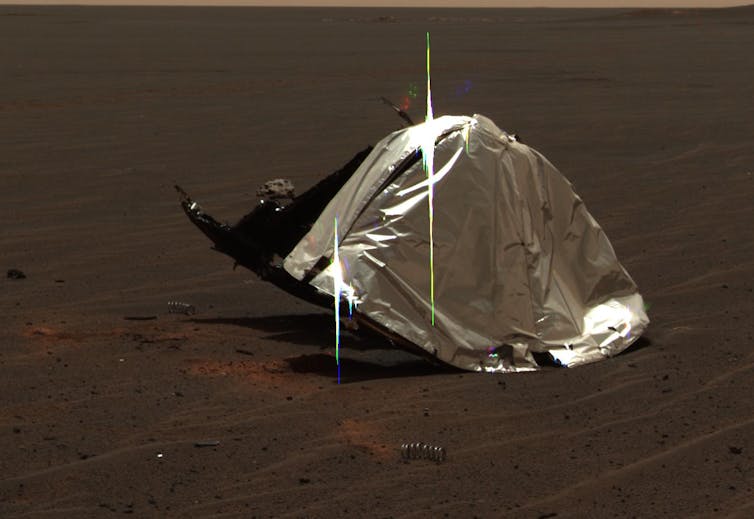
People have been exploring the surface of Mars for over 50 years. According to the United Nations Office for Outer Space Affairs, nations have sent 18 human-made objects to Mars over 14 separate missions. Many of these missions are still ongoing, but over the decades of Martian exploration, humankind has left behind many pieces of debris on the planet’s surface.
I am a postdoctoral research fellow who studies ways to track Mars and Moon rovers. In mid-August 2022, NASA confirmed that the Mars rover Perseverance had spotted a piece of trash jettisoned during its landing, this time a tangled mess of netting. And this is not the first time scientists have found trash on Mars. That’s because there is a lot there.
Where does the debris come from?
Debris on Mars comes from three main sources: discarded hardware, inactive spacecraft and crashed spacecraft.
Every mission to the Martian surface requires a module that protects the spacecraft. This module includes a heat shield for when the craft passes through the planet’s atmosphere and a parachute and landing hardware so that it can land softly.
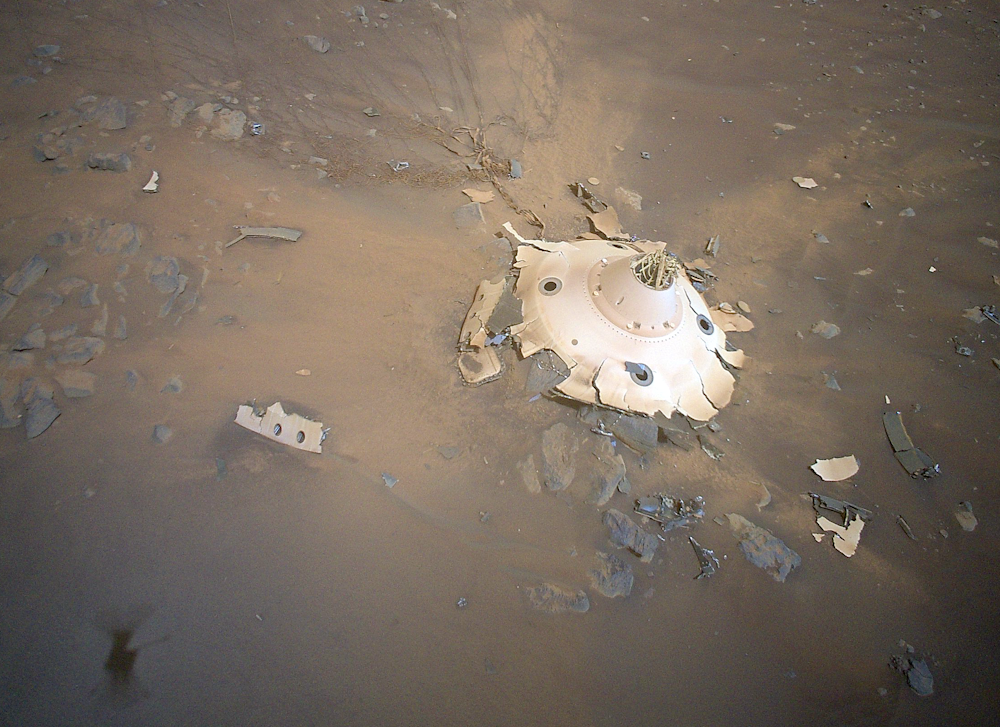
The craft discards pieces of the module as it descends, and these pieces can land in different locations on the planet’s surface – there may be a lower heat shield in one place and a parachute in another. When this debris crashes to the ground, it can break into smaller pieces, as happened during the Perseverance rover landing in 2021. These small pieces can then get blown around because of Martian winds.
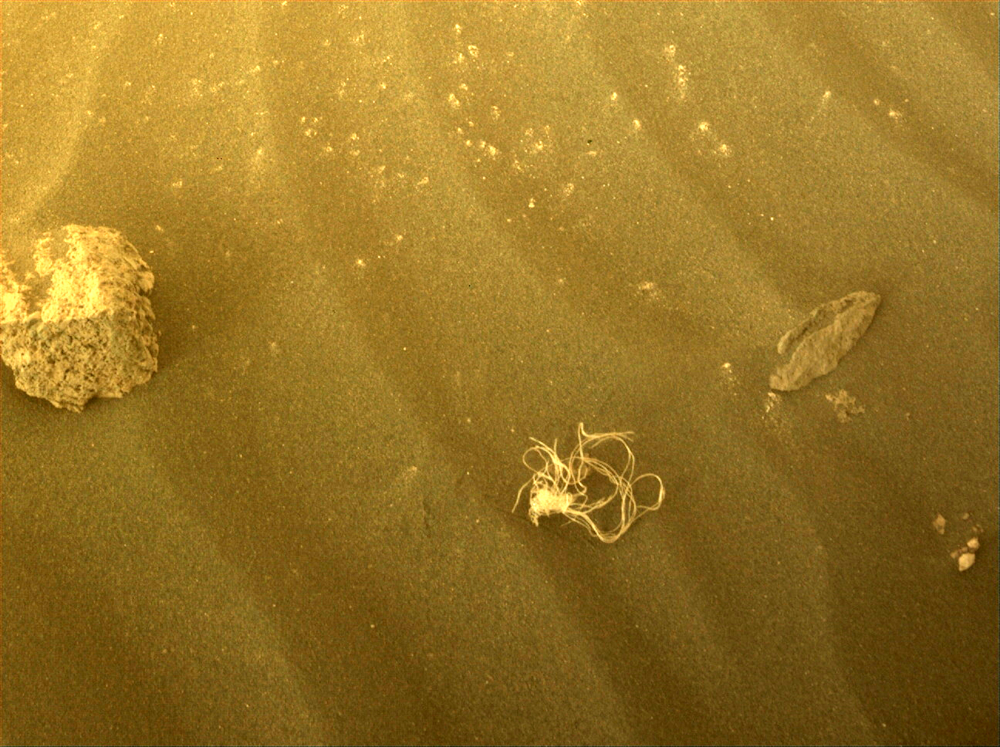
A lot of small, windblown trash has been found over the years – like the netting material found recently. Earlier in the year, on June 13, 2022, Perseverance rover spotted a large, shiny thermal blanket wedged in some rocks 1.25 miles (2 km) from where the rover landed. Both Curiosity in 2012 and Opportunity in 2005 also came across debris from their landing vehicles.
Dead and crashed spacecraft
The nine inactive spacecraft on the surface of Mars make up the next type of debris. These craft are the Mars 3 lander, Mars 6 lander, Viking 1 lander, Viking 2 lander, the Sojourner rover, the formerly lost Beagle 2 lander, the Phoenix lander, the Spirit rover and the most recently deceased spacecraft, the Opportunity rover. Mostly intact, these might be better considered historical relics than trash.
Wear and tear take their toll on everything on the Martian surface. Some parts of Curiosity’s aluminum wheels have broken off and are presumably scattered along the rover’s track. Some of the litter is purposeful, with Perseverance having dropped a drill bit onto the surface in July 2021, allowing it to swap in a new, pristine bit so that it could keep collecting samples.


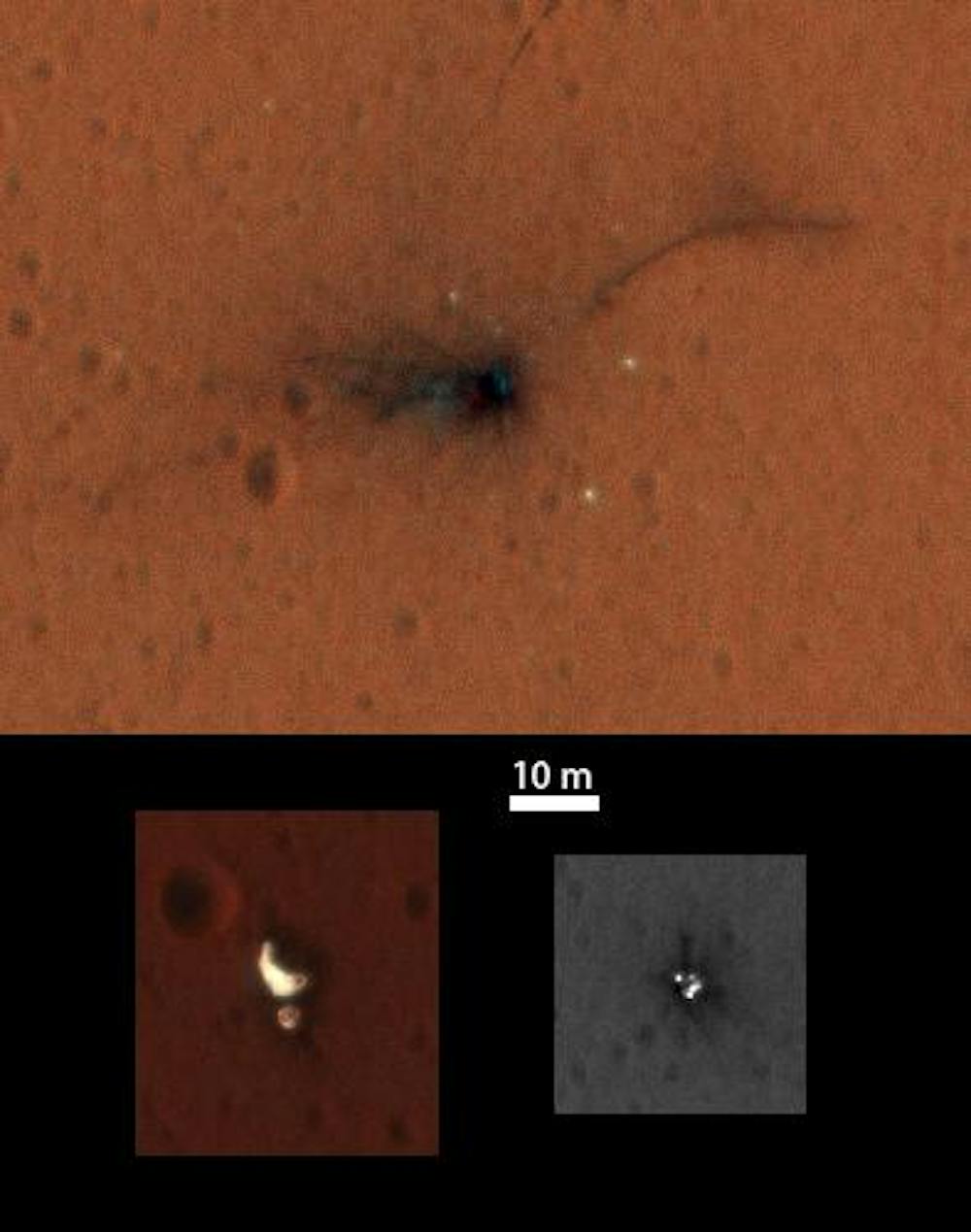
Crashed spacecraft and their pieces are another significant source of trash. At least two spacecraft have crashed, and an additional four have lost contact before or just after landing. Safely descending to the planet’s surface is the hardest part of any Mars landing mission – and it doesn’t always end well.
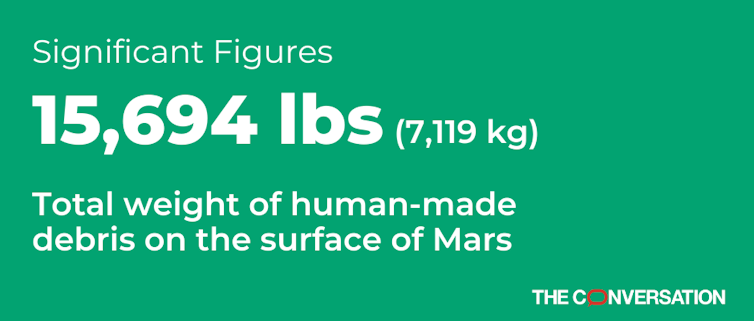
When you add up the mass of all spacecraft that have ever been sent to Mars, you get about 22,000 pounds (9979 kilograms). Subtract the weight of the currently operational craft on the surface – 6,306 pounds (2,860 kilograms) – and you are left with 15,694 pounds (7,119 kilograms) of human debris on Mars.
Why does trash matter?
Today, the main concern scientists have about trash on Mars is the risk it poses to current and future missions. The Perseverance teams are documenting all debris they find and checking to see if any of it could contaminate the samples the rover is collecting. NASA engineers have also considered whether Perseverance could get tangled in debris from the landing but have concluded the risk is low.
The real reason debris on Mars is important is because of its place in history. The spacecraft and their pieces are the early milestones for human planetary exploration.
Cagri Kilic, Postdoctoral Research Fellow in Robotics, West Virginia University
This article is republished from The Conversation under a Creative Commons license. Read the original article.
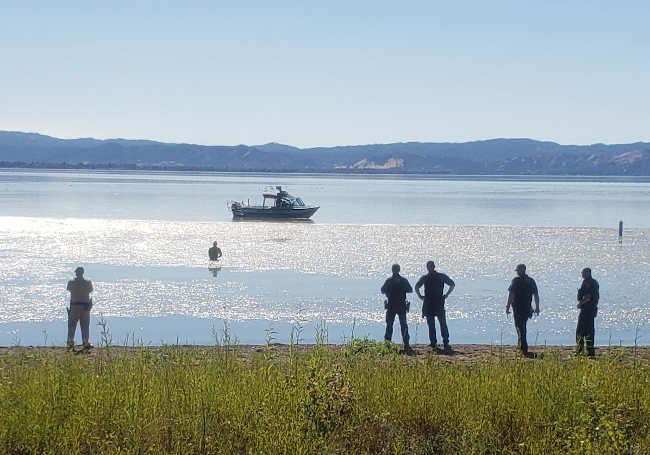
LUCERNE, Calif. — A chase involving law enforcement on Friday afternoon ended in Lucerne with a man wading into the lake to evade capture.
Traffic throughout Lucerne was backed up for some time at around 3 p.m., as the incident was taking place.
The Lake County Sheriff’s Office said it was only assisting with the situation and deferred statement on the matter to the CHP.
The CHP could only confirm to Lake County News on Friday afternoon that a foot pursuit was taking place and a subject was being sought. At that point, no further information was available, since the incident was ongoing, said Officer Efrain Cortez.
The subject waded into waist deep water offshore of Lucerne near the intersection of Country Club Drive and Hwy 20. The water there appeared too shallow for the Lake County Sheriff’s Marine Patrol, which waited further offshore.
Approximately one dozen law enforcement from various agencies including the California Highway Patrol, the Lake County Sheriff’s Office and Lake County Probation held positions along the beach.
There was an ongoing conversation between law enforcement and the subject, who walked around in the shallow water.
As he moved around just out of reach he was heard repeating, “Am I under arrest?” He also said, “If I come to shore right now, I'm going to jail,” and “I'm not going to jail.”
As the conversation continued on, several law enforcement personnel appeared to be preparing to be in the sun on the beach for some time by positioning themselves in the shade of a nearby pier.
Another stood with a long gun, blocking the subject's path to the east.
It was unknown at press time if the subject was eventually taken into custody.
Email John Jensen at
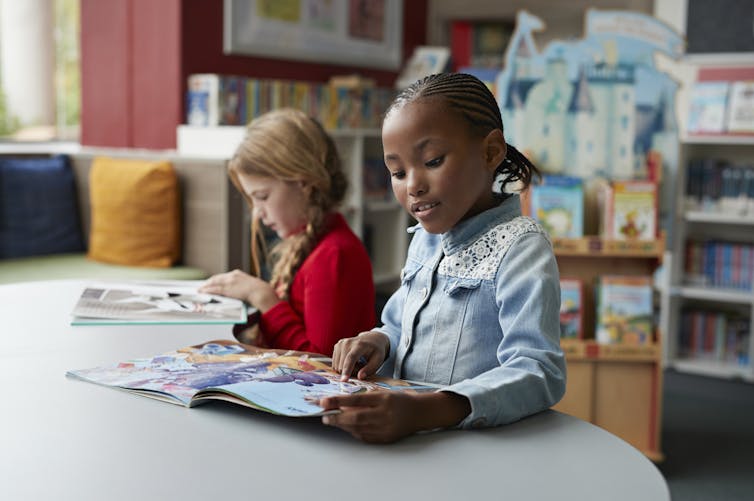
Michelle Martin is the Beverly Cleary Professor for Children and Youth Services in the Information School at the University of Washington. She primarily teaches students who will be youth services librarians who work with children and young adults in libraries or other information science spaces. Below are highlights from an interview with The Conversation U.S. Answers have been edited for brevity and clarity.
How did you get to where you are today?
I have a doctorate in English, specializing in children’s and young adult literature. I spent the first half of my 25-year career in English departments, teaching education and English majors. And then I shifted to social science when I joined the University of South Carolina’s library school in 2011. Since 2016, I have taught future librarians at University of Washington in the Information School (which began as the Library School).
What would surprise someone about the work you do if they don’t know about what you study?
Some of my publications have more to do with children in books than with real children who read books. Those who study children’s literature from an English studies perspective look at children’s books as literary and artistic artifacts and attend to aspects like the art, character development and applying different theoretical readings to texts for young people rather than focusing on what children and young adults do with books. But I care deeply about children and how they interact with books, which is often more of a focus of those who teach children’s literature in library science and education departments. My teaching, research and service cross all three disciplines.
A lot of the work that I do now really helps adults understand the importance of exposing children to diverse perspectives in books and for children to be able to see their own experiences in the books that they read. The books that you grew up on might not necessarily be good for or the most entertaining to children you’re working with now.
I need to really do my homework and read widely to be able to teach and recommend books that represent kids’ life experiences and families who come from different backgrounds.
How has the role of libraries shifted as a result of the pandemic?
Libraries have been under a lot of the same stresses that everyone else has. But even though many libraries closed physically, they continued to serve their communities. Libraries have worked hard to to meet their communities where they are, especially those that have been hardest hit by the pandemic – from providing virtual storytimes to career assistance. For instance, many libraries extended their Wi-Fi into the parking lot so that parents could drive their kids to the library, download their homework and go home and do it. Even though many students had a laptop provided by the school, if they lived in rural areas where there’s no internet, they did not have what they needed to succeed in school. Libraries helped to support many of these families.
I’ve heard so many stories of ways libraries met the needs of the community during the pandemic, such as providing clothing or food or enhancing information access by offering no-contact, curbside pickup, or turning personal vehicles into a bookmobiles to deliver books to those who could not get to the library.
Some readers might think of libraries as institutions that don’t change. And maybe the pandemic has proved that libraries can adapt and change with the times as we need them to.
I’m working on a research project right now called Project VOICE that seeks to help libraries plan outreach with, not for, their communities with a social justice lens and with participatory design. We recommend that librarians work closely with the community and community partner organizations to discern what the community’s assets and values are and take a strengths-based approach to creating outreach programs rather than the deficit model that focuses on weaknesses and needs.
We’re encouraging libraries to depart from the approach that says, “Hey, we’re the library, here’s what we do well. Can you use it?” and instead ask, “As members of this community, you know best what the community’s values and assets are. How can we, as the library, partner with you to support your goals and aspirations?”
Because communities across the country are more diverse than ever, and becoming more so, it’s really important for librarians to spend time and effort building relationships with those in the community. This will ensure that libraries continue to understand the nuances of how to best serve their community, especially as the face of that community changes rapidly.
Michelle H. Martin, Beverly Cleary Professor for Children & Youth Services, University of Washington
This article is republished from The Conversation under a Creative Commons license. Read the original article.