 How to resolve AdBlock issue?
News
Call Lake County Animal Care and Control at 707-263-0278 or visit the shelter online for information on visiting or adopting.
The following cats at the shelter have been cleared for adoption.

Female domestic shorthair
This 1-year-old female domestic shorthair cat has a yellow tabby coat.
She is in cat room kennel No. 70, ID No. LCAC-A-4988.

Female domestic shorthair
This 1.5-year-old female domestic shorthair cat has a gray tabby coat.
She is in cat room kennel No. 74, ID No. LCAC-A-4930.

‘Wednesday’
“Wednesday” is a 3-year-old domestic shorthair cat with a short gray coat.
She is in kennel No. 127, ID No. LCAC-A-4463.

‘Flynn’
“Flynn” is a 9-year-old male Siamese cat with a medium-length white coat and blue eyes.
He is in kennel No. 13, ID No. LCAC-A-3460.
Email Elizabeth Larson at
The celebration will take place on Saturday, April 22, from 10 a.m. to 3 p.m. at the Calpine Geothermal Visitor Center, 15500 Central Park Road.
“We are thrilled to be hosting Earth Day again,” said Danielle Matthews Seperas, director of community affairs at Calpine. “After spending time in isolation our collaboration with Middletown Art Center promises to make this year’s event the best one yet. We can’t wait to celebrate Earth Day this year with friends both old and new.”
With a theme of sustainability, this year’s Earth Day will host many exciting vendors, live music, pony rides, and activities for families and children.
The Goddess of the Mountain will be serving a beautiful, healthy lunch based on the Three Sisters, which the Iroquois and the Cherokee called corn, bean, and squash, because they nurture each other like family when planted together.
The Middletown Community Garden will offer tours and workshops to further their mission of educating the community about sustainable food production and healthy eating. A tree planting ceremony will be featured at 1 pm.
The Lake County Master Gardeners will be on hand to answer your gardening questions and to hand out useful information and seeds.
Local vendors include a solar installation company, plant nursery, makers from around Lake County and more.
The Children's Museum of Art and Science in Clearlake will offer fun activities for kids. A veritable petting zoo with a donkey, miniature horse and a goat also will be there.
Jesus Christ Fellowship, next door to the Calpine Geothermal Visitor Center and the garden, will open its doors for the community to enjoy billiards and other games inside the church, as well as the Lions Club-sponsored Bocce ball out back.
Beaver Creek, a local biodynamic and organic winery will pour. Biodynamic farming is holistic land stewardship at its best. It is the highest paradigm of sustainable farming, offering one of the smallest carbon footprints of any agricultural method. They forgo the use of inorganic fertilizers, pesticides or herbicides and instead rely on practices such as composting to increase the activity of microorganisms in the soil and planting cover crops that control erosion and provide habitat and food for beneficial insects as well as green manure for the vines.
And since all great parties start with great music, Brandon Eardley will provide music for the first half of the day’s events with Carlos Garay providing the tunes for the second half.
The day will close with our local poet laureate, Georgina Marie Guardado reading poetry she composed specifically for this event.
For more information or to become a vendor please email
The play will be presented on Saturday, May 20, and Sunday May 21, from 4 to 6 p.m.
The event is free but donations are gratefully accepted.
The Passion Play invites everyone to join them as they share the story of the passion, death, resurrection and ascension of Jesus Christ.
Lake County’s Passion Play has been rated by many spectators as among the best in the world.
The play is a prayerful expression of the faith of the people involved.
Men, women, and children from many denominations have come together to make what organizers call “a truly ecumenical experience, touched by the Holy Spirit.”
For the performances, bring your own chair. There are facilities for the handicapped. Water will be available.
There is no smoking, food, drink or pets allowed on the grounds.
The Lake County Outdoor Passion Play grounds are located at 7010 Westlake Road in Upper Lake, about four miles north of Lakeport, off Highway 29.
For more information, visit the Passion Play Facebook page or website, or call 707-263-0349.
Dogs available for adoption this week include mixes of Akita, Anatolian shepherd, Australian cattle dog, blue heeler, border collie, boxer, Chihuahua, German shepherd, Great Pyrenees, Labrador retriever, pit bull and terrier.
Dogs that are adopted from Lake County Animal Care and Control are either neutered or spayed, microchipped and, if old enough, given a rabies shot and county license before being released to their new owner. License fees do not apply to residents of the cities of Lakeport or Clearlake.
The following dogs at the Lake County Animal Care and Control shelter have been cleared for adoption.
Call Lake County Animal Care and Control at 707-263-0278 or visit the shelter online for information on visiting or adopting.

‘Ivy’
“Ivy” is a 2-month-old Akita-Anatolian shepherd mix with a short brown and black coat.
She is in foster, ID No. LCAC-A-5031.

‘LilDan’
“LilDan” is a 7-month-old short coat Chihuahua-terrier mix.
He is in kennel No. 2, ID No. LCAC-A-4719.

Male American blue heeler
This 1.5-year-old male American blue heeler has a blue and tan coat.
He is in kennel No. 3, ID No. LCAC-A-4961.

Female pit bull terrier puppy
This 3-month-old female American pit bull terrier puppy has a short black and white coat.
She is in kennel No. 4, ID No. LCAC-A-4788.

‘Shasta’
“Shasta” is a 1-year-old female pit bull terrier with a short black and white coat.
She is in kennel No. 5, ID No. LCAC-A-4873.
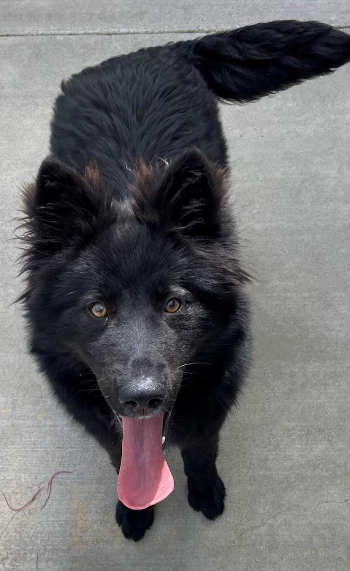
Male border collie-shepherd mix
This 2-year-old male border collie-shepherd mix has a long black coat.
He is in kennel No. 9, ID No. LCAC-A-5012.

Male Chihuahua-terrier mix
This 3-year-old male Chihuahua-terrier mix has a short buff coat.
He is in kennel No. 10, ID No. LCAC-A-5008.

Female border collie
This 1-year-old female border collie has a black and white coat, and one brown eye and one blue eye.
She is in kennel No. 11, ID No. LCAC-A-4903.

Female pit bull terrier
This 1-year-old female pit bull terrier has a brindle and white coat.
She is in kennel No. 16, ID No. LCAC-A-5000.

Female Great Pyrenees puppy
This 3-month-old female Great Pyrenees puppy has a short tan coat with black markings.
She is in kennel No. 18, ID No. LCAC-A-5026.

Male pit bull terrier
This one and a half year old male pit bull terrier has a black coat with white markings.
He is in kennel No. 19, ID No. LCAC-A-4843.

Female pit bull terrier puppy
This 3-month-old female American pit bull terrier puppy has a short brindle coat.
She is in kennel No. 22, ID No. LCAC-A-4787.

Male pit bull
This 2-year-old male pit bull has a short brindle coat with white markings.
He is in kennel No. 23, ID No. LCAC-A-5029.
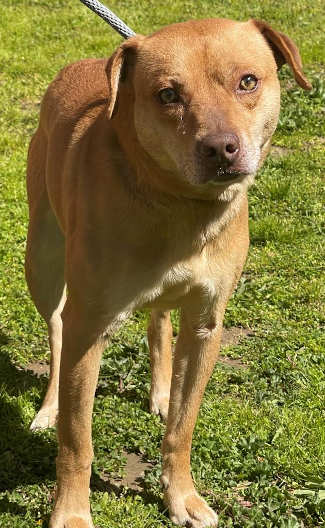
Male mixed breed
This 2-year-old male mixed breed dog has a short tan coat.
He is in kennel No. 24, ID No. LCAC-A-5024.

Male boxer-pit bull mix
This 8-year-old male boxer-pit bull mix has a short brown brindle coat.
He is in kennel No. 26, ID No. LCAC-A-4678.
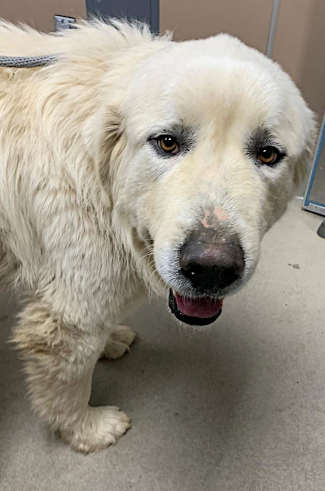
Male Great Pyrenees
This 2-year-old male Great Pyrenees has a long white coat.
He is in kennel No. 28, ID No. LCAC-A-4821.

Male shepherd
This 2-year-old male shepherd has a black and tan coat.
He is in kennel No. 30, ID No. LCAC-A-5023.

Female German shepherd
This 1-year-old female German shepherd has a black and tan coat.
She is in kennel No. 34, ID No. LCAC-A-5015.
Email Elizabeth Larson at
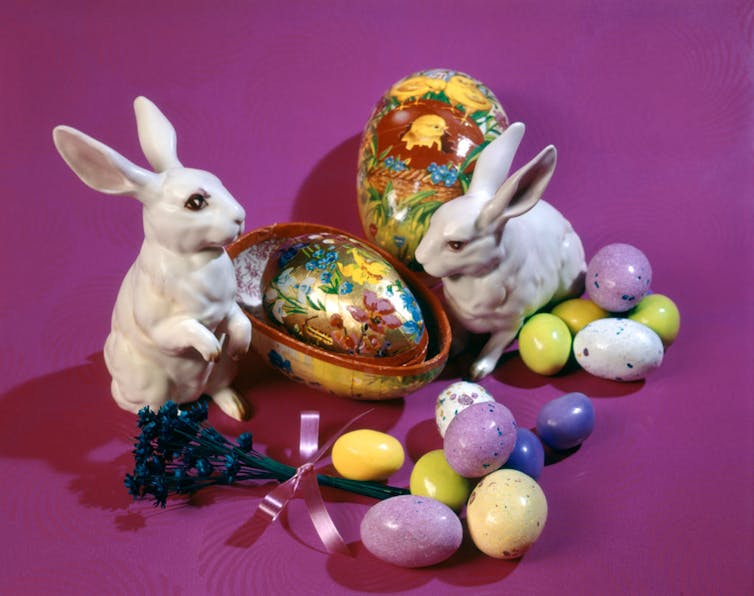
What’s Easter about? In some ways, the answer is pretty simple: Jesus Christ, and Christians’ belief that he rose from the dead.
In other ways, though, the springtime holiday is far from straightforward. How did rabbits get involved? Where did the name “Easter” come from – and why is the English word different from the way many other cultures refer to the holy day? Even theologically, exactly what the Resurrection means is not universally agreed upon.
Here are four articles that delve into Easter’s history, its significance – and what a rock ‘n’ roll Broadway show has to do with it.
1. Picking the date
First things first: Easter is what’s called a “movable feast,” a holiday whose exact date changes year to year. In the Northern Hemisphere it falls soon after the spring equinox, as the world comes back into bloom – a fitting time to celebrate rebirth.
But Easter’s dating “goes back to the complicated origins of this holiday and how it has evolved over the centuries,” wrote Brent Landau, a religious studies scholar at the University of Texas at Austin. Similar to Christmas and Halloween celebrations today, Easter blends together elements from Christian and non-Christian traditions.

The name “Easter” itself seems linked to a pre-Christian goddess named Eostre in what is now England; she was celebrated in springtime. And in fact, in most languages, the word for the holiday is related to Passover, since the Gospels say Jesus traveled to Jerusalem to celebrate the Jewish festival in the days leading up to his crucifixion.
But “celebrating” Easter, per se, wasn’t always in fashion with Christians. For the Puritans, Landau explained, these holidays were regarded as too tainted by merrymaking and un-Christian influences. As 19th-century American culture embraced the idea of childhood as a special time in life, though – not just preparation for adulthood – both Christmas and Easter became popular occasions to spend time with family.
2. Holy hares
The Easter bunny’s bio starts long before the 1800s, though. Rabbits’ and hares’ famous fertility has made them symbols of rebirth for thousands of years. Some were ritually buried alongside people during the Neolithic age, for example.
Of course, that fecundity also makes them symbols of sex, as anyone who’s seen the Playboy logo is aware. “In the Classical Greek tradition, hares were sacred to Aphrodite, the goddess of love,” explained folklorist Tok Thompson, a professor at USC Dornsife. The goddess’s son Eros was also depicted carrying a hare “as a symbol of unquenchable desire,” and even the Virgin Mary is often painted with a rabbit, to symbolize how she overcame desire.
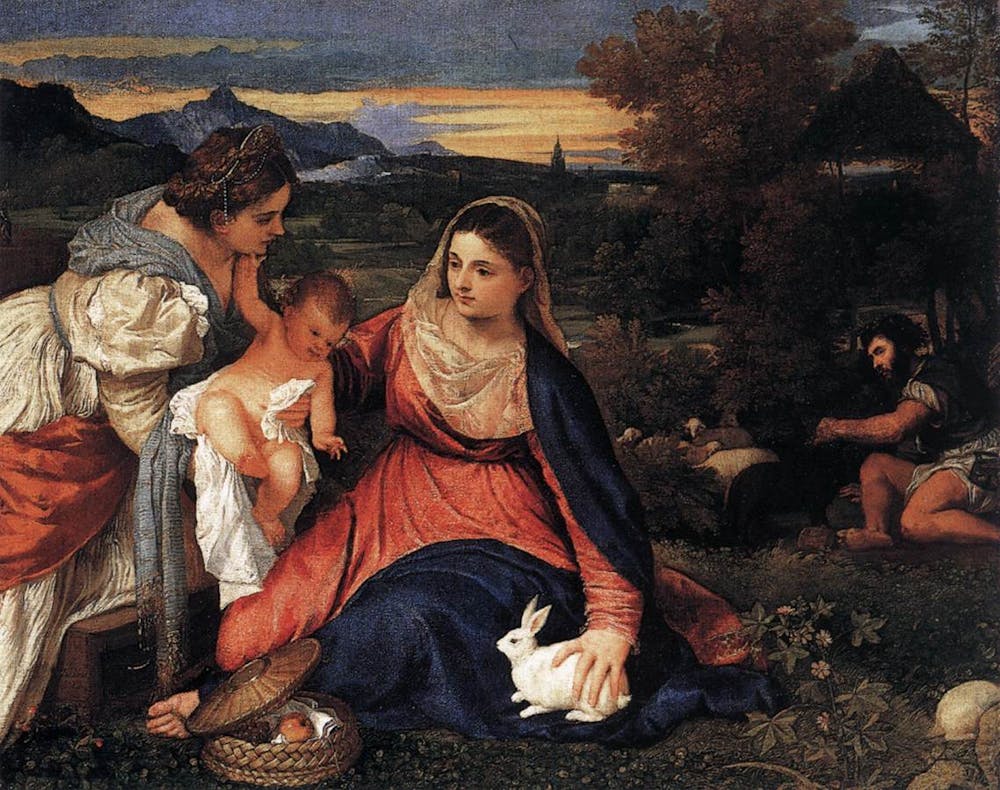

Modern-day Easter bunny traditions stem from folk traditions in Germany and England, and there is evidence that the goddess Eostre’s symbol was the hare as well.
3. Victory over death
Holy Week, the series of events in Christian churches that lead up to Easter, traces Jesus’ final days before death and resurrection, including Palm Sunday and the Last Supper. Easter Sunday itself is the climax of the story: his triumph over death.
“As a Baptist minister and theologian myself, I believe it is important to understand how Christians more generally, and Baptists in particular, hold differing views on the meaning of the resurrection,” wrote Jason Oliver Evans, a doctoral candidate at the University of Virginia.
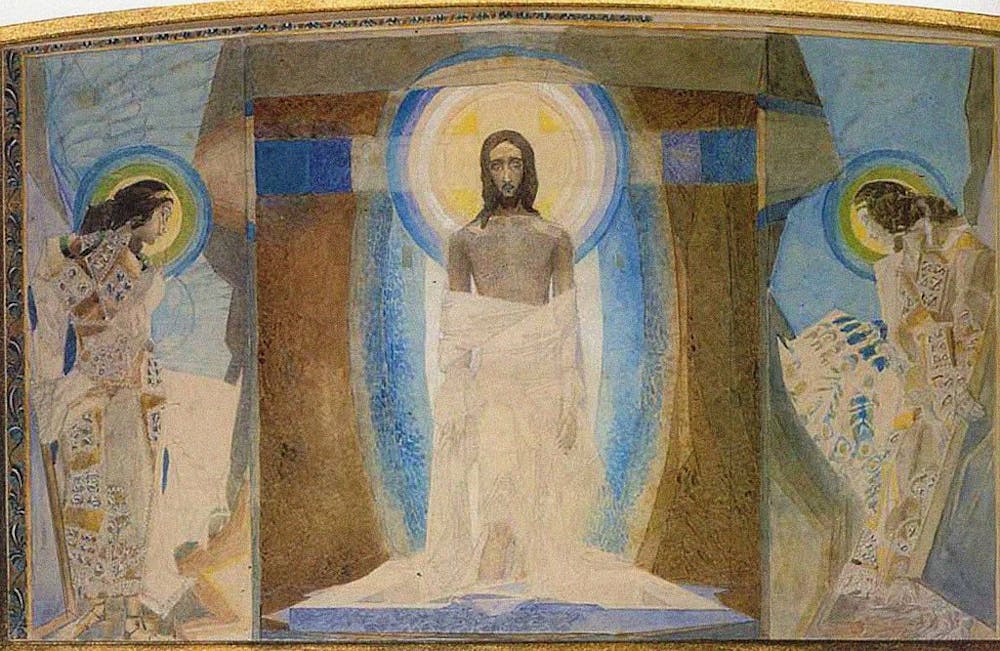
Over the centuries, Evans wrote, Christians have had “passionate debates over this central doctrine of Christian faith” and what it means for Jesus’ followers – such as whether his body was literally raised from the dead.
4. Superstar
There are many ways to share the story of Holy Week – and one of the most controversial ones debuted on Broadway in 1971.
“Jesus Christ Superstar,” the rock musical by Andrew Lloyd Webber and Tim Rice, struck some Christians as blasphemous with its modern-day telling of the Passion and “Jesus is cool” ethos. Then there’s the show’s ending, which cuts off after the crucifixion – cutting out the Resurrection, and its theological message, entirely.
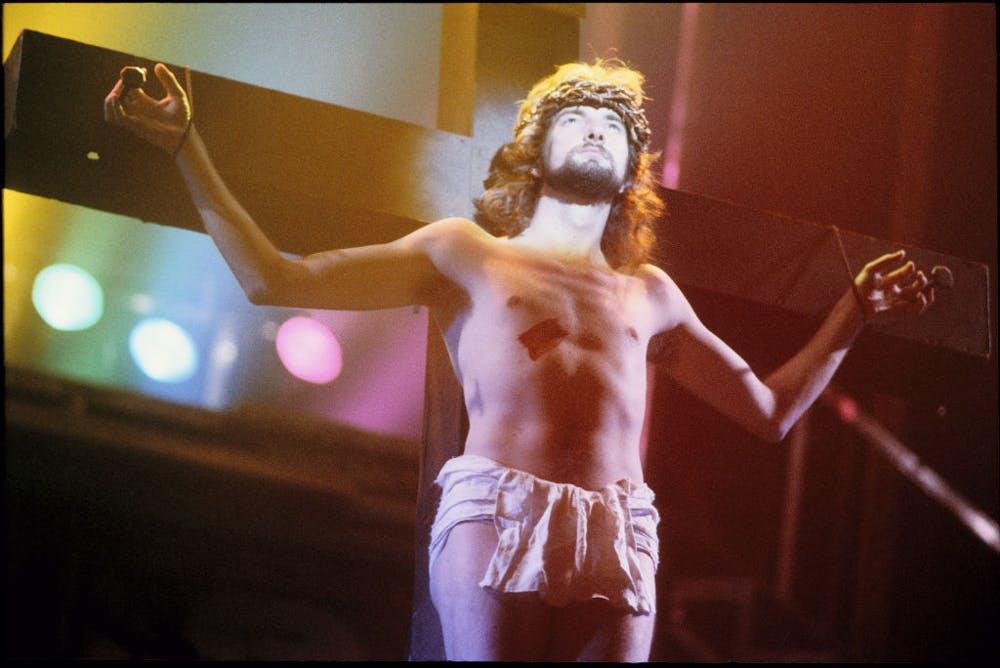
Half a century later, though, “Superstar” raises fewer eyebrows – a reflection of changes in U.S. culture and Christianity, wrote Henry Bial, a theater professor at the University of Kansas. Maybe that shouldn’t be such a shock: As he pointed out, theater and drama have always been entwined with Bible stories.
Editor’s note: This story is a roundup of articles from The Conversation’s archives.
Molly Jackson, Religion and Ethics Editor, The Conversation
This article is republished from The Conversation under a Creative Commons license. Read the original article.
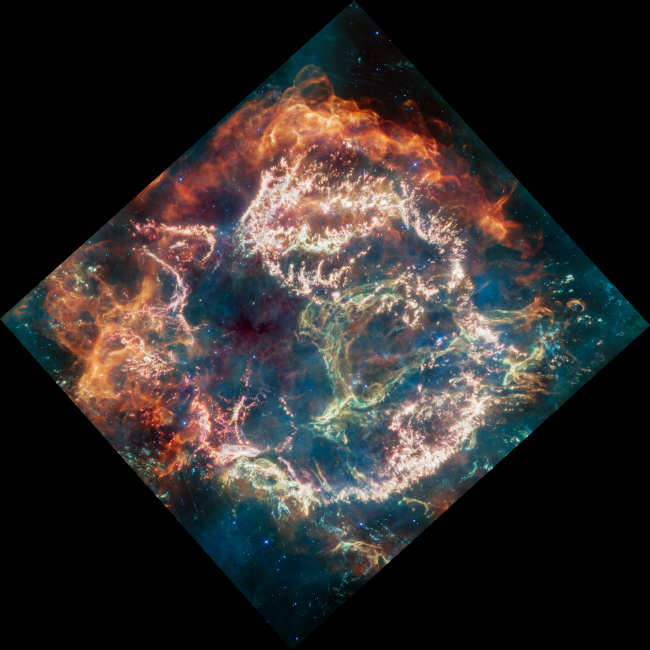
The explosion of a star is a dramatic event, but the remains the star leaves behind can be even more dramatic.
A new mid-infrared image from NASA’s James Webb Space Telescope provides one stunning example. It shows the supernova remnant Cassiopeia A (Cas A), created by a stellar explosion 340 years ago from Earth’s perspective.
Cas A is the youngest known remnant from an exploding, massive star in our galaxy, which makes it a unique opportunity to learn more about how such supernovae occur.
“Cas A represents our best opportunity to look at the debris field of an exploded star and run a kind of stellar autopsy to understand what type of star was there beforehand and how that star exploded,” said Danny Milisavljevic of Purdue University in West Lafayette, Indiana, principal investigator of the Webb program that captured these observations.
“Compared to previous infrared images, we see incredible detail that we haven't been able to access before,” added Tea Temim of Princeton University in Princeton, New Jersey, a co-investigator on the program.
Cassiopeia A is a prototypical supernova remnant that has been widely studied by a number of ground-based and space-based observatories, including NASA’s Chandra X-ray Observatory. The multi-wavelength observations can be combined to provide scientists with a more comprehensive understanding of the remnant.
Dissecting the image
The striking colors of the new Cas A image, in which infrared light is translated into visible-light wavelengths, hold a wealth of scientific information the team is just beginning to tease out.
On the bubble’s exterior, particularly at the top and left, lie curtains of material appearing orange and red due to emission from warm dust. This marks where ejected material from the exploded star is ramming into surrounding circumstellar gas and dust.
Interior to this outer shell lie mottled filaments of bright pink studded with clumps and knots. This represents material from the star itself, which is shining due to a mix of various heavy elements, such as oxygen, argon, and neon, as well as dust emission.
“We’re still trying to disentangle all these sources of emission,” said Ilse De Looze of Ghent University in Belgium, another co-investigator on the program.
The stellar material can also be seen as fainter wisps near the cavity’s interior.
Perhaps most prominently, a loop represented in green extends across the right side of the central cavity. “We’ve nicknamed it the Green Monster in honor of Fenway Park in Boston. If you look closely, you’ll notice that it’s pockmarked with what look like mini-bubbles,” said Milisavljevic. “The shape and complexity are unexpected and challenging to understand.”
Origins of cosmic dust – and us
Among the science questions that Cas A may help answer is: Where does cosmic dust come from?
Observations have found that even very young galaxies in the early universe are suffused with massive quantities of dust. It’s difficult to explain the origins of this dust without invoking supernovae, which spew large quantities of heavy elements (the building blocks of dust) across space.
However, existing observations of supernovae have been unable to conclusively explain the amount of dust we see in those early galaxies.
By studying Cas A with Webb, astronomers hope to gain a better understanding of its dust content, which can help inform our understanding of where the building blocks of planets and ourselves are created.
“In Cas A, we can spatially resolve regions that have different gas compositions and look at what types of dust were formed in those regions,” explained Temim.
Supernovae like the one that formed Cas A are crucial for life as we know it. They spread elements like the calcium we find in our bones and the iron in our blood across interstellar space, seeding new generations of stars and planets.
“By understanding the process of exploding stars, we’re reading our own origin story,” said Milisavljevic. “I’m going to spend the rest of my career trying to understand what’s in this data set.”
The Cas A remnant spans about 10 light-years and is located 11,000 light-years away in the constellation Cassiopeia.
The James Webb Space Telescope is the world’s premier space science observatory. Webb will solve mysteries in our solar system, look beyond to distant worlds around other stars, and probe the mysterious structures and origins of our universe and our place in it. Webb is an international program led by NASA with its partners, ESA (European Space Agency) and the Canadian Space Agency.