 How to resolve AdBlock issue?
News

The California Department of Fish and Wildlife has implemented a new policy recognizing the ecological benefits of beavers while mitigating conflict over damage to land and property, or depredation.
CDFW’s new policy builds upon its existing beaver management policies and lays the groundwork for projects that harness beavers’ natural ability to help protect biodiversity, restore habitat and build wildfire-resilient landscapes.
This includes a process that enables beaver relocation as a restoration tool and a new non-lethal option.
The policy also outlines a process to mitigate beaver depredation conflict, prioritizes the use of non-lethal deterrents whenever possible and ensures that lethal removal of depredation beavers is done in a humane manner.
The new policy, signed by CDFW Director Charlton H. Bonham on June 5, is available on CDFW’s beaver webpage.
Here are a few key take-aways related to depredation permits:
• CDFW shall document all nonlethal measures taken by the landowner to prevent damage prior to requesting a depredation permit.
• CDFW shall require implementation of feasible nonlethal corrective actions by the landowner to prevent future beaver damage.
• CDFW shall determine whether a property is located within the range of listed species and add permit terms and conditions to protect native wildlife.
• CDFW shall continue to prioritize issuance of depredation permits if it determines that an imminent threat to public safety exists, such as flooding or catastrophic infrastructure damage.
“Beavers help improve habitat restoration and water quality, restore ecosystem processes and bolster wildfire resiliency,” said Director Bonham. “This new policy formally recognizes beavers as a keystone species and ecosystem engineers in California. They are truly the Swiss army knife of native species due to their ability to provide so many nature-based ecosystem services.”
CDFW is committed to ensuring that humans and beavers can safely coexist when and where possible, and continues to prioritize communication, staff training, public education and outreach to reduce human/beaver conflict. CDFW staff will provide technical assistance to landowners to prevent future occurrence of beaver damage.
In 2020, the CDFW Human-Wildlife Conflict Program created a comprehensive online Human-Wildlife Conflict Toolkit that includes accessible resources with logistically and economically feasible options to help property owners prevent damage due to beaver activity.
“The department’s new Beaver Restoration Program is up and running with the hiring of five environmental scientists dedicated to the program,” continued Bonham. “This is such an exciting time for ecosystem restoration and CDFW is so grateful to the Governor and the Legislature for supporting this new program with funding in Fiscal Year 2022-23.”
On May 24, a consortium of advocates representing the Beaver Policy Working Group and the Placer Land Trust hosted a field trip for legislators and agency representatives including CDFW to Doty Ravine in Placer County to see beaver restoration at work.
The field trip served to highlight the state’s Natural and Working Lands Climate Smart Strategy (Executive Order N-82-20) in action.
The California Natural Resources Agency’s YouTube page features an interview from the field trip with CDFW Beaver Restoration Program Manager Valerie Cook.
On May 25, CDFW hosted its first virtual informational meeting (webinar) to celebrate the formal launch of the new Beaver Restoration Program.
More than 250 people including media outlets attended this webinar to learn more about this historic program. Program staff will collaborate with diverse partners to translocate beavers into watersheds where their dams can help restore hydrologic connectivity, ecological processes and natural habitat.
A recording of the webinar is available on CDFW’s beaver webpage under the “Beaver-assisted Restoration” tab.
The chemical industry took a page out of the tobacco playbook when they discovered and suppressed their knowledge of health harms caused by exposure to PFAS (per- and polyfluoroalkyl substances), according to an analysis of previously secret industry documents by UC San Francisco researchers.
A new paper published May 31, 2023, in Annals of Global Health, examines documents from DuPont and 3M, the largest manufacturers of PFAS, and analyzes the tactics industry used to delay public awareness of PFAS toxicity and, in turn, delay regulations governing their use.
PFAS are widely used chemicals in clothing, household goods, and food products, and are highly resistant to breaking down, giving them the name “forever chemicals.” They are now ubiquitous in people and the environment.
“These documents reveal clear evidence that the chemical industry knew about the dangers of PFAS and failed to let the public, regulators, and even their own employees know the risks,” said Tracey J. Woodruff, PhD, professor and director of the UCSF Program on Reproductive Health and the Environment, or PRHE, a former senior scientist and policy advisor at the Environmental Protection Agency and senior author of the paper.
This is the first time these PFAS industry documents have been analyzed by scientists using methods designed to expose tobacco industry tactics.
Adverse effects had been known for decades
The secret industry documents were discovered in a lawsuit filed by attorney Robert Bilott, who was the first to successfully sue DuPont for PFAS contamination and whose story was featured in the film, “Dark Waters.”
Bilott gave the documents, which span 45 years from 1961 to 2006, to producers of the documentary, “The Devil We Know,” who donated them to the UCSF Chemical Industry Documents Library.
“Having access to these documents allows us to see what the manufacturers knew and when, but also how polluting industries keep critical public health information private,” said first author Nadia Gaber, MD, PhD, who led the research as a PRHE fellow and is now an emergency medicine resident. “This research is important to inform policy and move us towards a precautionary rather than reactionary principle of chemical regulation.”
This research is important to inform policy and move us towards a precautionary rather than reactionary principle of chemical regulation.
Little was publicly known about the toxicity of PFAS for the first 50 years of their use, the authors stated in the paper, The Devil They Knew: Chemical Documents Analysis of Industry Influence on PFAS Science, despite the fact that “industry had multiple studies showing adverse health effects at least 21 years before they were reported in public findings.”
The paper states that, “DuPont had evidence of PFAS toxicity from internal animal and occupational studies that they did not publish in the scientific literature and failed to report their findings to EPA as required under TSCA. These documents were all marked as ‘confidential,’ and in some cases, industry executives are explicit that they ‘wanted this memo destroyed.’”
Suppressing information to protect a product
The paper documents a timeline of what industry knew versus public knowledge and analyzes strategies the chemical industry used to suppress information or protect their harmful products. Examples include:
Cases of enlarged organs. As early as 1961, according to a company report, Teflon’s Chief of Toxicology discovered that Teflon materials had “the ability to increase the size of the liver of rats at low doses,” and advised that the chemicals “be handled ‘with extreme care’ and that ‘contact with the skin should be strictly avoided.’”
Animal deaths after ingestion. According to a 1970 internal memo, DuPont-funded Haskell Laboratory found C8 (one of thousands of PFAS) to be “highly toxic when inhaled and moderately toxic when ingested.” And in a 1979 private report for DuPont, Haskell labs found that dogs who were exposed to a single dose of PFOA “died two days after ingestion.”
Birth defects in employees’ children. In 1980, DuPont and 3M learned that two of eight pregnant employees who had worked in C8 manufacturing gave birth to children with birth defects.
The company did not publish the discovery or tell employees about it, and the following year an internal memo stated, “We know of no evidence of birth defects caused by C-8 at DuPont.”
Despite these and more examples, DuPont reassured its employees in 1980 that C8, “has a lower toxicity, like table salt.”
Referring to reports of PFAS groundwater contamination near one of DuPont’s manufacturing plants, a 1991 press release claimed, “C-8 has no known toxic or ill health effects in humans at concentration levels detected.”
As media attention to PFAS contamination increased following lawsuits in 1998 and 2002, DuPont emailed the EPA asking, “We need EPA to quickly (like first thing tomorrow) say the following: That consumer products sold under the Teflon brand are safe and to date there are no human health effects known to be caused by PFOA.”
In 2004, the EPA fined DuPont for not disclosing their findings on PFOA. The $16.45 million settlement was the largest civil penalty obtained under U.S. environmental statutes at the time. But it was still just a small fraction of DuPont’s $1 billion annual revenues from PFOA and C8 in 2005.
“As many countries pursue legal and legislative action to curb PFAS production, we hope they are aided by the timeline of evidence presented in this paper,” said Woodruff. “This timeline reveals serious failures in the way the U.S. currently regulates harmful chemicals.”
Funding: JPB Foundation and The Gardner Family Charitable Fund.
Susan Lamontagne writes for the University of California San Francisco.
A new paper published May 31, 2023, in Annals of Global Health, examines documents from DuPont and 3M, the largest manufacturers of PFAS, and analyzes the tactics industry used to delay public awareness of PFAS toxicity and, in turn, delay regulations governing their use.
PFAS are widely used chemicals in clothing, household goods, and food products, and are highly resistant to breaking down, giving them the name “forever chemicals.” They are now ubiquitous in people and the environment.
“These documents reveal clear evidence that the chemical industry knew about the dangers of PFAS and failed to let the public, regulators, and even their own employees know the risks,” said Tracey J. Woodruff, PhD, professor and director of the UCSF Program on Reproductive Health and the Environment, or PRHE, a former senior scientist and policy advisor at the Environmental Protection Agency and senior author of the paper.
This is the first time these PFAS industry documents have been analyzed by scientists using methods designed to expose tobacco industry tactics.
Adverse effects had been known for decades
The secret industry documents were discovered in a lawsuit filed by attorney Robert Bilott, who was the first to successfully sue DuPont for PFAS contamination and whose story was featured in the film, “Dark Waters.”
Bilott gave the documents, which span 45 years from 1961 to 2006, to producers of the documentary, “The Devil We Know,” who donated them to the UCSF Chemical Industry Documents Library.
“Having access to these documents allows us to see what the manufacturers knew and when, but also how polluting industries keep critical public health information private,” said first author Nadia Gaber, MD, PhD, who led the research as a PRHE fellow and is now an emergency medicine resident. “This research is important to inform policy and move us towards a precautionary rather than reactionary principle of chemical regulation.”
This research is important to inform policy and move us towards a precautionary rather than reactionary principle of chemical regulation.
Little was publicly known about the toxicity of PFAS for the first 50 years of their use, the authors stated in the paper, The Devil They Knew: Chemical Documents Analysis of Industry Influence on PFAS Science, despite the fact that “industry had multiple studies showing adverse health effects at least 21 years before they were reported in public findings.”
The paper states that, “DuPont had evidence of PFAS toxicity from internal animal and occupational studies that they did not publish in the scientific literature and failed to report their findings to EPA as required under TSCA. These documents were all marked as ‘confidential,’ and in some cases, industry executives are explicit that they ‘wanted this memo destroyed.’”
Suppressing information to protect a product
The paper documents a timeline of what industry knew versus public knowledge and analyzes strategies the chemical industry used to suppress information or protect their harmful products. Examples include:
Cases of enlarged organs. As early as 1961, according to a company report, Teflon’s Chief of Toxicology discovered that Teflon materials had “the ability to increase the size of the liver of rats at low doses,” and advised that the chemicals “be handled ‘with extreme care’ and that ‘contact with the skin should be strictly avoided.’”
Animal deaths after ingestion. According to a 1970 internal memo, DuPont-funded Haskell Laboratory found C8 (one of thousands of PFAS) to be “highly toxic when inhaled and moderately toxic when ingested.” And in a 1979 private report for DuPont, Haskell labs found that dogs who were exposed to a single dose of PFOA “died two days after ingestion.”
Birth defects in employees’ children. In 1980, DuPont and 3M learned that two of eight pregnant employees who had worked in C8 manufacturing gave birth to children with birth defects.
The company did not publish the discovery or tell employees about it, and the following year an internal memo stated, “We know of no evidence of birth defects caused by C-8 at DuPont.”
Despite these and more examples, DuPont reassured its employees in 1980 that C8, “has a lower toxicity, like table salt.”
Referring to reports of PFAS groundwater contamination near one of DuPont’s manufacturing plants, a 1991 press release claimed, “C-8 has no known toxic or ill health effects in humans at concentration levels detected.”
As media attention to PFAS contamination increased following lawsuits in 1998 and 2002, DuPont emailed the EPA asking, “We need EPA to quickly (like first thing tomorrow) say the following: That consumer products sold under the Teflon brand are safe and to date there are no human health effects known to be caused by PFOA.”
In 2004, the EPA fined DuPont for not disclosing their findings on PFOA. The $16.45 million settlement was the largest civil penalty obtained under U.S. environmental statutes at the time. But it was still just a small fraction of DuPont’s $1 billion annual revenues from PFOA and C8 in 2005.
“As many countries pursue legal and legislative action to curb PFAS production, we hope they are aided by the timeline of evidence presented in this paper,” said Woodruff. “This timeline reveals serious failures in the way the U.S. currently regulates harmful chemicals.”
Funding: JPB Foundation and The Gardner Family Charitable Fund.
Susan Lamontagne writes for the University of California San Francisco.
LAKE COUNTY, Calif. — The Clearlake City Council will hold a special meeting this week to discuss a tribe’s appeal of the approval of the city’s new Burns Valley Development Project.
The council will meet at 3 p.m. Wednesday, June 7, in the council chambers at Clearlake City Hall, 14050 Olympic Drive.
The meeting will be broadcast live on the city's YouTube channel or the Lake County PEGTV YouTube Channel. Community members also can participate via Zoom or can attend in person. The webinar ID is 889 1895 0080.
One tap mobile is available at +16694449171,,88918950080# or join by phone at 669 444 9171 or 720 707 2699.
The agenda can be found here.
Comments and questions can be submitted in writing for City Council consideration by sending them to City Clerk Melissa Swanson atThis email address is being protected from spambots. You need JavaScript enabled to view it. .
To give the council adequate time to review your questions and comments, please submit your written comments before 1 p.m. Wednesday, June 7.
The only item on the agenda for the Wednesday special meeting is a public hearing to consider an appeal of the Clearlake Planning Commission’s April 25 approval of the environmental analysis of the Burns Valley Development Project, located at 14885 Burns Valley Road.
The Koi Nation of Northern California is asking the council to overturn the approval of the 25-acre project, which includes ballfields, a 15,000 to 20,000 square foot recreation center building with basketball and volleyball courts, a picnic site, walking areas, an Americans with Disabilities Act-accessible playground and a native plant demonstration area.
The tribe faults the approval for reasons including that the mitigations don’t reduce the impacts on tribal cultural resources to below a significant level.
The Koi tribe alleges that the city’s mitigated negative declaration has failed to properly consider the impact of the turf on the sports fields, water resources, traffic, lighting, air quality, wildlife, migration, noise and many other aspects of the project.
Therefore, the tribe is asking that its appeal be granted and that the city prepare a full environmental impact report.
Staff is recommending the council deny the appeal and uphold the Planning Commission’s decision.
The city is now in litigation with the Koi tribe over another project, the 75-room Fairfield Inn by Marriott hotel on 2.8 acres at 6356 Armijo Ave.
After the council denied the Koi’s appeal of that project in January, the tribe filed a writ of mandate at the start of March.
Email Elizabeth Larson atThis email address is being protected from spambots. You need JavaScript enabled to view it. . Follow her on Twitter, @ERLarson, or Lake County News, @LakeCoNews.
The council will meet at 3 p.m. Wednesday, June 7, in the council chambers at Clearlake City Hall, 14050 Olympic Drive.
The meeting will be broadcast live on the city's YouTube channel or the Lake County PEGTV YouTube Channel. Community members also can participate via Zoom or can attend in person. The webinar ID is 889 1895 0080.
One tap mobile is available at +16694449171,,88918950080# or join by phone at 669 444 9171 or 720 707 2699.
The agenda can be found here.
Comments and questions can be submitted in writing for City Council consideration by sending them to City Clerk Melissa Swanson at
To give the council adequate time to review your questions and comments, please submit your written comments before 1 p.m. Wednesday, June 7.
The only item on the agenda for the Wednesday special meeting is a public hearing to consider an appeal of the Clearlake Planning Commission’s April 25 approval of the environmental analysis of the Burns Valley Development Project, located at 14885 Burns Valley Road.
The Koi Nation of Northern California is asking the council to overturn the approval of the 25-acre project, which includes ballfields, a 15,000 to 20,000 square foot recreation center building with basketball and volleyball courts, a picnic site, walking areas, an Americans with Disabilities Act-accessible playground and a native plant demonstration area.
The tribe faults the approval for reasons including that the mitigations don’t reduce the impacts on tribal cultural resources to below a significant level.
The Koi tribe alleges that the city’s mitigated negative declaration has failed to properly consider the impact of the turf on the sports fields, water resources, traffic, lighting, air quality, wildlife, migration, noise and many other aspects of the project.
Therefore, the tribe is asking that its appeal be granted and that the city prepare a full environmental impact report.
Staff is recommending the council deny the appeal and uphold the Planning Commission’s decision.
The city is now in litigation with the Koi tribe over another project, the 75-room Fairfield Inn by Marriott hotel on 2.8 acres at 6356 Armijo Ave.
After the council denied the Koi’s appeal of that project in January, the tribe filed a writ of mandate at the start of March.
Email Elizabeth Larson at
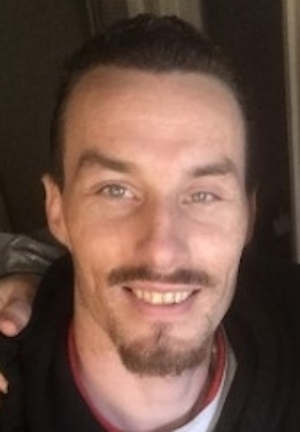
CLEARLAKE, Calif. — The Clearlake Police Department is asking for information about a man reported missing over the weekend.
Justin Lewis was last seen in Clearlake on Monday, police said.
Lewis, whose age was not reported, is described as a white male adult with short brown hair and green eyes.
He is 5 feet 8 inches tall and 180 pounds. Police did not have a description available of the clothing he was last seen wearing.
If you have any information regarding his whereabouts, please contact the Clearlake Police Department at 707-994-8251, Extension 1.
Senate Majority Leader Mike McGuire’s legislation that would stop mortgage companies from hoodwinking wildfire survivors overwhelmingly cleared the Senate last week.
Tens of thousands of Californians have lost their homes and businesses to wildfires in the last eight years.
After facing the traumatic and life-changing experience of losing their home, survivors have to begin the challenging task of rebuilding their homes and lives.
Sen. McGuire’s common sense piece of legislation, SB 455, will protect wildfire and other disaster survivors by keeping their home rebuilds on track and agreements with mortgage companies ironclad.
The bill would mandate that mortgage companies honor existing rebuild contracts even when mortgages are transferred or sold to another mortgage vendor, a common practice in the banking industry.
Leading up to this legislation, hundreds of families had started rebuilding their homes only to have the terms of their rebuild changed when their mortgage was sold and the new mortgage company didn’t honor the previously agreed upon rebuild contract.
“Ensuring existing rebuild agreements aren’t weakened or changed when mortgages are sold is just common sense. Disaster survivors already face tremendous challenges to recover and rebuild after a wildfire or earthquake, and SB 455 will give homeowners certainty and peace of mind when they rebuild their home and lives,” said McGuire. “Our legislation would make it illegal for this kind of hoodwink to ever take place again in California.”
In typical cases, survivors work closely with their mortgage company to negotiate the terms of their home rebuild and enter into a contract with a contractor to begin the rebuilding process. It’s a straightforward and seamless process for most.
But not for all:
• Some new mortgage companies have added additional terms to existing rebuild agreements such as requiring more inspections, significantly delaying the rebuild for months, even when the previous company had agreed to terms.
• An underinsured homeowner and their original mortgage company signed off on the rebuild of a smaller house, but the new mortgage company wouldn’t honor the agreement. The new company refused to release all of the remaining funds because the rebuild was different than the lost home.
• Other survivors have been forced to liquidate pensions and use hard-earned savings to finish rebuilding their home when their insurance funds are withheld by the mortgage company.
SB 455 will make sure that any agreements made between homeowners and their mortgage company on the rebuilding of their home after a disaster are ironclad and honored by any new mortgage company.
SB 455 passed the Senate with bipartisan support and is now headed to the Assembly.
Tens of thousands of Californians have lost their homes and businesses to wildfires in the last eight years.
After facing the traumatic and life-changing experience of losing their home, survivors have to begin the challenging task of rebuilding their homes and lives.
Sen. McGuire’s common sense piece of legislation, SB 455, will protect wildfire and other disaster survivors by keeping their home rebuilds on track and agreements with mortgage companies ironclad.
The bill would mandate that mortgage companies honor existing rebuild contracts even when mortgages are transferred or sold to another mortgage vendor, a common practice in the banking industry.
Leading up to this legislation, hundreds of families had started rebuilding their homes only to have the terms of their rebuild changed when their mortgage was sold and the new mortgage company didn’t honor the previously agreed upon rebuild contract.
“Ensuring existing rebuild agreements aren’t weakened or changed when mortgages are sold is just common sense. Disaster survivors already face tremendous challenges to recover and rebuild after a wildfire or earthquake, and SB 455 will give homeowners certainty and peace of mind when they rebuild their home and lives,” said McGuire. “Our legislation would make it illegal for this kind of hoodwink to ever take place again in California.”
In typical cases, survivors work closely with their mortgage company to negotiate the terms of their home rebuild and enter into a contract with a contractor to begin the rebuilding process. It’s a straightforward and seamless process for most.
But not for all:
• Some new mortgage companies have added additional terms to existing rebuild agreements such as requiring more inspections, significantly delaying the rebuild for months, even when the previous company had agreed to terms.
• An underinsured homeowner and their original mortgage company signed off on the rebuild of a smaller house, but the new mortgage company wouldn’t honor the agreement. The new company refused to release all of the remaining funds because the rebuild was different than the lost home.
• Other survivors have been forced to liquidate pensions and use hard-earned savings to finish rebuilding their home when their insurance funds are withheld by the mortgage company.
SB 455 will make sure that any agreements made between homeowners and their mortgage company on the rebuilding of their home after a disaster are ironclad and honored by any new mortgage company.
SB 455 passed the Senate with bipartisan support and is now headed to the Assembly.
Gov. Gavin Newsom on Monday announced the launch of GunSafety.ca.gov, a website that provides critical information on how Californians can use gun violence restraining orders to help protect their loved ones, as well as the state’s new law allowing victims of gun violence to sue those spreading illegal weapons.
The new website — reported to be one of the most comprehensive state gun safety websites in the nation — also features multilingual resources to help Californians prepare for, prevent, respond to, and recover from gun violence.
The website launch coincides with National Gun Violence Awareness Month, and comes on the heels of “Wear Orange Weekend,” which honors the 40,000 people who lose their lives to gun violence and the thousands more who are shot and wounded every year.
“California is taking aggressive and relentless action to end the unbearable tragedy of gun violence. While other states remain complacent in the face of recurring, gut-wrenching tragedy, California is making it easier than ever to access commonsense tools like Gun Violence Restraining Orders to protect our communities,” said Newsom.
To further promote equitable access to this tool, all of the resources have been translated into the eight most commonly spoken languages in California: English, Spanish, Chinese (Mandarin), Chinese (Cantonese), Vietnamese, Tagalog/Filipino, Korean and Armenian.
The new website is part of an $11 million statewide campaign announced last year, administered by the California Governor’s Office of Emergency Services, to raise awareness, educate the public and explain the steps required to obtain a gun violence restraining order.
In California, gun violence restraining orders were used to prevent 58 threatened mass shootings between 2016 and 2019 and have shown immense promise in reducing suicides.
A gun violence restraining order, or GVRO, is a temporary action taken by a local court when someone is at risk or causing harm to themselves or others.
The individual in crisis subject to the order cannot purchase or possess firearms or ammunition while the order is in place.
These temporary orders empower Californians to intervene, while protecting the rights of individuals in crisis, and are not considered punishment under the law. Californians can learn more about who can file an application for a gun violence restraining order, how to file and access other resources available at GunSafety.ca.gov.
Last year, the governor signed legislation allowing Californians to sue those making, selling, transporting or distributing illegal assault weapons and ghost guns — guns made at home to avoid tracing — for damages of at least $10,000 per weapon involved.
The governor also signed legislation allowing the state, local governments, and Californians to sue irresponsible gun makers.
Newsom’s office said California’s gun safety laws work.
In 2021, California was ranked as the #1 state for gun safety by the Giffords Law Center, and the state saw a 37% lower gun death rate than the national average.
According to the CDC, California’s gun death rate was the 44th lowest in the nation, with 8.5 gun deaths per 100,000 people — compared to 13.7 deaths per 100,000 nationally, 28.6 in Mississippi, 20.7 in Oklahoma, and 14.2 in Texas.
The new website — reported to be one of the most comprehensive state gun safety websites in the nation — also features multilingual resources to help Californians prepare for, prevent, respond to, and recover from gun violence.
The website launch coincides with National Gun Violence Awareness Month, and comes on the heels of “Wear Orange Weekend,” which honors the 40,000 people who lose their lives to gun violence and the thousands more who are shot and wounded every year.
“California is taking aggressive and relentless action to end the unbearable tragedy of gun violence. While other states remain complacent in the face of recurring, gut-wrenching tragedy, California is making it easier than ever to access commonsense tools like Gun Violence Restraining Orders to protect our communities,” said Newsom.
To further promote equitable access to this tool, all of the resources have been translated into the eight most commonly spoken languages in California: English, Spanish, Chinese (Mandarin), Chinese (Cantonese), Vietnamese, Tagalog/Filipino, Korean and Armenian.
The new website is part of an $11 million statewide campaign announced last year, administered by the California Governor’s Office of Emergency Services, to raise awareness, educate the public and explain the steps required to obtain a gun violence restraining order.
In California, gun violence restraining orders were used to prevent 58 threatened mass shootings between 2016 and 2019 and have shown immense promise in reducing suicides.
A gun violence restraining order, or GVRO, is a temporary action taken by a local court when someone is at risk or causing harm to themselves or others.
The individual in crisis subject to the order cannot purchase or possess firearms or ammunition while the order is in place.
These temporary orders empower Californians to intervene, while protecting the rights of individuals in crisis, and are not considered punishment under the law. Californians can learn more about who can file an application for a gun violence restraining order, how to file and access other resources available at GunSafety.ca.gov.
Last year, the governor signed legislation allowing Californians to sue those making, selling, transporting or distributing illegal assault weapons and ghost guns — guns made at home to avoid tracing — for damages of at least $10,000 per weapon involved.
The governor also signed legislation allowing the state, local governments, and Californians to sue irresponsible gun makers.
Newsom’s office said California’s gun safety laws work.
In 2021, California was ranked as the #1 state for gun safety by the Giffords Law Center, and the state saw a 37% lower gun death rate than the national average.
According to the CDC, California’s gun death rate was the 44th lowest in the nation, with 8.5 gun deaths per 100,000 people — compared to 13.7 deaths per 100,000 nationally, 28.6 in Mississippi, 20.7 in Oklahoma, and 14.2 in Texas.