 How to resolve AdBlock issue?
News
LAKE COUNTY, Calif. – The Board of Supervisors on Tuesday discussed the process for hiring a new Public Health officer, directing staff to move forward with hiring a recruitment firm.
Last week, Public Health Dr. Gary Pace announced that after 16 months on the job he was resigning. He’s planning to return to private practice, as Lake County News has reported.
Pace, who lives in Sonoma County, plans to stay on with Lake County until April 16.
County Administrative Officer Carol Huchingson told the board Tuesday that there has been a fair amount of turnover in Public Health officers across California and it will be a challenge to find Pace’s successor.
In Lake County, it’s been a challenge to keep the job filled in recent years, even when not faced with a pandemic.
Since December 2017, Lake County has had three Public Health officers, Huchingson explained to the board.
For nearly a decade, Dr. Karen Tait had filled the job, joining the county in April 2008 and retiring in December 2017.
Following her retirement, Pace was appointed interim Public Health officer, remaining in the post until early 2018, when the board appointed Dr. Sara Goldgraben to the post.
By summer, Goldgraben had left and Pace was again appointed as interim Public Health officer. He was in the job until October 2018, when Dr. Erin Gustafson was appointed.
Gustafson left in August 2019 to accept a job in San Bernardino County and Health Services Director Denise Pomeroy asked Pace to again come back as the interim Public Health officer.
The board would appoint him to the job in a permanent capacity in October 2019.
Huchingson said that the way these recruitments usually work is once the county has a candidate pool developed, the County Administrative Office will put together a panel to screen and interview the candidates.
Those top candidates will be presented to the board, which will interview them in closed session and announce any hiring decision it makes in open session, Huchingson said.
Pomeroy, who spoke at the Tuesday virtual meeting, said she is back to work on a part-time basis after having been on leave for a few months.
She said the recruiter the county has used in the past has a sound resume, and she’s currently waiting on two quotes from the company – one for recruiting a new Public Health director and one for the Health Department’s director of nursing, a job which the county has been trying to fill for 15 months.
The last time they used the recruiter, Pomeroy said the company brought them nine good candidates and they were able to recruit from that list.
“I’m excited to get this moving as quickly as we can to get some candidates on board for your interview and decision,” Pomeroy said.
Supervisor Jessica Pyska said the county needs to be aggressive in the search for a new Public Health officer.
“It’s a difficult time. It’s a difficult position to fill,” she said.
“I want all options on the table,” said Board Chair Bruno Sabatier.
He said he wants to be open to both hiring a permanent, salaried employee, or to contract with someone. “I want to make sure that we are open for any way of getting those people on board.”
He asked staff about what the “Plan B” is if an initial recruitment doesn’t succeed, as the county needs to have the position filled.
Huchingson said the backup plan is to use Pace longer if they must and then, if they can’t recruit a new doctor, to speak with two other doctors they’re contracting with to see if one of them would take the job.
She said counties are known to help each other out, just as Lake County has done in helping neighboring counties cover jobs like agriculture commissioner and air quality director. Huchingson said she will be reaching out to other counties to see if Lake can get assistance from them on a part-time basis.
The board reached unanimous consensus to move forward with the recruitment plan staff proposed.
Email Elizabeth Larson at This email address is being protected from spambots. You need JavaScript enabled to view it. . Follow her on Twitter, @ERLarson, or Lake County News, @LakeCoNews.
Last week, Public Health Dr. Gary Pace announced that after 16 months on the job he was resigning. He’s planning to return to private practice, as Lake County News has reported.
Pace, who lives in Sonoma County, plans to stay on with Lake County until April 16.
County Administrative Officer Carol Huchingson told the board Tuesday that there has been a fair amount of turnover in Public Health officers across California and it will be a challenge to find Pace’s successor.
In Lake County, it’s been a challenge to keep the job filled in recent years, even when not faced with a pandemic.
Since December 2017, Lake County has had three Public Health officers, Huchingson explained to the board.
For nearly a decade, Dr. Karen Tait had filled the job, joining the county in April 2008 and retiring in December 2017.
Following her retirement, Pace was appointed interim Public Health officer, remaining in the post until early 2018, when the board appointed Dr. Sara Goldgraben to the post.
By summer, Goldgraben had left and Pace was again appointed as interim Public Health officer. He was in the job until October 2018, when Dr. Erin Gustafson was appointed.
Gustafson left in August 2019 to accept a job in San Bernardino County and Health Services Director Denise Pomeroy asked Pace to again come back as the interim Public Health officer.
The board would appoint him to the job in a permanent capacity in October 2019.
Huchingson said that the way these recruitments usually work is once the county has a candidate pool developed, the County Administrative Office will put together a panel to screen and interview the candidates.
Those top candidates will be presented to the board, which will interview them in closed session and announce any hiring decision it makes in open session, Huchingson said.
Pomeroy, who spoke at the Tuesday virtual meeting, said she is back to work on a part-time basis after having been on leave for a few months.
She said the recruiter the county has used in the past has a sound resume, and she’s currently waiting on two quotes from the company – one for recruiting a new Public Health director and one for the Health Department’s director of nursing, a job which the county has been trying to fill for 15 months.
The last time they used the recruiter, Pomeroy said the company brought them nine good candidates and they were able to recruit from that list.
“I’m excited to get this moving as quickly as we can to get some candidates on board for your interview and decision,” Pomeroy said.
Supervisor Jessica Pyska said the county needs to be aggressive in the search for a new Public Health officer.
“It’s a difficult time. It’s a difficult position to fill,” she said.
“I want all options on the table,” said Board Chair Bruno Sabatier.
He said he wants to be open to both hiring a permanent, salaried employee, or to contract with someone. “I want to make sure that we are open for any way of getting those people on board.”
He asked staff about what the “Plan B” is if an initial recruitment doesn’t succeed, as the county needs to have the position filled.
Huchingson said the backup plan is to use Pace longer if they must and then, if they can’t recruit a new doctor, to speak with two other doctors they’re contracting with to see if one of them would take the job.
She said counties are known to help each other out, just as Lake County has done in helping neighboring counties cover jobs like agriculture commissioner and air quality director. Huchingson said she will be reaching out to other counties to see if Lake can get assistance from them on a part-time basis.
The board reached unanimous consensus to move forward with the recruitment plan staff proposed.
Email Elizabeth Larson at
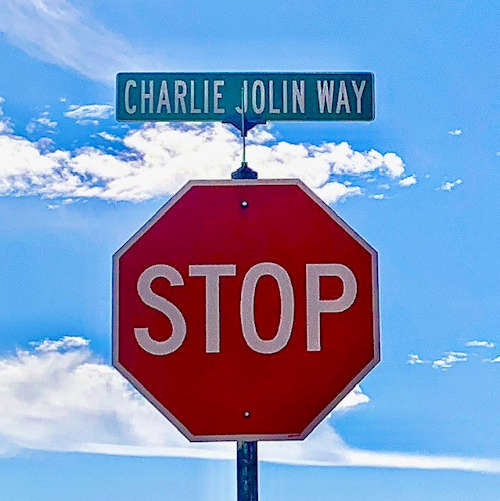
LAKEPORT, Calif. – The city of Lakeport said the process to rename a city street in honor of the man whose vision resulted in the creation of Westside Community Park is complete.
Westside Park Road has been renamed “Charlie Jolin Way.”
Jolin, who died in June at age 96, was the guiding force in the creation more than 20 years ago of Westside Community Park.
City officials also credit him with being instrumental in the development of Library Park.
Jolin, a proud World War II Navy veteran, was a devoted community volunteer.
He was a member and chair of the Lakeport Planning Commission, chair of the Citizens Advisory Committee for the development of the city's general plan, a longtime Boy Scout leader and the 2014 recipient of the Stars of Lake County Lifetime Achievement Award.
In June, shortly after Jolin’s death, the Westside Community Park Committee approached the Lakeport City Council and requested that Westside Park Road be renamed to honor Charlie Jolin and to recognize his commitment to the park and the city.
The committee believed there would be no Westside Community Park if it were not for Jolin.
The Lakeport City Council approved beginning the street renaming process in July, with the proposal then going to the Lakeport Planning Commission.
In October, the commission recommended approval of the name change to the Lakeport City Council.
The council gave final approval for the name change in November.
On Jan. 19, the street was officially renamed Charlie Jolin Way.
While the street signs have been changed, mapping platforms still reflect Westside Park Road, the city reported. When providing directions, residents may want to advise travelers of the new street name.
Email Elizabeth Larson at
On Tuesday, Gov. Gavin Newsom signed into law a comprehensive package of immediate actions that will speed needed relief to individuals, families and businesses suffering the most significant economic hardship due to COVID-19.
The package, passed by the Legislature this week, builds on the initiatives in the Governor’s January state budget proposal to provide cash relief to lower-income Californians, increase aid to small businesses and provide license renewal fee waivers to businesses impacted by the pandemic.
In addition to these measures, today’s action will commit additional resources for critical child care services and fund emergency financial aid for community college students.
“As millions of Californians are struggling to make ends meet amid the devastating impacts of this pandemic, we are taking immediate action in partnership with our legislative leadership to provide families and businesses the relief they need,” said Gov. Newsom. “This critical assistance – including child care, relief for small business owners, direct cash support to individuals and households, financial aid for community college students and more – will help keep our communities afloat as the state continues to confront the immense challenges of this moment.”
“These bills help Californians pay their bills, and provide bread-and-butter relief to the small businesses that make our communities great, and who in turn, are the cornerstone of our economy. Stores we rely upon, restaurants we love, and services our families have turned to for years,” said Senate President pro Tempore Toni G. Atkins. “This is what we can do right now to help them, but it isn’t the end of our efforts. Not by a long shot.”
“Californians are hurting. This plan represents a way of softening the human and economic blows of COVID. More than that, it builds an economic foundation for recovery. This is the people of California saying that we will not leave behind those who are hurting most, whether they are individuals or small businesses. This is California strong,” said Speaker Anthony Rendon.
Below are key provisions of the bills signed into law.
Direct relief to individuals and families
Incorporates the Governor’s Golden State Stimulus plan to assist California households that have borne the disproportionate economic burden of the COVID-19 Recession – those with incomes below $30,000, as well as those unfairly excluded from previous federal stimulus payments.
Provides $600 in one-time relief to households receiving the California EITC for 2020. In addition, the agreement provides a $600 one-time payment to taxpayers with Individual Tax Identification Numbers, or ITINs, who were precluded from receiving the $1,200 per person federal payments issued last spring and the more recent $600 federal payments. Tuesday’s action also provides $600 payments to households with ITINs and income below $75,000. ITIN taxpayers who also qualify for the California EITC would receive a total of $1,200. The payments will be provided to these households shortly after they file their 2020 tax returns.
Provides direct relief to additional lower-income Californians through a $600 one-time grant to households enrolled in the CalWORKS program and recipients of SSI/SSP and Cash Assistance Program for Immigrants. Grant payments for CalWORKS households are expected by mid-April; timing for the delivery of SSI/SSP and CAPI grants is currently under discussion with federal officials.
Combined, the package represents a total of 5.7 million payments to low-income Californians.
Immediate relief for small businesses
Provides $2.1 billion – a four-fold increase over the $500 million currently being distributed – for grants up to $25,000 for small businesses impacted by the pandemic, and allocates $50 million of this total for non-profit cultural institutions.
Fee waivers for heavily impacted licensees
Two years of fee relief for roughly 59,000 restaurants and bars licensed through the state’s Department of Alcoholic Beverage Control that can range annually from $455 to $1,235. The action also reflects fee relief for more than 600,000 barbering and cosmetology individuals and businesses licensed through the Department of Consumer Affairs.
More resources for critical child care
Addition of just over $400 million in new federal funds to provide stipends of $525 per enrolled child for all state-subsidized child care and preschool providers serving approximately 400,000 children in subsidized care statewide. The new federal resources will extend care for children of essential workers through June of 2022, and funds increased access to subsidized child care for more than 8,000 children of essential workers and at-risk children – who are not currently served in the system – through June of 2022.
Additional aid for individuals and families
Provides an additional $24 million for financial assistance and services through Housing for the Harvest – a program providing support for agricultural workers who have to quarantine due to COVID-19. The effort also provides a combined $35 million for food banks and diapers.
Emergency financial relief to support community college students
Provides an additional $100 million in emergency financial aid for qualifying low-income students carrying six or more units, with award amounts to be determined locally and made available by early April. In addition, the agreement provides $20 million to reengage students who have either left their community college studies because of the pandemic or to engage students at risk of leaving.
CalFresh student outreach and application assistance
Provides roughly $6 million to support outreach and application assistance to the University of California, California State University and California Community College students made newly eligible for CalFresh – the state-administered federal program for supplemental food assistance. The agreement also provides $12 million in state funds to support associated county administrative workload.
In addition, the following provision is included in Tuesday’s action:
Restoration of reductions
Restoration of the previously enacted reductions, effective July 1, for the University of California, California State University, the Judicial Branch, Child Support Services and for moderate-income housing.
The governor signed the following bills into law on Tuesday:
AB 81 by Assemblymember Philip Ting (D-San Francisco) – COVID-19 relief.
AB 82 by Assemblymember Philip Ting (D-San Francisco) – COVID-19 pandemic emergency: contact tracing: childcare.
AB 85 by the Committee on Budget – Budget Act of 2020.
SB 87 by Senator Anna Caballero (D-Salinas) – California Small Business COVID-19 Relief Grant Program: income tax: gross income: exclusion: small business grants.
SB 88 by the Committee on Budget and Fiscal Review – One-time stimulus payment: delinquent accounts: Earned Income Tax Credit: statements.
SB 94 by Senator Nancy Skinner (D-Berkeley) – Alcoholic beverage control: barbering and cosmetology: license renewal fees: waiver.
For full text of the bills, visit http://leginfo.legislature.ca.gov.
The package, passed by the Legislature this week, builds on the initiatives in the Governor’s January state budget proposal to provide cash relief to lower-income Californians, increase aid to small businesses and provide license renewal fee waivers to businesses impacted by the pandemic.
In addition to these measures, today’s action will commit additional resources for critical child care services and fund emergency financial aid for community college students.
“As millions of Californians are struggling to make ends meet amid the devastating impacts of this pandemic, we are taking immediate action in partnership with our legislative leadership to provide families and businesses the relief they need,” said Gov. Newsom. “This critical assistance – including child care, relief for small business owners, direct cash support to individuals and households, financial aid for community college students and more – will help keep our communities afloat as the state continues to confront the immense challenges of this moment.”
“These bills help Californians pay their bills, and provide bread-and-butter relief to the small businesses that make our communities great, and who in turn, are the cornerstone of our economy. Stores we rely upon, restaurants we love, and services our families have turned to for years,” said Senate President pro Tempore Toni G. Atkins. “This is what we can do right now to help them, but it isn’t the end of our efforts. Not by a long shot.”
“Californians are hurting. This plan represents a way of softening the human and economic blows of COVID. More than that, it builds an economic foundation for recovery. This is the people of California saying that we will not leave behind those who are hurting most, whether they are individuals or small businesses. This is California strong,” said Speaker Anthony Rendon.
Below are key provisions of the bills signed into law.
Direct relief to individuals and families
Incorporates the Governor’s Golden State Stimulus plan to assist California households that have borne the disproportionate economic burden of the COVID-19 Recession – those with incomes below $30,000, as well as those unfairly excluded from previous federal stimulus payments.
Provides $600 in one-time relief to households receiving the California EITC for 2020. In addition, the agreement provides a $600 one-time payment to taxpayers with Individual Tax Identification Numbers, or ITINs, who were precluded from receiving the $1,200 per person federal payments issued last spring and the more recent $600 federal payments. Tuesday’s action also provides $600 payments to households with ITINs and income below $75,000. ITIN taxpayers who also qualify for the California EITC would receive a total of $1,200. The payments will be provided to these households shortly after they file their 2020 tax returns.
Provides direct relief to additional lower-income Californians through a $600 one-time grant to households enrolled in the CalWORKS program and recipients of SSI/SSP and Cash Assistance Program for Immigrants. Grant payments for CalWORKS households are expected by mid-April; timing for the delivery of SSI/SSP and CAPI grants is currently under discussion with federal officials.
Combined, the package represents a total of 5.7 million payments to low-income Californians.
Immediate relief for small businesses
Provides $2.1 billion – a four-fold increase over the $500 million currently being distributed – for grants up to $25,000 for small businesses impacted by the pandemic, and allocates $50 million of this total for non-profit cultural institutions.
Fee waivers for heavily impacted licensees
Two years of fee relief for roughly 59,000 restaurants and bars licensed through the state’s Department of Alcoholic Beverage Control that can range annually from $455 to $1,235. The action also reflects fee relief for more than 600,000 barbering and cosmetology individuals and businesses licensed through the Department of Consumer Affairs.
More resources for critical child care
Addition of just over $400 million in new federal funds to provide stipends of $525 per enrolled child for all state-subsidized child care and preschool providers serving approximately 400,000 children in subsidized care statewide. The new federal resources will extend care for children of essential workers through June of 2022, and funds increased access to subsidized child care for more than 8,000 children of essential workers and at-risk children – who are not currently served in the system – through June of 2022.
Additional aid for individuals and families
Provides an additional $24 million for financial assistance and services through Housing for the Harvest – a program providing support for agricultural workers who have to quarantine due to COVID-19. The effort also provides a combined $35 million for food banks and diapers.
Emergency financial relief to support community college students
Provides an additional $100 million in emergency financial aid for qualifying low-income students carrying six or more units, with award amounts to be determined locally and made available by early April. In addition, the agreement provides $20 million to reengage students who have either left their community college studies because of the pandemic or to engage students at risk of leaving.
CalFresh student outreach and application assistance
Provides roughly $6 million to support outreach and application assistance to the University of California, California State University and California Community College students made newly eligible for CalFresh – the state-administered federal program for supplemental food assistance. The agreement also provides $12 million in state funds to support associated county administrative workload.
In addition, the following provision is included in Tuesday’s action:
Restoration of reductions
Restoration of the previously enacted reductions, effective July 1, for the University of California, California State University, the Judicial Branch, Child Support Services and for moderate-income housing.
The governor signed the following bills into law on Tuesday:
AB 81 by Assemblymember Philip Ting (D-San Francisco) – COVID-19 relief.
AB 82 by Assemblymember Philip Ting (D-San Francisco) – COVID-19 pandemic emergency: contact tracing: childcare.
AB 85 by the Committee on Budget – Budget Act of 2020.
SB 87 by Senator Anna Caballero (D-Salinas) – California Small Business COVID-19 Relief Grant Program: income tax: gross income: exclusion: small business grants.
SB 88 by the Committee on Budget and Fiscal Review – One-time stimulus payment: delinquent accounts: Earned Income Tax Credit: statements.
SB 94 by Senator Nancy Skinner (D-Berkeley) – Alcoholic beverage control: barbering and cosmetology: license renewal fees: waiver.
For full text of the bills, visit http://leginfo.legislature.ca.gov.
NORTHERN CALIFORNIA – Five Senate committees are coming together on Wednesday for a critical hearing on the homelessness crisis during the pandemic.
Sen. Mike McGuire, whose district includes Lake County, will lead the discussion.
The hearing will begin at 8:30 a.m. Wednesday, Feb. 24.
Watch it online at www.senate.ca.gov.
Homelessness and housing experts, local officials, and advocates from across the state will testify during the hearing: “A Perfect Storm: Confronting California’s Homelessness Crisis during the Pandemic.”
At Wednesday’s hearing, the committees will be focused on the state’s recent actions to address the homelessness crisis with a special emphasis on Project Roomkey and Homekey.
In addition, local government representatives will be providing an update on their efforts along with discussing challenges brought on by the pandemic.
Finally, the committees will hear from direct service providers who are working every day to combat this growing crisis here in California and throughout the West.
The five committees to take part in the hearing are the Senate Governance and Finance Committee; Senate Committee on Budget and Fiscal Review, Subcommittee No. 3 on Health and Human Services; Senate Committee on Budget and Fiscal Review, Subcommittee 4 on State Administration and General Government; Senate Housing Committee; and Senate Human Services Committee.
Panelists include:
· Ali Sutton, deputy secretary of homelessness, California Homeless Coordinating and Financing Council, Business, Consumer Services and Housing Agency.
· Kim Johnson, director, Department of Social Services.
· Gustavo Velasquez, director, Department of Housing and Community Development.
· Jim Provenza, supervisor, Yolo County Board of Supervisors.
· Cheryl Viegas-Walker, mayor, city of El Centro
· Heidi Marston, executive director, Los Angeles Homelessness Services Authority.
· Connie Beck, director, Humboldt County Department of Health and Human Services.
· Jody Ketcheside, regional director, Turning Point of Central California.
· Robynne Rose-Haymer, director of Housing Services, Sacramento LGBT Community Center.
· Alejandra Gomez, youth advocate.
Sen. Mike McGuire, whose district includes Lake County, will lead the discussion.
The hearing will begin at 8:30 a.m. Wednesday, Feb. 24.
Watch it online at www.senate.ca.gov.
Homelessness and housing experts, local officials, and advocates from across the state will testify during the hearing: “A Perfect Storm: Confronting California’s Homelessness Crisis during the Pandemic.”
At Wednesday’s hearing, the committees will be focused on the state’s recent actions to address the homelessness crisis with a special emphasis on Project Roomkey and Homekey.
In addition, local government representatives will be providing an update on their efforts along with discussing challenges brought on by the pandemic.
Finally, the committees will hear from direct service providers who are working every day to combat this growing crisis here in California and throughout the West.
The five committees to take part in the hearing are the Senate Governance and Finance Committee; Senate Committee on Budget and Fiscal Review, Subcommittee No. 3 on Health and Human Services; Senate Committee on Budget and Fiscal Review, Subcommittee 4 on State Administration and General Government; Senate Housing Committee; and Senate Human Services Committee.
Panelists include:
· Ali Sutton, deputy secretary of homelessness, California Homeless Coordinating and Financing Council, Business, Consumer Services and Housing Agency.
· Kim Johnson, director, Department of Social Services.
· Gustavo Velasquez, director, Department of Housing and Community Development.
· Jim Provenza, supervisor, Yolo County Board of Supervisors.
· Cheryl Viegas-Walker, mayor, city of El Centro
· Heidi Marston, executive director, Los Angeles Homelessness Services Authority.
· Connie Beck, director, Humboldt County Department of Health and Human Services.
· Jody Ketcheside, regional director, Turning Point of Central California.
· Robynne Rose-Haymer, director of Housing Services, Sacramento LGBT Community Center.
· Alejandra Gomez, youth advocate.
LAKE COUNTY, Calif. – Severe weather in the east last week caused COVID-19 vaccine shipments to be delayed to Lake County, however, local officials said that shipments arrived on Monday, allowing them to resume vaccination clinics.
Public Health Officer Dr. Gary Pace said first dose vaccination appointments will resume on Wednesday.
Pace thanked community members for their patience as Public Health works to get the vaccine out as quickly and safely as possible.
This week’s vaccination schedule is as follows:
• Wednesday, Feb. 24: 10 a.m. to 4 p.m., Lakeport Auto Movies, 52 Soda Bay Road, Lakeport.
• Thursday, Feb. 25: 10 a.m. to 4 p.m., Lakeport Auto Movies, 52 Soda Bay Road, Lakeport.
• Friday, Feb. 26: 10 a.m. to 4 p.m., at Redbud Park, 14655 Lakeshore Drive, Clearlake.
Pace said that on Monday, the county’s normal vaccination schedule is expected to resume.
That schedule includes clinics on Mondays and Tuesdays in Lakeport and Thursdays and Fridays in Clearlake.
He asked people to not come to either vaccine site without an appointment.
“We have limited vaccine supply, and all doses are spoken for by people with appointments,” Pace said.
To schedule an appointment:
• You must be 65 or older, or have been eligible in a previous group (we will be adding farmworkers and food service workers to those eligible in the near future).
• Visit http://health.co.lake.ca.us/Coronavirus/Vaccines.htm to find information and links to available appointments, and fill out the online form (if you are eligible, check regularly for new appointments).
• If you do not have internet access, or cannot navigate online scheduling, call 707-993-4644 for assistance. Do not call this number if appointments are filled up—they do not have extra slots
• For general questions, dial 211 or 844-987-0586 (toll-free), or text “covid19” to 211-211
• If general resources do not resolve your concern, call 707-263-8174, or emailThis email address is being protected from spambots. You need JavaScript enabled to view it. .
Pace said Public Health also is redistributing some vaccine doses to community partners, so county residents are encouraged to check with them regarding availability this week. Those partners include:
• North Lake Pharmacy;
• Safeway Pharmacy;
• Adventist Health;
• Lakeview Health Center – MCHC Inc. (second doses);
• Sutter Health (second doses).
Las clínicas de vacunación de COVID-19 en el condado de Lake continúan
Información, enlaces para programar citas en http://health.co.lake.ca.us/Coronavirus/Vaccines.htm
Lake County, CA (22 de febrero de 2021)— Con el clima grave de la semana pasada en otras partes del país, nuestros esfuerzos locales para vacunar a los residentes del condado fueron interrumpidos. Afortunadamente, tanto los envíos de la semana pasada como los de esta semana fueron recibidos hoy. Las citas para la primera dosis de vacunación se continúan el miércoles.
Aquí está el programa de esta semana:
• Miércoles 24 de febrero: de 10 a.m. a 4 p. m., en Lakeport Auto Movies (52 Soda Bay Rd, Lakeport)
• Jueves 25 de febrero: de 10 a. m. a 4 p. m., en Lakeport Auto Movies (52 Soda Bay Rd, Lakeport)
• Viernes 26 de febrero: de 10 a. m. a 4 p. m., en Redbud Park (14655 Lakeshore Dr, Clearlake).
El lunes 1 de marzo, se espera que se seguir nuestro horario normal: lunes / martes en Lakeport; jueves / viernes en Clearlake. No venga a ninguno de los sitios de vacunas sin una cita. Tenemos un suministro limitado de vacunas, y todas las dosis están reservadas para personas con citas.
Para programar una cita:
• Debe tener 65 años o más, o haber sido elegible en un grupo anterior (agregaremos trabajadores agrícolas y trabajadores de servicios de alimentos para que sean elegibles pronto).
• Visite http://health.co.lake.ca.us/Coronavirus/Vaccines.htm para encontrar información y enlaces a citas disponibles, y completa el formulario en línea (si es elegible, verifique regularmente si hay nuevas citas).
• Si no tiene acceso al internet o no puede navegar la programación en línea, llame al 707-993-4644 para obtener ayuda. No llame a este número si las citas están llenas, no tienen espacios adicionales.
• Para preguntas generales, marque 211 o 844-987-0586 (llamada gratuita), o envíe un mensaje de texto con “covid19” al 211-211.
• Si los recursos generales no resuelven su asunto, llame al 707-263-8174 o envíe un correo electrónico aThis email address is being protected from spambots. You need JavaScript enabled to view it. .
También estamos redistribuyendo algunas dosis de vacunas a los socios comunitarios, por lo que le recomendamos que consulte con ellos sobre la disponibilidad esta semana:
• Farmacia de North Lake;
• Farmacia Safeway;
• Adventist Health;
• Lakeview Health Center - MCHC, Inc. (segundas dosis);
• Sutter Health (segundas dosis);
Gracias por su paciencia mientras intentamos sacar esta vacuna de la manera más rápida y segura posible.
Gary Pace, MD, MPH
Public Health Officer Dr. Gary Pace said first dose vaccination appointments will resume on Wednesday.
Pace thanked community members for their patience as Public Health works to get the vaccine out as quickly and safely as possible.
This week’s vaccination schedule is as follows:
• Wednesday, Feb. 24: 10 a.m. to 4 p.m., Lakeport Auto Movies, 52 Soda Bay Road, Lakeport.
• Thursday, Feb. 25: 10 a.m. to 4 p.m., Lakeport Auto Movies, 52 Soda Bay Road, Lakeport.
• Friday, Feb. 26: 10 a.m. to 4 p.m., at Redbud Park, 14655 Lakeshore Drive, Clearlake.
Pace said that on Monday, the county’s normal vaccination schedule is expected to resume.
That schedule includes clinics on Mondays and Tuesdays in Lakeport and Thursdays and Fridays in Clearlake.
He asked people to not come to either vaccine site without an appointment.
“We have limited vaccine supply, and all doses are spoken for by people with appointments,” Pace said.
To schedule an appointment:
• You must be 65 or older, or have been eligible in a previous group (we will be adding farmworkers and food service workers to those eligible in the near future).
• Visit http://health.co.lake.ca.us/Coronavirus/Vaccines.htm to find information and links to available appointments, and fill out the online form (if you are eligible, check regularly for new appointments).
• If you do not have internet access, or cannot navigate online scheduling, call 707-993-4644 for assistance. Do not call this number if appointments are filled up—they do not have extra slots
• For general questions, dial 211 or 844-987-0586 (toll-free), or text “covid19” to 211-211
• If general resources do not resolve your concern, call 707-263-8174, or email
Pace said Public Health also is redistributing some vaccine doses to community partners, so county residents are encouraged to check with them regarding availability this week. Those partners include:
• North Lake Pharmacy;
• Safeway Pharmacy;
• Adventist Health;
• Lakeview Health Center – MCHC Inc. (second doses);
• Sutter Health (second doses).
Las clínicas de vacunación de COVID-19 en el condado de Lake continúan
Información, enlaces para programar citas en http://health.co.lake.ca.us/Coronavirus/Vaccines.htm
Lake County, CA (22 de febrero de 2021)— Con el clima grave de la semana pasada en otras partes del país, nuestros esfuerzos locales para vacunar a los residentes del condado fueron interrumpidos. Afortunadamente, tanto los envíos de la semana pasada como los de esta semana fueron recibidos hoy. Las citas para la primera dosis de vacunación se continúan el miércoles.
Aquí está el programa de esta semana:
• Miércoles 24 de febrero: de 10 a.m. a 4 p. m., en Lakeport Auto Movies (52 Soda Bay Rd, Lakeport)
• Jueves 25 de febrero: de 10 a. m. a 4 p. m., en Lakeport Auto Movies (52 Soda Bay Rd, Lakeport)
• Viernes 26 de febrero: de 10 a. m. a 4 p. m., en Redbud Park (14655 Lakeshore Dr, Clearlake).
El lunes 1 de marzo, se espera que se seguir nuestro horario normal: lunes / martes en Lakeport; jueves / viernes en Clearlake. No venga a ninguno de los sitios de vacunas sin una cita. Tenemos un suministro limitado de vacunas, y todas las dosis están reservadas para personas con citas.
Para programar una cita:
• Debe tener 65 años o más, o haber sido elegible en un grupo anterior (agregaremos trabajadores agrícolas y trabajadores de servicios de alimentos para que sean elegibles pronto).
• Visite http://health.co.lake.ca.us/Coronavirus/Vaccines.htm para encontrar información y enlaces a citas disponibles, y completa el formulario en línea (si es elegible, verifique regularmente si hay nuevas citas).
• Si no tiene acceso al internet o no puede navegar la programación en línea, llame al 707-993-4644 para obtener ayuda. No llame a este número si las citas están llenas, no tienen espacios adicionales.
• Para preguntas generales, marque 211 o 844-987-0586 (llamada gratuita), o envíe un mensaje de texto con “covid19” al 211-211.
• Si los recursos generales no resuelven su asunto, llame al 707-263-8174 o envíe un correo electrónico a
También estamos redistribuyendo algunas dosis de vacunas a los socios comunitarios, por lo que le recomendamos que consulte con ellos sobre la disponibilidad esta semana:
• Farmacia de North Lake;
• Farmacia Safeway;
• Adventist Health;
• Lakeview Health Center - MCHC, Inc. (segundas dosis);
• Sutter Health (segundas dosis);
Gracias por su paciencia mientras intentamos sacar esta vacuna de la manera más rápida y segura posible.
Gary Pace, MD, MPH
LAKE COUNTY, Calif. – This week, state Sen. Mike McGuire will host a discussion with leaders of California’s tourism and hospitality industry on the road to reopening.
The virtual meeting will take place at 4 p.m. Wednesday, Feb. 24.
To attend, RSVP to McGuire’s office here.
California’s hospitality and tourism sectors are some of the largest economic drivers for the state.
Before the global pandemic hit, more than 1.2 million Californians earned their livelihoods in hospitality. Visitors spent $145 billion at California businesses in 2019, generating $12.3 billion in state and local taxes.
The impacts of COVID-19 have been absolutely devastating for hospitality workers and the thousands of small businesses who rely on a healthy tourism economy.
More than half of California’s 1.2 million hospitality workers have lost their jobs and the state has lost over $70 billion in visitor spending.
That’s why, since the first statewide shelter-in-place last spring, Sen. McGuire has been working with a broad coalition of advocates – including labor, tourism, hospitality, and local chambers of commerce – to address the incredible challenges they are facing and help get over 600,000 hard-working hospitality employees back to work safely and strategically.
On Wednesday, during the roundtable discussion, Sen. McGuire and hospitality and tourism industry leaders from across the state will discuss a strategic road map for safely reopening and the critical importance of getting California’s hospitality workers safely back to work when the California Department. of Public Health declares it is appropriate to resume travel.
Roundtable participants include Caroline Beteta, president and CEO, Visit California; John DiFlauro, Disneyland Resort castmember and chief shop steward, Teamsters Local 495; Horacio Cortés, Santa Clara County Convention Center team member, steward, Teamsters Local 853; Bharat Patel, president, Castle Inn & Suites; and Rhonda Salisbury, CEO/film commissioner, Visit Yosemite.
The virtual meeting will take place at 4 p.m. Wednesday, Feb. 24.
To attend, RSVP to McGuire’s office here.
California’s hospitality and tourism sectors are some of the largest economic drivers for the state.
Before the global pandemic hit, more than 1.2 million Californians earned their livelihoods in hospitality. Visitors spent $145 billion at California businesses in 2019, generating $12.3 billion in state and local taxes.
The impacts of COVID-19 have been absolutely devastating for hospitality workers and the thousands of small businesses who rely on a healthy tourism economy.
More than half of California’s 1.2 million hospitality workers have lost their jobs and the state has lost over $70 billion in visitor spending.
That’s why, since the first statewide shelter-in-place last spring, Sen. McGuire has been working with a broad coalition of advocates – including labor, tourism, hospitality, and local chambers of commerce – to address the incredible challenges they are facing and help get over 600,000 hard-working hospitality employees back to work safely and strategically.
On Wednesday, during the roundtable discussion, Sen. McGuire and hospitality and tourism industry leaders from across the state will discuss a strategic road map for safely reopening and the critical importance of getting California’s hospitality workers safely back to work when the California Department. of Public Health declares it is appropriate to resume travel.
Roundtable participants include Caroline Beteta, president and CEO, Visit California; John DiFlauro, Disneyland Resort castmember and chief shop steward, Teamsters Local 495; Horacio Cortés, Santa Clara County Convention Center team member, steward, Teamsters Local 853; Bharat Patel, president, Castle Inn & Suites; and Rhonda Salisbury, CEO/film commissioner, Visit Yosemite.