 How to resolve AdBlock issue?
News
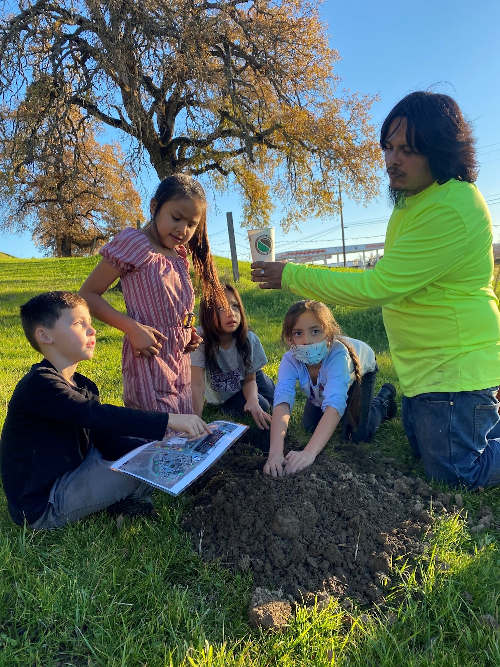
LAKE COUNTY, Calif. — This spring and throughout the seasons to come, 504 fruiting, flowering and shade-giving trees and nearly 100 specimens of native plants will be sprouting up in neighborhoods and communal spaces across Lake County.
The new flora is the result of Greening Lake County, a collaborative project between North Coast Opportunities, or NCO; Tribal EcoRestoration Alliance, or TERA; the city of Lakeport; and partner sites to revitalize and beautify communities in a region that has endured harrowing damage from recent wildfires.
According to the report Cumulative Impact of Lake County’s Disasters published by the County of Lake, fires have consumed more than two-thirds of Lake County’s land mass since 2015, claiming thousands of homes and structures, upending lives, and damaging much of the region’s natural landscape, including trees and forests that act as powerful carbon-capturing tools to combat climate change and contribute to the overall livability of communities.
“NCO has dispersed millions of dollars in fire assistance to support survivors’ needs for housing, food, and essentials in Lake County over the last 7 years,” said NCO Executive Director Patty Bruder. “So we were excited for the opportunity to support fire recovery efforts in a new way — through land regeneration and re-beautification--to help restore communities that have been impacted by years of disasters.”
The Greening Lake County project was funded by CalFire and the United States Forest Service through the California ReLeaf grant that supports community collaborations contributing to the livability of cities and the protection of the environment by planting and caring for trees.
NCO could not complete this massive project alone and sought out partners to survey Lake County communities and lead the planting activities while providing a matching grant, backbone coordination, and administration support for the project.
Through a collaborative effort, Greening Lake County partners identified 11 sites in Clearlake, Lakeport, Middletown and Nice and began planting in mid-2021.
The city of Lakeport signed on to plant and care for 53 trees in the public areas of Library Park, Main Street downtown, 11th Street and Westside Community Park. These trees will flower in the spring, beautifying the downtown corridor, and provide benefits to the city’s residents and visitors.
“Not only do trees help deflect sunlight reducing the heat island effect caused by pavement and commercial buildings, but they also create an aesthetically pleasing environment,” said Ron Ladd, Public Works superintendent for the city of Lakeport. “Working with NCO on the ReLeaf project has been a pleasure.”
NCO subcontracted with the land restoration nonprofit Tribal EcoRestoration Alliance to design and plant the additional 451 trees and 90 native plants at six partner sites across Lake County including Highland Senior Center in Clearlake, Hospice Services of Lake County in Lakeport, Jesus Christ Fellowship and Middletown Rancheria of Pomo Indians in Middletown, and Robinson Rancheria of Pomo Indians in Nice.
Specifically, TERA’s role was to select the species best suited for the local ecosystems, and to ensure the project promotes fire resilience, and provides maximum benefits to the community and to the land.
TERA is a cross-cultural, multi-organizational collaborative revitalizing ecology, economy, and culture through indigenous-led restoration seeking to un-do centuries of poor land stewardship policies. TERA had previously partnered with NCO’s fiscally sponsored program The Oak Granary and NCO was confident that they had the expertise and partnerships to carry out the planting activities in a way that was best for the land, culturally relevant, and engaging for the community.
Bringing together indigenous wisdom and practices of caring for the earth, TERA hires their crews from tribal communities to cultivate land stewardship, livelihood, and leadership skills that build bridges between tribal residents and the larger community.
“Lake is one of the most under-resourced counties in California,” said Alyson Sagala, TERA operations manager. “It’s important our staff also comes from the community it serves. It’s not someone from outside coming in to do this project. People who live here are being paid to help their neighbors and that’s what’s beautiful about the project.”
All trees and native plants under the Greening Lake County project have an intention and a purpose in the local ecosystem and community and provide holistic benefits.
Apple, walnut, peach, cherry, and mulberry trees will provide food access for residents of a tiny home village at Jesus Christ Fellowship, built in part by participants of Building Homes, Building Lives, an NCO program that provides paid training and job placement in general construction for unemployed or housing insecure residents.
TERA also plants Valley Oaks and Blue Oaks that when mature can reach up to 100 feet tall with a canopy of 40 feet in diameter, providing essential shade in the summer months and helping combat climate change. Wildfires, especially on the scale Lake County has experienced, emit massive amounts of greenhouse gasses further worsening carbon emissions.
Due to their size and long lifespan, oaks can capture substantial amounts of carbon from the air, offsetting greenhouse gasses for more than a century.
“[This work] is important for my kids, for everyone’s kids, and all the children that will come after us,” said Mark McCloud, TERA crew member and tribal member at Big Valley Rancheria Band of Pomo Indians.
When intentionally intermingled with the built environment, oaks can also help communities reduce their consumption of fossil fuels.
TERA placed plantings at Robinson Rancheria, Jesus Christ Fellowship, Middletown Hospice Thrift and Highland Senior Center within 60 feet from the buildings so their expansive canopies will create a cooling effect, reducing the energy required to keep the buildings comfortable in warmer months.
“I think people don’t realize how much they take away from the Earth,” said Lance McCloud, TERA crew member and tribal member at Robinson Rancheria of Pomo Indians of California. “Us giving back, it may be small, but will still make a big impact for everything in the long run.”
Oaks are vital to supporting biodiversity in the region, providing habitat and resources for a vast web of life, from the moth larva to the black bear, and are also culturally important to tribes in Northern California who utilize the acorns for food and many other parts of the tree for basketry, tools, and medicines.
TERA planted the oaks by collecting native acorns onsite, a practice that produces a resilient tree suited for the land.
In addition, TERA placed 90 specimens of native species and other culturally significant plants — such as elderberry, a native shrub with many medicinal uses and redbud, a material used for basket making — on the Pomo lands of Middletown and Robinson Rancherias.
NCO Project Coordinator Sarah Marshall said the Greening Lake County project was the first time California ReLeaf funded planting activities on tribal land. NCO and TERA made special efforts to advocate to California ReLeaf to use the funds in this way.
“It’s been great to work with California ReLeaf and to see how flexible they have been to allow us to work with the tribes and use their methods for regeneration,” said Marshall. “It is setting a precedent for all other organizations working with California ReLeaf. Now they may consider working with tribes in this way in the future.”
TERA hosts volunteer days at the project sites to engage the community around the Greening Lake County work.
They provide training on plant care, presentations on native and drought-resistant species, and information to encourage volunteers to plant trees in their own yards.
Each training is tailored to fit the community and provides opportunities for volunteers to learn about the cultural, historical, and ecological context of each species.
“Most places you need higher degrees or other resources to do this kind of work, but TERA is sharing this knowledge and passing that information along to anyone who wants to learn and is creating opportunities for people to do this work who haven’t always had the ability to,” said Stoney Timmons, TERA crew lead and tribal member at Robinson Rancheria of Pomo Indians of California.
The volunteer days garner an overwhelmingly positive response from the communities near the planting sites as those who live nearby show up to help and learn.
TERA Operations Manager Alyson Sagala said the response from the Robinson and Middletown Rancheria communities have been particularly inspiring, as they have participated on planting days and offered funds to support the project.
“The ability to extend this partnership and work with local tribes in our community is incredible,” said Sagala. “We are privileged to be able to partner with an organization like NCO.”
NCO is the Community Action Agency that serves Lake and Mendocino Counties, as well as parts of Humboldt, Sonoma, Del Norte, and Solano Counties. NCO reacts and adjusts to community needs, including disaster response and recovery. For more information visit www.ncoinc.org or call 707-467-3200.
Special thanks to Tribal EcoRestoration Alliance for their contributions to this article. To learn more about TERA, visit www.tribalecorestoration.org.
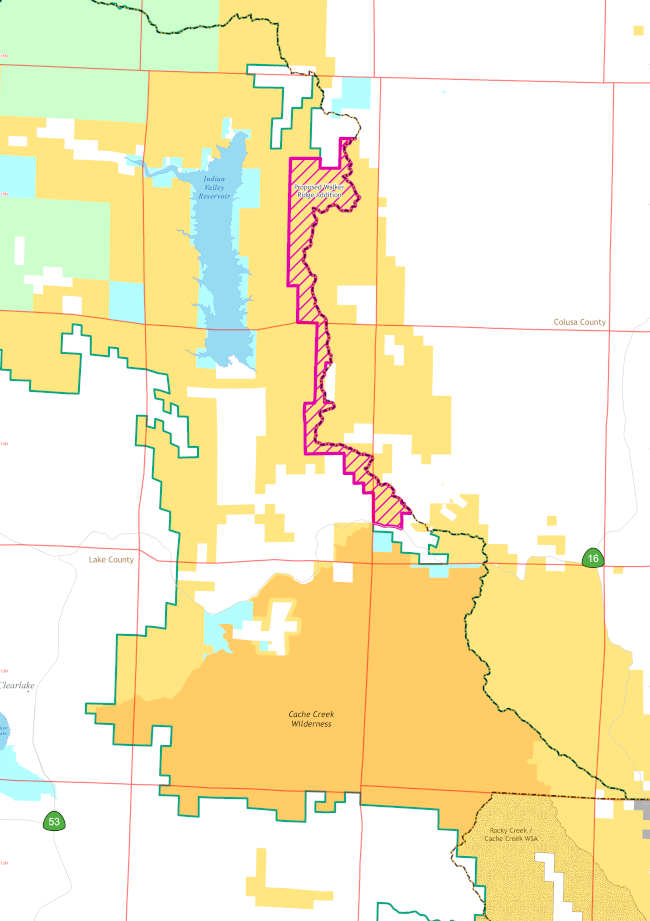
LAKE COUNTY, Calif. — The effort to add the Walker Ridge area to the Berryessa Snow Mountain National Monument took another step forward this week.
Sen. Alex Padilla (D-CA) has introduced the Berryessa Snow Mountain National Monument Expansion Act with Sen. Dianne Feinstein as co-sponsor.
The bill would accompany House Resolution 6366, introduced by Congressman John Garamendi, to expand Berryessa Snow Mountain National Monument.
The legislation would add an adjacent 3,925 acre area to the current monument, support tribal co-management, and change the name of the additional wildlands from “Walker Ridge” to Molok Luyuk — Patwin for “Condor Ridge” — a name the Yocha Dehe Wintun Nation provided.
In 2015, President Obama designated Berryessa Snow Mountain a National Monument, with Congressman Mike Thompson (D-CA05) introducing the original bill. The Monument, along with the proposed Molok Luyuk (Condor Ridge) addition, is culturally significant to local Native American tribes and notable for its varied habitats and wildlife, including imperiled animals. The ridge provides wildlife connectivity for many species including deer, mountain lions, and black bear.
“The Yocha Dehe Wintun Nation has a long and significant connection to Walker Ridge, which is steeped in thousands of years of rich history and is profoundly meaningful to the Patwin people,” said Tribal Chairman Anthony Roberts. “This bill will preserve and maintain the area’s cultural value while ensuring the general public can continue to enjoy it.”
Currently managed by the Bureau of Land Management, the area currently known as Walker Ridge is home to great biodiversity including over 30 species of rare plants, ancient blue oak woodlands, rugged rock outcrops, wildflower meadows, and extensive stands of McNab cypress.
“Renowned for fascinating geology, outstanding biodiversity, profound cultural significance, and views to die for, Molok Luyuk is eminently worthy of the permanent protection that Senator Alex Padilla and Representative John Garamendi have stepped forward to propose," said Sierra Club Redwood Chapter Chair Victoria Brandon.
For years, advocates called for lasting protection of Walker Ridge, helping to deter repeated development proposals for large-scale wind energy. The wind energy proposals persist, despite the California Energy Commission’s finding that the area had only moderate to low energy potential.
In 2005 and again in 2011, California Native Plant Society submitted proposals to designate the region an Area of Critical Environmental Concern over worries that the area’s irreplaceable habitats would be permanently altered.
"This legislation is the culmination of two decades of advocacy, so we’re truly inspired to see the groundswell of support for Molok Luyuk and the meaningful engagement with the Yocha Dehe Wintun Nation,” CNPS Conservation Program Director Nick Jensen said. “We thank Senators Padilla and Feinstein for their leadership in protecting Molok Luyuk and honoring its significance to our tribal partners."
Advocates said the proposed expansion act would provide much-needed, lasting protection for the land along with the requirement for a monument management plan within one year.
The legislation also would secure ongoing co-management with affected federally recognized tribes by requiring federal agencies to consult with tribes in the development of the management plan, subsequent management decisions, and “continued meaningful engagement” in the implementation of the plan.
"As neighbors of Molok Luyuk, we have witnessed both the beauty of, and threats to, this unique place,” said Sandra Schubert, executive director of Tuleyome. “This bill will safeguard Molok Luyuk, its natural beauty, wildlife, rare plants, and indigenous treasures, while respecting Tribal stewardship over the lands. We are excited that Senators Padilla and Feinstein have joined the fight to protect Molok Luyuk and look forward to working with them to pass this historic bill.”
Today, the area attracts a wide range of people who use the BLM property to hike, ride horses, cycle, birdwatch, and drive legal off-highway vehicles.
Don Amador, a long-time trail recreation and resource management professional, explained that Molok Luyuk’s management plan would make it easier for the BLM to designate routes that provide connectivity to increase public access and enhance recreation opportunities for all user groups.
"Since taking office, Sen. Alex Padilla has been a consistently strong champion for our nation's federal public lands," said Ryan Henson, senior policy director for CalWild. “We're deeply grateful to Sen. Padilla for taking up the cause of Molok Luyuk. The ridge is a public treasure that deserves permanent protection and improved management for the benefit of all. We're eager to work with Sen. Padilla and Rep. John Garamendi to get this critical measure through Congress as quickly as possible.”
The expanded monument also would mark an important step toward helping the state of California and the Biden Administration meet the critical goal of protecting 30% of U.S. lands and waters by the year 2030, added Elyane Stefanick, California program director for the Conservation Lands Foundation, in reference to California’s 30x30 Initiative and the federal America the Beautiful call-to-action.
"Conservation Lands Foundation supports Sen. Padilla’s goal to expand the Berryessa Snow Mountain National Monument and ensure this remarkable landscape has a robust management plan,” Stefanick said. “The history of public lands is complex. The addition of Molok Luyuk honors the original stewards and caretakers of these lands and will help protect the area’s rich biodiversity.”
LAKE COUNTY, Calif. — The National Weather Service is forecasting rain through next week and the potential for freezing conditions early on Easter Sunday.
“An active and fairly wet weather pattern will persist all of next week,” bringing with it chances also for snow in higher elevations, forecasters reported.
The National Weather Service also issued a freeze watch for portions of Lake County from midnight to 9 a.m. Sunday, when temperatures could drop as low as 29 degrees.
The Lake County forecast is calling for continued rain on Saturday, a break in the rain on Sunday, and then chances of rain from Monday through Friday. So far, the estimate is up to about three quarters of an inch for the week.
Gusting winds of more than 20 miles per hour are anticipated on Saturday, with lighter winds of up to 10 miles per hour possible on Sunday and Monday.
On Easter Sunday, temperatures are forecast to be in the low 60s during the day and the high 30s that night.
Through Friday, daytime temperatures are expected to rise into the mid 50s and drop into the low 40s at night.
Email Elizabeth Larson atThis email address is being protected from spambots. You need JavaScript enabled to view it. . Follow her on Twitter, @ERLarson, or Lake County News, @LakeCoNews.
“An active and fairly wet weather pattern will persist all of next week,” bringing with it chances also for snow in higher elevations, forecasters reported.
The National Weather Service also issued a freeze watch for portions of Lake County from midnight to 9 a.m. Sunday, when temperatures could drop as low as 29 degrees.
The Lake County forecast is calling for continued rain on Saturday, a break in the rain on Sunday, and then chances of rain from Monday through Friday. So far, the estimate is up to about three quarters of an inch for the week.
Gusting winds of more than 20 miles per hour are anticipated on Saturday, with lighter winds of up to 10 miles per hour possible on Sunday and Monday.
On Easter Sunday, temperatures are forecast to be in the low 60s during the day and the high 30s that night.
Through Friday, daytime temperatures are expected to rise into the mid 50s and drop into the low 40s at night.
Email Elizabeth Larson at
Hubble determined the size of the largest icy comet nucleus ever found. And, it’s big! With a diameter of approximately 80 miles across, it’s about 50 times larger than typical comets. Its 500-trillion-ton mass is a hundred thousand times greater than the average comet. Credits: NASA's Goddard Space Flight Center; Lead Producer: Paul Morris
NASA's Hubble Space Telescope has determined the size of the largest icy comet nucleus ever seen by astronomers.
The estimated diameter is approximately 80 miles across, making it larger than the state of Rhode Island.
The nucleus is about 50 times larger than found at the heart of most known comets. Its mass is estimated to be a staggering 500 trillion tons, a hundred thousand times greater than the mass of a typical comet found much closer to the Sun.
The behemoth comet, C/2014 UN271 (Bernardinelli-Bernstein) is barreling this way at 22,000 miles per hour from the edge of the solar system. But not to worry. It will never get closer than 1 billion miles away from the Sun, which is slightly farther than the distance of the planet Saturn. And that won't be until the year 2031.
The previous record holder is comet C/2002 VQ94, with a nucleus estimated to be 60 miles across. It was discovered in 2002 by the Lincoln Near-Earth Asteroid Research (LINEAR) project.
"This comet is literally the tip of the iceberg for many thousands of comets that are too faint to see in the more distant parts of the solar system," said David Jewitt, a professor of planetary science and astronomy at the University of California, Los Angeles, and co-author of the new study in The Astrophysical Journal Letters. "We've always suspected this comet had to be big because it is so bright at such a large distance. Now we confirm it is."
Comet C/2014 UN271 was discovered by astronomers Pedro Bernardinelli and Gary Bernstein in archival images from the Dark Energy Survey at the Cerro Tololo Inter-American Observatory in Chile. It was first serendipitously observed in November 2010, when it was a whopping 3 billion miles from the Sun, which is nearly the average distance to Neptune. Since then, it has been intensively studied by ground and space-based telescopes.
"This is an amazing object, given how active it is when it's still so far from the Sun," said the paper's lead author Man-To Hui of the Macau University of Science and Technology, Taipa, Macau. "We guessed the comet might be pretty big, but we needed the best data to confirm this." So, his team used Hubble to take five photos of the comet on January 8, 2022.
The challenge in measuring this comet was how to discriminate the solid nucleus from the huge dusty coma enveloping it. The comet is currently too far away for its nucleus to be visually resolved by Hubble.
Instead, the Hubble data show a bright spike of light at the nucleus' location. Hui and his team next made a computer model of the surrounding coma and adjusted it to fit the Hubble images. Then, the glow of the coma was subtracted to leave behind the starlike nucleus.
Hui and his team compared the brightness of the nucleus to earlier radio observations from the Atacama Large Millimeter/submillimeter Array, or ALMA, in Chile. This combined data constrains the diameter and the reflectivity of the nucleus.
The new Hubble measurements are close to the earlier size estimates from ALMA, but convincingly suggest a darker nucleus surface than previously thought. "It's big and it's blacker than coal," said Jewitt.
The comet has been falling toward the Sun for well over 1 million years. It is coming from the hypothesized nesting ground of trillions of comets, called the Oort Cloud. The diffuse cloud is thought to have an inner edge at 2,000 to 5,000 times the distance between the Sun and the Earth. Its outer edge might extend at least a quarter of the way out to the distance of the nearest stars to our Sun, the Alpha Centauri system.
The Oort Cloud's comets didn't actually form so far from the Sun; instead, they were tossed out of the solar system billions of years ago by a gravitational "pinball game" among the massive outer planets, when the orbits of Jupiter and Saturn were still evolving. The far-flung comets only travel back toward the Sun and planets if their distant orbits are disturbed by the gravitational tug of a passing star – like shaking apples out of a tree.
Comet Bernardinelli-Bernstein follows a 3-million-year-long elliptical orbit, taking it as far from the Sun as roughly half a light-year. The comet is now less than 2 billion miles from the Sun, falling nearly perpendicular to the plane of our solar system. At that distance temperatures are only about minus 348 degrees Fahrenheit. Yet that's warm enough for carbon monoxide to sublimate off the surface to produce the dusty coma.
Comet Bernardinelli-Bernstein provides an invaluable clue to the size distribution of comets in the Oort Cloud and hence its total mass. Estimates for the Oort Cloud's mass vary widely, reaching as high as 20 times Earth's mass.
First hypothesized in 1950 by Dutch astronomer Jan Oort, the Oort Cloud still remains a theory because the innumerable comets that make it up are too faint and distant to be directly observed. Ironically, this means the solar system's largest structure is all but invisible. It's estimated that NASA's pair of Voyager spacecraft won't reach the inner realm of the Oort Cloud for another 300 years and could take as long as 30,000 years to pass through it.
Circumstantial evidence come from infalling comets that can be traced back to this nesting ground. They approach the Sun from all different directions meaning the cloud must be spherical in shape. These comets are deep-freeze samples of the composition of the early solar system, preserved for billions of years.
The reality of the Oort Cloud is bolstered by theoretical modeling of the formation and evolution of the solar system. The more observational evidence that can be gathered through deep sky surveys coupled with multiwavelength observations, the better astronomers will understand the Oort Cloud's role in the solar system's evolution.
The Hubble Space Telescope is a project of international cooperation between NASA and European Space Agency. NASA's Goddard Space Flight Center in Greenbelt, Maryland, manages the telescope. The Space Telescope Science Institute (STScI) in Baltimore, Maryland, conducts Hubble science operations. STScI is operated for NASA by the Association of Universities for Research in Astronomy, in Washington, D.C.

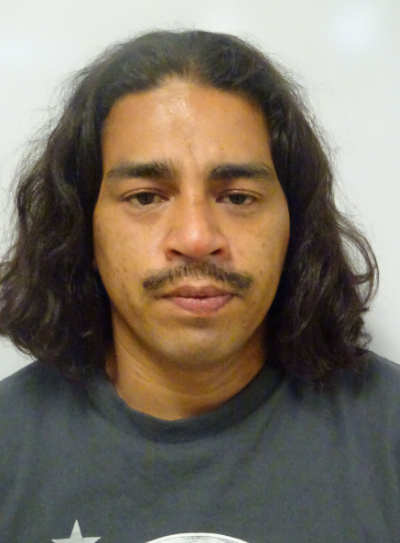
LAKE COUNTY, Calif. — A jury has convicted a Northshore man of several counts of sexual assault.
On April 8, the jury handed down the verdict in the trial of Antonio Thomas Magalhaes, 36, of Nice, after approximately one hour of deliberation, said Chief Deputy District Attorney Richard Hinchcliff.
Magalhaes was convicted of seven separate crimes, including assault with intent to commit sodomy while committing a first degree burglary; sodomy by force; forcible rape; first degree burglary; rape of an intoxicated person; rape of an unconscious person; and domestic violence involving corporal injury.
Magalhaes remains in custody of the Lake County Sheriff’s Office pending sentencing, which is scheduled for June 6.
Magalhaes could face up to a maximum period of 38 years to life in prison, Hinchcliff said.
Hinchcliff said the trial began on March 30 in Judge Andrew Blum’s Department 3 courtroom. Deputy District Attorney Richard Watson prosecuted the case, with Magalhaes represented by Matthew Fregi of Contra Costa County.
Watson said the testimony at trial established that Magalhaes beat and sexually assaulted one victim on multiple occasions from Sept. 1, 2018, through March 19, 2019.
Magalhaes would break into the victim’s home, hold her down, force himself on her and rape her. On one occasion Magalhaes broke into the home while the victim was sleeping, attacked her in her bed and forcefully sodomized her, the District Attorney’s Office reported.
Testimony further established that on Dec. 8 and 9, 2019, Magalhaes raped a second victim while she was too intoxicated to resist or consent and that he raped her while she was unconscious.
The Lake County District Attorney’s Office commended the victims for their courage in coming forward and testifying as to the various abuses committed against them by Magalhaes.
The case was investigated by Ryan Murdaugh of the Mendocino County Sheriff’s Department, Jose Zepeda, Marcos DeLatorre and Cody White of the Lake County Sheriff’s Department, and Denise Hinchcliff and Scott Poma of the Lake County District Attorney’s Office.
The matter was referred to the Lake County Probation Office for a presentence report and recommendation.
This story has been updated with additional information on the requirements of new sentencing laws.
LAKE COUNTY, Calif. — A Novato woman has been sentenced for a double-fatal crash near Middletown last spring.
On March 7, Judge Andrew Blum sentenced Keilah Marie Coyle, 23, to probation and 364 days in jail for the March 2021 crash that killed Clearlake residents Cassandra Elaine Rolicheck, 53, and Miguel Maciel Dominguez, 47.
Coyle’s attorney, Tim Hodson of Sacramento, said he could not offer comment on the case outcome because Coyle would not clear him to do so.
Authorities said Coyle, driving a 2003 Ford F-250 pickup, had been involved in a noninjury hit-and-run crash on Highway 101 in Sonoma County on March 13.
That night, she was driving on Highway 29 north of Middletown when she crossed the highway’s solid double yellow lines and collided head-on with a 2000 GMC van driven by Rolicheck, with Dominguez riding as her passenger.
The Lake County District Attorney’s Office originally charged Coyle with several counts of vehicular manslaughter while intoxicated plus special allegations for causing great bodily injury and the death of more than one person.
Early on in the case, Hodson declared a doubt about Coyle’s competency, which later was resolved.
Coyle remained in custody from the time of the crash until July 12, when she was released from custody by the judge so she could enroll in the Salvation Army drug/alcohol rehabilitation program in San Francisco, said Chief Deputy District Attorney Richard Hinchcliff.
Hinchcliff said Coyle completed and graduated from that program, then started an outpatient drug/alcohol program.
The District Attorney’s Office made an offer to Coyle to plead to vehicular manslaughter, driving under the influence causing bodily injury and causing great bodily injury. Hinchcliff said the offer carried a maximum potential of seven to eight months in prison.
“We made the offer open, so at sentencing the judge could sentence her to anything from felony probation with some jail time, up to seven years eight months in prison, at the judge’s discretion,” Hinchcliff said.
He said the Probation Department did a sentencing investigation and report, and recommended a grant of probation.
Factors that Hinchcliff said the District Attorney’s Office weighed in making the offer was the fact Coyle was only 22 years old at the time of the crash and she had no criminal history. “Both of those factors are ones that significantly weigh in favor of felony probation.”
Another factor in Coyle’s favor was her completion of the drug and alcohol rehabilitation program, Hinchcliff said.
On Jan. 28, Coyle, in accordance with the agreement with the District Attorney’s Office, entered her pleas, Hinchcliff said.
That led to Judge Blum sentencing her on March 7.
New sentencing laws require that when a defendant is youthful, in this case under age 26, and has no criminal record, courts cannot impose upper or middle terms. Rather, judges in these cases can only impose probation or the low term.
In addition to the felony probation and jail time, Hinchcliff said Coyle must not be in possession of or use alcohol, she must participate in an alcohol treatment program and pay restitution.
If Coyle violates her probation, she could be ordered to serve additional time in state prison, up to an additional five and a half years, Hinchcliff said.
Hinchcliff said Coyle did 360 days in custody between time served in the Lake County Jail and the residential treatment program. With the half-time credits she also received, she had an overall credit total of 720 days.
Due to those excess credits, Coyle needed to serve no further time and has been released, Hinchcliff said.
This was not the result of new changes in the law. “It’s been that way for years,” Hinchcliff said of the credits.
He said she is now transferring her probation to Marin County, where she lives.
He said the offer, approved by District Attorney Susan Krones, was “definitely within the norm, and if anything was potentially more serious than what might be considered the norm under the circumstances.”
He said that’s because the District Attorney’s Office made an offer that could have resulted in significant prison time.
Email Elizabeth Larson atThis email address is being protected from spambots. You need JavaScript enabled to view it. . Follow her on Twitter, @ERLarson, or Lake County News, @LakeCoNews.
LAKE COUNTY, Calif. — A Novato woman has been sentenced for a double-fatal crash near Middletown last spring.
On March 7, Judge Andrew Blum sentenced Keilah Marie Coyle, 23, to probation and 364 days in jail for the March 2021 crash that killed Clearlake residents Cassandra Elaine Rolicheck, 53, and Miguel Maciel Dominguez, 47.
Coyle’s attorney, Tim Hodson of Sacramento, said he could not offer comment on the case outcome because Coyle would not clear him to do so.
Authorities said Coyle, driving a 2003 Ford F-250 pickup, had been involved in a noninjury hit-and-run crash on Highway 101 in Sonoma County on March 13.
That night, she was driving on Highway 29 north of Middletown when she crossed the highway’s solid double yellow lines and collided head-on with a 2000 GMC van driven by Rolicheck, with Dominguez riding as her passenger.
The Lake County District Attorney’s Office originally charged Coyle with several counts of vehicular manslaughter while intoxicated plus special allegations for causing great bodily injury and the death of more than one person.
Early on in the case, Hodson declared a doubt about Coyle’s competency, which later was resolved.
Coyle remained in custody from the time of the crash until July 12, when she was released from custody by the judge so she could enroll in the Salvation Army drug/alcohol rehabilitation program in San Francisco, said Chief Deputy District Attorney Richard Hinchcliff.
Hinchcliff said Coyle completed and graduated from that program, then started an outpatient drug/alcohol program.
The District Attorney’s Office made an offer to Coyle to plead to vehicular manslaughter, driving under the influence causing bodily injury and causing great bodily injury. Hinchcliff said the offer carried a maximum potential of seven to eight months in prison.
“We made the offer open, so at sentencing the judge could sentence her to anything from felony probation with some jail time, up to seven years eight months in prison, at the judge’s discretion,” Hinchcliff said.
He said the Probation Department did a sentencing investigation and report, and recommended a grant of probation.
Factors that Hinchcliff said the District Attorney’s Office weighed in making the offer was the fact Coyle was only 22 years old at the time of the crash and she had no criminal history. “Both of those factors are ones that significantly weigh in favor of felony probation.”
Another factor in Coyle’s favor was her completion of the drug and alcohol rehabilitation program, Hinchcliff said.
On Jan. 28, Coyle, in accordance with the agreement with the District Attorney’s Office, entered her pleas, Hinchcliff said.
That led to Judge Blum sentencing her on March 7.
New sentencing laws require that when a defendant is youthful, in this case under age 26, and has no criminal record, courts cannot impose upper or middle terms. Rather, judges in these cases can only impose probation or the low term.
In addition to the felony probation and jail time, Hinchcliff said Coyle must not be in possession of or use alcohol, she must participate in an alcohol treatment program and pay restitution.
If Coyle violates her probation, she could be ordered to serve additional time in state prison, up to an additional five and a half years, Hinchcliff said.
Hinchcliff said Coyle did 360 days in custody between time served in the Lake County Jail and the residential treatment program. With the half-time credits she also received, she had an overall credit total of 720 days.
Due to those excess credits, Coyle needed to serve no further time and has been released, Hinchcliff said.
This was not the result of new changes in the law. “It’s been that way for years,” Hinchcliff said of the credits.
He said she is now transferring her probation to Marin County, where she lives.
He said the offer, approved by District Attorney Susan Krones, was “definitely within the norm, and if anything was potentially more serious than what might be considered the norm under the circumstances.”
He said that’s because the District Attorney’s Office made an offer that could have resulted in significant prison time.
Email Elizabeth Larson at