 How to resolve AdBlock issue?
News
EDITOR'S NOTE: The Farm Bureau announced on Saturday, Oct. 28, that this event has been canceled and will be rescheduled for 2024.
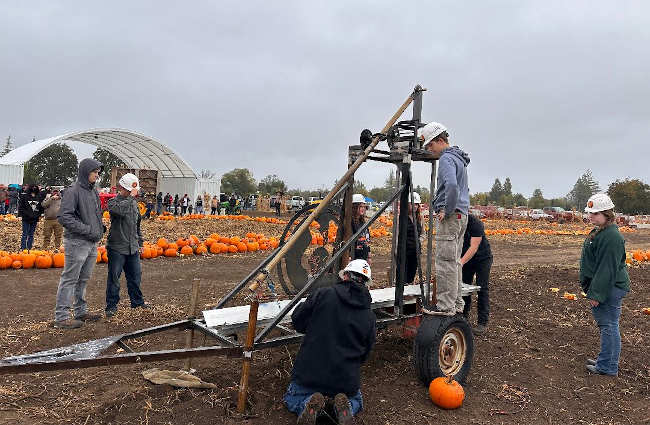
LAKE COUNTY, Calif. — After a smashing inaugural year, Lake County Farm Bureau looks to host its second annual Punkin Chunkin Festival.
This year’s Punkin Chunkin Festival is set for Saturday, Nov. 4, from 11 a.m. until finished at That Ranch.
This thrilling event features trebuchets built by FFA Teams and Open Division Teams in a battle to see who can launch pumpkins the furthest.
Food and beverage vendors including Terped Out Tacos, Scotts Valley 4H famous loaded potatoes, The Noodle Bowl, Grilligans’s Island and Zero Dark 30 Coffee will be celebrating with the participants.
Additionally, pumpkin pies and event merchandise will be available for purchase.
Punkin Chunkin is a true family-fun showcase of mechanical talent and a great way to celebrate the holiday season.
Event sponsors include Epidendio Construction Inc., Evans Realty, Thompson Gas, Bella Vista Farming Co. and Naughty Squirrel Farms.
Tickets are only $10 for event admission. Tickets are available at the gate.
Admission to That Ranch’s corn maze and other attractions are a separate admission fee. Head on out to That Ranch at 4405 Thomas Dr. In Lakeport on Nov. 4 at 11 a.m. to see if this year’s contestants can shatter the record of Kelseyville High School’s 282-foot record launch.

LAKEPORT, Calif. — The city of Lakeport has opportunities for the public to become involved in local government by serving on local commissions and committees.
If you have an interest in serving your community, applying for a position on a city commission or committee is a great place to start.
The city of Lakeport invites applications for the following committees and boards:
• the Lakeport Fire Protection District Board, or LFPD;
• the Lake County Vector Control District Board, or LCVCD; and
• the Lakeport Economic Development Advisory Committee, or LEDAC.
These appointments would be effective as of Jan. 1, 2024.
Membership on these commissions and committees is voluntary. If you are interested in serving on a committee, applications are available on the city’s website here.
For additional information regarding the mission and meeting dates of each commission, please see the Maddy Act Notice at the link.
Applications are due by 5:30 p.m. on Monday, Nov. 6.
Appointments will be made at a special meeting of the Lakeport City Council in early November — the meeting date is to be determined.
For additional information, please contact Deputy City Clerk Hilary Britton at 707-263‑5615, Extension 102, or by email atThis email address is being protected from spambots. You need JavaScript enabled to view it. .
If you have an interest in serving your community, applying for a position on a city commission or committee is a great place to start.
The city of Lakeport invites applications for the following committees and boards:
• the Lakeport Fire Protection District Board, or LFPD;
• the Lake County Vector Control District Board, or LCVCD; and
• the Lakeport Economic Development Advisory Committee, or LEDAC.
These appointments would be effective as of Jan. 1, 2024.
Membership on these commissions and committees is voluntary. If you are interested in serving on a committee, applications are available on the city’s website here.
For additional information regarding the mission and meeting dates of each commission, please see the Maddy Act Notice at the link.
Applications are due by 5:30 p.m. on Monday, Nov. 6.
Appointments will be made at a special meeting of the Lakeport City Council in early November — the meeting date is to be determined.
For additional information, please contact Deputy City Clerk Hilary Britton at 707-263‑5615, Extension 102, or by email at
With Halloween, holiday gatherings and winter fast approaching, state public health leaders on Thursday reminded Californians that a few simple steps can help keep the whole family healthy this winter.
In a briefing with the media, Dr. Tomás J. Aragón, CDPH director and State Public Health officer, noted that now is the time to start preparing for cold and flu season by getting vaccinated to reduce the risk of getting seriously ill from the flu, COVID-19 and RSV.
It’s also time to remember tried-and-true prevention measures, including frequent hand washing, wearing a mask if sick or when around other people indoors, and staying home when sick, that help slow the spread of many viruses.
“As more people are heading indoors for school, fitness routines, and festive gatherings, Californians are getting exposed to respiratory viruses,” said Dr. Aragón. “Anyone can be affected by winter illnesses, however, some individuals, including older adults, people with weakened immune systems or chronic conditions, pregnant people and young children are at higher risk for severe illness and death. If you are at higher risk, or have loved ones who are, check with your health care provider now to find out which vaccinations are right for you. It’s important we all do our part by getting vaccinated and taking simple prevention steps so we can all enjoy time with friends and family.”
Recommended vaccines
The best time to get immunized is now, before viruses start to spread. CDPH recommends all individuals remain up to date on vaccines to prevent serious illness and to limit the spread of viruses.
• Flu: Everyone 6 months and older should get a flu vaccine annually, ideally before the end of October.
• COVID-19: Everyone 6 months and older should get the newly updated COVID-19 vaccine.
• RSV: Adults 60 years of age and older should talk to their health care provider about getting an RSV vaccine as soon as it is available in their community. It is also recommended that pregnant persons between 32 and 36 weeks of pregnancy receive the vaccine between September and January. Additional immunization options are available to protect all infants 8 months and younger and high-risk children between 8 - 19 months.
With all immunizations, CDPH encourages individuals to check with their health care provider to determine which are available for them and their families.
Where to get vaccinated
Flu, COVID-19 and RSV vaccines can all be administered during the same visit.
Schedule a vaccine appointment by visiting MyTurn.ca.gov or contacting your local pharmacy or health care provider.
Cost of vaccines
Those having difficulty obtaining vaccines can contact their health care provider or local health department for help finding a place to get immunized.
COVID-19 and flu vaccines will continue to be free for most people through their health insurance plans, including Medi-Cal and regular healthcare providers.
The CDC’s Bridge Access Program will provide COVID-19 vaccines to uninsured and underinsured adults through December 2024.
The Vaccines For Children, or VFC, program is a federally funded program that provides vaccines at no cost to children (18 and younger) who might not otherwise be vaccinated because of inability to pay.
Virus prevention
The best defense against winter viruses starts with good prevention. Follow these simple tips to protect yourself and others:
• Stay up to date on vaccines: Vaccines are the best defense against severe illness and death.
• Stay home if you're sick: Staying home when you’re sick slows the spread of flu, RSV, COVID-19, and even the common cold.
• Test and treat: Test for COVID-19 and flu if you have symptoms (like fever, cold, cough, sore throat, loss of taste or smell, stomach issues). If you test positive, contact your health care provider, and ask about medications. Medications work best when started right after symptoms begin. Learn more about COVID-19 treatments and flu treatments.
• Consider wearing a high-quality mask (N95, KN95, KF94) in indoor public places: Wearing a mask significantly reduces the spread of respiratory viruses, especially in crowded or poorly ventilated spaces.
• Wash your hands: Wash hands throughout the day with soap and warm water for at least 20 seconds. If soap and water are not available, use a hand sanitizer with at least 60% alcohol.
• Cover your cough or sneeze: Remember to cough or sneeze into your elbow, your arm, or a disposable tissue to help prevent the spread of viruses. Wash or sanitize your hands and dispose of your tissue after.
In a briefing with the media, Dr. Tomás J. Aragón, CDPH director and State Public Health officer, noted that now is the time to start preparing for cold and flu season by getting vaccinated to reduce the risk of getting seriously ill from the flu, COVID-19 and RSV.
It’s also time to remember tried-and-true prevention measures, including frequent hand washing, wearing a mask if sick or when around other people indoors, and staying home when sick, that help slow the spread of many viruses.
“As more people are heading indoors for school, fitness routines, and festive gatherings, Californians are getting exposed to respiratory viruses,” said Dr. Aragón. “Anyone can be affected by winter illnesses, however, some individuals, including older adults, people with weakened immune systems or chronic conditions, pregnant people and young children are at higher risk for severe illness and death. If you are at higher risk, or have loved ones who are, check with your health care provider now to find out which vaccinations are right for you. It’s important we all do our part by getting vaccinated and taking simple prevention steps so we can all enjoy time with friends and family.”
Recommended vaccines
The best time to get immunized is now, before viruses start to spread. CDPH recommends all individuals remain up to date on vaccines to prevent serious illness and to limit the spread of viruses.
• Flu: Everyone 6 months and older should get a flu vaccine annually, ideally before the end of October.
• COVID-19: Everyone 6 months and older should get the newly updated COVID-19 vaccine.
• RSV: Adults 60 years of age and older should talk to their health care provider about getting an RSV vaccine as soon as it is available in their community. It is also recommended that pregnant persons between 32 and 36 weeks of pregnancy receive the vaccine between September and January. Additional immunization options are available to protect all infants 8 months and younger and high-risk children between 8 - 19 months.
With all immunizations, CDPH encourages individuals to check with their health care provider to determine which are available for them and their families.
Where to get vaccinated
Flu, COVID-19 and RSV vaccines can all be administered during the same visit.
Schedule a vaccine appointment by visiting MyTurn.ca.gov or contacting your local pharmacy or health care provider.
Cost of vaccines
Those having difficulty obtaining vaccines can contact their health care provider or local health department for help finding a place to get immunized.
COVID-19 and flu vaccines will continue to be free for most people through their health insurance plans, including Medi-Cal and regular healthcare providers.
The CDC’s Bridge Access Program will provide COVID-19 vaccines to uninsured and underinsured adults through December 2024.
The Vaccines For Children, or VFC, program is a federally funded program that provides vaccines at no cost to children (18 and younger) who might not otherwise be vaccinated because of inability to pay.
Virus prevention
The best defense against winter viruses starts with good prevention. Follow these simple tips to protect yourself and others:
• Stay up to date on vaccines: Vaccines are the best defense against severe illness and death.
• Stay home if you're sick: Staying home when you’re sick slows the spread of flu, RSV, COVID-19, and even the common cold.
• Test and treat: Test for COVID-19 and flu if you have symptoms (like fever, cold, cough, sore throat, loss of taste or smell, stomach issues). If you test positive, contact your health care provider, and ask about medications. Medications work best when started right after symptoms begin. Learn more about COVID-19 treatments and flu treatments.
• Consider wearing a high-quality mask (N95, KN95, KF94) in indoor public places: Wearing a mask significantly reduces the spread of respiratory viruses, especially in crowded or poorly ventilated spaces.
• Wash your hands: Wash hands throughout the day with soap and warm water for at least 20 seconds. If soap and water are not available, use a hand sanitizer with at least 60% alcohol.
• Cover your cough or sneeze: Remember to cough or sneeze into your elbow, your arm, or a disposable tissue to help prevent the spread of viruses. Wash or sanitize your hands and dispose of your tissue after.

LAKE COUNTY, Calif. — Authorities took a Colusa man into custody this week after it was reported he was shooting at people with an assault rifle.
Glenn Michael Prasad, 35, was arrested Tuesday afternoon, the Lake County Sheriff’s Office reported.
At 4:30 p.m. Tuesday, Lake County Sheriff’s Office deputies were dispatched to the Red and White Market in Clearlake Oaks for a report of shots fired, according to a report from sheriff’s public information officer Lauren Berlinn.
Berlinn said it was reported that a male subject had shot at transients in the area with a rifle.
The responding deputies arrived on scene and determined no one was injured, Berlinn said.
Berlinn said witnesses provided a vehicle description and deputies quickly located the vehicle at a nearby residence in the 12000 block of Shoreview Drive in Clearlake Oaks.
The suspect, later identified as Glenn Prasad, was located inside the residence and detained, Berlinn said.
Detectives from the Major Crimes Unit obtained a search warrant and upon searching the residence, found an unregistered AR-style rifle matching the description provided by witnesses, according to Berlinn’s report.
Berlinn said Prasad was arrested for felony willful discharge of a firearm in a gross negligent manner and felony illegal possession of an assault weapon.
Prasad was transported to the Lake County Correctional Facility, where he is currently in custody, with bail set at $10,000, according to jail records.
Jail records show Prasad is due for arraignment in Lake County Superior Court on Thursday.
LAKEPORT, Calif. — The Lakeport Police Department is participating in the United States Drug Enforcement Administration National Prescription Drug Take Back Day on Saturday, Oct. 28, between 10 a.m. and 2 p.m.
The event will be held at the front lobby entrance of the police station at 2025 S. Main St.
Items that will be accepted are all over-the-counter or prescription medication in pill, tablet, liquid, cream or capsule form, including schedule II-V controlled and non-controlled substances.
Pills need to be emptied out of their containers and placed in a zip lock plastic bag — not paper — so they can easily see the contents to make sure there is nothing in the bag they cannot take.
They will collect vape pens or other e-cigarette devices from individual consumers only after the batteries are removed from the devices. The department stressed that we will not be responsible for removing the batteries from the devices.
Not accepted are illegal drugs, needles, inhalers or aerosol cans.
Since the department started participating with the prescription Take Back Program in January of 2019, it has collected over 1,269 pounds of prescription drugs, many of which were dangerous narcotics including opioids.
“This protects our community by keeping these drugs from being diverted to illegal use and keeps it out of our environment and water,” the department said.
The event will be held at the front lobby entrance of the police station at 2025 S. Main St.
Items that will be accepted are all over-the-counter or prescription medication in pill, tablet, liquid, cream or capsule form, including schedule II-V controlled and non-controlled substances.
Pills need to be emptied out of their containers and placed in a zip lock plastic bag — not paper — so they can easily see the contents to make sure there is nothing in the bag they cannot take.
They will collect vape pens or other e-cigarette devices from individual consumers only after the batteries are removed from the devices. The department stressed that we will not be responsible for removing the batteries from the devices.
Not accepted are illegal drugs, needles, inhalers or aerosol cans.
Since the department started participating with the prescription Take Back Program in January of 2019, it has collected over 1,269 pounds of prescription drugs, many of which were dangerous narcotics including opioids.
“This protects our community by keeping these drugs from being diverted to illegal use and keeps it out of our environment and water,” the department said.
During Flood Preparedness Week, Gov. Gavin Newsom highlighted the state’s ongoing work to prepare for another potential wet winter, including more flood fighting materials prepositioned in vulnerable communities and $95 million in funding recently made available for various projects to repair levees, enhance flood diversion and recharge capacity, and support communities impacted by record flooding this year.
This funding is in addition to the $40 million that was previously provided to the communities of Pajaro and Planada for flood relief this summer, including direct relief to residents and workers regardless of documentation and citizenship status.
The Governor, in partnership with the Legislature, invested a total of $436 million in the most recent budget to support flood response and projects to protect communities from future flooding.
“As we head into another wet season, the state is moving quickly to shore up protections for at-risk communities, continue supporting impacted residents, and invest in the tools needed to meet the challenges of extreme weather across the state,” Newsom said.
The $95 million in funding highlighted Wednesday includes:
• $67 million for DWR to support critical repair of levees impacted by the storms and flood diversion and recharge enhancements.
• $14 million to the State Water Resources Control Board to support domestic wells impacted by flooding.
• $11.7 million in additional funding for the Storm Assistance for Immigrants project to support direct assistance to Californians experiencing hardship due to the storms from December 2022 through April 2023 and who are ineligible for federal assistance due to immigration status.
• $2.3 million to begin the next phase of a project to repair damage to the Animal Health and Food Safety Laboratory in Tulare County operated by the University of California.
Here’s what else the state is doing:
• The Department of Water Resources, or DWR, has more flood fighting materials pre-positioned at more locations, including 2.4 million more sandbags this water year.
• The State-Federal Flood Operations Center is supporting pre-season emergency response coordination across the state to give local counties and communities the resources and training needed to respond to potential flooding.
• DWR and the U.S. Bureau of Reclamation are closely coordinating to ensure the state’s reservoirs have flood space available under a second year of flood conditions, and store as much water as possible.
• Earlier this month, the governor signed AB 876 by Assembly Speaker Robert Rivas, an urgency measure to expedite critical levee upgrades and speed up construction of the Pajaro River Flood Risk Management Project, while maintaining important environmental and water quality protections. The Governor previously signed legislation in 2021 and 2022 to advance funds for the project and cover up to 100 percent of non-federal costs.
• DWR supports forecast-informed reservoir operations (FIRO) assessments, which use improved weather and water forecasts to help reservoir operators decide when to release or hold water.
Forecasting and warning data from tools and research developed by DWR and academic partners this year help keep partner agencies and the public up to date on potential flood threats during storms and inform emergency response efforts.
DWR is participating in events this week to raise public awareness of flood risk and highlight the work by state, federal and local partners to protect communities. More information can be found here.
This funding is in addition to the $40 million that was previously provided to the communities of Pajaro and Planada for flood relief this summer, including direct relief to residents and workers regardless of documentation and citizenship status.
The Governor, in partnership with the Legislature, invested a total of $436 million in the most recent budget to support flood response and projects to protect communities from future flooding.
“As we head into another wet season, the state is moving quickly to shore up protections for at-risk communities, continue supporting impacted residents, and invest in the tools needed to meet the challenges of extreme weather across the state,” Newsom said.
The $95 million in funding highlighted Wednesday includes:
• $67 million for DWR to support critical repair of levees impacted by the storms and flood diversion and recharge enhancements.
• $14 million to the State Water Resources Control Board to support domestic wells impacted by flooding.
• $11.7 million in additional funding for the Storm Assistance for Immigrants project to support direct assistance to Californians experiencing hardship due to the storms from December 2022 through April 2023 and who are ineligible for federal assistance due to immigration status.
• $2.3 million to begin the next phase of a project to repair damage to the Animal Health and Food Safety Laboratory in Tulare County operated by the University of California.
Here’s what else the state is doing:
• The Department of Water Resources, or DWR, has more flood fighting materials pre-positioned at more locations, including 2.4 million more sandbags this water year.
• The State-Federal Flood Operations Center is supporting pre-season emergency response coordination across the state to give local counties and communities the resources and training needed to respond to potential flooding.
• DWR and the U.S. Bureau of Reclamation are closely coordinating to ensure the state’s reservoirs have flood space available under a second year of flood conditions, and store as much water as possible.
• Earlier this month, the governor signed AB 876 by Assembly Speaker Robert Rivas, an urgency measure to expedite critical levee upgrades and speed up construction of the Pajaro River Flood Risk Management Project, while maintaining important environmental and water quality protections. The Governor previously signed legislation in 2021 and 2022 to advance funds for the project and cover up to 100 percent of non-federal costs.
• DWR supports forecast-informed reservoir operations (FIRO) assessments, which use improved weather and water forecasts to help reservoir operators decide when to release or hold water.
Forecasting and warning data from tools and research developed by DWR and academic partners this year help keep partner agencies and the public up to date on potential flood threats during storms and inform emergency response efforts.
DWR is participating in events this week to raise public awareness of flood risk and highlight the work by state, federal and local partners to protect communities. More information can be found here.