 How to resolve AdBlock issue?
News
LAKEPORT, Calif. – Congressmen John Garamendi and Mike Thompson visited Lakeport on Wednesday to hold a town hall focused on updating local veterans on services available to them and legislative efforts.
The two members of Congress, who between them represent Lake County in the House of Representatives, hosted the hour-and-a-half-long event attended by about 60 people at the Lakeport Veterans Museum at 875 11th St.
Joining them on a panel were Dedrick Waterford of the Oakland Veterans Administration Regional Headquarters, Mary Ann Nihart of the San Francisco Veterans Administration Medical Center and Nancy Mitchell of the Lake County Veterans Service Office.
On the topic of veteran-related legislation, Thompson, a Vietnam veteran and co-founder and co-chair of the Veterans Caucus, explained that the Mission Act Congress passed to help better consolidate and deliver services for veterans had widespread support but, he added, the “rub” is that it doesn’t have not enough money.
One of his current projects is a bill to have the Department of Veterans Affairs take over the historic veterans cemetery at the Mare Island Naval Shipyard in Vallejo.
He said 800 veterans are buried there, including three who received the Congressional Medal of Honor. In addition, the daughter, granddaughter and son-in-law of Francis Scott Key – the author of the lyrics of “The Star Spangled Banner” – are interred there.
Garamendi, who is co-authoring that cemetery bill, noted the increase in funding the VA has had in recent years due to the wars.
He said they knew of the tremendous need for veterans, noting the very high per-capita veterans in population in Lake County, believed to be the biggest in the state.
“Both Mike and I care deeply about the veterans in our district,” Garamendi said.
Waterford said the Oakland VA Regional Headquarters has 320 employees that serve 44 of California’s 58 counties.
While they provide assistance to 152,000 veterans in that area, there are actually 800,000 veterans in those 44 counties, Waterford said.
In 2014, the Oakland VA Regional Headquarters was distributing $164 million a month in benefits, a number now up to $215 million a month, or about $2 billion to those 44 counties, Waterford said.
In Lake County, Waterford said 1,800 vets are receiving a total of approximately $2,566,362 a month. He added that he knows there has to be more than 1,800 veterans in Lake County, and so he asked people to let veterans know about the benefits.
He also reported during the discussion that the VA backlog had been reduced from 700,000 claims to 70,000 claims.
Nihart described the ongoing staffing challenges the VA has, particularly for its rural clinics. That’s why she wrote a grant for increasing telehealth primary care. That allows them to back up the clinics and offer 55 specialties via telehealth, which can be done locally and save vets a trip to the Bay Area.
Nihart, who also works in the Office of Veterans Experience, said they also want feedback to improve services, and during the later portion of the meeting she would field questions and offer to do follow up on veterans’ individual health-related issues.
Mitchell, who has worked in the local Veterans Service Office for 12 years, said she isn’t herself a veteran. However, she’s found her work with veterans to be the most rewarding job.
She encouraged veterans to come in and see her if they have issues or even just to check on the latest developments in benefits that could assist them.
During the question and answer session, the panelists heard about concerns regarding continuity of care, the need for funding for the Toxic Exposure Act, the fact that Vietnam era veterans continue to have to fight to get help for Agent Orange poisoning, whether there was consideration of reestablishing the draft (Thompson said there has been, but it hasn’t gone anywhere), and doing more research on the benefits of cannabis for health problems and pain management as part of a response to the opioid crisis.
They also were asked about what can be done to help homeless veterans. While there are vouchers available in some areas to pay for housing, all of the panelists said finding available housing has been the challenge.
Thompson encouraged anyone who knows of a homeless veteran to contact his office. Last year, he and his staff were able to help a veteran who had been homeless for 10 years in Sonoma County due to a medical issue.
After connecting the man to the available resources through the VA, his life was turned around. Today, that formerly homeless veteran has a job, a house and a wife, Thompson said.
Thompson added, “The VA can deliver and it can be life-changing.”
Another question came from a farmer from Woodland who had come to ask the members of Congress about what is being done about climate change, adding that everyone needs to come together in a World War II-style mobilization.
Thompson said he believes the biggest problem facing us as a people is addressing climate change.
He said the military forces and the intelligence community are working on it. “The problem is in Congress,” he said.
There is a Climate Solutions Caucus that meets and seeks to engage members of all political persuasions on the issue, Thompson said.
“It’s not a hoax,” and not something to take lightly, Thompson said of climate change.
While America may be doing more than other countries to address climate change, “We’re America, we always do more than other countries,” he said.
Explaining the issues in Congress, Garamendi said the annual National Defense Authorization had an amendment added to it that would keep the military from doing anything about climate change. That was removed before the final version was passed.
He said the military has continually worked on climate change-related issues, noting the Navy is particularly concerned about its ports.
After the town hall – the fifth on veterans issues that they’ve held – Garamendi and Thompson stayed to speak to veterans before heading out to other meetings in the district.
Email Elizabeth Larson at
LAKE COUNTY, Calif. – The Lake County Association of Realtors reported that September sales in Lake County varied from the statewide numbers.
The number of sales recorded both in the county and the state were down from the previous month, but Lake County’s median price for the month increased while the statewide median decreased, the association reported.
The Lake County September median sales price was $281,500, which was up 7.24 percent over the August median of $262,500. On a year-over-year basis the August median was up 20 percent over the August 2017 median price of $234,450.
There were 61 sales of single-family residences in September which was a 30.7 percent decline from the 88 sales recorded in August. On a year-over-year basis there was a decline of 29 percent. The number of sales in September 2017 was 86.
“There are a number of factors that are contributing to the market,” stated Melissa Chapman, LCAOR’s 2018 president. “Interest rates have been on the rise and the continued price increases have made affordability more of an issue causing some buyers to go to the sidelines.”
Conventional loans accounted for 42.6 percent of the sales, with FHA loans being used in 14.75 percent of the transactions and VA loans being utilized in 8.2 percent of the deals. Cash was used to finance 21.3 percent of the sales.
On a statewide level the California Association of Realtors reported that existing, single-family home sales totaled 382,550 in September on a seasonally adjusted annualized rate, down 4.3 percent from August and down 12.4 percent from September 2017.
September’s median home price for the state was $578,850, down 2.9 percent from August but up 4.2 percent from September 2017.
Inventory levels reached their highest level in 31 months, with the Unsold Inventory Index reaching 4.2 months in September. In Lake County inventory levels were at 7.0 months.
The 30-year, fixed-mortgage interest rates averaged 4.63 percent in September, up from 4.55 percent in August and up from 3.81 percent in September 2017, according to Freddie Mac. The five-year, adjustable mortgage interest rate edged higher in September to an average of 3.94 percent up from 3.87 percent in August and up from 3.16 percent in September 2017.
LAKE COUNTY NUMBERS AT A GLANCE
September 2018
Median price: $281,500
Units sold: 61
Median days to sell: 58
August 2018
Median price: $262,500
Units sold: 88
Median days to sell: 40
September 2017
Median price: $234,450
Units sold: 86
Median days to sell: 47
The number of sales recorded both in the county and the state were down from the previous month, but Lake County’s median price for the month increased while the statewide median decreased, the association reported.
The Lake County September median sales price was $281,500, which was up 7.24 percent over the August median of $262,500. On a year-over-year basis the August median was up 20 percent over the August 2017 median price of $234,450.
There were 61 sales of single-family residences in September which was a 30.7 percent decline from the 88 sales recorded in August. On a year-over-year basis there was a decline of 29 percent. The number of sales in September 2017 was 86.
“There are a number of factors that are contributing to the market,” stated Melissa Chapman, LCAOR’s 2018 president. “Interest rates have been on the rise and the continued price increases have made affordability more of an issue causing some buyers to go to the sidelines.”
Conventional loans accounted for 42.6 percent of the sales, with FHA loans being used in 14.75 percent of the transactions and VA loans being utilized in 8.2 percent of the deals. Cash was used to finance 21.3 percent of the sales.
On a statewide level the California Association of Realtors reported that existing, single-family home sales totaled 382,550 in September on a seasonally adjusted annualized rate, down 4.3 percent from August and down 12.4 percent from September 2017.
September’s median home price for the state was $578,850, down 2.9 percent from August but up 4.2 percent from September 2017.
Inventory levels reached their highest level in 31 months, with the Unsold Inventory Index reaching 4.2 months in September. In Lake County inventory levels were at 7.0 months.
The 30-year, fixed-mortgage interest rates averaged 4.63 percent in September, up from 4.55 percent in August and up from 3.81 percent in September 2017, according to Freddie Mac. The five-year, adjustable mortgage interest rate edged higher in September to an average of 3.94 percent up from 3.87 percent in August and up from 3.16 percent in September 2017.
LAKE COUNTY NUMBERS AT A GLANCE
September 2018
Median price: $281,500
Units sold: 61
Median days to sell: 58
August 2018
Median price: $262,500
Units sold: 88
Median days to sell: 40
September 2017
Median price: $234,450
Units sold: 86
Median days to sell: 47
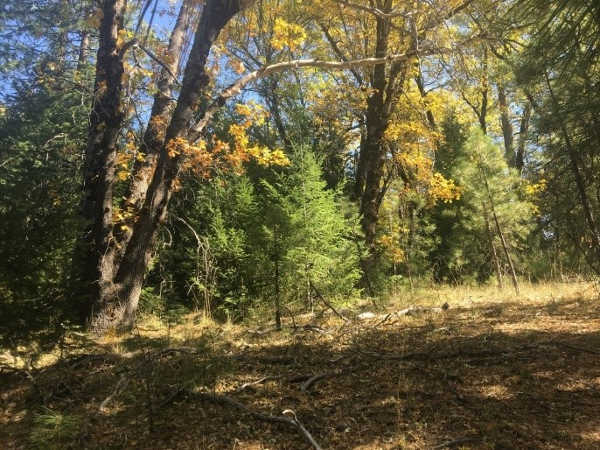
MENDOCINO NATIONAL FOREST, Calif. – The Mendocino National Forest entered into agreements in 2017 on a project with the Mendocino County Blacktail Association and the Mule Deer Foundation in a 600-acre area that has been the focus of wildlife habitat improvement and hazardous fuels reduction as funds were available.
As a result of this partnership, 170 acres of thinning were accomplished with contributions by partners and agency funds.
The forest identified a need to improve watershed and wildlife habitat conditions and to protect resources by minimizing the risk of a large, destructive wildfire in the area of Atchison Campground near the Black Butte Wild and Scenic River on the Covelo Ranger District.
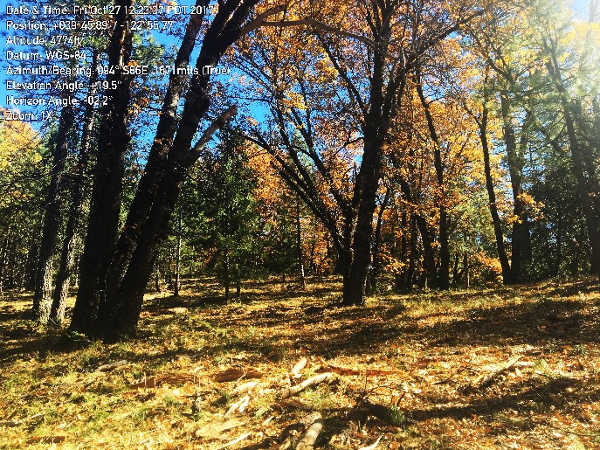
In the project area, oaks were being encroached upon by conifers and the crowded conditions resulted in the hardwoods being more susceptible to insects, disease and severe wildfire occurrence.
Large portions of the project area fall within key winter and summer deer ranges and oaks play an important part for deer where acorns provide food in late summer, fall and early winter. Browsing on oak leaves and twigs is also very important for deer in early spring when the new growth emerges.
Work on the project included mechanically thinning conifer and mixed hardwood trees less than 10 inches in diameter and leaving tree spacing up to 25 feet. The thinning left the biggest and most desirable trees – trees that are free from disease and insects.
The mechanical treatments on the Baseball Wildlife Habitat Improvement and Fuels Reduction project were completed in late 2018. The next step will be to conduct prescribed fires in the area.
Fuels Specialist Hinda Darner said, “We share common goals with the Mendocino County Blacktail Association and Mule Deer Foundation to improve forest health, enhance wildlife habitat, increase recreation and hunter opportunities and decrease the risk of destructive wildfires. These shared goals contributed to the success of this project. We look forward to future forest health improvement projects with our partners.”
The Baseball Wildlife Habitat Improvement and Fuels Reduction project of the USDA Forest Service, Mendocino National Forest, is voluntarily funded in part by the Mendocino County Blacktail Association and the Mule Deer Foundation.
The U.S. Environmental Protection Agency announced $26.6 million in funding to 87 tribes in California to invest in environmental programs and water infrastructure.
EPA made the announcement at the Pacific Southwest Region’s 26th Annual Tribal/EPA Conference held in San Francisco this week, hosted by the San Pasqual Band of Mission Indians.
“This vital funding helps tribes provide safe drinking water to their communities and maintain important environmental programs,” said EPA Pacific Southwest Regional Administrator Mike Stoker. “These grants have significant impacts on the environment and quality of life on tribal lands.”
EPA awarded $22.1 million to tribes in California to fund projects on water quality monitoring, watershed protection and restoration, water and energy efficiency, and wastewater recycling and treatment.
Tribes in California will also use EPA funding to clean up open dumps, develop programs to monitor, protect and improve air quality, and build public awareness of these efforts.
Another $4.5 million will fund Indian Health Service support of tribal drinking water and wastewater infrastructure, plant operator training and technical assistance.
Two of the projects funded are in Lake County.
The Big Valley Rancheria will use $173,000 to install corrosion control treatment at its public water system to address elevated levels of lead and copper at 38 tribal homes.
The Middletown Rancheria Community will use $547,050 to extend sewer line service connections to the Lake County Sanitation District, removing 40 aging septic systems.
EPA’s Pacific Southwest Region is home to 148 tribal nations and contains half of all tribal lands nationwide.
EPA made the announcement at the Pacific Southwest Region’s 26th Annual Tribal/EPA Conference held in San Francisco this week, hosted by the San Pasqual Band of Mission Indians.
“This vital funding helps tribes provide safe drinking water to their communities and maintain important environmental programs,” said EPA Pacific Southwest Regional Administrator Mike Stoker. “These grants have significant impacts on the environment and quality of life on tribal lands.”
EPA awarded $22.1 million to tribes in California to fund projects on water quality monitoring, watershed protection and restoration, water and energy efficiency, and wastewater recycling and treatment.
Tribes in California will also use EPA funding to clean up open dumps, develop programs to monitor, protect and improve air quality, and build public awareness of these efforts.
Another $4.5 million will fund Indian Health Service support of tribal drinking water and wastewater infrastructure, plant operator training and technical assistance.
Two of the projects funded are in Lake County.
The Big Valley Rancheria will use $173,000 to install corrosion control treatment at its public water system to address elevated levels of lead and copper at 38 tribal homes.
The Middletown Rancheria Community will use $547,050 to extend sewer line service connections to the Lake County Sanitation District, removing 40 aging septic systems.
EPA’s Pacific Southwest Region is home to 148 tribal nations and contains half of all tribal lands nationwide.
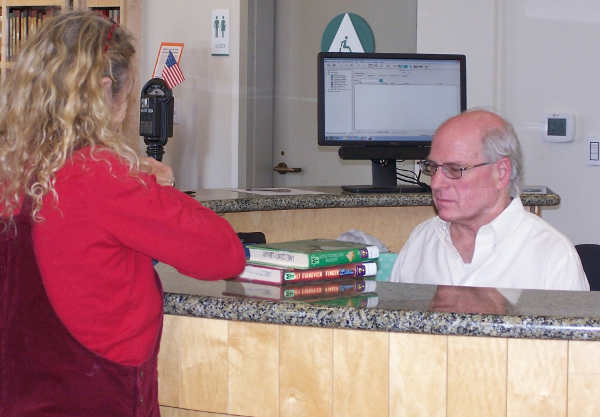
MIDDLETOWN, Calif. – In 1994 Gehlen Palmer walked into Middletown’s Chauncey Gibson Library to get a library card, and instead walked into the job that he has held ever since.
The Lake County Library was advertising for a branch manager for Middletown Library and Palmer’s experience in the book trade helped him land the job.
Now on the verge of retiring, Palmer recently reflected on his association with the library.
While a student at Middletown High School in the 1960s he performed “heavy lifting” to help Skee Hamann with the library’s garden and landscaping. He remembers that in the early 1960s, the library was more of a community meeting hall than a library.
Palmer left Middletown after high school for college, followed by a stint in the Coast Guard. In 1994 Palmer moved from Astoria, Oregon, back to Middletown and gave himself six months “vacation” before looking for employment
In his absence, Middletown’s library had become a full-fledged library when the Lake County Library Demonstration Project introduced countywide library service.
The state-run, federally-funded Library Project melded four independent town libraries into one system and lead to the current Lake County Library system, which began full operations in 1975.
Palmer has witnessed many changes to library service during his tenure. In the Gibson Library, volunteers created a children’s library out of an unused space in 2000. The library acquired public Internet computers in 2000 and in 2001 entered into an automated circulation and catalog system that Lake County shares with Sonoma and Mendocino County Libraries. Middletown Library’s business hours have increased to 25 hours a week.
As library services and usage expanded, the aging Gibson Library could no longer handle the workload. In 2013 a new modern building housing the Middletown Library, the Middletown Senior Center and a community center opened at 21256 Washington St. The former Gibson Library is now part of the Lake County Museums system.
Palmer says, “My proudest moments are those associated with helping to plan the new library. Some of my ideas were incorporated into it with the help of (former county librarian) Susan Clayton and the (former) County Administrator, Kelly Cox. I am equally proud of the fact the Library and Senior Center became Disaster Central after the Valley fire, providing a centralized location for survivors to get necessary aid. “
Current library services include the tri-county shared catalog, digital online collections of ebooks, audio books, magazines and downloadable ebooks.
Middletown Library holds storytimes on Tuesdays at 11:30 a.m. The Middletown Library Book Club meets on second Wednesdays at 3:30 p.m.
In Palmer’s 24 years on the job, patrons have grown up in the library and now bring in their own children.
He says, “I am somewhat surprised by the number of patrons I have shepherded through their upbringing and they comment on the influence I had in their lives. I saw it only as doing my job, but am pleased to know my efforts are remembered.”
Kate Brennan, who has worked at the library since 2017, says of Palmer, “He has been a rock and a treasure for so many here in Middletown! He has always gone above and beyond to keep Middletown literate.”
Palmer still lives on the property that his parents bought in 1954 and is looking forward to landscaping around the new home that replaced the family home lost to the Valley fire. He says he will not be bored in retirement.
Palmer’s last day of work is Nov. 9.
Jan Cook is a library technician for the Lake County Library.
LAKEPORT, Calif. – The city of Lakeport has opportunities for the general public to become involved in local government by serving on local commissions and committees. If you have an interest in serving your community, applying for a position on a city commission or committee is a great place to start.
The city invites applications for the following committees and commissions:
– Lakeport Planning Commission;
– Parks and Recreation Commission;
– Measure Z Advisory Committee;
– Traffic Safety Advisory Committee;
– Lakeport Economic Development Advisory Committee.
These appointments would be effective as of Jan. 1, 2019.
Membership on these commissions and committees is voluntary. If you are interested in serving on one of these committees, applications are available on the city’s Web site under the Hot Topic, “Now Recruiting: Commission/Committee Openings.”
For additional information, please contact Deputy City Clerk Hilary Britton at 707-263-5615, Extension 102, or by email atThis email address is being protected from spambots. You need JavaScript enabled to view it. .
Applications will be accepted until 5 p.m. Nov. 19.
The city invites applications for the following committees and commissions:
– Lakeport Planning Commission;
– Parks and Recreation Commission;
– Measure Z Advisory Committee;
– Traffic Safety Advisory Committee;
– Lakeport Economic Development Advisory Committee.
These appointments would be effective as of Jan. 1, 2019.
Membership on these commissions and committees is voluntary. If you are interested in serving on one of these committees, applications are available on the city’s Web site under the Hot Topic, “Now Recruiting: Commission/Committee Openings.”
For additional information, please contact Deputy City Clerk Hilary Britton at 707-263-5615, Extension 102, or by email at
Applications will be accepted until 5 p.m. Nov. 19.