 How to resolve AdBlock issue?
News
- Details
- Written by: LAKE COUNTY NEWS REPORTS
At that time, no one realized that it would be more than a year until they would rehearse again.
Due to the COVID-19 protocols, the Youth Orchestra is unable, once again, to present a live concert in June.
The good news: There will be an exceptional virtual live concert to be aired Sunday, June 6, at 2 p.m., through the Soper Reese Theatre.
A special thanks goes to LCSA board president Camm Linden, and son, Slade Darren, for many hours spent filming and editing this project.
It was a lengthy process that began in late January, when the string section of the youth orchestra began practicing three pieces at home they had worked on last season.
By April 11 the young musicians were able to meet outdoors at the Kelseyville Presbyterian Church for a rehearsal; the following week all three pieces were filmed outside at the same location.
The conductor’s welcome and program notes, solos, scholarships and awards were filmed indoors at the Soper Reese Theatre.
Orchestral pieces included in the program are: “Take Five” by Paul Desmond, arranged by Bob Cerulli; “Folk Tune Air” by Alexander Safford, with solo by Rafael Contreras; and “Libertango,” by Astor Piazzolla, arranged by James Kazik.
Concertmaster Rafael Contreras performs Vivaldi’s Violin Concerto in A minor, Opus 3, No. 6, accompanied by Camm Linden on piano.
He concludes with three fiddle pieces- “Wizard’s Walk,” “Ook Pik Waltz,” and “El Cumbanchero” with guitar accompaniment by Camm Linden.
Maya Leonard and Nafisa Jamil, who normally play violin in the youth orchestra, are featured piano soloists in this concert.
Leonard performs “Phantom Rider” by William Gillock. Jamil performs “Menuet, BWV Anhang 116” by Johann Sebastian Bach.
High school graduating seniors Rafael Contreras and Samantha Carter will receive scholarships for ongoing college studies through the LCSA in conjunction with the Allegro Scholarship Program, and both are recognized for their nine years of membership in the Youth Orchestra.
Contreras will receive the prestigious College Scholarship award for playing in the Lake County Symphony.
Maya Leonard and Nafisa Jamil will receive Allegro Scholarships for continued study in piano.
This virtual concert is sponsored, in part, by the Lake County Wine Alliance, Allegro Scholarship Program and Soper Reese Theatre.
The June 6 concert will be available on YouTube through the Soper Reese Theatre as a ticket donation event.
Go to http://www.soperreesetheatre.com for more information about this virtual concert.
For the latest on LCSA activities and events go to www.lakecountysymphonyassociation.org .
- Details
- Written by: Esther Oertel
Provence, a region in southern France, burst onto the radar screens of many Americans thanks to “A Year in Provence,” a 1989 bestseller by Peter Mayle.
Mayle and his wife, then 50-somethings from Britain, moved into a 200-year-old farmhouse in the Lubéron to experience rural life in the French style.
The result is a series of essays that whimsically portray life in a French village where the tempo is governed by the seasons of the Rhône Valley.
In addition to rural villages and swaths of countryside planted with lavender (the likes of which are painted by artists such as Cezanne), Provence includes the Côte D’Azur, also known as the French Riviera, and its cities, the most famous of which include Nice, Cannes, and Saint-Tropez.
The French Alps form the eastern border of Provence, and the Pyrenees are along its western edge.
The people of Provence speak with a strong regional dialect. The traditional language of the region is Provençal, a language of southern Europe that’s closer to Spanish and Catalan than the French spoken in Paris.
In the eastern part of the region, towards Nice and the Italian border, local dialects and culture mirror Italy more than they do the rest of France.
Long before the first Republic of France was formed in 1792, Greeks from the ancient city of Phocaea established a port city on the Mediterranean in 600 B.C., which they named Massilia. That city is now known as Marseilles (which happens to be the original home of bouillabaisse, a classic seafood stew made famous in the region).
What is now Provence was eventually ruled by the Romans, who claimed the area in southern France between the Alps and the Pyrenees as the first Roman province west of the Alps.
Their common monikers for the region were Provincia Nostra (meaning our province), Provincia Romana, or just plain Provincia. This eventually became La Provence, as it’s now known in today’s modern French.
Well preserved classical remains of Roman culture can be seen throughout the region, particularly in the Rhône Valley, such as the intact amphitheater in Arles still in use today.
Going back further, the coast of Provence has some of the earliest known sites of human habitation in Europe, with primitive stone tools dating back to well over a million years ago discovered there.
Olive trees, dry rocky coastline studded with stunted pines, vineyards, and villages are emblematic of large stretches of the Mediterranean coastline in Provence, similar to what’s found in other countries along this sea.
Other things found in Provence (some of which may surprise you) are bull fighting, flamingos, French cowboys, salt flats tinted from pastel pink to fuchsia, and the Verdon Gorges, Europe’s smaller but still spectacular version of the Grand Canyon.
It’s said that the light is special in Provence. Since the 19th century, renowned artists like Picasso, Matisse and Chagall have chosen to live and paint there because of it. Van Gogh painted Starry Night over the Rhône River in Provence.
Like much of the Mediterranean region, Provence is home to fields of wine grapes and is especially known for its rosé varieties. While wine is beloved there, pastis, a liqueur flavored with anise, is considered the traditional drink of Provence.
The region has a mild climate (like California, Provence is home to warm, dry summers and cool, wet winters), and this allows for the enjoyment of fresh meats, fish, fruits and vegetables throughout the year.
The cuisine is also influenced by other culinary cultures along the Mediterranean Sea, particularly Italy and, to a lesser degree, Spain.
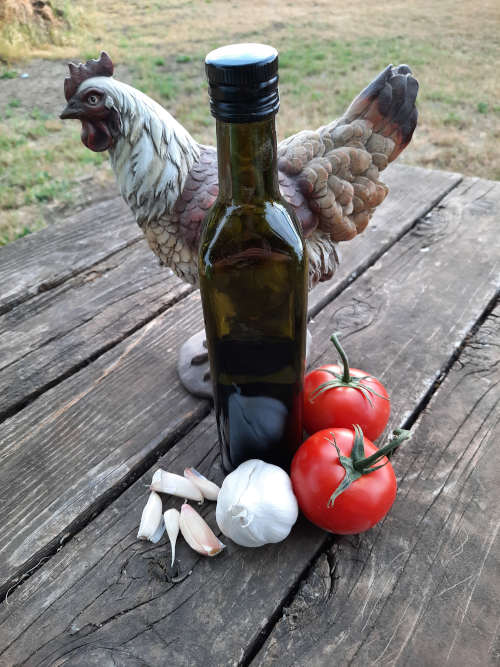
This isn’t surprising, considering that the three pillars of Provençal cuisine, which are olive oil, tomatoes and garlic, are woven into the dishes of the region. When food is said to be served “a la Provençale,” meaning in the style of Provence, it typically indicates that these three food pillars are components of the dishes presented.
The city of Nice was initially part of Italy, and when it became part of France in 1860, other Italian favorites were incorporated into Provençal cuisine, such as polenta, fresh pasta, and pistou, which is the Provençal version of pesto.
As an example of Italian influence, soupe au pistou is similar to minestrone, full of vegetables, legumes, pasta, tomatoes and herbs, and finished with pistou.
The traditional French version of pistou sauce has just four ingredients - basil, garlic, olive oil, and salt – and is made with mortar and pestle. More modern versions may include Parmesan cheese.
As you may have guessed, the biggest difference between pistou and pesto is that pesto contains pine nuts.
Interestingly, pistou is not a modern French word; rather, it’s from Occitan, a French dialect, and means “pounded,” a reference to its traditional preparation.
The olive oil that’s prevalent in foods such as pistou was introduced to the region when the Greeks established the ancient version of Marseilles in 600 B.C.
With the Mediterranean coastline on its southern border, Provence has a seafood-dense cuisine. In addition to all kinds of local fish, shellfish such as shrimp, mussels, clams, and langoustines (spiny lobsters) are eaten in abundance.
Bouillabaisse, a seafood stew in a saffron-infused tomato broth, is comprised of these gifts of the sea. Traditionally made with at least three types of Mediterranean-caught fish in addition to the shellfish, it’s often served with baguette slices spread with aioli, another Provençal specialty.
Ground anchovies flavor sauces and salad dressings, and tuna, sardines and mullet are popular main courses.
Other traditional proteins include rabbit, veal and escargot.
In addition to the three pillars, foods are enhanced with fresh herbs like parsley, oregano, fennel, basil and rosemary. Other flavorful ingredients include Niçoise olives, capers, shallots and leeks.
Nutmeg, mace, almonds and lemons flavor desserts, and saffron is used in stews, sauces, and egg dishes like omelets and quiches.
Peppers, mushrooms, artichokes, potatoes, beans, Swiss chard, and squashes are common vegetables used in cuisine, and fruits and nuts include citrus, melons, apricots, peaches, cherries, quinces, figs, pine nuts, and hazelnuts.
Other local ingredients often incorporated in cuisine are chickpeas, lentils, goat cheese and truffles.
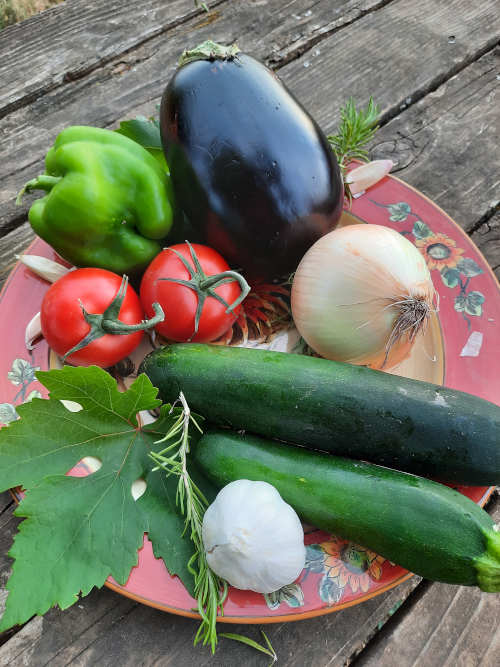
Ratatouille is a classic Provençal stew made from a variety of vegetables – eggplant, tomatoes, zucchini, bell peppers, onions and garlic – all cooked in olive oil.
What makes ratatouille truly special is that each vegetable is cooked separately to preserve the integrity of its flavor and texture, then combined. The traditional method is to use a sauté pan; however, the vegetables can also be roasted. Some recipes call for layering the vegetables for a one-pan bake.
Salad niçoise originated in Nice and is a layered entrée with crisp greens, tomatoes, boiled potatoes, haricots vert (small, tender green beans) dressed with a vinaigrette dressing and topped with hard-boiled eggs and a seared tuna steak.
Other Provençal specialties include aioli, an egg-based emulsion flavored with garlic and olive oil, and tapenade, a spread made with olives and olive oil, often flavored with anchovies.
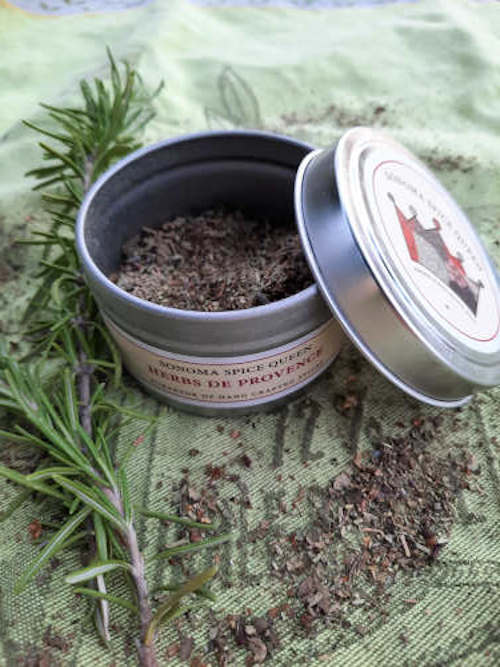
“Herbes de Provence” refers to marketed blends of herbs used in Provençal cooking and can contain any combination of thyme, rosemary, marjoram, chervil, fennel, oregano, basil, tarragon, lovage, savory, sage, and bay leaf.
The term gained attention in the 1960s through a Julia Child recipe published in “Mastering the Art of French Cooking.” Poulet Sauté aux Herbes de Provence (Sauteed Chicken with Provence Herbs in English) used just three Provençal herbs: a teaspoon of thyme or savory, a teaspoon of basil and a quarter teaspoon of ground fennel.
A trend was born, and in the 1970s French companies began bottling their versions of herb blends representing Provençal flavors. Most have quite a few more herbs than Julia Child’s more edited offering.
Some say lavender is the soul of Provence; however, these blends typically don’t include it unless marketed in North America. In Provence lavender is used in cuisine but in sweet offerings like ice cream, crème brûlée, and infused teas and honeys.
Today’s recipe is a white bean stew in the style of Provence which can be made with dry or canned beans. And though I’ve offered it in the past, also included is my olive tapenade recipe (sans anchovies). Enjoy!
White Beans Provençal
1 16-ounce bag dried Great Northern beans
1 ½ quarts vegetable or chicken stock, homemade, or commercial packaged broth
1 tablespoon kosher salt
¼ cup extra virgin olive oil
2 yellow onions, chopped
2 – 3 carrots, diced
2 large stalks celery, strings removed and diced
1 14.5-ounce can diced tomatoes, drained
3 – 4 garlic cloves, minced
¼ cups chopped fresh flat-leaf parsley, chopped, plus extra for garnish
¼ cup chopped celery leaves (optional)
2 tablespoons minced fresh rosemary
2 tablespoons minced fresh thyme
2 – 3 lemon wedges (optional)
Freshly grated Parmesan cheese for garnish
Soak beans overnight in a bowl with water to generously cover the beans.
Drain the beans and place in a large pot with the stock and bring to a boil. Lower the heat and simmer for 30 to 40 minutes, until the beans are tender (but not mushy). Add 1 tablespoon of kosher salt during the last 10 minutes of cooking.
Drain beans, reserving the stock they were cooked in.
In a large skillet, heat the olive oil and add the onions, carrots, and celery. Cook over low heat for 10 to 15 minutes until tender.
Add the parsley, celery leaves (if using), garlic, rosemary, and thyme and cook for another 1 – 2 minutes, stirring frequently.
Add the beans, tomatoes, and 1 cup of the cooking stock. Cook for 15 minutes, until the stock creates a sauce. Add more stock as needed.
Taste and add a squeeze or two of lemon as needed to balance the flavor.
Serve garnished with the freshly grated Parmesan cheese and extra chopped parsley.
Serve with baguette slices if desired.
Note: This can be made with canned white beans instead of dried beans for a quicker preparation.
Tapenade
1 cup high-quality black and green olives, any combination
1 tablespoon capers
2 cloves garlic, minced
2 tablespoons extra virgin olive oil
1 teaspoon lemon juice
Freshly ground black pepper, to taste
Coarsely chop olives in food processor fitted with steel blade; add remaining ingredients and pulse to combine. Be careful not to over-process, as tapenade should not be smooth.
If stored in tightly covered container, tapenade should keep for up to a month in the fridge. Add some extra virgin olive oil to moisten when needed before serving.
Tapenade can be serviced with crackers or baguette slices spread. For a treat, spread crackers or baguette slices with a mild goat cheese first.
Esther Oertel is a writer and passionate home cook from a family of chefs. She grew up in a restaurant, where she began creating recipes from a young age. She’s taught culinary classes in a variety of venues in Lake County and previously wrote “The Veggie Girl” column for Lake County News. Most recently she’s taught culinary classes at Sur La Table in Santa Rosa. She lives in Middletown, California.
- Details
- Written by: Karen Sullivan, Kim Riley and Terre Logsdon
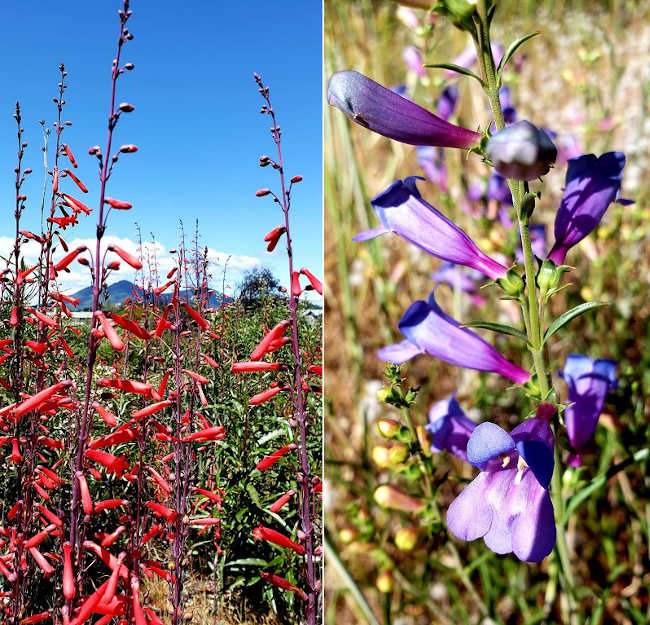
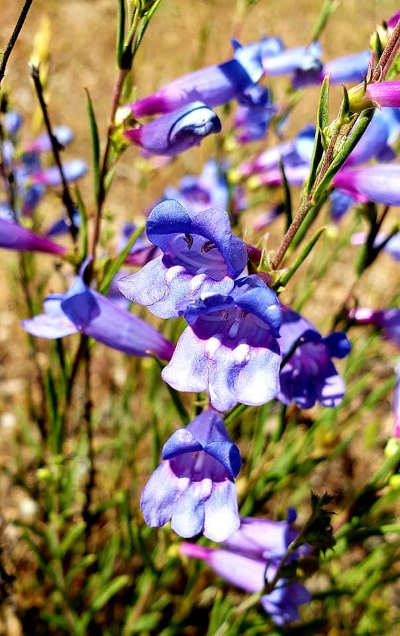
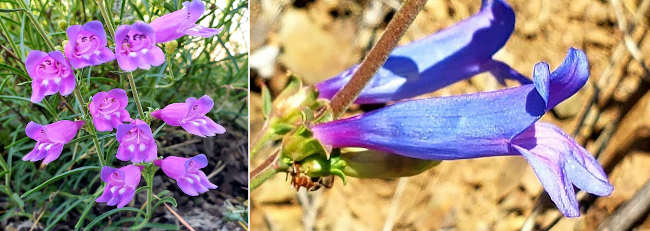
LAKE COUNTY, Calif. — When spring begins to wane, the penstemon party kicks into high-gear with saturated colors ranging from lilac to blue to indigo to scarlet red waving on tall stalks inviting everyone to come and join in the party — you, me, hummingbirds, bees — everyone is invited to the penstemon party!
Commonly called “beardtongues” for the long and hairy tongue-like stamen located in the middle of lip-shaped flowers, there are 111 species native to California, with 14 species of penstemon in Lake County alone according to CalFlora.
These nectar-rich flowers are a favorite of bees, butterflies, moths, flies, and hummingbirds and make great additions to your garden and yard as they have a long blooming season.
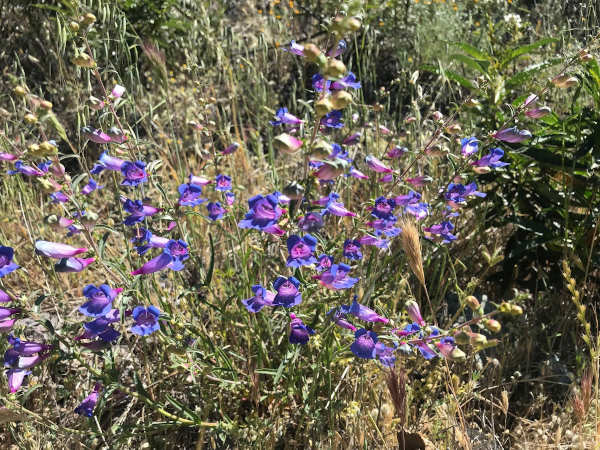
Known as a “pioneer plant,” penstemon are among the first wildflowers to repopulate land that has been disturbed such as clearing to create gardens, roadside grading, erosion-exposed soils after flooding, and after wildfires which help make it ideal for planting in your own gardens here in Lake County.
Once the locally-adapted and drought tolerant native varieties have been established in your gardens/yard, penstemon will happily come back year after year if you allow the flowers to go to seed after they are done blooming.
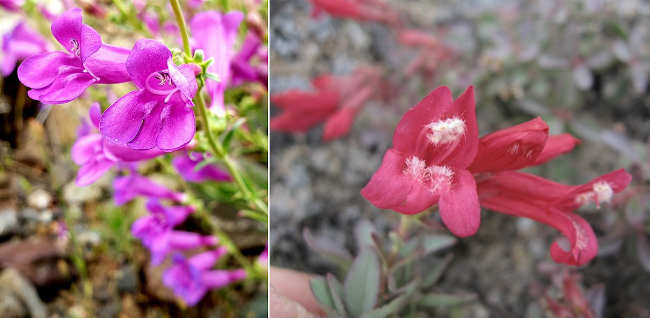
Nurseries where you can purchase penstemons:
Scarlet Bugler Penstemon: https://calscape.org/nurseries.php?id=2748&showmap=1
Foothill Penstemon: https://calscape.org/nurseries.php?id=871&showmap=1
Mountain Pride Penstemon: https://calscape.org/nurseries.php?id=2787&showmap=1
Purdy’s Foothill Penstemon: https://calscape.org/nurseries.php?id=2775&showmap=1
Terre Logsdon is an environmentalist, certified master composter, and advocate for agroecology solutions to farming. An avid fan and protector of California wildflowers, plants, natural resources, and the environment, she seeks collaborative solutions to mitigate the effects of climate change. Kim Riley is retired, an avid hiker at Highland Springs, and has lived in Lake County since 1985. After 15 years of trail recovery and maintenance on the Highland Springs trails, she is now focused on native plants, including a native plant and pollinator garden on her property as well as promoting and preserving the beauty of the Highland Springs Recreation Area. Karen Sullivan has operated two nurseries to propagate and cultivate native plants and wildflowers, has lived in Kelseyville for the past 30 years, rides horses far and wide to see as many flowers as possible, and offers native plants and wildflowers for sale to the public. You can check her nursery stock here. They are collaborating on a book, Highland Springs Recreation Area: A Field Guide, which will be published in the future. In the meanwhile, please visit https://www.facebook.com/HighlandSpringsNaturalists and https://www.facebook.com/HighlandSpringsRecreationArea.
- Details
- Written by: Debbie-Ann Shirley, University of Virginia

The Food and Drug Administration expanded emergency use authorization of the Pfizer-BioNTech COVID-19 vaccine to include adolescents 12 to 15 years of age on May 10, 2021. The Centers for Disease Control and Prevention followed with recommendations endorsing use in this age group after their advisory group meeting on May 12. The American Academy of Pediatrics also supports this decision.
Dr. Debbie-Ann Shirley is an associate professor of pediatrics at the University of Virginia specializing in pediatric infectious diseases. Here she addresses some of the concerns parents may have about their teen or preteen getting the COVID-19 vaccine.
1. Does the vaccine work in adolescents?
Yes, recently released data from Pfizer-BioNTech shows that the COVID-19 vaccine seems to work really well in this age group. The COVID-19 vaccine was found to be 100% efficacious in preventing symptomatic COVID-19 in an ongoing clinical trial of children in the U.S. aged 12 to 15. Adolescents made high levels of antibody in response to the vaccine, and their immune response was just as strong as what has been seen in older teens and young adults 16-25 years of age.
2. How do I know whether the vaccine is safe for my child?
So far, the COVID-19 vaccine appears to be safe and well tolerated in adolescents. All of the COVID-19 vaccines authorized for use in the U.S. have undergone rigorous study, but we don’t want to assume that children are little adults. This is why it is so important to study these vaccines just as carefully in children before health authorities could recommend use. Ongoing studies will continue to follow vaccinated children closely and robust safety monitoring will help rapidly identify rare or unexpected concerns if they emerge.

3. I thought children were low-risk – do they still need to get the vaccine?
Currently, children represent nearly one-quarter of all new reported weekly COVID-19 cases in the U.S. While serious illness from COVID-19 is rare in children, it does occur – thousands of children have been hospitalized and at least 351 children have died from COVID-19 in the U.S. Some children who get seriously ill from COVID-19 may have underlying health conditions, but not all do. Vaccination will help protect children from developing serious illness.
Additionally, since adolescents can transmit COVID-19 to others, vaccinating children may prove to be an important part of safely getting back to normal activities of life, including attending school in person, participating in team sports and spending time with friends. A large survey of school-aged children showed that children in full or partial virtual school reported lower levels of physical activity, less in-person time socializing with friends and worse mental or emotional health compared with those receiving full in-person schooling. Children are experiencing unprecedented increases in indirect adverse health and educational consequences related to the pandemic, and we need to find ways to help them get quickly and safely back to normal life. Vaccination is one of them.
4. What side effects might I expect for my child?
Nonsevere side effects may be experienced following vaccination. The most commonly reported side effects have been pain and swelling at the injection site. Other common side effects include tiredness and headache. Similar to young adults, some adolescents have experienced fever, chills, muscle aches and joint pain, which may be more common after the second dose. These effects are short-lived, however, and most resolve within one to two days.
Some adolescents may faint when receiving an injection. If this is a concern for your child, let your vaccine administration site know ahead of time – your child can be given the vaccine while they’re seated or lying down to avoid injuries from falling.

5. Have there been any severe reactions among children?
No serious adverse events related to vaccination were reported in the Pfizer-BioNTech clinical trial. Serious allergic reactions have rarely been reported in older people. Anyone with a known severe or immediate allergy to the vaccine or any component of the vaccine should not get the vaccine. If your child has a history of any severe allergic reactions or any type of immediate allergic reaction to a vaccine or injectable therapy, let the vaccine site administrator know so that your child can be monitored for at least 30 minutes after getting the vaccine.
Parents should talk to a trusted health care provider or allergist if they have specific questions about the possibility of an allergic reaction in their child.
6. When will a COVID-19 vaccine be authorized for children younger than 12 years?
COVID-19 vaccine makers have begun or are planning to begin testing COVID-19 vaccines in younger children. As more information becomes available, the authorized age recommendations may change. Children ages 2-11 years old could potentially be eligible as early as the end of this year.
7. If I’ve been vaccinated but my child hasn’t, could I still give the virus to them?
The COVID-19 vaccines do not contain live COVID-19 virus, so they cannot cause COVID-19. Rather, getting vaccinated will help protect both you and your children from COVID-19. Studies have shown that vaccinated pregnant and lactating mothers can pass protective immunity on to their young infants across the placenta and in breast milk – one more benefit of vaccination.
Though researchers are still learning how well the vaccine can help prevent spread, vaccination is still an important way to limit infecting people who are not yet eligible for the vaccine, like younger children.
[Get the best of The Conversation, every weekend. Sign up for our weekly newsletter.]
Debbie-Ann Shirley, Associate Professor of Pediatrics, University of Virginia
This article is republished from The Conversation under a Creative Commons license. Read the original article.