 How to resolve AdBlock issue?
News
- Details
- Written by: Elizabeth Larson
In September, Gov. Gavin Newsom announced $254 million in grants to public libraries in 172 cities across 34 counties to renovate and improve facilities across the state.
The funding comes from the first round of the California State Library’s $439 million Building Forward Library Improvement Grant Program, which Newsom’s office said is the largest investment in public library infrastructure in California history.
Among the libraries awarded funding are Lake County’s four libraries, which combined will receive $1,099,667 in this round of grants, the Governor’s Office reported.
The state said the Lakeport Library will receive $633,067; the Middletown Library has been allocated $193,533; Redbud Library, $254,467; and the Upper Lake Library, $18,600.
In awarding the grants, the state said it gave first priority to the state’s least-resourced communities and projects that address long-delayed critical life and safety facility needs including seismic safety, heating and air system replacement, building security and improved Americans with Disabilities Act accessibility.
County Librarian Christopher Veach said it’s very exciting news.
He said the Board of Supervisors, County Administrative Office, Public Services Department and Library all worked together on submitting the applications to the State Library to make critical life and safety improvements at all four library branches.
“This grant will fund over $1 million in improvements to increase the safety and security of our library branches with projects like roof repairs, retrofitting building systems, and making the library branches more accessible to patrons,” Veach said.
“What I'm most excited for are photovoltaic backup systems for our three largest branches that will allow the library to continue full operations in the event of power failure,” Veach said.
In addition to this new grant funding, Veach said he and library staff are managing grants for the IMLS Cares Act Grant for Museums and Libraries, the Stronger Together Bookmobile project, the NEA Big Read, as well as ongoing projects like the California Library Literacy Services grant and the State Library ZipBooks grant.
Visit the Lake County Library online for more information about services and programs.
Email Elizabeth Larson at
- Details
- Written by: Taylor Ganz, University of Washington
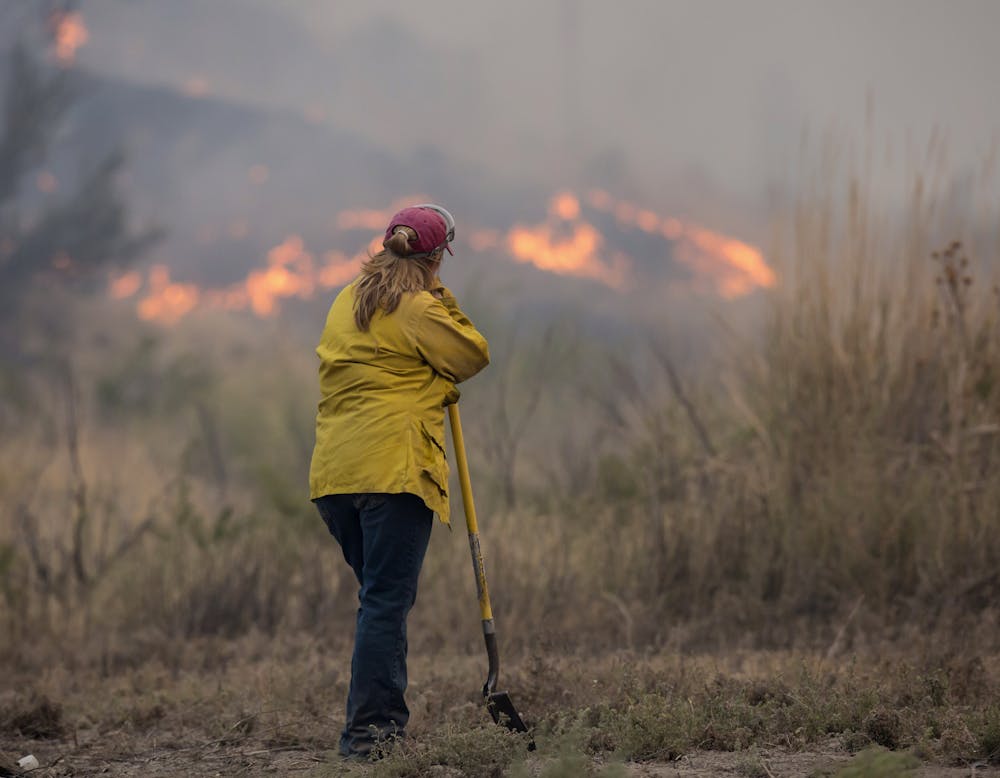
In the arid American West, wildfires now define summer. Recent years have seen some of the worst wildfires in recorded history. Climate change, the loss of Indigenous burning practices and a century of fire suppression are increasing the risk of larger, hotter and more frequent wildfires.
I’m a wildlife ecologist studying how the presence of wolves and other predators is affecting deer and elk in Washington state. I’m particularly interested in understanding how these species interact in changing landscapes.
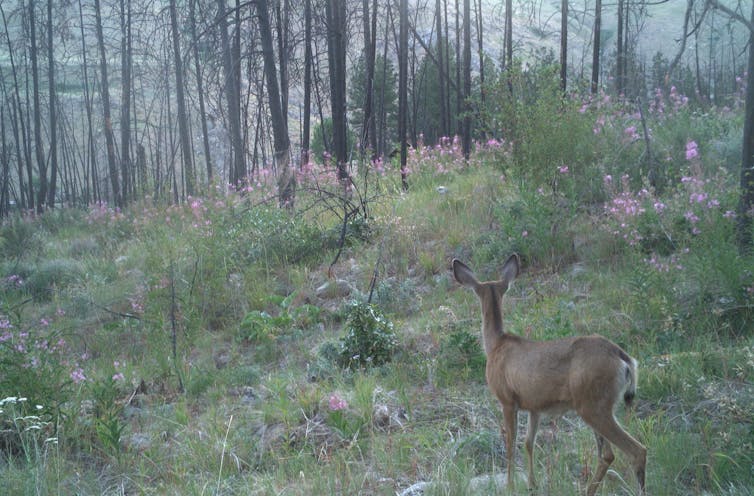
Habitat degradation and other factors have caused populations of mule deer, a common species in many parts of the West, to decline across much of their native range. My collaborators and I recently published a study examining how mule deer use forests that have burned, and how wildfires affect deer interactions with cougars and wolves.
We found that mule deer use these burns in summer but avoid them in winter. Deer also adjusted their movement to reduce predation risk in these burned landscapes, which varies depending on whether cougars or wolves are the threat.
Understanding how mule deer respond to burns and interact with predators in burned areas may be essential for conserving and restoring wildlife communities. Our findings could help land managers and policy makers balance the needs of wildlife with those of humans as they evaluate wildfire impacts and create policies to address future wildfires.
Long-term effects of wildfires
Many forests in western North America have trees that have evolved to withstand fire. Some even depend on burning to dispense seeds. Herbivores can thrive on the lush vegetation that grows after a blaze – so much so that burned areas have a “magnet effect” on deer, attracting them from surrounding areas.
But as fires trigger forest regeneration, they also restructure landscapes. And this process is influencing interactions between predators and prey.
Wildfires have had major impacts in recent decades in the Methow Valley of Okanogan County in northern Washington, where my collaborators on the Washington Predator-Prey Project and I focus our research. Wolves recolonized this area over the past 15 years, and researchers, land managers and the public want to know how the presence of wolves is affecting the ecosystem.
Fires have burned nearly 40% of this region since 1985, with more than half of those burns in the past decade. As in much of the West, low-severity fires historically were frequent here, burning every one to 25 years, with mixed-severity fires burning every 25 to 100 years. But now the area is seeing larger and more frequent fires.
Fire reshapes forests and wildlife behavior
In northern Washington and much of the American West, fires clear the forest understory and burn away the shrubs and small trees that grow there. In more severe fires, flames reach treetops and burn away the upper branches of the forest. More light reaches the forest floor post-fire, and fire-adapted plants regenerate.
After a fire, burned forests can be lush with shrubs and other vegetation that deer favor as summer forage. In our study, deer generally preferred burned areas for about 20 years post-fire, which is the time it takes for the forest to move beyond the initial regrowth stage.
Fires also affect deer behavior in winter. In unburned evergreen forests, trees’ upper branches intercept much of the falling snow before it builds up on the forest floor. Where fires have removed these upper branches, snow is often deeper than in unburned forests.
The snow prevents deer from feeding. It also makes deer more vulnerable to carnivores, since their hooves sink into the snow, while predators like wolves and cougars have wide paws that help them walk over the snow. For these reasons, the mule deer we tracked avoided burns in the winter.
Cougars and wolves prey on mule deer in different ways. Cougars, like nearly all cats, hunt by stalking and ambushing their prey. Often they rely on shrubs and complex terrain to approach deer undetected.
In contrast, wolves hunt by chasing their prey over longer distances. This strategy works best in open terrain.
After fires, vegetation growth and the accumulation of fallen trees and branches can create stalking cover for cougars and also provide refuge for deer to hide from wolves. In Washington, we found that deer were generally less likely to use burned forests in areas of high cougar activity, although their response also depended on the severity of the fire and the time that had elapsed since the fire.
Deer had to balance the availability of improved summer forage in burns with increased predation risk from cougars. In areas heavily used by wolves, however, burns created a win-win for deer: more food and less risk of being detected by a predator.
Mapping fires, deer and predators
To assess how wildfires altered forests in our study area, we used satellite data to map 35 years of impacts from fires that occurred between 1985 and 2019. This data set represents one of the widest ranges of fire histories yet examined by wildlife researchers.
To investigate how deer navigated burns and avoided predators, we captured 150 mule deer and fit them with GPS collars programmed to record a location every four hours. We also caught and GPS-collared five wolves and 24 cougars to map the areas those species used most heavily.
Putting all of this information together, we examined burn history, wolf activity and cougar activity at the locations that mule deer used and compared the results with locations the deer could have reached but did not use. This approach measured how strongly mule deer selected for or avoid burned areas with varying levels of cougar and wolf activity.
Wildlife is part of healthy forests
Our study and others show that deer and other wildlife use burned areas after wildfires, even when these zones have been intensely burned. But these fires bring both costs and benefits to wildlife.
Mule deer may benefit from the opportunity to feed on better summer forage. But avoiding burns in the winter, when the ground is covered with snow, could reduce the deer’s range at a time when the animals already gather at lower elevations to avoid the deepest snow.
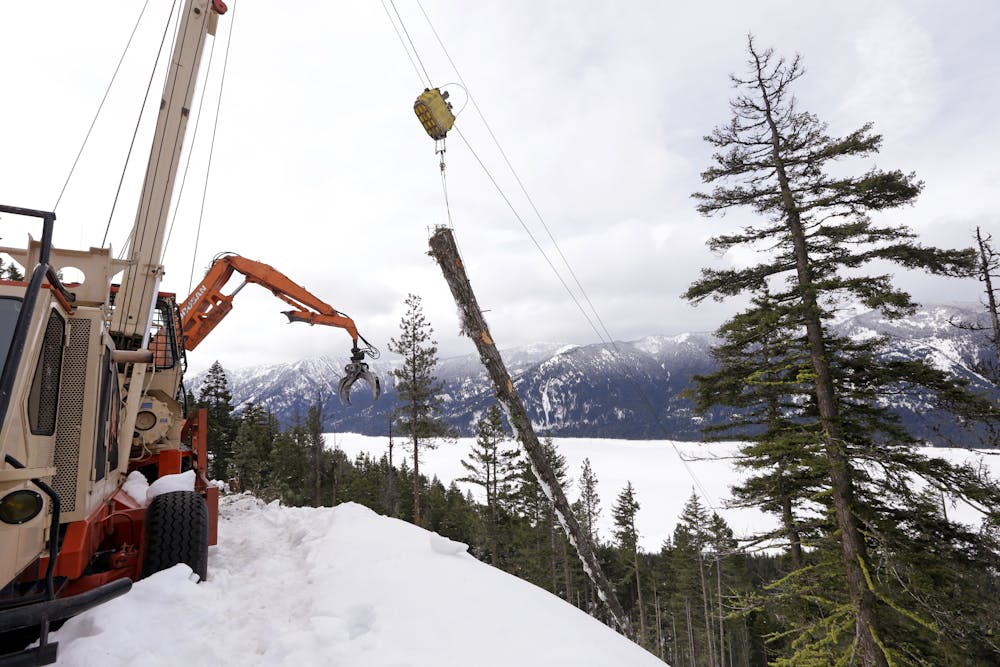
Our research suggests that in fire-affected areas, scientists and land managers who want to predict how burns could affect wildlife need to account for interactions between species, as well as how fires affect food supplies for herbivores such as deer. As policymakers debate suppressing wildfires, treating forests to reduce fuels and logging after fires, I believe they should consider how these strategies will affect wildlife – a key part of biodiverse, resilient landscapes.
Taylor Ganz, PhD Candidate in Environmental and Forest Sciences, University of Washington
This article is republished from The Conversation under a Creative Commons license. Read the original article.
- Details
- Written by: Elizabeth Larson
Dogs available for adoption this week include mixes of American blue heeler, border collie, Chihuahua, dachshund, Doberman pinscher, German shepherd, husky, Labrador retriever, pit bull, Rottweiler and treeing walker coonhound.
Dogs that are adopted from Lake County Animal Care and Control are either neutered or spayed, microchipped and, if old enough, given a rabies shot and county license before being released to their new owner. License fees do not apply to residents of the cities of Lakeport or Clearlake.
The following dogs at the Lake County Animal Care and Control shelter have been cleared for adoption.
Call Lake County Animal Care and Control at 707-263-0278 or visit the shelter online for information on visiting or adopting.
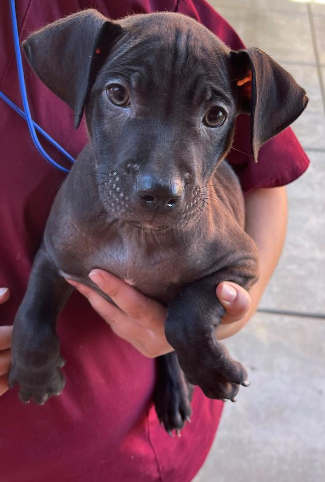
Male pit bull terrier puppy
This 2-month-old male pit bull terrier puppy has a short black coat.
He is in kennel No. 6a, ID No. LCAC-A-4098.
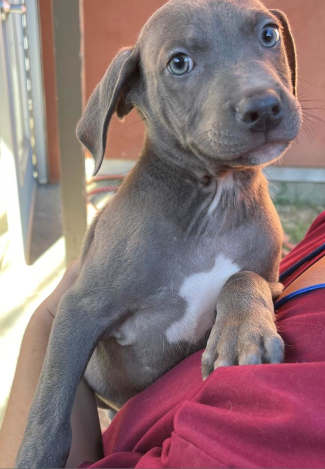
Male pit bull terrier puppy
This 2-month-old male pit bull terrier puppy has a short gray coat.
He is in kennel No. 6b, ID No. LCAC-A-4099.
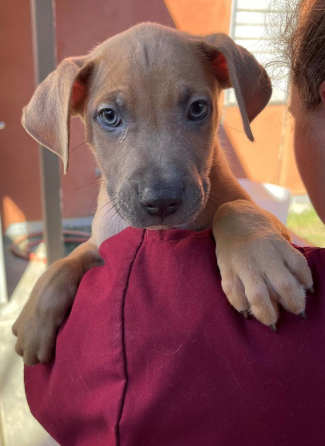
Male pit bull terrier puppy
This 2-month-old male pit bull terrier puppy has a short brown coat.
He is in kennel No. 6c, ID No. LCAC-A-4100.
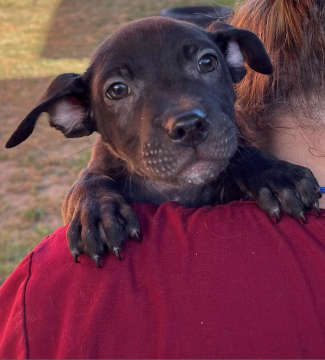
Female pit bull terrier puppy
This 2-month-old female pit bull terrier puppy has a short black coat.
She is in kennel No. 7a, ID No. LCAC-A-4101.
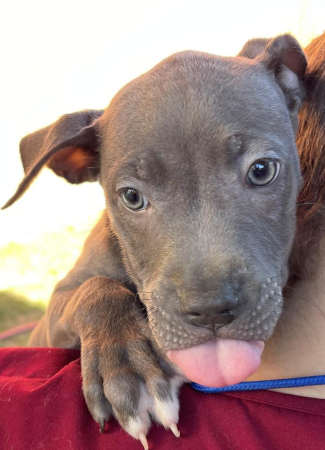
Female pit bull terrier puppy
This 2-month-old female pit bull terrier puppy has a short gray coat.
She is in kennel No. 7b, ID No. LCAC-A-4102.
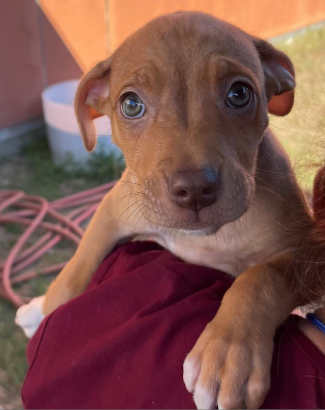
Female pit bull terrier puppy
This 2-month-old female pit bull terrier puppy has a short brown coat.
She is in kennel No. 7c, ID No. LCAC-A-4103.
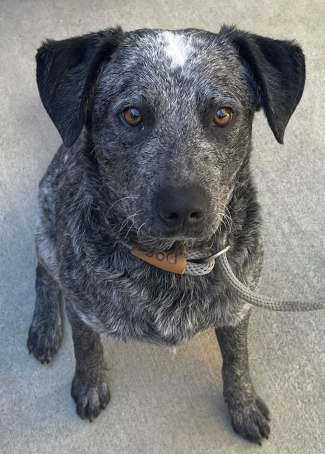
Male American blue heeler
This 1-year-old male American blue heeler has a short coat.
He is in kennel No. 10, ID No. LCAC-A-4128.

Male Labrador Retriever
When he’s not dressed as a unicorn, this 2-year-old male Labrador retriever has a short black coat.
He is in kennel No. 14, ID No. LCAC-A-4112.

Male pit bull terrier
This 1-year-old male pit bull terrier has a short white coat with brown markings.
He is in kennel No. 16, ID No. LCAC-A-4110.

Female pit bull terrier
This 5-year-old female pit bull terrier has a short brown coat.
She is in kennel No. 17, ID No. LCAC-A-4109.

Male border collie
This 2-year-old male border collie has a black and white coat.
He is in kennel No. 18, ID No. LCAC-A-3995.
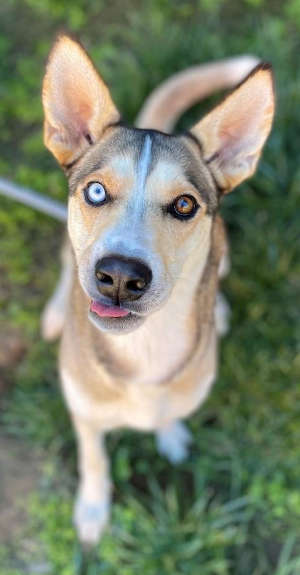
Male husky
This 3-year-old male husky has a short tricolor coat.
He is in kennel No. 22, ID No. LCAC-A-4014.
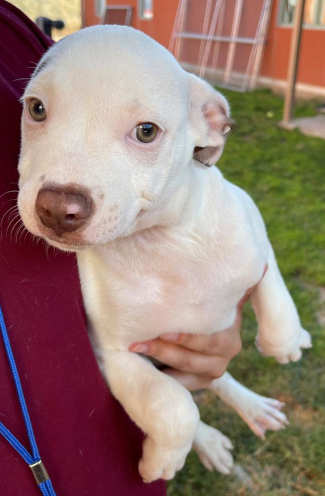
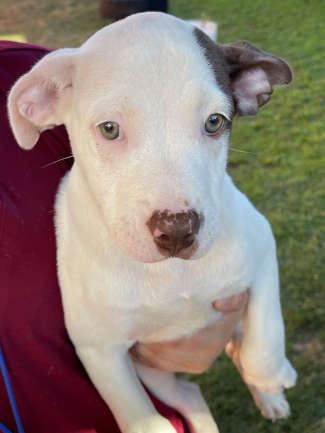
Male pit mix puppy
This 2-month-old male pit bull terrier mix puppy has a short gray and white coat.
He is in kennel No. 23a, ID No. LCAC-A-4116.
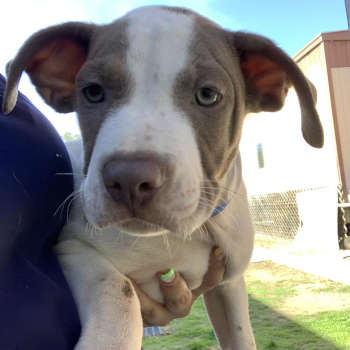
Male pit mix puppy
This 2-month-old male pit bull terrier mix puppy has a short gray and white coat.
He is in kennel No. 23b, ID No. LCAC-A-4117.
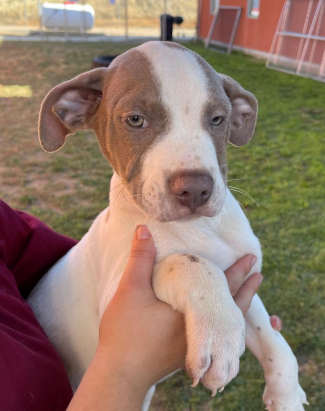
Male pit mix puppy
This 2-month-old male pit bull terrier mix puppy has a short gray and white coat.
He is in kennel No. 23c, ID No. LCAC-A-4118.
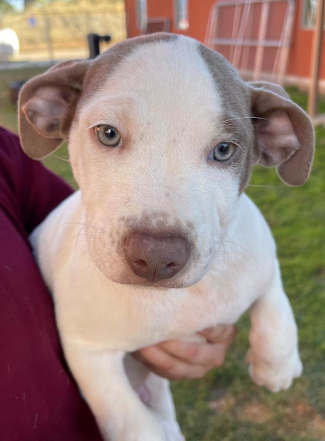
Male pit mix puppy
This 2-month-old male pit bull terrier mix puppy has a short gray and white coat.
He is in kennel No. 23d, ID No. LCAC-A-4119.
Male pit bull puppy
This 2-month-old male pit bull puppy has a short white and gray coat.
He is in kennel No. 24a, ID No. LCAC-A-4120.
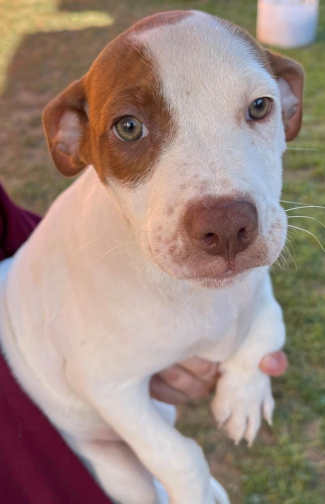
Female pit bull puppy
This 2-month-old female pit bull puppy has a short white and red coat.
She is in kennel No. 24b, ID No. LCAC-A-4121.
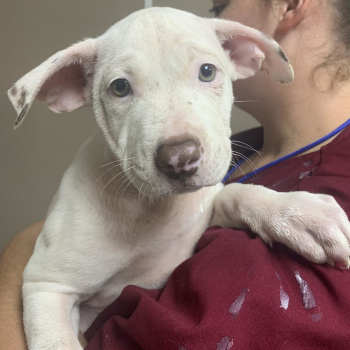
Female pit mix puppy
This 2-month-old female pit bull terrier mix puppy has a short white coat.
He is in kennel No. 24c, ID No. LCAC-A-4122.

‘Ziggy’
“Ziggy” is a 10-year-old female dachshund with a high brown coat.
She is in kennel No. 30, ID No. LCAC-A-4059.
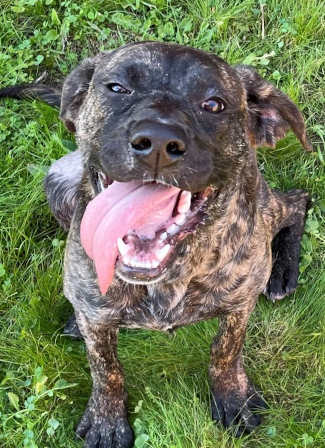
‘Ruby’
“Ruby” is a 6-month-old female hound mix with a brindle coat.
She is in kennel No. 31, ID No. LCAC-A-3753.
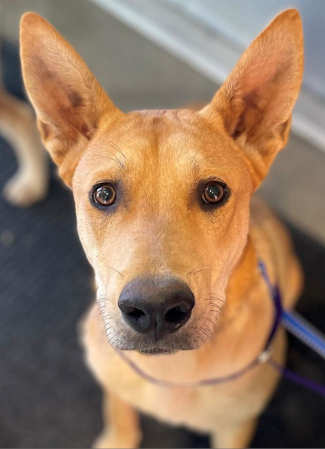
‘Max’
“Max” is a 1-year-old male German shepherd-husky mix with a short tan coat.
He is in kennel No. 32, ID No. LCAC-A-4079.
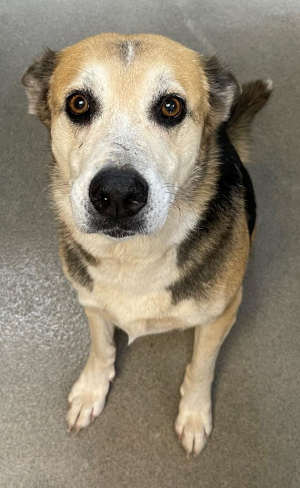
‘Bella’
“Bella” is a 6-year-old female shepherd mix with a tricolor coat.
She is in kennel No. 33, ID No. LCAC-A-4078.
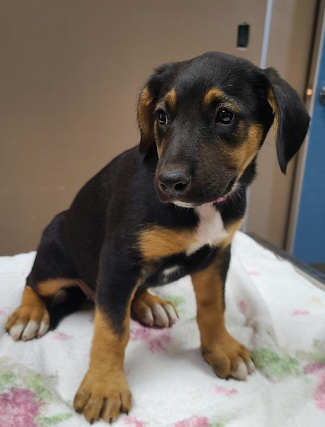
“Violet” is a female 3-month-old Doberman pinscher-treeing walker coonhound mix puppy with a tricolor coat.
She is in kennel No. 34, ID No. LCAC-A-3927.
Email Elizabeth Larson at
- Details
- Written by: NATIONAL AERONAUTICS AND SPACE ADMINISTRATION
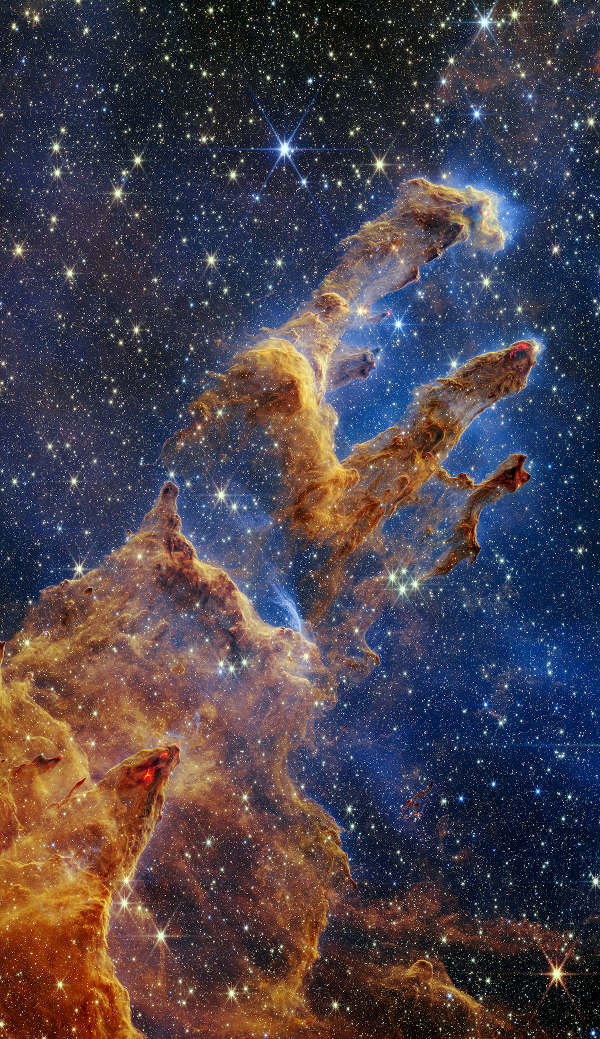
NASA’s James Webb Space Telescope has captured a lush, highly detailed landscape – the iconic Pillars of Creation – where new stars are forming within dense clouds of gas and dust. The three-dimensional pillars look like majestic rock formations, but are far more permeable. These columns are made up of cool interstellar gas and dust that appear – at times – semi-transparent in near-infrared light.
Webb’s new view of the Pillars of Creation, which were first made famous when imaged by NASA’s Hubble Space Telescope in 1995, will help researchers revamp their models of star formation by identifying far more precise counts of newly formed stars, along with the quantities of gas and dust in the region. Over time, they will begin to build a clearer understanding of how stars form and burst out of these dusty clouds over millions of years.
Newly formed stars are the scene-stealers in this image from Webb’s Near-Infrared Camera, or NIRCam. These are the bright red orbs that typically have diffraction spikes and lie outside one of the dusty pillars. When knots with sufficient mass form within the pillars of gas and dust, they begin to collapse under their own gravity, slowly heat up, and eventually form new stars.
What about those wavy lines that look like lava at the edges of some pillars? These are ejections from stars that are still forming within the gas and dust. Young stars periodically shoot out supersonic jets that collide with clouds of material, like these thick pillars. This sometimes also results in bow shocks, which can form wavy patterns like a boat does as it moves through water.
The crimson glow comes from the energetic hydrogen molecules that result from jets and shocks. This is evident in the second and third pillars from the top – the NIRCam image is practically pulsing with their activity. These young stars are estimated to be only a few hundred thousand years old.
Although it may appear that near-infrared light has allowed Webb to “pierce through” the clouds to reveal great cosmic distances beyond the pillars, there are almost no galaxies in this view. Instead, a mix of translucent gas and dust known as the interstellar medium in the densest part of our Milky Way galaxy’s disk blocks our view to much of the of the deeper universe.
This scene was first imaged by Hubble in 1995 and revisited in 2014, but many other observatories have also stared deeply at this region. Each advanced instrument offers researchers new details about this region, which is practically overflowing with stars.
The James Webb Space Telescope is the world's premier space science observatory. Webb will solve mysteries in our solar system, look beyond to distant worlds around other stars, and probe the mysterious structures and origins of our universe and our place in it. Webb is an international program led by NASA with its partners, European Space Agency and Canadian Space Agency.