 How to resolve AdBlock issue?
News
- Details
- Written by: Julie Pollock, University of Richmond

While people usually think first about the turkey or the ham during holiday meals, the sides are what help balance your plate. Colorful vegetables like green beans, collard greens, roasted carrots and mashed sweet potatoes are loaded with important micronutrients. But how you prepare them will help determine whether you get the most nutritional value out of each bite this holiday season.
As a biochemist, I know that food is made up of many chemical substances that are crucial for human growth and function. These chemical substances are called nutrients and can be divided into macronutrients, such as carbohydrates, fats and proteins, and micronutrients, such as vitamins and minerals.
Vegetables are full of micronutrients that human bodies need for metabolism – or converting food into energy – as well as to form and maintain cells and tissues. These micronutrients can be classified into three types: minerals, water-soluble vitamins and fat-soluble vitamins.
Minerals

The greens – collard greens, kale, spinach, green beans – on your table are rich sources of the elements magnesium and calcium. Your body needs these two major minerals for muscle movement and bone health.
Magnesium is essential for many of the enzymes that play important roles in DNA synthesis and repair, as well as protein production and metabolic function. The cellular processes, especially accurate DNA synthesis, are important in protecting your body from developing diseases such as cancer. Calcium helps regulate the pH in your body, influences your metabolism and strengthens your nerve impulses. Nerve impulses are important for your senses and your memory.
Greens are also a source of iron – you were right, Popeye! – which is particularly important for the oxygen-binding proteins hemoglobin and myoglobin that transfer and store oxygen in your body, respectively. In addition, human bodies require iron for processes that help generate energy, protect against oxidative damage and make hormones.
Orange vegetables – carrots, pumpkin, sweet potatoes and squash – contain some levels of calcium and iron as well as high levels of potassium. Potassium is important for muscle movement, nerve impulses and maintaining low blood pressure. Although not a colorful vegetable, white potatoes also contain very high levels of potassium.
Water-soluble vitamins

Most green and orange vegetables contain high levels of vitamin C. Vitamin C is an important water-soluble vitamin because it acts as an antioxidant. Antioxidants protect your cells against certain types of damage caused by very reactive molecules known as free radicals.
In addition, vitamin C can enhance immune response and is essential for the synthesis of collagen – the major protein in your skin. Although taking large levels of vitamin C will not keep you from ever getting sick, a healthy amount can help your skin stay soft, help you avoid diseases like scurvy and potentially shorten the length of a cold.
The white potatoes on the table have high levels of vitamin B6, which is a component of enzymes essential for carbohydrate, fat and protein metabolism. It also helps create healthy blood cells and is important in the production of neurotransmitters such as serotonin and dopamine, which both regulate pleasure and happiness.
Fat-soluble vitamins
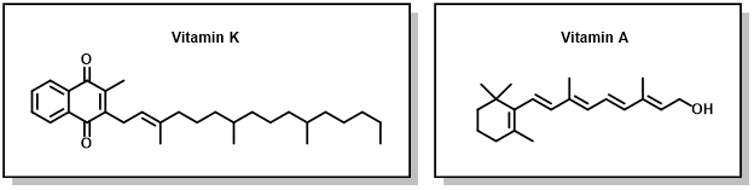
One of the most important vitamins you get from the green vegetables, especially leafy ones like kale, spinach, collards and Brussels sprouts, is vitamin K. Vitamin K is an essential component of enzymes that make proteins in bone and proteins that help clot blood after injuries.
Vitamin A is another important fat-soluble vitamin found in spinach and orange vegetables. The source of vitamin A in vegetables is actually beta carotene, which gets broken into two molecules of active vitamin A after consumption. Vitamin A is essential to vision as well as cell differentiation, reproduction, bone health and immune system function.
Absorption of micronutrients
Consuming vegetables that contain micronutrients is very important, but just as important is your body’s ability to absorb the nutrients and transport them to the cells that need them. Macronutrients like carbohydrates, fats and proteins that primarily make up the food we eat are very efficiently absorbed into your bloodstream.
However, only 3%-10% of some micronutrients actually get distributed throughout your body. Other ingredients and factors in your food can moderate whether you absorb vitamins and minerals.
Therefore, it is important to prepare vegetables in a way that can enhance the body’s ability to absorb their essential vitamins and minerals.
One good example of this is iron – specifically, the iron in the food you consume. Heme iron, which is the form necessary for incorporation into your body, comes only from animal products and is the most easily absorbed.
The plant-based iron contained in green and orange vegetables, on the other hand, is not bound to a heme, and your body can’t absorb it as readily. Consuming vitamin C alongside vegetables can increase the uptake of nonheme iron. So, a squeeze of lemon or orange juice can not only enhance the flavor of your vegetables but the micronutrients you obtain from them.
Fat-soluble vitamins, like vitamin K and vitamin A, are best absorbed when the meal contains some dietary fat, which you can get from oil. This is particularly important for vitamin K because green vegetables are its primary dietary source. This is in contrast to the other minerals and vitamins discussed that can also be obtained from animals or legumes that contain some amounts of dietary fat already.
After consumption, vitamin K must be packaged with other fats in structures called micelles or lipoproteins that can move around in the bloodstream. That means that it’s a good idea to prepare your greens with some source of fat – olive oil, avocado oil, butter or even a little bacon grease.
So, if you’re staring at the southern style collard greens on your plate and wondering whether they’re as healthy as eating a raw green leaf, think about it in terms of the biochemistry. While raw greens provide you with plenty of fiber and minerals, they won’t help your vitamin K levels as greens cooked in oil will.
Enjoy your time around the holiday table. Load up your plate with everything you like to eat, and make sure to not go completely fat-free in order to help your body process and use all the micronutrients.
Julie Pollock, Associate Professor of Chemistry, University of Richmond
This article is republished from The Conversation under a Creative Commons license. Read the original article.
- Details
- Written by: Victoria Colliver
The COVID-19 pandemic slowed previous gains made in controlling HIV blood levels and worsened health disparities, according to UC San Francisco researchers leading the largest U.S. evaluation of the impact of the public health crisis on people with HIV.
While the country had been making progress on its goals to reduce HIV before COVID-19, the researchers found the pandemic compromised those gains by leveling off improvements in the overall population and worsening outcomes among Black patients and people who inject illicit drugs.
“Equity in HIV outcomes likely worsened during the pandemic, with decreased access to necessary care and increased socioeconomic impacts disproportionately affecting these populations,” said the paper’s first author, Matthew Spinelli, MD, assistant professor in the Division of HIV, Infectious Diseases and Global Medicine at UCSF and the Priscilla Chan and Mark Zuckerberg San Francisco General Hospital and Trauma Center.
The study was published Nov. 14, 2023 in Clinical Infectious Diseases, the journal of the Infectious Diseases Society of America.
The researchers used data from 17,999 participants from Jan. 1, 2018 to Jan. 1, 2022 at eight large HIV clinics in Baltimore, Birmingham, Boston, Chapel Hill, Cleveland, San Diego, San Francisco and Seattle. They compared results from Jan.1, 2018 to March 21, 2020, tracking outcomes as the pandemic progressed.
Past progress in controlling the virus came to a virtual standstill during the pandemic for the general population. But for certain subsets, mainly Black patients as well as those with a history of injection drug use, the pandemic worsened their outcomes.
The percentage of Black patients who kept their viral loads suppressed decreased from 87% to 85%, and for people who inject drugs their level dropped from 84% to 81%.
The shelter-in-place orders around the country limited access to care for patients, especially those who were already experiencing health disparities. Factors included the shift to telemedicine to provide HIV services as well as reduced in-person medical visits. Increased isolation also led to worsening substance use, loneliness and mental health issues for some individuals.
UCSF’s Spinelli said the results show the U.S. may not reach its goals to eliminate HIV by 2030 as part of the federal government’s initiative Ending the HIV Epidemic in the U.S.
“We will need to redouble our efforts in responding to the HIV epidemic to regain our momentum, with a focus on improving health equity so that no one is left behind,” Spinelli said.
- Details
- Written by: Elizabeth Larson
The council will meet Tuesday, Nov. 21, at 5 p.m. for a special meeting, to be followed by its regular meeting at 6 p.m. in the council chambers at Lakeport City Hall, 225 Park St.
The agenda can be found here.
The council chambers will be open to the public for the meeting. Masks are highly encouraged where 6-foot distancing cannot be maintained.
If you cannot attend in person, and would like to speak on an agenda item, you can access the Zoom meeting remotely at this link or join by phone by calling toll-free 669-900-9128 or 346-248-7799.
The webinar ID is 973 6820 1787, access code is 477973; the audio pin will be shown after joining the webinar. Those phoning in without using the web link will be in “listen mode” only and will not be able to participate or comment.
Comments can be submitted by email to
During the special meeting beginning at 5 p.m., Lakeport Police Chief Brad Rasmussen will present a Citizen Commendation to Dalton Harris in recognition of exceptional efforts to enhance the quality of life in our community.
The council also will consider reappointing incumbent George Spurr to a four-year term on the Lake County Vector Control District Board effective Jan. 1, 2024, and expiring Dec. 31, 2027.
In other business, the council will interview applicants and appoint one member to the Lakeport Fire Protection District Board and three members to the Lakeport Economic Development Advisory Committee, or LEDAC.
At the regular meeting beginning at 6 p.m., City Manager Kevin Ingram will present a resolution confirming the fulfillment of all provisions outlined in the memorandum of understandings, dated Jan. 11, 2011, and July 19, 2011, between the Judicial Council of California and the city of Lakeport in connection with the development of the new Lake County Superior Courthouse to be located at 675 Lakeport Blvd.
Also on Tuesday, Utilities Director Paul Harris will give the council an update on the continuing efforts to identify and mitigate Inflow and Infiltration in the city’s wastewater collection system.
On the consent agenda — items considered noncontroversial and usually accepted as a slate on one vote — are ordinances; minutes of the Nov. 7 council meeting; approval of amendment to application 2023-020, with staff recommendations, to operate a sled hill on Second Street, between Forbes and Main, in conjunction with the Dickens’ Festival; adoption of an ordinance repealing and replacing Section 17.17.080 of Chapter 17.17 of Title 17 of the Lakeport Municipal Code regarding the time limit for Planned Development Combining Districts; and approval of the side letter agreement for the city of Lakeport Police Officers’ Association amending section 6.18 of the MOU regarding premium pay for detective trainee work.
Email Elizabeth Larson at
- Details
- Written by: Elizabeth Larson
At its meeting on Nov. 9, the board — which oversees both Yuba and Woodland community colleges — unanimously approved the appointment of Patricia Barba as the Lake County Campus’ interim dean.
She succeeds Dean Ingrid Larson, who left in September for a job at Mendocino College.
Barba will receive an annual salary of $113, 774.
The position continues until May 10, 2024.
At the same meeting, the board also unanimously approved other appointments for Woodland Community College, including Geoffrey Hulbert as director of Department of Supportive Programs and Services and Caren Fernandez as the interim assignment for acting director of matriculation and EOPS/CARE Program.
Email Elizabeth Larson at