How to resolve AdBlock issue?
Refresh this page
How to resolve AdBlock issue?
Refresh this page
Lake County News,California
  • Home
    • Registration Form
  • News
    • Education
    • Veterans
    • Community
      • Obituaries
      • Letters
      • Commentary
    • Police Logs
    • Business
    • Recreation
    • Health
    • Religion
    • Legals
    • Arts & Life
    • Regional
  • Calendar
  • Contact us
    • FAQs
    • Phones, E-Mail
    • Subscribe
  • Advertise Here
  • Login

News

State partners with world’s leading tech companies to prepare Californians for AI future

Gov. Gavin Newsom, center, with tech leaders on Thursday, Aug. 7, 2025. Photo courtesy of the Governor’s Office.

Gov. Gavin Newsom has announced that California has signed agreements with four of the largest technology companies in the GenAI sector, as the state continues to speed forward as the global leader in technology. 

Working with Google, Adobe, IBM and Microsoft, the state will help train California’s workforce for a wide range of jobs in AI, including preparing students in grades nine to 12, community colleges and California State Universities for high-paying careers in these fields. 

These agreements — reached at no cost to the state — will also allow schools and industry partners to work together to make it easier for students to develop the skills they need to move from the classroom to the workforce.  

“AI is the future — and we must stay ahead of the game by ensuring our students and workforce are prepared to lead the way. We are preparing tomorrow’s innovators, today,” said Newsom. “Fair access to next-generation workforce training tools is one important strategy that California is using to build economic opportunities for all Californians. We will continue to work with schools and colleges to ensure safe and ethical use of emerging technologies across the state, while emphasizing critical thinking and analytical skills.”

This agreement will support faculty and students across the community college and California State University systems, and enable high schools across the state to modernize their curriculum offerings to provide students with the latest AI tools, foster networking and internship opportunities, and expand access to state-of-the-art technology. 

“AI is expected to touch nearly every aspect of the working world, so making sure California students are fluent in AI tools will give them a huge advantage as they start their careers,” said Stewart Knox, secretary of Labor & Workforce Development.

“Leveraging the state’s leadership in technology to train the current and future generation of California workers positions us to remain the world’s leader in emerging technologies,” said Nick Maduros, secretary of the California Government Operations Agency.

“With agreements like these, we are doing what California does best – investing in the innovation economy to create new industries and new opportunities,” said Dee Dee Myers, senior advisor to the governor and director of the Governor’s Office of Business and Economic Development, or GO-Biz. “Partnering with these industry leaders will further unlock opportunities for Californians to get the skills they need to advance their careers while ensuring employers have access to the most talented workforce in the nation.” 

"This new partnership with leading AI companies brings cutting-edge skills and tools directly to our students, faculty, staff, and communities — expanding opportunity and ensuring that Californians are prepared to thrive in the future world of work shaped by AI,” said California Community Colleges Chancellor Sonya Christian. “As the largest workforce training provider in the nation, we play a pivotal role in developing California’s talent and guiding the responsible and equitable use of Generative AI.”

“On behalf of the California State University, I commend and deeply appreciate Governor Newsom’s forward-thinking efforts to harness the power of artificial intelligence. The MOU we celebrate today and the CSU-Industry AI Workforce Acceleration Board it memorializes are at the very heart of the CSU’s Artificial Intelligence Initiative, aimed at empowering faculty teaching and research, elevating the student experience, driving the state’s future workforce and, most importantly, equipping our graduates with the essential skills they’ll need to thrive in every field. We look forward to our continued collaborative work – with the governor’s administration, AI industry leaders, and CSU students, faculty and staff – as the CSU seeks to become a global model for an AI-empowered higher education system,” said California State University Chancellor Mildred Garcia

California’s GenAI economy

California is home to 33 of the top 50 privately held AI companies around the globe. That figure signifies the state’s undisputed leadership in the GenAI arena and highlights why it is critical that California continues to create economic opportunities for our students and integrate these partnerships into educational systems statewide. 

Officials said the agreements will help ensure California remains the location of choice for the world’s most innovative companies by placing an emphasis on supporting startups — a critical component of the state’s economic engine.

Recognizing GenAI is only the tip of the spear in the world of emerging technologies, the state is placing increased emphasis on sharpening students’ skills to keep them competitive in today’s workforce and ensure they use these emerging technologies safely and responsibly.

Preparing tomorrow’s innovators 

Adobe, Google, IBM, and Microsoft have developed several programs they are sharing with educational institutions across the state, including providing cutting-edge AI software, sharing expertise as educators update curricula to reflect the latest technology, and supporting educational and joint research initiatives. 

Newsom’s office said this partnership will drive significant advances in educational opportunities, economic development, workforce enhancement and innovation for all Californians. 

The solutions are voluntary and will be made available by the companies at no cost to schools and institutions.

Adobe Initiative: Adobe and California are partnering to equip students and teachers with the skills and resources they need to thrive in an AI-driven world. Building on Adobe’s long-standing commitment to supporting education, this initiative will expand access to Adobe’s responsibly developed generative AI that is designed to be used in classrooms such as Adobe Express, Adobe Acrobat, and Adobe Firefly — as well as AI literacy content, programming and resources. This partnership will help ensure workforce readiness for the future by preparing students to become the next generation of innovators and leaders.  

“To create the future, today’s students must learn to speak the language of tomorrow. That means not only having access to Adobe’s world-class, classroom-ready AI-powered tools as they are creating, ideating, or studying, but also becoming fluent in AI itself. This is equally important for educators because when we invest in teachers, we invest in every student they will ever reach. By empowering both students and educators with AI skills and knowledge, Adobe is proud to take a critical step toward building an innovative workforce that thrives in the digital world of today and tomorrow,” said Mala Sharma, vice president and general manager, Adobe for Education.

Google Initiative: Google will help California residents develop tech skills through its extensive online AI training programs and continue to partner with government agencies across the state to transform citizen services, make data-driven decisions, and enhance efficiencies using GenAI. As a partner in this initiative, Google will support the state's commitment to modernizing government and investing in its workforce. This includes increasing access to Google's Prompting Essentials course for students at no cost. Designed and taught by experts at Google, the online course is product agnostic, does not require a degree or experience, and teaches learners how to effectively instruct AI, make the technology work for them, and responsible use. 

Additionally, Google will offer its no-cost Generative AI for Educators course to teachers across the state to help them personalize instruction to meet student needs, develop creative lessons and activities, and save time on administrative tasks. This partnership builds on collaboration between California and Google to accelerate the adoption of GenAI at government agencies in the state and create new upskilling opportunities for the workforce. 

"Generative AI is reshaping the future of work, revolutionizing industries and creating entirely new career paths. By collaborating with California to make this technology more accessible to K-12 classrooms, higher education institutions, and innovative start-ups, we're empowering Californians with the skills and knowledge to thrive in the robust GenAI economy of tomorrow,” said Matthew Schneider, managing director, education, state & local government, Google Public Sector.

IBM Initiative: This initiative aims to integrate AI into career education programs across California’s community colleges, explore opportunities for faculty training, and broaden access to industry-recognized credentials through IBM SkillsBuild. The initiative also seeks to promote the development of regional AI labs, short-term certificates, and hands-on learning experiences aligned with evolving workforce needs. By aligning proven, accessible educational pathways with the demands of a rapidly changing technological landscape, this collaboration aspires to help prepare students for future roles in AI, cybersecurity, and data science fields.

"IBM is proud to collaborate with the State of California to expand access to AI education and economic opportunity. As AI transforms the workplace, the demand for skilled workers is growing rapidly. Through IBM SkillsBuild and our collaboration with California’s community colleges, we are empowering students and educators with the tools, training, and credentials they need to thrive in an AI-driven economy,” said Dinesh Nirmal, senior vice president, IBM Software

Microsoft Initiative: Microsoft, the Foundation for California Community Colleges, and the California Community College Chancellor's Office successfully delivered a comprehensive bootcamp learning series focused on AI Foundations, Cybersecurity, and Microsoft Copilot. This training equipped faculty members from various community colleges across the state to educate students at their respective colleges. This collaborative effort has significantly enhanced the AI and cybersecurity skills of both faculty and students, positioning California's community colleges at the forefront of technological education.

“Microsoft is proud to partner with the State of California to help ensure students, faculty, and staff across the California Community Colleges system have access to the AI skills needed in today’s workforce. By supporting AI literacy, cybersecurity training, and hands-on learning opportunities through our Copilot technology and trusted training partners, we’re investing in the future of California. We’re grateful to Governor Newsom’s office and the California Government Operations Agency for their leadership in creating pathways into the digital workforce,” said Beth Dann, general manager, state, local, and education, Microsoft.

California’s AI global leadership 

Key leadership from this newly announced partnership will begin the implementation phase, continuing their efforts to harness GenAI to enhance the lives of all Californians.

California has launched efforts to help the state take advantage of this emerging technology, while also creating responsible policy guardrails to protect Californians.

In 2023, Gov. Newsom signed an executive order laying out California’s approach to state GenAI adoption. That EO has shaped the future of ethical, transparent, and trustworthy GenAI deployment, all while California remains the world’s GenAI leader. 

Within state government, projects are already underway to utilize GenAI to reduce highway congestion, improve roadway safety, and enhance customer service in a state call center, among other new initiatives. 

Earlier this year, Gov. Newsom further advanced California’s ongoing leadership in the responsible development and deployment of AI with the release of a new report from world-leading AI academics and experts.

The group, which was convened at the request of the Governor last September, today released its final report, The California Report on Frontier AI Policy. 

This landmark report will help pave the way for the responsible, ethical, and safe use of AI for the benefit of all Californians by offering a policy framework for workable guardrails based on an empirical, science-based analysis of the technology’s capabilities and risks.

Firefighters stop progress of Arden fire; work continues to reach full containment

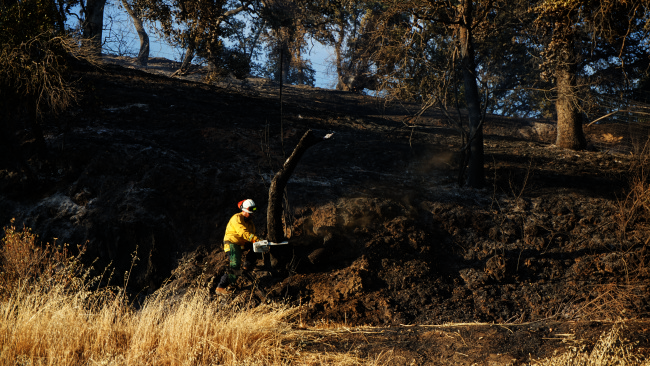
A Pacific Gas and Electric employee cleared a burning tree in the Arden fire area in Lucerne, California, on Saturday, August 9, 2025. Photo by Elizabeth Larson/Lake County News.

LUCERNE, Calif. — Work continued Saturday evening to fully contain a wildfire that destroyed structures, led to evacuation orders and resulted in a power outage that impacted thousands of Lucerne residents.

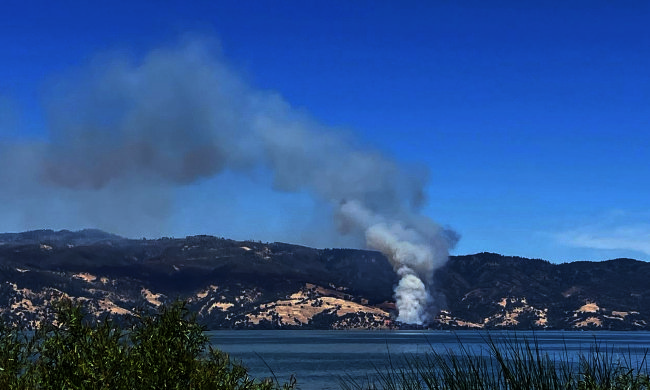
The Arden fire began at 2:09 p.m. Saturday at Arden and Foothill drives off of Highway 20, on the west end of Lucerne.

By evening, after a fierce fire fight, multiple spot fires, power outages and evacuations, the fire was being held to 26 acres, with 40% containment, Cal Fire reported.

The fire quickly moved uphill on Saturday afternoon — prompting a closure of Highway 20 — and threatened multiple structures, which led to evaluation orders that were lifted shortly after 4 p.m.

Cal Fire said the fire ultimately destroyed two structures.

The Arden fire shortly after it blew up in Lucerne, California, as seen from Lakeshore Drive in Lakeport, California, on Saturday, August 9, 2025. Photo courtesy of Michael Froio.


The power went off across Lucerne just after 3:30 p.m. and was off for about three and a half hours. The organization Find Energy said the outage impacted 3,941 meters at its height. By 11 p.m., 38 meters were still without power.

While the power was off in the late afternoon and early evening, the Lucerne Alpine Senior Center opened as a cooling center to give people respite during the hot temperatures. 

At about 6:15 p.m., three spot fires were reported at the head of the fire, farther up in the hills above the town, to the west of the fire and under high tension power lines. That required air resources to return to the scene after they had been released following the initial fire fight.

Part of the burn area of the Arden fire just off of Highway 20 in Lucerne, California, on Saturday, August 9, 2025. Photo by Elizabeth Larson/Lake County News.

An incident overview by Cal Fire said the fire burned as far as Sherwood Road, one of the many gravel fire roads in the paper subdivisions above town.

The fire roads in the hills were reported to be helping to contain the advance of the fire, along with the multiple retardant and water drops done throughout the afternoon by Cal Fire air resources.

The hillside above Highway 20 was still smoking at around 7 p.m., with Pacific Gas and Electric personnel working to cut up smoking trees and address burning power poles. 

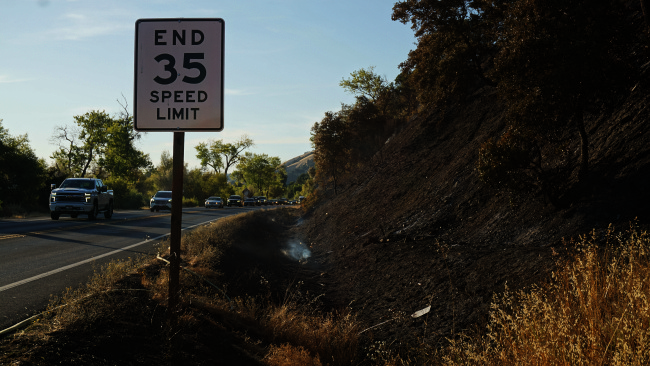
Into the evening, traffic control remained in place at Highway 20 and Foothill Drive as firefighters, PG&E, California Water Service and Lake County Sheriff’s deputies continued to work in the area.

Cal Fire said in a report issued shortly after 8 p.m. Saturday that forward progress of the fire has been stopped.

Also stopped — and fully contained — were the three spot fires that had been reported shortly after 6 p.m. at the head of the fire.

Traffic control was still in effect on Highway 20 near the Arden fire in Lucerne, California, on the evening of Saturday, August 9, 2025. Photo by Elizabeth Larson/Lake County News.

Resources that were assigned to the incident on Saturday included 200 personnel, 14 engines,  four dozers, four water tenders and three crews coming from agencies including Cal Fire units from Lake and Mendocino counties, the Mendocino National Forest, Northshore Fire, South Lake County Fire, Lakeport Fire and Williams Fire, with air resources such as tankers and air attack coming from Chico and Ukiah, and two helicopters from Boggs Mountain and Howard Forest.

The Arden is the latest in a series of fires that have burned in Lake County this month.

Those include the North fire, which burned 11 acres on Friday near Sulphur Bank and North Drive in Clearlake. It was 80% contained as of Saturday night, Cal Fire said.

The largest of the season so far in Lake County is the Lake fire, which burned 401 acres near Borax Lake last Sunday afternoon. Cal Fire said it was fully contained on Saturday morning.

The Lake fire also is the largest wildfire in the Cal Fire Sonoma-Lake-Napa Unit in 2025. Up until the Lake Fire, the unit said it had only seen 240 wildfires burn a total of 518 acres.

Email Elizabeth Larson at This email address is being protected from spambots. You need JavaScript enabled to view it.. Follow her on Twitter, @ERLarson, and on Bluesky, @erlarson.bsky.social. Find Lake County News on the following platforms: Facebook, @LakeCoNews; X, @LakeCoNews; Threads, @lakeconews, and on Bluesky, @lakeconews.bsky.social. 

Teen drivers face unique challenges during ‘100 deadliest days’ of summer, but safety measures can make a difference

Summer is the riskiest time of year for teenage drivers. Martin Novak/Moment via Getty Images

The last few weeks of summer, heading into Labor Day weekend, can sometimes mean vacations and driving more miles on the road for all people, including teens.

Traffic crashes are the No. 1 cause of death for teens, and the crash rate for teen drivers is disproportionately higher than the share of licensed teen drivers.

In addition to this grim statistic, summer is the riskiest time for teen drivers. The 100 deadliest days represent the period from Memorial Day to Labor Day when the number of fatal crashes involving teen drivers dramatically increases. A third of each year’s teen driver crashes occur during the summer.

We are scholars who research transportation safety and teen driver behavior. Our expertise helps us understand that these 100 days are not just a statistical fluke – they reflect a dangerous intersection of factors such as inexperience and a propensity to take risks.

A young woman turns to face a young man while sitting in a convertible car
More time on the road means more risk for inexperienced drivers. Klaus Vedfelt/Digital Vision via Getty Images

What makes summer different?

Regardless of the season, some teen drivers engage in risky behaviors that increase their likelihood of a fatal crash, such as getting distracted, driving with friends in the vehicle, driving under the influence, not wearing seat belts and a lack of hazard awareness.

Teens also have more free time in the summer, since most aren’t in school. Combined with the longer days and better weather, teens drive more over the summer. More time on the road means more risk, especially for inexperienced drivers.

Teens may also be more likely to drive after dark during the summer, in comparison to more experienced drivers. But nighttime driving is also when visibility is reduced and crash risks are higher, particularly for teens who haven’t fully developed the skills necessary for night driving. This increased exposure, in addition to teens’ general risky driving tendencies, contributes to the 100 deadliest days for teen drivers.

The increased crash risk for teens over the summer isn’t equally distributed either. Crashes with teen drivers that lead to serious injuries are more likely to occur with male drivers, in rural areas, for those of lower socioeconomic status and for those with disorders, such as attention deficit and hyperactivity disorder.

A rear view of an instructor holding a clipboard and guiding a student during a driving lesson.
Driver’s education programs can be effective, but not all teenagers have access to them. Antonio Diaz/iStock via Getty Images

Teaching young drivers

Driver’s education programs are the formal method to teach teen drivers the rules of the road.

In driver’s education programs, teens receive information about driver and road safety though classroom and behind-the-wheel instruction in preparation for the licensing exam. Some states require teens to complete a driver’s education course if they want to receive a license under the age of 18. Of teens who have a license, nearly 80% of them have gone through some form of driver’s education.

Though driver’s education programs can be helpful, their effects are not equally felt. In some states, teens and their guardians must pay out of pocket for driver’s education courses to obtain a license. This makes driver’s education and, as a consequence, obtaining a driver’s license inequitable.

There are also driving school deserts – areas where the poverty rate is 20% or above and there are no behind-the-wheel driver education courses within a 10- to 15-minute drive. This makes driver education courses inaccessible. Many of these driving school deserts happen to be in areas with high populations of minorities.

Over 20 years ago, graduated driver licensing was introduced to reduce teen crash rates. This is a phased licensing system wherein teen drivers are restricted in terms of when, where and with whom they can drive until they turn 18. Such a system allows teens to gradually learn and gain experience with driving over time.

Graduated driver licensing has been implemented in all 50 states, and it has been shown to reduce teen driver crash rates. However, its effectiveness is limited to those who participate in the system. A large number of teens are unlicensed and are of low socioeconomic status. Many of these unlicensed teens forgo the entire process and remain unlicensed but still drive, well into their 20s when the graduated driver licensing restrictions are lifted.

A father shows his teenage son the functions that buttons in a car performs.
Adults can serve as good role models for teenagers who are learning to drive. fotostorm/E+ via Getty Images

Making summer safer

There are two things people can do to turn the 100 deadliest days into the 100 safest days.

First, it is important that communities offer free supplementary training programs for teen drivers, because becoming a safe and responsible teen driver shouldn’t be limited to those with resources. As one example, in collaboration with industry partners, we have developed a program called Risk-ATTEND. It is a free, online, evidence-based program that teaches teen drivers how to anticipate risks while driving. Our research has shown that programs such as these can improve teen driving skills and may be especially effective for teen drivers in high-poverty areas.

Second, our research has shown that parents and guardians still play an important role in influencing teen driver behavior. Studies show that teens mirror the behaviors they observe: If they see adults text and drive, they’re more likely to do the same.

Once teenagers become old enough to drive, it is also important to establish rules and guidelines about expectations to establish clarity and accountability. Written agreements or checklists can address high-risk conditions such as nighttime driving, driving with other young passengers, phone use and adherence to speed limits.

Systems to help monitor and enforce rules have been shown to be effective in improving teen driver behavior. One such program is Checkpoints, which is a Connecticut-based program in which families agree to limit teen driving during high-risk conditions. Teens face consequences for violating these limits, such as a temporary loss of driving privileges. However, the limits are gradually lifted as they gain driving experience.

A young woman with curly smiles as she drives a car.
Programs that monitor teen driver behavior have shown promising results. Fotografía de eLuVe/Moment via Getty Images

More than rules matter

Ultimately, preventing crashes in the summer and beyond extends beyond mere adherence to regulations. Avoiding them fundamentally hinges on cultivating a robust safety culture that emphasizes a collective commitment to risk reduction and continuous improvement in driving practices.

For teens, the summer months present unique challenges and opportunities.

Drawing on best practices, such as training programs, teens can build essential skills in varied conditions before gaining full, unsupervised privileges.The Conversation

Shannon Roberts, Associate Professor of Industrial Engineering, UMass Amherst and Anuj Kumar Pradhan, Assistant Professor, UMass Amherst

This article is republished from The Conversation under a Creative Commons license. Read the original article.


Helping Paws: Dogs in need

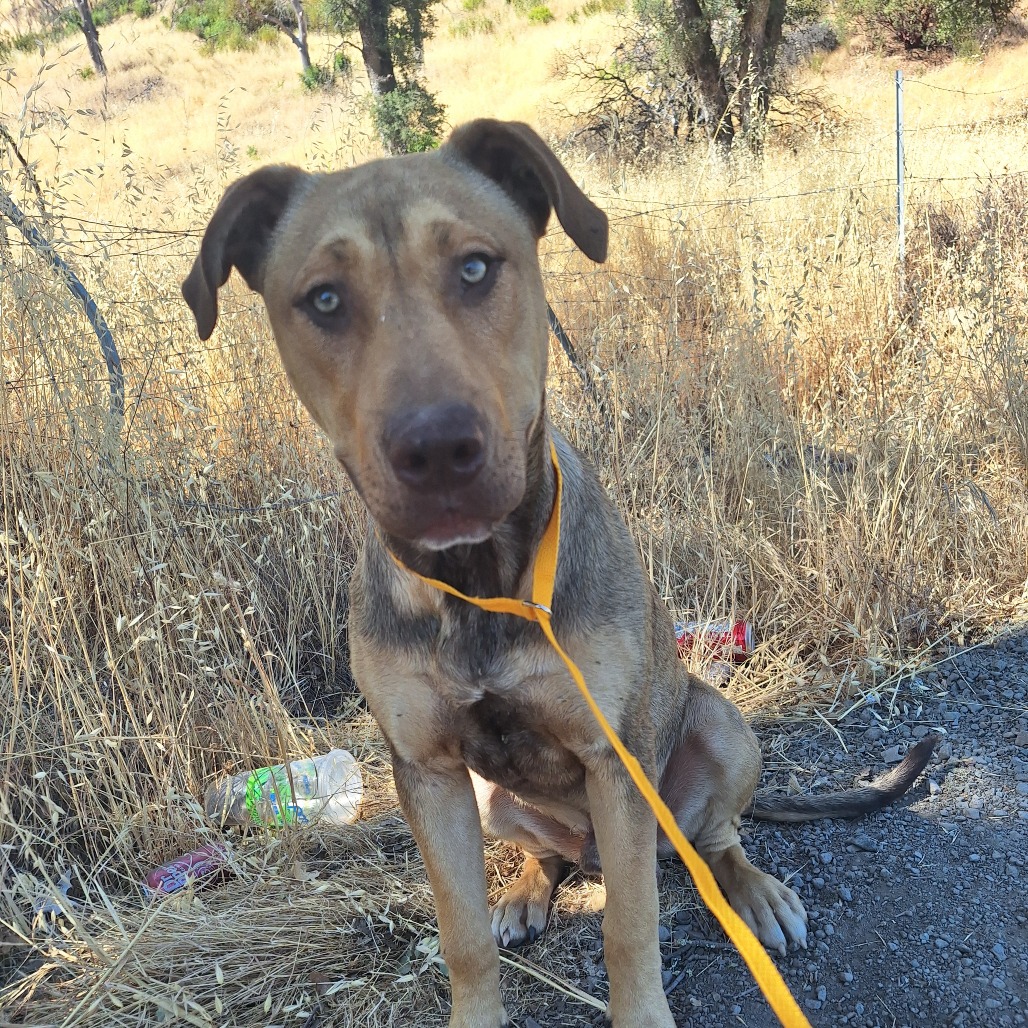
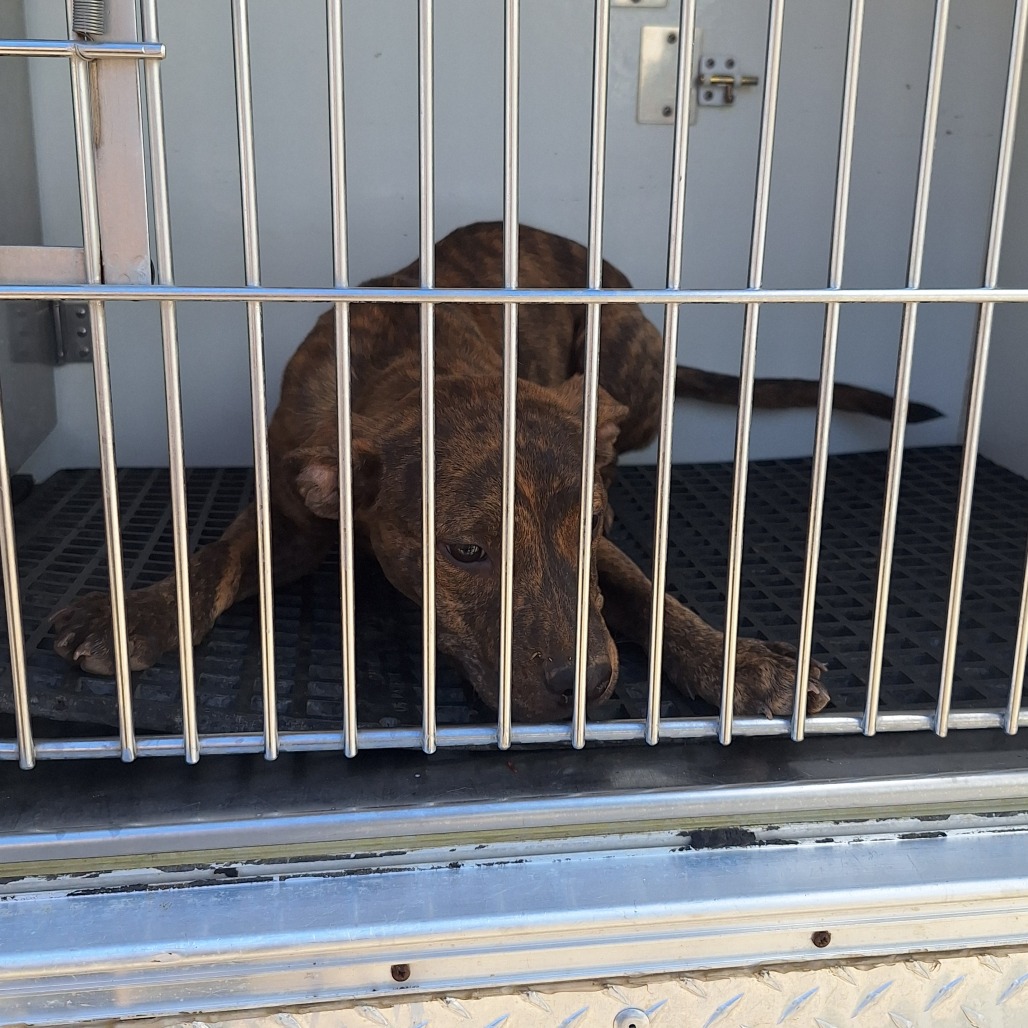
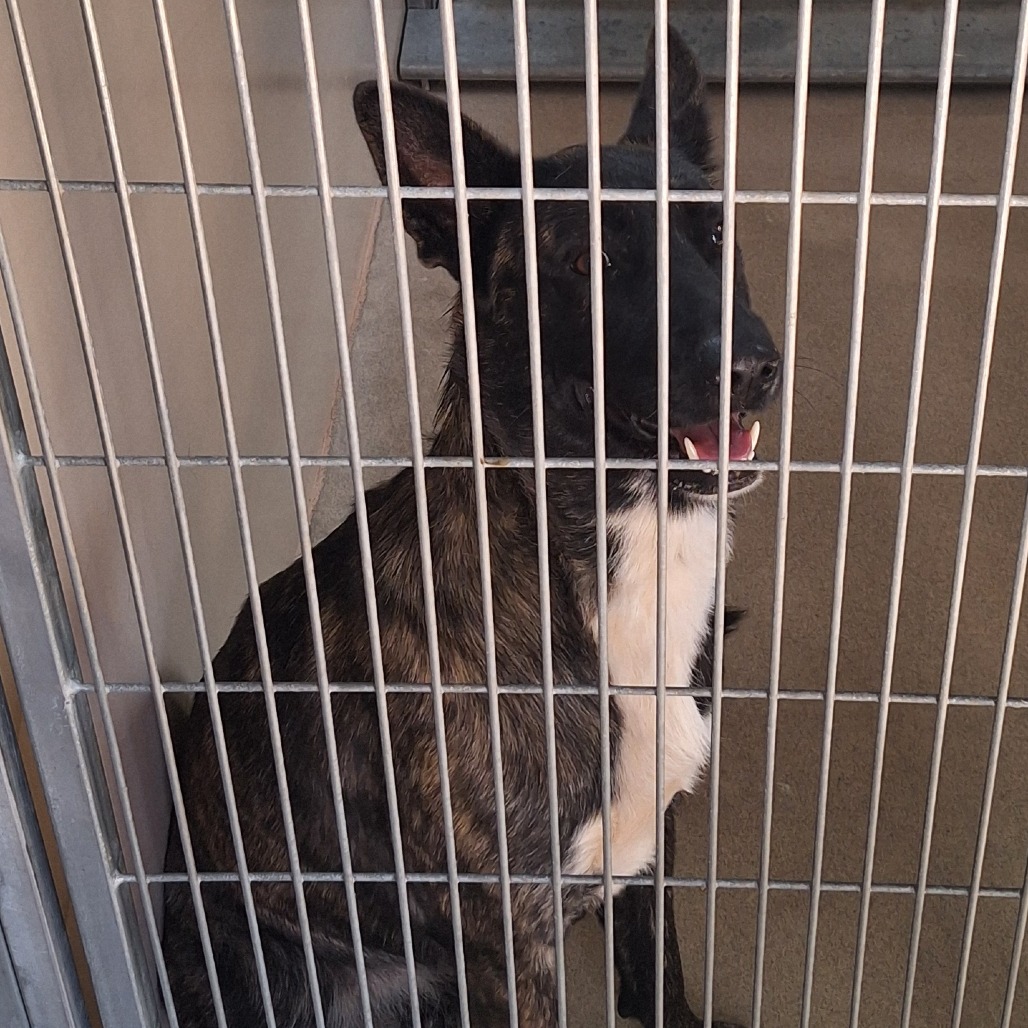
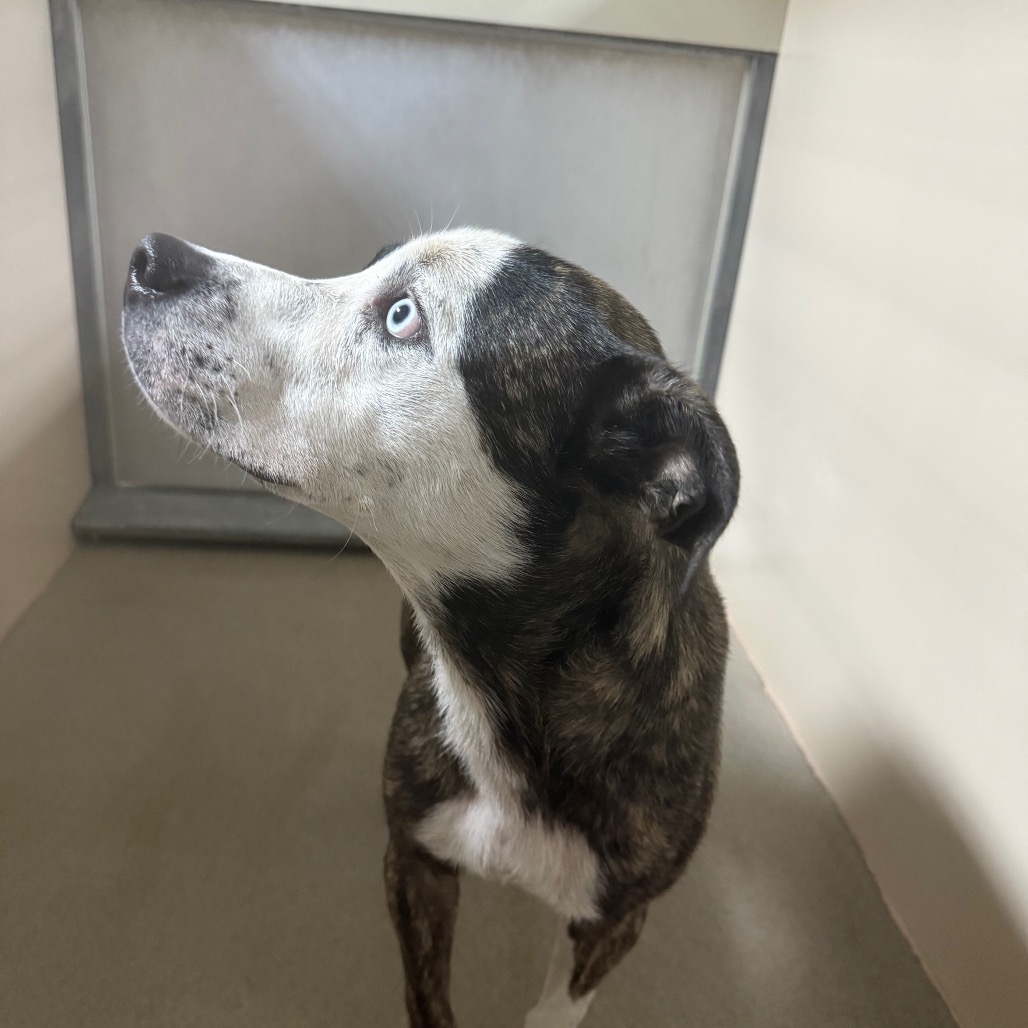
LAKE COUNTY, Calif. — Lake County Animal Care and Control has many dogs needing new homes this week.

The dogs available for adoption this week include mixes of German shepherd, Labrador Retriever, pit bull terrier, Rottweiler, terrier and shepherd.

Dogs that are adopted from Lake County Animal Care and Control are either neutered or spayed, microchipped and, if old enough, given a rabies shot and county license before being released to their new owner. License fees do not apply to residents of the cities of Lakeport or Clearlake.

Those animals shown on this page at the Lake County Animal Care and Control shelter have been cleared for adoption.

Call Lake County Animal Care and Control at 707-263-0278 or visit the shelter online for information on visiting or adopting.

The shelter is located at 4949 Helbush in Lakeport.

Email Elizabeth Larson at This email address is being protected from spambots. You need JavaScript enabled to view it.. Follow her on Twitter, @ERLarson, and on Bluesky, @erlarson.bsky.social. Find Lake County News on the following platforms: Facebook, @LakeCoNews; X, @LakeCoNews; Threads, @lakeconews, and on Bluesky, @lakeconews.bsky.social. 


Kennel#28(Scrappy)'s preview photo
Kennel#28(Scrappy)
Kennel#6(Jax)'s preview photo
Kennel#6(Jax)

Kennel#9 Bear's preview photo
Kennel#9 Bear

Kennel#12 Tallie's preview photo
Kennel#12 Tallie

 
Kennel#33 Hunter's preview photo
Kennel#33 Hunter

Kennel#5 Lucky's preview photo
Kennel#5 Lucky

Kennel#14 Tanner's preview photo
Kennel#14 Tanner

Kennel#31 Daisy's preview photo
Kennel#31 Daisy

Kennel#13(Flamingo)'s preview photo
Kennel#13(Flamingo)

Kennel#21 Helen's preview photo
Kennel#21 Helen

Kennel#17 Bruce's preview photo
Kennel#17 Bruce

Kennel#16d (green)'s preview photo
Kennel#16d (green)

Kennel#24 Carra's preview photo
Kennel#24 Carra

Kennel#3(Hamster)'s preview photo
Kennel#3(Hamster)

Kennel#15 Stormie's preview photo
Kennel#15 Stormie

Kennel#22(Bacardi)'s preview photo
Kennel#22(Bacardi)

Kennel#20 (Chapo)'s preview photo
Kennel#20 (Chapo)

Kennel#22(Big Boy)'s preview photo
Kennel#22(Big Boy)

Quarantine#1 Titan's preview photo
Quarantine#1 Titan

Kennel#19 Duncan's preview photo
Kennel#19 Duncan

Kennel#27 Scamp's preview photo
Kennel#27 Scamp

Kennel#27 Cici's preview photo
Kennel#27 Cici

Kennel#34 Champ's preview photo
Kennel#34 Champ

Kennel#29's preview photo
Kennel#29

Kennel#2 Eliza's preview photo
Kennel#2 Eliza

Kennel#23's preview photo
Kennel#23

Kennel#8's preview photo
Kennel#8

Kennel#7's preview photo
Kennel#7

CDFW introduces new digital tools to track wildlife connectivity, barriers

The California Department of Fish and Wildlife, or CDFW, has announced the launch of a new suite of online tools to help identify and address wildlife connectivity barriers across the state. 

These resources will make it easier for the public, planners and partners to explore known barriers to wildlife movement and understand where action is needed to support animal migration and road safety.

“I am thrilled we can share these new online tools that will advance collaboration with our partners and ultimately improve wildlife connectivity and movement across the state,” said CDFW Director Charlton H. Bonham. “California is making tremendous progress on identifying and resolving wildlife connectivity barriers as exemplified by the Annenberg Wildlife Crossing in Southern California, the largest wildlife crossing of its kind in the nation now in the final stages of construction.”

Habitat connectivity is essential to the health and resilience of wildlife populations — especially in the face of increasing development and climate change. 

Transportation and other linear infrastructure can block wildlife movement, isolate populations, reduce genetic exchange and lead to increased wildlife-vehicle collisions. 

Addressing these barriers is critical to protect California’s diverse wildlife populations and provide increased road safety.

CDFW’s new Wildlife Connectivity Barriers web page features an interactive map and additional resources that allow users to identify, explore and understand the locations of known wildlife movement and barriers.

Key features of the Wildlife Connectivity Barriers web page include:

• An interactive map showcasing over 200 high-priority barrier segments across 3,000 miles of roadways and infrastructure.
• A searchable database with detailed information on each barrier, including species affected (e.g., deer, mountain lions, amphibians, reptiles) and prioritization data.
• Online tools to export data, zoom in on relevant areas of interest, and print focal areas of concern.
• Resources for planners and partners to inform conservation, restoration, and infrastructure planning.

In recent years, CDFW has taken major steps toward a more strategic and science-based approach to identifying and remediating wildlife connectivity barriers. 

The new digital tools build on CDFW’s first statewide assessment of priority barriers in 2020 (updated in 2022). 

This transition to an online format continues to build on years of interagency and partner collaboration and is designed to make barrier data more accessible, dynamic, and user-friendly.

This effort also leverages the 2024 California State Action Plan developed under U.S. Department of Interior Secretarial Order No. 3362, which supports the conservation of big-game migration corridors across the western United States. 

Of the barriers identified in California, 21 intersect with lands prioritized under this plan, highlighting routes essential to ungulate species.

Space News: Meet ‘lite intermediate black holes,’ the supermassive black hole’s smaller, much more mysterious cousin

Merging black holes generate gravitational waves, which astronomers can track. SXS, CC BY-ND

Black holes are massive, strange and incredibly powerful astronomical objects. Scientists know that supermassive black holes reside in the centers of most galaxies.

And they understand how certain stars form the comparatively smaller stellar mass black holes once they reach the end of their life. Understanding how the smaller stellar mass black holes could form the supermassive black holes helps astronomers learn about how the universe grows and evolves.

But there’s an open question in black hole research: What about black holes with masses in between? These are much harder to find than their stellar and supermassive peers, in size range of a few hundred to a few hundred thousand times the mass of the Sun.

We’re a team of astronomers who are searching for these in-between black holes, called intermediate black holes. In a new paper, two of us (Krystal and Karan) teamed up with a group of researchers, including postdoctoral researcher Anjali Yelikar, to look at ripples in space-time to spot a few of these elusive black holes merging.

Take me out to the (gravitational wave) ball game

To gain an intuitive idea of how scientists detect stellar mass black holes, imagine you are at a baseball game where you’re sitting directly behind a big concrete column and can’t see the diamond. Even worse, the crowd is deafeningly loud, so it is also nearly impossible to see or hear the game.

But you’re a scientist, so you take out a high-quality microphone and your computer and write a computer algorithm that can take audio data and separate the crowd’s noise from the “thunk” of a bat hitting a ball.

You start recording, and, with enough practice and updates to your hardware and software, you can begin following the game, getting a sense of when a ball is hit, what direction it goes, when it hits a glove, where runners’ feet pound into the dirt and more.

Admittedly, this is a challenging way to watch a baseball game. But unlike baseball, when observing the universe, sometimes the challenging way is all we have.

This principle of recording sound and using computer algorithms to isolate certain sound waves to determine what they are and where they are coming from is similar to how astronomers like us study gravitational waves. Gravitational waves are ripples in space-time that allow us to observe objects such as black holes.

Now imagine implementing a different sound algorithm, testing it over several innings of the game and finding a particular hit that no legal combination of bats and balls could have produced. Imagine the data was suggesting that the ball was bigger and heavier than a legal baseball could be. If our paper was about a baseball game instead of gravitational waves, that’s what we would have found.

Listening for gravitational waves

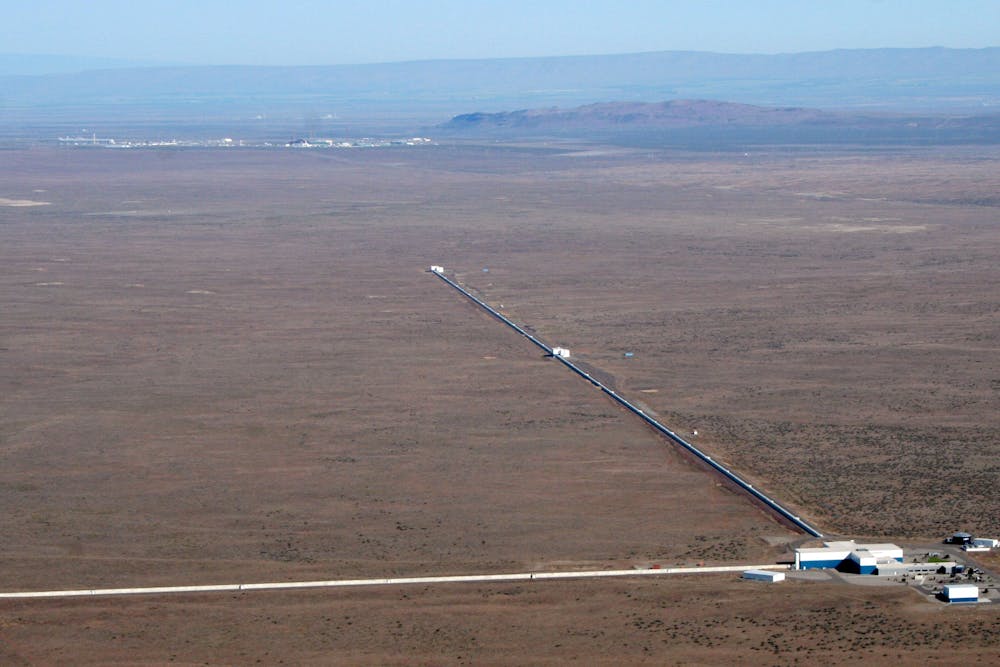
While the baseball recording setup is designed specifically to hear the sounds of a baseball game, scientists use a specialized observatory called the Laser Interferometer Gravitational-Wave Observatory, or LIGO, to observe the “sound” of two black holes merging out in the universe.

An L-shaped facility with two long arms extending out from a central building.
The LIGO detector in Hanford, Wash., uses lasers to measure the minuscule stretching of space caused by a gravitational wave. LIGO Laboratory

Scientists look for the gravitational waves that we can measure using LIGO, which has one of the most mind-bogglingly advanced laser and optics systems ever created.

In each event, two “parent” black holes merge into a single, more massive black hole. Using LIGO data, scientists can figure out where and how far away the merger happened, how massive the parents and resultant black holes are, which direction in the sky the merger happened and other key details.

Most of the parent black holes in merger events originally form from stars that have reached the end of their lives – these are stellar mass black holes.

An illustration of a black hole with gas swirling around it, coming from a large cloud around a star on the right.
This artist’s impression shows a binary system containing a stellar mass black hole called IGR J17091-3624. The strong gravity of the black hole, on the left, is pulling gas away from a companion star on the right. NASA/CXC/M.Weiss, CC BY-NC

The black hole mass gap

Not every dying star can create a stellar mass black hole. The ones that do are usually between about 20 to 100 times the mass of the Sun. But due to complicated nuclear physics, really massive stars explode differently and don’t leave behind any remnant, black hole or otherwise.

These physics create what we refer to as the “mass gap” in black holes. A smaller black hole likely formed from a dying star. But we know that a black hole more massive than about 60 times the size of the Sun, while not a supermassive black hole, is still too big to have formed directly from a dying star.

The exact cutoff for the mass gap is still somewhat uncertain, and many astrophysicists are working on more precise measurements. However, we are confident that the mass gaps exist and that we are in the ballpark of the boundary.

We call black holes in this gap lite intermediate mass black holes or lite IMBHs, because they are the least massive black holes that we expect to exist from sources other than stars. They are no longer considered stellar mass black holes.

Calling them “intermediate” also doesn’t quite capture why they are special. They are special because they are much harder to find, astronomers still aren’t sure what astronomical events might create them, and they fill a gap in astronomers’ knowledge of how the universe grows and evolves.

Evidence for IMBHs

In our research, we analyzed 11 black hole merger candidates from LIGO’s third observing run. These candidates were possibly gravitational wave signals that looked promising but still needed more analysis to conclusively confirm.

The data suggested that for those 11 we analyzed, their final post-merger black hole may have been in the lite IMBH range. We found five post-merger black holes that our analysis was 90% confident were lite IMBHs.

Even more critically, we found that one of the events had a parent black hole that was in the mass gap range, and two had parent black holes above the mass gap range. Since we know these black holes can’t come from stars directly, this finding suggests that the universe has some other way of creating black holes this massive.

A parent black hole this massive may already be the product of two other black holes that merged in the past, so observing more IMBHs can help us understand how often black holes are able to “find” each other and merge out in the universe.

LIGO is in the end stages of its fourth observing run. Since this work used data from the third observing run, we are excited to apply our analysis to this new dataset. We expect to continue to search for lite IMBHs, and with this new data we will improve our understanding of how to more confidently “hear” these signals from more massive black holes above all the noise.

We hope this work not only strengthens the case for lite IMBHs in general but helps shed more light on how they are formed.The Conversation

Bill Smith, Ph.D. Candidate in Physics & Astronomy, Vanderbilt University; Karan Jani, Assistant Professor of Physics & Astronomy, Vanderbilt University, and Krystal Ruiz-Rocha, Ph.D. Candidate in Physics & Astronomy, Vanderbilt University

This article is republished from The Conversation under a Creative Commons license. Read the original article.

  • 130
  • 131
  • 132
  • 133
  • 134
  • 135
  • 136
  • 137
  • 138
  • 139

Community

  • Lake County Wine Alliance offers sponsor update; beneficiary applications open 

  • Mendocino National Forest announces seasonal hiring for upcoming field season

Public Safety

  • Lakeport Police logs: Thursday, Jan. 15

  • Lakeport Police logs: Wednesday, Jan. 14

Education

  • Woodland Community College receives maximum eight-year reaffirmation of accreditation from ACCJC

  • SNHU announces Fall 2025 President's List

Health

  • California ranks 24th in America’s Health Rankings Annual Report from United Health Foundation

  • Healthy blood donors especially vital during active flu season

Business

  • Two Lake County Mediacom employees earn company’s top service awards

  • Redwood Credit Union launches holiday gift and porch-to-pantry food drives

Obituaries

  • Rufino ‘Ray’ Pato

  • Patty Lee Smith

Opinion & Letters

  • The benefits of music for students

  • How to ease the burden of high electric bills

Veterans

  • CalVet and CSU Long Beach team up to improve data collection related to veteran suicides

  • A ‘Big Step Forward’ for Gulf War Veterans

Recreation

  • Wet weather trail closure in effect on Upper Lake Ranger District

  • Mendocino National Forest seeking public input on OHV grant applications

  • State Parks announces 2026 Anderson Marsh nature walk schedule 

  • BLM lifts seasonal fire restrictions in central California

Religion

  • Kelseyville Presbyterian to host Ash Wednesday service and Lenten dinner Feb. 18

  • Kelseyville Presbyterian Church to hold ‘Longest Night’ service Dec. 21

Arts & Life

  • Auditions announced for original musical ‘Even In Shadow’ set for March 21 and 28

  • ‘The Rip’ action heist; ‘Steal’ grounded in a crime thriller

Government & Politics

  • Lake County Democrats issue endorsements in local races for the June California Primary

  • County negotiates money-saving power purchase agreement

Legals

  • March 3 hearing on ordinance amending code for commercial cannabis uses

  • Feb. 12 public hearing on resolution to establish standards for agricultural roads

How to resolve AdBlock issue?
Refresh this page