 How to resolve AdBlock issue?
News
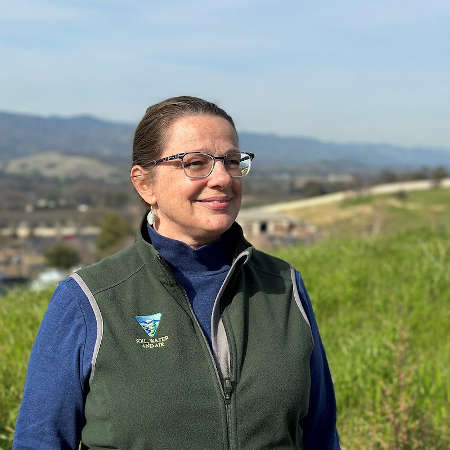
LAKE COUNTY, Calif. — The job of overseeing the Berryessa Snow Mountain National Monument is now in the hands of a natural resource management veteran who has worked across the United States.
The Bureau of Land Management and the Mendocino National Forest named Melissa Hovey as the monument manager, a job she took over on Nov. 6.
Based at the Ukiah Field Office, Hovey now has the challenge of overseeing the 330,780-acre monument, composed of public lands that cross Napa, Yolo, Solano, Lake, Colusa, Glenn and Mendocino counties. Two-thirds of the monument is in Lake County.
President Barack Obama designated the national monument in 2015.
“It’s an amazing monument,” Hovey told Lake County News. “It’s got such a diverse array of interests and values.”
Hovey said the monument encompasses “some of the most spectacular public lands in the country.”
“We are fortunate to have Melissa’s experience, wisdom and collaborative leadership style as part of BLM California,” said BLM Central California District Manager Chris Heppe. “Her extensive knowledge of natural resource management and community partnerships will benefit the monument’s scenic and biologically diverse landscapes.”
“I am extremely pleased to welcome Melissa to the region,” said Mendocino National Forest Supervisor Wade McMaster. “I share her excitement for the opportunities here and gratitude for the monument and the collaboration among our agencies and partners.”
Hovey said she’s excited to take on this new role, which had been vacant for a year before her hire.
She’s looking forward “to working with the communities of Northern California, our partners, and the visitors to ensure this special place is available for the use and enjoyment of current and future generations.”
BLM and the Mendocino National Forest comanage the monument. The Ukiah Field Office has 12 staffers, and Hovey is the only one whose time is devoted 100% to the monument, she said.
Hovey, a native of Boston, has a bachelor’s and master’s of science degrees in civil and environmental engineering.
She’s been in natural resource management for more than 30 years, and has spent the last 25 years living in the western United States, working in Arizona, Colorado, Montana, Oregon and Wyoming.
Before taking the job, Hovey had worked on and off with BLM for more than 10 years, holding positions in the BLM headquarters in Colorado, Wyoming, and Montana, and was the National Air Quality Resources Program manager.
She was instrumental in developing the agency’s first Report on Annual Greenhouse Gas Emissions and Climate Trends and several adaptive management plans for air resources.
Hovey also has experience managing and developing environmental programs for municipal and state governments and assisting industrial clients with environmental permitting.
She said a typical day usually involves meeting with one of the monument’s many constituents — including tribal right holders and user groups — to get their perspectives on what’s important to them and to identify priorities.
“Of course the Indigenous values are very important,” said Hovey.
She said there is an amazing constituent group for the monument that spans a very diverse level of interest: off highway vehicle enthusiasts, hikers, equestrians, native plants protection, and ancestral and historic preservation. Hovey said the monument has it all.
There are some ongoing activities that will eventually support writing a monument management plan. She said the proclamations that create most designated monuments direct the overseeing agency to develop a plan.
President Obama directed that plan to happen within a time frame, which Hovey said hasn’t happened yet. “That’s really due to staffing and funding shortages and changing priorities in administration.”
Hovey said the primary goal is to ensure that the public’s values are both protected and utilized to the best use. Other goals include facilitating science and research within the area.
When she’s not at work on the monument, Hovey enjoys hiking, camping, skiing, and spending time with her family, including two border collie puppies.
Hovey encourages people to enjoy the monument.
“Get out there and see it and use it,” she said. “It’s a beautiful place.”
Email Elizabeth Larson at

The COVID-19 pandemic has been associated with worsening mental health among teens, including increasing numbers of patients with eating disorders. In fact, research indicates that the number of teens with eating disorders at least doubled during the pandemic.
This is particularly concerning given that eating disorders are among the most deadly of all mental health diagnoses, and teens with eating disorders are at higher risk for suicide than the general population.
While experts don’t know exactly why eating disorders develop, studies show that body dissatisfaction and desire for weight loss are key contributors. This can make conversations around weight and healthy behaviors particularly tricky with teens and young adults.
As an adolescent medicine doctor specializing in eating disorders, I have seen firsthand the increases in patients with eating disorders as well as the detrimental effects of eating disorder stereotypes. I regularly work with families to help teens develop positive relationships with body image, eating and exercise.
Understanding the signs of a possible eating disorder is important, as studies suggest that timely diagnosis and treatment leads to better long-term outcomes and to better chances of full recovery.
Eating disorders defined
Eating disorders, which often start in adolescence, include anorexia nervosa, bulimia nervosa, binge eating disorder, other specified feeding and eating disorders and avoidant restrictive food intake disorder. Each eating disorder has specific criteria that must be met in order to receive a diagnosis, which is made by a professional with eating disorder expertise.
Research suggests that up to 10% of people will develop an eating disorder in their lifetime. Medical complications from eating disorders, such as low heart rate and electrolyte abnormalities, can be dangerous and result in hospitalization, and malnutrition can affect growth and development. Many of the patients I see in clinic show signs of paused puberty and stalled growth, which can influence bone health, adult height and other aspects of health if not addressed quickly.
Teens are also at risk for disordered eating behaviors such as intentional vomiting, caloric restriction, binge eating, overexercise, the use of weight loss supplements and misuse of laxatives.
A recent study estimated that 1 in 5 teens may struggle with disordered eating behaviors. While these behaviors alone may not qualify as an eating disorder, they may predict the development of eating disorders later on.
Treatment methods for eating disorders are varied and depend on multiple factors, including a patient’s medical stability, family preference and needs, local resources and insurance coverage.
Treatment can include a team consisting of a medical provider, nutritionist and therapist, or might involve the use of a specialized eating disorder program. Referral to one of these treatment methods may come from a pediatrician or a specialized eating disorder provider.
Unpacking misconceptions and stereotypes
Traditional ideas and stereotypes about eating disorders have left many people with the impression that it is mainly thin, white, affluent females who develop eating disorders. However, research demonstrates that anyone can develop these conditions, regardless of age, race, body size, gender identity, sexual orientation or socioeconomic status.
Unfortunately, stereotypes and assumptions about eating disorders have contributed to health disparities in screening, diagnosis and treatment. Studies have documented negative eating disorder treatment experiences among transgender and gender-diverse individuals, Black and Indigenous people and those with larger body size. Some contributors to these negative experiences include lack of diversity and training among treatment providers, treatment plans without cultural or economic nutritional considerations and differential treatment when a patient is not visibly underweight, among others.
Contrary to popular assumptions, studies show teen boys are at risk for eating disorders as well. These often go undetected and can be disguised as a desire to become more muscular. However, eating disorders are just as dangerous for boys as they are for girls.
Parents and loved ones can play a role in helping to dispel these stereotypes by advocating for their child at the pediatrician’s office if concern arises and by recognizing red flags for eating disorders and disordered eating behaviors.
Warning signs
Given how common disordered eating and eating disorders are among teens, it is important to understand some possible signs of these worrisome behaviors and what to do about them.
Problematic behaviors can include eating alone or in secret and a hyperfocus on “healthy” foods and distress when those foods aren’t readily available. Other warning signs include significantly decreased portion sizes, skipped meals, fights at mealtime, using the bathroom immediately after eating and weight loss.
Because these behaviors often feel secretive and shameful, it may feel difficult to bring them up with teens. Taking a warm but direct approach when the teen is calm can be helpful, while letting them know you have noticed the behavior and are there to support them without judgment or blame. I always make sure to let my patients know that my job is to be on their team, rather than to just tell them what to do.
Teens may not immediately open up about their own concerns, but if behaviors like this are present, don’t hesitate to have them seen at their pediatrician’s office. Following up with patients who have shown signs of having an eating disorder and promptly referring them to a specialist who can further evaluate the patient are crucial for getting teens the help they may need. Resources for families can be helpful to navigate the fear and uncertainty that can come along with the diagnosis of an eating disorder.
Focus on health, not size
Research shows that poor body image and body dissatisfaction can put teens at risk for disordered eating behaviors and eating disorders.
Parents play an important role in the development of teens’ self-esteem, and research demonstrates that negative comments from parents about weight, body size and eating are associated with eating disorder-type thoughts in teens. Therefore, when talking to teens, it can be beneficial to take a weight-neutral approach, which focuses more on overall health rather than weight or size. I unfortunately have had many patients with eating disorders who were scolded or teased about their weight by family members; this can be really harmful in the long run.
One helpful strategy is to incorporate lots of variety into a teen’s diet. If doable, trying new foods as a family can encourage your teen to try something they haven’t before. Try to avoid terms such as “junk” or “guilt” when discussing foods. Teaching teens to appreciate lots of different kinds of foods in their diet allows them to develop a healthy, knowledgeable relationship with food. If you’re feeling stuck, you may want to ask your pediatrician about seeing a dietitian.
It’s important to remember that teens need a lot of nutrition to support growth and development, often more than adults do, and regular eating helps avoid extreme hunger that can lead to overeating. Letting teens listen to their bodies and learn their own hunger and fullness cues will help them eat in a healthy way and create healthy long-term habits.
In my experience, teens are more likely to exercise consistently when they find an activity that they enjoy. Exercise doesn’t need to mean lifting weights at the gym; teens can move their bodies by taking a walk in nature, moving to music in their rooms or playing a pickup game of basketball or soccer with a friend or sibling.
Focusing on the positive things exercise can do for the body such as improvements in mood and energy can help avoid making movement feel compulsive or forced. When teens are able to find movement that they enjoy, it can help them to appreciate their body for all it is able to do.
Sydney Hartman-Munick, Assistant Professor of Pediatrics, UMass Chan Medical School
This article is republished from The Conversation under a Creative Commons license. Read the original article.
Dogs available for adoption this week include mixes of Australian cattle dog, blue heeler, border collie, boxer, Cardigan Welsh corgi, Chihuahua, German shepherd, Great Pyrenees, hound, Labrador retriever, mastiff, pit bull, terrier and treeing walker coonhound.
Dogs that are adopted from Lake County Animal Care and Control are either neutered or spayed, microchipped and, if old enough, given a rabies shot and county license before being released to their new owner. License fees do not apply to residents of the cities of Lakeport or Clearlake.
The following dogs at the Lake County Animal Care and Control shelter have been cleared for adoption.
Call Lake County Animal Care and Control at 707-263-0278 or visit the shelter online for information on visiting or adopting.

Female German shepherd
This 1-year-old female German shepherd has a black and tan coat.
She is in kennel No. 2, ID No. LCAC-A-5015.

Male American blue heeler
This 1.5-year-old male American blue heeler has a blue and tan coat.
He is in kennel No. 3, ID No. LCAC-A-4961.

Female pit bull terrier puppy
This 3-month-old female American pit bull terrier puppy has a short brindle coat.
She is in kennel No. 4a, ID No. LCAC-A-4787.

Female pit bull terrier puppy
This 3-month-old female American pit bull terrier puppy has a short black and white coat.
She is in kennel No. 4b, ID No. LCAC-A-4788.

‘Shasta’
“Shasta” is a 1-year-old female pit bull terrier with a short black and white coat.
She is in kennel No. 5, ID No. LCAC-A-4873.

Male Labrador retriever mix
This 1-year-old male Labrador retriever mix has a short black coat with white markings.
He is in kennel No. 6, ID No. 4841.

‘Able’
“Able” is a 6-year-old male coonhound mix with a short black and tan coat.
He is in kennel No. 7, ID No. LCAC-A-4773.

Female German shepherd
This one and a half year old female German shepherd has a black and tan coat.
She is in kennel No. 8, ID No. LCAC-A-4898.

Female border collie
This 1-year-old female border collie has a black and white coat, and one brown eye and one blue eye.
She is in kennel No. 11, ID No. LCAC-A-4903.

‘Luigi’
“Luigi” is a 2-year-old male pit bull terrier with a short red and white coat.
He is in kennel No. 12, ID No. LCAC-A-4742.

‘Oreo’
“Oreo” is a 2-year-old male treeing walker coonhound with a short tricolor coat.
He is in kennel No. 13, ID No. LCAC-A-4738.

Male German shepherd mix
This 2-year-old male German shepherd mix has a red and white coat.
He is in kennel No. 16, ID No. LCAC-A-4835.

Female pit bull-Labrador retriever mix
This female pit bull-Labrador retriever mix has a short tricolor coat.
She is in kennel No. 17, ID No. LCAC-A-4692.

‘Rusty’
“Rusty” is a 2-year-old male Cardigan Welsh corgi with a short tricolor coat.
He is in kennel No. 18, ID No. LCAC-A-4418.

Male pit bull terrier
This one and a half year old male pit bull terrier has a black coat with white markings.
He is in kennel No. 19, ID No. LCAC-A-4843.

Female Australian cattle dog-blue heeler
This 2-year-old female Australian cattle dog-blue heeler has a short blue and black coat.
She is in kennel No. 20, ID No. LCAC-A-4836.

Male boxer-pit bull mix
This 8-year-old male boxer-pit bull mix has a short brown brindle coat.
He is in kennel No. 26, ID No. LCAC-A-4678.
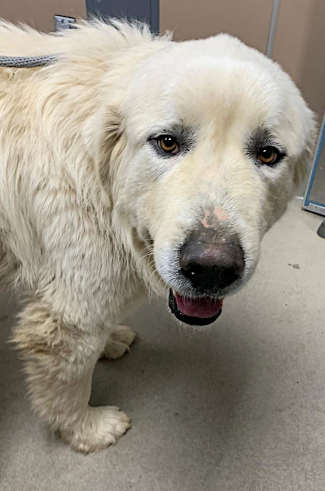
Male Great Pyrenees
This 2-year-old male Great Pyrenees has a long white coat.
He is in kennel No. 28, ID No. LCAC-A-4821.

Male German shepherd
This 1-year-old male German shepherd has a short black and tan coat.
He is in kennel No. 29, ID No. LCAC-A-4710.

Male shepherd
This 2-year-old male shepherd has a black and tan coat.
He is in kennel No. 30, ID No. LCAC-A-5023.

Female pit bull terrier
This 1-year-old female pit bull terrier has a brindle and white coat.
She is in kennel No. 33, ID No. LCAC-A-5000.

‘LilDan’
“LilDan” is a 7-month-old short coat Chihuahua-terrier mix.
He is in kennel No. 84, ID No. LCAC-A-4719.
Email Elizabeth Larson at
What's up for April? Mercury rising, this month's Moon and planet pairings, and the Lyrid meteor shower.
First up, on April 11, the planet Mercury – smallest and fastest moving of the planets in our solar system – will reach its highest and most visible in the evening sky for the year.
Mercury is only visible in the sky for a few weeks every three to four months. The rest of the time, it's too close to the Sun in the sky and is lost in its bright glare. And since the planet orbits so close to the Sun, it's always near the Sun in the sky, appearing low near the horizon for no more than an hour or two, either following sunset, or preceding sunrise.
Some of Mercury's fleeting appearances – known as "apparitions" – are better for observing than others, for a combination of reasons that have to do with how our view of the solar system changes with the seasons, what hemisphere you're in, and what phase the planet happens to be showing us at the time.
For this apparition, in the Northern Hemisphere, the best viewing is April 3rd through the 11th, as the planet appears higher in the sky each evening. It quickly fades in brightness after that, as the phase it shows us becomes an increasingly slimmer crescent.
Also on April 11, you'll find planet Venus right next to the Pleiades star cluster. The two will be close enough to appear in the same field of view through binoculars.
This pairing makes for a fun reminder that the night sky is kind of like a time machine – the farther out into space you look, the farther back in time you're seeing.
On that night you're seeing light that left Venus about 9 minutes earlier, whereas the light of the Pleiades left those stars around 400 years ago.
The latter half of April includes some awesome close approaches of the Moon with three of the bright planets in the sky.
On April 15 and 16, you'll find the crescent Moon rising with Saturn. Find them low in the southeastern sky in the couple of hours before sunrise.
Then on the evening of April 23, find the slim crescent Moon hanging just five degrees above Venus in the west after sunset.
And on April 25 the Moon finds its way over to Mars, high up in the west after dark.
At this time, around April 26 and 27, the Moon will be at its first quarter phase, meaning it appears as a "half-moon," high in the sky after dark.
The first-quarter Moon is a great time to pull out your binoculars or telescope, if you have them, as it's an ideal time to observe the Moon's craters and mountains along the terminator – the day/night boundary – with ease.
Lots of astronomy clubs plan public observing nights around this time as well, and you can look for events in your area with NASA's Night Sky Network.
April brings the annual Lyrid meteor shower. It's a medium-strength shower that can produce up to 20 meteors per hour at its peak, under ideal conditions.
The Lyrids peak this year in the pre-dawn hours of April 23, though you should see a few shooting stars on the morning before and after the peak as well.
Fortunately, the peak falls just a couple of days after the new moon. That means the Moon won't interfere with this year's Lyrids, overwhelming fainter meteors in the glow of moonlight.
The Lyrids are named for the constellation Lyra, which is near the point in the sky where their meteors appear to come from, called the radiant. They're one of the oldest known meteor showers, with the first recorded sighting in China some 2,700 years ago. They originate as dust particles from a comet during its 400-year orbit around the Sun.
The Lyrids tend to produce fast-moving meteors that lack persistent trails, but they can also produce the occasional bright meteor called a fireball. To observe them, find a comfortable spot away from bright city lights, get horizontal, and look straight up. You'll see the most meteors by looking slightly away from the origin point, which is near the bright star Vega.
So here's wishing you clear skies to catch a few shooting stars one April morning, when the forecast calls for light showers of comet dust, with a chance of fireballs.
Stay up to date with all of NASA's missions to explore the solar system and beyond at www.nasa.gov.
Preston Dyches works for NASA's Jet Propulsion Laboratory.
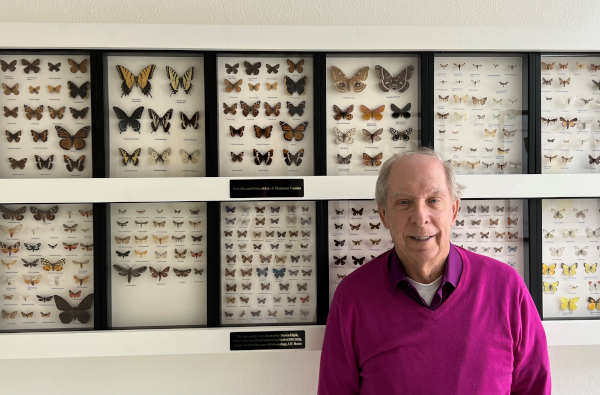
LAKE COUNTY, Calif. — Butterflies and moths, with their seemingly endless variations of markings and colorations have long captured the imaginations of adults and children alike.
Lake and Mendocino counties are home to hundreds of species, and the team at Lake County’s Agricultural Center have announced an exciting new educational display.
County residents and visitors are encouraged to visit 883 Lakeport Blvd. in Lakeport, to view an astounding 325 specimens and 254 different species.
Twenty different butterfly and moth families are represented, including bird-like sphinx moths, flashy and delicate gossamer-winged butterflies, beautiful swallowtails, exotic tiger moths and soft, cloudlike white and sulphur moths.
Butterfly specimens in this collection range in size, from the twin-tailed swallowtail butterfly, at over three inches across, to the western pygmy blue butterfly, the smallest in the world at ½ inch across.
Moth specimens range from the ceanothus silk moth, at over four inches across, to the Microhelia Angelica, spanning less than ½ inch across. Some moths even have clear wings, mimicking wasps.
This unique and remarkable project was started in 2019 by Steven Hajik, Lake County’s agricultural commissioner/sealer of weights and measures from 2002 to 2022, and completed shortly before his retirement in 2022.
The display could have not been completed without significant contributions from the UC Davis’ Bohart Museum of Entomology.
Special thanks are due to Lynn Kimsey, director of the Bohart Museum, for her insightful assistance in this endeavor.
Agricultural Center staff look forward to sharing this extraordinary work with you; the collection is viewable Monday through Friday, from 8 a.m. to 5 p.m.
For more information, or to plan a group visit, please call 707-263-0217.
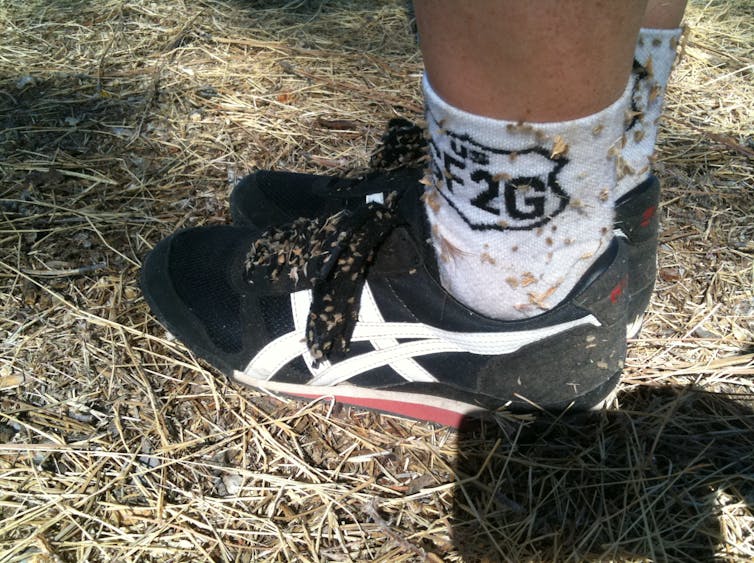
With spring settling in across the U.S. and days lengthening, many people are ready to spend more time outside. But after a walk outdoors, have you ever found seeds clinging to your clothes? Lodged in your socks and shoelaces? Perhaps tangled in your pet’s fur? While most of us don’t give these hitchhikers much thought, seeds and burrs may be the first signs of invasive plant spread.
Certain species of non-native invasive plants produce seeds designed to attach to unsuspecting animals or people. Once affixed, these sticky seeds can be carried long distances before they fall off in new environments. With favorable conditions, they can become established quickly and outcompete native plants.
Outdoor recreation has expanded at a record pace across the U.S. in recent years. Overcrowding in outdoor spaces has many harmful effects, from degrading trails to accelerating the introduction and spread of invasive plants.
As a recreation ecologist and an avid hiker, I study how people inadvertently spread invasive plants along trails. There are simple things that everyone can do before, during and after going outdoors to avoid picking up plant hitchhikers and help maintain trail systems for others to enjoy.
Hardy, numerous and adaptable
Invasive plants are non-native species that can harm the environment, human health and the economy when they are introduced into new areas. However, not all non-native plants are invasive.
Plants with invasive capabilities tend to grow quickly, adapt easily to many different environmental conditions, produce seeds in vast quantities and successfully disperse and germinate them. These characteristics enable the plants to spread efficiently to different areas. Many vectors help invasive plants disperse, including birds, animals, wind, water and humans, via clothing, shoes, pets, gear and vehicles.
Invasive plant seeds tend to be small in size, high in number and hardy. They can persist in soil for many years, remaining viable and ready to germinate when conditions are right.
These seeds will usually germinate earlier in spring than those of native plants and keep their leaves until late fall, crowding out and outcompeting native varieties. Each species produces seeds on a particular schedule – annual, biennial or perennial – and at a specific time. For example, invasive biennial garlic mustard releases seeds every two years in late spring.
No cheap solutions
Invasive plants have many harmful ecological impacts. One of the most familiar U.S. examples is kudzu, a climbing vine that has smothered trees across the Southeast.
Kudzu grows prolifically, outcompeting native vegetation. It also alters the nitrogen cycle by increasing soil nitrogen levels and releasing nitric oxide, a gas that reduces air quality and promotes ground-level ozone pollution.
In the western U.S., carpets of invasive grasses, such as cheatgrass and medusahead, create highly flammable fine fuels. Their presence makes wildfires more frequent and intense.
Some invasive plants directly threaten human health. Giant hogweed is an herb in the carrot family that can grow 15 to 20 feet tall. Its poisonous sap can cause severe skin burns. Others, such as poison hemlock and water hemlock, are highly toxic to humans and animals if consumed.
Managing invasive plants, animals and insects is a growing problem, with costs that run into billions of dollars annually. A 2022 study estimated the annual cost of managing biological invasions in the U.S. at about US$21 billion as of 2020.
Invasives are especially threatening for remote, biodiversity-rich places like Antarctica, where remoteness and geographic isolation promote endemic species – those only found in a particular geographic region. These endemics evolve in the absence of natural competitors and predators, so introducing invasives can have catastrophic consequences.
Recreational trails act as corridors
Many invasive plants thrive on disturbed soil. Decades of research has shown that recreational trails promote the introduction of invasive plant species into natural and protected areas, including national parks and national scenic trails like the Appalachian Trail.
The Appalachian Trail is the longest hiking-only footpath in the world, extending almost 2,200 miles from Georgia to Maine. More than 3 million visitors hike on some portion of it every year. Invasive plants commonly found along the trail include garlic mustard, multiflora rose and purple loosestrife.
In a recent study, I worked with the U.S. Geological Survey to investigate Appalachian Trail hikers’ invasive plant knowledge, perceptions, and behaviors. We found that most hikers were unaware of this issue. As a result, few took precautions to avoid contributing to it.
Here are things that concerned hikers can do to help manage invasive plants:
– Identify and report sightings of invasive plants. The more land managers know about where these species are present, the more effectively they can monitor and manage their spread.
– Smartphone apps, like Early Detection & Distribution Mapping System EDDMapS, iNaturalist and Wild Spotter, make this task easier. Or you can search and report by state. Simply take a picture and identify and report when and where you see invasives.
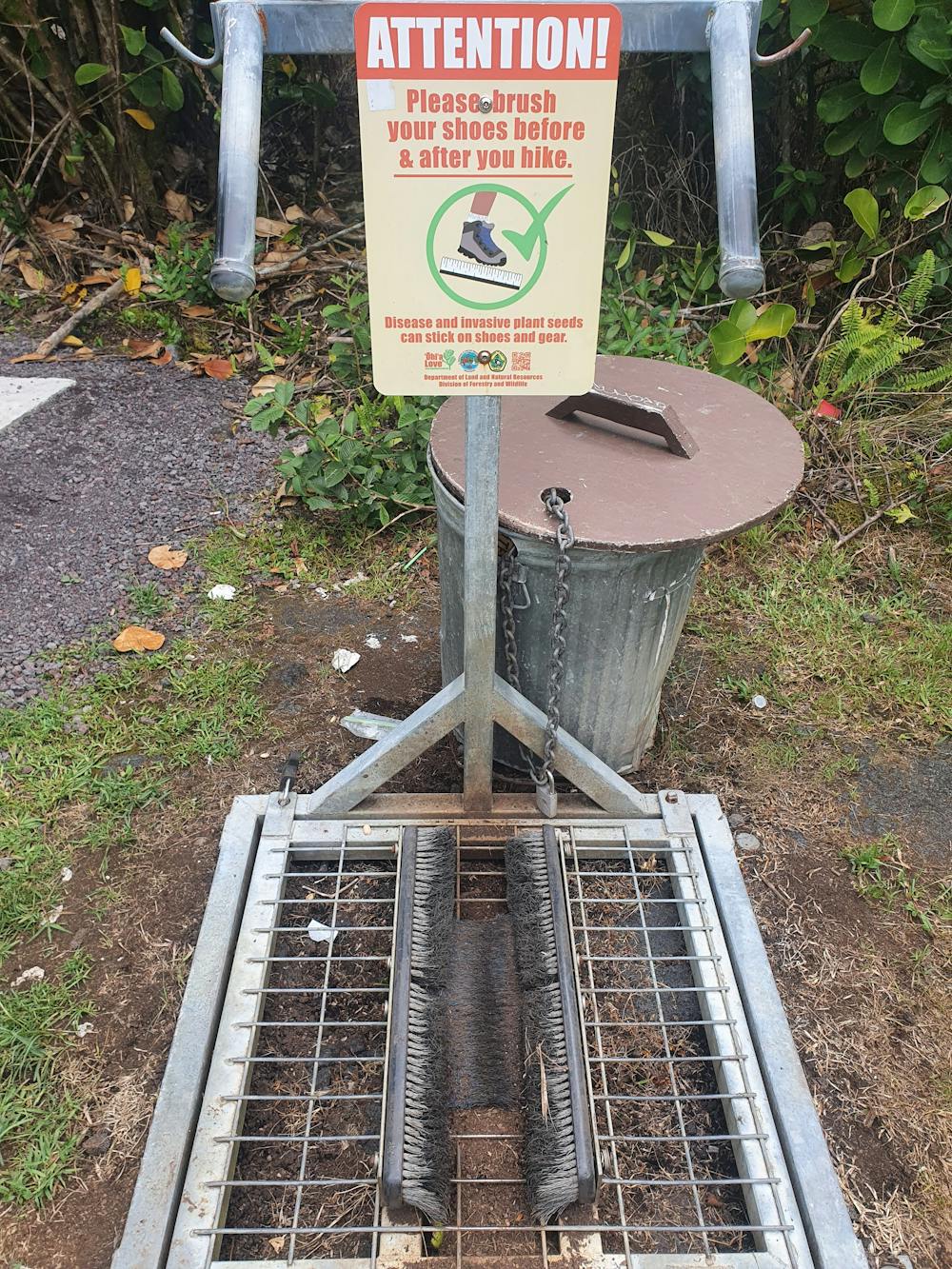
– Arrive with clean gear. Cleaning shoes, clothing and equipment before and after going outdoors is one of the most effective ways to minimize invasive plant introduction and spread. The North American Invasive Species Management Association’s PlayCleanGo campaign has installed boot brush stations at trailheads to remove seeds lodged in boot treads.
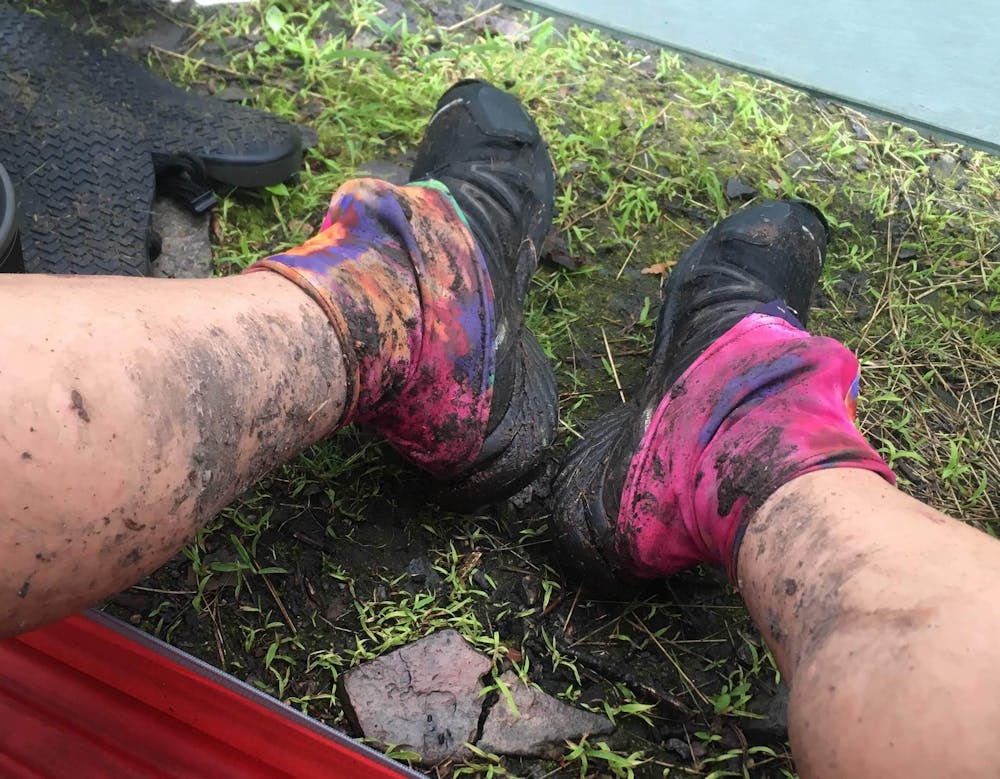
– Choose clothing and shoes carefully. Certain surfaces, such as uncovered socks, shoelaces, fleece and Velcro, are more seed-friendly than smoother materials such as nylon. Wearing pants that are uncuffed and pocketless to minimize snag points and fastening gaiters over shoes are easy ways to repel plant hitchhikers. Gaiters will also keep pebbles and mud out of your boots.
– Follow the Leave No Trace principles, which outline minimum-impact strategies for visiting the outdoors. For example, stick to marked formal trails to avoid dispersing invasive plants off-trail. Camp on designated or well-established campsites, and don’t transport firewood between sites – use certified or local firewood and hay. Clean your pets and vehicles as well as your clothes before and after hitting the trail.
People who want to do more to protect the outdoors can take a free Leave No Trace online course and take the PlayCleanGo Pledge to make a difference with their actions.
Megan Dolman, PhD candidate in Ecology, Evolution and Behavior, Boise State University
This article is republished from The Conversation under a Creative Commons license. Read the original article.