 How to resolve AdBlock issue?
News
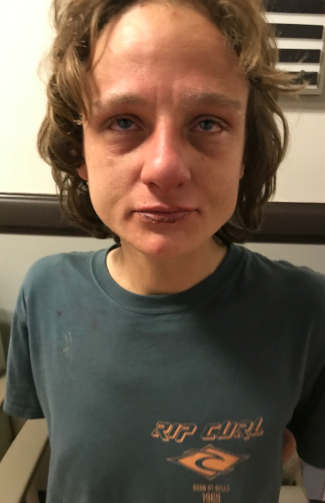
CLEARLAKE, Calif. — The Clearlake Police Department is asking for the community’s help in finding a missing woman.
Brittany Spurling, 29, was last seen on June 20 in Lakeport.
She is described as a 29-year-old white female who is 5 feet 4 inches tall and 130 pounds.
Spurling has blonde hair and blue eyes.
If you have any information regarding Spurling’s whereabouts, please contact the Clearlake Police Department at 707-994-8251, Extension 1.
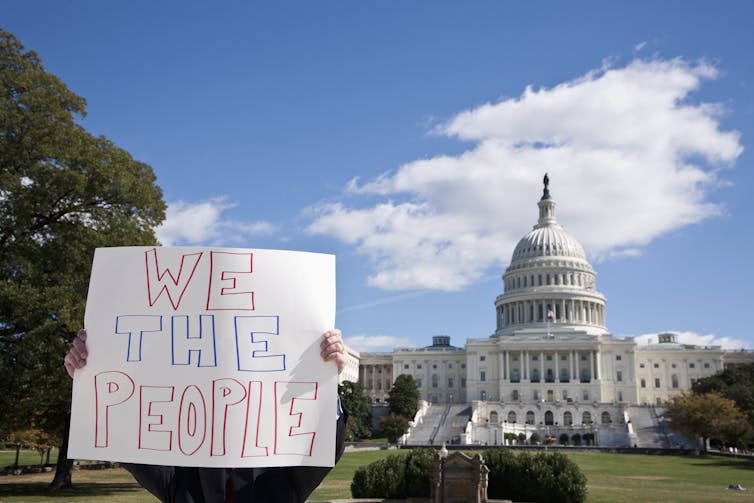
The United States’ founders firmly rejected King George III and the entire idea of monarchy 247 years ago, on July 4, 1776.
Political power does not come from some absolute authority of a king over people, the founders argued. Rather, political power comes from the people themselves. And these people must agree to any authority governing their society.
This is why the U.S. Constitution starts with the words “We the People,” and not “I, the ruler.”
I am a historian, ethicist and media scholar and have studied how people build communities.
America’s founders did not trust everyone’s ability to equally participate in the new democracy, as laws at the time showed.
But, because of policy changes on issues like voting, the idea of who actually is represented in the phrase “We the People” has changed over time.

First steps
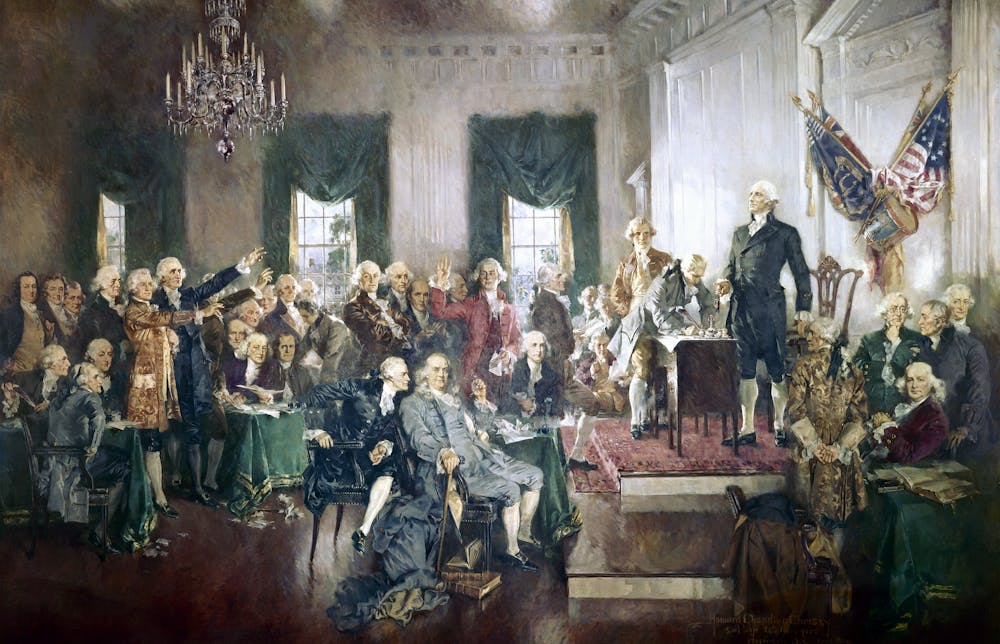
In 1776, only white men who owned property had the right to vote.
“Few men, who have no property, have any judgment of their own,” as former President John Adams wrote in 1776.
As activists – including some women and Black Americans – proclaimed their equality, public education spread, and social thinking shifted.
By about 1860, all state legislatures had lifted property requirement for voting. Allowing only wealthy property owners to vote did not align with the democratic notion that “all men are created equal.”
While some states, like Vermont, eliminated the property voting requirement in the 18th century, this shift became more popular in the 1820s and the 1830s.
Congress passed the 15th Amendment in 1870, giving Black men and others the right to vote, regardless of race.
But that amendment still excluded some people, chiefly Native Americans and women.
An unfinished history
Despite the 15th Amendment, violence and intimidation in some states still prevented Black men from voting.
State lawmakers also used bureaucratic measures, such as a poll tax, renewed attempts at a property requirement and literacy tests, to prevent African Americans from voting.
The fight over African American suffrage continued for decades, and many courageous Americans protested and were arrested or killed in the struggle to exercise their voting rights.
Thanks to the work of civil rights activists – including John Lewis, Fannie Lou Hamer and Marting Luther King Jr. – public opinion shifted.
In the 1960s, Congress passed additional legal measures to protect the voting rights of Black Americans. This included the 24th Amendment, which outlawed the use of poll taxes, and the 1965 Voting Rights Act, which prohibited any racial discrimination in voting.
Women’s turn
In 1920, women gained the right to vote with the addition of the 19th Amendment, following another decadeslong struggle.
Women’s rights activists made the first organized call for female suffrage at the Seneca Falls Convention in 1848.
In the following years, suffragists pushed for constitutional amendments, state laws and a change in public thinking to include women in “We the People.”
Native American rights
Having self-governed for centuries, Native Americans were not legally recognized with voting rights until Congress approved the Indian Citizenship Act in 1924.
While that supposedly gave Native Americans the same rights as other Americans, Native Americans faced the same tactics, like violence, that white racists used to prevent Black Americans from voting.
Like other people excluded from “We the People,” Native Americans have continued to push for voting rights and other ways to ensure they are included in American self-government.
Making democracy more democratic
In 1971 “We the People” again expanded, to include younger people, with the lowering of the voting age from 21 to 18. The ongoing Vietnam War shifted public opinion, and there was popular support for the idea that someone old enough to die fighting for their country should also be able to vote.
A government once described by Abraham Lincoln as “of the people, by the people, and for the people” was now going to technically include all of the people.
But equality for women, young people and racially marginalized groups did not change overnight.
Social equality remains far off for many people, including undocumented immigrants, for example, and LGBTQ+ individuals.

Current limitations to ‘We the People’
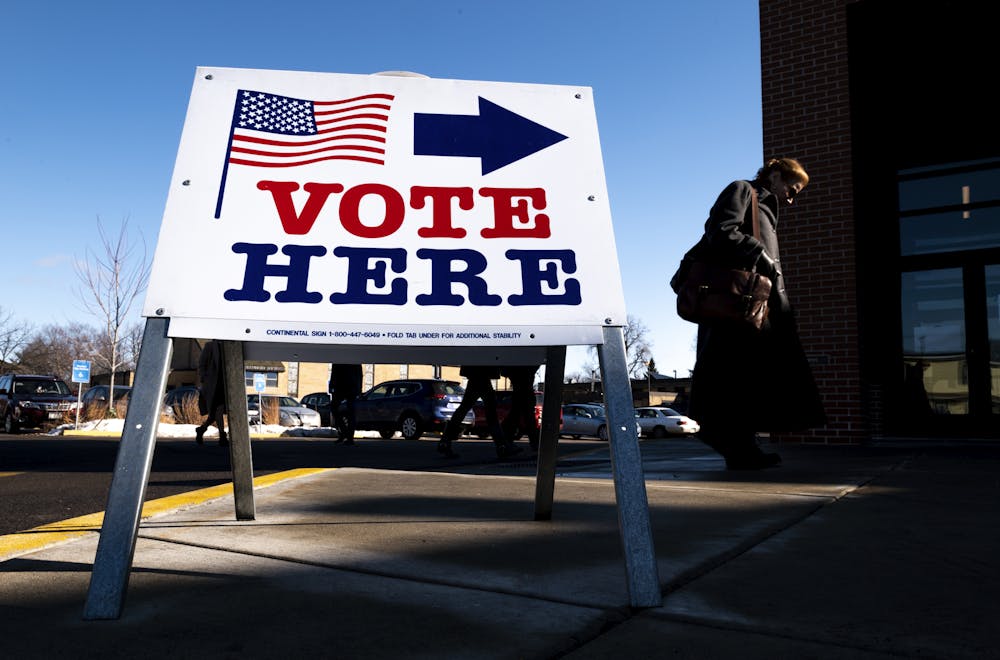
The government has recognized that citizens over the age of 18 have a right to participate in self-government. But there are still political and legal attempts to restrict people’s ability to vote.
While some states have passed new laws that make it harder to vote in recent years, other states have made it easier.
North Carolina passed new ID requirements in April 2023 that make it difficult for those without current state identification to vote.
Texas, Georgia, Oklahoma and Idaho are also among the states that are deleting some voters from their rolls – if people do not regularly vote, for example.
Arizona has closed multiple polling sites, making it more difficult for some people to vote.
Twenty-five states, meanwhile, including Hawaii and Delaware, have passed laws over the last few years that make it easier to vote. One of these measures automatically registers people to vote when they turn 18.
There are more examples. The bottom line is, voters have fewer protections when it becomes harder to vote, and American democracy is not as democratic as it could be.
The big picture
Voting is not the only form of recognition and participation in a democracy. People can be respected at work, paid what they are worth and treated with dignity. Community members can be treated fairly by police, school officials and other authorities, given an equal opportunity for justice and education to improve their lives.
People can also contribute to the social and economic well-being of a democracy in ways other than voting, doing everything from planting a tree in a public park to attending a political rally.
But the overall expansion of voting rights and a historical understanding of “We the People” shows that everyone belongs in a democratic society, regardless of wealth, achievement or other differences.
Joseph Jones, Assistant Professor of media ethics and law at Reed College of Media, West Virginia University
This article is republished from The Conversation under a Creative Commons license. Read the original article.

There are 101 new CHP officers, with some of those graduates heading to the North Coast.
On Friday, the newest members of the California Highway Patrol were sworn in during a graduation ceremony at the CHP Academy in West Sacramento.
The 101 officers are part of the CHP’s multiyear recruiting campaign to fill 1,000 vacant officer positions by hiring qualified individuals from California’s diverse communities.
The agency reported that one of the graduates is being assigned to the Clear Lake Area office in Kelseyville, with one each to go to the Crescent City and Humboldt offices.
“I want to commend these men and women, not just for the hard work they put in the past several months while training at the Academy, but for their willingness to serve the public,” said CHP Commissioner Sean Duryee. “These new officers are valued members of the CHP who are committed to improving safety in California for many years to come.”
“This diverse group of officers represents the best of California,” said Gov. Gavin Newsom. “I’m profoundly grateful they have chosen to answer the call to serve — and committed themselves to improving public safety and building trust across the Golden State.”
With the addition of these new officers, CHP — the largest state police agency in the United States — now has over 6,550 sworn officers assigned across California.
Next month, a new class of 128 cadets is expected to join the two existing cadet classes at the CHP Academy, bringing the total number of CHP cadets in training to 366.
This will mark the highest number of cadets in training in over 14 years.
CHP Cadet Training Class I-23 is one of six cadet classes scheduled to attend the Academy in 2023.
After completing 26 weeks of instruction at the CHP’s live-in training facility, the newly sworn officers will report to various CHP offices throughout the state.
At the CHP Academy, cadet training starts with nobility in policing, leadership, professionalism and ethics, and cultural diversity. Additionally, cadets receive instruction on mental illness response and crisis intervention techniques.
Training also covers vehicle patrol, crash investigation, first aid, and the apprehension of suspected violators, including those who drive under the influence.
Cadets also receive training in traffic control, report writing, recovery of stolen vehicles, assisting the motoring public, issuing citations, emergency scene management, and various codes, including the California Vehicle Code, Penal Code, and Health and Safety Code.
The “Join the CHP 1,000” campaign launched in 2022 to appeal to a wide array of prospective applicants who may not be aware of the life-changing opportunities that awaits with a CHP career.
Apply today and be one of the 1,000 new CHP officers ready to make a difference.
The California Transportation Commission, or CTC, last week invested nearly $2 billion into improving the state’s transportation infrastructure while approving an additional $2.3 billion for future projects.
The nearly $2 billion allocation reflects more than $571 million in funding from the 2021 federal Infrastructure Investment and Jobs Act, or IIJA, and more than $257 million in funding from Senate Bill (SB) 1, the Road Repair and Accountability Act of 2017.
The $2.3 billion comprises $1.75 billion representing the third funding cycle of programs established by SB 1 and $540 million in active transportation projects sponsored by local metropolitan planning organizations, charting the course for future allocations.
“SB 1 and IIJA funding are helping rebuild and transform California’s transportation future, and we are putting that investment to work to create a system that allows all of us to travel in an equitable, safe and sustainable way,” said Caltrans Director Tony Tavares.
Lake County projects selected for funding include $2.4 million in support allocations toward roadway and guardrail upgrades, the construction of left-turn lanes, installation of lighting, pedestrian activated flashing beacons and sidewalk and curb ramps on Route 29 near Middletown from south of Central Park Road to north of Young Street in Lake County.
Another $2.7 million has been awarded for emergency allocations toward embankment repairs and drainage improvements on Route 175 near Lakeport in Lake County.
In addition, $1.9 million was approved for emergency allocations for embankment, roadway and guardrail repairs on Route 175 west of Arroyo Vista Road to west of Socrates Mine Road near Whispering Pines in Lake County.
Finally, $11.2 million will go toward emergency allocations for roadway and drainage repairs along with the removal of hazardous trees at various locations on U.S. 101 and Routes 1, 20, 29, 53, 128 and 175 in Humboldt, Mendocino and Lake counties.
Other projects that the CTC approved in its nearly $2 billion worth of investments include:
• $5.5 million in federal IIJA funding toward guardrail and roadway improvements along Route 1 from north of Route 128 to south of Navarro Ridge Road near Albion in Mendocino County.
• $3.2 million including more than $2.9 million in federal IIJA funding and $98,000 in SB1 funding toward roadway and drainage upgrades on Route 1 at Navarro Ridge Road near Albion in Mendocino County.
• $3 million in support allocations toward roadway and guardrail improvements and bridge replacement on Route 36 near Carlotta from west of Fisher Road to west of Wilder Road in Humboldt County.
• Approximately $1 million in SB1 funding in support allocations toward drainage and fish-passage improvements on U.S. 101 near Cooks Valley in Humboldt County.
• $2 million in SB1 funding in support allocations toward drainage and lighting upgrades at various locations along U.S.101 from the Eel River Bridge to north of the Mendocino County line near Cooks Valley in Humboldt County.
• $1.4 million including more than $1.2 million in federal IIJA funding in support allocations toward mitigation work for freshwater wetland expansion and tidal restoration of salt marsh habitat at various locations on U.S. 101 from 11th Street in Arcata to the Eureka Slough Bridge in Humboldt County.
• $947,000 including more than $838,000 in federal IIJA funding in support allocations toward mitigation work for freshwater wetland expansion and tidal restoration of salt marsh habitat at various locations on U.S. 101 from south of Jacobs Avenue in Eureka to north of the Bayside Cutoff in Humboldt County.
• $612,000 including more than $541,000 in federal IIJA funding and $40,000 in SB 1 funding in support allocations toward mitigation work for freshwater wetland expansion and tidal restoration of salt marsh habitat at various locations on U.S. 101 between Arcata and Eureka from south of the Jacoby Creek Bridge to north of the Gannon Slough Bridge in Humboldt County.
• $7.1 million of emergency allocations toward drainage and roadway repairs as well as the removal of hazardous trees at various locations on U.S. 101 and U.S. 199 and Route 169 and Route 197 in Humboldt and Del Norte Counties.
• $6.5 million of emergency allocations toward drainage, embankment and roadway repairs on Route 254 near Miranda from north of Redwood Lane to Cathey Road in Humboldt County.
The $1.75 billion for future investments cover three SB 1 competitive grant programs: $1.08 billion for the Trade Corridor Enhancement Program, or TCEP; $532.8 million for the Solutions for Congested Corridors Program, or SCCP; and $142.5 million for the Local Partnership Program, or LPP.
The programs included, for the first time, input from the new Interagency Equity Advisory Committee in the evaluation of projects. This funding round also marks the first cycle to incorporate all principles of the state’s Climate Action Plan for Transportation Infrastructure.
The TCEP funding will go to 26 projects that support infrastructure improvements on corridors that carry a high volume of freight traffic with the goal of increasing efficiency, improving safety, and constructing an equitable and sustainable freight system.
More than a third (10 of 26) of the TCEP projects include zero-emission technology components to support the deployment of a zero-emission freight transportation system and invest in light, medium and heavy zero-emission vehicle infrastructure.
The SCCP funding will go to 10 projects to achieve a balanced set of transportation, environmental, and community access improvements to reduce congestion throughout the state. All 10 SCCP projects are multimodal, and five include active transportation improvements.
The LPP funding will go to 11 projects that support counties, cities, districts, and regional transportation agencies where voters have approved fees or taxes dedicated solely to transportation.
Local LPP projects include approximately $6 million to fund the city of Ukiah Urban Core Rehabilitation and Transportation Project in Mendocino County.
The CTC also adopted the 2023 MPO Active Transportation Program, totaling $540 million for future investments. The 134 projects approved for funding include a broad range of active transportation infrastructure improvements, including more than 120 miles of new bikeways, 60 miles of new sidewalks, and many other improvements to intersections, crosswalks, shade and signage.
More than 90% of the funding, $494 million, will fund projects benefiting disadvantaged communities, and $290 million (54%) will fund Safe Routes to School projects.
MPO active transportation projects include $2.3 million to fund the city of Eureka C Street Bike Boulevard in Humboldt County and $9 million toward the city of Eureka Bay to Zoo Trail in Humboldt County.
The IIJA, also known as the “Bipartisan Infrastructure Law,” is a once-in-a-generation investment in our nation's infrastructure to improve the sustainability and resiliency of our energy, water, broadband and transportation systems.
Since November 2021, California has received more than $20 billion in federal infrastructure funding.
That includes more than $15.1 billion in federal transportation funding to upgrade the state’s roads, bridges, rail, public transit, airports, electric vehicle charging network, ports, and waterways.
These transportation investments alone have already created nearly 48,000 jobs.
The influx of federal funding is on top of California’s multiyear infrastructure investments in transit and intercity rail projects, safe walking and biking options, and upgrades to the state’s economy-powering supply chain, in addition to SB 1, which provides $5 billion in transportation funding annually that is shared equally between state and local agencies.
Road projects progress through construction phases more quickly based on the availability of SB 1 funds, including projects that are partially funded by SB 1.
To review the latest news and information on state and federal infrastructure investments, visit RebuildingCA.ca.gov, which contains data on the increased funding. Website visitors can learn more about the different state and federal infrastructure programs, track the amount of funding California is receiving, and find projects on an updated interactive map.
Licensees can help keep the public safe by checking IDs and not serving obviously intoxicated patrons.
“If you choose to celebrate with alcohol, make sure to designate a sober driver or arrange a ride with an app or taxi service,” said ABC Director Eric Hirata. “We can all do our part to keep communities safe by preventing drinking and driving.”
ABC suggests licensees offer nonalcoholic drinks for designated sober drivers and monitor who is drinking alcohol.
If you see people leaving who have been drinking alcohol, check on how they are getting home and offer alternate transportation if needed.
The California Highway Patrol has deployed extra patrol officers over the holiday weekend as part of a maximum enforcement period, or MEP, that began at 6:01 p.m. on Friday, June 30, and continues through 11:59 p.m. on Tuesday, July 4.
There were 44 people killed in crashes on California’s roadways during the 2022 Independence Day MEP, and CHP made 998 arrests for driving under the influence of alcohol or drugs.
In addition to speeding violations, officers will be on the lookout for distracted drivers and motorists suspected of driving under the influence of drugs or alcohol.
The average cost of a first-time DUI arrest is approximately $13,500, accounting for vehicle impound fees, fines, attorney fees, auto insurance hikes and other penalties.

Do low-calorie sweeteners help with weight management? And are they safe for long-term use?
This is among the most controversial topics in nutritional science. In early May 2023, the World Health Organization issued a statement that cautions against the use of nonsugar sweeteners for weight loss except for people who have preexisting diabetes.
The WHO based its new recommendation on a 2022 systematic review and meta-analysis of scientific studies on nonsugar sweetener consumption in humans. This type of study reviews a large body of research to draw a broad conclusion.
Based on its interpretation of that large-scale review, the WHO recommended against using artificial sweeteners for weight control and concluded that there may be health risks associated with habitual consumption of nonsugar sweeteners over the long term. However, the WHO also acknowledged that the existing evidence is not conclusive and that more research needs to be done.
As neuroscientists, we study how dietary factors such as sweeteners affect the brain’s ability to perform critical functions, including metabolism, appetite, and learning and memory.
We found the WHO’s advisory surprising based on the study’s equivocal results. Determining the answers to these questions is immensely challenging, and public health messaging around recommendations can send mixed messages.
‘Healthy’ versus ‘unhealthy’ sugars
Natural sugars like glucose and fructose, together with fiber and other nutrients, are found in many food sources that are considered healthy, such as fruit. However, these simple carbohydrates have been increasingly added into manufactured food products, especially beverages. Sugar-sweetened beverages are usually high in calories and offer little else in the way of nutrition.
In the early 20th century, food and beverage manufacturers began incorporating naturally and chemically derived substances that satisfy sweet cravings but contain significantly fewer calories than natural sugars – and, in some cases, zero calories. Sugar substitutes became particularly widespread in the 1950s with the increasing popularity of diet sodas. Since then, consumers have increasingly turned to these sugar substitutes in their everyday lives.
Sugar substitutes go by many names, including high-intensity sweeteners, artificial sweeteners, nonnutritive sweeteners, low-calorie sweeteners and, as termed in the WHO report, nonsugar sweeteners.“ These include synthetic compounds like sucralose, acesulfame potassium and aspartame, and naturally derived ones, such as those from the plant Stevia rebaudiana, among many others.
Each nonsugar sweetener has a unique chemical structure, but they all activate sweet taste receptors at very low concentrations. This means that you need to add only a tiny amount of them to sweeten your coffee or tea, as opposed to heaping spoonfuls of natural sugar.
Sugar substitutes and the quest for weight loss
Obesity and its associated metabolic conditions, like diabetes and cardiovascular disease, are now among the leading causes of preventable death in the U.S. The obesity epidemic has been linked in part to an increase in added sugar consumption over the past century.
In order to help address it, in 2015 the WHO issued specific recommendations to reduce sugar intake and adopt healthier diets.
But humans are hard-wired to find the sweet taste of sugars pleasurable, and the tastiness of real sugar makes it difficult for most of us to remove it from our diets.
Sugar substitutes were designed to help. The math seems straightforward: Replacing your favorite 12-ounce sugar-sweetened beverage that contains 150 calories with an artificially sweetened beverage of the same volume that contains zero calories should allow you to reduce the number of calories you take in each day and reduce your body weight over time.
But the science is not so straightforward. Research from both animal models and humans indicates that habitual nonsugar sweetener consumption can lead to long-term negative metabolic outcomes and body weight gain.
However, there are conflicting studies from animal models and humans that have not found significant body weight gain associated with nonsugar sweeteners consumption.
Parsing the health impacts
Regardless of any potential benefits nonsugar sweeteners may have for weight control, their use must also be considered in the context of overall health.
Agencies like the WHO and the U.S. Food and Drug Administration periodically review available evidence and assess the safety of various food additives, including nonsugar sweeteners, for use in foods and beverages within what is called an acceptable daily intake limit. In this context, the acceptable daily intake is based on the estimated amount of a specific nonsugar sweetener that can be safely consumed daily over one’s entire life without adverse effects on health.
Each agency sets its own daily allowance based on the best available data. But because these experiments cannot account for all possible conditions in which these substances are used in real life, it is critical that scientists continue to investigate the health effects of food additives.
The authors of the WHO report relied on three main types of published research studies to determine whether nonsugar sweetener consumption was linked to adverse health effects. The gold standard for assessing causation is what are called randomized controlled trials.
In these studies, people are randomly assigned to either an experimental group – which receives the experimental substance, such as a nonsugar sweetener – or a control group – which receives a placebo or different substance. Participants in both groups are then tracked for a period of time, typically weeks or months. The majority of studies involving randomized controlled trials on nonsugar sweeteners to date involve this type of comparison, with nonsugar sweeteners replacing consumption of natural sugar-sweetened beverages.
The analysis of almost 50 randomized controlled trials on which the WHO based its recommendation found modest benefits of using nonsugar sweeteners for weight loss and determined that the habitual use of those nonsugar sweeteners did not lead to diabetes symptoms or indicators of cardiovascular disease. But it did find that the use of nonsugar sweeteners was associated with a higher ratio of total cholesterol to HDL, short for high-density lipoprotein, which is considered the "good cholesterol.”
That means that habitual consumers of artificial sweetener had more of the low-density lipoprotein, or LDL version, in their system. That form of “bad cholesterol” is a risk factor for heart disease.
However, other potential adverse consequences of consuming nonsugar sweeteners may take more time to appear than can be identified in the limited time frame of a randomized controlled trial.
The authors also evaluated what are called prospective cohort studies. Those studies track participants’ self-reported use of sweeteners alongside health outcomes, oftentimes over many years. They also took into account case-control studies, which identify people with or without a certain health issue, such as cancer, and then use available health records and interviews to determine the extent of nonsugar sweetener use in their past.
Examination of the cohort and case-control studies found that regular consumption of nonsugar sweetener was associated with increased fat accumulation, higher body mass index and increased incidence of Type 2 diabetes. Those findings differ from the outcomes of the randomized control studies.
Analysis of the cohort and case-control studies also concluded that a history of regular nonsugar sweetener use was linked to increased frequency of stroke, hypertension, other adverse cardiovascular events and, in pregnant people, an increased risk for premature birth. The frequency of cancer in nonsugar sweetener consumers was very low in general, though saccharin, an FDA-approved sweetener found in many food products, was associated with a bladder cancer.
Caveats and takeaways
On the face of it, these results are alarming, but they need to be taken with a grain of salt. As the WHO report points out, these studies have significant limitations that need to be considered.
Take, for example, in the cohort and case-control studies, that higher body mass index, or BMI, was associated with greater nonsugar sweetener intake and poorer health outcomes. One possibility is that people with obesity used nonsugar sweeteners to help cut calories more than others without obesity. This makes it difficult to determine whether the disease is caused by sustained artificial sweetener use or by the other underlying conditions associated with obesity.
Additionally, the way nonsugar sweeteners are consumed is not controlled in these types of studies. So negative health outcomes could be associated with other affiliated harmful behaviors, such as more sugar or fat in the diet.
The picture is very mixed on both the benefits of nonsugar sweeteners for weight loss and their ties to adverse health issues. The WHO’s recommendation seems to have weighed the cohort and case-control studies over the randomized controlled ones, a decision that we found puzzling in light of the limitations of these studies for assessing whether nonsugar sweeteners have a causal role in disease.
As with all health-related choices, the science is complex. In our view, grabbing a diet drink to offset the calories in a slice of chocolate cake every once in a while will likely not be harmful for your health or lead to a significant weight change.
Lindsey Schier, Assistant Professor of Biological Sciences, USC Dornsife College of Letters, Arts and Sciences and Scott Kanoski, Associate Professor of Biological Science, USC Dornsife College of Letters, Arts and Sciences
This article is republished from The Conversation under a Creative Commons license. Read the original article.