 How to resolve AdBlock issue?
News
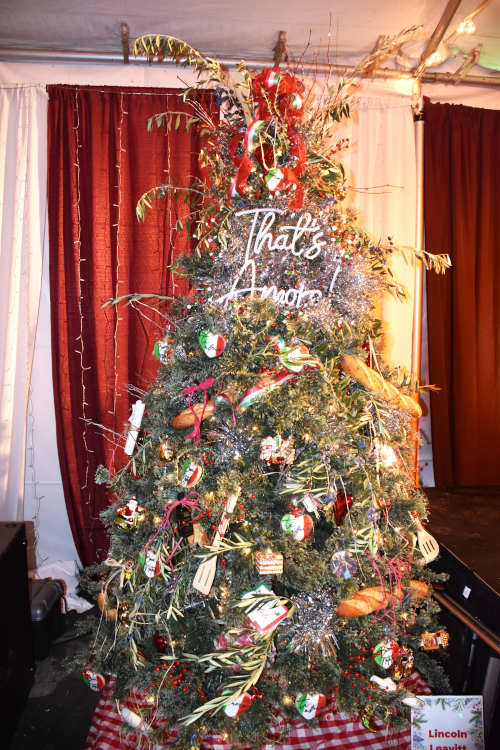
LAKE COUNTY, Calif. — The joyous holiday season has begun with the highly anticipated fifth annual Festival of Trees Spectacular Party and Christmas tree auction, set to take place on Dec. 2 at 5 p.m.
The event will be located adjacent to Sophie's Day Spa at 3855 Main Street in Kelseyville.
It promises to be a magical evening full of cheer and festivities. Tickets for the event are on sale for $80 each until Nov. 20 and $85 after and include a no-host bar featuring Lake County wines, appetizers and a scrumptious dinner catered by Lake Event Design, all before the tree auction commences.
The Festival of Trees will showcase up to 25 brilliantly decorated Christmas trees donated by community members, organizations, and businesses.
The auction proceeds will benefit the special needs of Hospice/Palliative Care patients, as well as the Wings of Hope grief counseling program, which provides support to families with children who have lost loved ones.
Along with the tree auction, there will be a silent auction featuring beautiful holiday decor and other unique items.
For those who wish to participate, there are still a few openings available for tree donations to be included in the auction. Interested individuals are encouraged to contact Hospice Services to learn more.
In addition, community members are invited to view the spectacular trees in advance with characters from the beloved holiday classics, “The Grinch Who Stole Christmas” and “Frozen,” after the Kellyville Light Parade.
The Festival of Trees has been made possible through the generous sponsorship of Platinum sponsors, including Sutter Lakeside Hospital, Lake County Tribal Health Consortium, Adventist Health Clear Lake, Kelly Butcher, Michaels Insurance, Sophie’s Day Spa, and Kelseyville Lumber.
Jamie Sells with Sophie's Day Spa is thrilled to support this inspiring event, noting, “Come to a spectacular party while supporting an amazing organization. So much talent, delectable food, and generosity for an organization that gives so much will align for an evening of celebration. It can't get better than that!”
For further event and ticket information, please call 263.6222 or email
Hospice Services is a nonprofit healthcare organization that has been providing compassionate comfort care for patients and families experiencing life-threatening conditions for the past 44 years.
These services are made possible through the generous support of community members and fundraising efforts.
Let us come together and spread holiday cheer for a good cause.
Janine Smith-Citron is director of development for Hospice Services of Lake County.
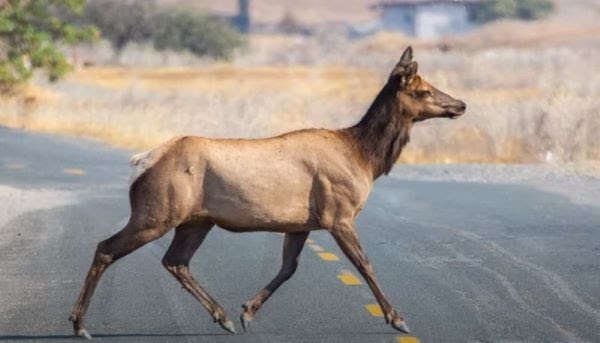
LAKE COUNTY, Calif. — It’s that time of year when the California Department of Fish and Wildlife reminds drivers to be aware of wildlife on state roads and highways.
Every autumn, as Daylight Saving Time concludes, the number of vehicle-wildlife collisions on California roadways increases.
As drivers adjust to less daylight during the evening commute during the first week of November, it’s also important to understand this is also the time of year that deer, elk, bears and other animals are typically on the move for migration, mating or foraging.
Over the past month, numerous dead deer have appeared along Lake County’s highways and roadways after they were struck by vehicles.
Collisions with wildlife can be dangerous and costly for drivers. Nearly 400 people were injured in more than two thousand collisions in 2019 involving wildlife, according to the California Highway Patrol.
Also, the UC Davis Road Ecology Center estimates the total annual cost of animal-vehicle conflicts in California to be about $250 million.
“Wildlife-vehicle collisions pose an increasingly significant threat to both people and wildlife and can result in serious injury or death. This time of year, large native species such as deer and elk are more likely to cross highways or roads during their mating season (rut), and black bears are on the search for food,” said Human-Wildlife Conflict Program Coordinator Vicky Monroe. “We ask drivers to remain cautious, vigilant, and aware of their surroundings while driving to help reduce this conflict."
Learn more about CDFW’s efforts to improve wildlife connectivity.
Standard driving safety tips that also benefit wildlife include:
• Be extra alert when driving near areas wildlife frequent, such as streams and rivers, and reduce your speed especially around curves.
• Don't text and drive! Leave your phone alone; it can wait.
• Pay extra attention driving during the morning and evening hours when wildlife are often most active.
• If you see an animal on or near the road, know that others may be following.
• Don't litter. Trash and food odors can attract animals to roadways.
• Pay attention to road shoulders. Look for movement or reflecting eyes. Slow down and honk your horn if you see an animal on or near the road.
• Respect wildlife. California is their home too.
CDFW thanks drivers for recognizing the importance of safe driving as daylight hours are reduced.
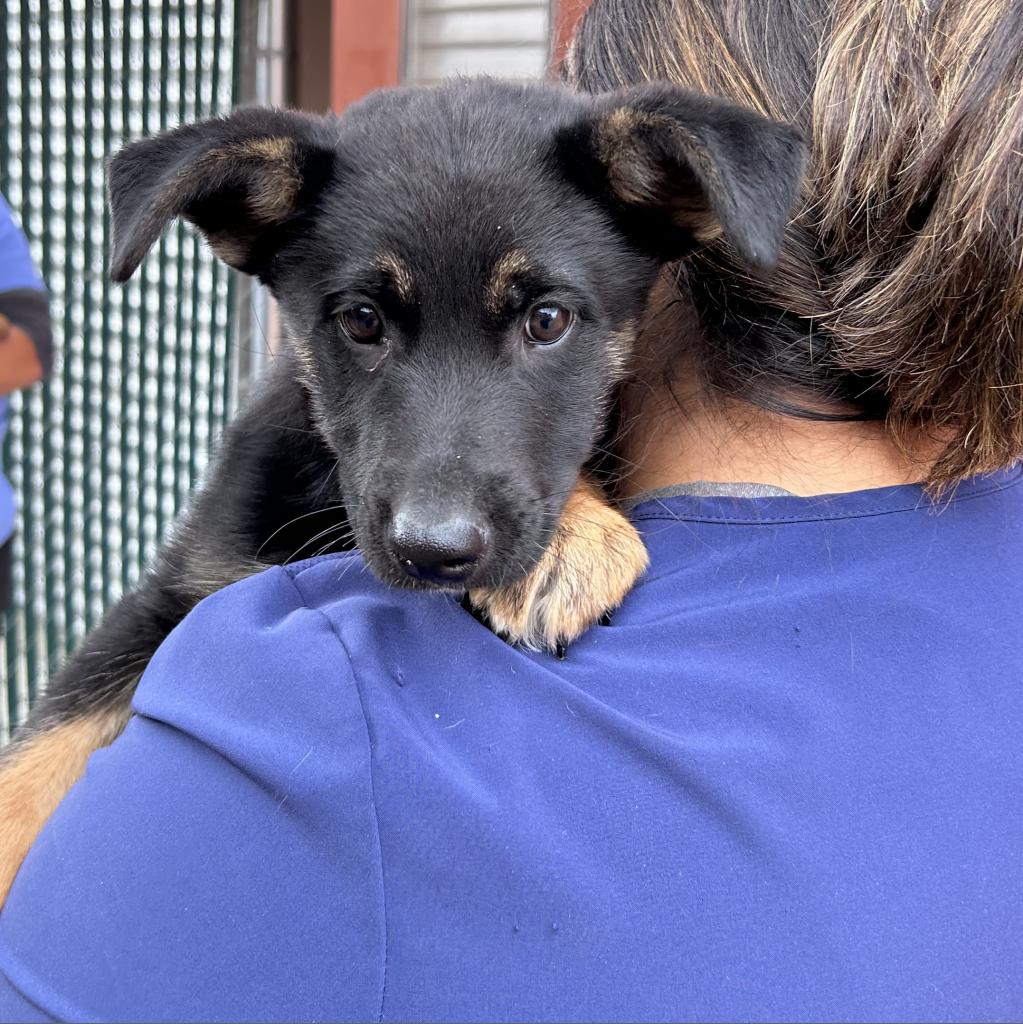
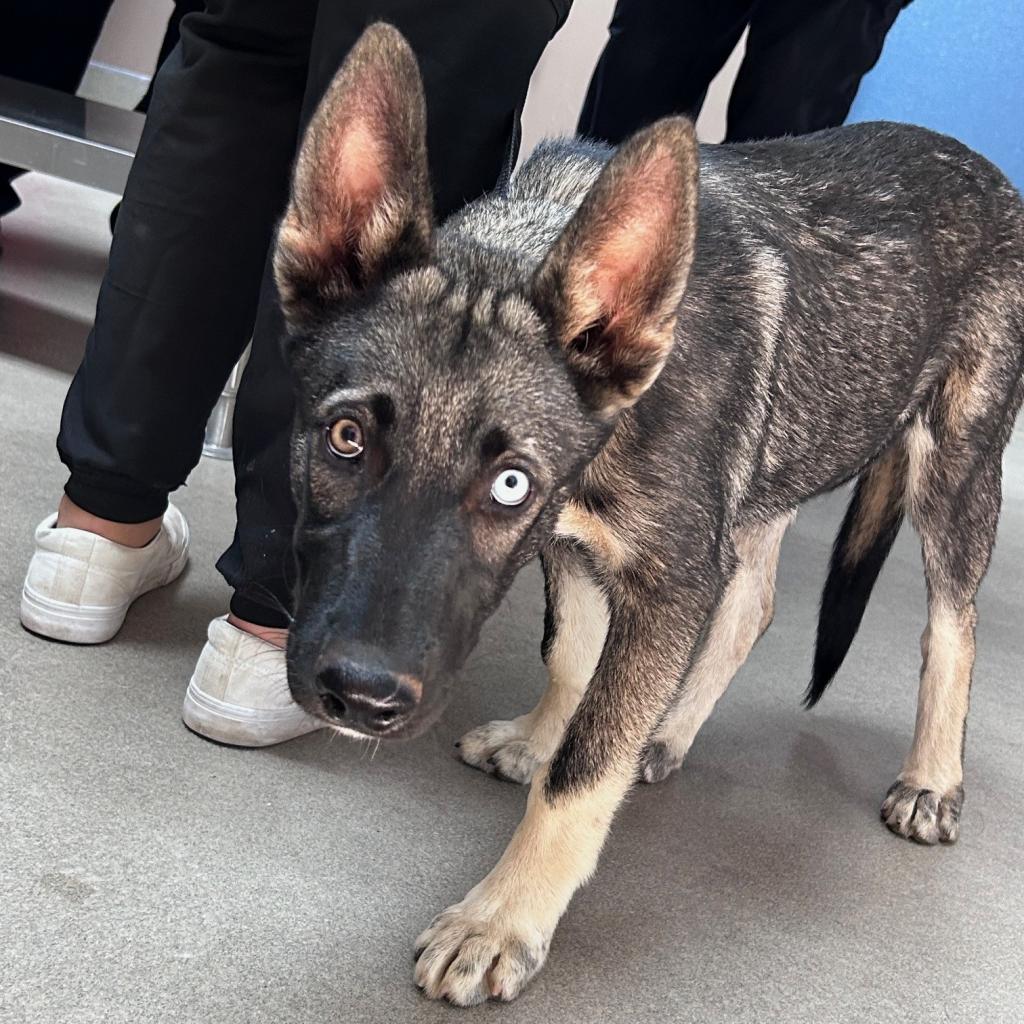
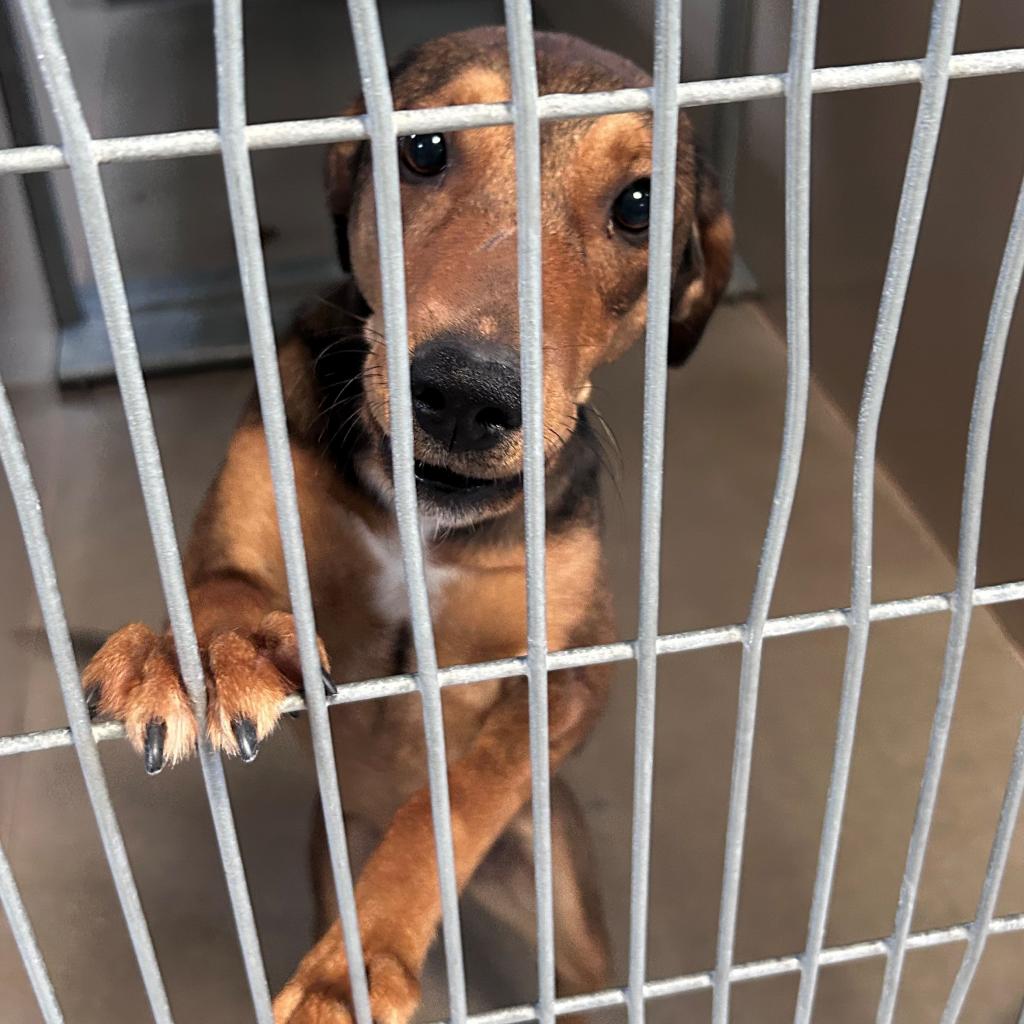
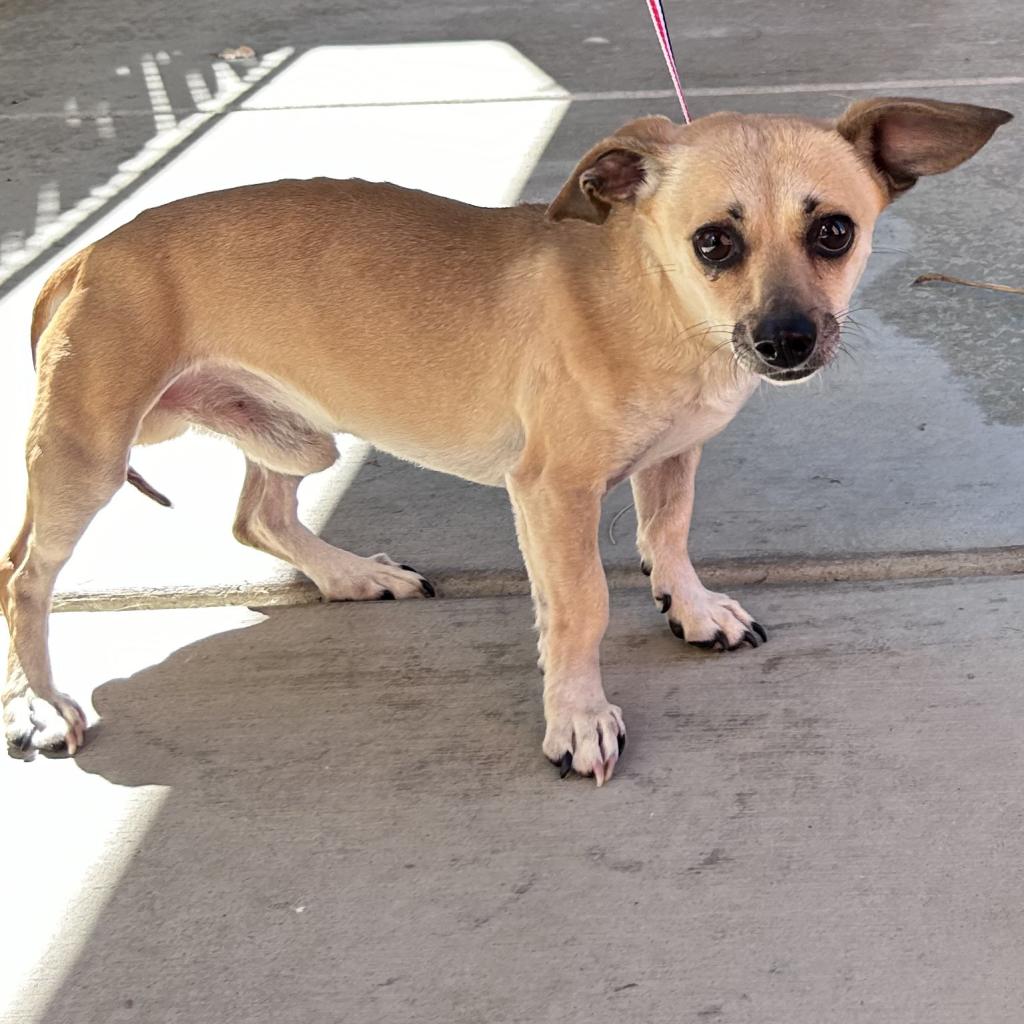
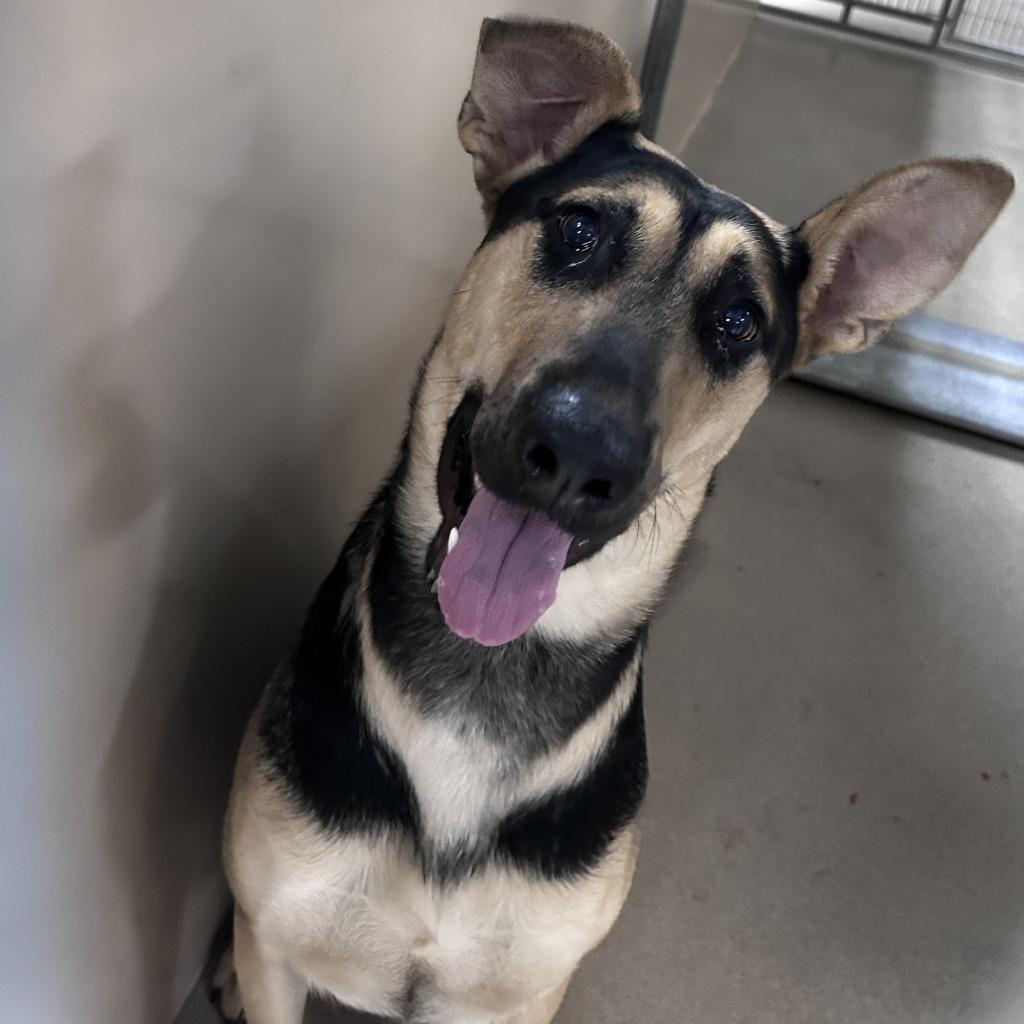
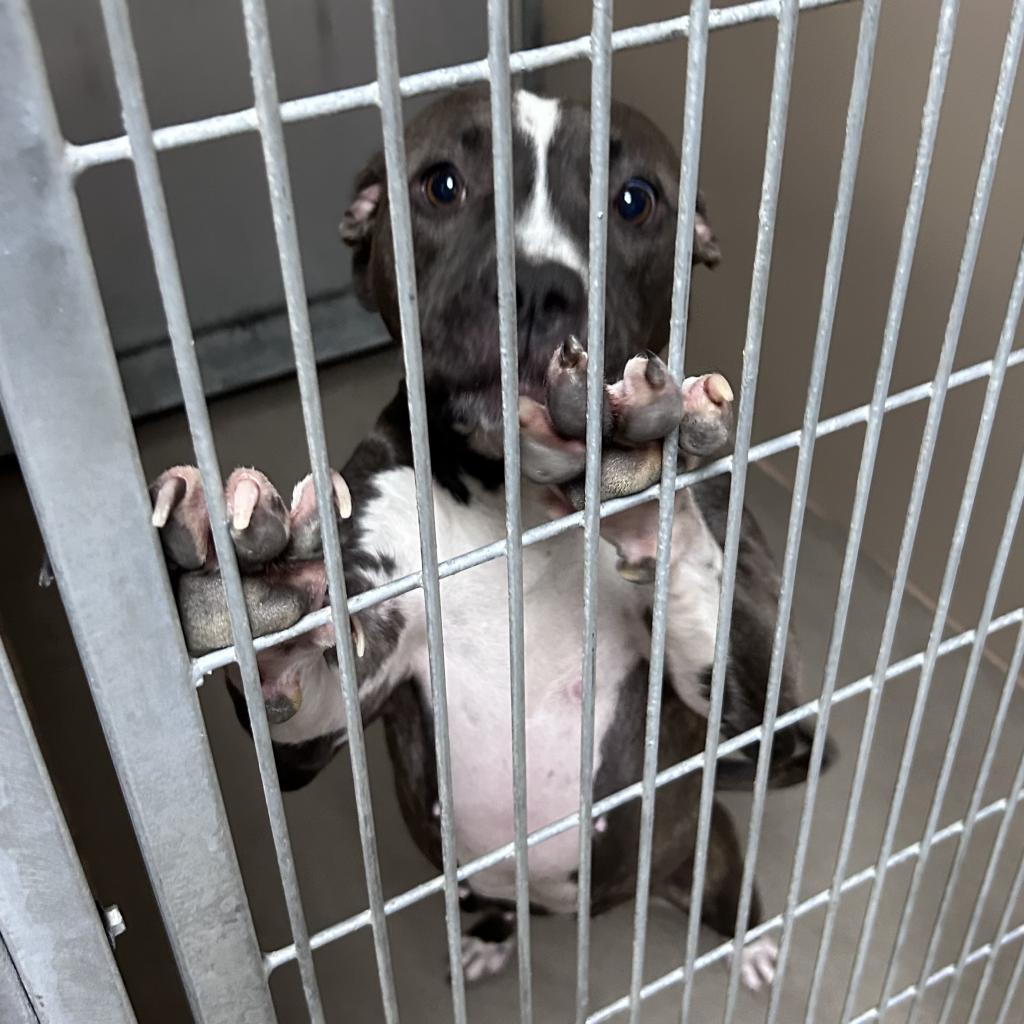
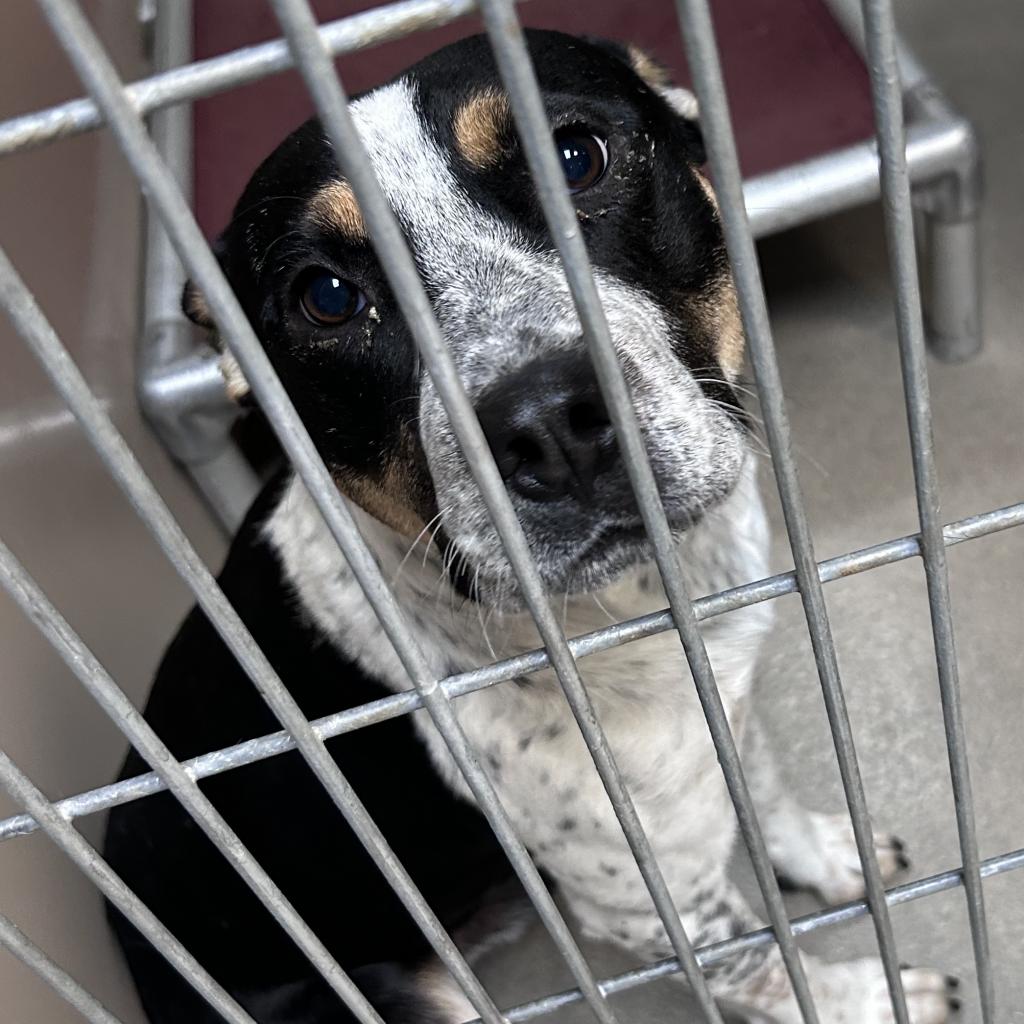
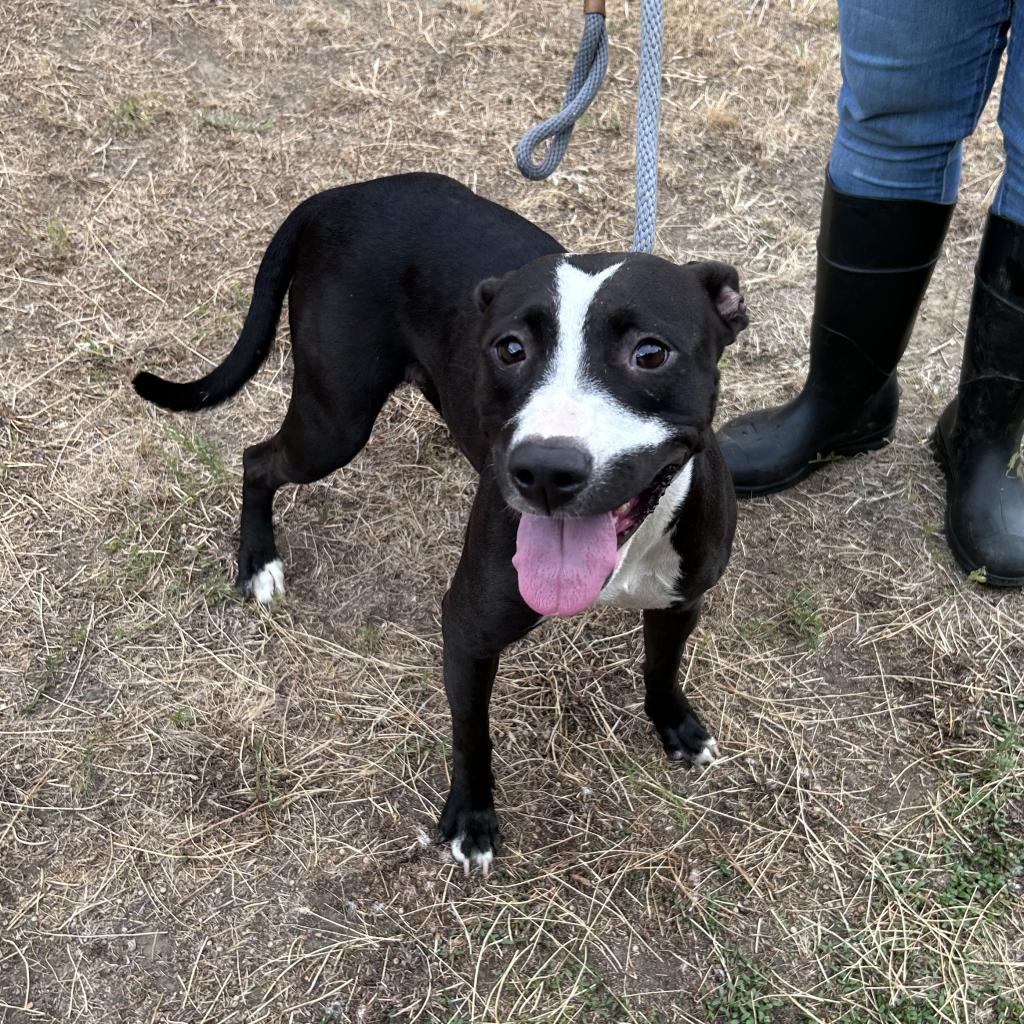
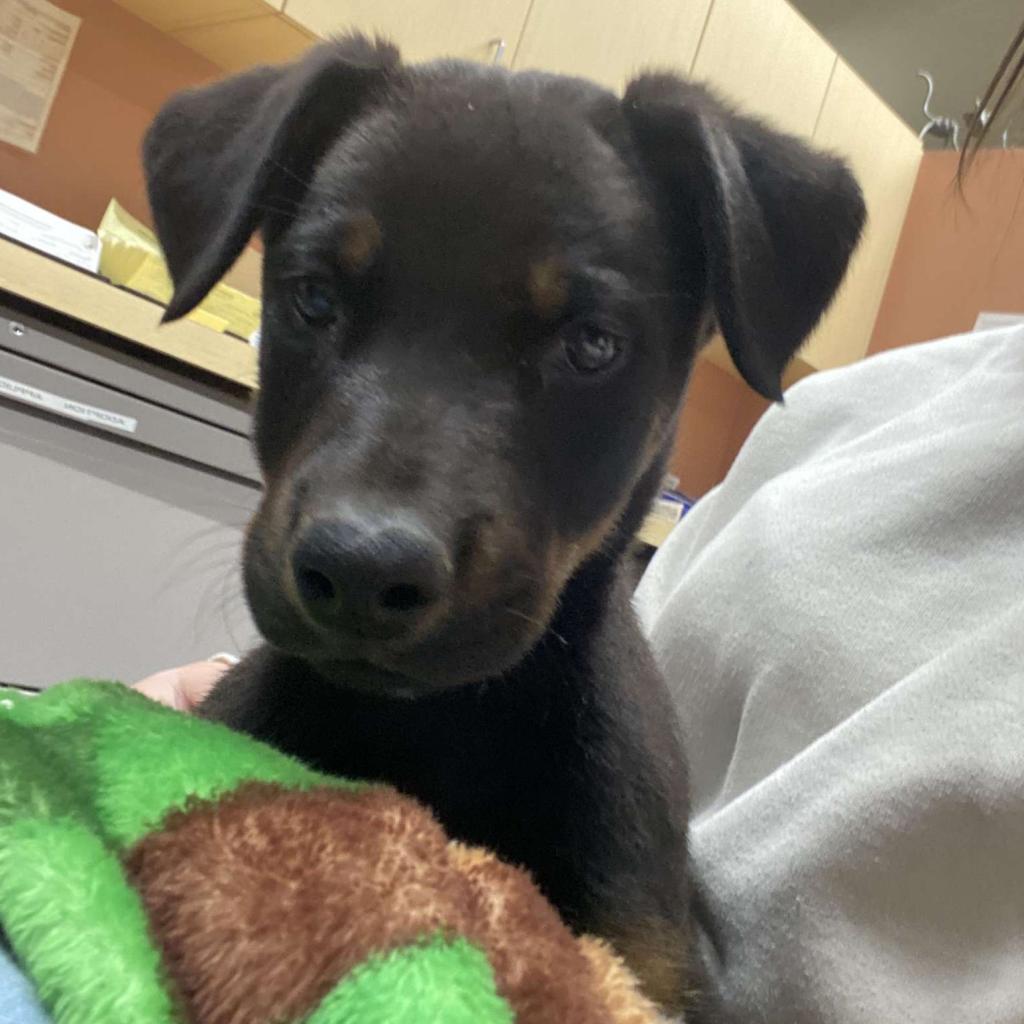
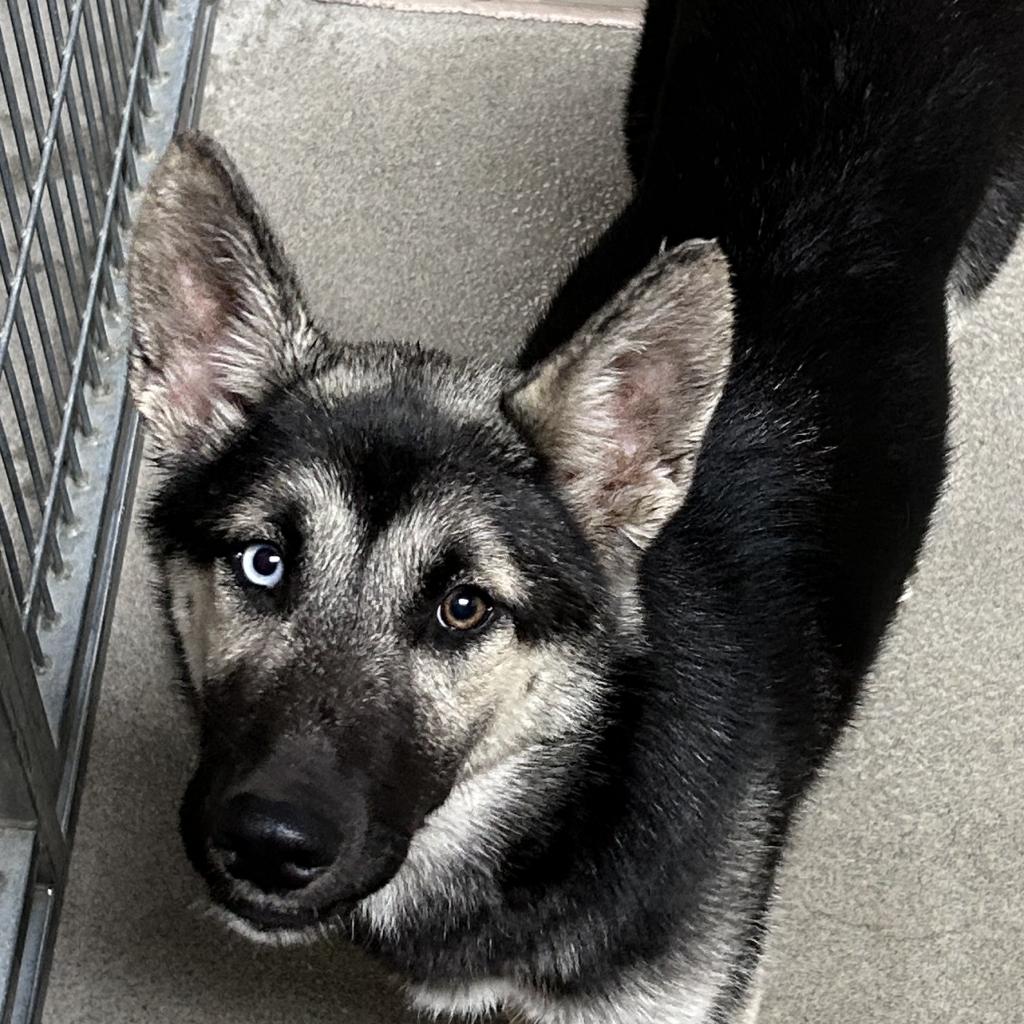
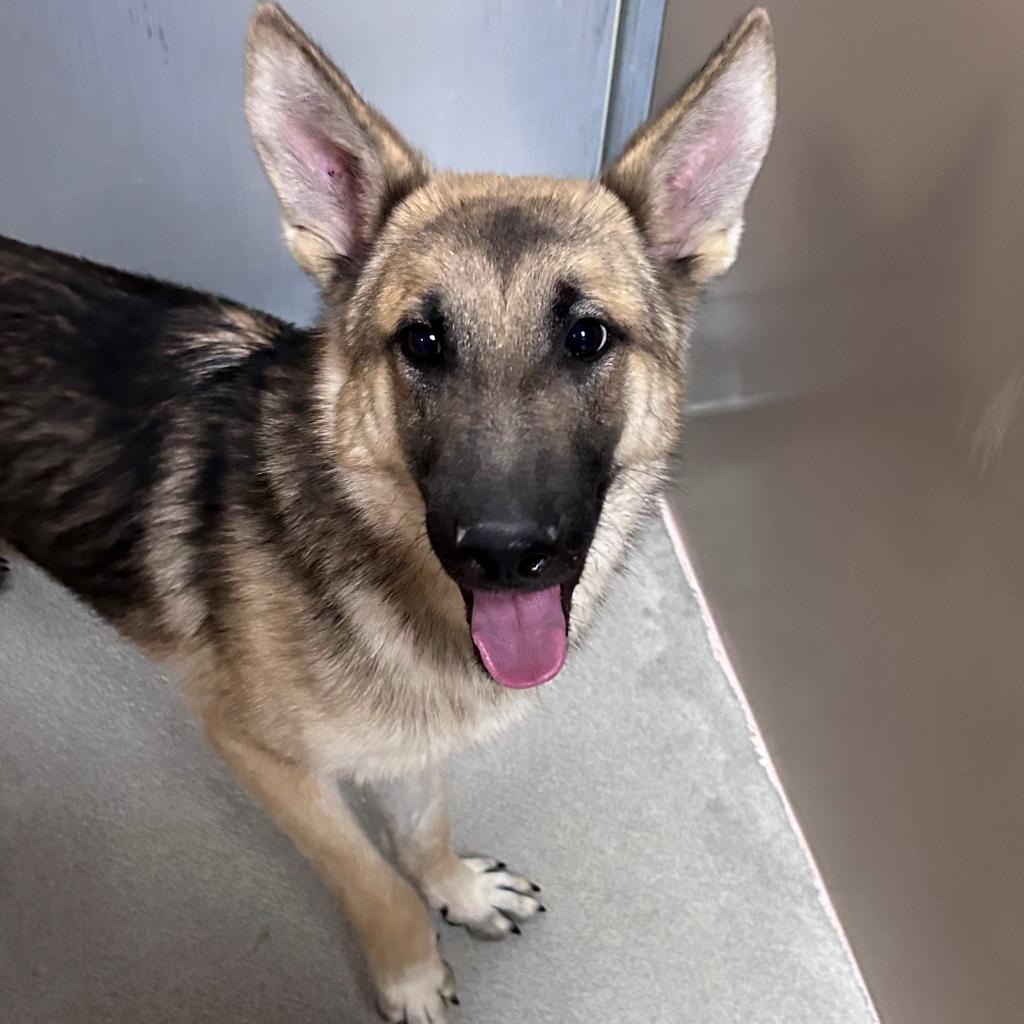
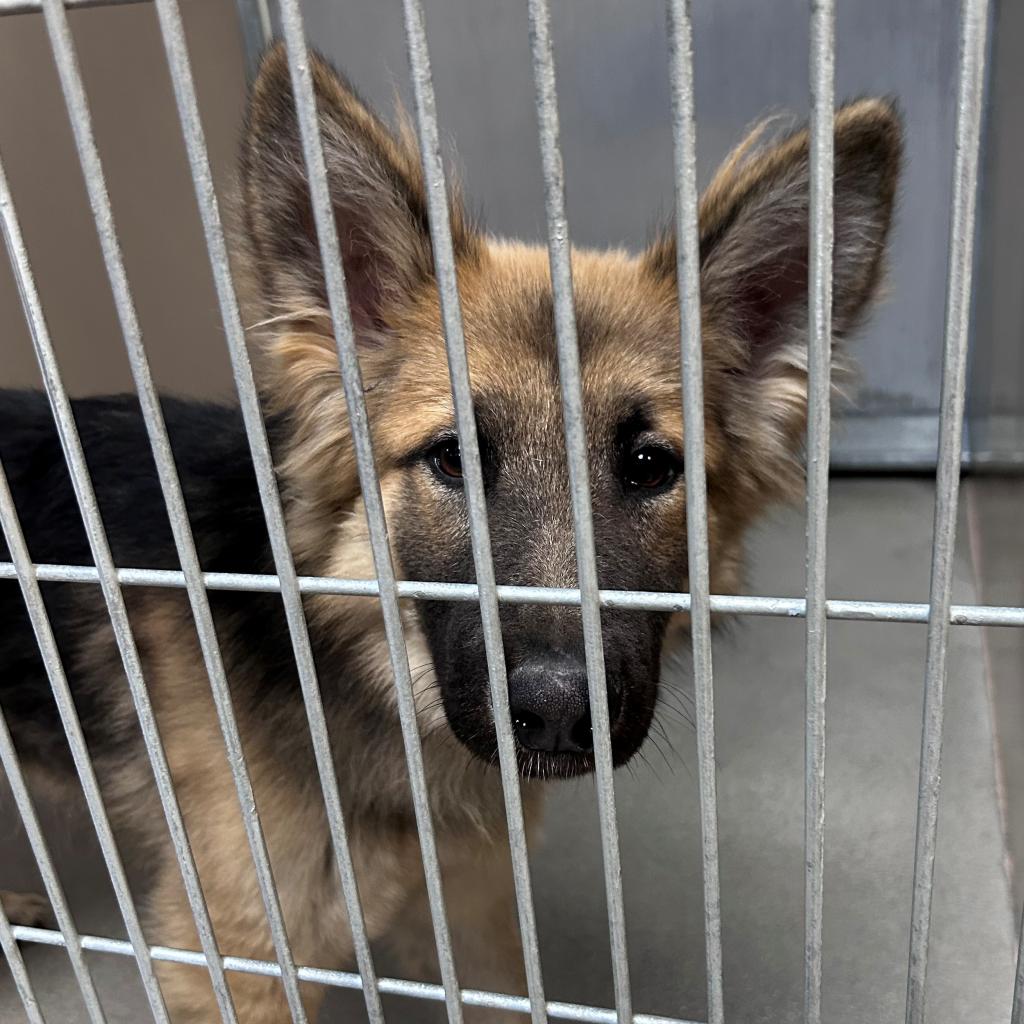
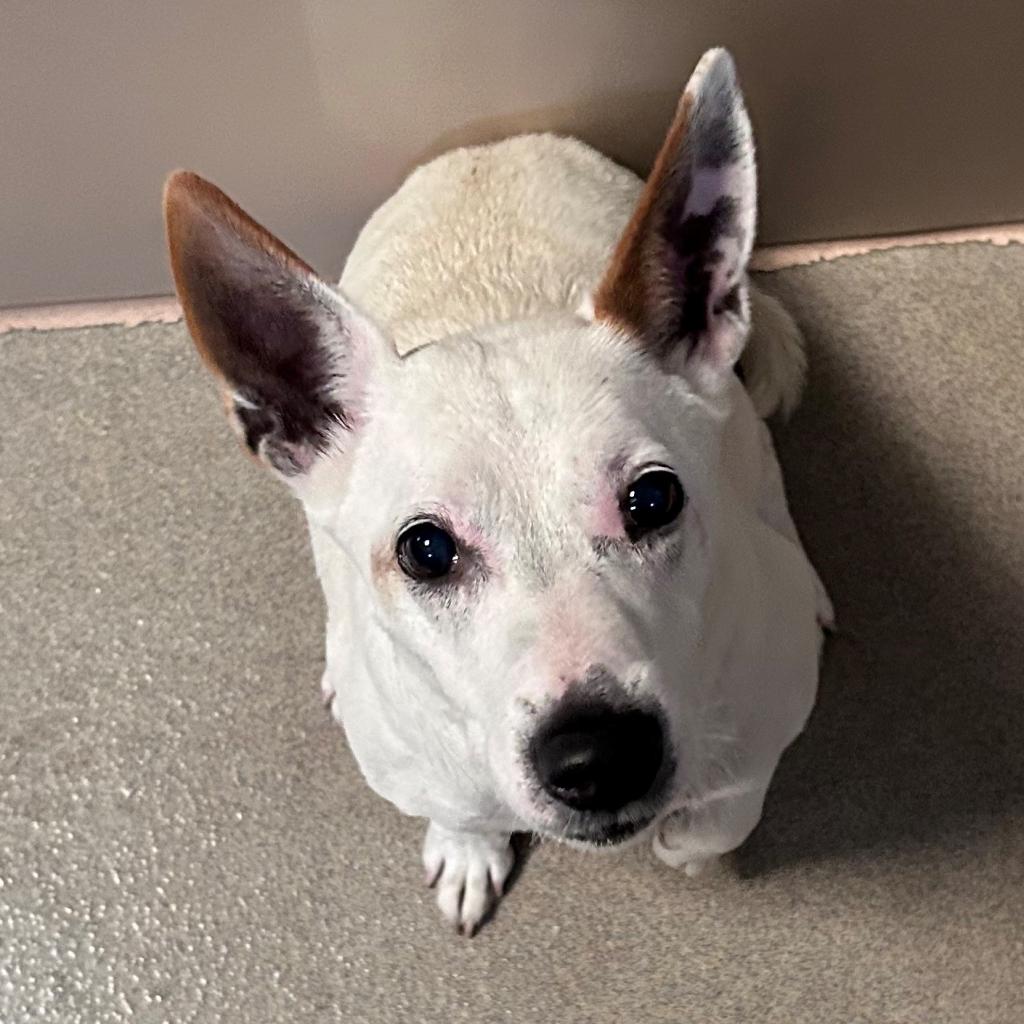
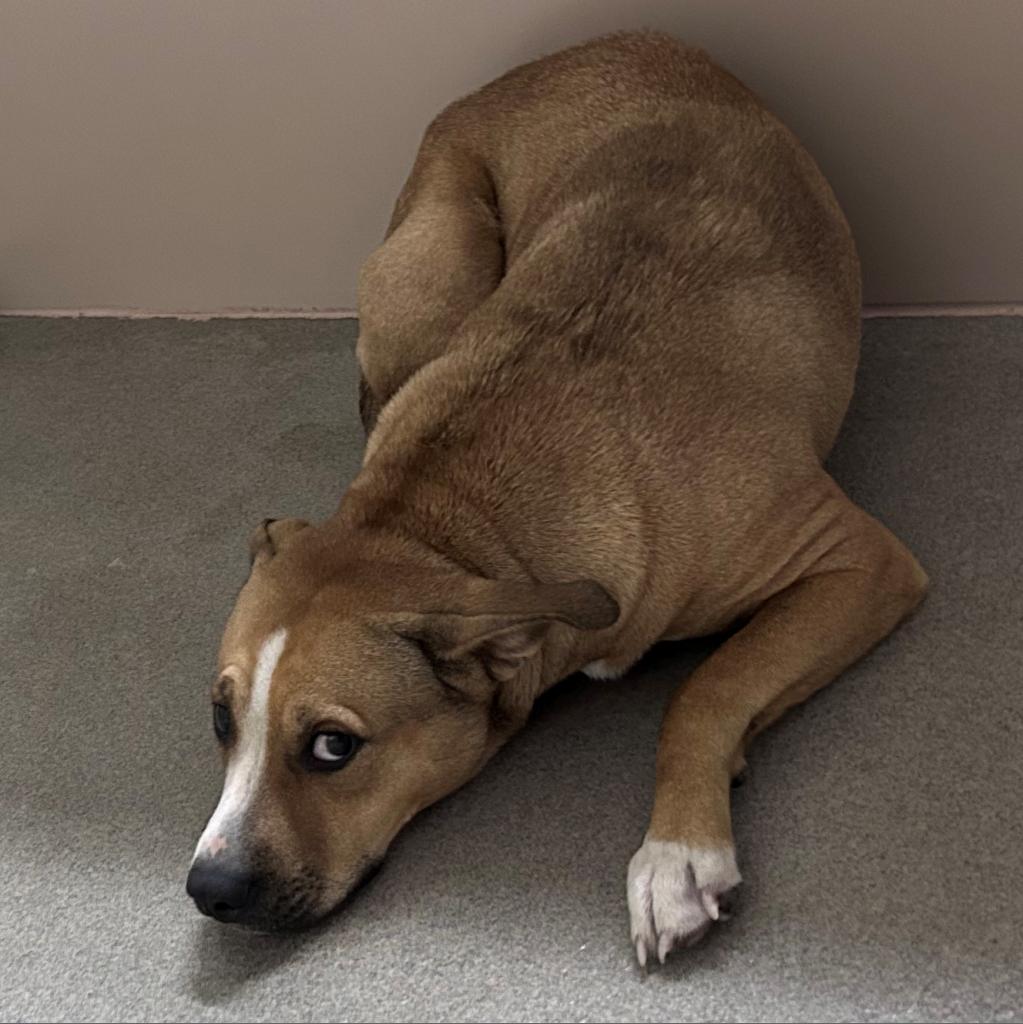
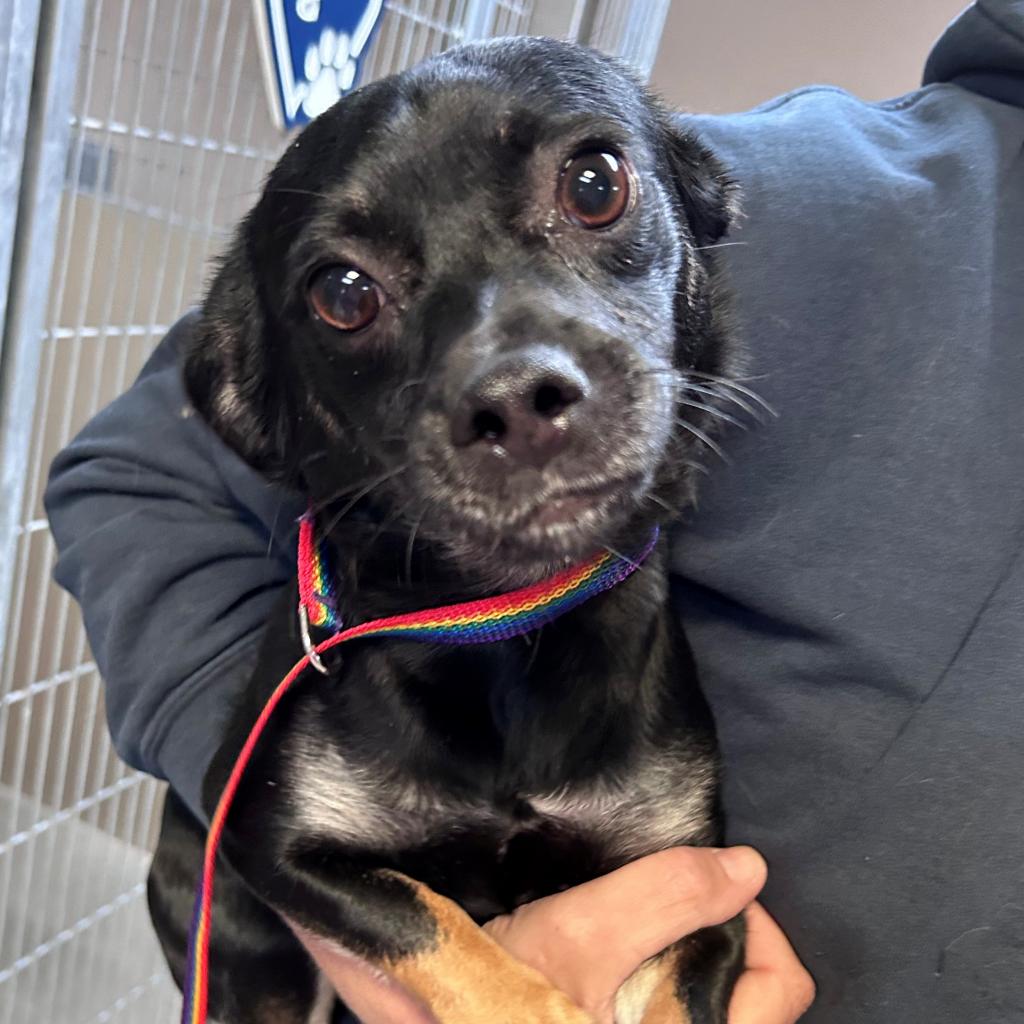
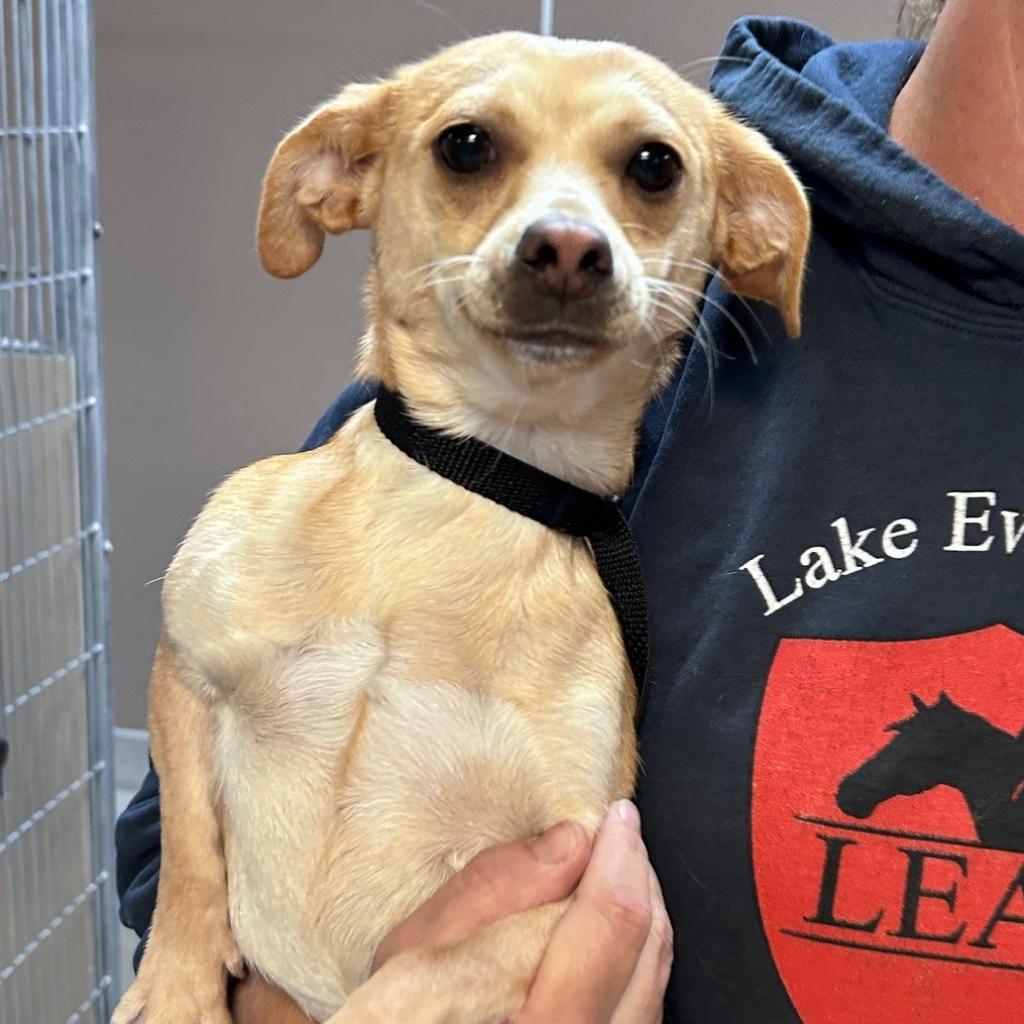
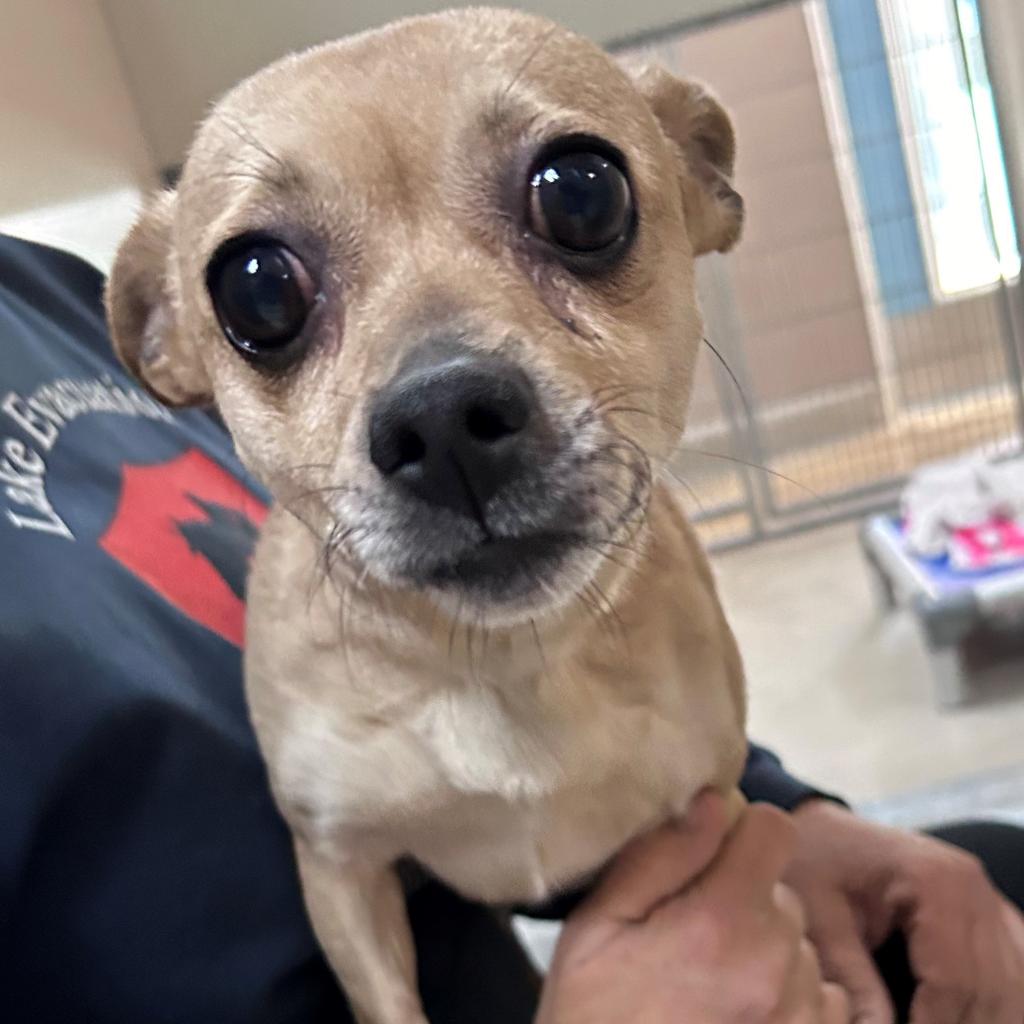
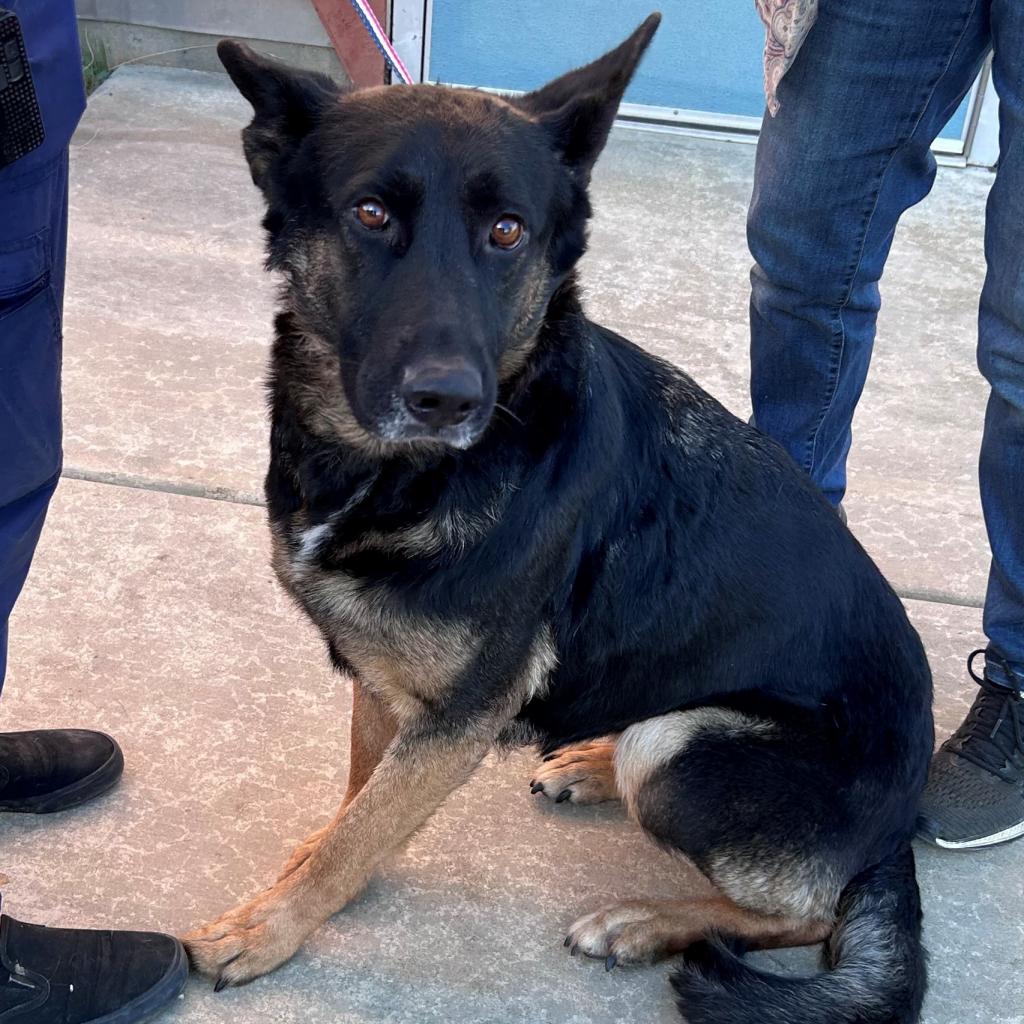
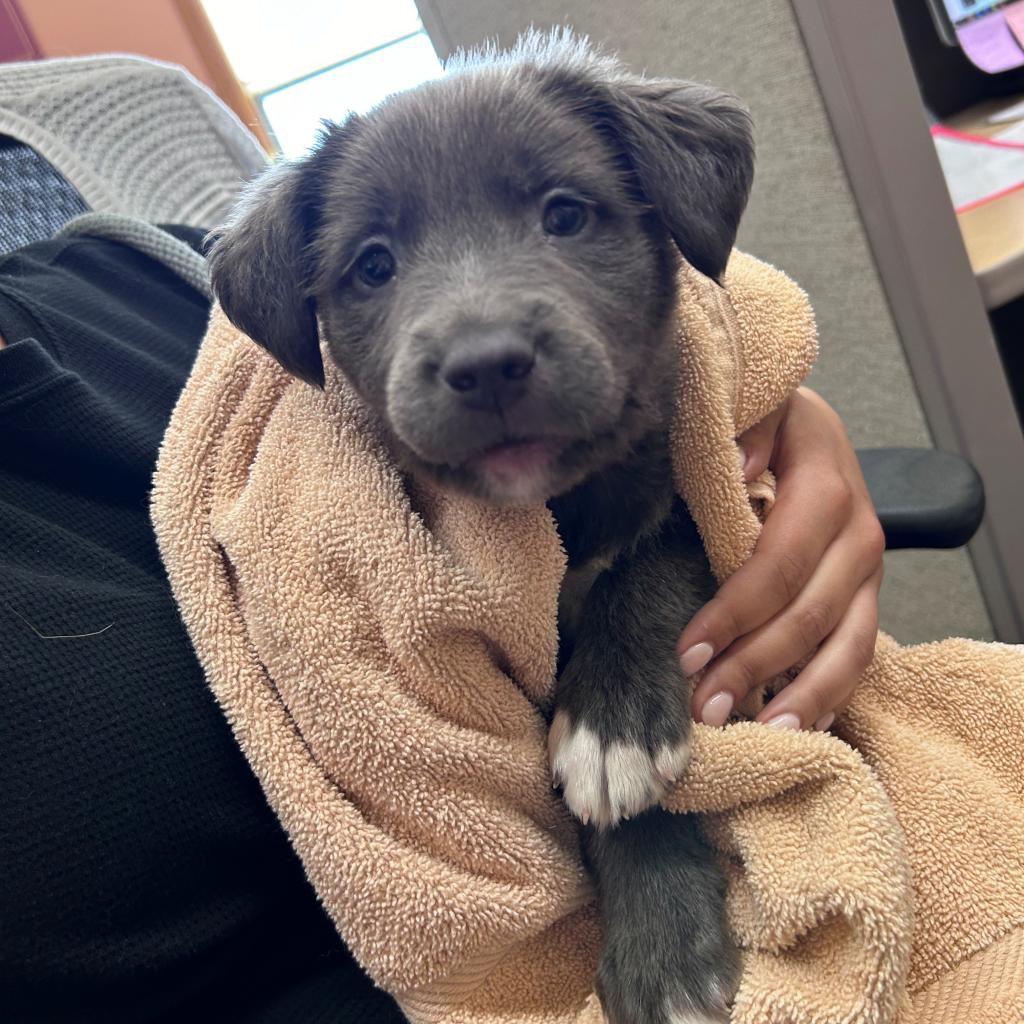
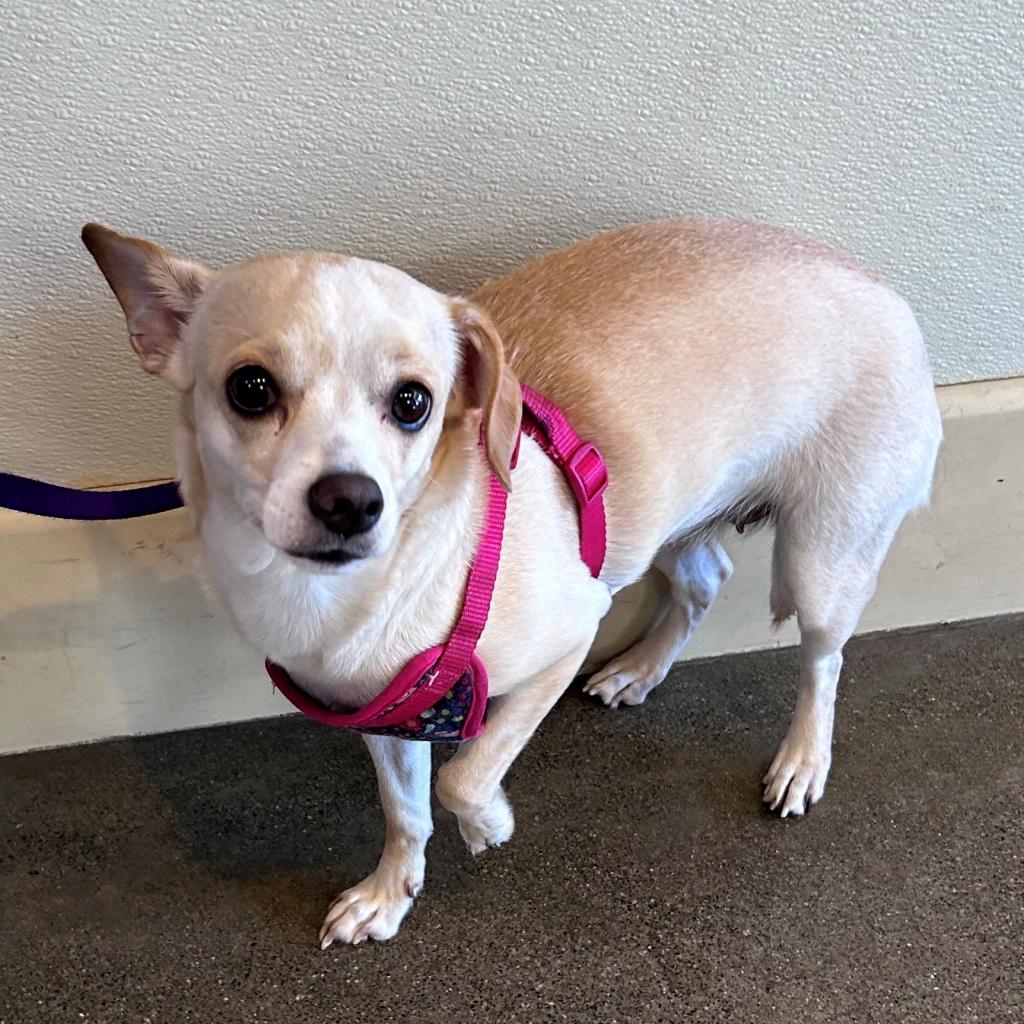
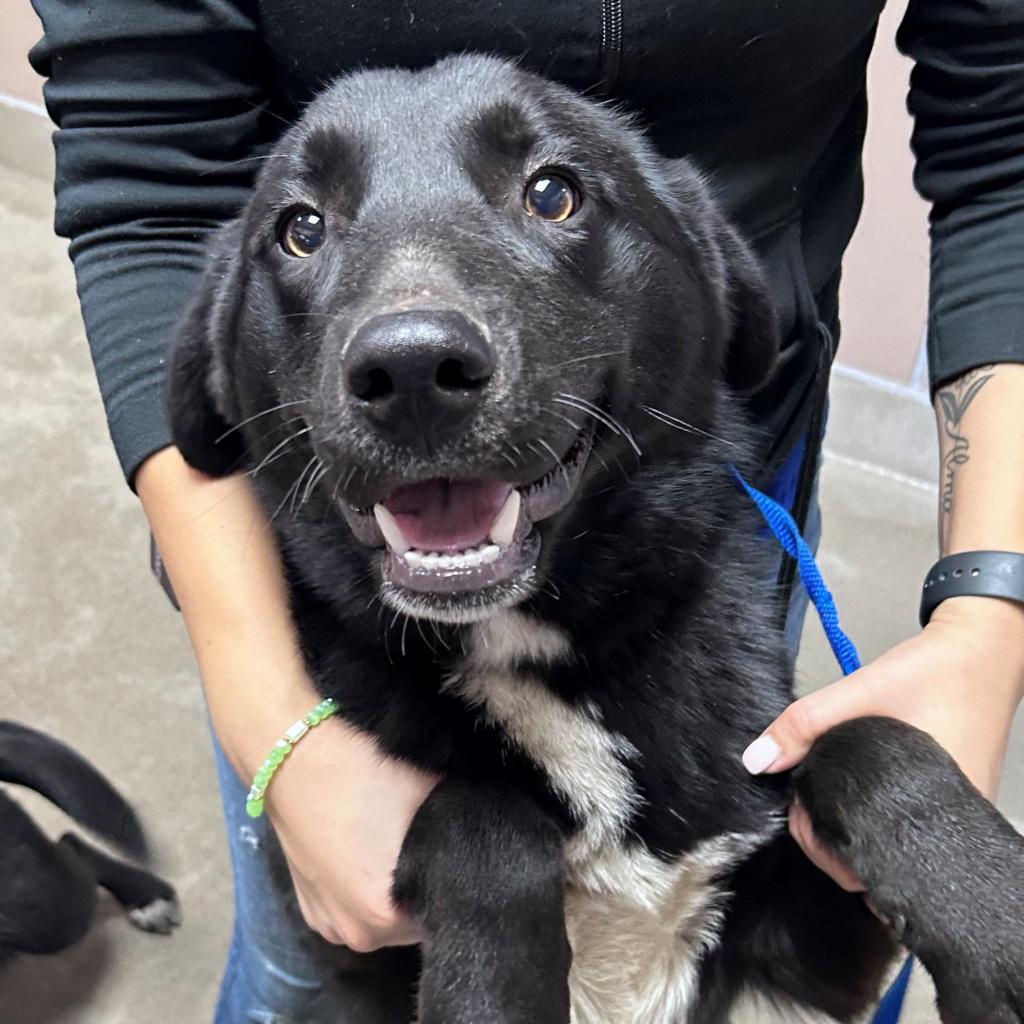
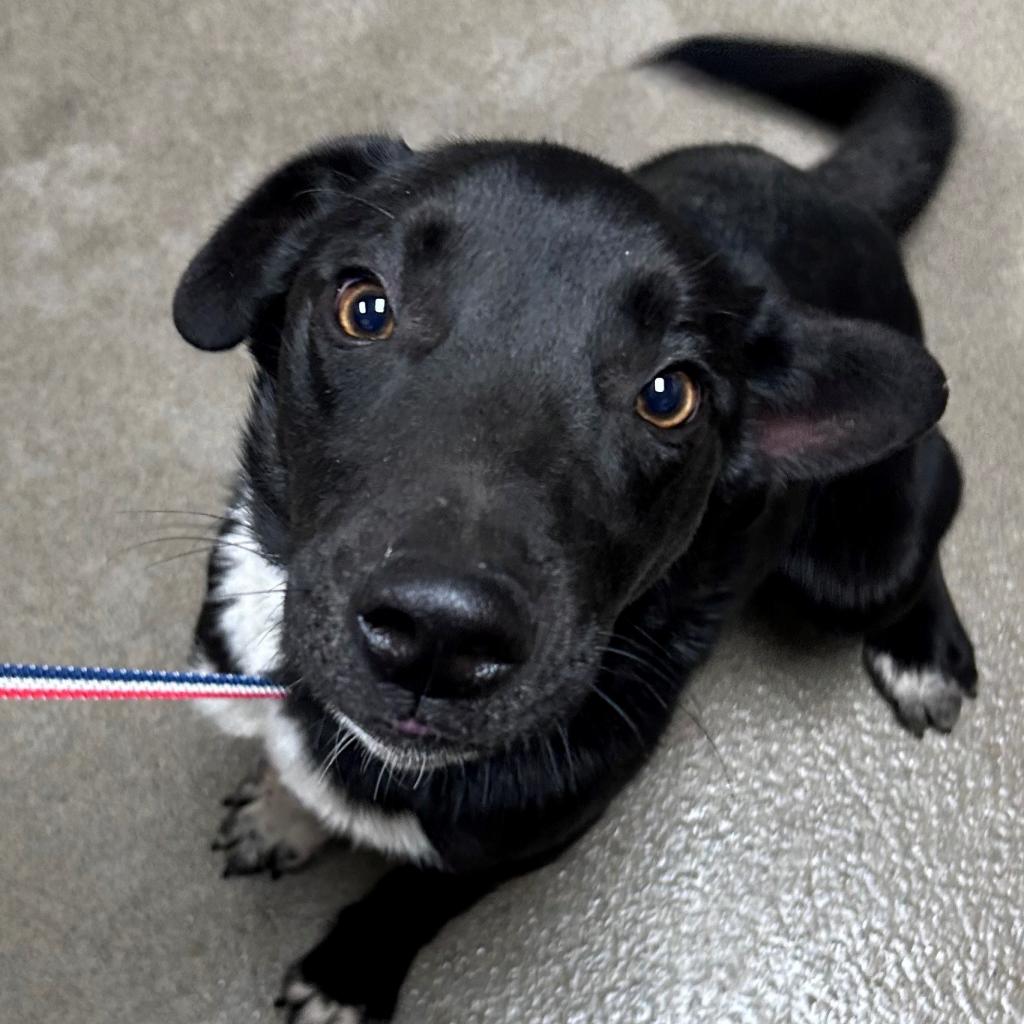
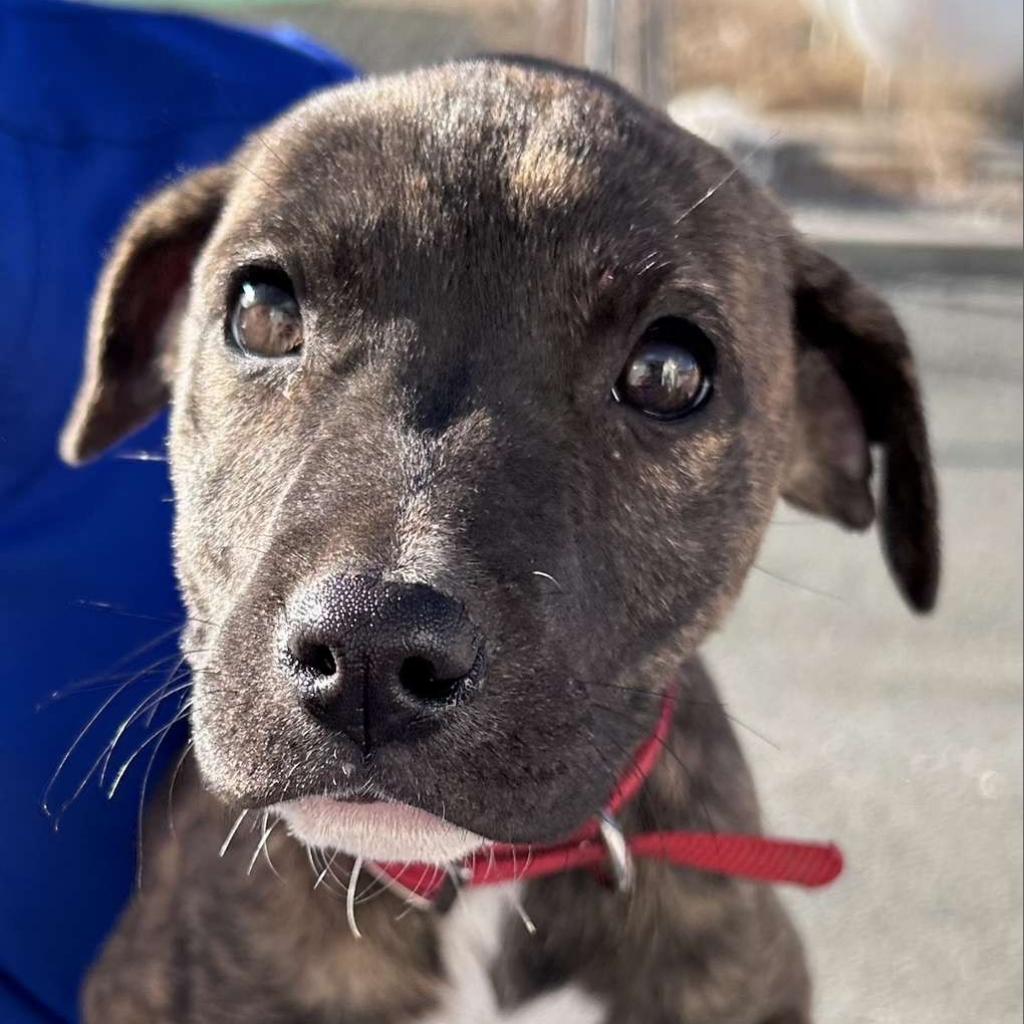
Dogs available for adoption this week include mixes of Australian shepherd, border collie, boxer, Chihuahua, German shepherd, hound, Labrador retriever, pit bull, shepherd and treeing walker coonhound.
Dogs that are adopted from Lake County Animal Care and Control are either neutered or spayed, microchipped and, if old enough, given a rabies shot and county license before being released to their new owner. License fees do not apply to residents of the cities of Lakeport or Clearlake.
Those dogs and the others shown on this page at the Lake County Animal Care and Control shelter have been cleared for adoption.
Call Lake County Animal Care and Control at 707-263-0278 or visit the shelter online for information on visiting or adopting.
The shelter is located at 4949 Helbush in Lakeport.
Email Elizabeth Larson at






Most people with chronic back pain naturally think their pain is caused by injuries or other problems in the body such as arthritis or bulging disks. But our research team has found that thinking about the root cause of pain as a process that’s occurring in the brain can help promote recovery. That is a key finding of a study my colleagues and I recently published in JAMA Network Open, a monthly open-access medical journal.
We have been studying a psychological treatment called pain reprocessing therapy that may help “turn off” unhelpful and unnecessary pain signals in the brain. To do this, we carried out a study in which some people were randomly chosen to receive the pain reprocessing therapy treatment, while some got a placebo injection into their backs.
We included 151 adults ages 21 to 70 years old with chronic back pain. We found that 66% of participants reported being pain-free or nearly pain-free after pain reprocessing therapy, compared with 20% of people who received a placebo.
These results were remarkable because previous trials of psychological treatments rarely led to people reporting full recoveries from chronic pain. So we needed to better understand how this treatment worked: What changed in people’s thinking that helped them recover from chronic back pain?
Why it matters
Chronic pain is one of the biggest health problems today. It is the leading cause of disability in the U.S., and it has an economic cost greater than that of diabetes or cancer.
The most common chronic pain condition is back pain. Many patients – and doctors – are focused on identifying different back problems that they suspect may be causing the pain. So they try all sorts of treatments, often to no avail.
A growing number of scientists now believe that many cases of chronic back pain are caused primarily by brain changes. Pain can originate with an injury, but then the pain system can get “stuck” and keep firing long after injuries have healed.
Pain is the brain’s alarm system, letting us know about injuries or other threats to our body. Much of the time, the system works well, accurately warning us that a part of our body is injured and needs to be protected. But when a person has been in pain for months, years or even decades, pain processing pathways are more likely to fire, and brain regions that typically are not involved in pain start to be involved. Chronic pain also leads to increased levels of activity in glial cells, which are part of the brain’s immune system. All these changes in the brain then serve to “entrench” the pain, making it persist.
People, very understandably, think that if their back hurts, there must be a problem in the back – even though we researchers know this is often not the case.
It’s critical to note that just because the signal originates in the brain, the pain is not any less real. The pain is always real, no matter what. But to treat it effectively, one needs to accurately identify the root cause.
How we do our work
In our study, we asked people to tell us in their own words what they think is the cause of their chronic back pain. It is a simple question, but few studies have asked their participants to describe the source of their pain.
Participants in our study described injuries, weak muscles, arthritis and other bodily factors as the causes of their pain. Almost no one mentioned anything about the mind or brain.
One of the main goals of pain reprocessing therapy is to help people think differently about the causes of their pain. After we treated participants with pain reprocessing therapy, about half the causes of pain that people described were related to the mind or brain. They said things like “anxiety,” “fear” or “neural pathways” were the causes of their pain.
The more that people shifted to this kind of understanding, the more their back pain went down. We think this shift in understanding reduces fear and avoidance of pain, which can tamp down pain pathways in the brain and promote healthy, pain-reducing behaviors like exercise and socializing.
Ask your health providers, or check out these online resources that can help you assess whether and when the brain is playing a role in chronic pain.
Accurately identifying the underlying causes of pain is the first step toward healing it.
The Research Brief is a short take on interesting academic work.
Yoni Ashar, Assistant Professor of General Internal Medicine, University of Colorado Anschutz Medical Campus
This article is republished from The Conversation under a Creative Commons license. Read the original article.
What's up for November? Venus and Jupiter on opposite sides of the sky, the Leonid meteors return, and the celestial "sea" surrounding Saturn.
This November, Jupiter is up in the sky all night and sets just before sunrise, while Venus rises in the early morning hours. This means you can see them on opposite sides of the sky if you happen to be up before dawn. You may recall that these two planets appeared super close together just a few months ago, back in March.
On the morning of Nov. 9, find the crescent moon hanging just beneath Venus in the early morning sky before sunrise.
Then on the 17th, look for a beautiful crescent moon sitting low in the southwest all by itself in the twilight following sunset.
Thanks to the Moon illusion, which causes the rising or setting Moon to look larger, a crescent moon low near the horizon often appears extra captivating.
Then, after sunset on Nov. 20, look toward the south to see the first quarter moon just below Ringed Planet Saturn. The pair are joined by bright stars Fomalhaut and Altair.
And then on the 24th, look for the nearly full moon close to giant Jupiter in the east after sunset. Some binoculars will be able to capture both of them in the same field of view.
Finally, in the last few days of November, you'll notice Venus is rising in the morning with a bright star very close by. That star is Spica, which is actually two massive stars that orbit around each other every four days.
The annual Leonid meteor shower returns this month. The shower peaks overnight on Nov. 17, with the most meteors visible between midnight and dawn on the 18th. The Leonid meteors are dust particles that originate from comet Tempel-Tuttle, which was discovered in 1865 and orbits the Sun every 33 years.
Leonids tend to be bright, with many producing long trains that persist for a few seconds after the initial flash of light. To view the Leonids, find a safe, dark spot away from bright lights, lie down and look straight up. The meteors can appear anywhere in the sky.
This year, the Moon is near its first quarter phase on the peak night. It sets just a couple of hours after nightfall, so it won't interfere with viewing Leonids. So bring a warm drink, bundle up, and enjoy your time searching for meteors in the November sky.
Looking toward the south a couple of hours after dark in November, you'll find the planet Saturn about halfway up the sky. This region of the sky is full of water-related constellations. For that reason, it's sometimes referred to as "the Sea" or "the Water."
Saturn currently sits within Aquarius, the water bearer, imagined as a human figure pouring water from a jug. Nearby are Pisces, the fishes, and Capricornus, the strange, mythical sea goat. Just beneath Aquarius is the Southern Fish, and just above him is the Dolphin.
To the east of Aquarius you'll find the constellation Cetus, a sea monster or whale. And next to Cetus is the constellation Eridanus, which represents a long, winding cosmic river.
Now, these star patterns are not particularly bright or easy to pick out. But it is interesting to note that this whole area of the night sky is populated by mythical figures related to water.
And speaking of connections between water and wonder, NASA plans to launch its Europa Clipper spacecraft next fall to study Jupiter's icy moon Europa — which is thought to contain an ocean that might support life.
And you can send your name to Europa, etched on the spacecraft. Visit this link to sign the "message in a bottle" that will be sent across the cosmic sea from Earth to Europa — from one ocean world to another.
Stay up to date on NASA's missions exploring the solar system and beyond at http://science.nasa.gov.
"What's Up" is NASA's longest running web video series. It had its first episode in April 2007 with original host Jane Houston Jones. Today, Preston Dyches, Christopher Harris and Lisa Poje are the science communicators and space enthusiasts who produce this monthly video series at NASA's Jet Propulsion Laboratory. Additional astronomy subject matter guidance is provided by JPL's Bill Dunford, Gary Spiers, Lyle Tavernier and GSFC's Molly Wasser.
Several county, state and federal offices will be on the ballot for the primary, which takes place on March 5, 2024.
The partisan offices on the ballot include United States president, county central committees and councils, United States Senator (full term), United States Senator (partial/unexpired term), United States Representative in Congress for District 4, State Assembly Member for District 4.
Nonpartisan offices up for election include Superior Court judges for departments 1, 3 and 4; county supervisors for districts 1, 4 and 5; and sheriff-coroner.
The Registrar’s Office said the timeframe for submitting in lieu of petitions — which reduce the cost for filings — ends at 5 p.m. Nov. 8.
All candidates for elective office must file nomination documents — which include nomination papers and declaration of candidacy — as well as pay a nonrefundable filing fee. That’s except for judicial candidates, who pay when filing the declaration of intention to have their name printed on the ballot.
The nomination filing period begins Nov. 13 and ends at 5 p.m. Dec. 8.
If an incumbent fails to file during this period, candidate filing will extend for any candidate except the incumbent until Dec. 13 by 5 p.m.
Registered voters interested in filing for county central committees and county council must file nomination papers and a declaration of candidacy between Sept. 29 and Dec. 8.
Filings to date
The Registrar of Voters Office said the following candidates have been issued in-lieu petitions so far.
• Judge of the Superior Court, Department 1: Michael S. Lunas.
• Judge of the Superior Court, Department 3: Andrew S. Blum.
• Judge of the Superior Court, Department 4: Shanda M. Harry, Anna Gregorian and William Conwell.
• County Supervisor, District 1: Bryan Pritchard, Bren Boyd, Sean Millerick and John H. Hess.
• County Supervisor, District 4: Brad Rasmussen, Laura McAndrews Sammel, Scott Jason Barnett and Chris Read.
• County Supervisor, District 5: Jessica Pyska, Dennis Holzinger and Daniel “Boone” Bridges.
Candidates for judicial offices are required to file a declaration of intention and pay a nonrefundable filing fee before filing for office. Judicial candidates may file a declaration of intention between Oct. 30 and Nov. 8 at 5 p.m.
The elections office said Lunas, Blum, Harry and Gregorian have filed their declarations of intention.
Voters desiring information regarding any of the offices listed below may contact the Registrar of Voters office in person at 325 N Forbes St., Lakeport, by phone at 707-263-2372 or toll free at 888-235-6730.
The Registrar of Voters office is open Monday through Friday, from 8 a.m. to 5 p.m., excluding county holidays, to assist both candidates and voters.
For additional information, visit the registrar’s website or email the department at