 How to resolve AdBlock issue?
News
The changes to the regulations will require intrastate motor carriers and drivers to use an electronic logging device, or ELD, to record a driver’s record of duty status, or RODS, when operating commercial motor vehicles subject to hours-of-service regulations.
Since Dec. 18, 2017, Federal Motor Carrier Safety Regulations have required interstate motor carriers and drivers to use an ELD to record a driver’s RODS in accordance with Title 49, Code of Federal Regulations, Part 395, Subpart B, unless otherwise exempted.
Since then, the CHP has worked to align state regulations with federal ELD regulations and has engaged with a variety of interested parties, including motor carriers, commercial motor vehicle drivers, media, and public interest groups.
The CHP received significant input during three separate public comment periods and conducted numerous presentations, which included the 2019, 2021, and 2023 Commercial Vehicle Safety Summits, to advise the affected industry of the upcoming changes.
The regulations, which will be effective Jan. 1, 2024, outline the applicability, requirements, and exceptions to the use of ELDs for intrastate motor carriers and drivers.
Affected parties are encouraged to review the applicable sections, specifically Title 13, California Code of Regulations, or CCR, Division 2, Chapter 6.5, Sections 1213 and 1213.3, by visiting the official CCR website.
Additional information is available on the CHP’s website under Regulatory Actions and an Intrastate Electronic Logging Devices webpage under Programs and Services.
Questions regarding the ELD regulations may be directed to the California Highway Patrol, Commercial Vehicle Section, at 916-843-3400.

LAKE COUNTY, Calif. — The Lake County Library Bookmobile is set to embark on a countywide tour beginning Tuesday, Dec. 12, offering residents an opportunity to welcome this new addition to the community.
The library extends an invitation to the public to explore the new bookmobile, where residents can borrow books and DVDs and learn about library services.
The schedule will be as follows:
Tuesday, Dec. 12. from 10 a.m. to 3 p.m.
Redbud Library
14785 Burns Valley Road, Clearlake
Wednesday, Dec. 13, from 10 a.m. to 3 p.m.
Lakeport Library
1425 N. High St., Lakeport
Thursday, Dec. 14, from 1 to 2 p.m.
Hardester’s Market
16295 Highway 175, Cobb
Thursday, Dec. 14, from 3 to 4 p.m.
Westamerica Bank
4025 Main St., Kelseyville
Tuesday, Dec. 19, from 10 a.m. to 3 p.m.
Middletown Library
21256 Washington St., Middletown
Wednesday, Dec. 20, from noon to 4 p.m.
Upper Lake Library
310 Second St., Upper Lake
The welcome tour will continue in January with more locations around the county.
Following the tour and commencing in early 2024, the bookmobile is anticipated to establish a regular route, operating three days a week.
The route will aim to reach residents currently underserved by existing County Library branches in Clearlake, Lakeport, Middletown and Upper Lake.
Lake County Librarian Christopher Veach told Lake County News that there was previously a bookmobile that operated in the county.
The original bookmobile started service back in 1972. “It was part of the project to start a County Library system. The bookmobile operated for many years.”
Veach said he believes that the bookmobile service was discontinued as the vehicle aged and became more difficult to repair and as public use of the vehicle declined.
The Lake County Library’s new bookmobile purchase was supported, in part, with California State funds, administered by the California State Library.
An American Rescue Plan Act allocation from the Lake County Board of Supervisors met the remaining need, bringing this long-envisioned project to fruition.
Learn more about the Lake County Library system at https://library.lakecountyca.gov.

CLEARLAKE, Calif. — The Clearlake Police Department is attempting to locate a man who has not been seen since last month.
James Foster, 62, was last seen on Nov. 18 in the area of Howard Avenue in Clearlake.
Foster is described as a white male adult, 5 feet 10 inches tall, 200 pounds, with short brown hair and green eyes. A description of his clothing when he was last seen was not available.
If you have any information regarding James' whereabouts please contact the Clearlake Police Department at 707-994-8251, Extension 1.
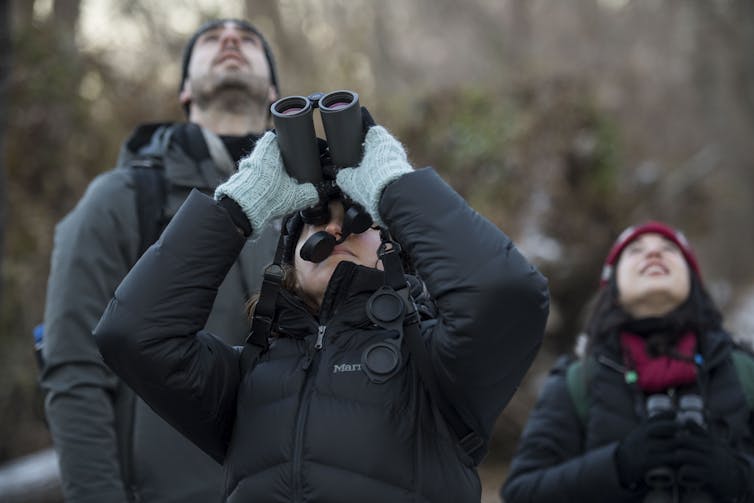
This winter, tens of thousands of birders will survey winter bird populations for the National Audubon Society’s Christmas Bird Count, part of an international bird census, powered by volunteers, that has taken place every year since 1900.
For many birders, participating in the count is a much-anticipated annual tradition. Tallying birds and compiling results with others connects birders to local, regional and even national birding communities. Comparing this year’s results with previous tallies links birders to past generations. And scientists use the data to assess whether bird populations are thriving or declining.
But a change is coming. On Nov. 1, 2023, the American Ornithological Society announced that it will rename 152 bird species that have names honoring historical figures.
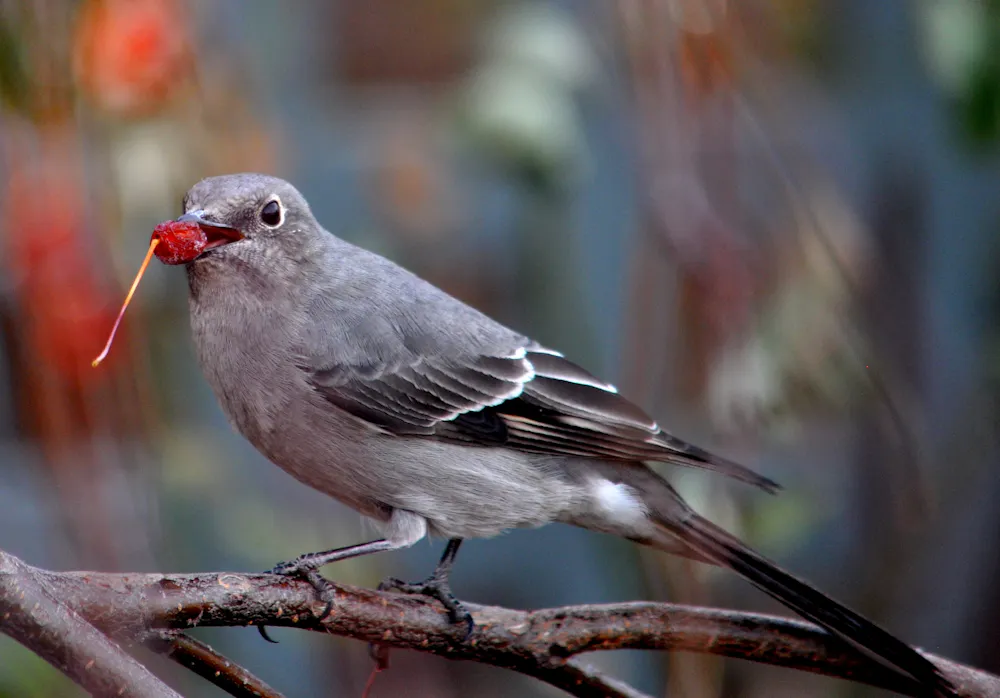
Soon, Christmas bird counters will no longer find Cooper’s hawks hunting songbirds. They won’t scan marshes for Wilson’s snipes. And here in Colorado’s Front Range, where I’ll participate in a local count, we’ll no longer encounter one of my favorite winter visitors, Townsend’s solitaires.
New names will take the place of these eponymous ones. With those new names will come new ways of understanding these birds and their histories.
Names matter
In my time birding over the past decade, learning birds’ names helped me recognize the species I encounter every day, as well as the ones that migrate past me. So I understand that it may not be easy to persuade people to accept new names for so many familiar North American species.
But as a scholar of politics, culture and denial, I also know that language shapes our understanding of history and violence. This includes bird names, as I’ve learned through my ongoing research into one iconic species’ place in American culture: the Eastern whip-poor-will.
Eastern whip-poor-wills are nocturnal birds who nest in forests of the eastern U.S. and Canada. English colonialists named the species for their distinct, repetitive call, which sounds like a malicious command to inflict punishment: “Whip poor Will, whip poor Will, whip poor Will.”
This naming had consequences. Generations of poets and naturalists, like John Muir and Mabel Osgood Wright, associated the species with whippings. Their writings often tell us as much about 19th and early-20th century Americans’ views of morality and punishment than about this remarkable bird.
What’s wrong with eponymous names
The whip-poor-will’s name translates the species’ song, leaving room for interpretation. Eponymous names based on a specific person, like Audubon’s oriole or Townsend’s solitaire, are less descriptive. Even so, these names shape how people relate to birds and the history of ornithology.
Many of these names honor people, usually white men, who engaged in racist acts. For example, John James Audubon owned slaves, and John Kirk Townsend robbed skulls from Native American graves. Changing these names helps separate birds from this harmful, exclusionary history.
But for multiple reasons, the American Ornithological Society is changing all eponymous names, not just those linked to problematic historical figures. First, the organization decided that it did not want to make judgments about which historical figures were honor-worthy. Second, it recognized that all eponymous names imply human ownership over birds. Third, it acknowledged that eponymous names do not describe the birds they name.
Change as a constant
While birders certainly will have learning to do once these changes become official, change is a constant in how people relate to birds.
Consider the technologies birders use. In the early 20th century, binoculars became more affordable and readily available. As Texas A&M historian Thomas Dunlap has shown, this helps explains why birders now “collect” birds by spotting them, rather than by shooting them, as Audubon and others of his time did.
Field guides, too, have come a long way. Early guides often relied on dense written descriptions. Today, birders carry compact, smartly illustrated guides, or we use smartphones to check digital guides, share sightings and identify birds from audio recordings.
Names, too, have long been open to revision. When the American Ornithological Union, the predecessor of today’s American Ornithological Society, created an official list of bird names in 1886, it erased untold numbers of Indigenous names, as well as local folk names.
Since then, some names have come into use and others have fallen out of fashion, especially as ornithologists lump and split species. Consider the ongoing adventure of just one species: Wilson’s snipe, a round marsh bird whose name will be among those changed.
In the American Ornithological Union’s original checklist of North American birds, Wilson’s snipes were a distinct species from the Common snipes of Europe and Asia. Then, in the mid-1940s, the Union decided the two were one, and Wilson’s snipes became Common snipes. In 2000, the Common snipe was split back into two species, and Wilson’s snipes again became Wilson’s snipes.
Either way, many early accounts of the North American species simply call these birds “Snipes.” This is the name Alexander Wilson, for whom the bird is named, himself used in his account of them.

Names reflect new knowledge and values
Science has greatly expanded human understanding of birds in recent decades. We now recognize that birds are intelligent, with rich emotional lives. Radar, lightweight transmitters and satellite telemetry have helped scientists map the transcontinental migrations that many bird species make each year.
Trading eponymous names, which treat birds as passive objects, for richer descriptive names reflects this sea change in our understanding of avian lives.
Our thinking about race and racism has evolved dramatically as well. For instance, we no longer use folk names for birds based on racial and ethnic slurs, as Americans of the 19th and early 20th centuries did. The decision to change eponymous bird names reflects this shift.
It also reflects broader efforts to reckon with the legacies of racism and colonialism in our relationships with the natural world. There is increasing recognition that legacies of racism shape our natural landscapes. Just as public monuments can have “expiration dates,” so can names for species, geographic features and places that no longer reflect contemporary values.
Birders no longer live in Audubon’s world. We rarely consult his heavy, multi-volume folios. We celebrate that we list birds that we have seen in the wild and left unharmed, rather than collecting their bodies as specimens.
Soon, we’ll also stop using some of the names that this world gave to birds.
Jared Del Rosso, Associate Professor of Sociology and Criminology, University of Denver
This article is republished from The Conversation under a Creative Commons license. Read the original article.
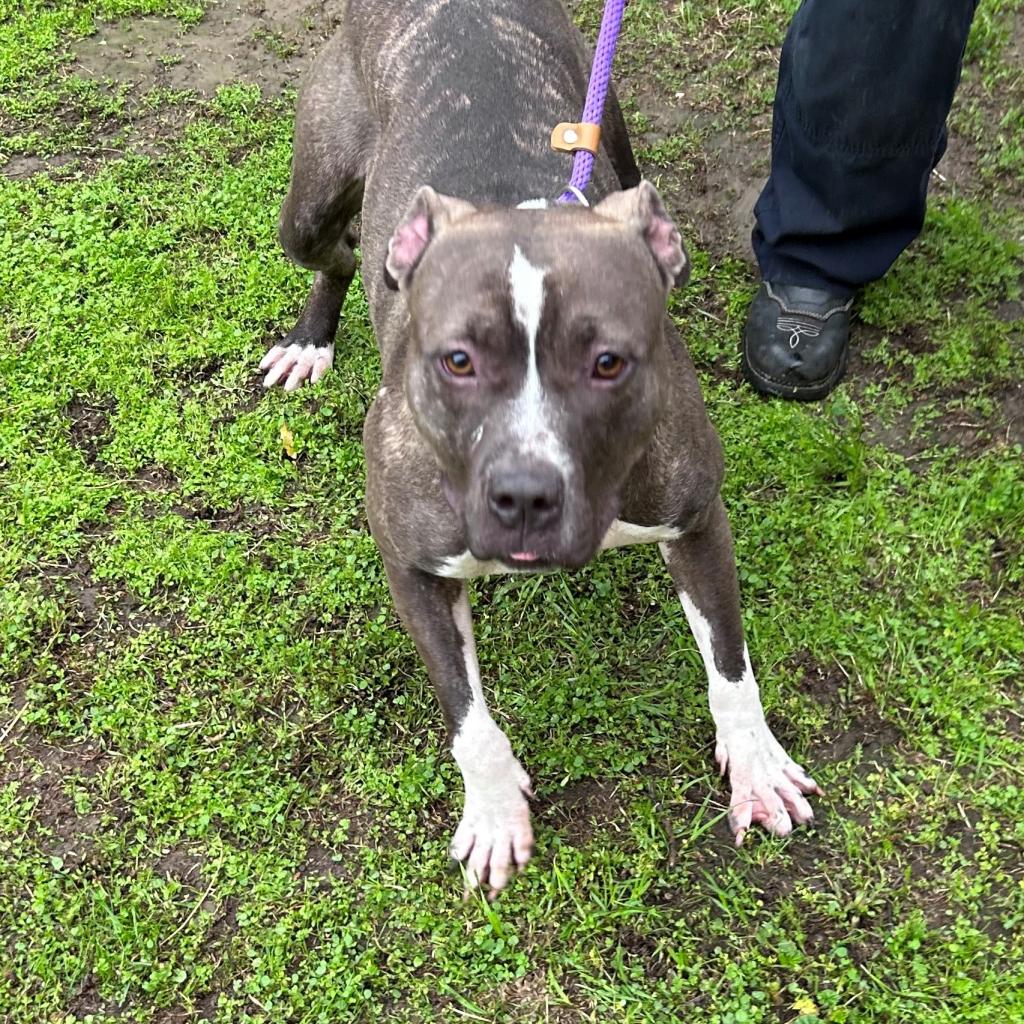
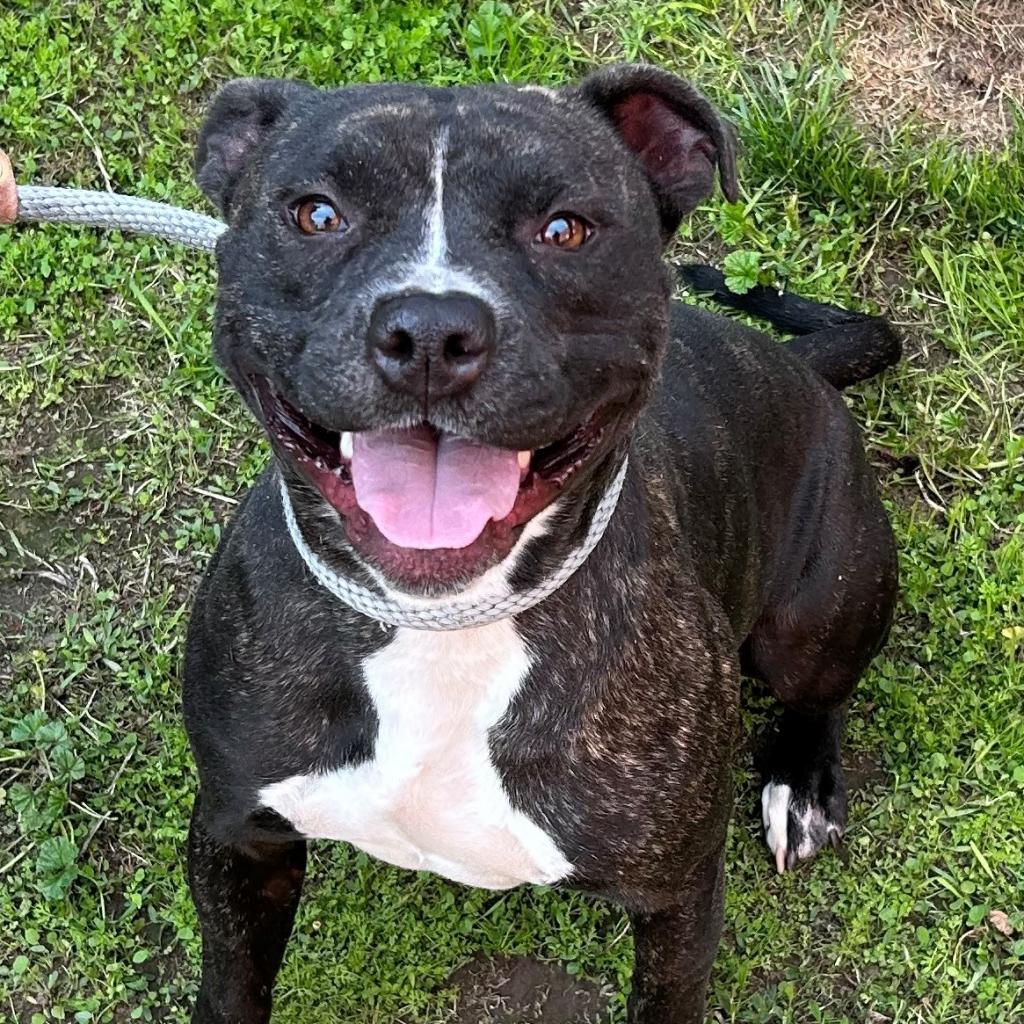
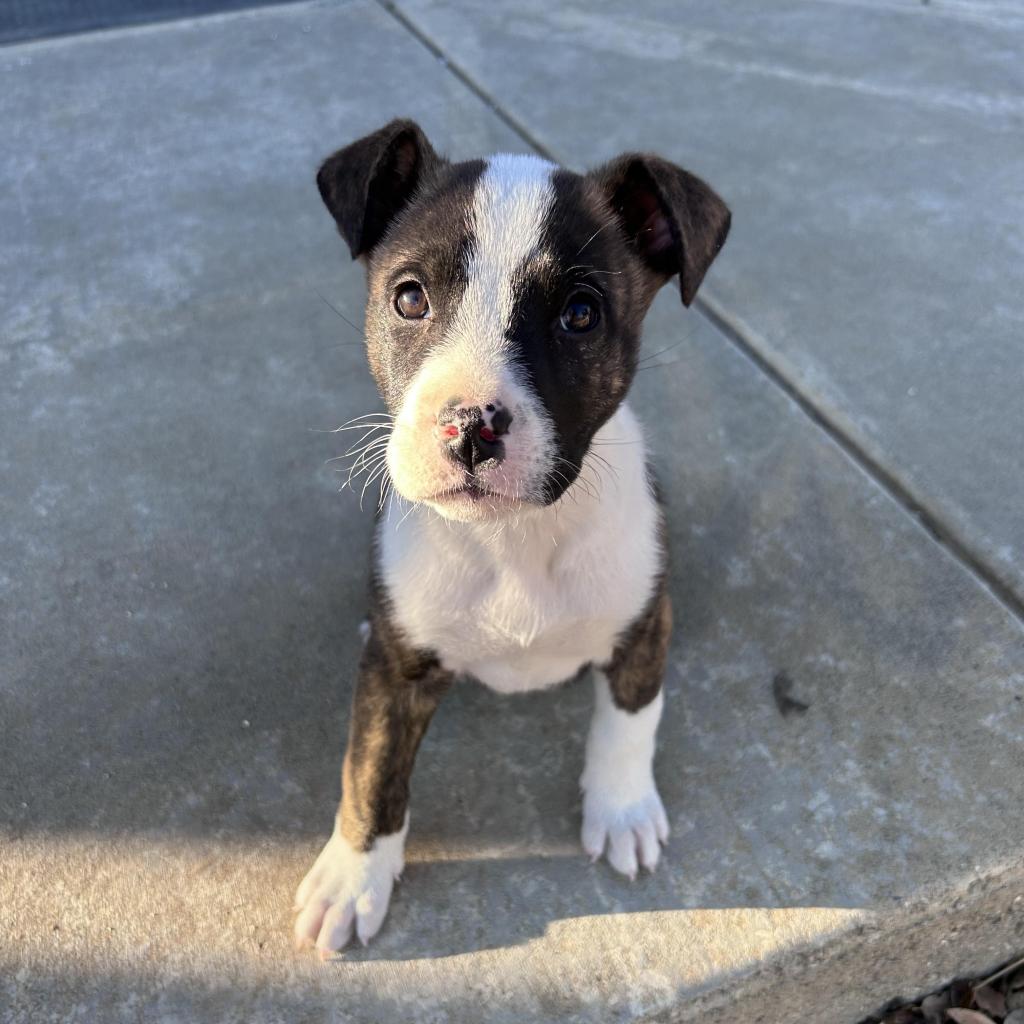
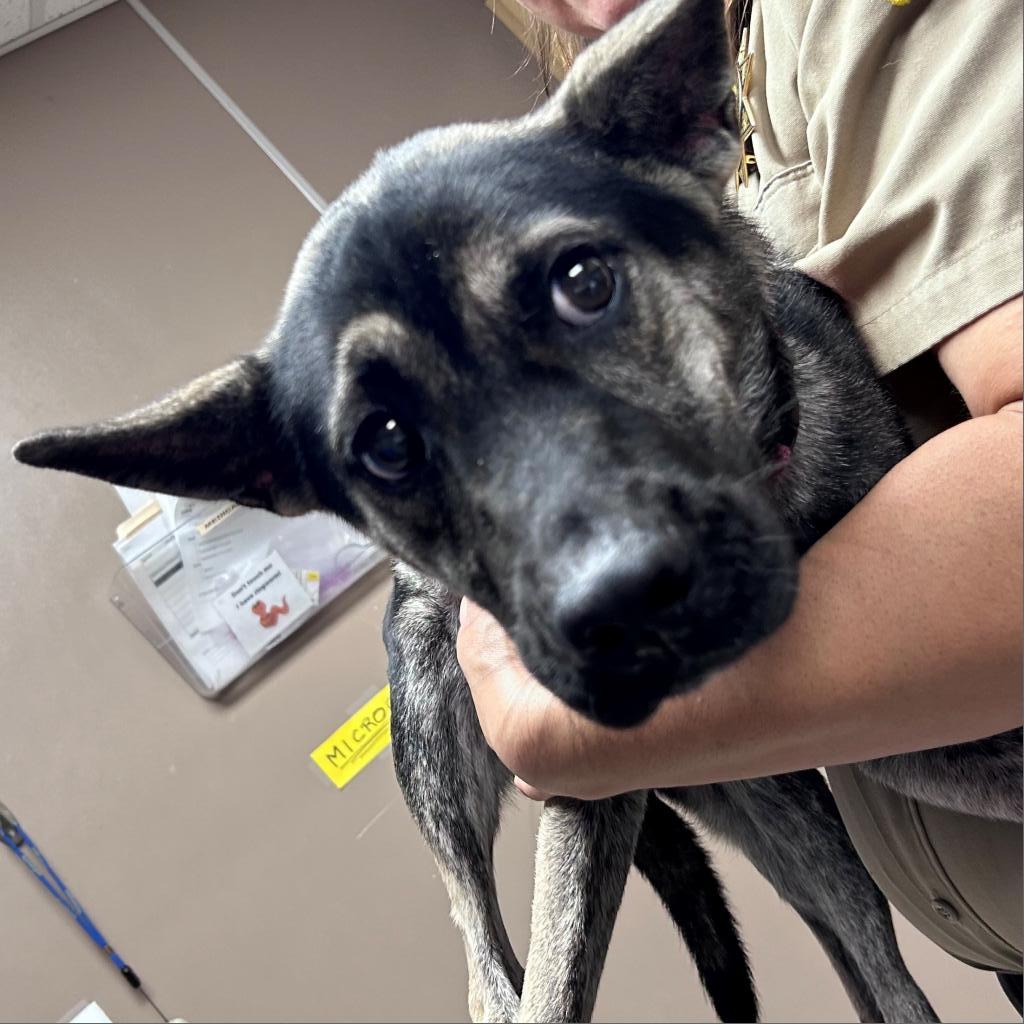
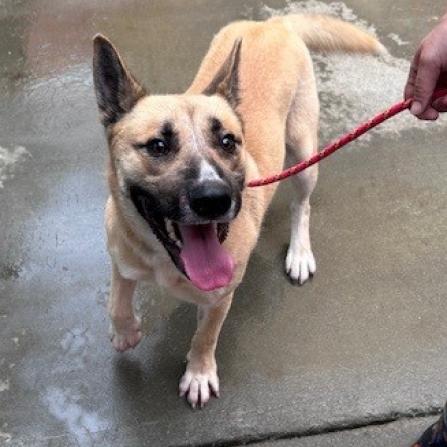
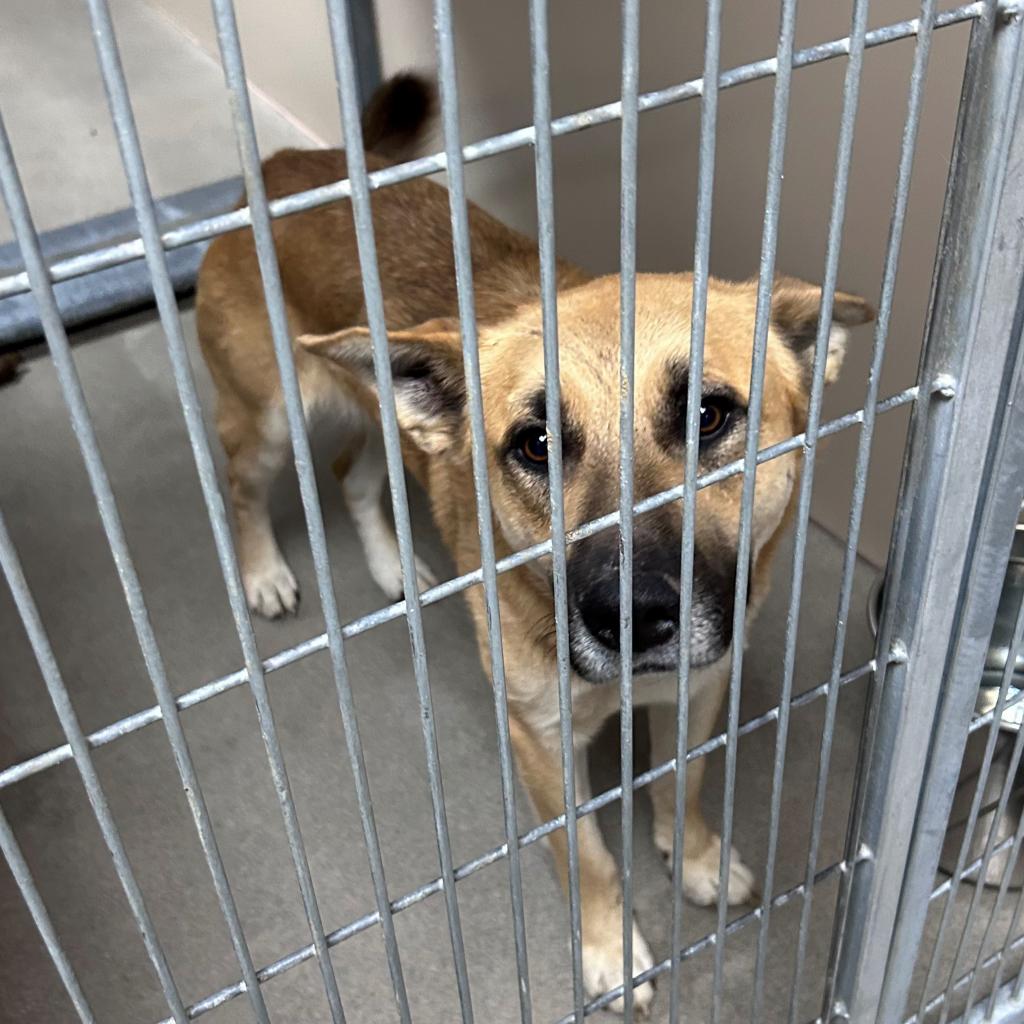
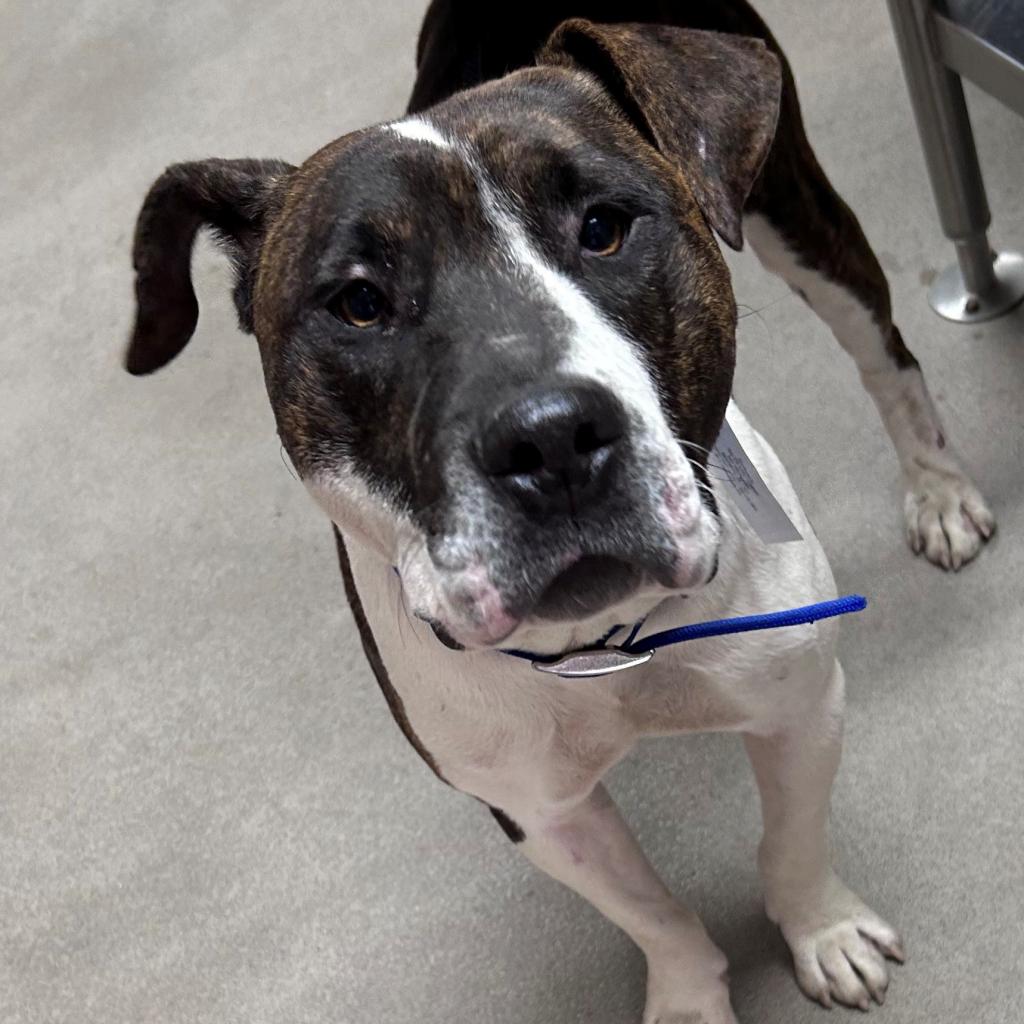
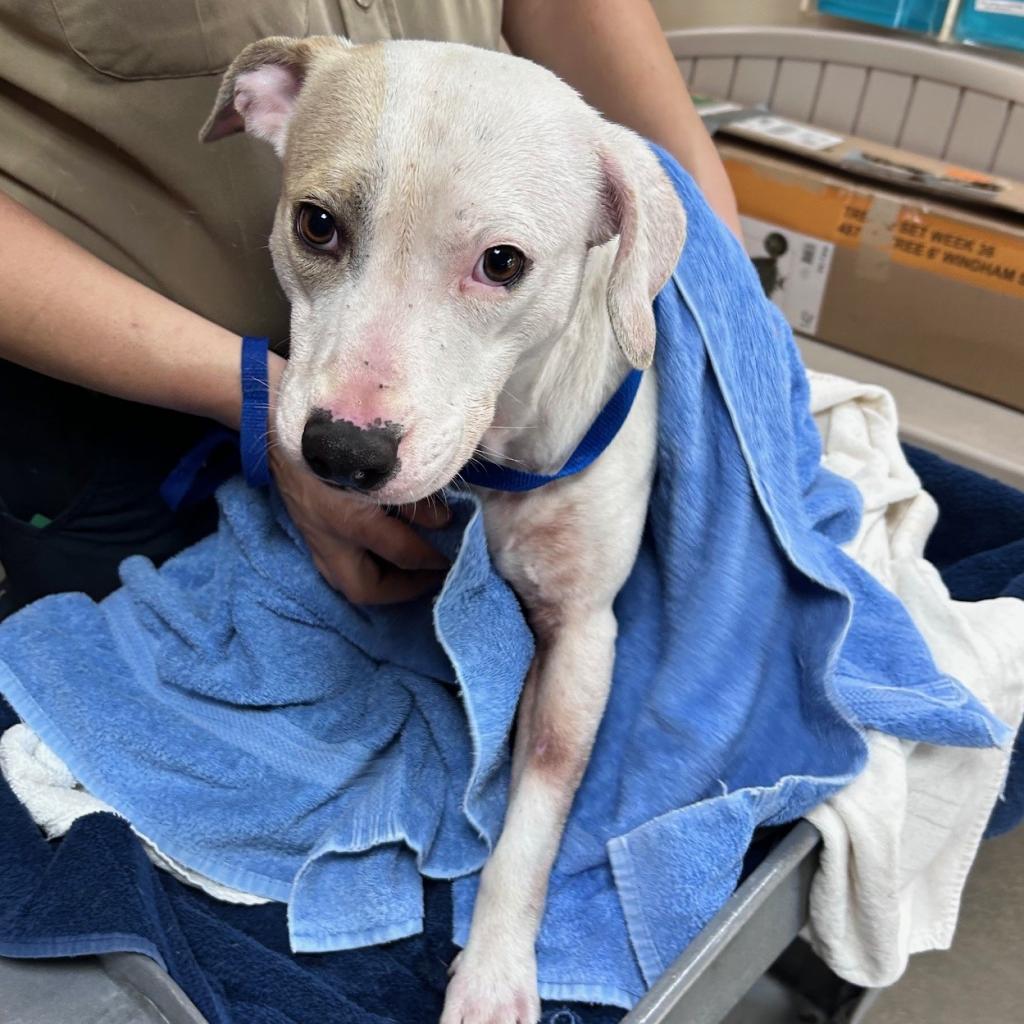
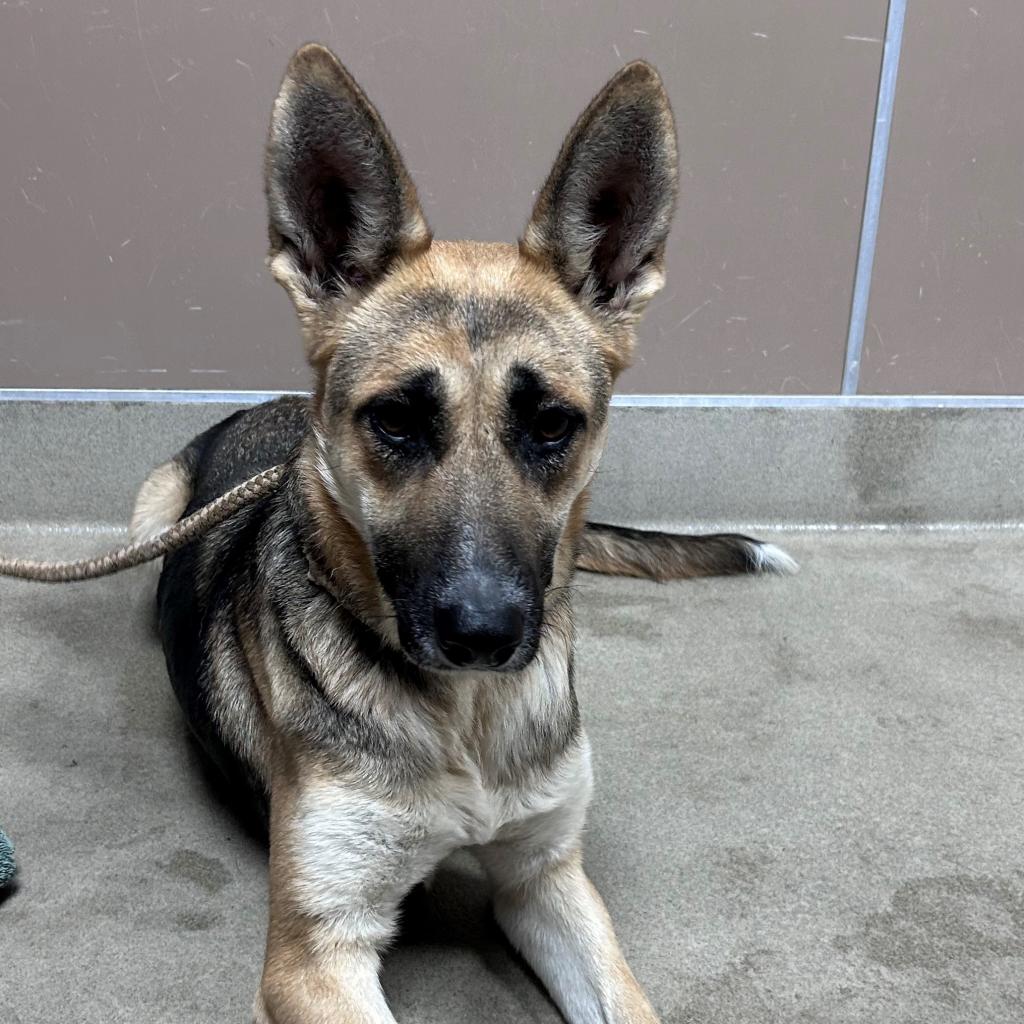
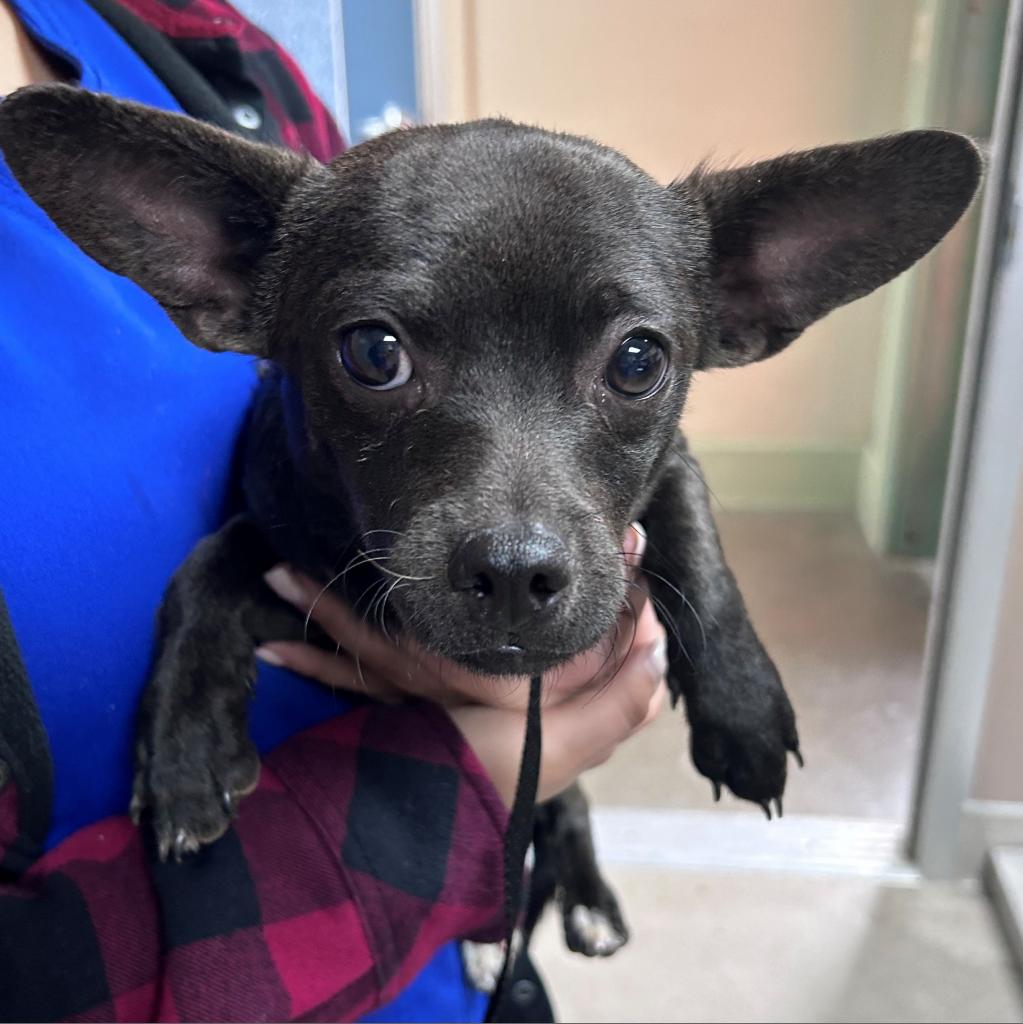
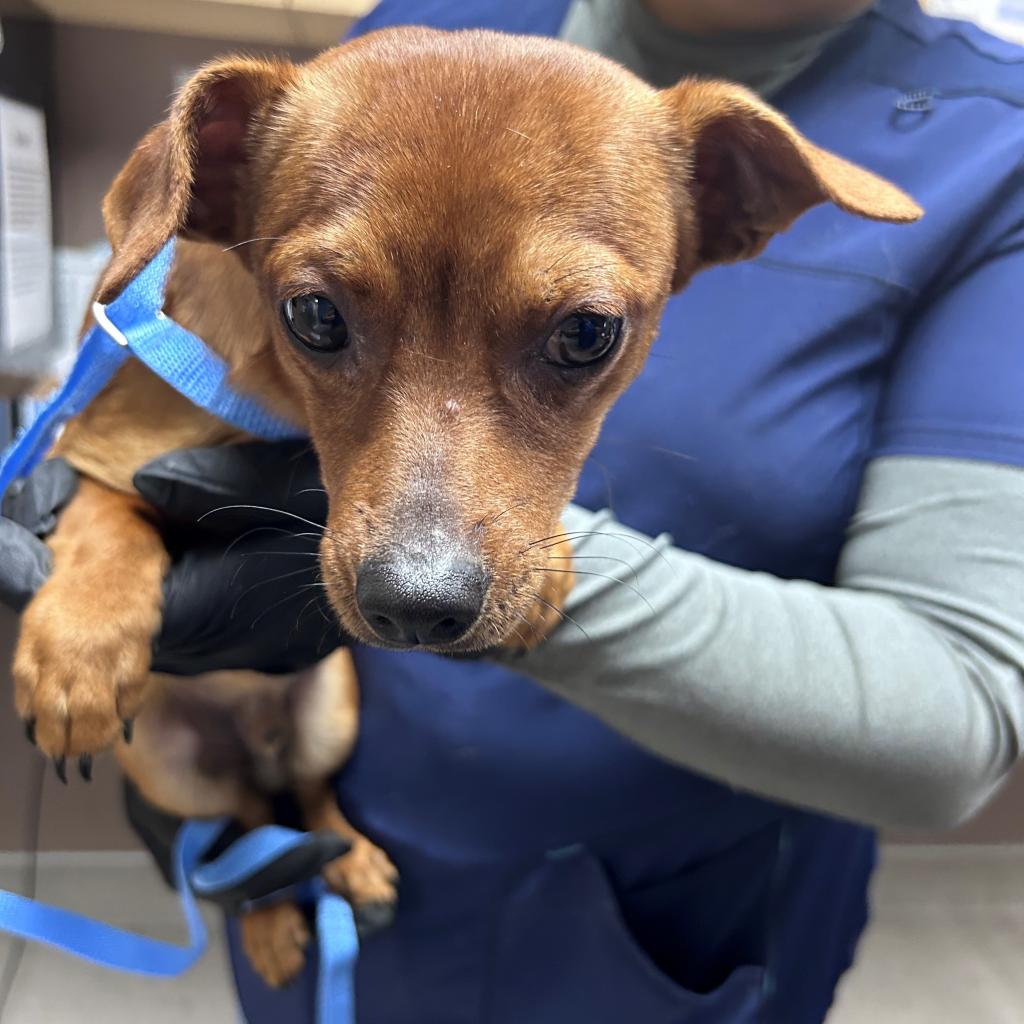
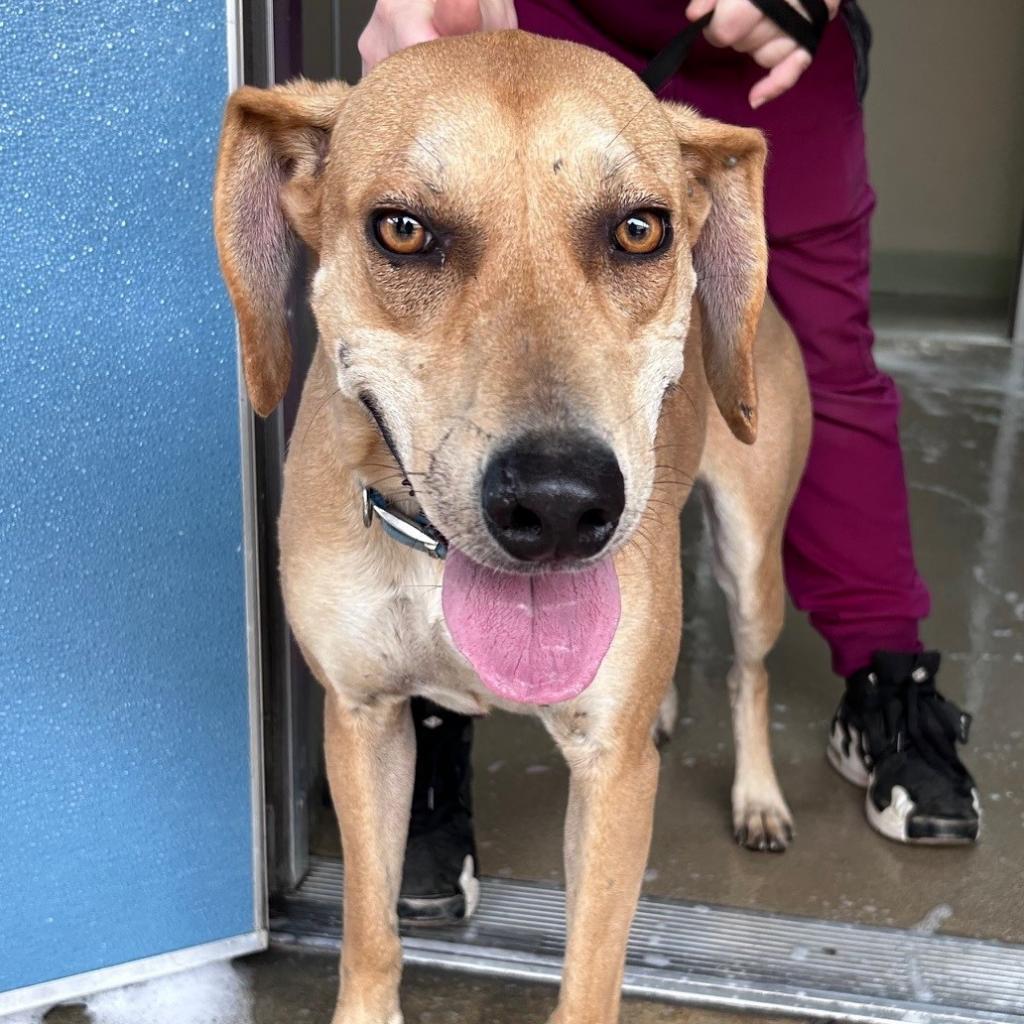
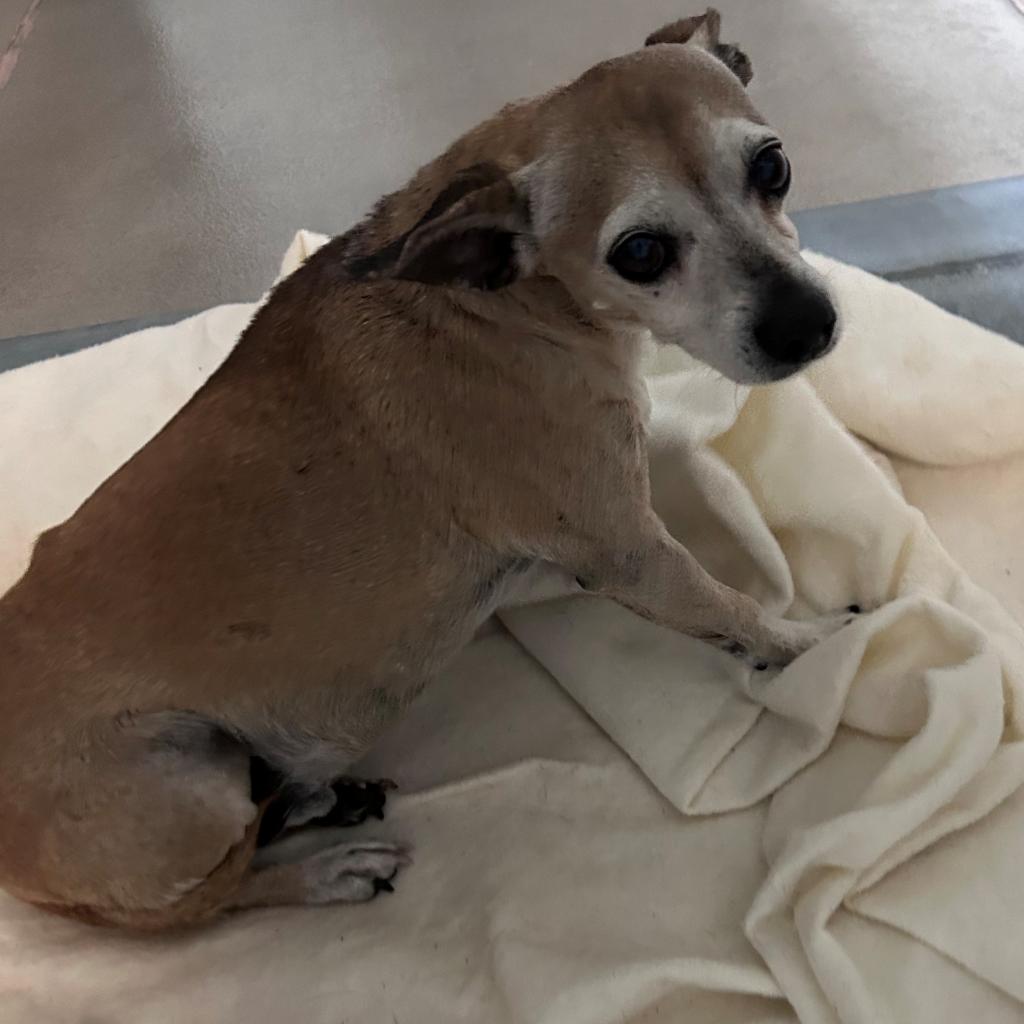
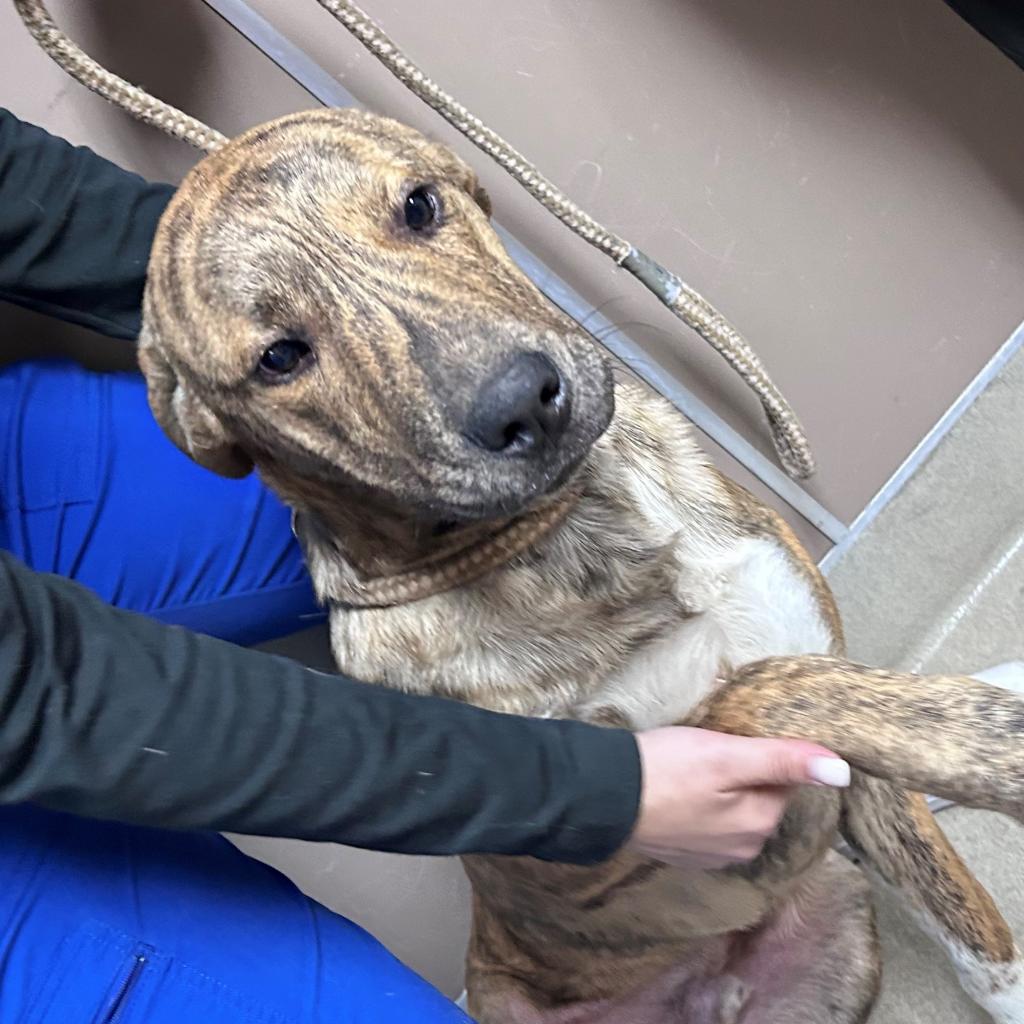
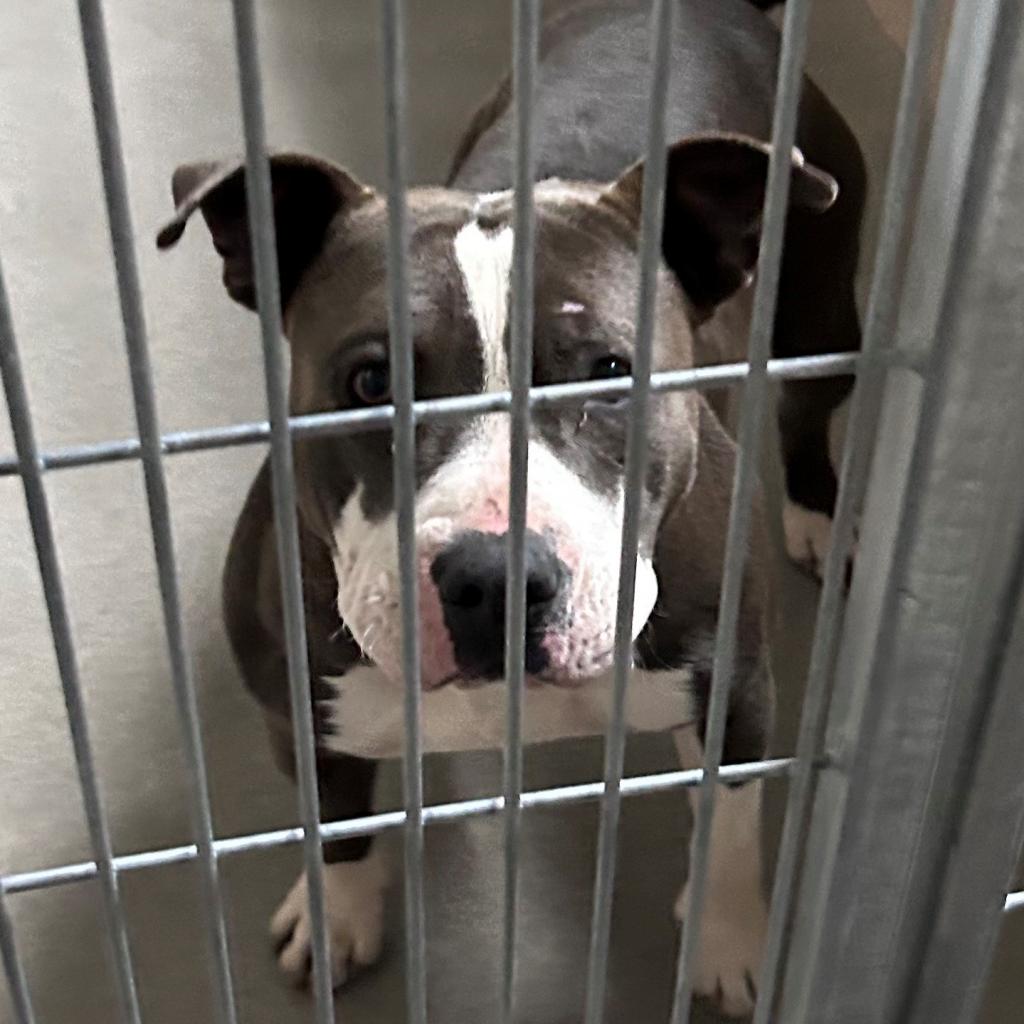
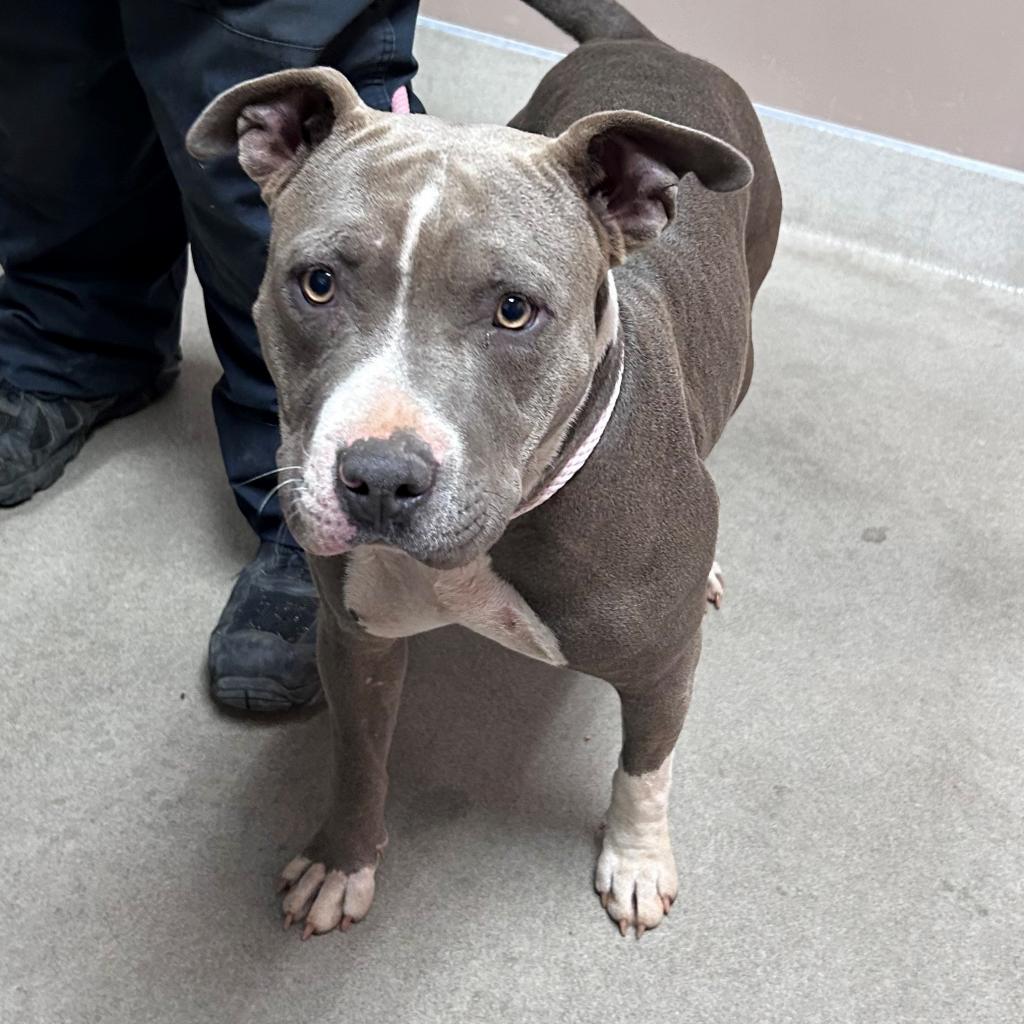
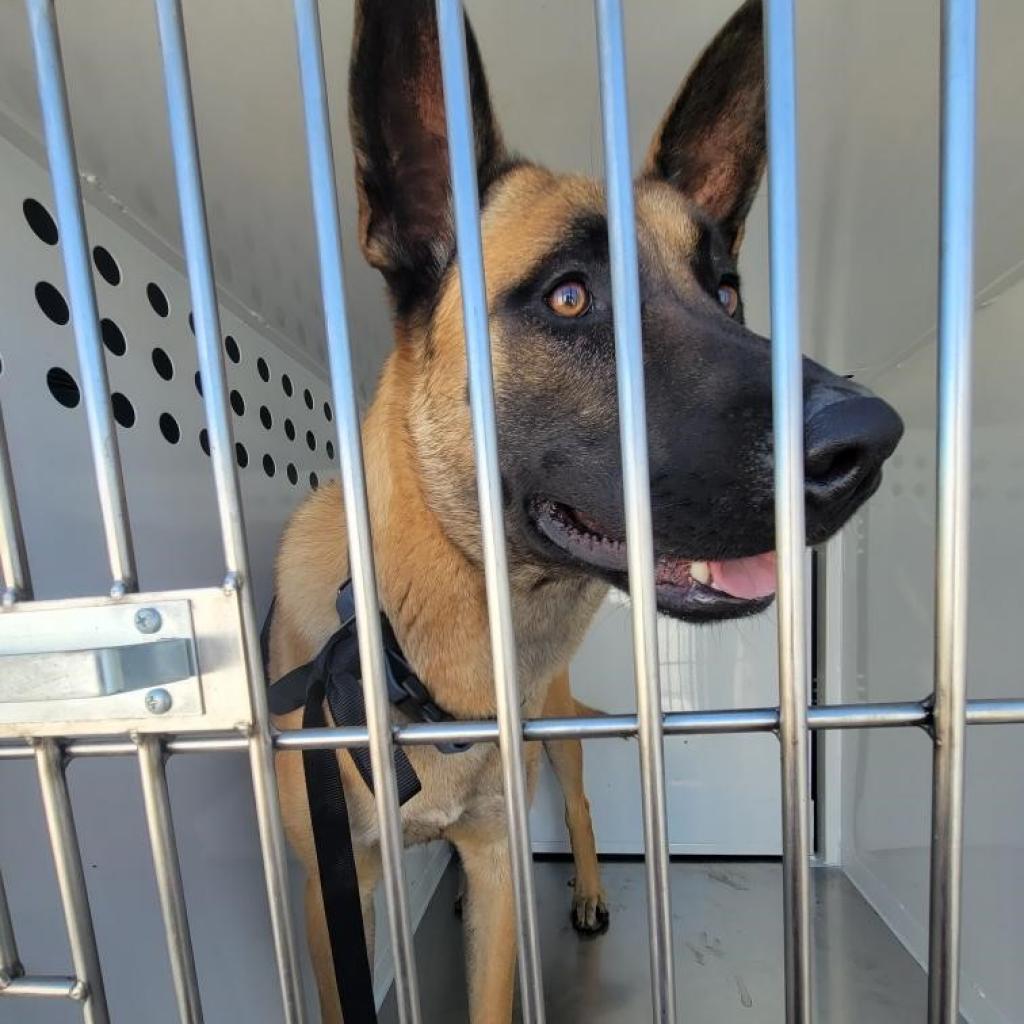
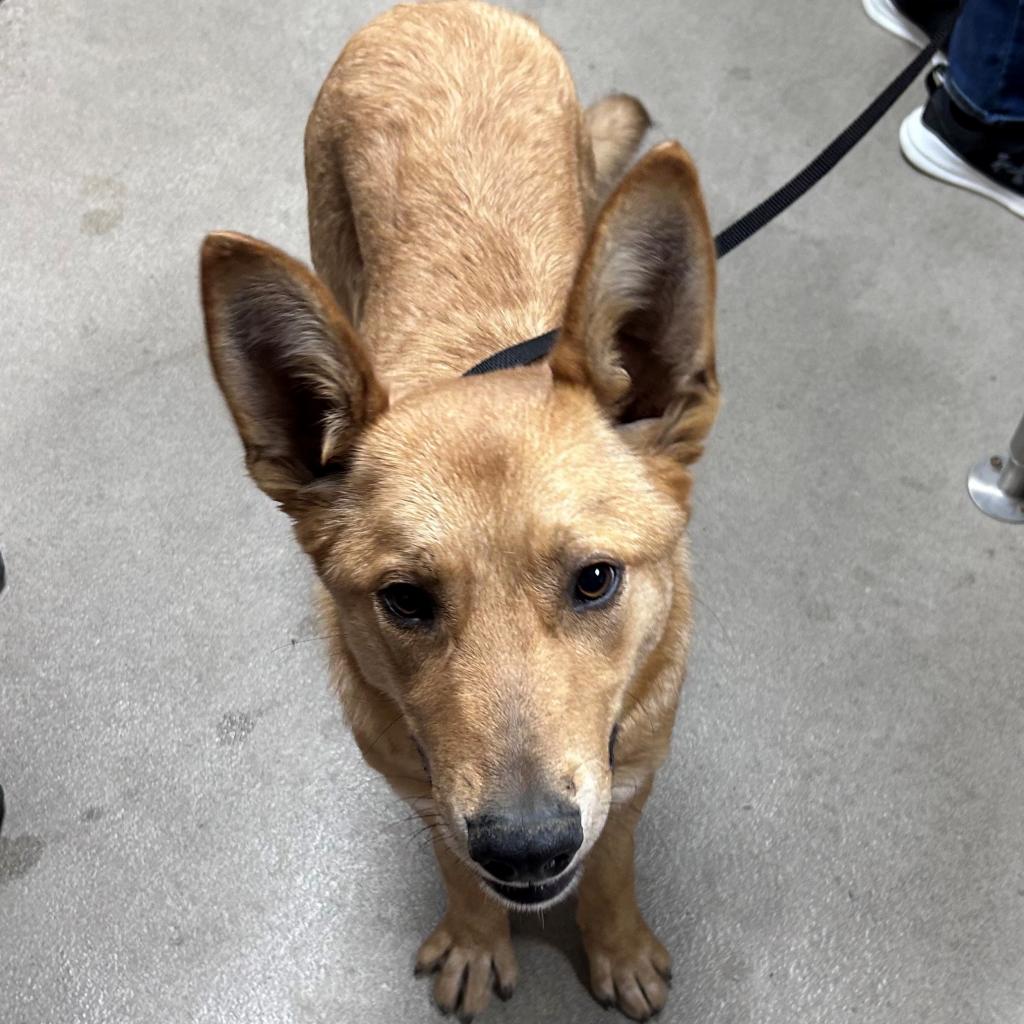
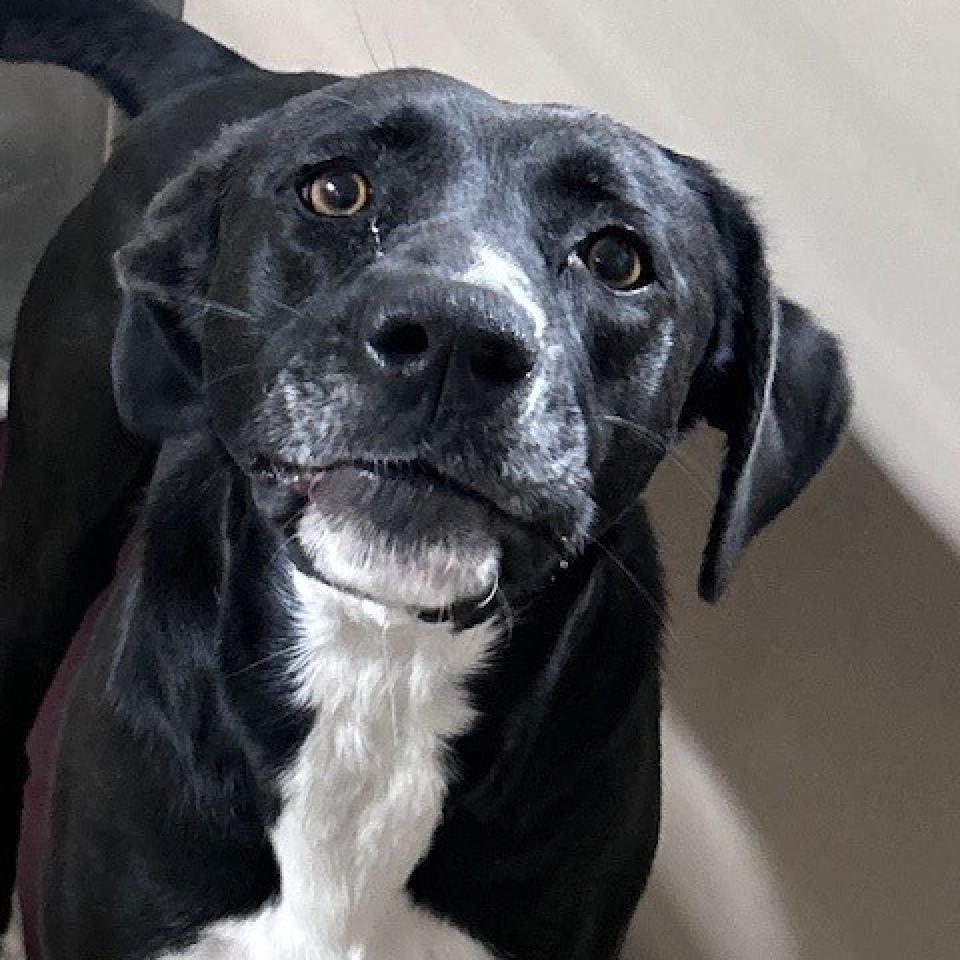
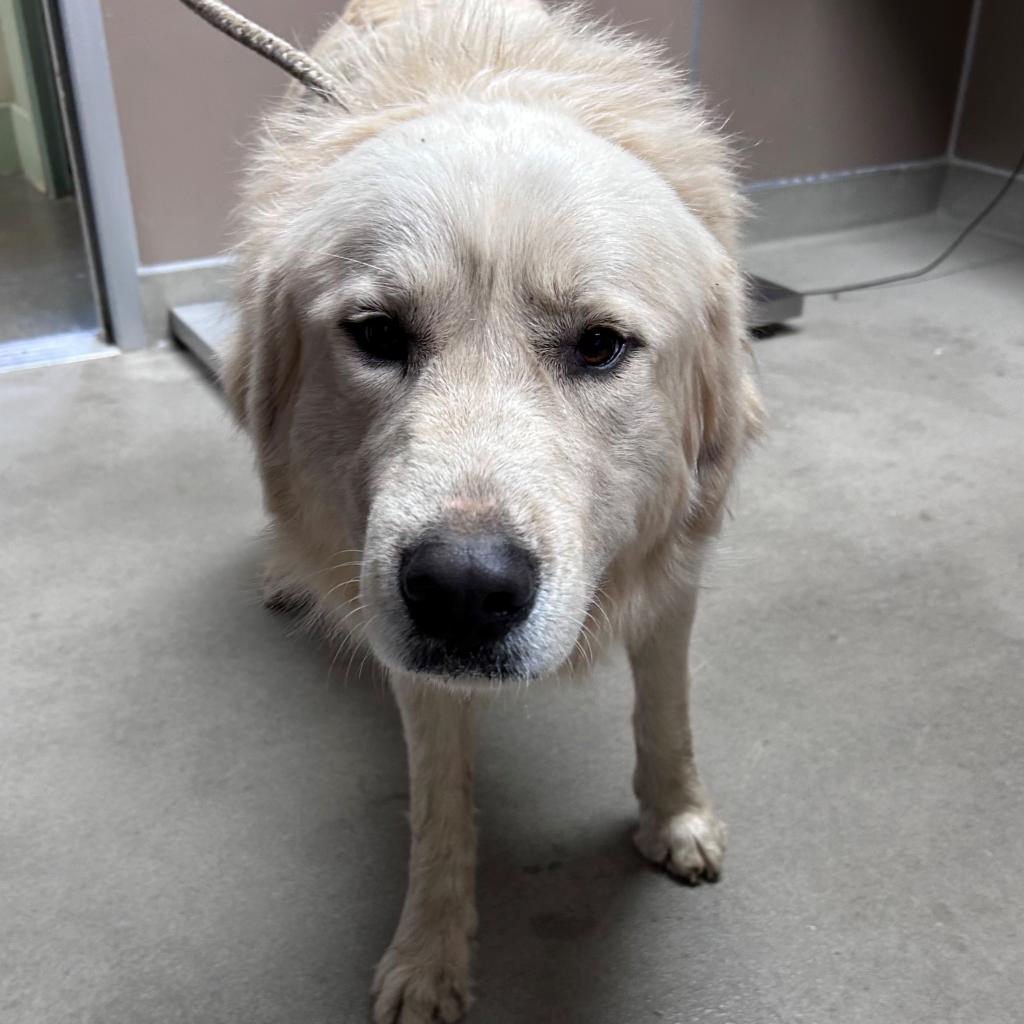
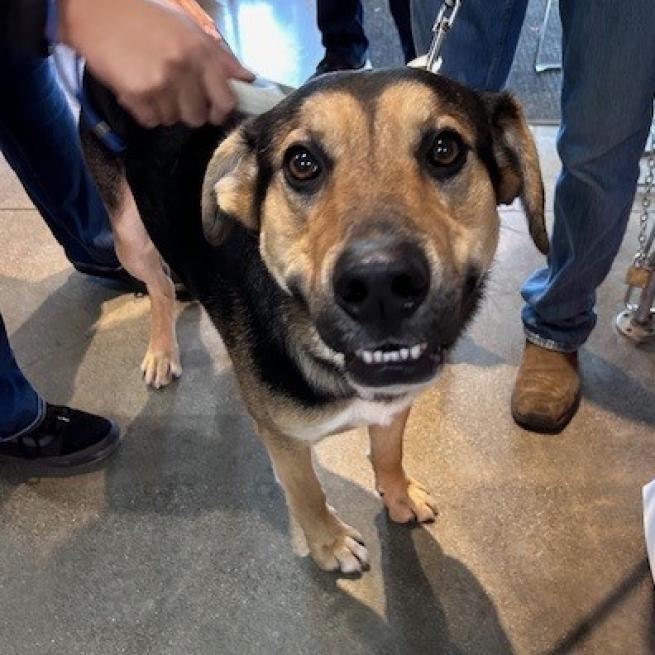
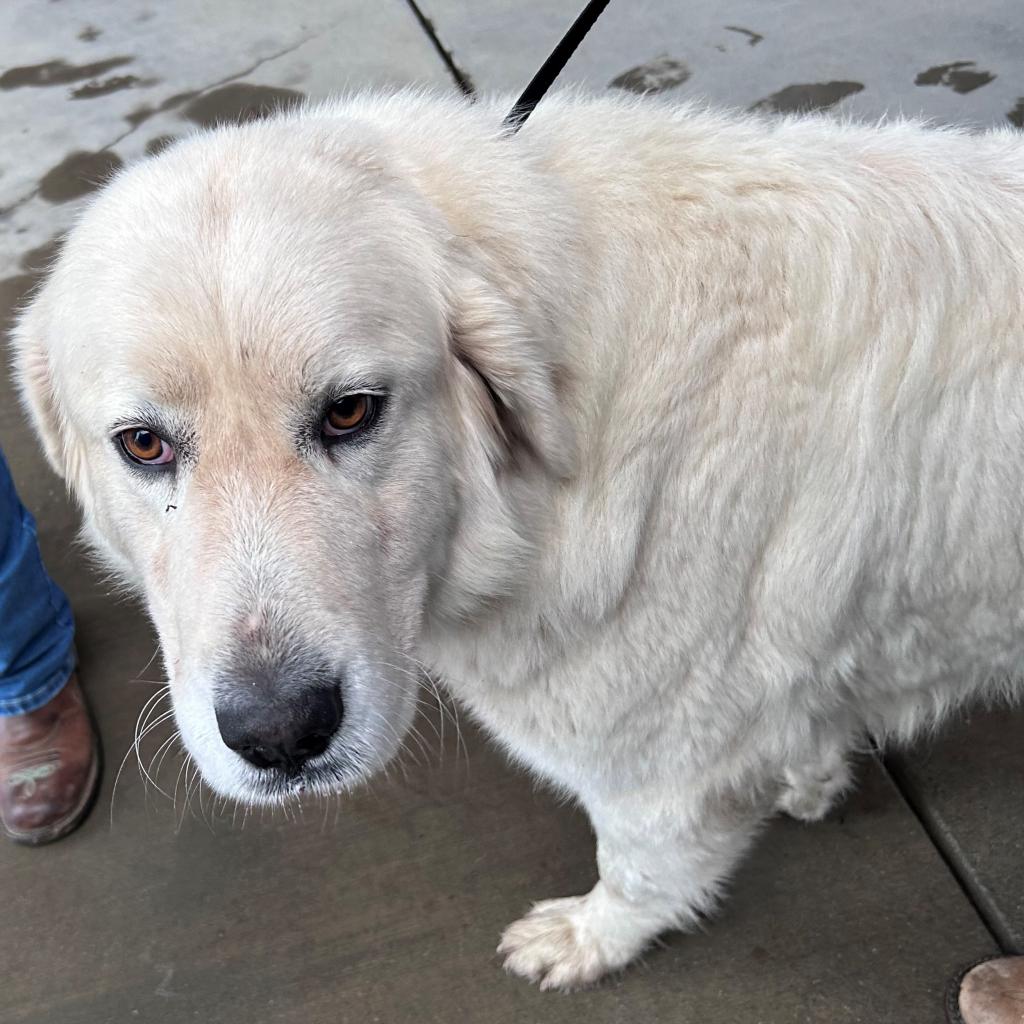
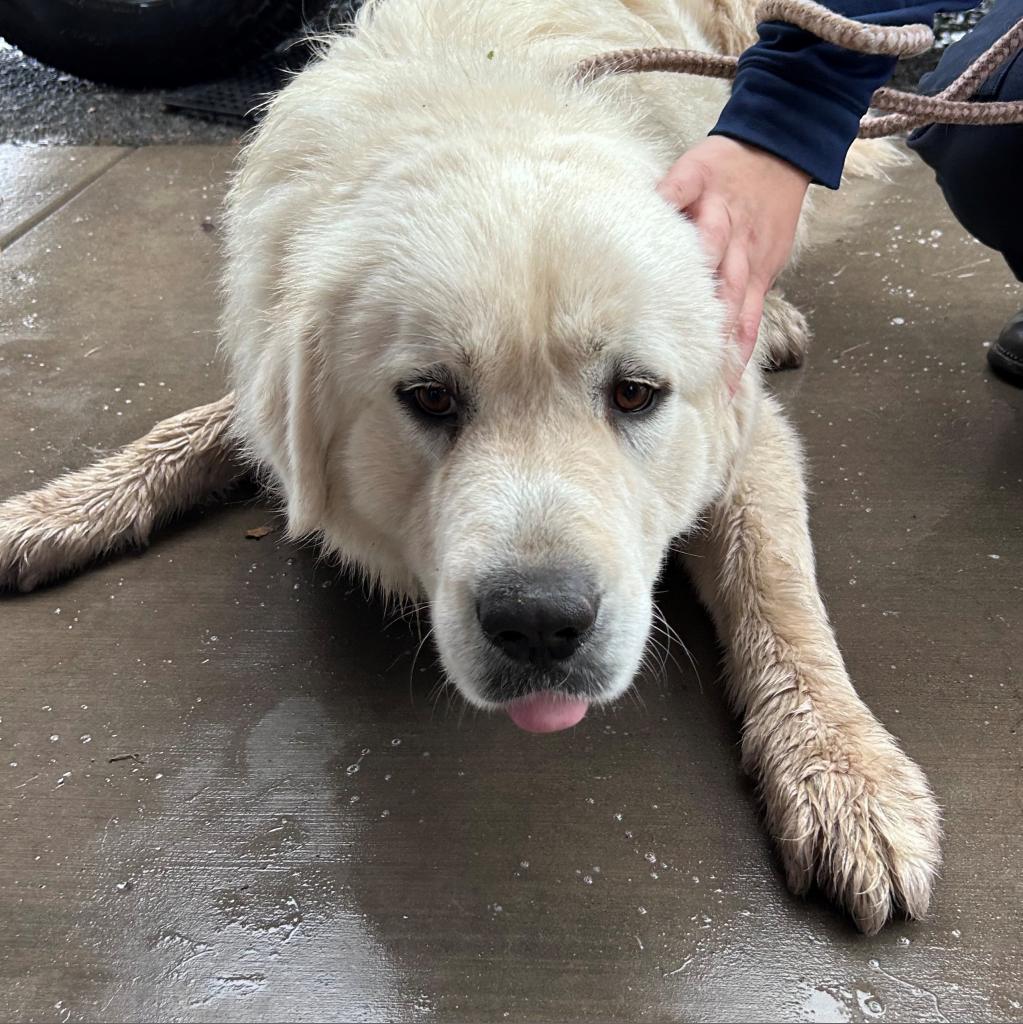
Dogs available for adoption this week include mixes of Chihuahua, German shepherd, Great Pyrenees, hound, Labrador retriever, pit bull and shepherd.
Dogs that are adopted from Lake County Animal Care and Control are either neutered or spayed, microchipped and, if old enough, given a rabies shot and county license before being released to their new owner. License fees do not apply to residents of the cities of Lakeport or Clearlake.
Those dogs and the others shown on this page at the Lake County Animal Care and Control shelter have been cleared for adoption.
Call Lake County Animal Care and Control at 707-263-0278 or visit the shelter online for information on visiting or adopting.
The shelter is located at 4949 Helbush in Lakeport.
Email Elizabeth Larson at







For many years, scientists have predicted that many of the elements that are crucial ingredients for life, like sulfur and nitrogen, first came to Earth when asteroid-type objects carrying them crashed into our planet’s surface.
But new research published by our team in Science Advances suggests that many of these elements, called volatiles, may have existed in the Earth from the beginning, while it formed into a planet.
Volatiles evaporate more readily than other elements. Common examples include carbon, hydrogen and nitrogen, though our research focused on a group called chalcogens. Sulfur, selenium and tellurium are all chalcogens.
Understanding how these volatile elements made it to Earth helps planetary scientists like us better understand Earth’s geologic history, and it could teach us more about the habitability of terrestrial planets beyond Earth.
Why it matters
The popular “late veneer” theory predicts that Earth first formed from materials that are low in volatiles. After the formation of the Earth’s core, the theory says, the planet got volatiles when volatile-rich bodies from the outer solar system hit the surface.
These objects brought around a half a percent of Earth’s mass. If the late veneer theory is right, then most elements that make up life arrived on Earth sometime after the Earth’s core had formed.
But our new research suggests that Earth had all its life-essential volatile elements from the very beginning, during the planet’s formation. These results challenge the late veneer theory and are consistent with another study tracing the origin of water on Earth.
How we did our work
To study the origin of volatiles in the Earth, we used a computational technique called first-principles calculation. This technique describes the behaviors of isotopes, which are atoms of an element that have varying numbers of neutrons. You can think of an element as a family – every atom has the same number of protons, but different isotope cousins have different numbers of neutrons.
Different isotopes behaved slightly differently during each stage of Earth’s formation. And the isotopes left behind a signature after each formation stage that scientists can use as a kind of fingerprint to track where they were throughout Earth’s formation.
First-principles calculation allowed us to calculate what isotope signatures we’d expect to see for different chalcogens, depending on how the Earth formed. We ran a few models and compared our isotope predictions for each model with the actual measurements of chalcogen isotopes on Earth.
We found that while many volatiles evaporated during Earth’s formation, when it was hot and glowing, many more are still left over today. Our findings suggest that most of the volatiles on Earth now are likely left over from the early stage of Earth’s formation.
What’s next
While chalcogens are interesting to study, future research should look at other critical-for-life volatiles, like nitrogen. And more research into how these volatiles behave under extreme conditions could help us know more about how isotopes were behaving during each of the growth stages of Earth’s formation.
We also hope to use this approach to see whether some exoplanets – planets beyond our solar system – could be habitable to life.
The Research Brief is a short take about interesting academic work.
Shichun Huang, Associate Professor of Earth and Planetary Sciences, University of Tennessee and Wenzhong Wang, Professor of Planetary Science, University of Science and Technology of China
This article is republished from The Conversation under a Creative Commons license. Read the original article.