 How to resolve AdBlock issue?
News
- Details
- Written by: Jennie L. Durant, University of California, Davis
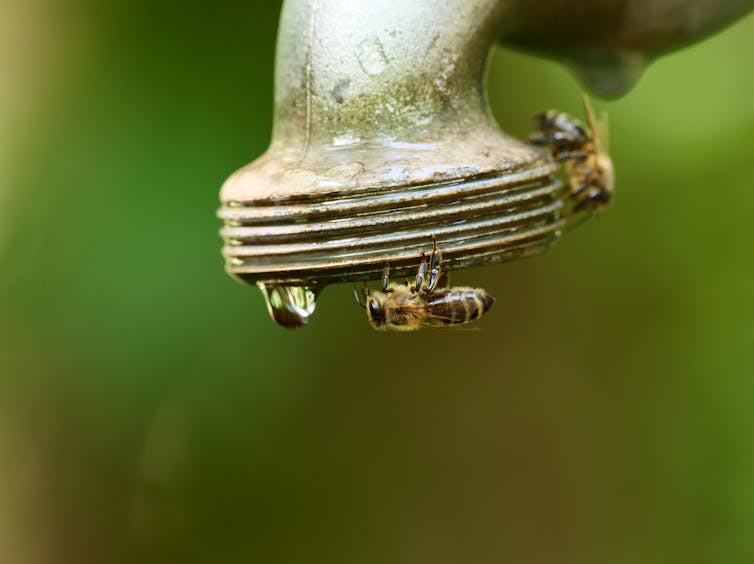
The extreme weather that has battered much of the U.S. in 2022 doesn’t just affect humans. Heat waves, wildfires, droughts and storms also threaten many wild species – including some that already face other stresses.
I’ve been researching bee health for over 10 years, with a focus on honey bees. In 2021, I began hearing for the first time from beekeepers about how extreme drought and rainfall were affecting bee colony health.
Drought conditions in the western U.S. in 2021 dried up bee forage – the floral nectar and pollen that bees need to produce honey and stay healthy. And extreme rain in the Northeast limited the hours that bees could fly for forage.
In both cases, managed colonies – hives that humans keep for honey production or commercial pollination – were starving. Beekeepers had to feed their bees more supplements of sugar water and pollen than they usually would to keep their colonies alive. Some beekeepers who had been in business for decades shared that they lost 50% to 70% of their colonies over the winter of 2021-2022.
These weather conditions likely also affected wild and native bees. And unlike managed colonies, these important species did not receive supplements to buffer them through harsh conditions.
Each year, the U.S. Department of Agriculture and the Environmental Protection Agency host federal pollinator experts to share the latest scientific findings on bee and pollinator health, and assess the status of these important insects, birds, bats and other species. One clear takeaway from this year’s meeting was that climate change has become a new and formidable stressor for bees, potentially amplifying previously known issues in ways that scientists can’t yet predict but need to prepare for.
The scourge of Varroa mites
Pollinators contribute an estimated US$235 billion to $577 billion yearly to global agriculture, based on the value of the crops they pollinate. Understanding and mitigating the impacts of climate change on pollinators is key for supporting healthy ecosystems and sustainable agriculture.
Bee health first attracted widespread attention in 2006 with the emergence of Colony Collapse Disorder, a phenomenon where the majority of adult worker bees in a colony disappeared, leaving their honey and pollen stores and some nurse bees behind to care for the queen and remaining immature bees. In the past five years, reported cases have declined substantially. Now, researchers are focusing on what beekeepers call the “four Ps”: parasites, pathogens, pesticides and poor nutrition, as well as habitat loss for wild and native bees.
One of the most severe threats to honey bees over the past several decades has been Varroa destructor, a crablike parasitic mite that feeds on honey bees’ fat body tissue. The fat body is a nutrient-dense organ that functions much like the liver in mammals. It helps bees maintain a strong immune system, metabolize pesticides and survive through the winter.
These are vital functions, so controlling mite infestations is essential for bee health. Varroa can also transmit deadly pathogens to honey bees, such as deformed wing virus.
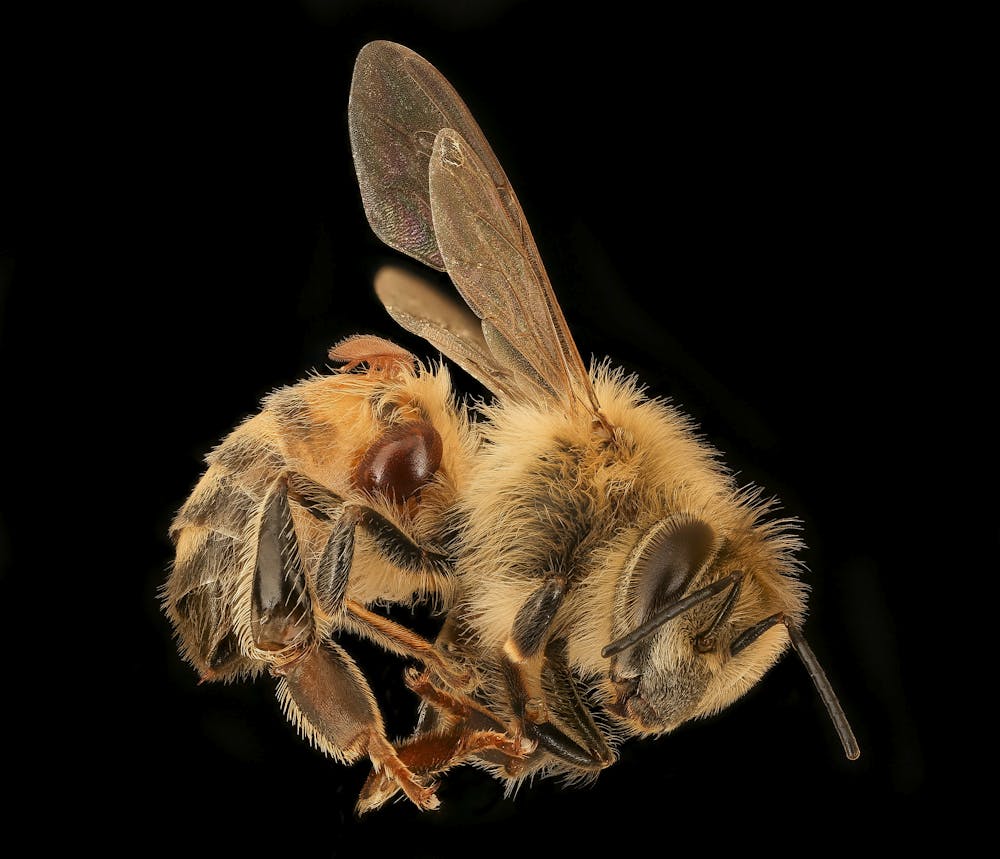
Controlling mite populations is challenging. It requires using an insecticide in an insect colony, or as beekeepers say, “trying to kill a bug on a bug.” It’s hard to find a formula strong enough to kill mites without harming the bees.
Monitoring Varroa takes significant skill and labor, and mites can build up resistance to treatments over time. Researchers and beekeepers are working hard to breed Varroa-resistant bees, but mites continue to plague the industry.
Pesticide microdoses
Pesticides also harm bees, particularly products that cause sublethal or chronic bee health issues. Sublethal pesticide exposures can make bees less able to gather forage, grow healthy larvae and fight off viruses and mites.
However, it can be hard to document and understand sublethal toxicity. Many factors affect how bees react to agrochemicals, including whether they are exposed as larvae or as adult bees, the mixture of chemicals bees are exposed to, the weather at the time of application and how healthy a bee colony is pre-exposure.
Researchers are also working to understand how soil pesticides affect ground-nesting wild bees, which represent over 70% of the U.S. native bee population.

Junk food diets
Like many other species, bees are losing the habitat and food sources that they depend on. This is happening for many reasons.
For example, uncultivated lands are being converted to farmland or developed worldwide. Large-scale agriculture focuses on mass production of a few commodity crops, which reduces the amount of nesting habitat and forage available for bees.
And many farmers often remove pollinator-friendly plants and shrubs that grow around farm lands to reduce the risk of attracting animals such as deer and rodents, which could spread pathogens that cause foodborne illness. Research suggests that these efforts harm beneficial insects and don’t increase food safety.
As diverse and healthy bee forage disappears, beekeepers feed their bees more supplements, such as sugar water and pollen substitutes, which are not as nutritious as the nectar and pollen bees get from flowers.
Climate change is a force multiplier
Researchers don’t know exactly how climate change will affect bee health. But they suspect it will add to existing stresses.
For example, if pest pressures mount for farmers, bees will be exposed to more pesticides. Extreme rainfall can disrupt bees’ foraging patterns. Wildfires and floods may destroy bee habitat and food sources. Drought may also reduce available forage and discourage land managers from planting new areas for bees as water becomes less readily available.
Climate change could also increase the spread of Varroa and other pathogens. Warmer fall and winter temperatures extend the period when bees forage. Varroa travel on foraging bees, so longer foraging provides a larger time window for mites and the viruses they carry to spread among colonies. Higher mite populations on bee colonies heading into winter will likely cripple colony health and increase winter losses.
Studies have already shown that climate change is disrupting seasonal connections between bees and flowers. As spring arrives earlier in the year, flowers bloom earlier or in different regions, but bees may not be present to feed on them. Even if flowers bloom at their usual times and locations, they may produce less-nutritious pollen and nectar under extreme weather conditions.
Research that analyzes the nutritional profiles of bee forage plants and how they change under different climate scenarios will help land managers plant climate-resilient plants for different regions.
Creating safe bee spaces
There are many ways to support bees and pollinators. Planting pollinator gardens with regional plants that bloom throughout the year can provide much-needed forage.
Ground-nesting native bees need patches of exposed and undisturbed soil, free of mulch or other ground covers. Gardeners can clear some ground in a sunny, well-drained area to create dedicated spaces for bees to dig nests.
Another important step is using integrated pest management, a land management approach that minimizes the use of chemical pesticides. And anyone who wants to help monitor native bees can join community science projects and use phone apps to submit data.
Most importantly, educating people and communities about bees and their importance to our food system can help create a more pollinator-friendly world.
Jennie L. Durant, Research Affiliate in Human Ecology, University of California, Davis
This article is republished from The Conversation under a Creative Commons license. Read the original article.
- Details
- Written by: Angela De Palma-Dow
The lake is always green and there is so much algae, it’s everywhere. We are visiting another lake this weekend, will there be algae there too? How do we find out?
— Asking about algae
Dear Asking,
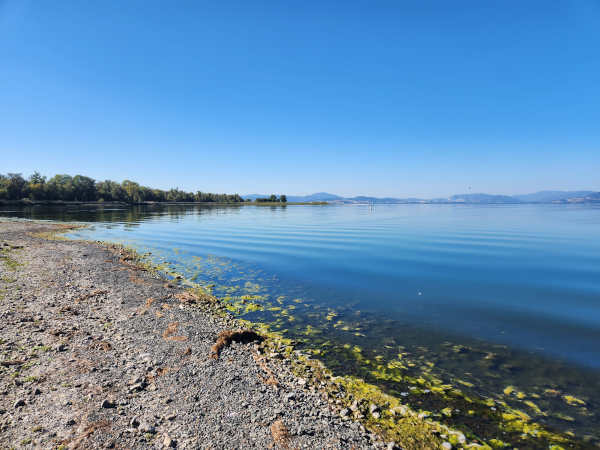
Thank you for asking this question, it’s timely and very important! There is also a lot of confusion around “algae” and what is commonly mistaken for algae. What you are probably concerned about is actually cyanobacteria. However, what you are noticing about your lake happens every summer, and not just in Clear Lake, but in other places around the state, around the Country, and around the world.
Now it’s important to recognize that algae is not cyanobacteria, and cyanobacteria is not algae. They may look similar to us standing on the beach or a boat, but they actually originate in different biological kingdoms. Cyanobacteria are as different to green algae as a mushroom is to a horse — they are not similar at all! They just happen to inhabit the same space — water.
Cyanobacteria belong in the Bacteria/Monera kingdom and green algae, or phytoplankton, belong in the protozoa kingdom.
For more information on the biological kingdoms and why algae and cyanobacteria are separated into different kingdoms, I recommend the Wikipedia page on Kingdoms. This page really does a good job discussing what is classified in each kingdom and some of the history of classification.
Before we go on, let’s review a few things.
Clear Lake is full of life, so it’s important for us to understand all that lives in the lake for us to understand what we are concerned about and what potential solutions are, and what their impacts might be on all things in the lake.
One: aquatic plants (or macrophytes) grow in the water, some are rooted in the lake sediments at the bottom and some are not rooted, and are free-floating.
Two: Green algae are microscopic plants (sometimes called phytoplankton) that are the primary fish food in the lake. Clear Lake is very green - that is from the green algae and that is why we have a world class fishery and people come from all over to catch record-sized fish living in the lake. The phytoplankton, or green algae is why Clear Lake is called “A Living Lake” as the productive green algae can sustain abundant life. In contrast, Lake Tahoe does not produce that much green algae because it is cold and dark, and does not have a work class fishery or as much life as Clear Lake.
For more information on Algae in Clear Lake, visit the “County of Lake Algae in Clear Lake” webpage.
Three: Cyanobacteria, which are sometimes called blue-green algae, are not really algae, but bacteria that live in the water alongside green algae. Cyanobacteria is also the culprit behind the “Harmful Algal Blooms, or HABs” colloquial. Cyanobacteria is NOT a preferred food source for fish. Sometimes when cyanobacteria populations grow in great numbers (called blooms) they can produce toxins that can cause public health hazards (hence their reference as Harmful Algal Blooms or HABs).
For more information about cyanobacteria, visit the “County of Lake Cyanobacteria” webpage.
So when someone states that they want to get rid of all the algae, that is usually not what they mean. The green algae is really, really important for our lake’s food web. It's the base of the food web and if it was all removed, we would see the collapse of the entire food web. From fish, otters, to birds, to all the living things that depend on green algae feeding fish. We would also see the elimination of our world class fishery.
Macrophytes, algae, and cyanobacteria all conduct photosynthesis, meaning they turn sunlight energy and carbon in the air into both oxygen and food energy or starch to grow. For macrophytes, algae, and cyanobacteria, the three main nutrients they rely on for growth are carbon, nitrogen and phosphorus.
Carbon and nitrogen are very abundant in the atmosphere and water, carbon in the form of CO2 and nitrogen in the form of N2 (gas) and any animal or plant waste or breakdown product in the water.
Phosphorus is least common, therefore phosphorus is the main driver of growth, because it’s normally least available, so it’s what limits growth of macrophytes, algae, and cyanobacteria. It’s not surprising that in Clear Lake, there is abundant light, warm temperature, and plentiful food nutrients. When the lake has excess phosphorus, we get excess growth of plants, algae, and cyanobacteria.
For more detailed information about Cyanobacteria in Clear Lake, refer to my first Lake of the Lake column from July 11,2021, “Concerned about Cyanobacteria in Soda Bay.”
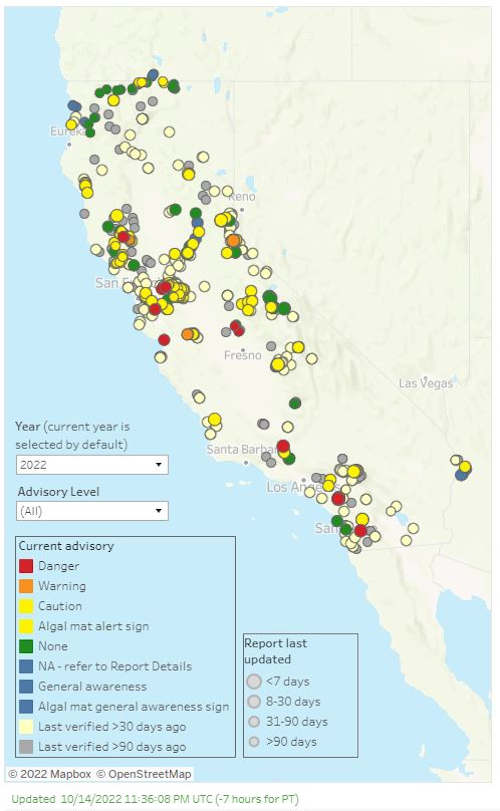
For Clear Lake, there is a comprehensive cyanobacteria monitoring program managed by Big Valley EPA and other tribal partners. They have a website with most recent monitoring data posted. They sample about 20 sites every two weeks in the summer and every month in the winter. Results are also posted on the Facebook page called “Clear Lake Water Quality”. Red pins mean DANGER levels have been found and it’s recommended to not go into the water in that area. Orange pins mean WARNING, and yellow mean CAUTION. Green pins mean no cyanobacteria toxins have been detected in the sampled water from that area.
Cyanobacteria is not just a Clear Lake problem
As conditions around the country and the world change, cyanobacteria blooms are becoming more prevalent. Monitoring and reporting is also more widespread across the state and country. For example, here in California HABS data can be reported and shared on the My Water Quality HABS portal as part of the California Water Quality Monitoring Council.
On the California HABs portal is a link to a HAB Incident Reports Map, which provides data on voluntarily reported blooms in California. The data may include reports under investigation and/or confirmed incidents of HABs, but it’s a good visual to see what conditions are in water bodies in different parts of the state.
This site also provides a satellite freshwater HABmap <https://fhab.sfei.org/> tool developed by San Francisco Estuary Institute (SFEI). This map displays estimated amounts of cyanobacteria in large water bodies calculated from satellite imagery. The map includes approximately 250 water bodies in California large enough to be detected by the satellite. It is designed as a screening level analysis tool to indicate past 10-day aggregate conditions.
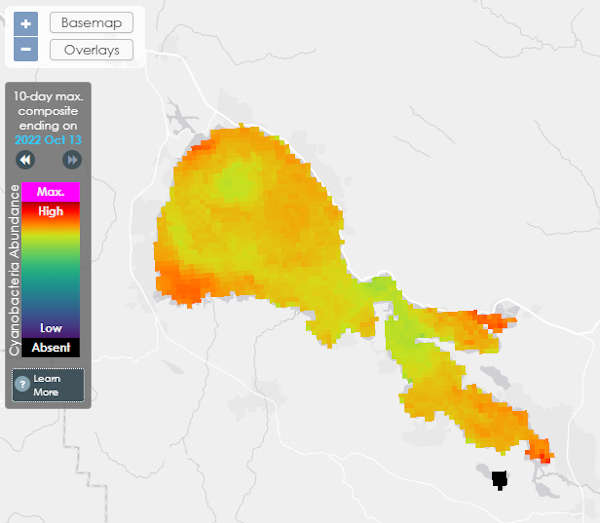
By exploring these tools, it becomes evident, and quite obvious, that cyanobacteria issues extend beyond Clear Lake, and are now becoming more frequent in other water bodies throughout the state.
The use of these tools in making informed decisions when recreating on or in freshwater is invaluable. Before planning a water excursion, you can see what current bloom conditions are in a lake of interest, and can use that knowledge to stay safe while enjoying the lake.
Cyanobacteria and HABS beyond California
Just this summer around the country, for example, there have been numerous reports of lakes or beaches closing due to harmful blooms. Here are a few examples from states like Colorado, New York, Michigan and Nebraska. This summer, lake monitoring revealed harmful cyanobacteria bloom conditions across the Country, further demonstrating that cyanobacteria is a serious issue that extends beyond Clear Lake and requires both state and national focus and attention.
Here are few:
A drinking water reservoir in Colorado was closed due to cyanobacteria bloom in August.
Ulster waterways had to issue warnings to the public after cyanobacteria bloom occurred.
In Michigan, throughout July and August, numerous lakes were reported and confirmed to have cyanobacteria blooms.
And as recently in September, in Nebraska, five lakes were under a health alert after testing confirmed cyanobacteria abundance above health triggers.
Therefore, it's important to be aware of conditions when visiting any freshwater water body, whether it’s located close to you or miles from home. Much like when you visit the ocean, you look for signs warning of rip currents, tides, or dangerous marine wildlife. When visiting freshwaters, keep aware of any posted signage.
Cyanobacteria blooms don’t always impact entire lakes or streams, and there can be areas that are less concerning, however you might have to spend a little time doing some research to find the monitoring data online from a local or state source. Every year more and more states are conducting monitoring and providing public health information so everyone can stay safe while enjoying their favorite lake, near or far.
— Sincerely Lady of the Lake
The CDC is a great resource for learning more about potential health impacts of cyanobacteria, what to look for, and how to protect you, your kids, and pets, when recreating in freshwaters.
Angela De Palma-Dow is a limnologist (limnology = study of fresh inland waters) who lives and works in Lake County. Born in Northern California, she has a Master of Science from Michigan State University. She is a Certified Lake Manager from the North American Lake Management Society, or NALMS, and she is the current president/chair of the California chapter of the Society for Freshwater Science. She can be reached at
- Details
- Written by: Daryl Wade Baldwin, Miami University
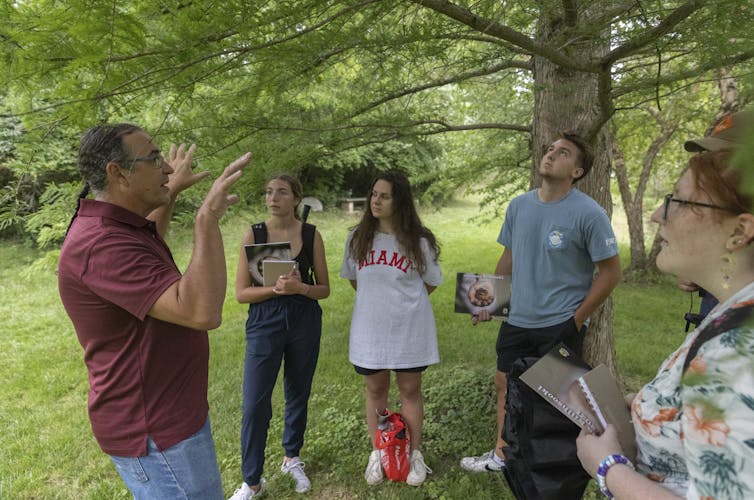
When the federal government set up boarding schools in the 19th century to assimilate Native American children into American culture, one of the objectives was to get them to turn away from the use of their native languages. In recognition of Indigenous Peoples’ Day in the U.S., The Conversation turned to Daryl Baldwin, a citizen of the Miami Tribe of Oklahoma who is a leader in Native American language and cultural revitalization and a member of the National Council on the Humanities, for insight into a tribal community’s efforts working with a university to help bring languages back.
How were Indigenous languages lost?
Many actions throughout history put pressure on tribal communities to abandon the use of their languages. This included the forced assimilation that resulted from the Indian Civilization Act of 1819. This act established Indian boarding schools to teach subjects such as math and science while suppressing the use of Indigenous languages and cultures.
Boarding schools lasted until the mid-20th century, and their effect was devastating for Indigenous communities and their languages. Linguists have estimated that prior to European settlement, there were 300 Indigenous languages spoken in what is now the United States. Communities are struggling to pass these languages on to a younger generation.
These affected communities include the Miami Tribe of Oklahoma, of which I am a citizen. The Miami Tribe lost the last speakers of the Myaamia language during the mid-20th century in part due to these assimilation efforts. Additionally, the forced relocation of the Tribe from its homeland in the Ohio-Indiana region to Kansas, and eventually Oklahoma, during the 19th century caused the community to become fragmented due to some families remaining behind or being exempt from relocation.
These factors also increased the stress on the community to simply survive. Many tribal members and elders from this time have recounted how they didn’t pass the language on to their children for fear of discrimination.
Why bring the languages back?
Simply put, our languages help make us whole again. When we empower our cultural selves through speaking our languages, we begin to undo the damage caused by years of cultural and linguistic oppression.
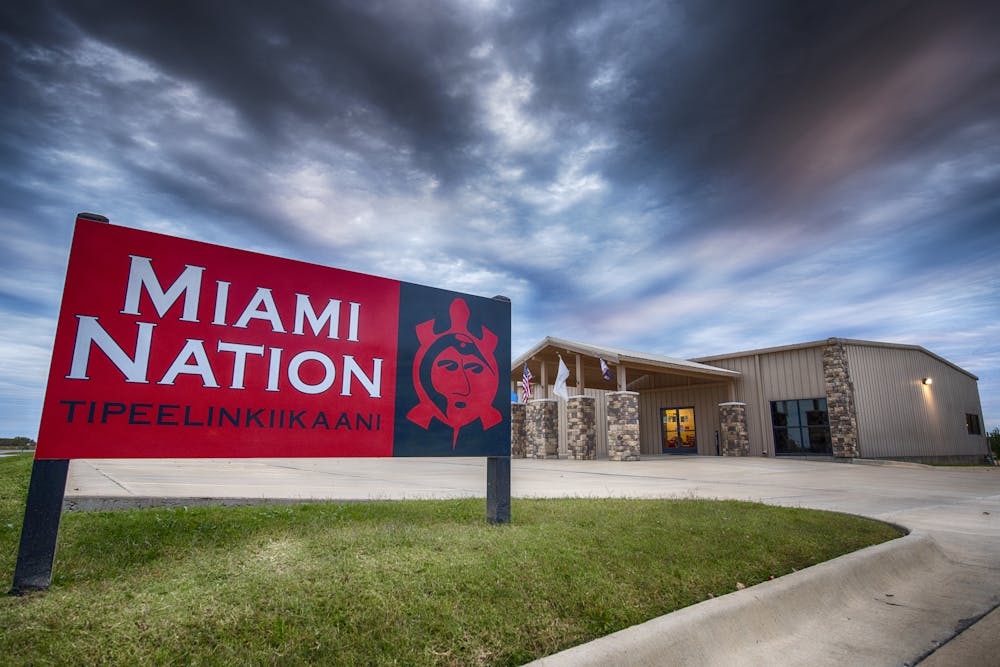
For the Miami Tribe of Oklahoma, language and cultural revitalization is a priority. We contribute significant time and financial resources into educational programs that help tribal citizens reconnect to their cultural heritage.
When we engage in revitalization activities, we are weaving strands of knowledge, cultural practices and other ways of being into our lives so we may draw on them as a source of community strength. Today, this encompasses all aspects of our lives, including art, games and food, as well as song and dance. For many of us, our Myaamia language is central to this process.
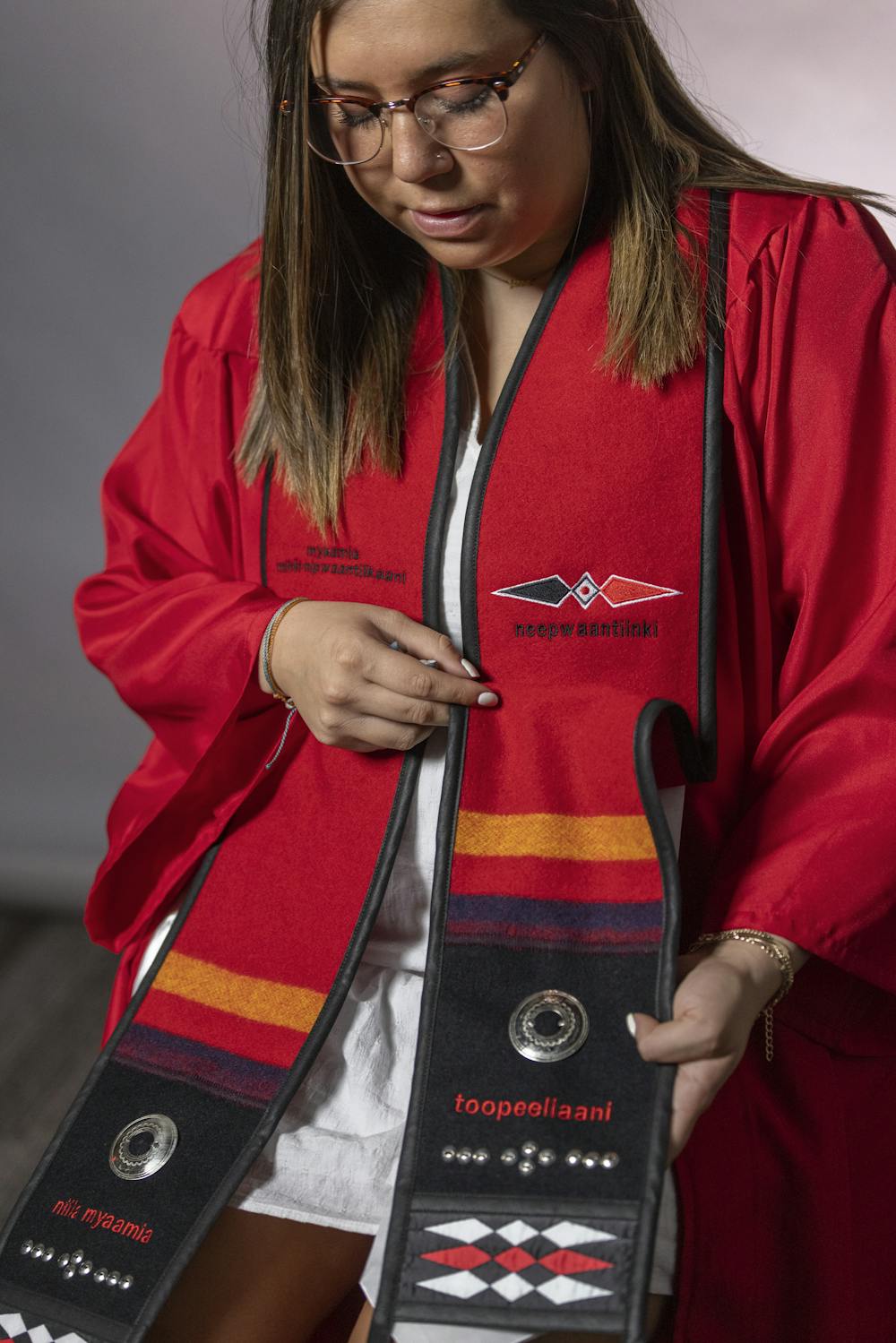
Since 1972, Miami University has been an important partner in this process of language and cultural revitalization. The Myaamia Center – the tribe’s research arm – directly supports the Myaamia Heritage Program. The program provides Miami Tribe students with tuition waivers and a unique opportunity to engage with their cultural heritage while earning a college degree.
What practical uses do these languages serve?
Language was an important aspect of my home when my four kids were young. Being able to say teepaalilaani – “I love you” – and to sing bedtime songs to my children – kiilhswa neewaki kiilhswa neewita … – “I see the moon, the moon sees me …” - in my native language was important to me.
Speaking my language connects me to our ancestral homelands of what are now parts of Ohio and Indiana. And doing so strengthens my relationship with my immediate family who also speak the language, and allows me to communicate in a way that is unique to my culture. My language may not be practical in holding a mainstream job or getting around in the world, but it is important to my identity as a Myaamia person. I feel grounded when I can speak my language with other members of my family and community.
The Myaamia Center’s Nipwaayoni Acquisition and Assessment Team has evaluated programs since 2012 and found that Myaamia students regularly comment on how important speaking their language is to their identity.
Jenna Corral, a Myaamia student who graduated in 2021, described her experience: “Learning our language has been one of the best ways to make me feel connected to my identity and tribal community. Being able to learn and speak the language that was developed by my ancestors was something I never thought I would do. I am forever grateful for all I have learned about my heritage and culture and the positive impact it has had on my life.”
How do students benefit from learning these languages?
Myaamia tribal youth who participate in language and cultural revitalization programs are more engaged in tribal activities, internal assessment research shows. Participation has continually risen over the past 20 years, in part due to increased tribal enrollment encouraged by language and cultural revitalization. Engagement is increasing because people want to be involved and participate in what is happening. We have gained approximately 1,000 citizens in the last five years, boosting our enrollment to 6,780 today. This is a significant development because we view youth engagement as important to future growth of the tribal nation.
Myaamia students have been enrolled at Miami University since 1991. Students who attended before the creation of the Myaamia Heritage Course, which allows students to explore their Myaamia heritage, had a graduation rate of 56%. Since the addition of the course in 2003, our six-year graduation rate has increased to 92% – more than double the national six-year graduation rate of 41% for Native Americans – and 106 Myaamia students have earned degrees from Miami University.
We believe growth of tribal programs developed by the tribe’s Cultural Resources Office, the creation of the Myaamia Center and further development of the heritage program are at the core of what has driven this dramatic increase in our graduation rate.
How will these languages be preserved going forward?
Just as the boarding school era was designed to remove language and culture, our tribal efforts can put back what was taken.
But these efforts require financial resources. Some people feel that the federal government holds a degree of financial responsibility in the revitalization of these languages. This is because significant federal funding was used historically to eradicate these languages. The federal government spent US$2.81 billion – adjusted for inflation – to support the nation’s Indian boarding schools, but only a fraction of that amount for Indigenous language revitalization today.
Partnerships between tribes and universities can be powerful in building a response to inequalities that have emerged through our recent history. Yes, language is an important part of what we do, but in the end it’s about knowledge, who holds that knowledge and how it’s expressed through our unique language and culture. Our partnership with Miami University is one such model.
Daryl Wade Baldwin, Executive Director, Myaamia Center, Miami University
This article is republished from The Conversation under a Creative Commons license. Read the original article.
- Details
- Written by: Elizabeth Larson
Dogs available for adoption this week include mixes of American blue heeler, border collie, Chihuahua, collie, dachshund, German shepherd, husky, Labrador retriever, pit bull and Rottweiler.
Dogs that are adopted from Lake County Animal Care and Control are either neutered or spayed, microchipped and, if old enough, given a rabies shot and county license before being released to their new owner. License fees do not apply to residents of the cities of Lakeport or Clearlake.
The following dogs at the Lake County Animal Care and Control shelter have been cleared for adoption.
Call Lake County Animal Care and Control at 707-263-0278 or visit the shelter online for information on visiting or adopting.
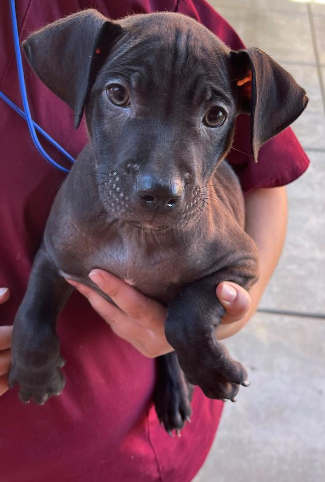
Male pit bull terrier puppy
This 2-month-old male pit bull terrier puppy has a short black coat.
He is in kennel No. 6a, ID No. LCAC-A-4098.
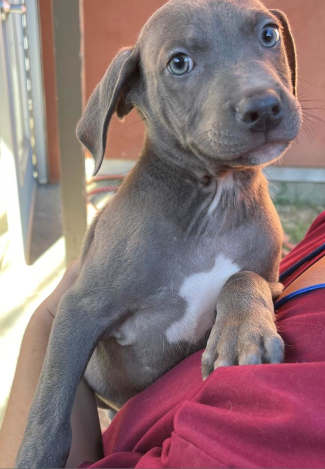
Male pit bull terrier puppy
This 2-month-old male pit bull terrier puppy has a short gray coat.
He is in kennel No. 6b, ID No. LCAC-A-4099.

Male pit bull terrier puppy
This 2-month-old male pit bull terrier puppy has a short brown coat.
He is in kennel No. 6c, ID No. LCAC-A-4100.

Female pit bull terrier puppy
This 2-month-old female pit bull terrier puppy has a short black coat.
She is in kennel No. 7a, ID No. LCAC-A-4101.
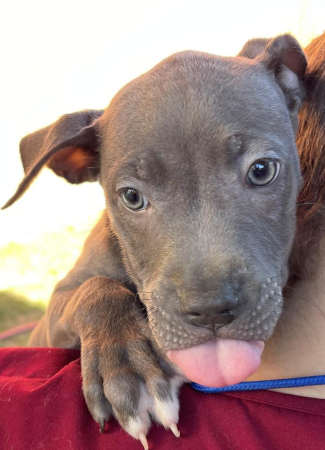
Female pit bull terrier puppy
This 2-month-old female pit bull terrier puppy has a short gray coat.
She is in kennel No. 7b, ID No. LCAC-A-4102.

Female pit bull terrier puppy
This 2-month-old female pit bull terrier puppy has a short brown coat.
She is in kennel No. 7c, ID No. LCAC-A-4103.
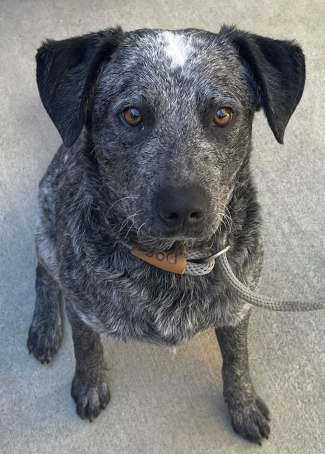
Male American blue heeler
This 1-year-old male American blue heeler has a short coat.
He is in kennel No. 10, ID No. LCAC-A-4128.

Female Chihuahua-dachshund mix
This 2-year-old female Chihuahua-dachshund mix has a short brown and white coat.
She is in kennel No. 11, ID No. LCAC-A-4126.
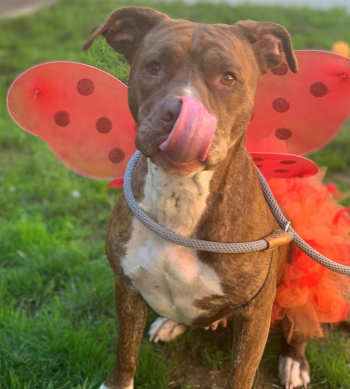
‘Bailey’
“Bailey” is a 5-year-old female pit bull terrier with a brown and white coat.
She is in kennel No. 13, ID No. LCAC-A-4125.

Male Labrador Retriever
When he’s not dressed as a unicorn, this 2-year-old male Labrador retriever has a short black coat.
He is in kennel No. 14, ID No. LCAC-A-4112.
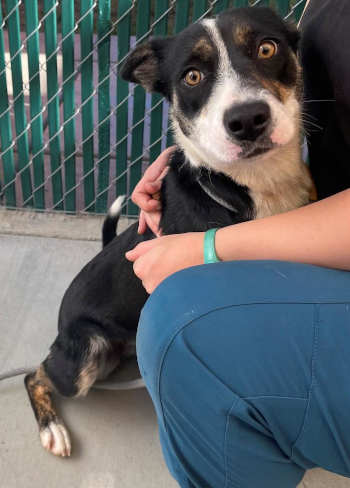
Female collie mix
This 1-year-old female collie mix has a tricolor coat.
She is in kennel No. 15, ID No. LCAC-A-4111.
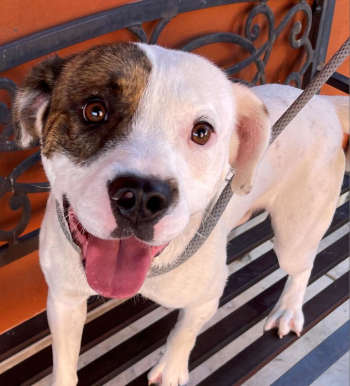
Male pit bull terrier
This 1-year-old male pit bull terrier has a short white coat with brown markings.
He is in kennel No. 16, ID No. LCAC-A-4110.

Female pit bull terrier
This 5-year-old female pit bull terrier has a short brown coat.
She is in kennel No. 17, ID No. LCAC-A-4109.

Male border collie
This 2-year-old male border collie has a black and white coat.
He is in kennel No. 18, ID No. LCAC-A-3995.
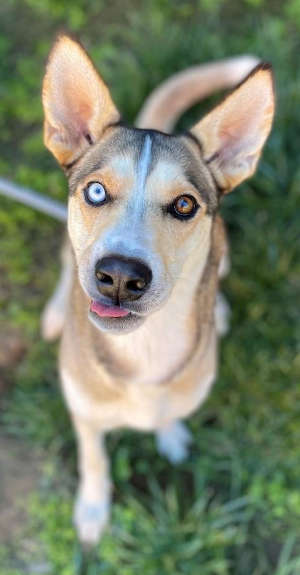
Male husky
This 3-year-old male husky has a short tricolor coat.
He is in kennel No. 22, ID No. LCAC-A-4014.
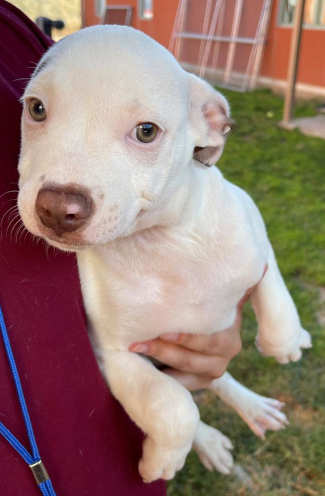
Male pit mix puppy
This 2-month-old male pit bull terrier mix puppy has a short gray and white coat.
He is in kennel No. 23a, ID No. LCAC-A-4116.
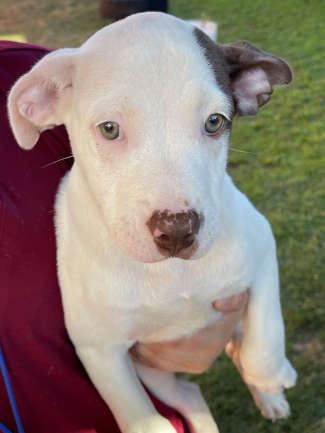
Male pit mix puppy
This 2-month-old male pit bull terrier mix puppy has a short gray and white coat.
He is in kennel No. 23b, ID No. LCAC-A-4117.
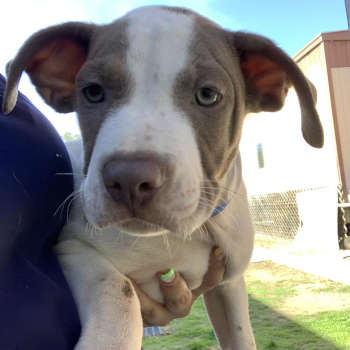
Male pit mix puppy
This 2-month-old male pit bull terrier mix puppy has a short gray and white coat.
He is in kennel No. 23c, ID No. LCAC-A-4118.
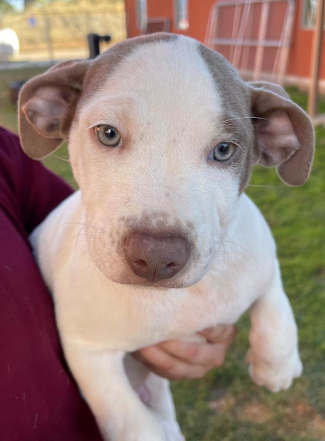
Male pit bull puppy
This 2-month-old male pit bull puppy has a short white and gray coat.
He is in kennel No. 24a, ID No. LCAC-A-4120.

Female pit bull puppy
This 2-month-old female pit bull puppy has a short white and red coat.
She is in kennel No. 24b, ID No. LCAC-A-4121.
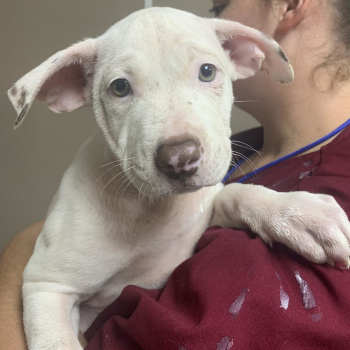
Female pit mix puppy
This 2-month-old female pit bull terrier mix puppy has a short white coat.
He is in kennel No. 24c, ID No. LCAC-A-4122.

Male pit bull
This 2-year-old male pit bull has a short black and white coat.
He is in kennel No. 29, ID No. LCAC-A-4097.

‘Ziggy’
“Ziggy” is a 10-year-old female dachshund with a high brown coat.
She is in kennel No. 30, ID No. LCAC-A-4059.
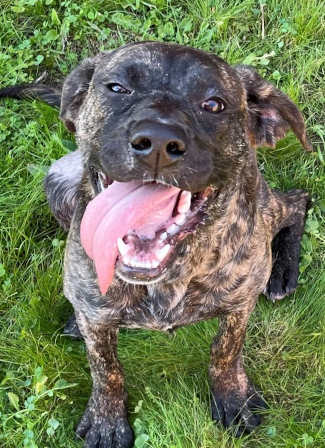
‘Ruby’
“Ruby” is a 6-month-old female hound mix with a brindle coat.
She is in kennel No. 31, ID No. LCAC-A-3753.
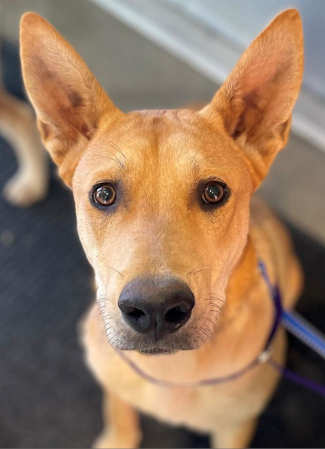
German shepherd-husky
This 1-year-old male German shepherd-husky mix has a short tan coat.
He is in kennel No. 32, ID No. LCAC-A-4079.

‘Bella’
“Bella” is a 6-year-old female shepherd mix with a tricolor coat.
She is in kennel No. 33, ID No. LCAC-A-4078.
Email Elizabeth Larson at