 How to resolve AdBlock issue?
News
- Details
- Written by: LAKE COUNTY NEWS REPORTS
Dominick Berwick, 13, is described as a white male juvenile with short brown hair and brown eyes.
He is 5 feet 6 inches tall and weighs 160 pounds.
Dominick was last seen wearing a brown jacket, black pants and white tennis shoes.
If you have any information regarding his whereabouts, please contact the Clearlake Police Department at 707-994-8251, Extension 1.
- Details
- Written by: Elizabeth Larson
Dogs available for adoption this week include mixes of American bulldog, Anatolian shepherd, Catahoula leopard dog, German shepherd, Labrador retriever, mastiff, pit bull, plott hound, pointer and wirehaired terrier.
Dogs that are adopted from Lake County Animal Care and Control are either neutered or spayed, microchipped and, if old enough, given a rabies shot and county license before being released to their new owner. License fees do not apply to residents of the cities of Lakeport or Clearlake.
The following dogs at the Lake County Animal Care and Control shelter have been cleared for adoption.
Call Lake County Animal Care and Control at 707-263-0278 or visit the shelter online for information on visiting or adopting.

Male pit bull
This 1-year-old male pit bull has a short tan and white coat.
He is in kennel No. 2, ID No. LCAC-A-5269.

Female German shepherd
This 1 and a half year old female German shepherd has a black and tan coat.
She is in kennel No. 3, ID No. LCAC-A-5296.

Female pit bull
This 2-year-old female pit bull has a short black and white coat.
She is in kennel No. 4, ID No. LCAC-A-5301.

Anatolian shepherd-mastiff mix
This 3-year-old male Anatolian shepherd-mastiff mix has a short fawn coat.
He is in kennel No. 5, ID No. LCAC-A-5276.

Male pit bull puppy
This 3-month-old male pit bull puppy has a short brindle coat.
He is in kennel No. 6, ID No. LCAC-A-5266.

Male pit bull terrier
This 3-month-old male pit bull terrier has a short brindle coat.
He is in kennel No. 7, ID No. LCAC-A-5265.
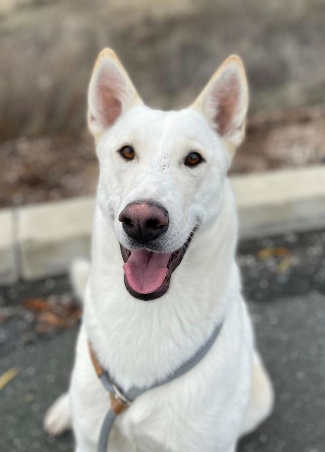
‘Sky’
“Sky” is a 1 and a half year old female German shepherd with an all-white coat.
She is in kennel No. 8, ID No. LCAC-A-4297.

Male wirehaired terrier
This 1-year-old male wirehaired terrier has a brown coat.
He is in kennel No. 9, ID No. LCAC-A-5261.

Female pit bull terrier-hound mix
This 2-year-old female pit bull terrier-hound mix has a short black and tan coat.
She is in kennel No. 10, ID No. LCAC-A-5259.

Male pit bull
This 1-year-old male pit bull terrier has a short black coat.
He is in kennel No. 11, ID No. LCAC-A-5258.

Male Catahoula leopard dog puppy
This 2-month-old male Catahoula leopard dog puppy has a short brindle coat with white markings.
He is in kennel No. 12b, ID No. LCAC-A-5245.
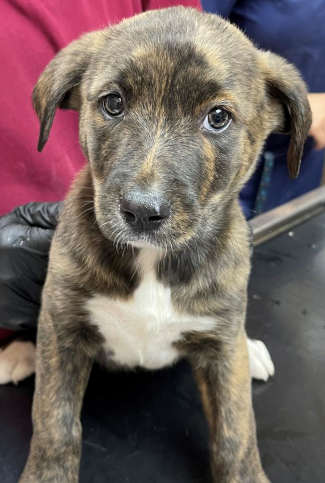
Female Catahoula leopard dog puppy
This 2-month-old female Catahoula leopard dog puppy has a short brindle coat with white markings.
She is in kennel No. 12c, ID No. LCAC-A-5246.

Female pit bull-pointer mix
This 8-month-old female pit bull-pointer mix has a brown brindle and white coat.
She is in kennel No. 14, ID No. LCAC-A-5230.
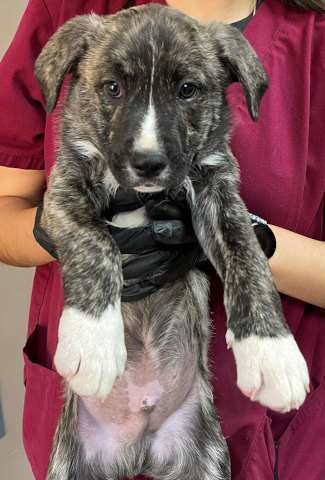
Male Catahoula leopard dog puppy
This 2-month-old male Catahoula leopard dog puppy has a short brown brindle coat with white markings.
He is in kennel No. 16a, ID No. LCAC-A-5244.

Male Catahoula leopard dog puppy
This 2-month-old male Catahoula leopard dog puppy has a short white coat with black markings.
He is in kennel No. 16b, ID No. LCAC-A-5247.

Female Catahoula leopard dog puppy
This 2-month-old female Catahoula leopard dog puppy has a short white coat with black markings.
She is in kennel No. 16d, ID No. LCAC-A-5249.

Male plott hound
This 2-year-old male plott hound has a short brown coat.
He is in kennel No. 18, ID No. LCAC-A-5143.

Male American bulldog
This 4-year-old male American bulldog has a gray and white coat.
He is in kennel No. 19, ID No. LCAC-A-5204.

Male pit bull terrier
This 3-year-old male pit bull terrier has a short black and white coat.
He is in kennel No. 21, ID No. LCAC-A-5076.

Male shepherd
This 2-year-old male shepherd has a tan and white coat.
He is in kennel No. 22, ID No. LCAC-A-5223.

Male terrier
This 1-year-old male terrier mix has a short brown coat.
He is in kennel No. 23, ID No. LCAC-A-5110.

Male terrier
This 1-year-old male terrier has a short tan coat.
He is in kennel No. 24, ID No. LCAC-A-5111.

Male shepherd
This 1-year-old male shepherd has a tan coat.
He is in kennel No. 25, ID No. LCAC-A-5303.

Male pit bull terrier
This 1-year-old male pit bull terrier has a black coat with white markings.
He is in kennel No. 27, ID No. LCAC-A-5203.

American bulldog
This 3-year-old female American bulldog has a short white coat.
She is in kennel No. 28, ID No. LCAC-A-5307.

Male German shepherd
This 3-year-old male German shepherd has a black and tan coat.
He is in kennel No. 29, ID No. LCAC-A-5308.
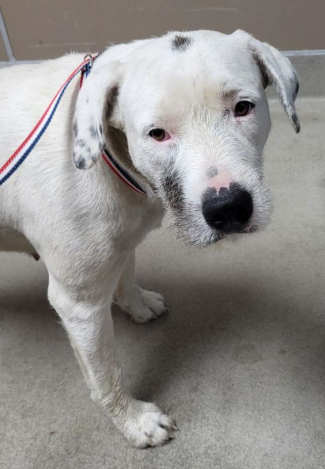
Pit bull terrier-pointer mix
This 1 and a half year old female pit bull-pointer mix has a white coat.
She is in kennel No. 31, ID No. LCAC-A-5231.

Female pit bull-shepherd puppy
This 5-month-old female pit bull-shepherd puppy has a short tricolor coat.
She is in kennel No. 32, ID No. LCAC-A-5072.

Senior male Labrador retriever
This 9-year-old male Labrador retriever has a black coat with white markings.
He is in kennel No. 34, ID No. LCAC-A-5306.
Email Elizabeth Larson at
- Details
- Written by: Christopher T. Migliaccio, University of Montana

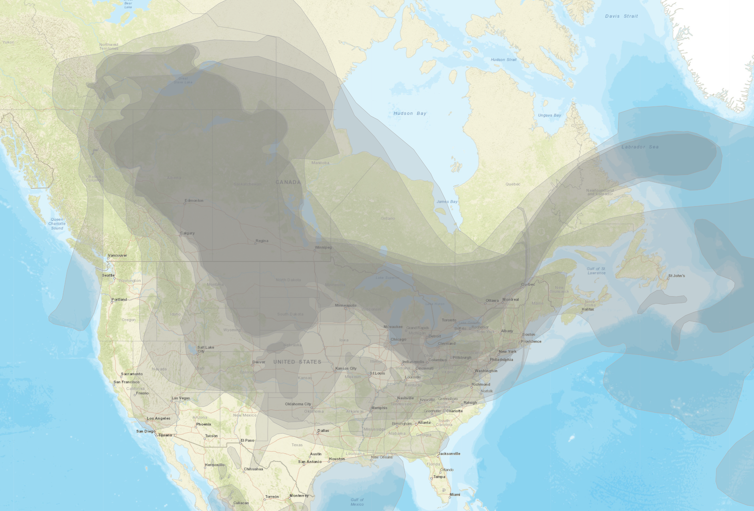
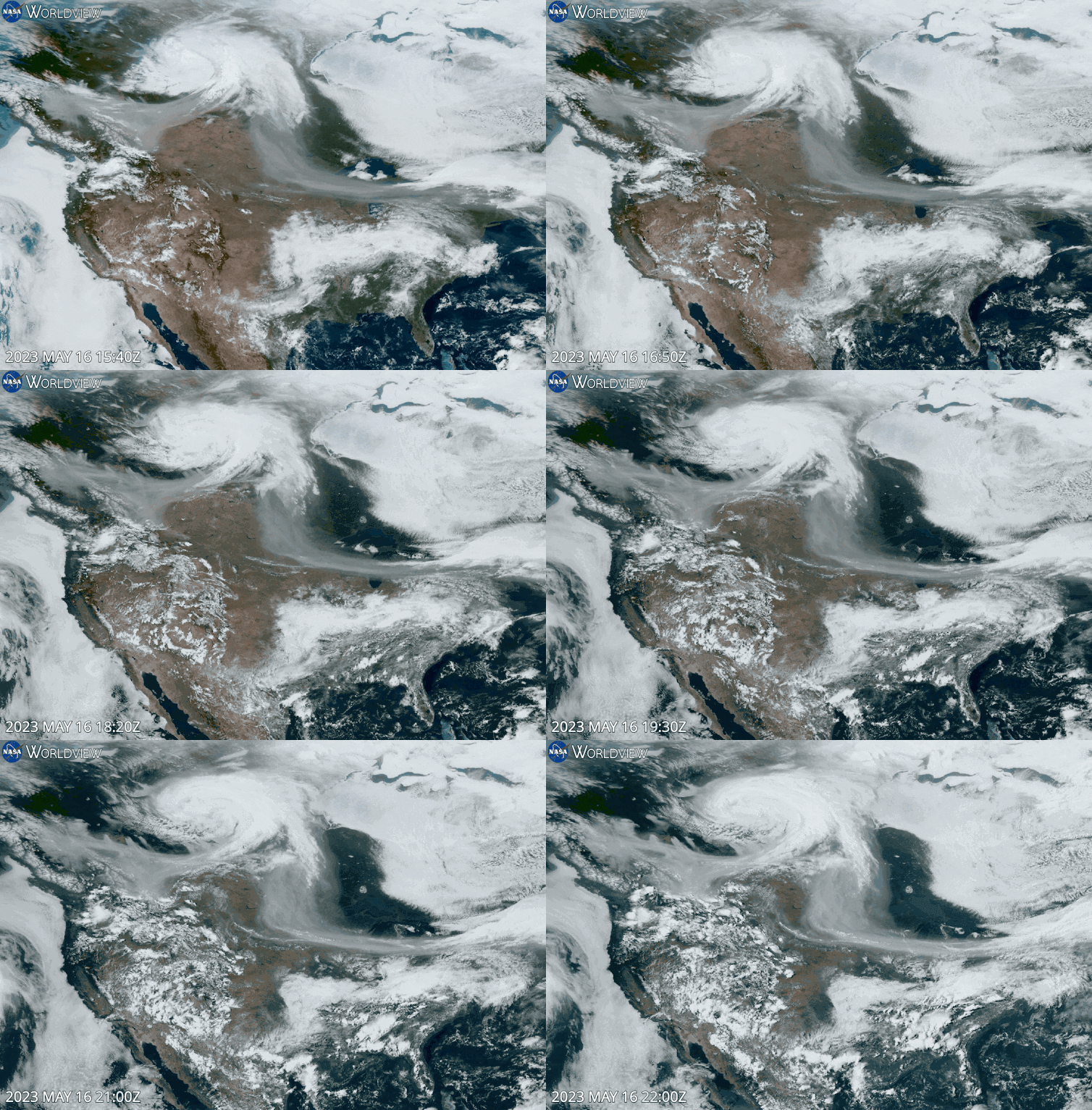
Smoke from more than 200 wildfires burning across Canada has been turning skies hazy in North American cities far from the flames. We asked Chris Migliaccio, a toxicologist at the University of Montana who studies the impact of wildfire smoke on human health, about the health risks people can face when smoke blows in from distant wildfires.
What’s in wildfire smoke that’s a problem?
When we talk about air quality, we often talk about PM2.5. That’s particulate matter 2.5 microns or smaller – small enough that it can travel deep into the lungs.
Exposure to PM2.5 from smoke or other air pollution, such as vehicle emissions, can exacerbate health conditions like asthma and reduce lung function in ways that can worsen existing respiratory problems and even heart disease.
But the term PM2.5 only tells you about size, not composition – what is burning can make a significant difference in the chemistry.
In the northern Rockies, where I live, most fires are fueled by vegetation, but not all vegetation is the same. If the fire is in the wildland urban interface, manufactured fuels from homes and vehicles may also be burning, and that’s going to create its own toxic chemistry, as well. Chemists often talk about volatile organic compounds, (VOCs), carbon monoxide and PAHs, or polycyclic aromatic hydrocarbons produced when biomass and other matter burns having the potential to harm human health.
How does inhaling wildfire smoke harm human health?
If you have ever been around a campfire and got a blast of smoke in your face, you probably had some irritation. With exposure to wildfire smoke, you might get some irritation in the nose and throat and maybe some inflammation. If you’re healthy, your body for the most part will be able to handle it.
As with a lot of things, the dose makes the poison – almost anything can be harmful at a certain dose.
Generally, cells in the lungs called alveolar macrophages will pick up the particulates and clear them out – at reasonable doses. It’s when the system gets overwhelmed that you can have a problem.
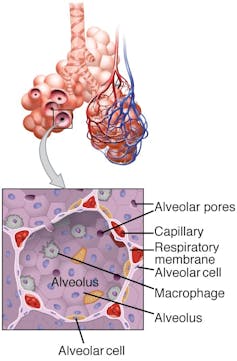
One concern is that smoke can suppress macrophage function, altering it enough that you become more susceptible to respiratory infection. A colleague who looked at lag time in the effect of wildfire smoke exposure found an increase in influenza cases after a bad fire season. Studies in developing countries have also found increases in respiratory infections with people who are cooking on open fires in homes.
The stress of an inflammatory response can also exacerbate existing health problems. Being exposed to wood smoke won’t independently cause someone to have a heart attack, but if they have underlying risk factors, such as significant plaque buildup, the added stress can increase the risk.
Researchers are also studying potential effects on the brain and nervous system from inhaled particulate matter.
When smoke blows over long distances, does its toxicity change?
We know that the chemistry of wildfire smoke changes. The longer it’s in the atmosphere, the more the chemistry will be altered by ultraviolet light, but we still have a lot to learn.
Researchers have found that there seems to be a higher level of oxidation, so oxidants and free radicals are being generated the longer smoke is in the air. The specific health effects aren’t yet clear, but there’s some indication that more exposure leads to greater health effects.
The supposition is that more free radicals are generated the longer smoke is exposed to UV light, so there’s a greater potential for health harm. A lot of that, again, comes down to dose.
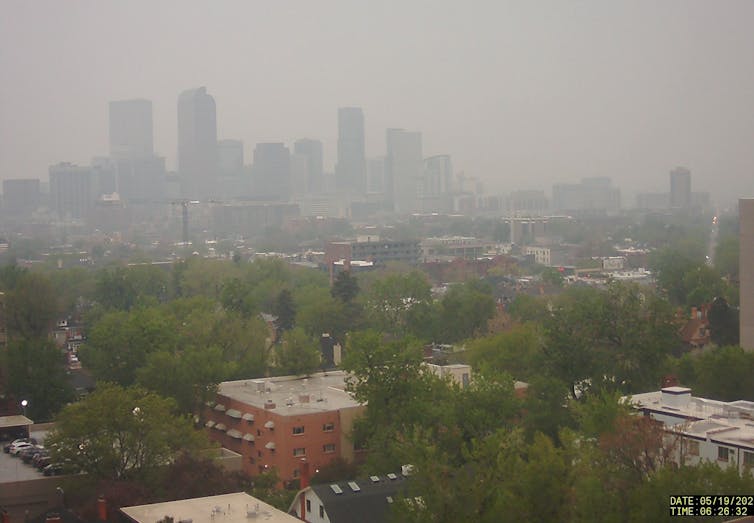
Chances are, if you’re a healthy individual, going for a bike ride or a hike in light haze won’t be a big deal, and your body will be able to recover.
If you’re doing that every day for a month in wildfire smoke, however, that raises more concerns. I’ve worked on studies with residents at Seeley Lake in Montana who were exposed to hazardous levels of PM2.5 from wildfire smoke for 49 days in 2017. We found a decrease in lung function a year later. No one was on oxygen, but there was a significant drop.
This is a relatively new area of research, and there’s still a lot we’re learning, especially with the increase in wildfire activity as the planet warms.
What precautions can people take to reduce their risk from wildfire smoke?
If there is smoke in the air, you want to decrease your exposure.
Can you completely avoid the smoke? Not unless you’re in a hermetically sealed home. The PM levels aren’t much different indoors and out unless you have a really good HVAC system, such as those with MERV 15 or better filters. But going inside decreases your activity, so your breathing rate is slower and the amount of smoke you’re inhaling is likely lower.
We also tend to advise people that if you’re in a susceptible group, such as those with asthma, create a safe space at home and in the office with a high-level stand-alone air filtration system to create a space with cleaner air.
Some masks can help. It doesn’t hurt to have a high-quality N95 mask. Just wearing a cloth mask won’t do much, though.
Most states have air quality monitors that can give you a sense of how bad the air quality is, so check those sites and act accordingly.
This article was updated May 22, 2023, with the morning’s updated wildfire smoke map.
Christopher T. Migliaccio, Research Associate Professor in Toxicology, University of Montana
This article is republished from The Conversation under a Creative Commons license. Read the original article.
- Details
- Written by: European Space Agency

The jellyfish galaxy JW39 hangs serenely in this image from the NASA/ESA Hubble Space Telescope.
This galaxy lies over 900 million light-years away in the constellation Coma Berenices and is one of several jellyfish galaxies Hubble has been studying over the past two years.
Despite this jellyfish galaxy’s serene appearance, it is adrift in a ferociously hostile environment: a galaxy cluster.
Compared to their more isolated counterparts, the galaxies in galaxy clusters are often distorted by the gravitational pull of larger neighbors, which can twist galaxies into a variety of shapes.
If that was not enough, the space between galaxies in a cluster is also pervaded with a searingly hot plasma known as the intracluster medium.
While this plasma is extremely tenuous, galaxies moving through it experience it almost like swimmers fighting against a current, and this interaction can strip galaxies of their star-forming gas.
This interaction between the intracluster medium and the galaxies is called ram-pressure stripping and is the process responsible for the trailing tendrils of this jellyfish galaxy.
As JW39 moved through the cluster, the pressure of the intracluster medium stripped away gas and dust into long trailing ribbons of star formation that now stretch away from the disk of the galaxy.
Astronomers using Hubble’s Wide Field Camera 3 studied these trailing tendrils in detail, as they are a particularly extreme environment for star formation.
Surprisingly, they found that star formation in the ‘tentacles’ of jellyfish galaxies was not noticeably different from star formation in the galaxy disk.