How to resolve AdBlock issue?
Refresh this page
How to resolve AdBlock issue?
Refresh this page
Lake County News,California
  • Home
    • Registration Form
  • News
    • Education
    • Veterans
    • Community
      • Obituaries
      • Letters
      • Commentary
    • Police Logs
    • Business
    • Recreation
    • Health
    • Religion
    • Legals
    • Arts & Life
    • Regional
  • Calendar
  • Contact us
    • FAQs
    • Phones, E-Mail
    • Subscribe
  • Advertise Here
  • Login
How to resolve AdBlock issue?

Refresh this page

News

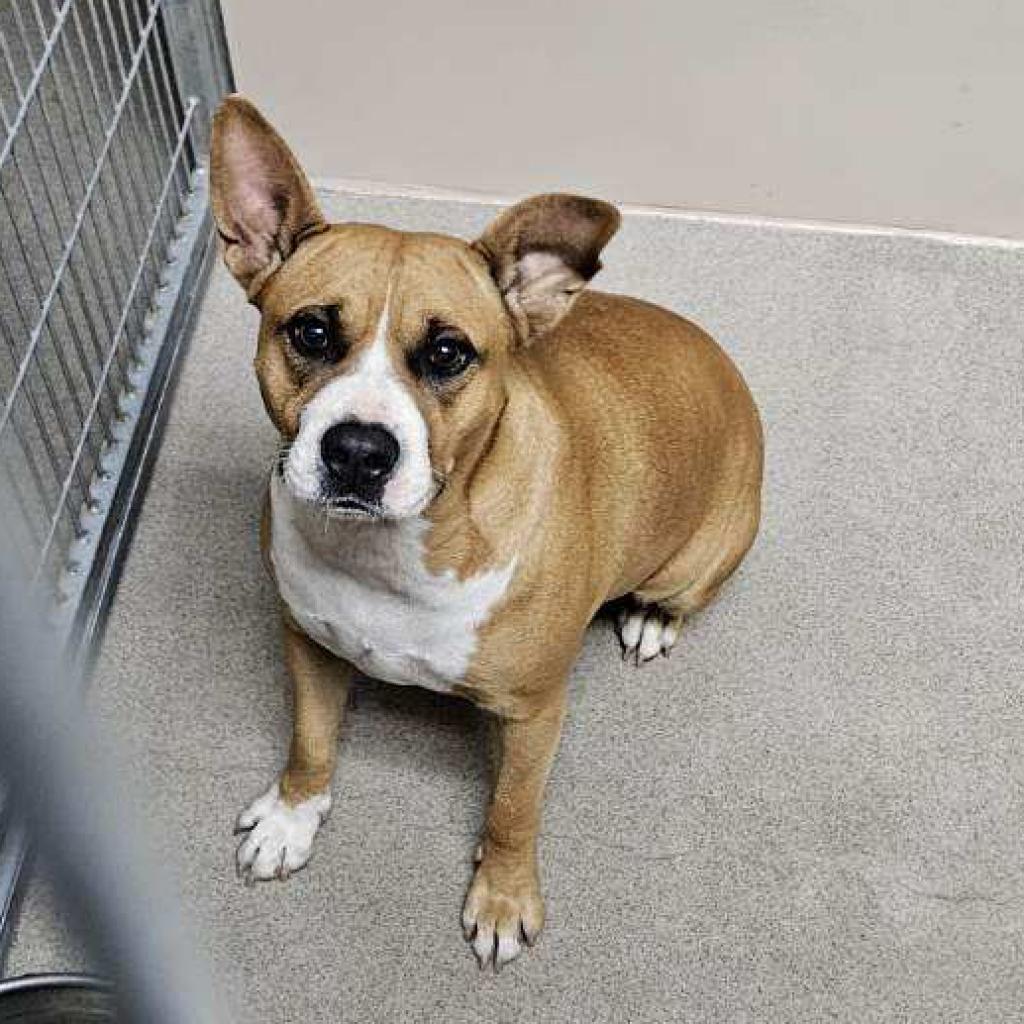
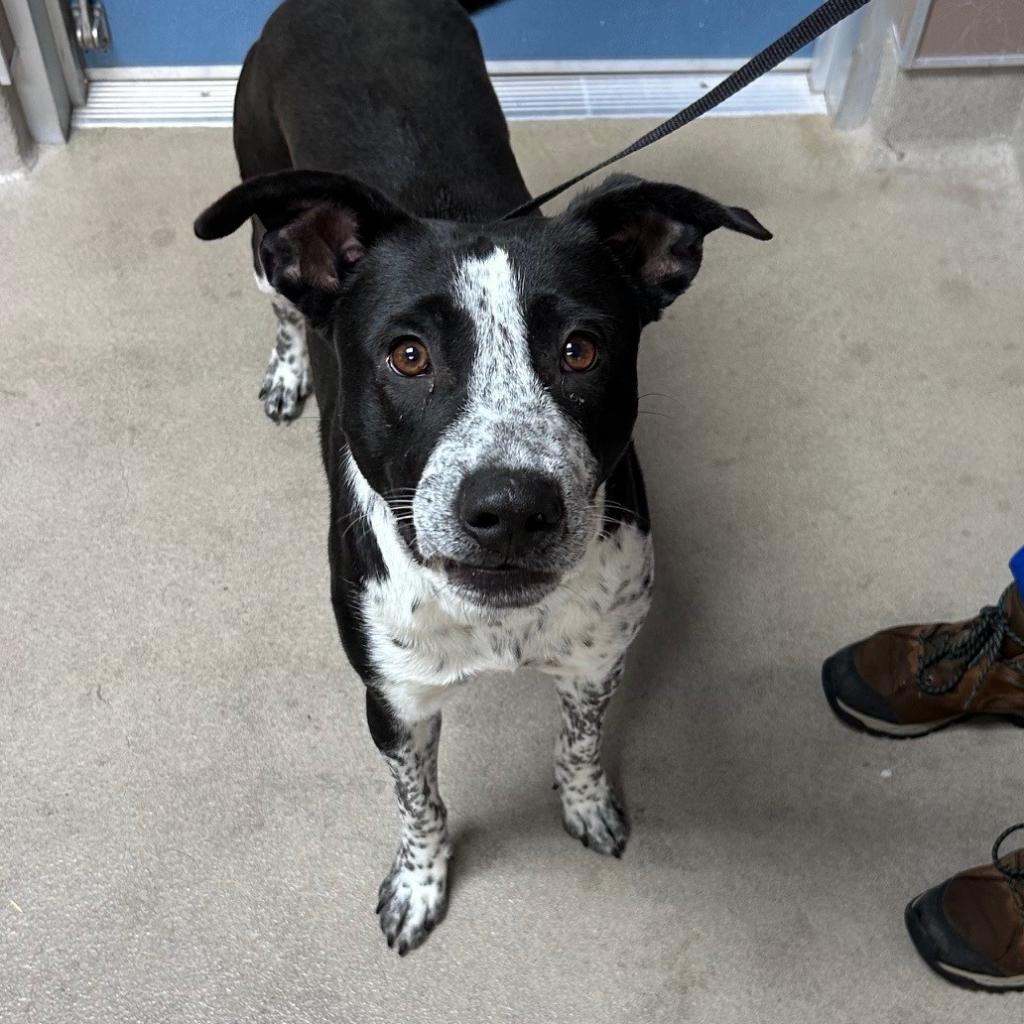
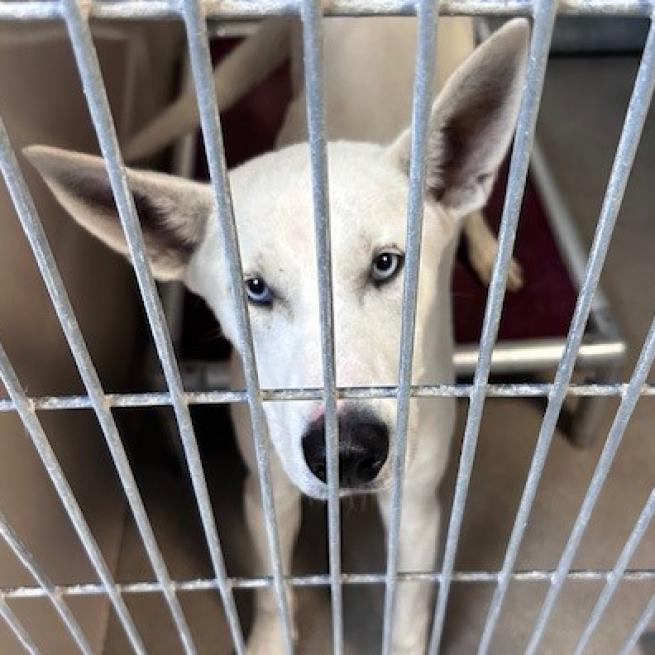
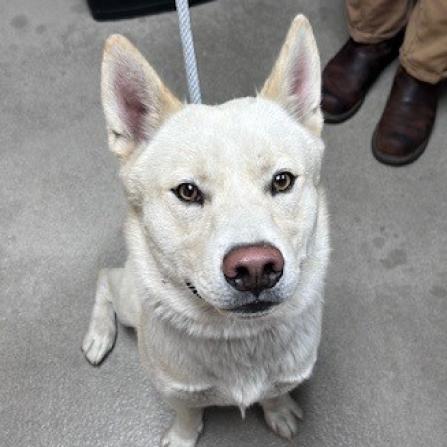
Helping Paws: Shiba Inus and terriers

Details
Written by: Elizabeth Larson
Published: 22 September 2024
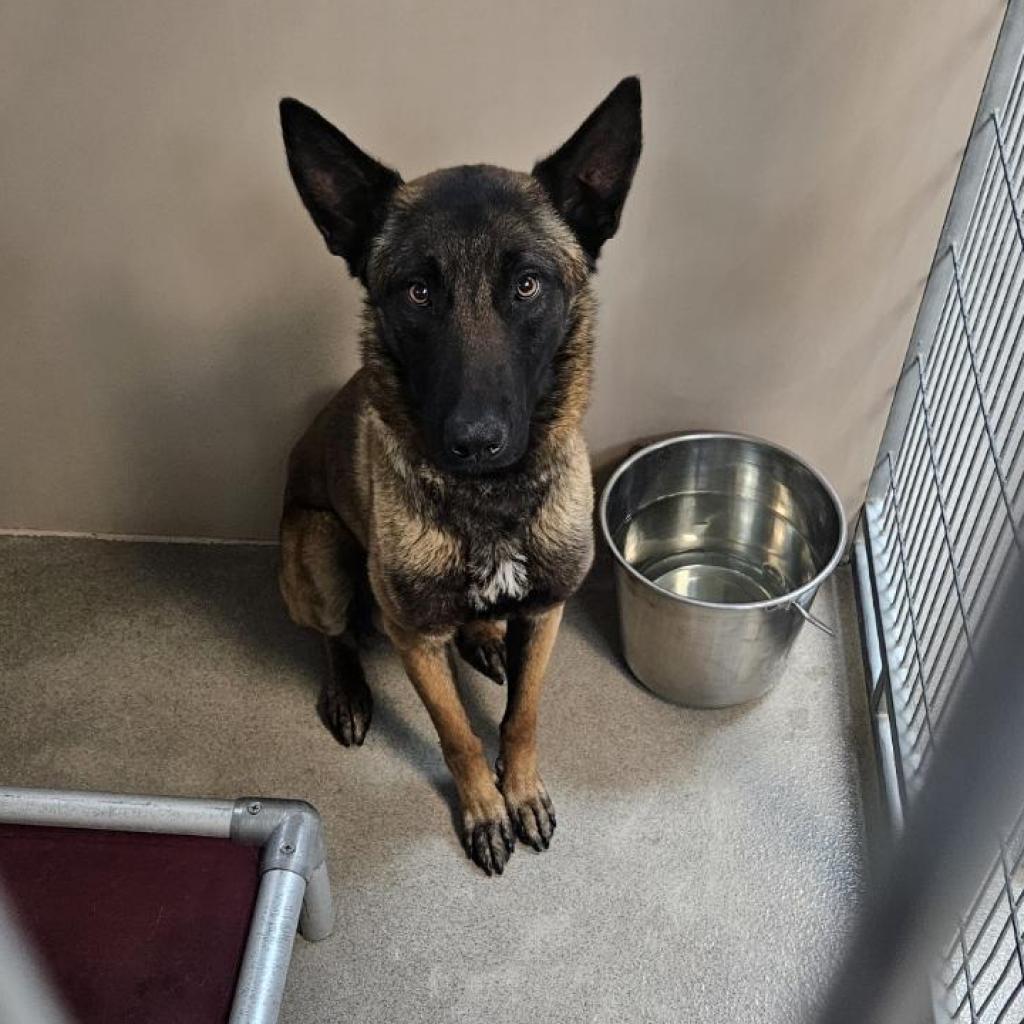
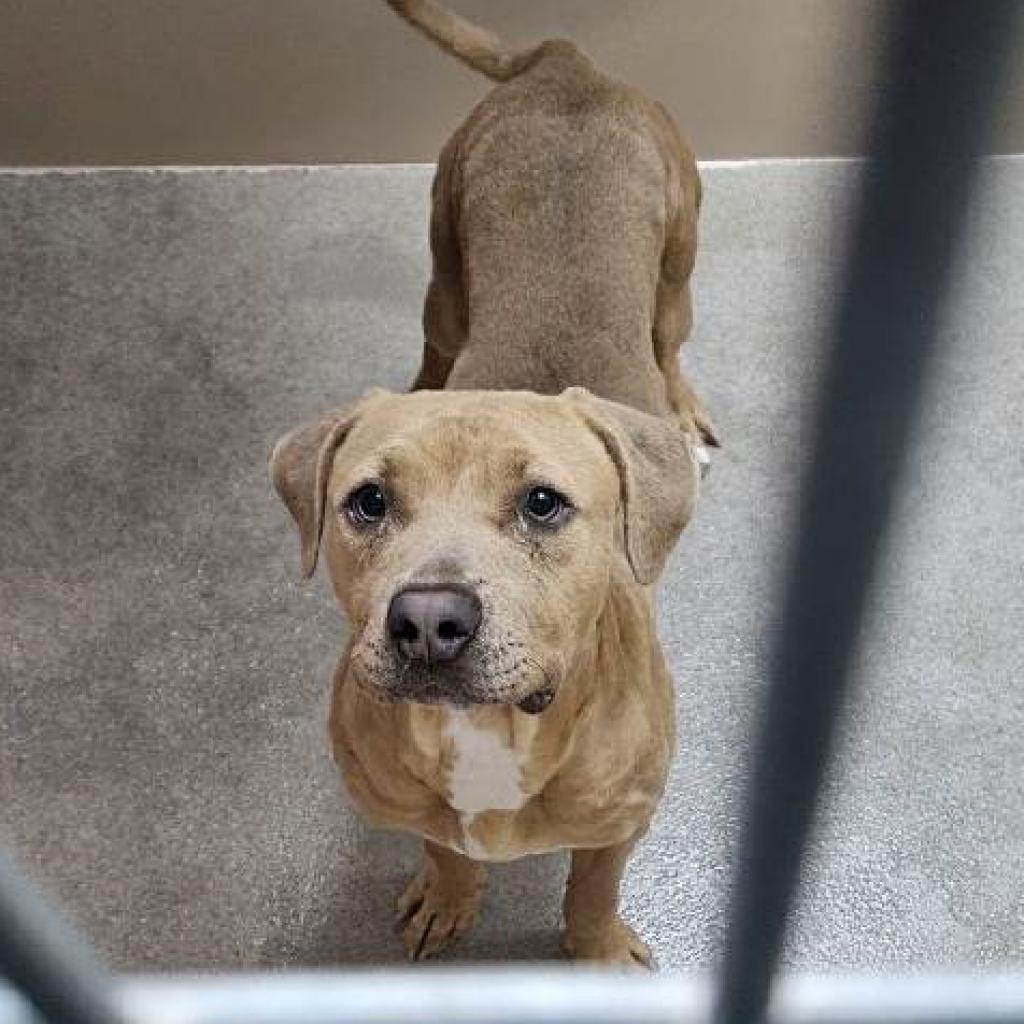
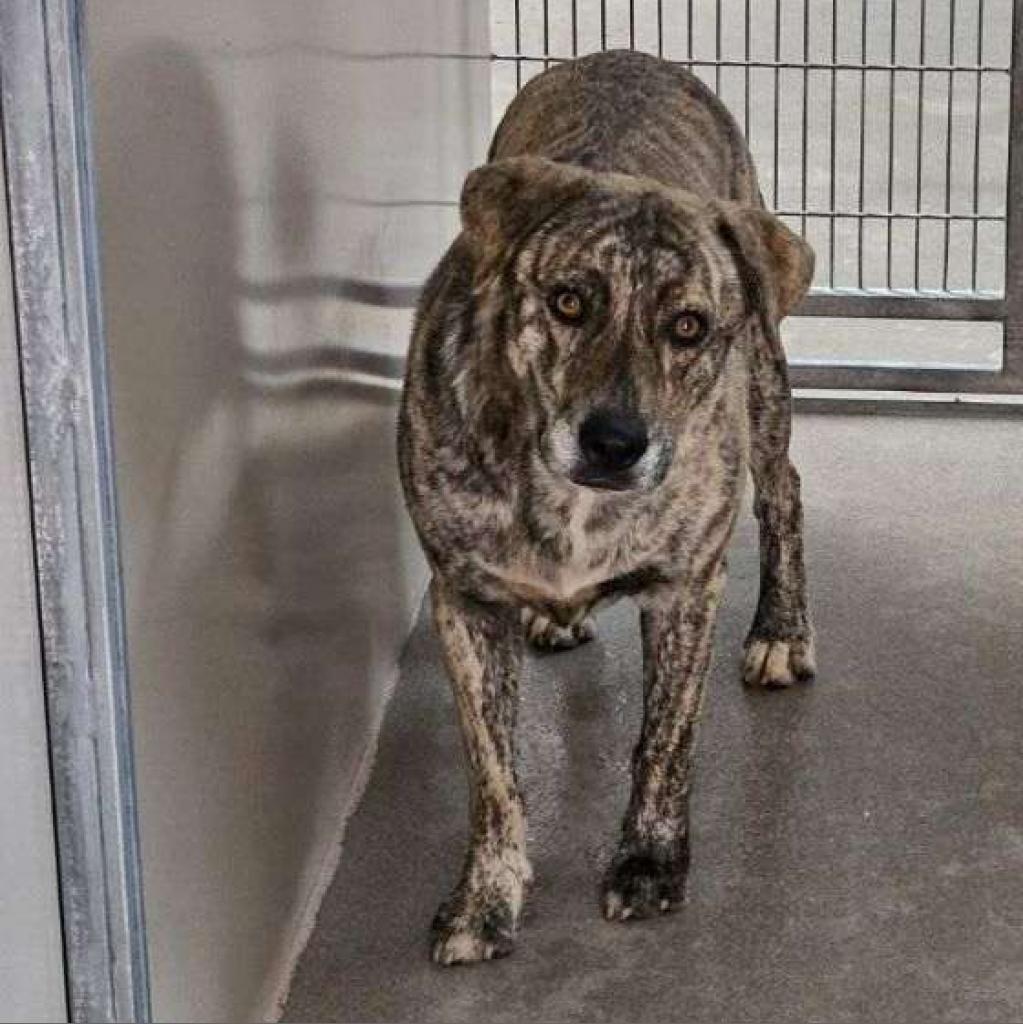
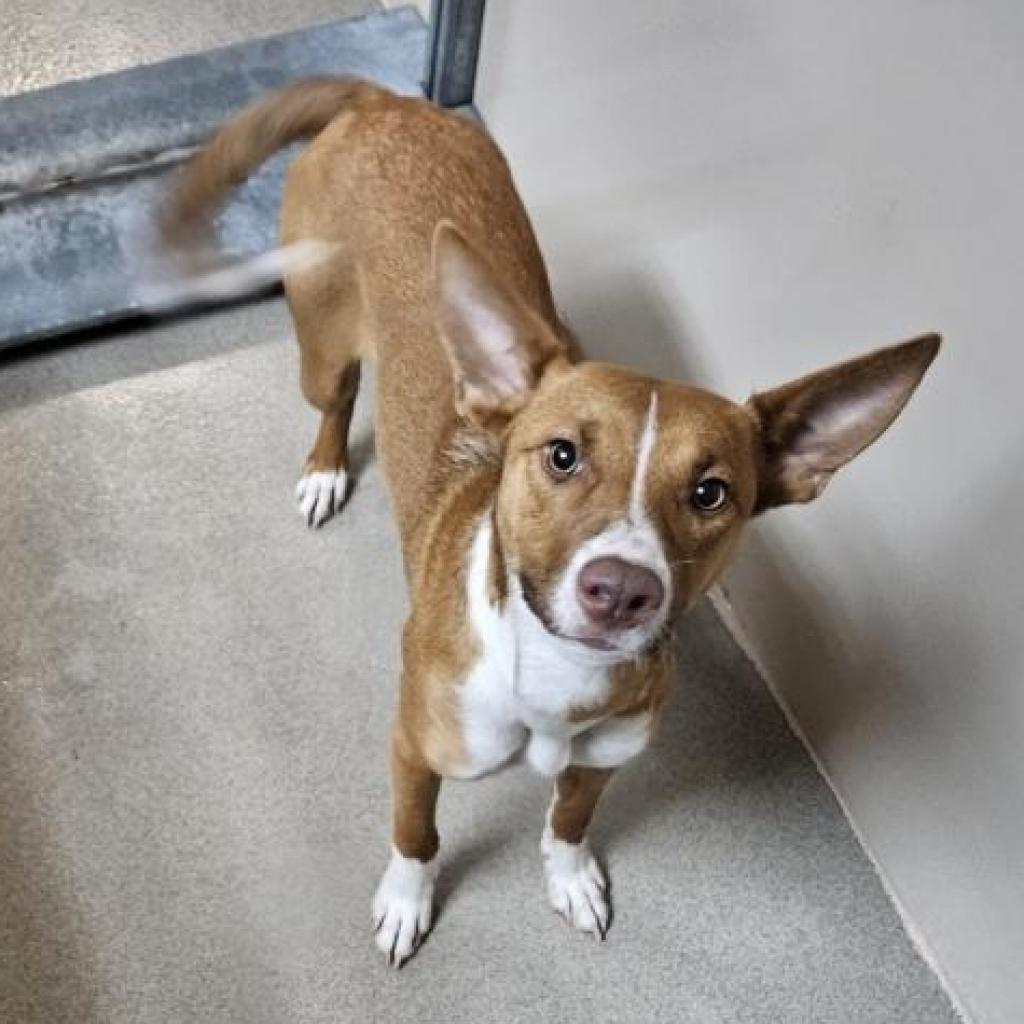
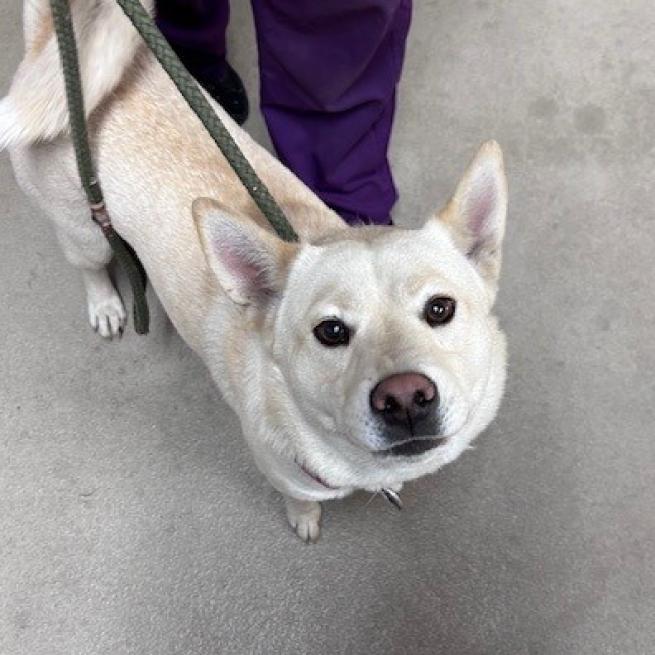
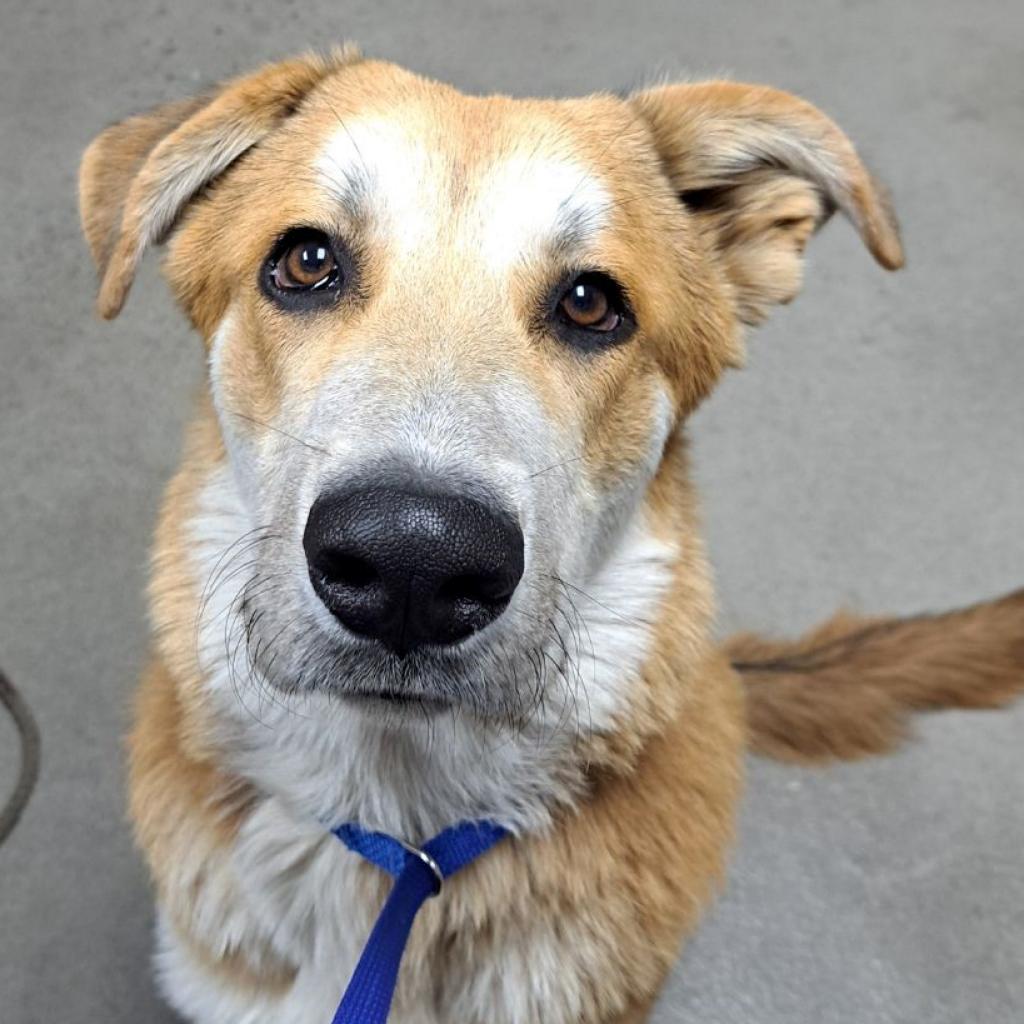
LAKE COUNTY, Calif. — Lake County Animal Care and Control has more new dogs waiting to go to new families.

The dogs available for adoption this week include mixes of Anatolian shepherd, Australian cattle dog, Australian shepherd, border collie, boxer, cane corso, Chihuahua, German shepherd, husky, Labrador Retriever, pit bull terrier, Pomeranian, Shiba Inu and terrier.

Dogs that are adopted from Lake County Animal Care and Control are either neutered or spayed, microchipped and, if old enough, given a rabies shot and county license before being released to their new owner. License fees do not apply to residents of the cities of Lakeport or Clearlake.

Those dogs and the others shown on this page at the Lake County Animal Care and Control shelter have been cleared for adoption.

Call Lake County Animal Care and Control at 707-263-0278 or visit the shelter online for information on visiting or adopting.

The shelter is located at 4949 Helbush in Lakeport.

Email Elizabeth Larson at This email address is being protected from spambots. You need JavaScript enabled to view it.. Follow her on Twitter, @ERLarson, or Lake County News, @LakeCoNews.


Kennel#34's preview photo
Kennel#34

Kennel#21's preview photo
Kennel#21

Kennel#8's preview photo
Kennel#8

 
Kennel#27's preview photo
Kennel#27

Kennel#30a(GreenCollar)'s preview photo
Kennel#30a(GreenCollar)

Kennel#32c(PinkCollar)'s preview photo
Kennel#32c(PinkCollar)

Kennel#32d(YellowCollar)'s preview photo
Kennel#32d(YellowCollar)

Kennel#4's preview photo
Kennel#4

Kennel#10's preview photo
Kennel#10

Kennel#23(Kora)'s preview photo
Kennel#23(Kora)

Kennel#14's preview photo
Kennel#14

Kennel#6a(BlueCollar)'s preview photo
Kennel#6a(BlueCollar)

Kennel#6e(RedCollar)'s preview photo
Kennel#6e(RedCollar)

Kennel#33's preview photo
Kennel#33

Kennel#2's preview photo
Kennel#2

Kennel#5's preview photo
Kennel#5

Kennel#11(Mona Lisa, Sweetie)'s preview photo
Kennel#11(Mona Lisa, Sweetie)

Kennel#7's preview photo
Kennel#7

Foster#8069's preview photo
Foster#8069

Kennel#22's preview photo
Kennel#22

 
Kennel#26b's preview photo
Kennel#26b


Kennel#3's preview photo
Kennel#3

Kennel#29(Fuzzy Brains)'s preview photo
Kennel#29(Fuzzy Brains)

Kennel#28(Missy)'s preview photo
Kennel#28(Missy)

Kennel#31(Spazz)'s preview photo
Kennel#31(Spazz)
 

Space News: The Moon had surprisingly recent volcanic activity, samples from Chinese space mission confirm

Details
Written by: Lionel Wilson, Lancaster University
Published: 22 September 2024


Volcanoes were erupting on the Moon as recently as 120 million years ago, evidence collected by a Chinese spacecraft suggests. Until the last few years, scientists had thought volcanic activity ended on the Moon around 2 billion years ago.

The findings, published in Science, come from analysis of lunar rock and soil delivered to Earth by China’s Chang'e 5 spacecraft in 2020. While these results are difficult to reconcile with the accepted history of lunar volcanism, it’s possible some areas of the Moon’s interior were more enriched in radioactive elements that generate the heat that drives volcanic activity.

The region where Chang'e 5 landed, called Oceanus Procellarum, may be one such area where rocks were enriched in these heat-producing elements.

Volcanism is a major way in which all rocky planetary bodies lose their heat. The rocky bodies in our Solar System are Earth, Venus, Mars, Mercury, Jupiter’s satellite Io, and Earth’s satellite, the Moon.

All available evidence suggests that Venus is currently volcanically active. On Mars, we can date the ages of formation of large lava flows by counting the numbers of impact craters on these flows.

This crater-counting technique relies on the fact that craters form randomly and uniformly across planetary surfaces, so highly cratered terrains are considered older. The results suggest that Mars, which is half the size of Earth, is volcanically active every few million years.

This is expected, because larger bodies conserve heat better than smaller ones. On this basis Mercury, which is a third of Earth’s size, and our Moon, a quarter the size of Earth, should have been volcanically dead for about 2 billion years.

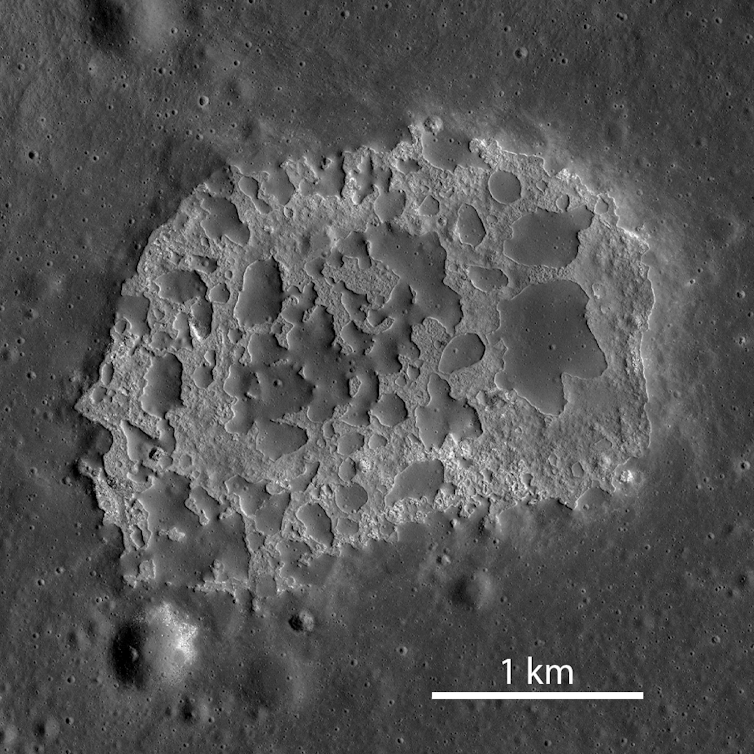
Ina IMP.
Irregular mare patches (IMPs) are potential signs of recent volcanic activity on the Moon. This is an image of the IMP known as Ina. NASA/GSFC/Arizona State University

The same should be true of Io, which is similar in size to our Moon. However, tidal forces generated by gravitational interactions with Jupiter give Io an additional, strong heat source. Io is very volcanically active as a result.

The Moon’s dark areas

Most eruptions on the Moon took place near the edges of giant depressions formed early in the Moon’s history by asteroid impacts. Lava flooded the interiors of these basins to form the dark areas on the Moon’s near side. These areas are call maria (singular mare), the Latin for seas, because the flat sheets of lava were mistaken for expanses of water by early observers.

Analyses of the composition and age of samples returned from these mare areas by the six Apollo missions and three Soviet robotic probes were consistent with the belief there had been no geologically recent volcanic activity on the Moon.

This understanding persisted until very high-resolution images of the lunar surface from the US Lunar Reconnaissance Orbiter mission became available following the mission’s launch in 2009. Counts of the numbers of very small impact craters revealed a lack of craters in some volcanic areas with unusual surface textures, named irregular mare patches (IMPs).

The simplest explanation for this was that these IMPs were young, typically about 100 million years old. This is 20 times younger than the 2 billion-year youngest age that had been expected.

In an attempt to reconcile these observations with the accepted history of lunar volcanism, it was pointed out that the lack of any atmosphere on the Moon would make eruptions there significantly different from those on Earth. The lack of confining pressure would have allowed erupting lavas to release almost all of the gaseous compounds dissolved in them, allowing some lava flows to contain very large numbers of gas bubbles – to the extent of being a foam.

Meteoroid impacts into this soft foam would produce much smaller craters than in solid rock, thus causing the crater-counting method to give ages that were too young.

This issue has seen much debate, and the best way to resolve it is the return of samples to Earth for detailed laboratory analysis. Chang'e 5 brought back samples from a very large lava flow which was already known, from crater-counting, to be relatively young in geological terms.

Initial analyses of many fragments of the lava were consistent with the long-accepted theory that lunar volcanism stopped 2 billion years ago. However, closer examination of the Chinese samples, as described in the new Science paper, focused on some of the smallest fragments – the majority from rock shattered and melted into droplets by meteoroid impacts.

Three of these 3,000 droplets were identified from their detailed chemistry as volcanic in origin, and are only 120 million years old – very similar to the young ages inferred for IMPs elsewhere on the Moon.

Lunar eruptions

Lunar eruptions should have involved high lava fountains like those commonly seen erupting in Hawaii, for example. While most of these droplets would have accumulated into lava flows, some would have been thrown out for tens of kilometres to other parts of the Moon’s surface.

The three “volcanic droplets” identified in the Chang'e 5 sample were probably not erupted from the same vent as the bulk of the rock and soil delivered to Earth. This would explain why these droplets are much younger than the lava flow at Chang'e 5’s landing site.

These three glassy droplets are the first physical evidence we have for anomalously recent volcanic activity on the Moon. There would have to have been much higher concentrations of heat-producing radioactive elements in some areas than others for volcanic activity to have occurred as recently as the new results imply. So, these findings could prompt a major revision in our understanding of how the Moon developed.The Conversation

Lionel Wilson, Emeritus Professor, Lancaster Environment Centre, Lancaster University

This article is republished from The Conversation under a Creative Commons license. Read the original article.

Kelseyville Pear Festival names Phil and Toni Scully 2024 grand marshals

Details
Written by: Lake County News reports
Published: 21 September 2024
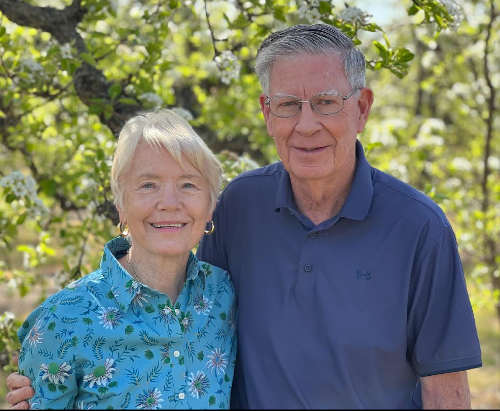
Phil and Toni Scully. Photo courtesy of the Kelseyville Pear Festival.

KELSEYVILLE, Calif. — This year’s Kelseyville Pear Festival will have as its grand marshals two people who have been stalwarts in Lake County agriculture, particularly in the pear industry.

Festival organizers said they named Phil and Toni Scully as the event’s grand marshals.

The Pear Festival takes place on Saturday, Sept. 28, in downtown Kelseyville.

Through Scully Packing, Phil, Toni and their family pack and ship pears from about 19 family farms from California’s three major growing regions, Sacramento, Mendocino and Lake County, with Lake County’s premium mountain Bartletts being “the crown jewels,” the festival reported.

The festival said Scully Packing alone ships about 40% of all the California Bartletts destined for consumer markets.

At the same time, Lake County growers still produce about 25% of all the pears grown in California.

Phil and Toni Scully moved their young family to Lake County in 1974, when Phil became manager of The Lake County Fruit Exchange, one of the two largest grower-owned pear packing facilities in the county.

When the Scullys moved to Lake County, there were nine pear packing houses in the county.
Nine years later they went out on their own and acquired Lollilla Packing Co., Lake County's oldest operating packing shed from the Harrell family.

The deal was sealed on Feb 1, 1984, their 20th wedding anniversary, when their sons, Pat and Andy, were ages 17 and 7, respectively, at the time.

“The whole family dug in and over the years replaced the old outdated facility with the efficient packinghouse you see today,” the festival announcement said. “In 1998 they took another leap of faith and bought their second packinghouse, the Scotts Valley Fruit Exchange.”

Brothers Pat and Andy Scully run the day to day farming and packing operations and represent the county in industry forums. Phil Scully is active in sales seasonally.

Toni Scully is active in Lake County California Women for Agriculture and its award winning AgVenture program. CWA also bakes a mountain of pear pies and popovers for sale at the Pear Festival.

Estate Planning: Death of real property owner­ ­and the assessor’s office

Details
Written by: DENNIS FORDHAM
Published: 21 September 2024
Dennis Fordham. Courtesy photo.

When an owner of real property in California dies, the county assessor needs to be notified of the owner’s death.

This involves filing the assessor form titled, “Change in Ownership – Death of Real Property Owner” within 150 days of the real property owner’s death.

It is related to (assists) but separate from any transfer in title documents that are filed with the recorder’s office. Many people are unaware of the importance of this assessor form.

The death of real property form is necessary to claim the specific exclusions from reassessment when they apply. That is, the interspousal exclusion, the parent to child exclusion (very limited), the grandparent to grandchild exclusion (even more limited), and the cotenants exclusion (limited) from real property reassessment on the change in ownership as of the prior owner’s date of death. Let us discuss.

The interspousal exclusion applies when an interest in real property is left to the deceased owner’s surviving spouse. The exclusion is relevant whether the surviving spouse receives an outright ownership interest or a beneficial interest through an ongoing trust during the surviving spouse’s lifetime. While the surviving spouse owns or enjoys the use of the real property the often used interspousal exception applies.

If the surviving spouse is not the sole beneficiary, however, then the interspousal exception is reduced to the surviving spouse’s proportionate interest in the property.

For example, if the surviving spouse is one of several trust beneficiaries who live in the deceased owner’s residence, then it is necessary to allocate the shared use of the property amongst the various trust beneficiaries / co-tenants.

If appropriate, that might involve allocating the square feet of the decedent’s residence between the spouse and the rest of the co-tenants (trust beneficiaries) where exclusive use areas within the residence are allocated to the exclusive use tenant and the shared / common areas are divided amongst all tenants.

The parent to child exclusion itself (very limited) also requires the child’s submission of the additional “Claim for Reassessment Exclusion for Transfer Between Parent and Child” Assessor form.

Since Feb. 16, 2021, the parent child exclusion now only applies if the real property was both the deceased parent’s primary residence and the child moves in (or already lives in) the residence within one year of the deceased parent’s death. The child must also claim the homeowner’s exemption to show the home is the child’s primary residence.

The grandparent to grandchild exclusion requires the grandchild’s submission of the additional “Claim for Reassessment Exclusion for Transfer Between Grandparent and Grandchild” Assessor form.

This exclusion is even narrower than the parent child exclusion as it requires not only that the grandchild’s parent (i.e., the deceased real property owner’s own child) be deceased but also that the spouse of that deceased parent (i.e., the deceased real property owner’s daughter-in-law or son-in-law) either be deceased or be remarried.

Lastly, the cotenant exclusion from reassessment requires that the deceased and surviving cotenant (only two cotenants allowed) together own 100% of the property either as tenants in common or joint tenants, for the one-year period immediately preceding the death of one of the cotenants, and that the property was their principal residence for that same period.

Also, the transfer must occur due to a cotenant’s death that results in the surviving cotenant obtaining complete ownership interest. Moreover, the surviving cotenant must sign an affidavit under penalty of perjury affirming that he or she continuously resided at the residence for the one-year period.

Even when no exclusion from reassessment applies, the Death of Real Property Owner form is also required to be filed when no exclusion applies to alert the Assessor that there is a change in ownership.

The foregoing brief discussion is not legal advice. Consult a qualified attorney for guidance.

Dennis A. Fordham, attorney, is a State Bar-Certified Specialist in estate planning, probate and trust law. His office is at 870 S. Main St., Lakeport, Calif. He can be reached at This email address is being protected from spambots. You need JavaScript enabled to view it. and 707-263-3235.
  1. Stay up to date on vaccines for fewer sick days as we head into colder months
  2. Governor signs bill to protect children from social media addiction
  3. Space News: Astronomers are getting better at detecting asteroids before they hit Earth – and it could save us from catastrophe
  • 539
  • 540
  • 541
  • 542
  • 543
  • 544
  • 545
  • 546
  • 547
  • 548
How to resolve AdBlock issue?

Refresh this page