 How to resolve AdBlock issue?
Health
- Details
- Written by: Elizabeth Larson
Because many valley fever infections take place during the summer, August has been designated as Valley Fever Awareness Month.
“California’s dry conditions, combined with recent heavy winter rains could results in increasing valley fever cases in the coming months,” said CDPH Director and State Public Health Officer Dr. Tomás Aragón. “To protect yourself and your family, know the symptoms of Valley fever, which will help ensure early detection. Individuals with lingering cough and fatigue should talk to a health care provider about Valley fever, especially if they have been outdoors in dusty air.”
Valley fever, also known as coccidioidomycosis or “cocci,” usually affects the lungs and can cause prolonged respiratory symptoms including cough, fever, chest pain, and fatigue or tiredness. These symptoms can result in people missing work, school, and activities they enjoy.
While valley fever shares many of the same symptoms with other respiratory diseases (including COVID-19), valley fever symptoms can last a month or more, and laboratory tests are needed to know whether symptoms are caused by valley fever or another illness.
If a person tests negative for COVID-19 but continues to have respiratory symptoms that last more than a week, they should talk to a doctor and ask if their symptoms could be valley fever. If valley fever is diagnosed, your doctor will determine if you need treatment.
Because valley fever is caused by breathing in a fungus from dust in outdoor air, it can be difficult to prevent infection.
Practical tips may help prevent valley fever in areas with high rates:
• When it is windy outside and the air is dusty, stay indoors and keep windows and doors closed.
• Before digging, wet down soil and dirt to prevent stirring up dust into the air.
• Consider wearing a properly fitted N95 mask if you must be in dusty air outdoors in these areas.
CDPH encourages people who live, work, or visit in areas where valley fever is common to learn about the signs and symptoms of valley fever and the ways to help reduce the risk of infection.
Employers with employees working outdoors in these areas should train workers about valley fever symptoms and take steps to limit exposure to dust, such as watering down soil before digging.
A potential increase in cases
New research by the University of California, Berkeley and CDPH shows that during drought, the fungus that causes valley fever can become less active. However, when the rains return, the fungus can grow, leading to increases in infection.
Cases of valley fever in California have historically been lowest during years of drought and highest during years immediately after a drought.
The wet winter season California experienced could lead to more valley fever cases this summer and fall.
About 20,000 valley fever cases are reported in the U.S. each year, mostly from Arizona and California, and the number of cases is increasing.
Rates of valley fever in California continue to be highest in the Central Valley and Central Coast regions, including Kern, Kings, San Luis Obispo, Fresno, Tulare, Madera, and Monterey counties.
However, as the climate changes, valley fever has increased in other areas of the state as well. Specifically, more cases have been reported in the Northern San Joaquin (Central) Valley and Southern California in recent years.
With cases reaching their peak during the summer and fall months, August is Valley Fever Awareness Month. The department has developed a valley fever toolkit complete with resources to equip local agencies with key messaging to help expand Valley fever awareness and educate communities. It is important for all Californians to know the signs and symptoms of valley fever.
While anyone can get valley fever, people most likely to get valley fever include individuals who live, work, or travel in areas with high rates of valley fever, especially if they participate in outdoor activities that involve close contact with dirt or dust.
Other groups are at higher risk of severe valley fever if they become infected, including people who are Black or Filipino, adults 60 years or older, pregnant women, and people with diabetes, cancer, or conditions that weaken the immune system.
For additional information on Valley fever, please visit CDPH’s Valley fever website.
- Details
- Written by: Elizabeth Larson
Adventist Health Clear Lake has achieved Geriatric Emergency Department Accreditation from the American College of Emergency Physicians, or ACEP, a professional organization of emergency medicine physicians in the US.
This accreditation means that the hospital’s emergency services provide the necessary expertise, equipment, and staff to deliver excellent care to older patients.
As an accredited geriatric emergency department, Adventist Health Clear Lake’s protocol-driven approach to treating geriatric patients ensures superior, tailored care.
To achieve accreditation, Adventist Health Clear Lake’s emergency department staff focused on standardizing approaches to care for common geriatric issues; ensuring optimal transitions of care from the emergency department to other settings, including inpatient units, home or rehabilitation and long-term care centers by accomplishing a series of geriatric-focused quality improvements.
“We are very proud of the tremendous work that our team did to receive this accreditation as a Accredidated Geriatric Emergency Department that provides quality care for our communities older adults population,” said Misty Cantrell, patient care executive at Adventist Health Clear Lake. “Following best practices and added measures in mind, our Emergency Department is here to ensure compassionate, specialized care to this population that we are dedicated to supporting.”
Requirements for the Geriatric Emergency Department accreditation begin with demonstrating that the participating emergency department includes both a physician and nurse with specialized geriatric training on staff, meets environmental criteria such as easy patient access to water and mobility aids, and has a geriatric quality improvement program.
Studies show that approximately 60% of Medicare patients admitted to the hospital arrive through the emergency department, and multiple studies also note the vulnerability of older adults after an emergency visit.
Adventist Health Clear Lake leadership said these accreditations continue to raise the bar for care in rural communities across Lake County.
- Details
- Written by: Elizabeth Larson
Rapid Care clinics offer quick attention for minor medical conditions, such as allergic reactions, bug bites, body and muscle aches, colds, flus, fevers, coughing and wheezing, cuts and lacerations, persistent headaches, eye and ear infections, sprains, rashes, itching and much more.
Rapid Care clinics are staffed with quality health care professionals who are trained and have extensive experience with managing those minor health concerns that may not require a visit to the emergency room, but need immediate attention.
The Rapid Care clinic in Lakeport is the second Rapid Care clinic opened by Adventist Health Clear Lake this year, following the January opening of Rapid Care in Clearlake.
The Lakeport Rapid Care clinic is open weekdays from 8 a.m. to 4 p.m. and is conveniently located inside the existing primary care and pediatric clinic suite at 487 S. Main St.
More information about Rapid Care and the differences between Rapid Care services and the full-service Emergency Department at Adventist Health Clear Lake, visit www.AdventistHealth.org/LakeCountyRapidCare.
- Details
- Written by: Elizabeth Larson
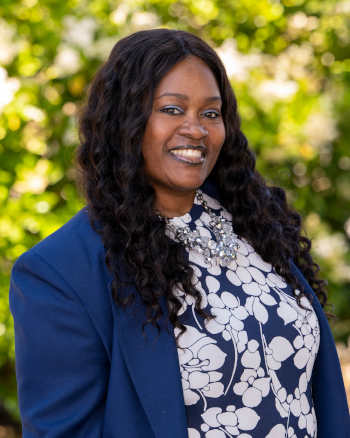
LAKE COUNTY, Calif. — MCHC Health Centers is excited to announce the arrival of Roshanda Grayson-Thomas, a certified psychiatric mental health nurse practitioner who will provide telehealth to patients in both the Lake and Mendocino counties while continuing to reside in her hometown in northwest Indiana.
“Mendocino County reminds me of the small community I come from,” Grayson-Thomas said. “Places like Ukiah and Laytonville have the same issues as other small communities across the country.”
With her training, Grayson-Thomas could work anywhere. She chose MCHC because she believes this is where her work will have the biggest impact.
Her arrival doubles the number of psychiatric nurse practitioners at MCHC, which she hopes will make a big difference for the community. She also said she believes MCHC’s team-based approach allows patients to get better care because providers from various specialties can collaborate.
MCHC CEO Rod Grainger said he was pleased to be able to expand access to care, especially psychiatric health support, given the community’s ever expanding need.
“Roshanda is a great fit. She understands the challenges our patients face and is incredibly well trained to support them,” he said.
Grayson-Thomas said her primary role is psychiatric medication management and is thankful MCHC’s system allows her to work hand-in-hand with therapists and other providers. She noted that no amount of medication can fix all of a person's problems, so for a patient to get the best care, providers need to understand what is going on physically, mentally, and socially.
“Mental health impacts physical health and vice versa. Having all the components of health care together in one place means patients don’t have to get a referral and wait two years to see someone. Instead, MCHC’s approach can get patients the care they need right away and providers can get a view of a patient's overall health instead of just one piece of it,” Grayson-Thomas explained.
MCHC’s holistic approach to health makes it easier for multiple providers to work with a patient to create a common plan that helps them meet their goals and live a more productive life.
Helping people has been a lifelong passion for Grayson-Thomas who became interested in medicine at the young age of 15 when she nursed her then-friend (now husband) back to health from a motorcycle accident that left him nearly paralyzed. Helping him through his recovery made her realize she wanted to “make a difference in people’s lives.”
Initially, Grayson-Thomas planned to help others by becoming a teacher, but at age 19 she shifted to health care and has never looked back.
She started as a certified nursing assistant and quickly became a licensed practical nurse. Working in a retirement community, she spent time with elderly patients whose families rarely visited. It was here that Grayson-Thomas recognized the vast need in health care for greater mental health services.
“The patients I worked with at the retirement community didn’t have family to visit, so I became a family member to them. I would have conversations with them, look at pictures with them, and offer them the companionship they needed,” she said.
After going back to school to become a registered nurse, Grayson-Thomas began working in a hospital psychiatric ward where she knew she was getting closer to her purpose.
It became clear to Grayson-Thomas that psychiatrists were getting older and retiring, and that there were fewer providers to meet the growing demand. She went back to school in 2017 and became a psychiatric nurse practitioner in 2020.
Grayson-Thomas is excited to start working for MCHC, and pleased she can continue to live in her community while providing all the benefits of telehealth to her patients.
“Telehealth means an internet connection or phone system is all a person needs to make their appointment. Consistency can be very important for patients who need refills of their medication or to have regular check-ins,” Grayson-Thomas said. “Telehealth allows people to seek mental health services where they are comfortable, in their home… It allows for more privacy and doesn’t require them to come into the clinic for every office visit, which can be hard.”
Although Grayson-Thomas believes the stigma around seeking mental health services has decreased in the wake of the Covid-19 pandemic, it still exists. She encourages people to seek care before their problem worsens.
“My motto is, ‘It’s OK to not be OK.’ The sooner someone notices their norm is out of whack and seeks mental health services, the better,” Grayson-Thomas said. “Small depression isn’t small. It can start as two days in bed, then five, then a week … Mental symptoms get worse just like physical symptoms. Seek services before you are behind the eightball and it’s harder to recover.”
The ability to reduce the harm caused by serious mental illness, up to and including hospitalization, is one of the biggest reasons Grayson-Thomas chose to work in outpatient care.
Hospitalizations can be mentally and financially draining. Grayson-Thomas enjoys getting people the psychiatric care they need early enough to avoid a hospital visit.
As an African American woman in health care, Grayson-Thomas takes pride in helping communities that have been traditionally overlooked and underserved. It is one of the reasons she felt she would mesh well with MCHC and its mission as a federally qualified health center to provide culturally competent care.
“My approach is a little different. A lot of minority groups have never seen a colorful woman like me in health care,” Grayson-Thomas said with a smile. Then, more seriously, she continued, “I know where they come from and I don’t judge.”
To get a better sense of Mendocino County, Grayson-Thomas traveled out from Indiana to immerse herself in the community she will be serving.
Grayson-Thomas did eventually fulfill her original dream of teaching. In addition to working directly with patients, she is an instructor at Ivy-Tech Community College where she teaches the next generation of nurses. She also passed on her passion for nursing and helping others to her four children. Her eldest is working as a registered nurse at the University of Chicago and her second eldest is currently studying to become a nurse.
Grayson-Thomas, who is currently accepting new patients at MCHC, encouraged anyone who thinks they might benefit from behavioral health support to call for an appointment without delay.
MCHC Health Centers includes Hillside Health Center and Dora Street Health Center in Ukiah, Little Lake Health Center in Willits, and Lakeview Health Center in Lakeport. It is a community-based and patient-directed organization that provides comprehensive primary health care services as well as supportive services such as education and translation that promote access to health care.