 How to resolve AdBlock issue?
News
LAKEPORT, Calif. – A Lakeport Police officer on Tuesday night discovered a stolen senior center van and arrested a man who previously had been cited for violating the county’s shelter in place order for stealing the vehicle.
Robert Ed Taylor, 60, of Lakeport, was arrested after Officer Kaylene Strugnell found him driving the stolen van, police said.
At about 10 p.m. Tuesday Strugnell was on patrol when she located an occupied suspicious box van in the parking lot of Savings Bank of Mendocino County on Main Street, police said.
Police said Strugnell identified the van’s driver as Taylor and found that the van was registered to the Lakeport Senior Center.
With the assistance of Officer Tyler Trouette, Strugnell conducted further investigation and determined that the van was an unreported stolen vehicle, taken from the senior center without anyone’s knowledge. Senior center staff responded to recover the vehicle, the department reported.
Police said Taylor was arrested for felony vehicle theft and possession of stolen property.
Due to current Judicial Council of California rules that are remaining in effect during the COVID-19 emergency, these charges would not trigger a booking and custody hold with bail. As such, police said Taylor was given a notice to appear in court at a later date and released.
Last week, police arrested Taylor at the same location for violating the Public Health shelter in place orders after he repeatedly harassed employees and customers and had no lawful business at the location.
The Lakeport Police Department reported that its officers have conducted thousands of miles of patrol and hundreds of business and neighborhood checks to keep the community safe during the shelter in place order.
Robert Ed Taylor, 60, of Lakeport, was arrested after Officer Kaylene Strugnell found him driving the stolen van, police said.
At about 10 p.m. Tuesday Strugnell was on patrol when she located an occupied suspicious box van in the parking lot of Savings Bank of Mendocino County on Main Street, police said.
Police said Strugnell identified the van’s driver as Taylor and found that the van was registered to the Lakeport Senior Center.
With the assistance of Officer Tyler Trouette, Strugnell conducted further investigation and determined that the van was an unreported stolen vehicle, taken from the senior center without anyone’s knowledge. Senior center staff responded to recover the vehicle, the department reported.
Police said Taylor was arrested for felony vehicle theft and possession of stolen property.
Due to current Judicial Council of California rules that are remaining in effect during the COVID-19 emergency, these charges would not trigger a booking and custody hold with bail. As such, police said Taylor was given a notice to appear in court at a later date and released.
Last week, police arrested Taylor at the same location for violating the Public Health shelter in place orders after he repeatedly harassed employees and customers and had no lawful business at the location.
The Lakeport Police Department reported that its officers have conducted thousands of miles of patrol and hundreds of business and neighborhood checks to keep the community safe during the shelter in place order.
Caltrans, the California Highway Patrol and the California Office of Traffic Safety are urging drivers in the state to slow down given a recent 87-percent increase in citations for speeding in excess of 100 miles per hour that coincides with decreased traffic volumes during the COVID-19 pandemic.
From March 19 when the state’s stay-at-home order began to April 19, the CHP reports issuing 2,493 citations statewide for speeding more than 100 miles per hour, as compared to 1,335 during the same period last year.
This increase in citations occurred as Caltrans has measured an average decline in traffic volume on state roads of approximately 35 percent as compared to this time last year.
“Excessive speed and unsafe driving threaten everyone using our highway system,” said Caltrans Director Toks Omishakin. “Viewing less congested roads as an invitation to drive dangerously jeopardizes the safety of construction and maintenance crews who are working to maintain reliable access to our highways when people need it most.”
“It is alarming to see the number of citations officers are writing for excessive speeds on California roadways,” said CHP Commissioner Warren Stanley. “Higher speeds can lead to much more serious injuries and significantly increase the chance of death should a crash occur. Keep yourself and those on the road around you safe. Slow down and drive at a safe, legal speed.”
California’s “Move Over” law continues to be in effect and requires all drivers to move over a lane or, if unable to do so safely, slow down when they see amber flashing lights on Caltrans vehicles, law enforcement and emergency vehicles, and tow trucks.
“Fewer cars on the road doesn’t give drivers the green light to travel over the speed limit,” OTS Director Barbara Rooney said. “Driving at a safe speed when you must go out is one way to keep you and your family safe during this pandemic.”
California’s more than 700 electronic highway signs will also soon display the following types of safety-related messages: “If you must travel, do not speed,” and, “Keep essential workers safe, do not speed.”
During the COVID-19 emergency, Caltrans said it continues to provide the general public with a safe and reliable transportation system.
The department is maintaining all critical functions during this crisis, including ensuring roadway access to medical facilities and the convenient transport of essential goods and services throughout the state.
Some non-essential work has been deferred to limit the spread of the COVID-19 virus, but maintenance and construction crews are still addressing hazards, safety concerns and other critical functions on the highways.
Please slow down and "Be Work Zone Alert."
For more information about COVID-19 https://covid19.ca.gov/ .
From March 19 when the state’s stay-at-home order began to April 19, the CHP reports issuing 2,493 citations statewide for speeding more than 100 miles per hour, as compared to 1,335 during the same period last year.
This increase in citations occurred as Caltrans has measured an average decline in traffic volume on state roads of approximately 35 percent as compared to this time last year.
“Excessive speed and unsafe driving threaten everyone using our highway system,” said Caltrans Director Toks Omishakin. “Viewing less congested roads as an invitation to drive dangerously jeopardizes the safety of construction and maintenance crews who are working to maintain reliable access to our highways when people need it most.”
“It is alarming to see the number of citations officers are writing for excessive speeds on California roadways,” said CHP Commissioner Warren Stanley. “Higher speeds can lead to much more serious injuries and significantly increase the chance of death should a crash occur. Keep yourself and those on the road around you safe. Slow down and drive at a safe, legal speed.”
California’s “Move Over” law continues to be in effect and requires all drivers to move over a lane or, if unable to do so safely, slow down when they see amber flashing lights on Caltrans vehicles, law enforcement and emergency vehicles, and tow trucks.
“Fewer cars on the road doesn’t give drivers the green light to travel over the speed limit,” OTS Director Barbara Rooney said. “Driving at a safe speed when you must go out is one way to keep you and your family safe during this pandemic.”
California’s more than 700 electronic highway signs will also soon display the following types of safety-related messages: “If you must travel, do not speed,” and, “Keep essential workers safe, do not speed.”
During the COVID-19 emergency, Caltrans said it continues to provide the general public with a safe and reliable transportation system.
The department is maintaining all critical functions during this crisis, including ensuring roadway access to medical facilities and the convenient transport of essential goods and services throughout the state.
Some non-essential work has been deferred to limit the spread of the COVID-19 virus, but maintenance and construction crews are still addressing hazards, safety concerns and other critical functions on the highways.
Please slow down and "Be Work Zone Alert."
For more information about COVID-19 https://covid19.ca.gov/ .
NORTH COAST, Calif. – On Friday, April 24, Rep. Mike Thompson (CA-05) will hold a virtual town hall from 4:30 to 5:30 p.m.
This is the second in a series of virtual town halls where Thompson and experts from across the district are answering questions on the response to the fallout from novel coronavirus, which causes COVID-19.
All constituents of California’s Fifth Congressional District – which includes southern Lake County – and members of the press are invited to join.
For this week’s virtual town hall, Thompson will be joined by Sonoma County Public Health Officer Dr. Sundari Mase and Sonoma County Board of Supervisors Chair Susan Gorin.
This event will be held over Zoom and interested participants must email Thompson’s office in order to join, as the platform has a capacity of 500 people.
Interested participants will be notified via email with instructions on how to join.
The event will also be streamed on Facebook Live via Thompson’s page, https://www.facebook.com/RepMikeThompson/ .
Thompson represents California’s Fifth Congressional District, which includes all or part of Contra Costa, Lake, Napa, Solano and Sonoma counties.
This is the second in a series of virtual town halls where Thompson and experts from across the district are answering questions on the response to the fallout from novel coronavirus, which causes COVID-19.
All constituents of California’s Fifth Congressional District – which includes southern Lake County – and members of the press are invited to join.
For this week’s virtual town hall, Thompson will be joined by Sonoma County Public Health Officer Dr. Sundari Mase and Sonoma County Board of Supervisors Chair Susan Gorin.
This event will be held over Zoom and interested participants must email Thompson’s office in order to join, as the platform has a capacity of 500 people.
Interested participants will be notified via email with instructions on how to join.
The event will also be streamed on Facebook Live via Thompson’s page, https://www.facebook.com/RepMikeThompson/ .
Thompson represents California’s Fifth Congressional District, which includes all or part of Contra Costa, Lake, Napa, Solano and Sonoma counties.
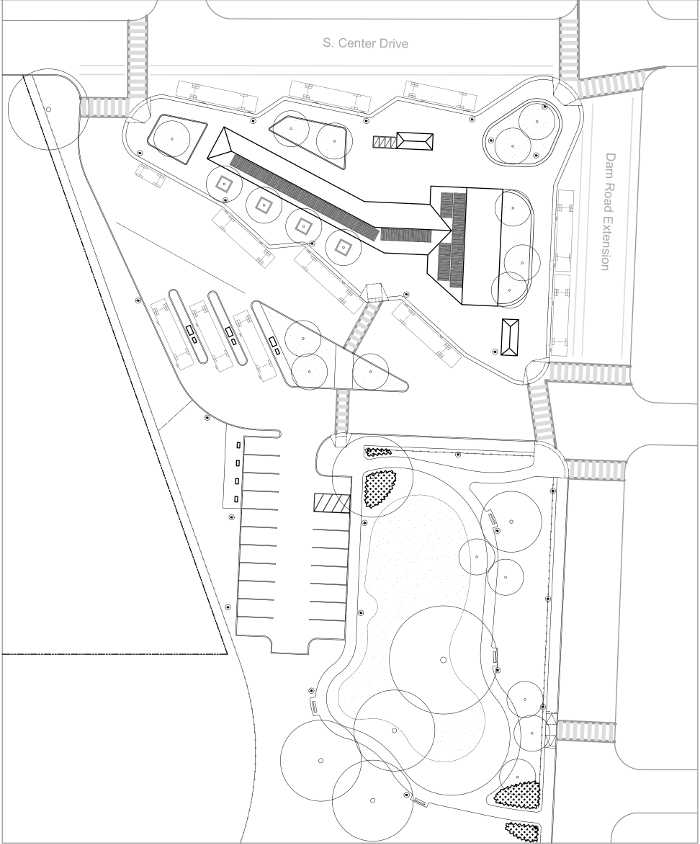
LAKE COUNTY, Calif. – Lake Transit Authority has received a major grant award that will allow it to build a new transit hub and modernize its fleet with the purchase of new hydrogen buses.
Lake Transit received $13 million in grant funding through the state of California’s Transit and Intercity Rail Capital Program, or TIRCP, to fund the construction of a new transit center and supporting infrastructure in the city of Clearlake.
“The grant program is extremely competitive and, historically, rural applicants have seen little success,” said Lake Transit Executive Director Lisa Davey-Bates.
The California State Transportation Agency said Tuesday it awarded $500 million to 17 recipients in TIRCP grants for transformative transit and rail projects.
“The $500 million in grant awards made today will increase transit service on new and existing routes, provide for a more integrated transit system, reduce greenhouse gas emissions, and support jobs,” California State Transportation Agency Secretary David S. Kim said Tuesday. “Although the current COVID-19 pandemic is putting tremendous stress on transit agencies, these funds support long-term capital projects to be completed in the years to come, and will help support the economic recovery in the years ahead.”
The TIRCP was created by Senate Bill 862 to provide grants from the Greenhouse Gas Reduction Fund to fund transformative capital improvements that will modernize California’s transit systems and significantly reduce emissions of greenhouse gases, vehicle miles traveled and congestion, Lake Transit reported.
The transit hub is proposed to be built on a portion of county-owned property at 7175 South Center Drive in Clearlake, near the Clearlake courthouse and the Lake County Campus of Woodland Community College. Its current bus depot is located in the parking lot between Big 5 and Walmart.
At its Jan. 14 meeting, the Board of Supervisors unanimously approved a resolution declaring its South Center Drive property as surplus and authorizing the sale of a portion of the land to Lake Transit for its new hub, as Lake County News has reported.
The board passed the resolution to help Lake Transit access the TIRCP grant funding, and also sent a letter in support of Lake Transit’s grant application. Lake Transit applied for the grant that same week.
Lake Transit was among 45 other transit agencies across the state that applied for a total of $2.45 billion in TIRCP funding, according to a February list of applications published online by the California State Transportation Agency.
In its application for the funding, Lake Transit sought approximately $12,994,264 for the project and received the entire amount.
The grant will fund the new transit center’s construction, along with four zero-emission buses, and fueling and maintenance infrastructure at its Lower Lake operations facility. It also will provide funding for workforce development in coordination with local community colleges, Lake Transit said.
The buses will use hydrogen fuel cell technology in order to allow extended range services to be operated, contributing to increased ridership, according to the award announcement.
Lake Transit said the project will expand service to out-of-county destinations and provide a new connection to the North State Intercity Bus System, which received a 2018 TIRCP award for $8.6 million, according to state records.
The North State Intercity Bus System’s 2018 grant was submitted by the Shasta Regional Transportation Agency in cooperation with the North State Super Region, an alliance of 16 northern California counties that includes Lake County.
That system is meant to provide transportation between Redding and Sacramento, and will create more efficient bus routes, improve safety and security for riders, and increase ridership.
Through the North State Intercity Bus System, Lake Transit will travel to out-of-county destinations, including the Sonoma County Airport and the Santa Rosa Bus Terminal in downtown Santa Rosa, as well as to locations in the north, including Shasta County.
Lake Transit said its transit hub project is scheduled to begin in the fall of 2020 – once the grant funds become available – and is anticipated to take several years to complete. Project updates will be available on the Lake Transit Authority website.
Lakeport City Councilwoman Stacey Mattina, also a member of the Lake Area Planning Council Board of Directors, reported the grant award during the city council’s Tuesday evening meeting.
Mattina congratulated Davey-Bates and her staff.
“It’s going to be a big deal for the county,” Mattina said of the transit project.
Email Elizabeth Larson at
CLEARLAKE, Calif. – While the full scope of the financial impact from the COVID-19 pandemic is yet to be fully seen or understood, Clearlake’s city manager gave his analysis to the council at its last meeting about what it could mean in the short-term.
City Manager Alan Flora offered the council his update on the situation at its meeting on Thursday.
In comparison with previous recessions, the pandemic is already having a quicker impact on the economy, Flora said, noting the dramatic rise in unemployment numbers nationwide.
California is in a better financial position than it was more than a decade ago when the Great Recession hit, but Flora pointed to economic factors that could impact not just local but state coffers.
He said transient occupancy tax, or bed tax, and sales tax are likely to see impacts, and noted a reduction in travel that will drop gas tax revenue.
In the current financial quarter, across California there has been a 30 to 37 percent decline in sales tax receipts, he said.
There are nuances to the overall picture, Flora explained, noting that online sales are up but fuel and auto sales are down.
At the same time, there is more activity at grocery stores. However, Flora said a lot of food at grocery stores is not taxable unless it’s processed or cooked.
“We’ll see how that plays out,” he said of sales tax.
Flora also reported an 80- to 90-percent decline in transient occupancy tax receipts, a result of closures of hotels and vacation rentals.
He said that, hopefully, that will be a more temporary decline, but it will depend on how long the pandemic and its effects continue. It could take a significant period of time for travelers to feel comfortable again.
There are other revenues as well, including business licenses, that are likely to see declines, Flora said.
The governor announced that small businesses have a 12-month deferral to pay sales taxes of up to $50,000, which will impact cities. While Flora said there are questions if the state has the authority to do it, state leaders and the League of California Cities believes it can.
In addition, collection of the city’s special taxes – including Measure P, which benefits police, and Measure V, which is for roads – also will be affected, Flora said.
Flora said there is hope that local governments will be able to get direct relief in a new stimulus bill. The last bill, the CARES Act, provided help primarily for municipalities with populations of 500,000 or more, which left out rural areas, although the city will get about $130,000 in Community Development Block Grant funding.
Looking ahead, Flora said he’s making some financial assumptions that include the expectation of a general fund impact in the current fiscal year of $538,000 in lost revenue due to a reduction in activity or deferral in taxes. For the next fiscal year, he’s estimating $500,000 in impact. Those figures total about 20 percent of the city’s general fund.
“Take those with a little bit of a grain of salt,” he said of his figures.
Flora said the city is likely to experience cash flow issues rather than a loss of revenue. The city doesn’t have a level of reserves to sustain it but it can use special revenue funds for cash flow as long as it doesn’t extend across fiscal years. Those sources include Series A and Series B funds, which have several million dollars in them.
With the situation continually developing, Flora said he’s now trying to pare down any expenditures the city doesn’t have to make.
He said they’ve stopped filling positions except for at the police department, which is down three officers with hiring in the process.
The city also is freezing Measure V road projects and working with contractors to see how long they will hold out on prices, he said.
He said the city’s dump truck and water truck no longer meet state requirements and rather than buying trucks he’s directed Public Works to find a lease, which may be brought to the council later this month.
Flora said the city needs to do everything it can to keep cash available and not make expenditures it doesn’t have to.
“This is something that worries me more than anything else right now,” Flora said of the city’s financial situation.
He added that he wants to make sure to maintain adequate service to the community during a difficult time for everyone.
Email Elizabeth Larson atThis email address is being protected from spambots. You need JavaScript enabled to view it. . Follow her on Twitter, @ERLarson, or Lake County News, @LakeCoNews.
City Manager Alan Flora offered the council his update on the situation at its meeting on Thursday.
In comparison with previous recessions, the pandemic is already having a quicker impact on the economy, Flora said, noting the dramatic rise in unemployment numbers nationwide.
California is in a better financial position than it was more than a decade ago when the Great Recession hit, but Flora pointed to economic factors that could impact not just local but state coffers.
He said transient occupancy tax, or bed tax, and sales tax are likely to see impacts, and noted a reduction in travel that will drop gas tax revenue.
In the current financial quarter, across California there has been a 30 to 37 percent decline in sales tax receipts, he said.
There are nuances to the overall picture, Flora explained, noting that online sales are up but fuel and auto sales are down.
At the same time, there is more activity at grocery stores. However, Flora said a lot of food at grocery stores is not taxable unless it’s processed or cooked.
“We’ll see how that plays out,” he said of sales tax.
Flora also reported an 80- to 90-percent decline in transient occupancy tax receipts, a result of closures of hotels and vacation rentals.
He said that, hopefully, that will be a more temporary decline, but it will depend on how long the pandemic and its effects continue. It could take a significant period of time for travelers to feel comfortable again.
There are other revenues as well, including business licenses, that are likely to see declines, Flora said.
The governor announced that small businesses have a 12-month deferral to pay sales taxes of up to $50,000, which will impact cities. While Flora said there are questions if the state has the authority to do it, state leaders and the League of California Cities believes it can.
In addition, collection of the city’s special taxes – including Measure P, which benefits police, and Measure V, which is for roads – also will be affected, Flora said.
Flora said there is hope that local governments will be able to get direct relief in a new stimulus bill. The last bill, the CARES Act, provided help primarily for municipalities with populations of 500,000 or more, which left out rural areas, although the city will get about $130,000 in Community Development Block Grant funding.
Looking ahead, Flora said he’s making some financial assumptions that include the expectation of a general fund impact in the current fiscal year of $538,000 in lost revenue due to a reduction in activity or deferral in taxes. For the next fiscal year, he’s estimating $500,000 in impact. Those figures total about 20 percent of the city’s general fund.
“Take those with a little bit of a grain of salt,” he said of his figures.
Flora said the city is likely to experience cash flow issues rather than a loss of revenue. The city doesn’t have a level of reserves to sustain it but it can use special revenue funds for cash flow as long as it doesn’t extend across fiscal years. Those sources include Series A and Series B funds, which have several million dollars in them.
With the situation continually developing, Flora said he’s now trying to pare down any expenditures the city doesn’t have to make.
He said they’ve stopped filling positions except for at the police department, which is down three officers with hiring in the process.
The city also is freezing Measure V road projects and working with contractors to see how long they will hold out on prices, he said.
He said the city’s dump truck and water truck no longer meet state requirements and rather than buying trucks he’s directed Public Works to find a lease, which may be brought to the council later this month.
Flora said the city needs to do everything it can to keep cash available and not make expenditures it doesn’t have to.
“This is something that worries me more than anything else right now,” Flora said of the city’s financial situation.
He added that he wants to make sure to maintain adequate service to the community during a difficult time for everyone.
Email Elizabeth Larson at
LAKE COUNTY, Calif. – This year has brought the community still another unique challenge, and to meet it Shakespeare at the Lake’s organizers are planning a new approach to everything from auditions to performances.
Over the past several years as Lake County performances were rescheduled or relocated due to fires, air quality or power outages, the group held to the old adage, “The show must go on.”
Now, in the face of the COVID-19 pandemic and the associated need for social distancing, the group’s approach is, “The show must go on … line.”
This year’s Shakespeare at the Lake production of the Bard’s famed love story, “Romeo and Juliet,” will be auditioned, rehearsed and performed completely online.
“We’ve never done anything like this before,” said director John Tomlinson. “We’re going into uncharted territory, but we feel it’s better to try to put on some sort of production rather than cancel it altogether. People need the arts now more than ever.”
Romeo and Juliet is a joint production of Mendocino College and the Lake County Theatre Co.
There is no experience necessary to be a part of this production and anyone, high school age and up, is encouraged to participate.
Online auditions will be held May 14 and 16 with performances scheduled for July 24 and 25. EmailThis email address is being protected from spambots. You need JavaScript enabled to view it. to schedule an audition time.
Audition materials are posted on the Lake County Theatre Co. website.
Actors will need to register for the THE 220 class at Mendocino College. Scholarships are available.
For more information, call 707-278-9628.
Over the past several years as Lake County performances were rescheduled or relocated due to fires, air quality or power outages, the group held to the old adage, “The show must go on.”
Now, in the face of the COVID-19 pandemic and the associated need for social distancing, the group’s approach is, “The show must go on … line.”
This year’s Shakespeare at the Lake production of the Bard’s famed love story, “Romeo and Juliet,” will be auditioned, rehearsed and performed completely online.
“We’ve never done anything like this before,” said director John Tomlinson. “We’re going into uncharted territory, but we feel it’s better to try to put on some sort of production rather than cancel it altogether. People need the arts now more than ever.”
Romeo and Juliet is a joint production of Mendocino College and the Lake County Theatre Co.
There is no experience necessary to be a part of this production and anyone, high school age and up, is encouraged to participate.
Online auditions will be held May 14 and 16 with performances scheduled for July 24 and 25. Email
Audition materials are posted on the Lake County Theatre Co. website.
Actors will need to register for the THE 220 class at Mendocino College. Scholarships are available.
For more information, call 707-278-9628.