 How to resolve AdBlock issue?
News
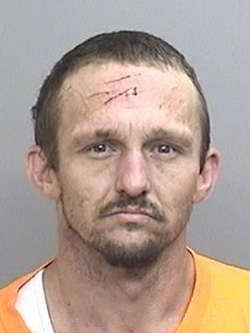
NORTH COAST, Calif. — Authorities arrested a Lake County man last week after he was found in possession of drugs and stolen property, including a pickup.
Joshua Timothy Colcleaser, 35, of Nice was arrested on Sept. 26, according to a report from the Mendocino County Sheriff’s Office.
On that day, authorities said a Mendocino County Sheriff's deputy noticed a red Ford Ranger with a camper shell traveling westbound on Highway 20 in Willits. The deputy knew the truck was possibly stolen from Lake County earlier in the day.
The sheriff’s office said the deputy saw the vehicle make a U-turn on Highway 20 and begin traveling eastbound on Highway 20. The deputy also turned around and went to conduct a traffic stop on the truck when it abruptly turned northbound on Pepperwood Way.
The truck came to a quick stop and the driver, later identified as Joshua Colcleaser, exited the driver's seat and ran westbound, the sheriff’s office reported.
The report said the deputy identified himself and told Colcleaser to stop. Colcleaser did not stop and continued running westbound.
Other sheriff's deputies along with personnel from the Willits Police Department, and the California Highway Patrol responded to the area. The sheriff’s office said after a search of the area on foot they were unable to locate Colcleaser in the brush.
The Ford Ranger was confirmed to have been stolen that same day from a location in Lake County. The registered owner, a Lakeport resident, responded to Willits and took custody of his truck, authorities said.
Inside the truck, the deputy located numerous items which did not belong to the victim. The sheriff’s office said the items included a purse with credit and debit cards in the name of a Ukiah woman. The deputy confirmed the purse and contents had been stolen in Ukiah early in the day and that the incident had been reported to the Ukiah Police Department.
The sheriff’s office said the deputy located two plastic bags containing suspected methamphetamine, on the front passenger seat, and two used glass pipes in the vehicle, commonly used to ingest controlled substances.
Also inside the truck was a box of ammunition, a cellular phone, a drone, a brown wallet and a hunting license in another person's name from the Bay Area, authorities said.
The Mendocino County Sheriff’s Office and Willows Police Department began getting calls regarding Colcleaser's location on Highway 20.
Willows Police located Colcleaser and detained him. The deputy responded and positively identified Colcleaser as the person who ran from the truck, authorities said.
The sheriff’s office said Colcleaser was arrested on charges including possession of a stolen vehicle, possession of stolen property, violation of probation, possession of a controlled substance, possession of drug paraphernalia, resisting/delaying law enforcement and two felony out-of-county arrest warrants.
While fleeing on foot Colcleaser had suffered injuries and was transported to the hospital for treatment, authorities said.
Colcleaser was subsequently transported to the Mendocino County Jail where he was booked and held on a no bail status.
He remains in custody this week with bail set at $70,000, according to jail records.
On Tuesday Gov. Gavin Newsom signed legislation uplifting dual language learners and improving access to child care.
The governor also highlighted the California Comeback Plan’s unprecedented investments to achieve universal transitional kindergarten by 2025 and create college savings accounts for 3.7 million kids.
“In California, we are committed to transforming our public schools to promote equity, inclusivity and opportunity for every student,” said Gov. Newsom. “Building upon this year’s historic budget investments in universal Pre-K and college savings accounts, these bills will improve access to a good education for children across California so that every child can thrive, regardless of their race, language spoken at home or ZIP code.”
AB 1363 by Assembly member Luz Rivas (D-Arleta) requires the superintendent of public instruction to develop procedures for state preschool contractors to identify and report data on dual language learners.
SB 393 by Sen. Melissa Hurtado (D-Sanger) aligns the Migrant Child Care Alternative Payment program with other voucher programs, improving child care access for migrant agricultural workers.
AB 1294 by Assembly member Bill Quirk (D-Hayward) extends the county child care pilot program for the County of Santa Clara to continue by one year, through July 1, 2023.
Rivas said more than 60% of California’s students come from a home where English is not the primary language, and the state is taking decisive action to strengthen bilingual students’ early learning opportunities.
“With the governor's signing of AB 1363, California leads the nation in education policy once more by becoming the first state to create a standardized process that identifies and supports K-12 dual language learners at an early age,” Rivas said.
The California Comeback Plan includes investments to transform public schools into gateways of opportunity.
As part of the governor’s $123.9 billion Pre-K and K-12 education package, California will provide free, high-quality, inclusive prekindergarten for all 4-year-olds, beginning in 2022-23 with full implementation anticipated by 2025-26.
The plan reduces class sizes, cutting adult-to-child ratios in half with at least an average of one adult for every 12 children, down from one for every 24 children.
The plan also invests $1.9 billion to seed college savings accounts of up to $1,500 for 3.7 million current low-income students, English learners and foster and homeless youth. Moving forward, those groups of students will have savings accounts seeded for them in first grade.
“We know from research and from experience that the early years are critical to support a child’s learning and development. Universal Pre-K is California’s opportunity to ensure every child, regardless of background, race, ZIP code, immigration status or income level, gets the fair start they need and deserve on their path to success,” said State Superintendent of Public Instruction Tony Thurmond. “I’m proud to have sponsored Universal TK legislation and to partner with the governor and the Legislature on implementing this major step forward.”
“Every child deserves access to high quality early learning opportunities that will prepare them to thrive in kindergarten and beyond. Universal transitional kindergarten (UTK) makes that a reality,” said Assembly member Kevin McCarty. “High quality early education sets children up for success in school, lifts up working families, narrows opportunity gaps, and breaks cycles of intergenerational poverty. UTK is a huge win for California’s children and families. Thank you Gov. Newsom for your unwavering commitment to our youngest learners.”
"I am thrilled that California is making history by investing in our children, their education, and their futures. Wealth inequality and the high cost of education have slammed the door shut on lower- and middle-income advancement across our state,” said Assembly member Adrin Nazarian. “A child savings account dispenses more than just a financial asset, but hope and optimism. This funding is a true investment in California's next generation of entrepreneurs, scientists, educators and community leaders.”
“Gov. Newsom’s historic policies advancing early learning for our youngest Californians are a game changer,” said Patricia Lozano, executive director of Early Edge California. “They bring California closer than ever to providing equity for all in education. From expanding Universal Pre-K to allocating resources for multilingual learners, Gov. Newsom and the Legislature have led the charge to help all of California’s students to succeed in life."
The California Comeback Plan also provides $10 million to expand dual language immersion programs and $300 million to increase the number of state preschool or TK programs and provide additional pre-K teacher training. It invests $490 million to support the building and renovating of state preschool, TK and kindergarten facilities.
The plan will phase in 200,000 new child care slots by 2025-26, dramatically expanding access for families.
A full list of the bills signed by the governor is below:
AB 1294 by Assembly member Bill Quirk (D-Hayward) — Childcare: individualized county child care subsidy plans.
AB 1363 by Assembly member Luz Rivas (D-Arleta) — Preschool: dual language learners.
SB 393 by Sen. Melissa Hurtado (D-Sanger) — Migrant Childcare and Development Programs.
For full text of the bills, visit http://leginfo.legislature.ca.gov.
The governor also highlighted the California Comeback Plan’s unprecedented investments to achieve universal transitional kindergarten by 2025 and create college savings accounts for 3.7 million kids.
“In California, we are committed to transforming our public schools to promote equity, inclusivity and opportunity for every student,” said Gov. Newsom. “Building upon this year’s historic budget investments in universal Pre-K and college savings accounts, these bills will improve access to a good education for children across California so that every child can thrive, regardless of their race, language spoken at home or ZIP code.”
AB 1363 by Assembly member Luz Rivas (D-Arleta) requires the superintendent of public instruction to develop procedures for state preschool contractors to identify and report data on dual language learners.
SB 393 by Sen. Melissa Hurtado (D-Sanger) aligns the Migrant Child Care Alternative Payment program with other voucher programs, improving child care access for migrant agricultural workers.
AB 1294 by Assembly member Bill Quirk (D-Hayward) extends the county child care pilot program for the County of Santa Clara to continue by one year, through July 1, 2023.
Rivas said more than 60% of California’s students come from a home where English is not the primary language, and the state is taking decisive action to strengthen bilingual students’ early learning opportunities.
“With the governor's signing of AB 1363, California leads the nation in education policy once more by becoming the first state to create a standardized process that identifies and supports K-12 dual language learners at an early age,” Rivas said.
The California Comeback Plan includes investments to transform public schools into gateways of opportunity.
As part of the governor’s $123.9 billion Pre-K and K-12 education package, California will provide free, high-quality, inclusive prekindergarten for all 4-year-olds, beginning in 2022-23 with full implementation anticipated by 2025-26.
The plan reduces class sizes, cutting adult-to-child ratios in half with at least an average of one adult for every 12 children, down from one for every 24 children.
The plan also invests $1.9 billion to seed college savings accounts of up to $1,500 for 3.7 million current low-income students, English learners and foster and homeless youth. Moving forward, those groups of students will have savings accounts seeded for them in first grade.
“We know from research and from experience that the early years are critical to support a child’s learning and development. Universal Pre-K is California’s opportunity to ensure every child, regardless of background, race, ZIP code, immigration status or income level, gets the fair start they need and deserve on their path to success,” said State Superintendent of Public Instruction Tony Thurmond. “I’m proud to have sponsored Universal TK legislation and to partner with the governor and the Legislature on implementing this major step forward.”
“Every child deserves access to high quality early learning opportunities that will prepare them to thrive in kindergarten and beyond. Universal transitional kindergarten (UTK) makes that a reality,” said Assembly member Kevin McCarty. “High quality early education sets children up for success in school, lifts up working families, narrows opportunity gaps, and breaks cycles of intergenerational poverty. UTK is a huge win for California’s children and families. Thank you Gov. Newsom for your unwavering commitment to our youngest learners.”
"I am thrilled that California is making history by investing in our children, their education, and their futures. Wealth inequality and the high cost of education have slammed the door shut on lower- and middle-income advancement across our state,” said Assembly member Adrin Nazarian. “A child savings account dispenses more than just a financial asset, but hope and optimism. This funding is a true investment in California's next generation of entrepreneurs, scientists, educators and community leaders.”
“Gov. Newsom’s historic policies advancing early learning for our youngest Californians are a game changer,” said Patricia Lozano, executive director of Early Edge California. “They bring California closer than ever to providing equity for all in education. From expanding Universal Pre-K to allocating resources for multilingual learners, Gov. Newsom and the Legislature have led the charge to help all of California’s students to succeed in life."
The California Comeback Plan also provides $10 million to expand dual language immersion programs and $300 million to increase the number of state preschool or TK programs and provide additional pre-K teacher training. It invests $490 million to support the building and renovating of state preschool, TK and kindergarten facilities.
The plan will phase in 200,000 new child care slots by 2025-26, dramatically expanding access for families.
A full list of the bills signed by the governor is below:
AB 1294 by Assembly member Bill Quirk (D-Hayward) — Childcare: individualized county child care subsidy plans.
AB 1363 by Assembly member Luz Rivas (D-Arleta) — Preschool: dual language learners.
SB 393 by Sen. Melissa Hurtado (D-Sanger) — Migrant Childcare and Development Programs.
For full text of the bills, visit http://leginfo.legislature.ca.gov.
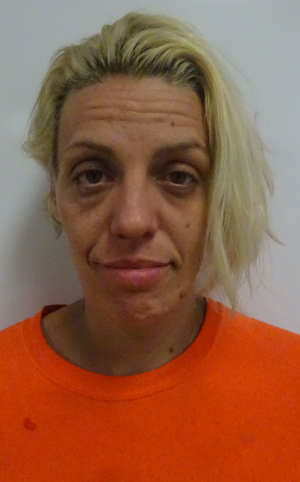
LUCERNE, Calif. — Authorities have arrested a Lucerne woman who they said set a house fire on Saturday night.
Dallas Darlene Lyons, 36, was taken into custody shortly after 10 p.m. Saturday.
An hour before Lyons’ arrest, firefighters were dispatched to a home in the 6000 block of Second Avenue in Lucerne on the report of a house fire that was also threatening other structures, as Lake County News has reported.
Reports from the scene on Saturday night indicated one residence and a second structure were damaged, with the Red Cross called to house displaced residents.
Lake County Sheriff’s Lt. Corey Paulich said the deputy conducting the investigation with the assistance of Northshore Fire Protection District’s arson investigator believed that Lyons was under the influence of narcotics, which caused her to recklessly start the fire.
Paulich said Lyons was arrested and transported to Lake County Jail.
Charges on her jail booking sheet included two felonies, causing the fire of an inhabited dwelling and arson during a state of emergency, and a misdemeanor of being under the influence of a controlled substance.
Her bail was set at zero for the felonies and $5,000 for the drug charge, and on Monday jail records indicated she had posted bail and been released.
Jail records showed she is scheduled to appear in court on March 1, 2022.
Email Elizabeth Larson at
LAKE COUNTY, Calif. — With just days left to finish approving bills passed by the Legislature in this session, Gov. Gavin Newsom has signed a bill to increase control burning and knowledge of the practice across California while another to address prescribed burning liability is still waiting on his desk.
Gov. Newsom signed AB 642 by Assemblymember Laura Friedman (D-Glendale) on Sept. 28.
Still waiting to be signed by the Oct. 10 deadline is SB 332 by Sen. Bill Dodd (D-Napa), who formerly represented Lake County in the State Assembly.
“You never know when the governor’s going to pick them up and think about signing them,” said Lenya Quinn-Davidson, area fire adviser for the University of California Cooperative Extension and director for the Northern California Prescribed Fire Council.
Quinn-Davidson works to provide capacity and training to get the prescribed burning tool back in the toolbox of property owners.
She said AB 642 — introduced in February — has several components. The provision Quinn-Davidson is excited about is that the bill requires the state fire marshal to develop a proposal to establish a prescribed fire training center.
It would also require Cal Fire’s director to appoint a cultural burning liaison to serve on the State Board of Fire Services and advise Cal Fire on developing increased cultural burning activity.
Quinn-Davidson said that tribal liaison, in working with tribes and cultural practitioners, would make sure sovereignty and customs are protected. Tribes, she noted, have struggled with permitting and other issues related to prescribed burns.
Cal Fire must make recommendations on how to understand and model wildfire risk for a community and specific parcels, and establish an advisory work group to consult with in developing the recommendations; and Cal Fire must work with California State Universities, California tribes, tribal organizations and cultural fire practitioners to enhance its public education efforts regarding restoring fire processes and cultural burning.
The bill also directs Cal Fire to engage in recruitment efforts with tribes and cultural fire practitioners to fill vacancies in positions that engage in fuel reduction.
Quinn-Davidson said Cal Fire has hired prescribed fire crews over the last couple of years, but the positions haven’t been well paid and so they’ve seen a large amount of attrition with crew members transferring to other jobs.
The bill requires Cal Fire to assess those positions, make sure they pay well and focus on recruitment and retention. Quinn-Davidson said that the workforce needs to be developed. “So that’s an exciting piece.”
Then there is SB 332, the bill Quinn-Davidson has worked closely on with Dodd’s office.
Dodd introduced the bill as part of an 11-bill “Blueprint for Fire Safe California” legislative and budget package unveiled by the Senate Wildfire Working Group in May.
The bill received unanimous, bipartisan support. The Assembly passed SB 332 on Sept. 1 and the Senate approved it the following day. It was sent to the governor on Sept. 9.
“The destructive wildfires that are now threatening our state are a painful reminder that we must do all we can to reduce fuels in our parched forests and wild lands. Controlled burning is a valuable tool in addressing this problem,” Dodd said when the Legislature passed the bill.
Dodd’s office, which said the bill has a good chance of getting signed, reported that it is meant to protect the state from loss of life and property by expanding the use of prescribed burning to control combustible fuels.
Because the concern over being billed for wildfire suppression costs has prevented more widespread use of prescribed burning, Dodd intended the legislation to encourage more controlled burns by raising the legal standard for seeking state suppression costs, requiring a showing of gross negligence rather than simple negligence, Quinn-Davidson said.
Quinn-Davidson, who has worked with prescribed fire for more than a decade, said she is very excited that Dodd took up the issue and its barriers, liability being one of them.
If something goes wrong and a landowner needs help or has to have Cal Fire get a burn under control due to an unpredicted wind event, they could get a big bill. That matter of cost recovery “keeps me up at night,” Quinn-Davidson said.
“We’re not burning down houses. That's so rare,” she said, explaining that prescribed burns are incredibly safe. The number of such fires that have escaped and caused damage is well below 1% of all that are done.
Needing to call for support is also rare but more likely to happen, and so she said SB 332 changes the standard for cost recovery and what Cal Fire can bill property owners for in such situations.
If you’re being diligent and not grossly negligent, and if you are following best management practices to benefit the public, SB 332 would not allow Cal Fire to bill you, Quinn-Davidson said.
She said it’s a way for the state to show its support for prescribed burn projects.
“It’s a pretty basic premise but it’s actually a huge deal,” she said, noting SB 332 is a “simple and beautiful” bill that lays out best management practices and contains pieces for cultural practitioners, also offering them protections.
“It’s a pretty big deal because it’s saying that cultural burners have standing in California as well and we care about the work that they're doing and recognize it,” she said.
A complementary piece of legislation to SB 332 is SB 170, the Budget Act of 2021 by Sen. Nancy Skinner (D-Berkeley), which included a $20 million prescribed fire claim fund in the state budget. Gov. Newsom signed that bill on Sept. 23.
Returning to the practice of burning
Quinn-Davidson said native peoples have been using control burns for millenia, and have had a very significant impact on fire in California. However, those practices were interrupted by the arrival of white settlers.
“That was the early big picture, we wiped out native peoples who were using fire constantly,” she said, noting that millions of acres were burned annually by tribes.
Ranchers were an early group to pick up some of those practices, mimicking fire to keep the landscape more open. Quinn-Davidson said ranchers became predominant users of the practice into the 1940s and 1950s.
There came a point when state and federal agencies didn’t want people lighting fires. Quinn-Davidson said the feds wanted to preserve timber, while the state had concerns about liability and the belief that it should be conducting the work.
In the 1980s, Cal Fire took over prescribed burning and developed a vegetation management program. “Over time they divested from their own program,” said Quinn-Davidson.
From the 1980s until recent years, only Cal Fire and federal agencies were doing major prescribed burns. With private landowners being taken completely out of the practice, ranchers and landowners lost their skills and native peoples had lost their connection with the practice, she said.
“What we have now is a generational gap in fire knowledge in California,” Quinn-Davidson added.
The California Environmental Quality Act, or CEQA, can cause delays for Cal Fire when it pursues prescribed burns; it can sometimes take five or 10 years of planning and the project still doesn’t get done. Because the state is now funding a lot of prescribed fire work, it triggers CEQA, Quinn-Davidson explained.
However, she said private landowners don’t need to adhere to the law unless they have state funding or are working with a state agency.
She said a lot of people have been sending letters to the governor in support of the legislation. “People are very passionate about this.”
Groups as diverse as the California Cattlemen’s Association, the Karuk Tribe and Defenders of Wildlife have joined forces to support SB 332, which Quinn-Davidson said speaks volumes about its importance.
She said she loves that prescribed fire brings people together.
“The natural role of fire is so important,” she said.
Email Elizabeth Larson atThis email address is being protected from spambots. You need JavaScript enabled to view it. . Follow her on Twitter, @ERLarson, or Lake County News, @LakeCoNews.
Gov. Newsom signed AB 642 by Assemblymember Laura Friedman (D-Glendale) on Sept. 28.
Still waiting to be signed by the Oct. 10 deadline is SB 332 by Sen. Bill Dodd (D-Napa), who formerly represented Lake County in the State Assembly.
“You never know when the governor’s going to pick them up and think about signing them,” said Lenya Quinn-Davidson, area fire adviser for the University of California Cooperative Extension and director for the Northern California Prescribed Fire Council.
Quinn-Davidson works to provide capacity and training to get the prescribed burning tool back in the toolbox of property owners.
She said AB 642 — introduced in February — has several components. The provision Quinn-Davidson is excited about is that the bill requires the state fire marshal to develop a proposal to establish a prescribed fire training center.
It would also require Cal Fire’s director to appoint a cultural burning liaison to serve on the State Board of Fire Services and advise Cal Fire on developing increased cultural burning activity.
Quinn-Davidson said that tribal liaison, in working with tribes and cultural practitioners, would make sure sovereignty and customs are protected. Tribes, she noted, have struggled with permitting and other issues related to prescribed burns.
Cal Fire must make recommendations on how to understand and model wildfire risk for a community and specific parcels, and establish an advisory work group to consult with in developing the recommendations; and Cal Fire must work with California State Universities, California tribes, tribal organizations and cultural fire practitioners to enhance its public education efforts regarding restoring fire processes and cultural burning.
The bill also directs Cal Fire to engage in recruitment efforts with tribes and cultural fire practitioners to fill vacancies in positions that engage in fuel reduction.
Quinn-Davidson said Cal Fire has hired prescribed fire crews over the last couple of years, but the positions haven’t been well paid and so they’ve seen a large amount of attrition with crew members transferring to other jobs.
The bill requires Cal Fire to assess those positions, make sure they pay well and focus on recruitment and retention. Quinn-Davidson said that the workforce needs to be developed. “So that’s an exciting piece.”
Then there is SB 332, the bill Quinn-Davidson has worked closely on with Dodd’s office.
Dodd introduced the bill as part of an 11-bill “Blueprint for Fire Safe California” legislative and budget package unveiled by the Senate Wildfire Working Group in May.
The bill received unanimous, bipartisan support. The Assembly passed SB 332 on Sept. 1 and the Senate approved it the following day. It was sent to the governor on Sept. 9.
“The destructive wildfires that are now threatening our state are a painful reminder that we must do all we can to reduce fuels in our parched forests and wild lands. Controlled burning is a valuable tool in addressing this problem,” Dodd said when the Legislature passed the bill.
Dodd’s office, which said the bill has a good chance of getting signed, reported that it is meant to protect the state from loss of life and property by expanding the use of prescribed burning to control combustible fuels.
Because the concern over being billed for wildfire suppression costs has prevented more widespread use of prescribed burning, Dodd intended the legislation to encourage more controlled burns by raising the legal standard for seeking state suppression costs, requiring a showing of gross negligence rather than simple negligence, Quinn-Davidson said.
Quinn-Davidson, who has worked with prescribed fire for more than a decade, said she is very excited that Dodd took up the issue and its barriers, liability being one of them.
If something goes wrong and a landowner needs help or has to have Cal Fire get a burn under control due to an unpredicted wind event, they could get a big bill. That matter of cost recovery “keeps me up at night,” Quinn-Davidson said.
“We’re not burning down houses. That's so rare,” she said, explaining that prescribed burns are incredibly safe. The number of such fires that have escaped and caused damage is well below 1% of all that are done.
Needing to call for support is also rare but more likely to happen, and so she said SB 332 changes the standard for cost recovery and what Cal Fire can bill property owners for in such situations.
If you’re being diligent and not grossly negligent, and if you are following best management practices to benefit the public, SB 332 would not allow Cal Fire to bill you, Quinn-Davidson said.
She said it’s a way for the state to show its support for prescribed burn projects.
“It’s a pretty basic premise but it’s actually a huge deal,” she said, noting SB 332 is a “simple and beautiful” bill that lays out best management practices and contains pieces for cultural practitioners, also offering them protections.
“It’s a pretty big deal because it’s saying that cultural burners have standing in California as well and we care about the work that they're doing and recognize it,” she said.
A complementary piece of legislation to SB 332 is SB 170, the Budget Act of 2021 by Sen. Nancy Skinner (D-Berkeley), which included a $20 million prescribed fire claim fund in the state budget. Gov. Newsom signed that bill on Sept. 23.
Returning to the practice of burning
Quinn-Davidson said native peoples have been using control burns for millenia, and have had a very significant impact on fire in California. However, those practices were interrupted by the arrival of white settlers.
“That was the early big picture, we wiped out native peoples who were using fire constantly,” she said, noting that millions of acres were burned annually by tribes.
Ranchers were an early group to pick up some of those practices, mimicking fire to keep the landscape more open. Quinn-Davidson said ranchers became predominant users of the practice into the 1940s and 1950s.
There came a point when state and federal agencies didn’t want people lighting fires. Quinn-Davidson said the feds wanted to preserve timber, while the state had concerns about liability and the belief that it should be conducting the work.
In the 1980s, Cal Fire took over prescribed burning and developed a vegetation management program. “Over time they divested from their own program,” said Quinn-Davidson.
From the 1980s until recent years, only Cal Fire and federal agencies were doing major prescribed burns. With private landowners being taken completely out of the practice, ranchers and landowners lost their skills and native peoples had lost their connection with the practice, she said.
“What we have now is a generational gap in fire knowledge in California,” Quinn-Davidson added.
The California Environmental Quality Act, or CEQA, can cause delays for Cal Fire when it pursues prescribed burns; it can sometimes take five or 10 years of planning and the project still doesn’t get done. Because the state is now funding a lot of prescribed fire work, it triggers CEQA, Quinn-Davidson explained.
However, she said private landowners don’t need to adhere to the law unless they have state funding or are working with a state agency.
She said a lot of people have been sending letters to the governor in support of the legislation. “People are very passionate about this.”
Groups as diverse as the California Cattlemen’s Association, the Karuk Tribe and Defenders of Wildlife have joined forces to support SB 332, which Quinn-Davidson said speaks volumes about its importance.
She said she loves that prescribed fire brings people together.
“The natural role of fire is so important,” she said.
Email Elizabeth Larson at
On Monday, Gov. Gavin Newsom signed a package of consumer financial protection legislation to expand consumer rights and increase transparency, protecting Californians from scams and unscrupulous practices in automatic renewal subscriptions, debt settlement and collection and other financial services.
“These bills curb predatory and abusive practices used to target vulnerable Californians, and empower consumers to make informed decisions with their hard-earned money,” said Gov. Newsom. “With the nation's strongest state consumer financial protection watchdog and these new measures, California continues to have the backs of working families recovering from the pandemic.”
Gov. Newsom last year signed legislation establishing the Department of Financial Protection and Innovation, significantly expanding the state’s capacity to protect consumers by bringing on additional investigators and attorneys to supervise financial institutions and crack down on financial predators.
Modeled on the federal Consumer Financial Protection Bureau, the department’s creation was a key idea in the governor’s January 2020-2021 budget proposal.
The governor on Monday signed AB 1405 by Assemblymember Buffy Wicks (D-Oakland), which protects Californians from predatory debt settlement practices, ensuring providers disclose important information about the process to consumers. Under the legislation, customers who enroll in a debt settlement plan will have a three-day window to review the disclosures before the contract takes effect.
SB 531 by Sen. Bob Wieckowski (D-Fremont) allows consumers to request verification that collectors have the authority to collect a debt and prohibits a creditor from selling a consumer debt unless notice has been provided to the debtor at least 30 days before selling the debt.
AB 390 by Assemblymember Marc Berman (D-Menlo Park) strengthens protections under California's Auto Renewal Law by ensuring that consumers can cancel automatic renewal and continuous service subscriptions online. The legislation also requires businesses to notify consumers before the expiration of a free trial or promotional price included as part of a subscription offer.
AB 1221 by Assemblymember Heath Flora (R-Ripon) clarifies that the terms of extended warranties which continue until they are canceled must be made clear to the buyer.
AB 1320 by Assemblymember Rebecca Bauer-Kahan (D-Orinda) requires licensed companies offering money transfer services to prominently provide a live customer service toll-free telephone number, ensuring consumers can readily seek assistance.
A full list of the bills signed by the governor to protect consumers and expand access to financial services is below:
AB 390 by Assemblymember Marc Berman (D-Menlo Park) – Advertising: automatic renewal and continuous service offers: notice and online termination.
AB 1177 by Assemblymember Miguel Santiago (D-Los Angeles) – California Public Banking Option Act.
AB 1221 by Assemblymember Heath Flora (R-Ripon) – Consumer warranties: service contracts: cancellation: disclosures.
AB 1320 by Assemblymember Rebecca Bauer-Kahan (D-Orinda) – Money transmission: customer service.
AB 1405 by Assemblymember Buffy Wicks (D-Oakland) – Debt settlement practices.
SB 531 by Senator Bob Wieckowski (D-Fremont) – Consumer debt.
For full text of the bills, visit http://leginfo.legislature.ca.gov.
“These bills curb predatory and abusive practices used to target vulnerable Californians, and empower consumers to make informed decisions with their hard-earned money,” said Gov. Newsom. “With the nation's strongest state consumer financial protection watchdog and these new measures, California continues to have the backs of working families recovering from the pandemic.”
Gov. Newsom last year signed legislation establishing the Department of Financial Protection and Innovation, significantly expanding the state’s capacity to protect consumers by bringing on additional investigators and attorneys to supervise financial institutions and crack down on financial predators.
Modeled on the federal Consumer Financial Protection Bureau, the department’s creation was a key idea in the governor’s January 2020-2021 budget proposal.
The governor on Monday signed AB 1405 by Assemblymember Buffy Wicks (D-Oakland), which protects Californians from predatory debt settlement practices, ensuring providers disclose important information about the process to consumers. Under the legislation, customers who enroll in a debt settlement plan will have a three-day window to review the disclosures before the contract takes effect.
SB 531 by Sen. Bob Wieckowski (D-Fremont) allows consumers to request verification that collectors have the authority to collect a debt and prohibits a creditor from selling a consumer debt unless notice has been provided to the debtor at least 30 days before selling the debt.
AB 390 by Assemblymember Marc Berman (D-Menlo Park) strengthens protections under California's Auto Renewal Law by ensuring that consumers can cancel automatic renewal and continuous service subscriptions online. The legislation also requires businesses to notify consumers before the expiration of a free trial or promotional price included as part of a subscription offer.
AB 1221 by Assemblymember Heath Flora (R-Ripon) clarifies that the terms of extended warranties which continue until they are canceled must be made clear to the buyer.
AB 1320 by Assemblymember Rebecca Bauer-Kahan (D-Orinda) requires licensed companies offering money transfer services to prominently provide a live customer service toll-free telephone number, ensuring consumers can readily seek assistance.
A full list of the bills signed by the governor to protect consumers and expand access to financial services is below:
AB 390 by Assemblymember Marc Berman (D-Menlo Park) – Advertising: automatic renewal and continuous service offers: notice and online termination.
AB 1177 by Assemblymember Miguel Santiago (D-Los Angeles) – California Public Banking Option Act.
AB 1221 by Assemblymember Heath Flora (R-Ripon) – Consumer warranties: service contracts: cancellation: disclosures.
AB 1320 by Assemblymember Rebecca Bauer-Kahan (D-Orinda) – Money transmission: customer service.
AB 1405 by Assemblymember Buffy Wicks (D-Oakland) – Debt settlement practices.
SB 531 by Senator Bob Wieckowski (D-Fremont) – Consumer debt.
For full text of the bills, visit http://leginfo.legislature.ca.gov.
To help fund the California Highway Patrol’s yearlong effort to promote safety for bicyclists and pedestrians, the Department has been awarded the California Pedestrian and Bicyclist Enforcement and Education Project IX grant.
Beginning Oct. 1, this grant enables officers to conduct enhanced enforcement patrols and public awareness campaigns throughout the state.
“It is important for motorists to scan each intersection for foot and bicycle traffic before entering, and it is especially important during hours of darkness,” CHP Commissioner Amanda Ray said. “Pedestrian and bicycle fatalities account for nearly one-third of all traffic-related deaths annually in California with the vast majority occurring at night.”
In 2019 and 2020 combined, 7,594 people were killed in crashes throughout California, with pedestrians and bicyclists accounting for 2,354 of those deaths.
October is National Pedestrian Safety Month, and on National Walk to School Day, Oct. 6, the CHP will focus its education and enforcement efforts in locations with high numbers of pedestrian and bicyclist crashes.
Officers in plain clothes will work with uniformed officers to monitor crosswalks and areas surrounding schools for motorists who fail to yield the right-of-way or who drive unsafe and illegally.
The educational component of the grant funds traffic safety skills and training courses and informative presentations related to safe traffic behavior for high-risk populations, including older community members and youth.
The grant also supports the distribution of safety equipment such as bicycle helmets and reflective gear.
Funding for this program was provided by a grant from the California Office of Traffic Safety, through the National Highway Traffic Safety Administration.
Beginning Oct. 1, this grant enables officers to conduct enhanced enforcement patrols and public awareness campaigns throughout the state.
“It is important for motorists to scan each intersection for foot and bicycle traffic before entering, and it is especially important during hours of darkness,” CHP Commissioner Amanda Ray said. “Pedestrian and bicycle fatalities account for nearly one-third of all traffic-related deaths annually in California with the vast majority occurring at night.”
In 2019 and 2020 combined, 7,594 people were killed in crashes throughout California, with pedestrians and bicyclists accounting for 2,354 of those deaths.
October is National Pedestrian Safety Month, and on National Walk to School Day, Oct. 6, the CHP will focus its education and enforcement efforts in locations with high numbers of pedestrian and bicyclist crashes.
Officers in plain clothes will work with uniformed officers to monitor crosswalks and areas surrounding schools for motorists who fail to yield the right-of-way or who drive unsafe and illegally.
The educational component of the grant funds traffic safety skills and training courses and informative presentations related to safe traffic behavior for high-risk populations, including older community members and youth.
The grant also supports the distribution of safety equipment such as bicycle helmets and reflective gear.
Funding for this program was provided by a grant from the California Office of Traffic Safety, through the National Highway Traffic Safety Administration.