How to resolve AdBlock issue?
Refresh this page
How to resolve AdBlock issue?
Refresh this page
Lake County News,California
  • Home
    • Registration Form
  • News
    • Education
    • Veterans
    • Community
      • Obituaries
      • Letters
      • Commentary
    • Police Logs
    • Business
    • Recreation
    • Health
    • Religion
    • Legals
    • Arts & Life
    • Regional
  • Calendar
  • Contact us
    • FAQs
    • Phones, E-Mail
    • Subscribe
  • Advertise Here
  • Login

News

First fall storms expected this week

LAKE COUNTY, Calif. — The first storms of fall are in the forecast this week.

The National Weather Service’s forecast noted that for this week, “a succession of storm systems will bring a wet pattern with periods of moderate to heavy rainfall along with breezy to strong southerly winds.”

In the Lake County forecast, rain — coupled with gusting winds of up to 25 miles per hour — is expected on Monday, with up to a quarter inch of rain possible during the day and another tenth of an inch Monday night. 

More rain and gusty winds are forecast for Tuesday. During the day, a tenth of an inch is possible, and up to a quarter of an inch on Tuesday night. 

Showers are considered likely on Wednesday, with chances of more rain on Thursday before sunny conditions return on Friday and Saturday. 

Temperatures this week will hover in the low 50s at night, and range between the mid 60s and low 70s during the daytime. 

Email Elizabeth Larson at This email address is being protected from spambots. You need JavaScript enabled to view it.. Follow her on Twitter, @ERLarson, and on Bluesky, @erlarson.bsky.social. Find Lake County News on the following platforms: Facebook, @LakeCoNews; X, @LakeCoNews; Threads, @lakeconews, and on Bluesky, @lakeconews.bsky.social. 

Helping Paws: More new dogs and puppies

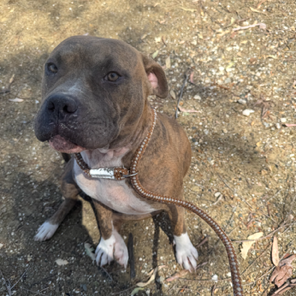
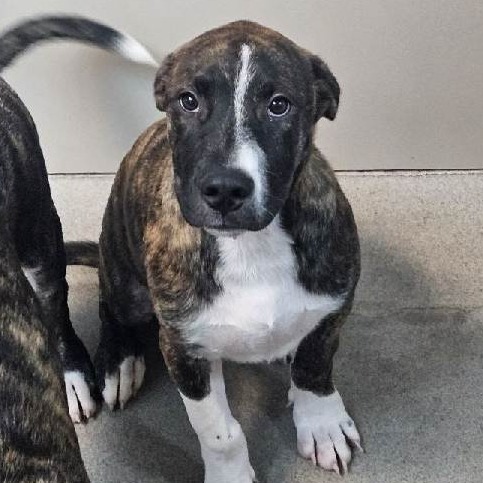
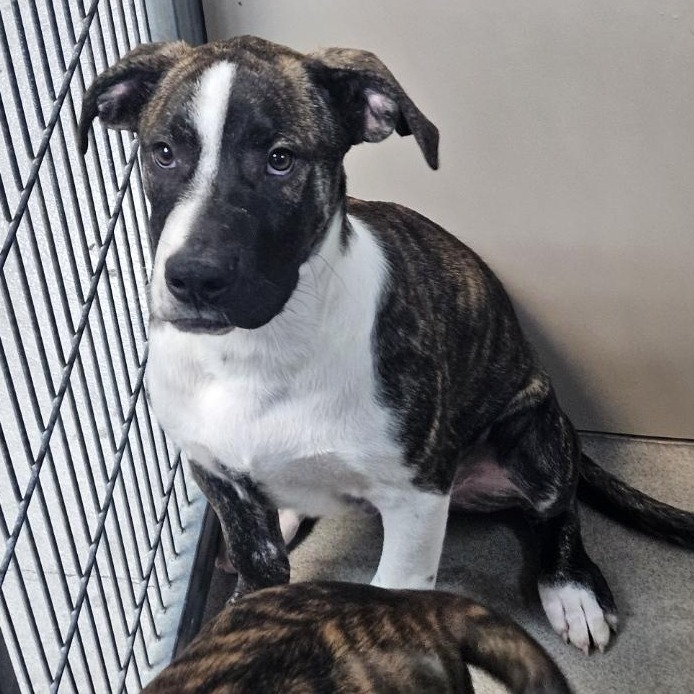
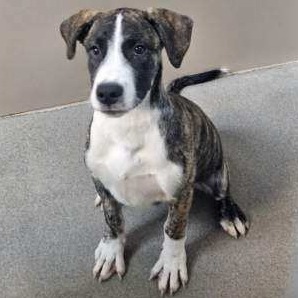
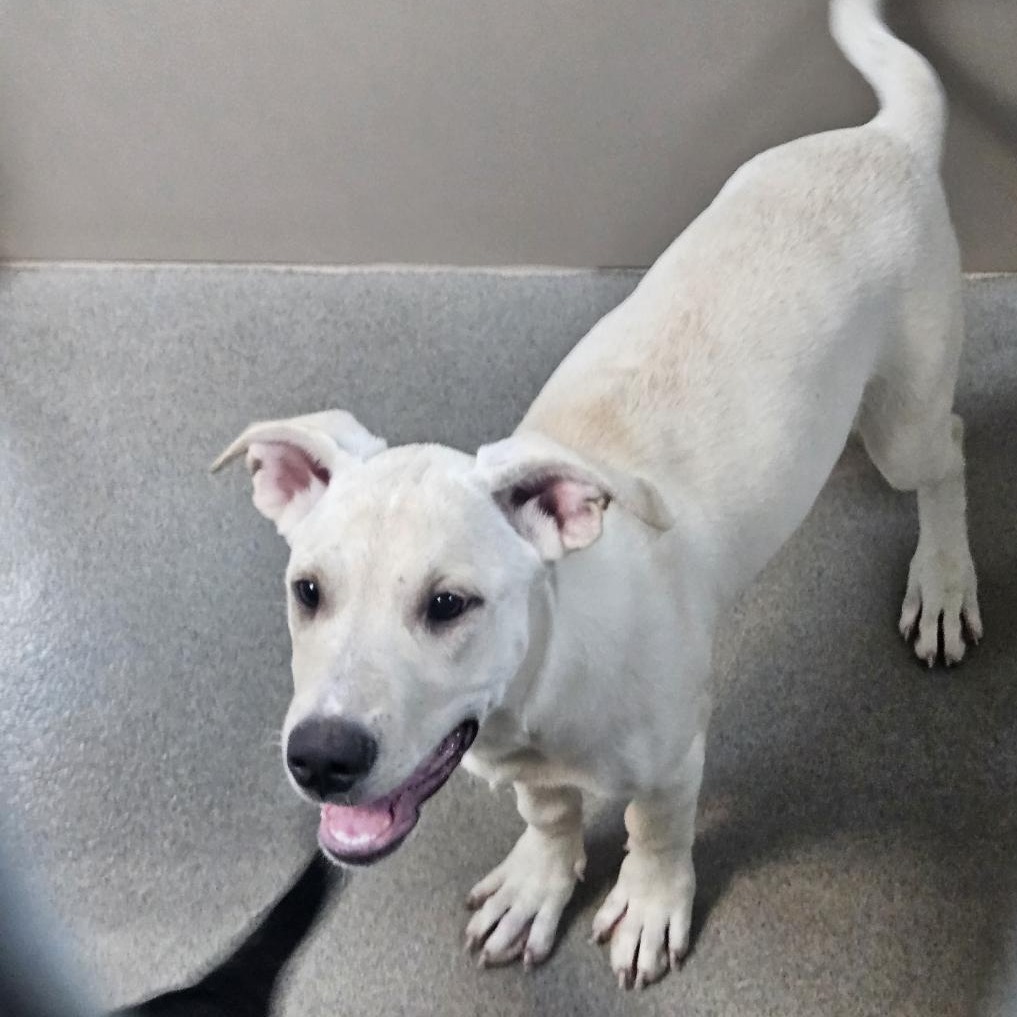
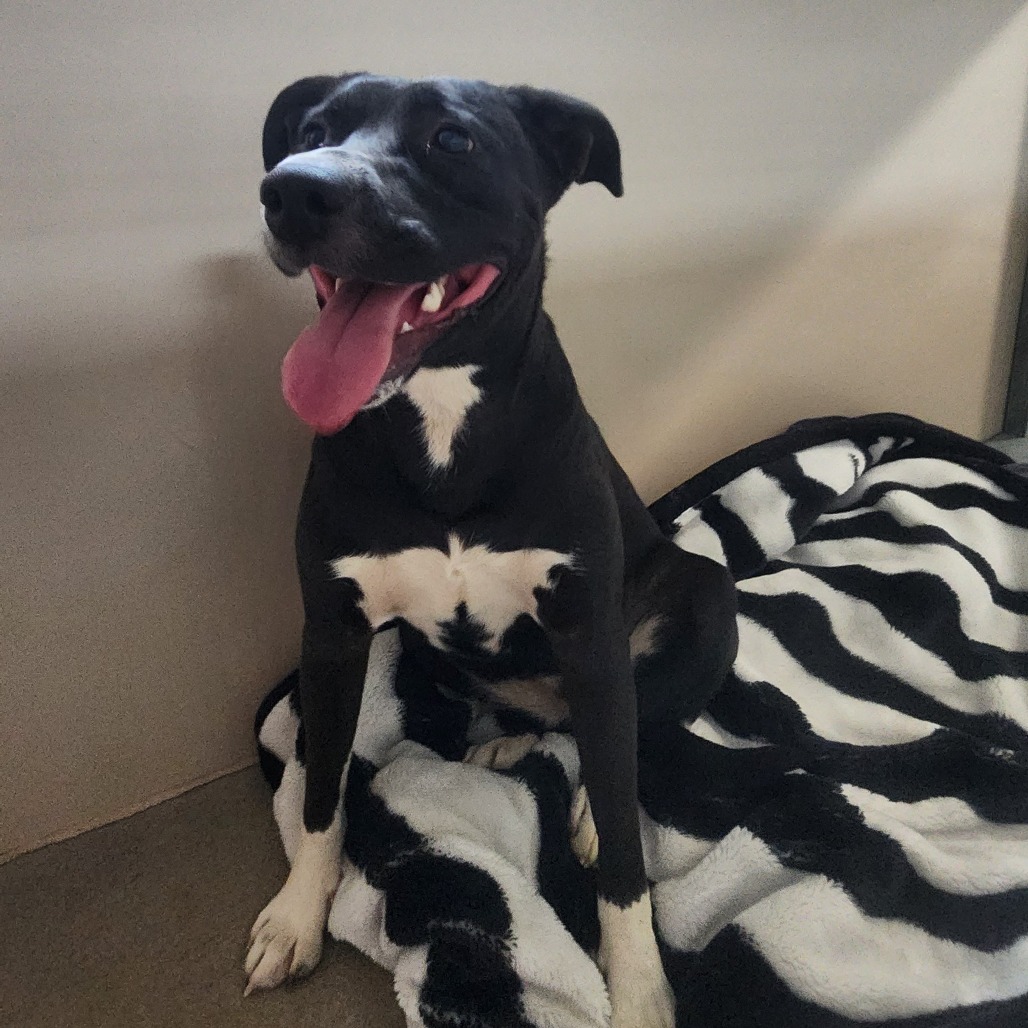
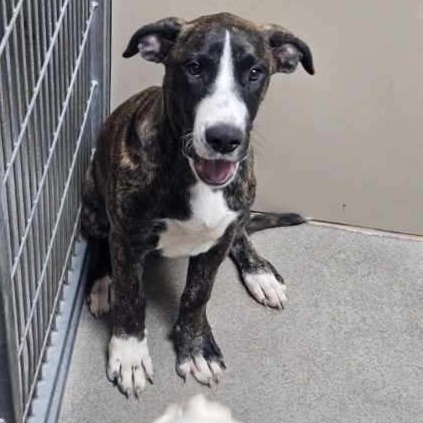
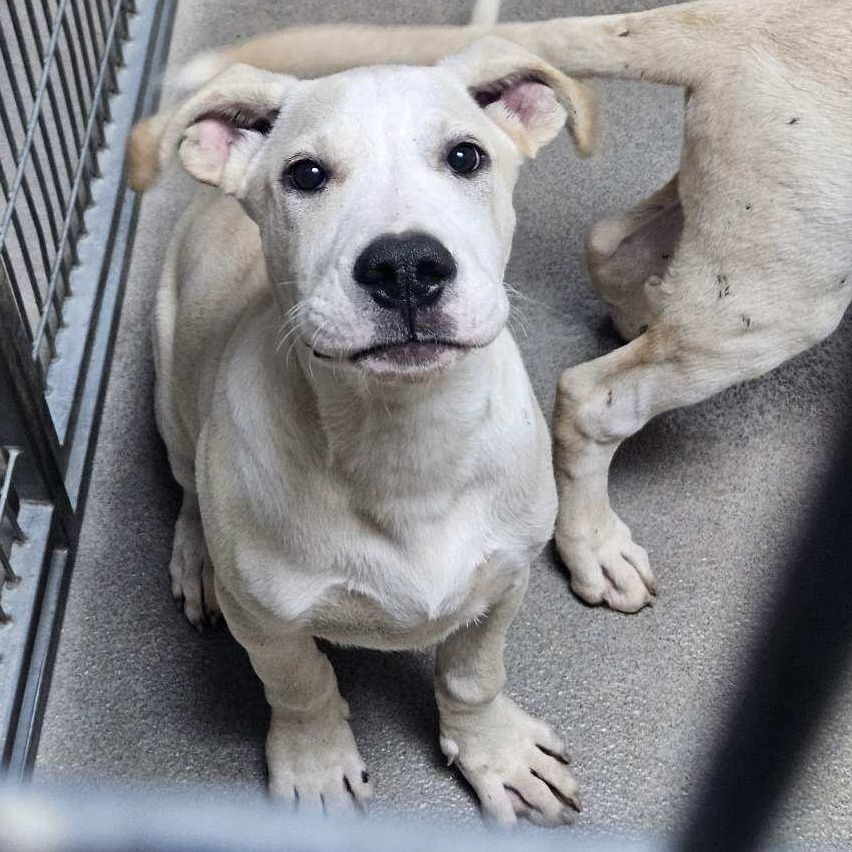
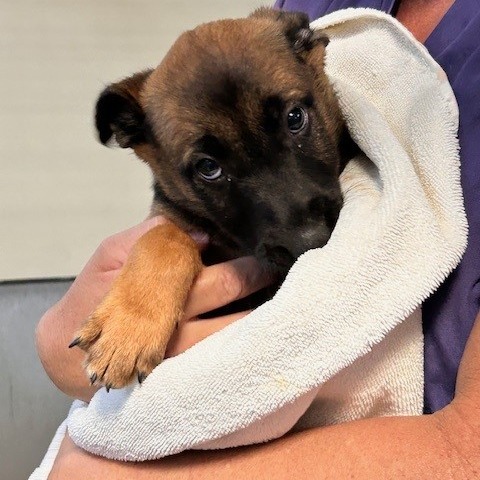
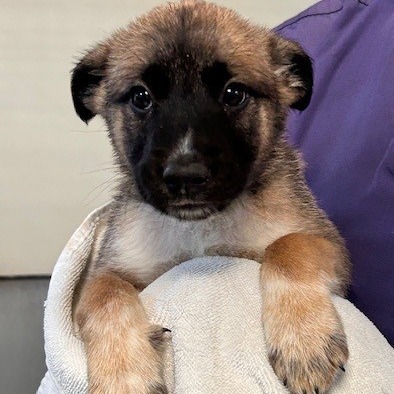
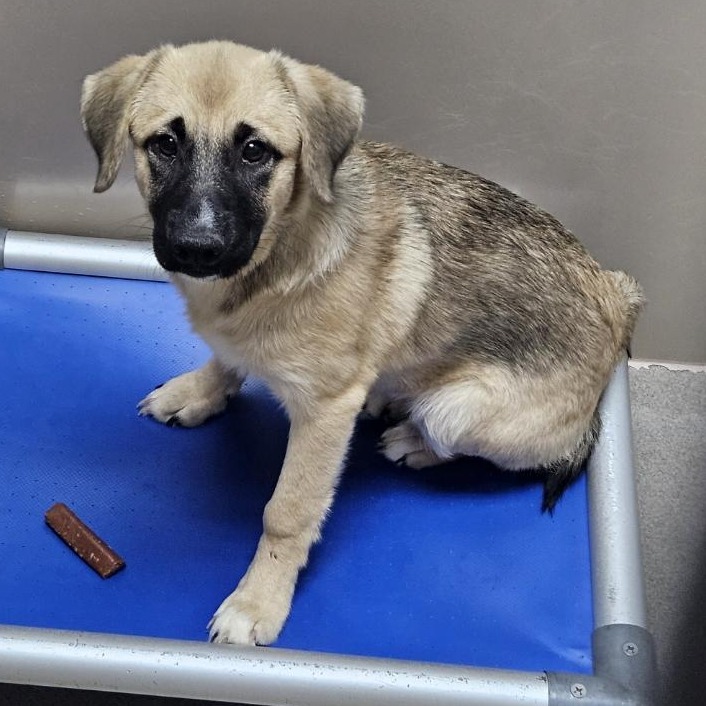
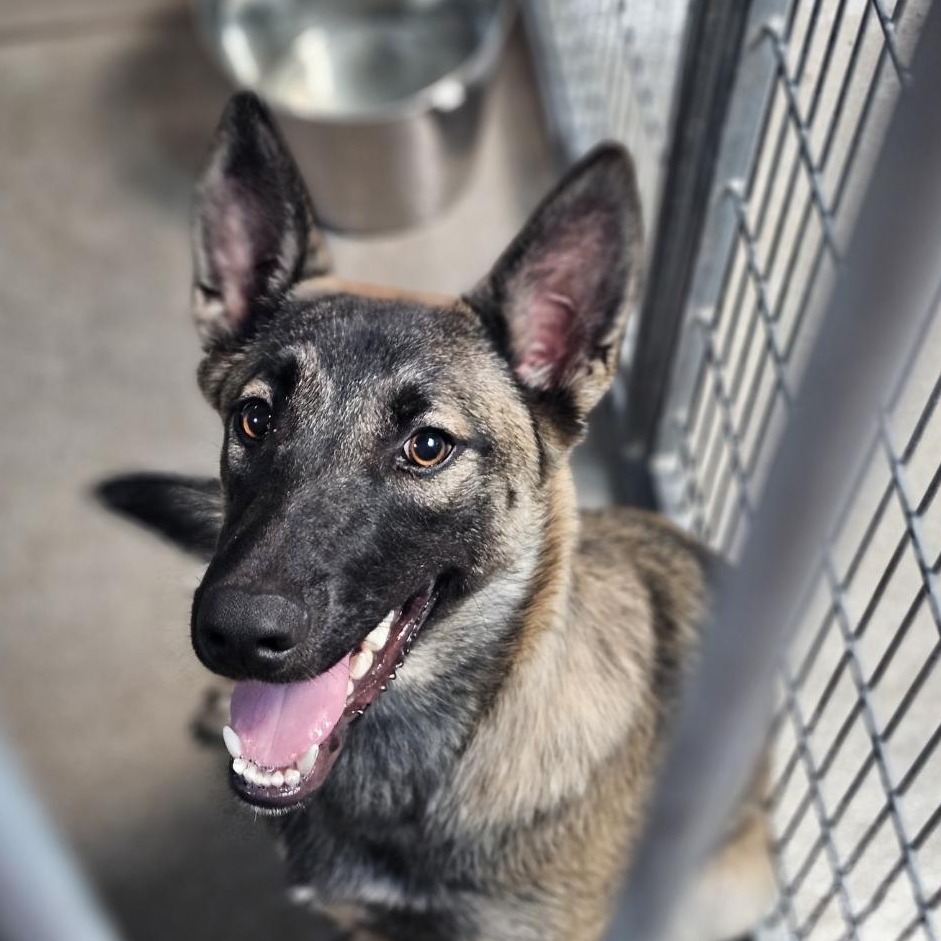
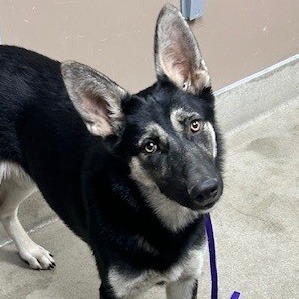
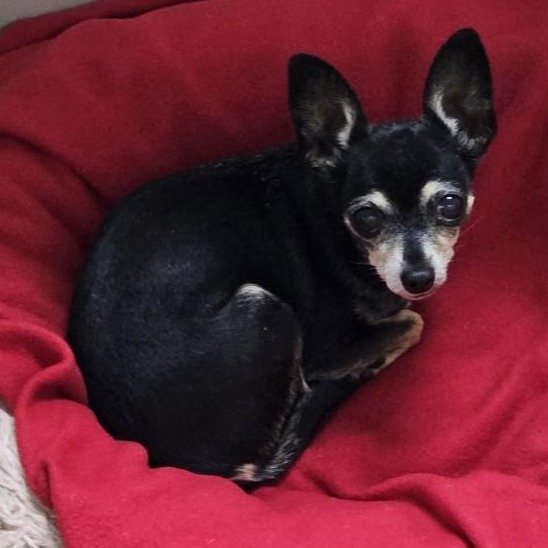
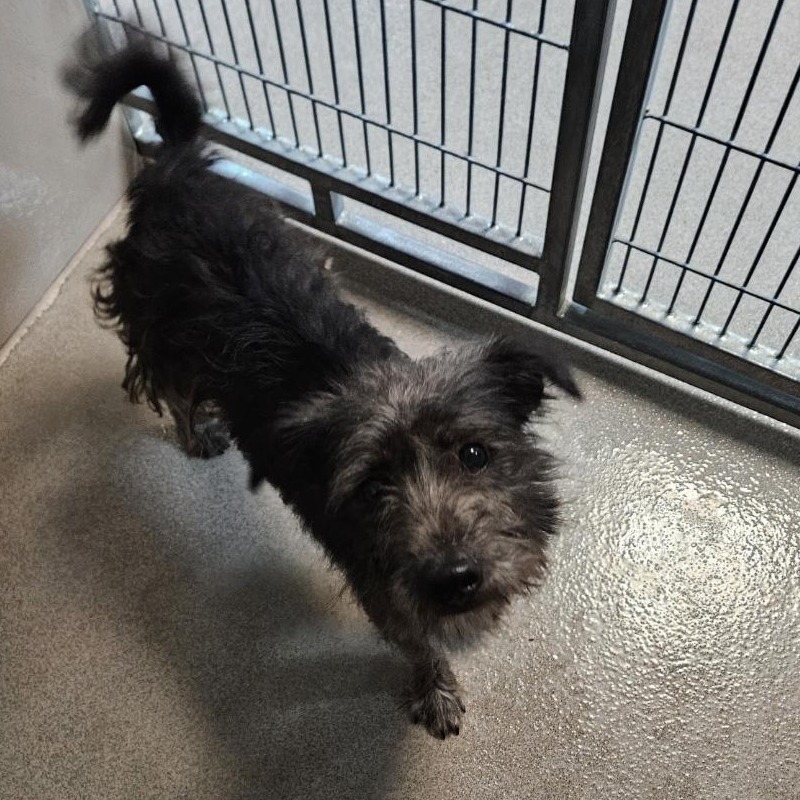
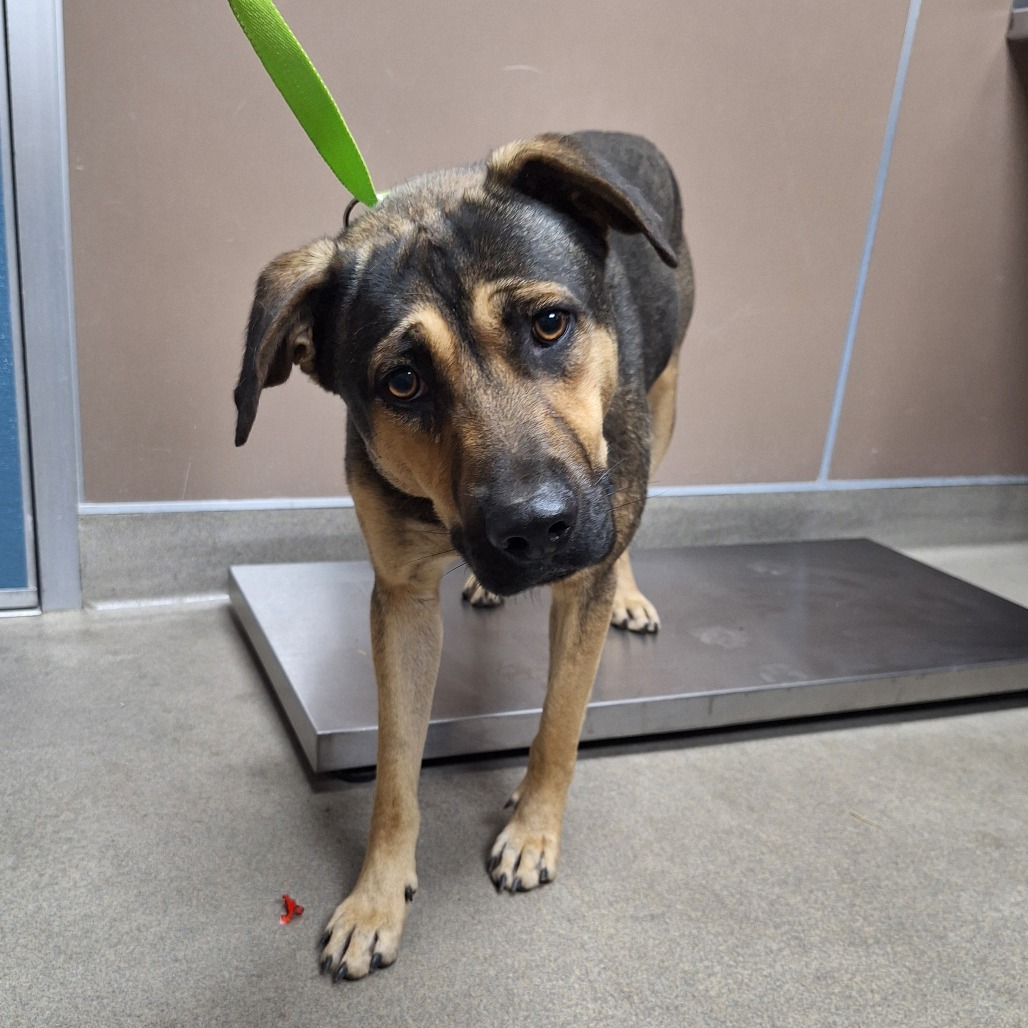
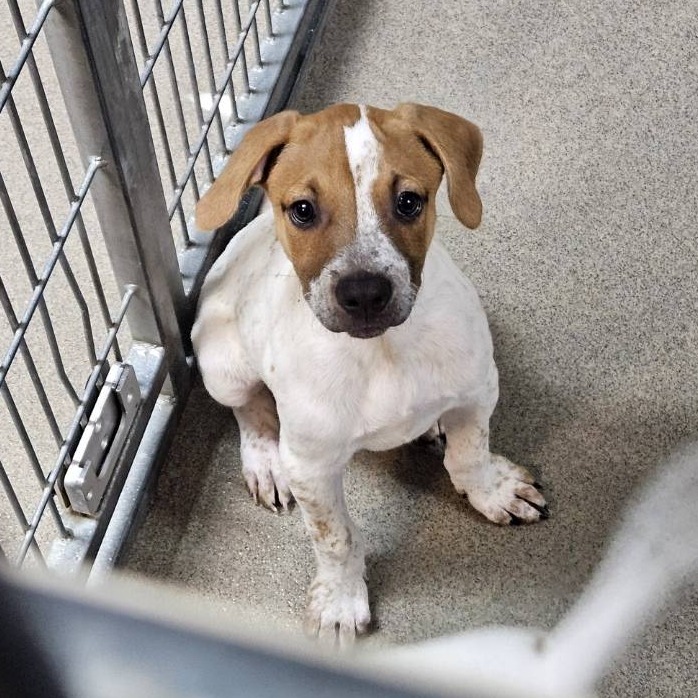
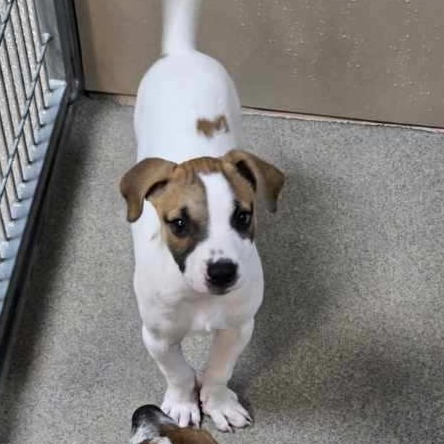
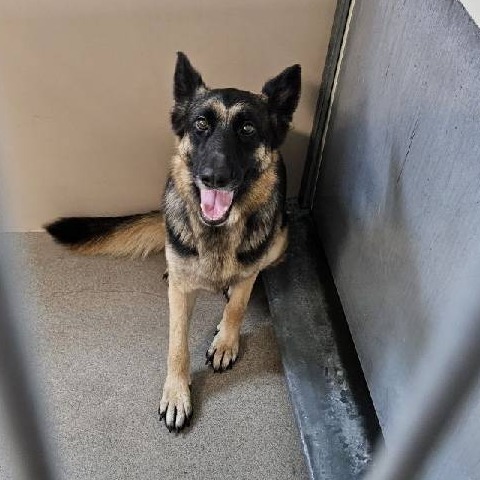
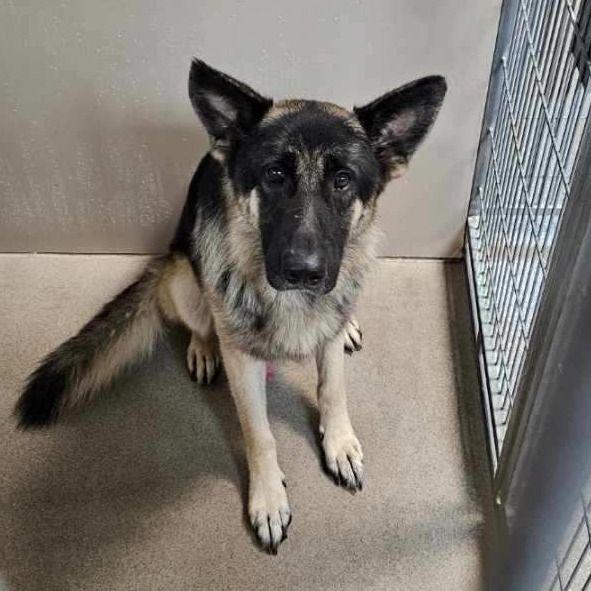
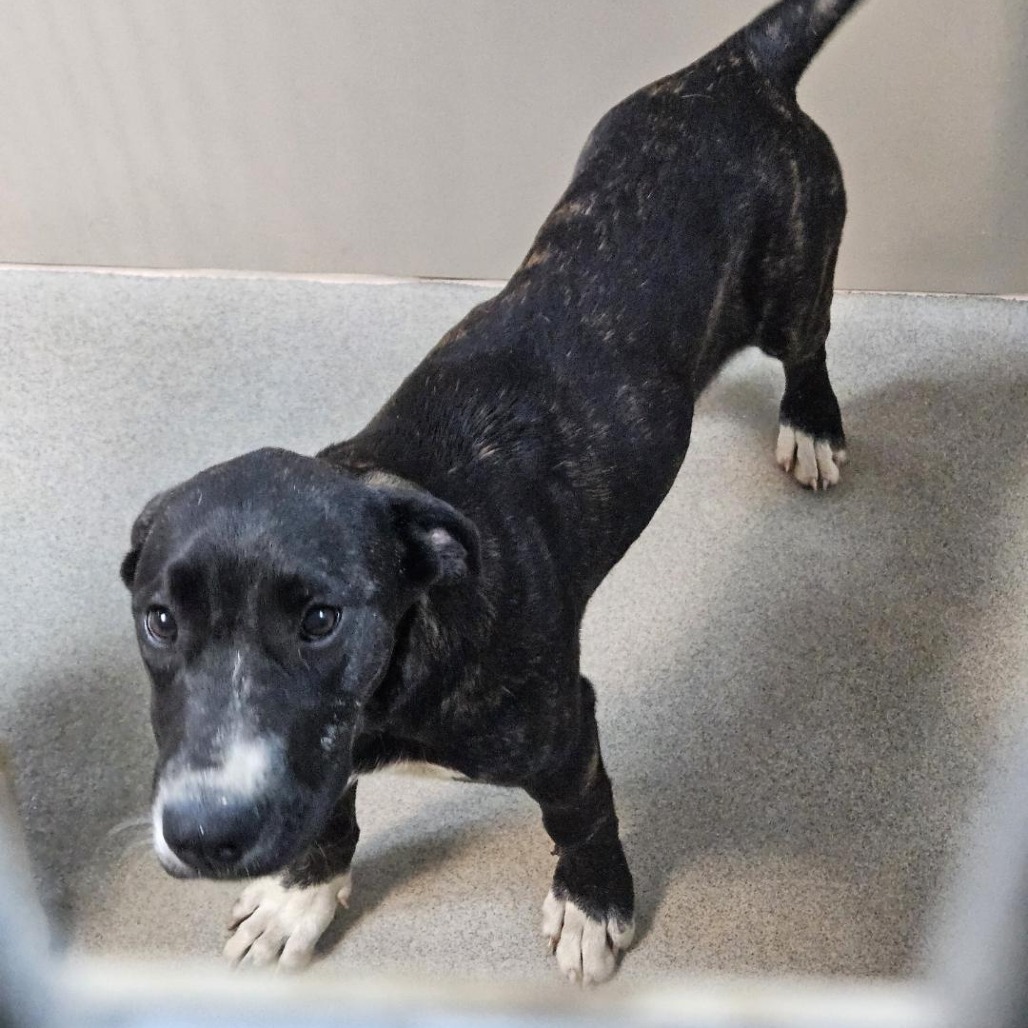
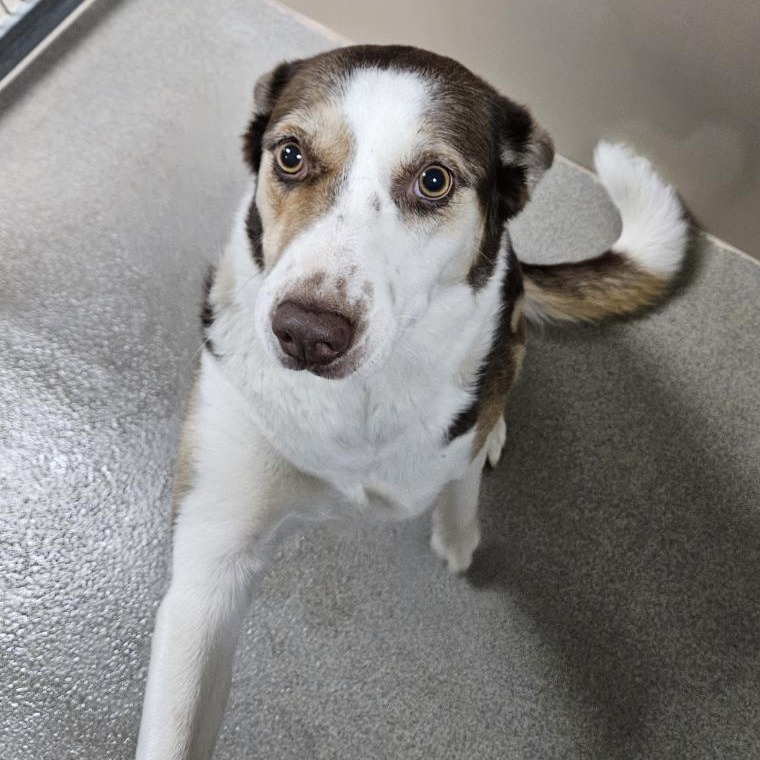
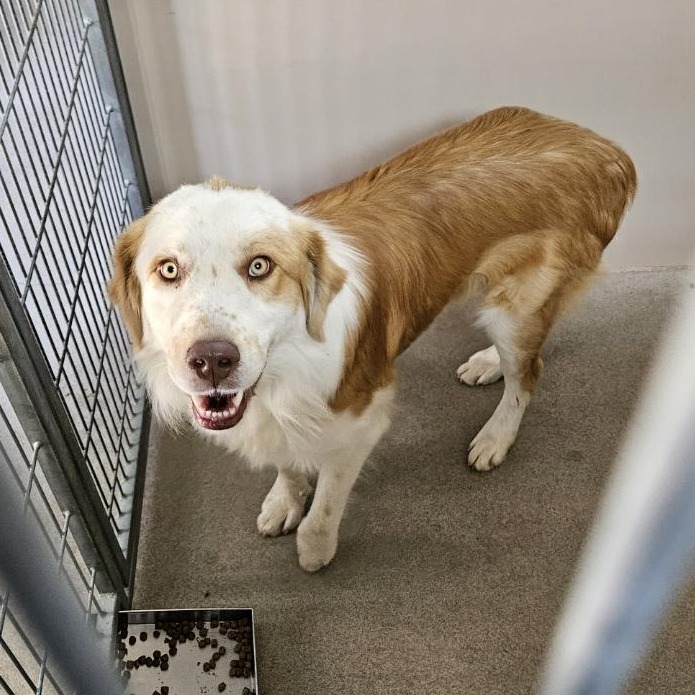
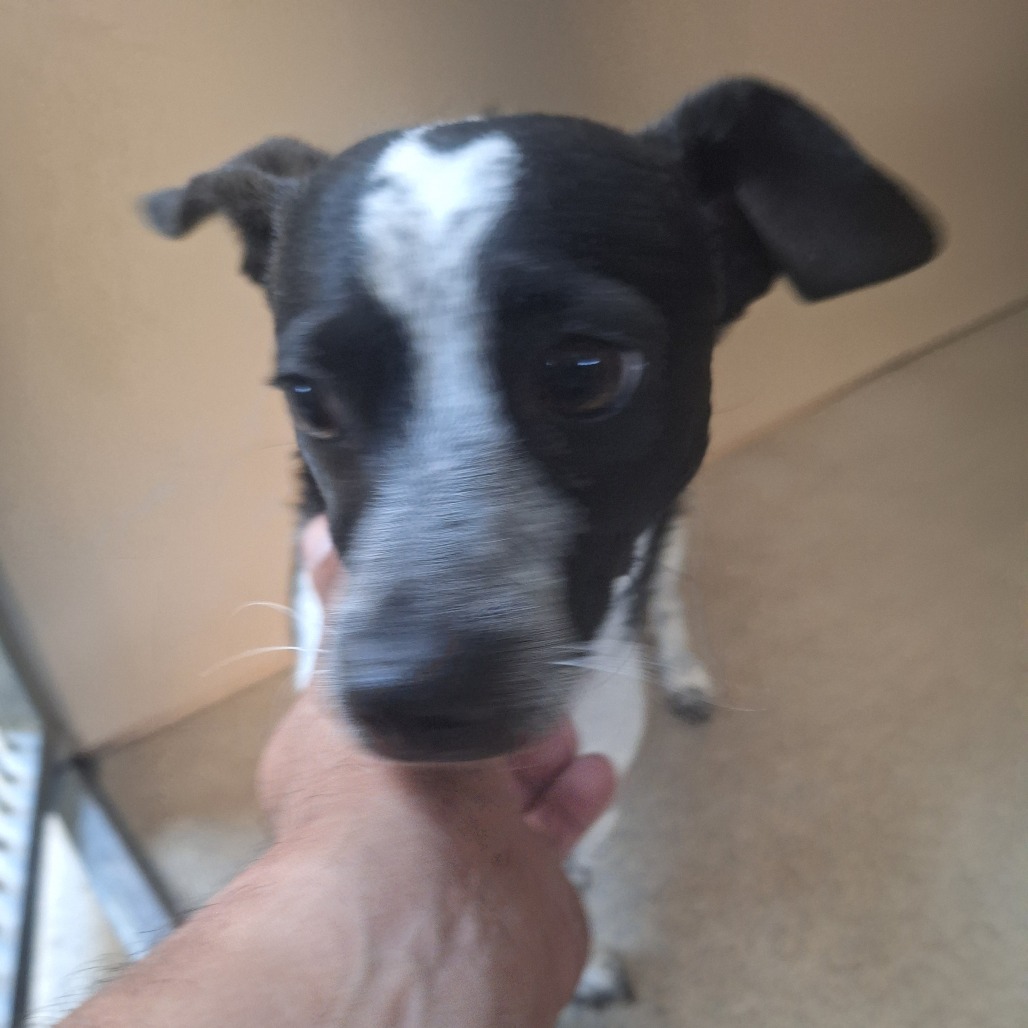
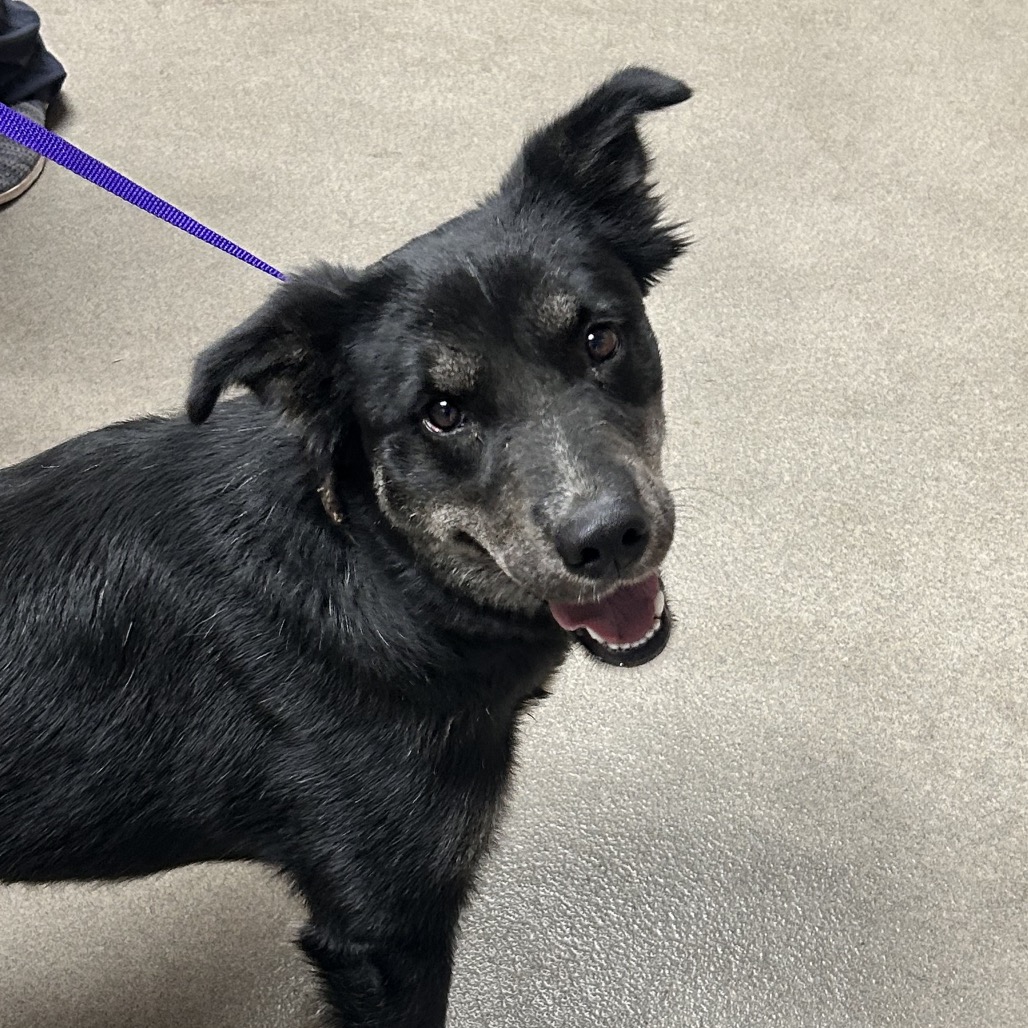
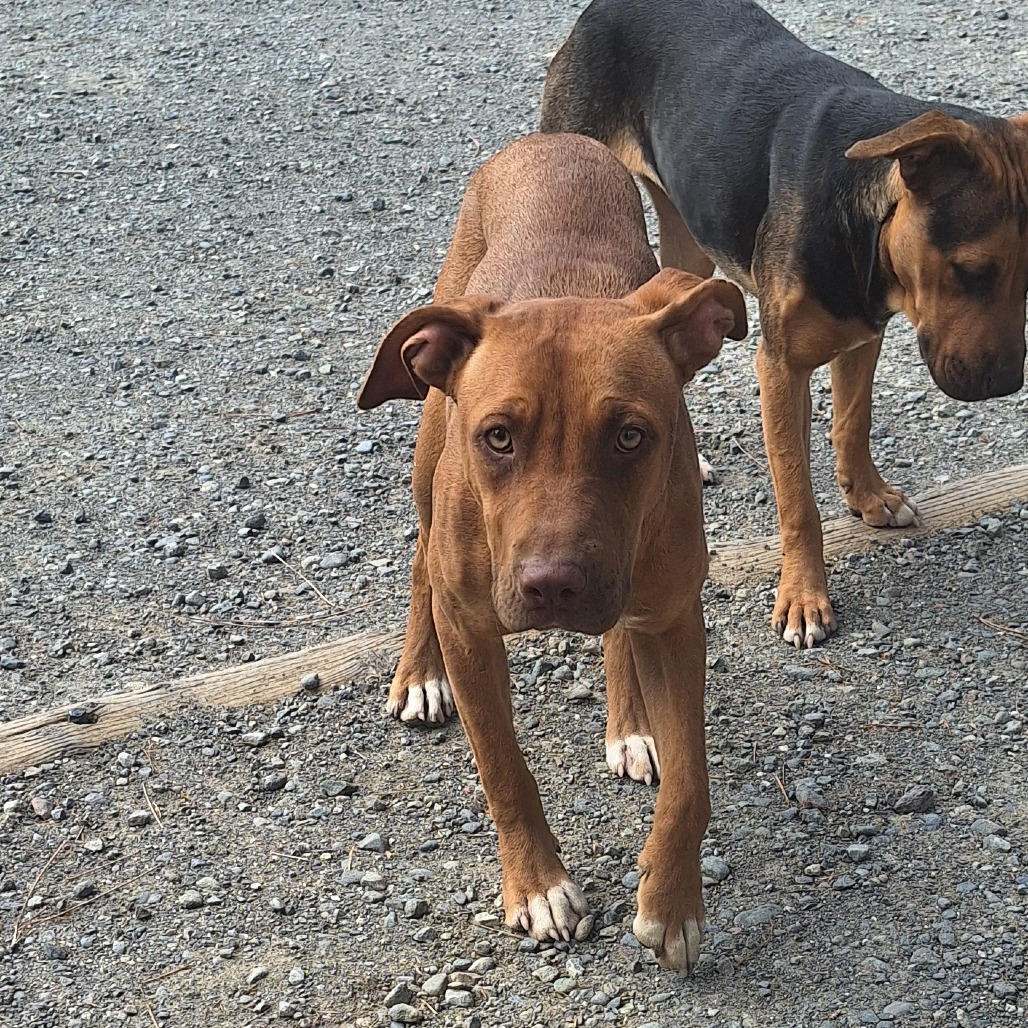
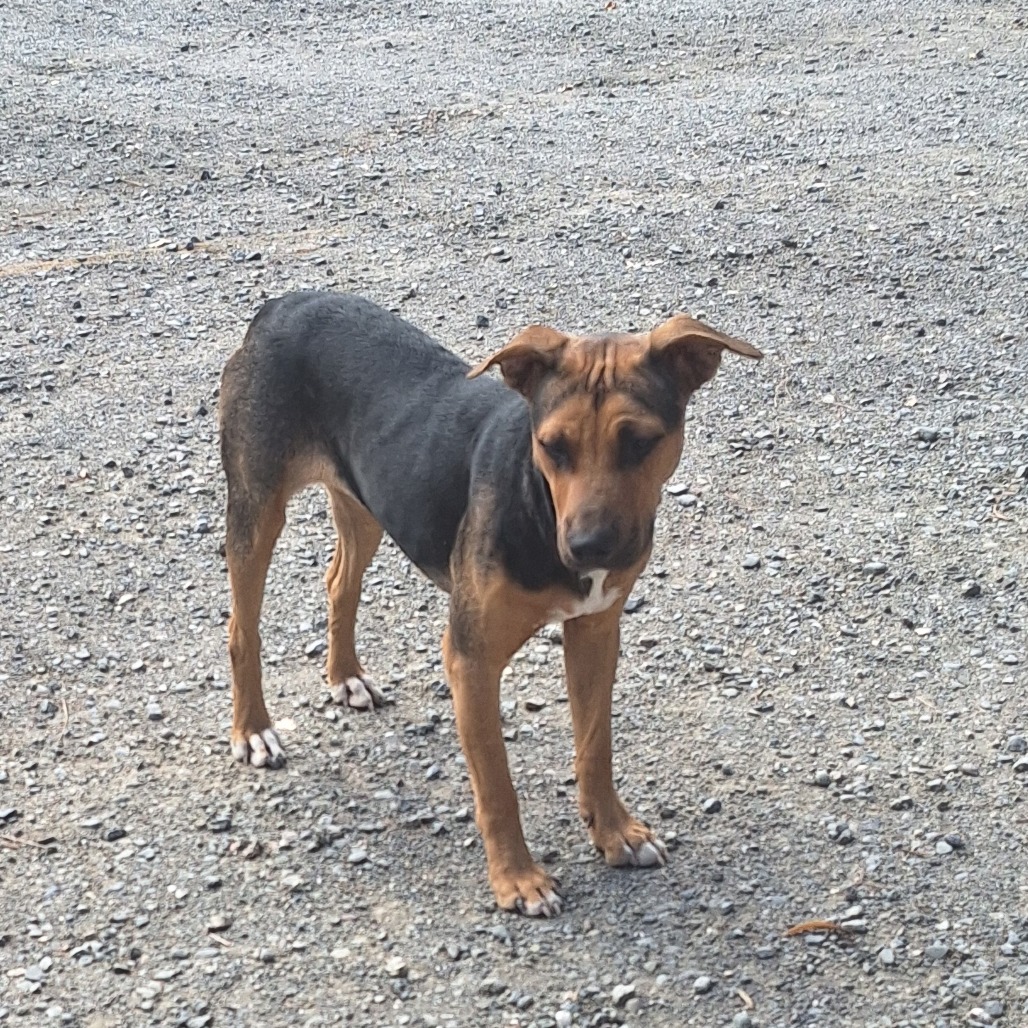
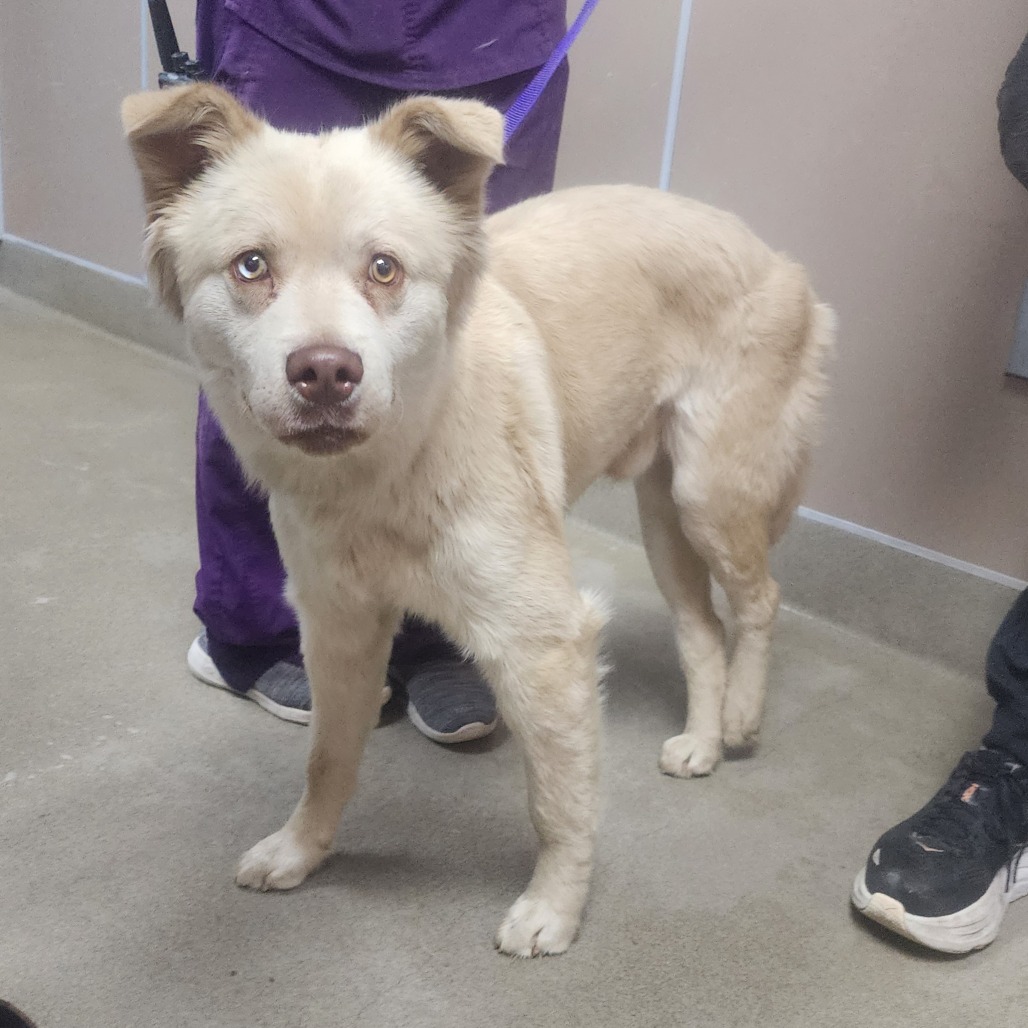
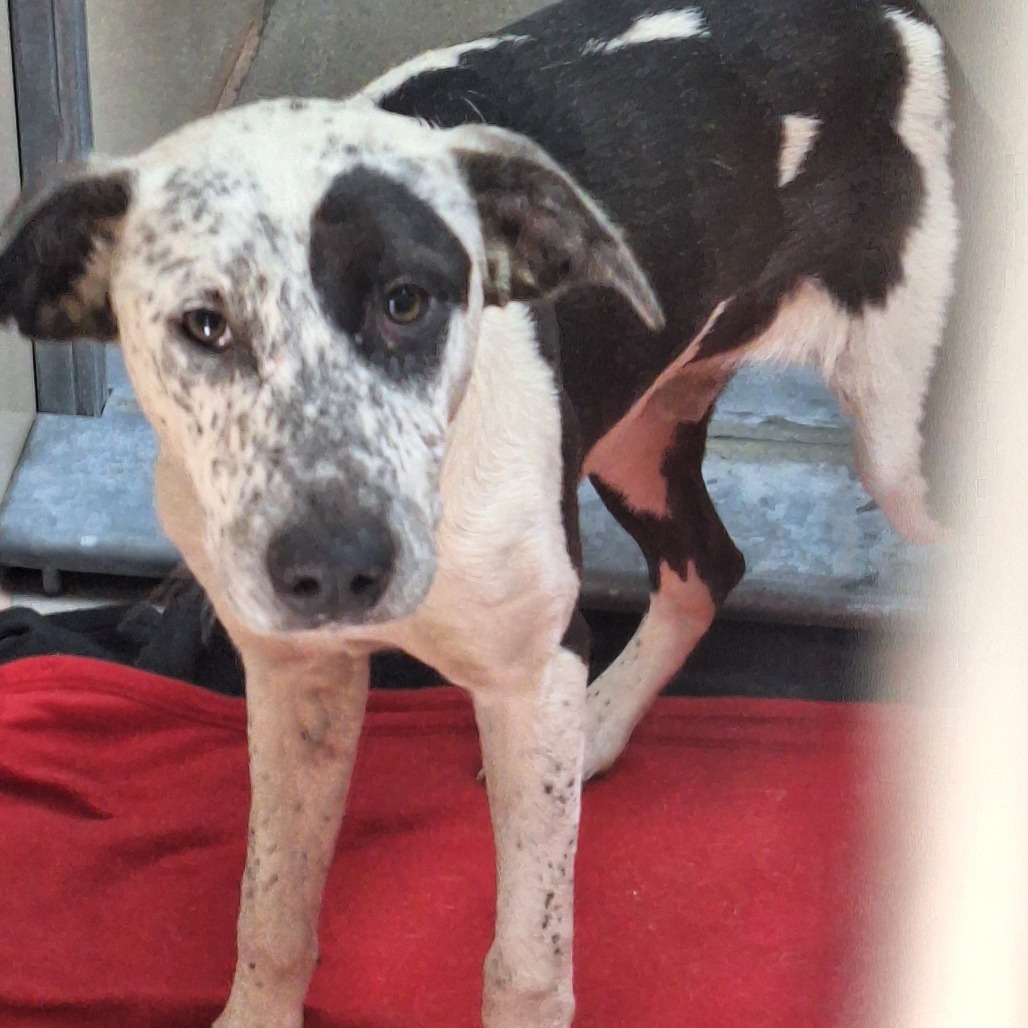
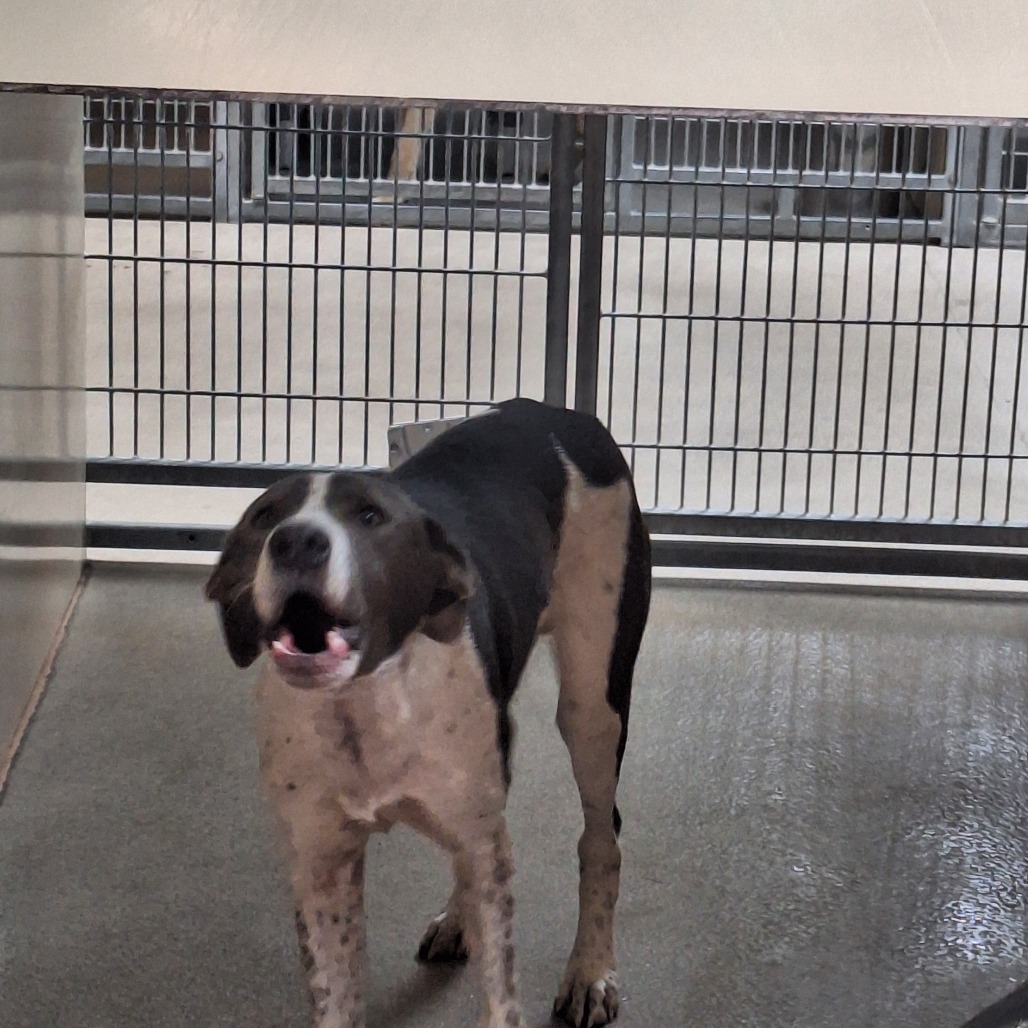
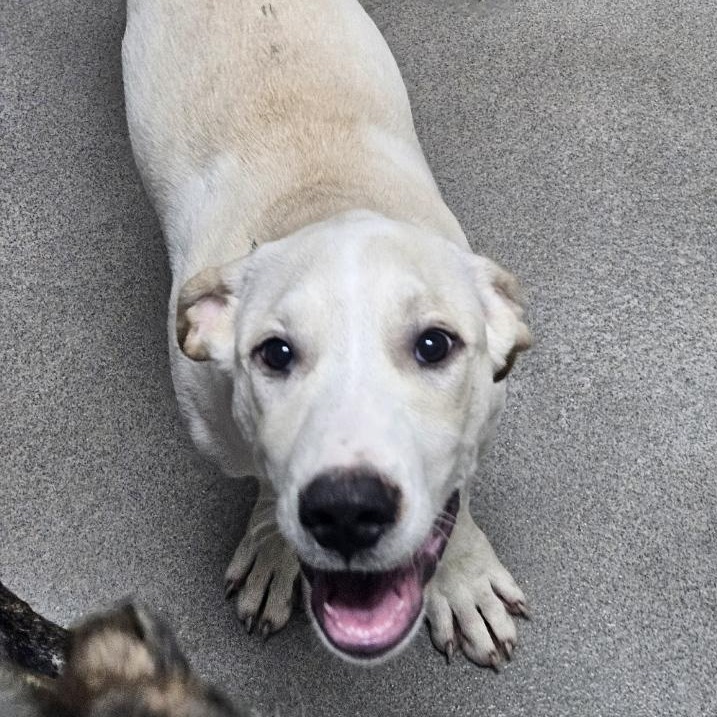
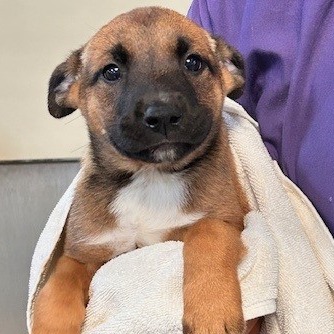
LAKE COUNTY, Calif. — Lake County Animal Care and Control has a group of adoptable dogs and puppies from a variety of breeds this week.

The dogs available for adoption this week include mixes of Australian shepherd, Chihuahua, German shepherd, Labrador Retriever, pit bull terrier, terrier and shepherd.

Dogs that are adopted from Lake County Animal Care and Control are either neutered or spayed, microchipped and, if old enough, given a rabies shot and county license before being released to their new owner. License fees do not apply to residents of the cities of Lakeport or Clearlake.

Those animals shown on this page at the Lake County Animal Care and Control shelter have been cleared for adoption.

Call Lake County Animal Care and Control at 707-263-0278 or visit the shelter online for information on visiting or adopting.

The shelter is located at 4949 Helbush in Lakeport.

Email Elizabeth Larson at This email address is being protected from spambots. You need JavaScript enabled to view it.. Follow her on Twitter, @ERLarson, and on Bluesky, @erlarson.bsky.social. Find Lake County News on the following platforms: Facebook, @LakeCoNews; X, @LakeCoNews; Threads, @lakeconews, and on Bluesky, @lakeconews.bsky.social. 

Kennel#28 Emmie's preview photo
Kennel#28 Emmie

Kennel#34b Twix 's preview photo
Kennel#34b Twix

Kennel#32a Rolo 's preview photo
Kennel#32a Rolo

Kennel#17a Reese's preview photo
Kennel#17a Reese

Kennel#17b Hershey's preview photo
Kennel#17b Hershey

Kennel#5(Remi)'s preview photo
Kennel#5(Remi)

Kennel#31 Snickers 's preview photo
Kennel#31 Snickers

Kennel#34a Butterfinger 's preview photo
Kennel#34a Butterfinger

Kennel#32b Truffle's preview photo
Kennel#32b Truffle

Kennel#24a (Saturn)'s preview photo
Kennel#24a (Saturn)

Kennel#24b(GreenCollar) Jupiter's preview photo
Kennel#24b(GreenCollar) Jupiter

Kennel#24c(YellowCollar) Venus's preview photo
Kennel#24c(YellowCollar) Venus

Kennel#25a(BlueCollar) Astro's preview photo
Kennel#25a(BlueCollar) Astro

Kennel#20 Nani's preview photo
Kennel#20 Nani

Kennel#18 Eva 's preview photo
Kennel#18 Eva

Kennel#11 Celina's preview photo
Kennel#11 Celina

 
Quarantine#2 Lil Bit's preview photo
Quarantine#2 Lil Bit

Kennel#10 Toto's preview photo
Kennel#10 Toto

Kennel#13 Stalone's preview photo
Kennel#13 Stalone

Kennel#12a Bengee's preview photo
Kennel#12a Bengee

Kennel#12b Gileon's preview photo
Kennel#12b Gileon

Kennel#7 Lulu's preview photo
Kennel#7 Lulu

Kennel#6 Borris's preview photo
Kennel#6 Borris

Kennel#16a's preview photo
Kennel#16a

Kennel#16b's preview photo
Kennel#16b

Kennel#8's preview photo
Kennel#8

 Kennel#2's preview photo
Kennel#2

 Kennel#26(Otis)'s preview photo
Kennel#26(Otis)

 
Kennel#22's preview photo
Kennel#22

Kennel#27a's preview photo
Kennel#27a

Kennel#27b's preview photo
Kennel#27b

 
Kennel#30's preview photo
Kennel#30

Kennel#3a's preview photo
Kennel#3a
 
 Kennel#3B's preview photo
Kennel#3B


Birding by ear: How to learn the songs of nature’s symphony with some simple techniques

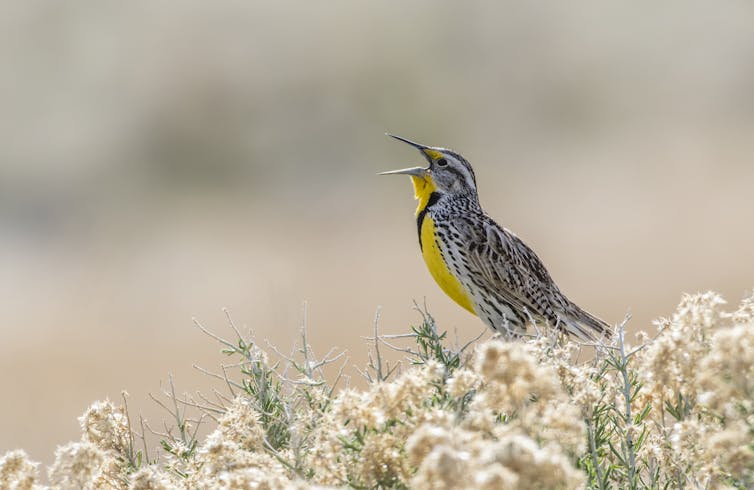
A western meadowlark sings its mating song. Danita Delimont/Gallo Images Roots RF collection via Getty Images

Waking up to the dawn chorus of birds – one of the natural world’s greatest symphonies – is a joy like no other. It is not surprising that bird-watching has become an increasingly popular hobby.

A simple way to start bird-watching is to buy a feeder, a pair of binoculars and a field guide, and begin watching birds from your window.

However, one of the most rewarding ways to identify birds is to listen to them and learn to recognize their songs.

As an ornithologist and educator, I often introduce students to the intricacies of bird songs, and I have developed some tricks that can make birding by ear less daunting.

Watch the American robin, a common songbird, singing it’s song and making calls.

Learning to listen

Learning bird songs is the difference between “hearing” and “listening.”

Listening requires full attention and limiting distractions. It means using your ears to pick up different patterns in the sounds that birds make. Every person has the capacity to listen and learn patterns in sound.

If I were to sing “da-da-da-DUM” most people would immediately recognize it as Beethoven’s Symphony No. 5. Alternatively, if I were to play the first few notes or beats of your favorite song, I’m certain you would know what it was and who sang it.

A wood thrush can sound like it’s saying “Frit-o-LAY.” To remember, you can picture a thrush eating Fritos. Cornell Lab of Ornithology

The ability to recognize bird songs uses the same part of the brain you use to recognize songs on the radio – the supratemporal, or auditory, cortex, an area just above the ears where your brain processes language and sound.

When you’re birding by ear, you use the same skills as when you’re recognizing music; listening to sounds, patterns, changes in pitch, in tone and in volume, but in nature rather than in music.

Watch a tufted titmouse sing “peter, peter.”

You can do this.

To begin learning to recognize bird songs, select two to three common bird songs that you hear frequently around your neighborhood.

Sometimes there are mnemonics that you can use to help remember the songs. For instance, the tufted titmouse says “peter, peter, peter” over and over. Sometimes it sings it fast, sometimes slow, but always “peter, peter, peter.” Whereas the Carolina wren says, “tea kettle, tea kettle, tea kettle”.

A barred owl hoots, ‘Who cooks for you?’

Songbirds aren’t the only birds with helpful mnemonics. Next time you hear a hooting sound, if it sounds like “who cooks for you, who cooks for you all,” that’s a barred owl.

Why and how songbirds sing

Watching the actual bird sing its song is one of the best ways to learn the bird and song together. Find a tufted titmouse and watch it sing “peter, peter, peter,” and you will remember it forever.

Try going out into the woods with your binoculars and following unfamiliar sounds.

Many species make unique sounds as they sing, chirp, hoot, screech or whistle. They vocalize like this for a variety of reasons – to attract a mate, defend a territory, alert other birds to threats, or to locate other individuals to form flocks or groups.

A white bellied bird with grey and black markings, and a bird with a rufous and white belly and bright blue wing and tail markings feeding on grains from a hanging feeder
A white-breasted nuthatch and eastern bluebird feed from a bird feeder. Philippe Gerber/Moment via Getty Images Plus

Songbirds, such as the tufted titmouse and northern cardinal, are the group that ornithologists associate most with complex songs. They tend to have multiple notes and patterns that change in pitch and speed, rather than simple one-note or two-note calls.

These birds have a unique voice box called the syrinx, which translates to “double flute” in Greek and allows them to create two sounds at once.

How songbirds sing.

Birds learn their songs in multiple ways.

Songbirds are born with an innate “template,” which tells them the basics for the song to sing. But they also learn from listening to adults. Studies have found regional dialects of birds’ songs and evidence that some birds learn songs from their parents while still in the shell. Sometimes they learn songs from neighbors, who usually end up becoming competitors for territory.

Human activities can affect birdsong

Human behaviors can also affect how birds sing.

Studies have found that, in some instances, background noise can weaken territorial responses in males. And light pollution in suburban areas can prolong singing by up to an hour.

‘Rachel Carson and Silent Spring,’ an American Experience Documentary from PBS.

In 1962, scientist and conservationist Rachel Carson wrote the book “Silent Spring” after noticing how quiet the spring had become when the bird migration would normally be underway. The pesticide DDT had weakened egg shells, triggering a sharp decline in many bird populations. Many scholars and historians identify this book as leading to the creation of the U.S. Environmental Protection Agency under President Richard M. Nixon in 1970.

Getting started birding by ear

As you start learning bird songs, technology can come in handy. There are now dedicated apps, such as Cornell University’s Merlin, that can help you recognize bird songs as you are listening to them.

However, human abilities still outperform this technology, so use apps as a learning tool, not a crutch.

Visualizing the sound of birds as you learn. Cornell Lab of Ornithology

As humans, we have long depended on our ability to communicate with each other. I think we relate to birds because they are such vocal creatures too.

Learning their songs is a lifelong endeavor. Once you start tuning into the natural world, you’ll realize that there is something new waiting to be discovered.The Conversation

Chris Lituma, Assistant Professor of Wildlife and Fisheries Resources, West Virginia University

This article is republished from The Conversation under a Creative Commons license. Read the original article.

Space News: NASA will say goodbye to the International Space Station in 2030 − and welcome in the age of commercial space stations

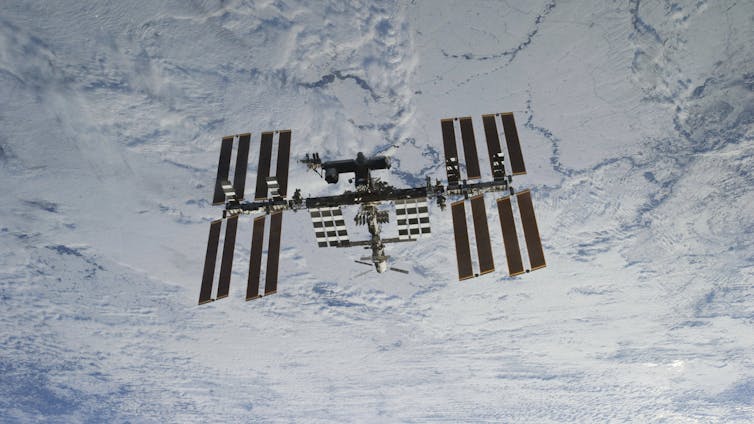
The International Space Station will be brought down in 2030. NASA via AP

For 24 hours a day, seven days a week since November 2000, NASA and its international partners have sustained a continuous human presence in low-Earth orbit, including at least one American – a streak that will soon reach 25 years.

When viewed in the history of spaceflight, the International Space Station is perhaps one of humanity’s most amazing accomplishments, a shining example of cooperation in space among the United States, Europe, Canada, Japan and Russia. But all good things must come to an end.

An emblem featuring a photo of the ISS with a ring around it featuring countries' flags.
The International Space Station’s emblem features the flags of the original signatory states. CSA/ESA/JAXA/NASA/ROSCOSMOS

In 2030, the International Space Station will be deorbited: driven into a remote area of the Pacific Ocean.

I’m an aerospace engineer who has helped build a range of hardware and experiments for the ISS. As a member of the spaceflight community for over 30 years and a 17-year member of the NASA community, it will be hard for me to see the ISS come to an end.

Since the first pieces of the International Space Station were launched in 1998, the station has been home to significant research accomplishments across domains that include materials science, biotechnology, astronomy and astrophysics, Earth science, combustion and more.

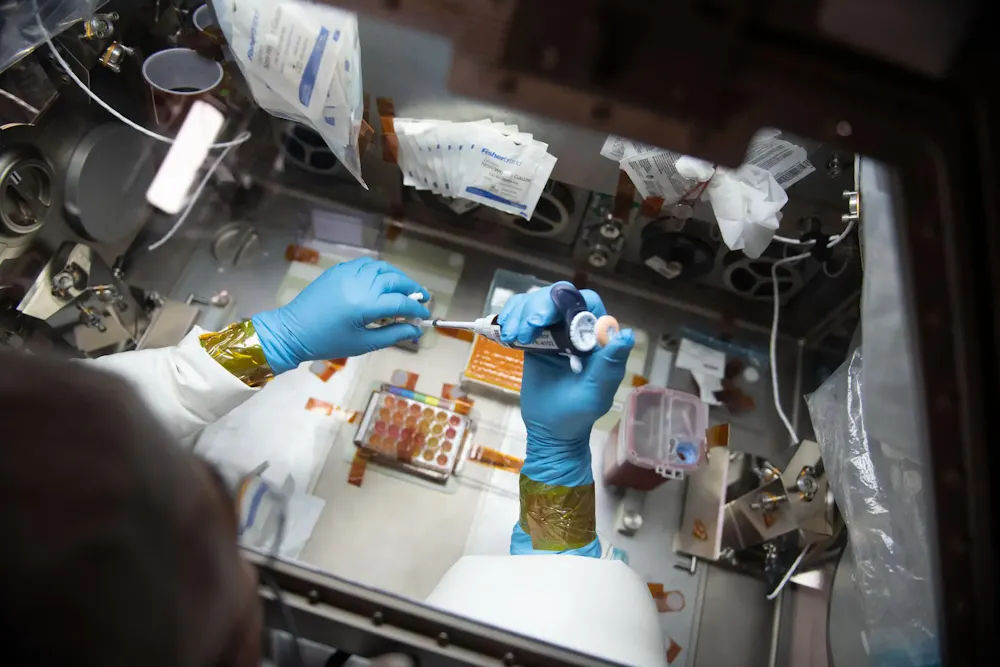
Astronauts performing research inside the space station and payload experiments attached to the station’s exterior have generated many publications in peer-reviewed science journals. Some of them have advanced our understanding of thunderstorms, led to improvements in the crystallization processes of key cancer-fighting drugs, detailed how to grow artificial retinas in space, explored the processing of ultrapure optical fibers and explained how to sequence DNA in orbit.

A top-down view of a scientist wearing gloves and a lab coat pipetting at a work bench on the ISS
The ISS’s microgravity environment has made it the optimal environment for a variety of scientific research projects. NASA, CC BY

In total, more than 4,000 experiments have been conducted aboard the ISS, resulting in more than 4,400 research publications dedicated to advancing and improving life on Earth and helping forge a path for future space exploration activities.

The ISS has proven the value of conducting research in the unique environment of spaceflight – which has very low gravity, a vacuum, extreme temperature cycles and radiation – to advance scientists’ understanding of a wide range of important physical, chemical and biological processes.

Keeping a presence in orbit

But in the wake of the station’s retirement, NASA and its international partners are not abandoning their outpost in low-Earth orbit. Instead, they are looking for alternatives to continue to take advantage of low Earth orbit’s promise as a unique research laboratory and to extend the continuous, 25-year human presence some 250 miles (402 kilometers) above the Earth’s surface.

In December 2021, NASA announced three awards to help develop privately owned, commercially operated space stations in low-Earth orbit.

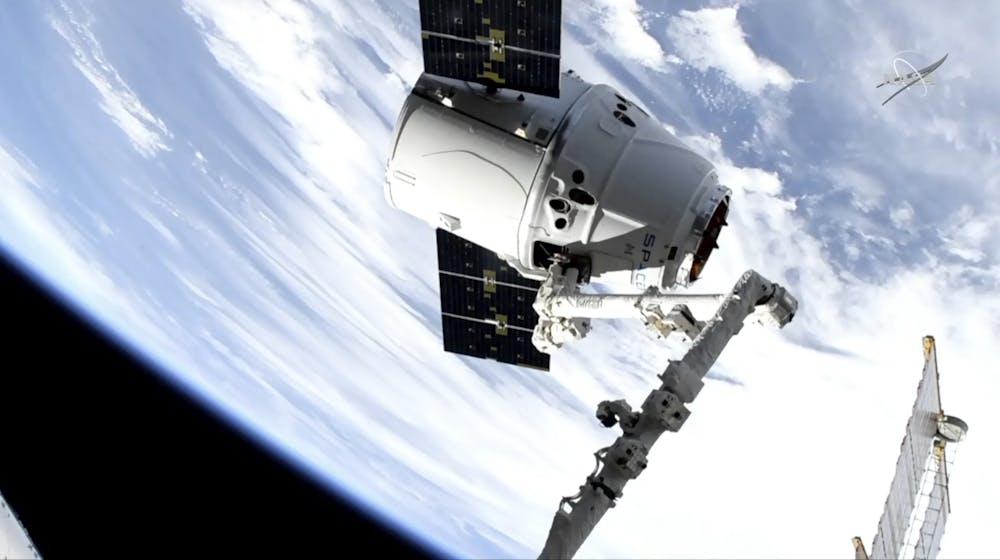
For years, NASA has successfully sent supplies to the International Space Station using commercial partners, and the agency recently began similar business arrangements with SpaceX and Boeing for transporting crew aboard the Dragon and Starliner spacecraft, respectively.

A conical white spacecraft with two rectangular solar panels in space, with the Earth in the background.
SpaceX’s Dragon capsule docks at the ISS. NASA TV via AP

Based on the success of these programs, NASA invested more than US$400 million to stimulate the development of commercial space stations and hopefully launch and activate them before the ISS is decommissioned.

Dawn of commercial space stations

In September 2025, NASA issued a draft announcement for Phase 2 partnership proposals for commercial space stations. Companies that are selected will receive funding to support critical design reviews and demonstrate stations with four people in orbit for at least 30 days.

NASA will then move forward with formal design acceptance and certification to ensure that these stations meet NASA’s stringent safety requirements. The outcome will allow NASA to purchase missions and other services aboard these stations on a commercial basis – similar to how NASA gets cargo and crew to the ISS today.

Which of these teams will be successful, and on what timescale, remains to be seen.

While these stations are being built, Chinese astronauts will continue to live and work aboard their Tiangong space station, a three-person, permanently crewed facility orbiting approximately 250 miles (402 km) above the Earth’s surface. Consequently, if the ISS’s occupied streak comes to an end, China and Tiangong will take over as the longest continually inhabited space station in operation: It’s been occupied for approximately four years and counting.

Photos and videos from the ISS allow you to see Earth from above.

In the meantime, enjoy the view

It will be several years before any of these new commercial space stations circle the Earth at around 17,500 miles per hour (28,000 kilometers per hour) and several years before the ISS is deorbited in 2030.

So while you have a chance, take a look up and enjoy the view. On most nights when the ISS flies over, it is simply magnificent: a brilliant blue-white point of light, usually the brightest object in the sky, silently executing a graceful arc across the sky.

Our ancestors could hardly have imagined that one day, one of the brightest objects in the night sky would have been conceived by the human mind and built by human hands.The Conversation

John M. Horack, Professor of Mechanical and Aerospace Engineering, The Ohio State University

This article is republished from The Conversation under a Creative Commons license. Read the original article.

Mendocino College unveils $3 million automotive remodel with EV focus

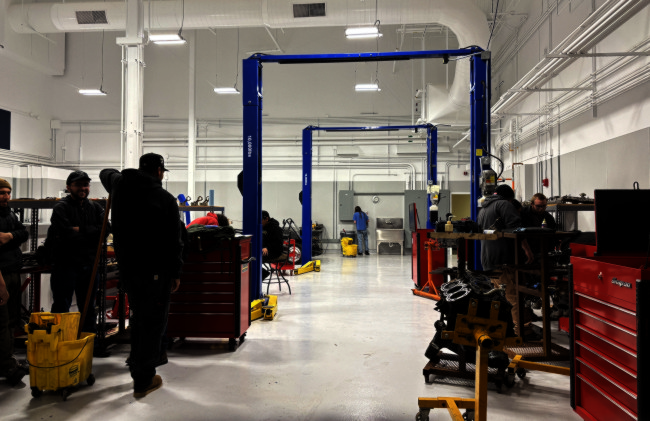
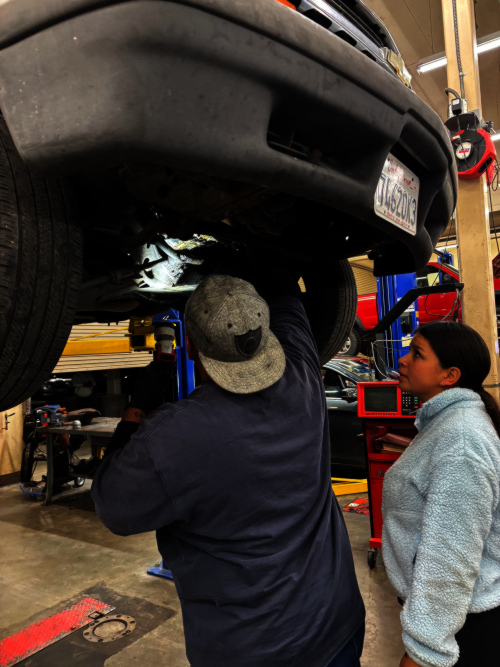
The remodeled space for Mendocino College’s Automotive Technology Program. Photo courtesy of Mendocino College.

Editor’s note: The college reported that the ceremony will begin at noon, not 11 a.m.

NORTH COAST, Calif. — Mendocino College announced the grand re-opening of its Automotive Technology Program following a transformative $3 million remodel designed to meet the demands of a rapidly evolving industry. 

The upgraded facility now includes expanded shop space, cutting-edge equipment for electric and hybrid vehicles, and a brand-new certificate program focused on EV technology.

The community is invited to celebrate this milestone at a ribbon-cutting ceremony on Friday, Oct. 3, at noon at the Ukiah Campus, hosted in collaboration with the Ukiah Chamber of Commerce. 

The event will feature remarks from faculty and industry partners, and tours of the newly renovated space.

“This remodel is more than a facelift — it’s a leap into the future,” said Michael Pratt, lead faculty for the Automotive Program. “We’ve created a cleaner, smarter, and more flexible learning environment that prepares students for careers in electric vehicle service, hybrid technology, and beyond. Our goal is to offer students in our rural community the same opportunities they’d find in major metro areas — and we’re proud to say we’ve done just that.”

Highlights of the remodel include:

• A dedicated EV and automotive electrical workshop;
• Two fully equipped classrooms for simultaneous instruction;
• Outdoor lifts for engine and transmission work;
• Expanded parking for student and project vehicles;
• A 12,000-pound lift to accommodate heavier EVs;
• New curriculum and certificate pathways in hybrid and electric vehicle systems.

The program now offers an Electric Vehicle Certificate, requiring foundational coursework in engine performance, electrical systems, and automatic transmissions. 

Students can also pursue an associate degree or stackable certificates in chassis, smog, and engine diagnostics.

With the remodel complete, Mendocino College stands as one of the few institutions in the region offering hands-on EV training — an essential step as California accelerates its transition to clean transportation.

Students at work in class for the Automotive Technology Program. Photo courtesy of Mendocino College.

Governor signs three Native American issue bills on California Native American Day

On Friday Gov. Gavin Newsom signed three important Native American bills on California Native American Day and proclaimed California Native American Day. 

One bill will strengthen high school students’ rights to wear tribal regalia at graduation ceremonies and limit school authorities’ ability to restrict those rights. 

Another will require the California State University, or CSU, system to identify available lands in CSU possession while consulting with Native American tribes that may use them to rebury Native remains returned to the tribes. 

The third will streamline gaming tribes’ ability to provide grants to other tribes with limited or nongaming resources. 

The three measures were introduced by Assemblymember James C. Ramos (D-San Bernardino), the first and only California Native American elected to the Legislature since statehood 175 years ago.

“I thank the governor for his signature on these bills that represent a turning of the page in how California writes its story with Native American tribes,” Ramos said. “Just acknowledging — once again — a student’s right to wear tribal regalia at high school graduation ceremonies is a far cry from early statehood when California’s first governor called for a ‘War of Extermination’ against the tribes.

“We also look forward to working with the CSU system to craft a state policy paving the way to bring the remains of our ancestors a step closer to proper reburial,” Ramos continued. “This would meet a decades-overdue obligation to repatriate Native American remains and funerary items wrongfully in possession of CSU campuses around the state. It is painful to think of our ancestors’ remains stored in boxes on shelves instead of in the earth. We also hope streamlining grants funded by gaming tribes will help fellow tribes without the same resources. Gov. Newsom’s approval of these measures is welcome, particularly on a day when we celebrate the contributions of our state’s tribes, their diversity, resilience and culture.”

In announcing his approval of the legislation, Gov. Newsom’s statement said, “This legislation builds on the efforts of the Newsom administration to examine and address historical wrongs and promote access and inclusion for California Native peoples. Earlier this year, the state released the Native American Studies Model Curriculum, developed in collaboration with California tribes, Native scholars, educators, and community leaders.”  

Newsom approved the following tribal bills:

AB 1369 (Wearing of tribal regalia at high school graduation ceremonies).

The bill prohibits school districts from banning the wearing of tribal regalia at graduation ceremonies. 

Clovis Unified School District 2025 graduate Bella Garcia said, “California sits on the traditional homelands of all California Indian people, and it is important to recognize California tribes’ sovereignty. Tribes and their members are the best informed and most appropriate persons to determine what is or is not appropriate cultural regalia. I want to thank all who have made this bill a reality including Gov. Newsom, Assemblymember Ramos and all who took the time to listen to tribal families and students. American Indian youth deserve to be recognized, celebrated and uplifted while honoring their ancestors who came before them. Graduation is one of the most momentous milestones for all students, especially for California Native Americans. It should be celebrated, not marred by misplaced and uninformed bureaucratic objections that prohibit cultural pride.”

AB 1369 is sponsored by California Indian Legal Services and the Tule River Indian Tribe. Supporters include various tribes, ACLU California Action, California Indian Nations College, Indigenous Justice, Los Angeles County Office of Education, San Bernardino City Unified School District and the San Bernardino County Superintendent of Schools.

AB 977 (CSU land and repatriation of Native American human remains)

The bill requires the CSU system, in consultation with Native American tribes, to develop a policy for the repurpose of land in its possession for the reburial of Native American human remains. 

The Native American Graves Protection and Repatriation Act of 1990, or NAGPRA, and the 2001 California counterpart, CalNAGPRA establishes requirements for the repatriation of Native American remains and cultural items to tribes by government agencies and museums that maintain collections of remains and cultural items, which includes the CSU system.

It is sponsored by the Santa Rosa Rancheria Tachi Yokuts Tribe and backed by the Habematolel Pomo of Upper Lake, Morongo Band of Mission Indians, Society for California Archaeology, Tule River Indian Tribe, the California Faculty Association and the CSU Office of the Chancellor. 
 
“The California State University is committed to addressing the painful legacy of Native ancestors and cultural items held within our system,” said Samantha Cypret (Mountain Maidu), executive director of the CSU Office of Tribal Relations. “AB 977 represents an important step in fulfilling our responsibility to work in true partnership with Tribal Nations to ensure their ancestors and cultural belongings are laid to rest with dignity and respect. We are deeply appreciative for Assemblymember Ramos’ leadership and look forward to working closely with Native voices across California as we move this work forward.” 

AB 221 (Streamlining grants to non- or limited-gaming tribes)

The bill streamlines the existing Tribal Nation Grant Fund, or TNGF, process to provide annual equal distribution grants, upon application, to federally recognized tribes that either have no gaming or operate limited gaming operations (less than 350 Class III gaming devices). 

Grants may only be used for tribal purposes. The Tribal Nation Grant Fund process was enacted in 2017. 

AB 221 would distribute annual grants of $600,000 or at least 85% of the available monies in the grant fund, whichever is greater, and finance projects such as housing, vocational training, water conservation and other programs. 

AB 221 is sponsored by the Tribal Alliance of Sovereign Indian Nations and the California Nations Indian Gaming Association. It is also supported by numerous tribes, the California Chamber of Commerce and the California Democratic Party Rural Caucus.

Another “win” for tribes this year was inclusion in the 2025-26 budget of $5 million to establish a three-year pilot program granting tribal law enforcement officers peace officer status to improve public safety on tribal lands and combat the Missing and Murdered Indigenous People, or MMIP, crisis.

California ranks among the fifth highest in the nation for unresolved MMIP cases in the nation. 

The state Department of Justice would oversee the pilot project that would grant tribal officers additional authority on tribal lands and in other places to be determined by tribes and the DOJ. 

Additionally, California Indian Nations College received $10 million to assist in its quest to become the first federally fully accredited tribal college in the state. 

California, with the highest population of Native Americans in the country, lacks such a higher education institution.

  • 96
  • 97
  • 98
  • 99
  • 100
  • 101
  • 102
  • 103
  • 104
  • 105

Community

  • Lake County Wine Alliance offers sponsor update; beneficiary applications open 

  • Mendocino National Forest announces seasonal hiring for upcoming field season

Public Safety

  • Lakeport Police logs: Thursday, Jan. 15

  • Lakeport Police logs: Wednesday, Jan. 14

Education

  • Woodland Community College receives maximum eight-year reaffirmation of accreditation from ACCJC

  • SNHU announces Fall 2025 President's List

Health

  • California ranks 24th in America’s Health Rankings Annual Report from United Health Foundation

  • Healthy blood donors especially vital during active flu season

Business

  • Two Lake County Mediacom employees earn company’s top service awards

  • Redwood Credit Union launches holiday gift and porch-to-pantry food drives

Obituaries

  • Rufino ‘Ray’ Pato

  • Patty Lee Smith

Opinion & Letters

  • The benefits of music for students

  • How to ease the burden of high electric bills

Veterans

  • CalVet and CSU Long Beach team up to improve data collection related to veteran suicides

  • A ‘Big Step Forward’ for Gulf War Veterans

Recreation

  • Wet weather trail closure in effect on Upper Lake Ranger District

  • Mendocino National Forest seeking public input on OHV grant applications

  • State Parks announces 2026 Anderson Marsh nature walk schedule 

  • BLM lifts seasonal fire restrictions in central California

Religion

  • Kelseyville Presbyterian to host Ash Wednesday service and Lenten dinner Feb. 18

  • Kelseyville Presbyterian Church to hold ‘Longest Night’ service Dec. 21

Arts & Life

  • Auditions announced for original musical ‘Even In Shadow’ set for March 21 and 28

  • ‘The Rip’ action heist; ‘Steal’ grounded in a crime thriller

Government & Politics

  • Lake County Democrats issue endorsements in local races for the June California Primary

  • County negotiates money-saving power purchase agreement

Legals

  • March 3 hearing on ordinance amending code for commercial cannabis uses

  • Feb. 12 public hearing on resolution to establish standards for agricultural roads

How to resolve AdBlock issue?
Refresh this page