 How to resolve AdBlock issue?
News

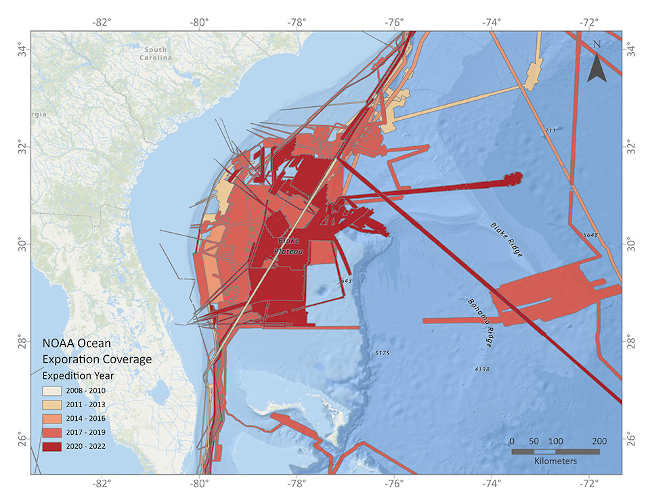
We know less about the ocean floor than we do about the surface of the moon and Mars. But by the end of the decade we may know the general outline of our undersea contours and crevasses, thanks to an international project called Seabed 2030.
The mapping initiative — formally known as The Nippon Foundation-General Bathymetric Chart of the Oceans Seabed 2030 Project — launched in 2017 to “produce the definitive map of the world ocean floor by 2030.”
This week, NOAA Administrator Rick Spinrad signed a memorandum of understanding in conjunction with the United Nations Ocean Conference that formalizes U.S. participation in Seabed 2030. The memorandum also describes best practices and protocols for this type of data collection, which will help build positive collaboration between all involved countries and partners.
Seabed data is foundational for determining how the ocean works. Beyond navigation, the shape of the ocean floor plays a big role in the movement of ocean debris and pollution on its surfaces and currents.
Knowledge about the depths can provide insights into sustainable fisheries management. Ocean acidification is also directly linked to depth; some areas may experience more chemical change and be less able to sustain healthy ecosystems than others.

Climate change impacts can also vary widely depending on depth since deeper areas may experience different temperature fluctuations than shallow areas. Identifying and monitoring underwater volcanoes also helps scientists predict tsunamis more effectively, potentially helping to save lives across huge swaths of coastline around the world.
As of this summer, 23.4 percent of the ocean is mapped, reflecting an increase of 10.1 million square kilometers (almost 3.9 million square miles) of new bathymetric data from 2021. The new number represents contributions from a wide and diverse group of stakeholders, including various nations, government agencies, private companies, philanthropic partners, and academic institutions.
In many locations, seabed mapping is done close to shore to enhance national security or protect a particular country’s economic interests. NOAA's mission — to understand and predict our changing environment, from the deep sea to outer space and to manage and conserve U.S. coastal and marine resources — makes participation in Seabed 2030 a natural fit. As a part of the Department of Commerce, NOAA holds key leadership roles in shaping international ocean, fisheries, climate, space, and weather policies.
All collected data will be available to the public via the NOAA-hosted International Hydrographic Organization Data Center for Digital Bathymetry. Anyone who follows appropriate protocols can contribute data to this effort, including private companies.
Call Lake County Animal Care and Control at 707-263-0278 or visit the shelter online at http://www.co.lake.ca.us/Government/Directory/Animal_Care_And_Control.htm for information on visiting or adopting.
The following cats at the shelter have been cleared for adoption.
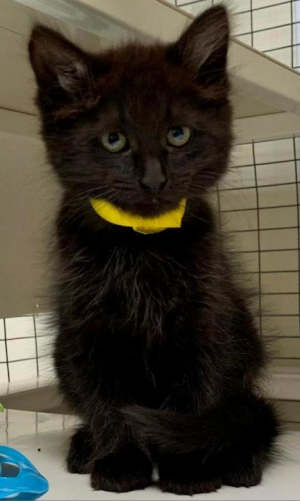
Domestic shorthair kitten
This female domestic shorthair kitten has an all-black coat.
She is in cat room kennel No. 84a, ID No. LCAC-A-3614.
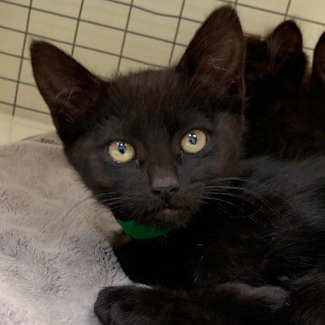
Domestic shorthair kitten
This female domestic shorthair kitten has an all-black coat.
She is in cat room kennel No. 84b, ID No. LCAC-A-3615.
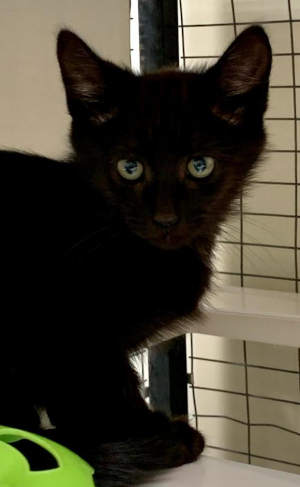
Domestic shorthair kitten
This male domestic shorthair kitten has an all-black coat.
He is in cat room kennel No. 84c, ID No. LCAC-A-3616.
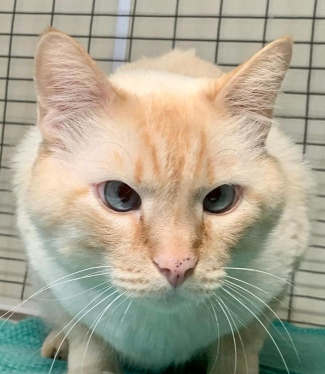
‘Flynn’
“Flynn” is a 9-year-old male Siamese mix with a medium-length coat.
He is in cat room kennel No. 146, ID No. LCAC-A-3460.
Email Elizabeth Larson at
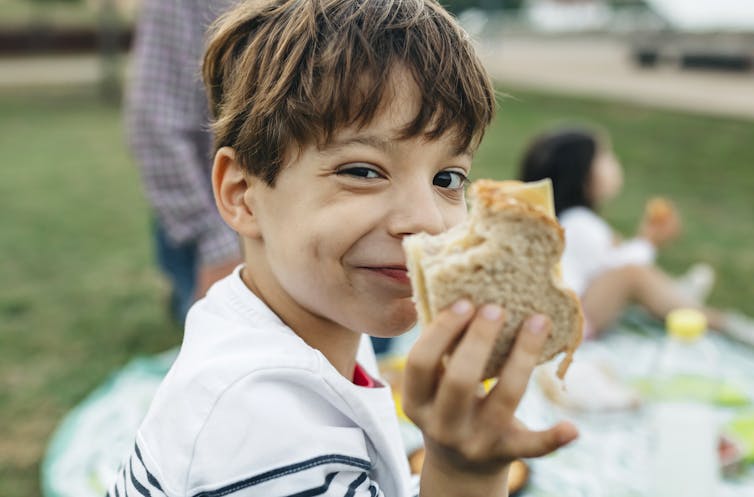
Every year, almost 1 in 6 Americans gets a foodborne illness, and about 3,000 people die from it, according to Centers for Disease Control and Prevention estimates. Picnics and parties where food sits out for hours are a common source, but heat waves and power outages are another silently growing threat.
As global temperatures rise, the risk of foods going bad during blackouts in homes or stores or during transit in hot weather rises with them. Elena Naumova, an epidemiologist and data scientist at Tufts University, explains the risk and what you need to know to stay safe.
What does climate change have to do with foodborne illness?
The link between foodborne illness and climate change is quite straightforward: The pathogens that cause many foodborne infections are sensitive to temperature. That’s because warm, wet weather conditions stimulate bacterial growth.
Three main factors govern the spread of foodborne illness: 1) the abundance, growth, range and survival of pathogens in crops, livestock and the environment; 2) the transfer of these pathogens to food; and 3) human exposure to the pathogens.
Safety measures like warning labels and product recalls can help slow the spread of harmful bacteria and parasites, but these measures don’t always evolve rapidly enough to keep pace with the changing risk.
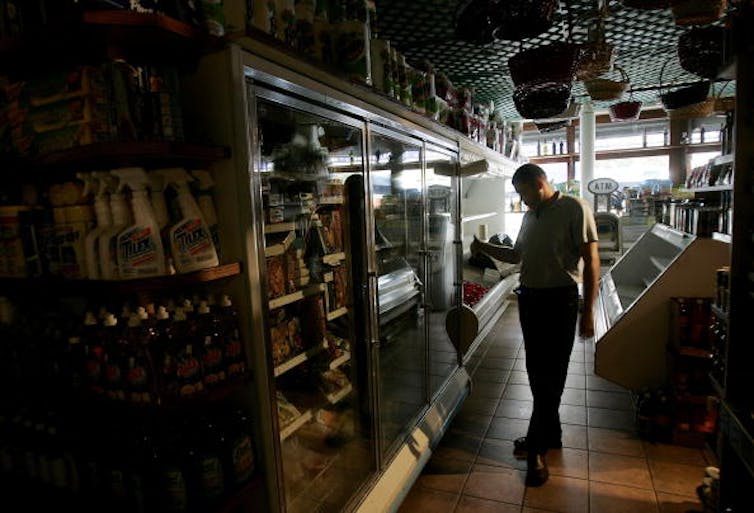
One growing problem is that heat waves, wildfires and severe storms are increasingly triggering power outages, which in turn affect food storage and food handling practices in stores, production and distribution sites and homes. A review of federal data in 2022 found that major U.S. power outages linked to severe weather had doubled over the previous two decades. California often experiences smaller-scale outages during heat waves and periods of high wildfire risk.
This can happen on the hottest and, in some areas, most humid days, creating ideal conditions for bacteria to grow.

Which causes of foodborne illness are increasing with the heat?
Nationwide, many types of foodborne infection peak in warm summer months.
Cyclospora, a tiny parasite that causes intestinal infections and is transmitted through food or water contaminated with feces, often on imported vegetables and fruits, peaks in early June.
The bacteria Campylobacter, a common cause of diarrhea that’s often linked to undercooked meat; Vibrio, linked to eating raw or undercooked shellfish; Salmonella, which causes diarrhea and is linked to animal feces; and STEC, a common type of E. coli, peak in mid-July. And the parasite Cyptosporidium, germ Listeria and bacteria Shigella peak in mid-August.
Many of these infections cause upset stomach, but they can also lead to severe diarrhea, dehydration, vomiting and even longer-term illnesses, such as meningitis and multiple organ failures.
In our studies, my colleagues and I have also found that food recalls increase during summer months.
Typically, the U.S. sees about 70 foodborne outbreaks per month, with about two of them resulting in a food recall. In summer, the number of outbreaks can exceed 100 per month, and the number of recall-related outbreaks goes up to six per month, increasing from 3% to 6% of all reported and investigated outbreaks nationwide.
The rate of individual infections can also easily double or triple the annual average during summer months.
Precisely estimating infection numbers is very challenging because the vast majority of foodborne illness outbreaks – an estimated 80% of illnesses and 56% of hospitalizations – are not attributed to known pathogens due to insufficient testing, and many foodborne illnesses are not even reported to the health authorities.
What types of food should people worry about?
Watch out for perishable products, including meat, poultry, fish, dairy and eggs, along with anything labeled as requiring refrigeration. How warm a food item can get before becoming risky varies, so the simplest rule for keeping food safe is to follow food labels and instructions.
The CDC website emphasizes four basic rules to prevent food poisoning at home: clean, separate, cook and chill.
It also offers some guidelines for when the power goes out, starting with keeping refrigerator and freezer doors closed. “A full freezer will keep food safe for 48 hours (24 hours if half-full) without power if you don’t open the door. Your refrigerator will keep food safe for up to four hours without power if you don’t open the door,” it says.
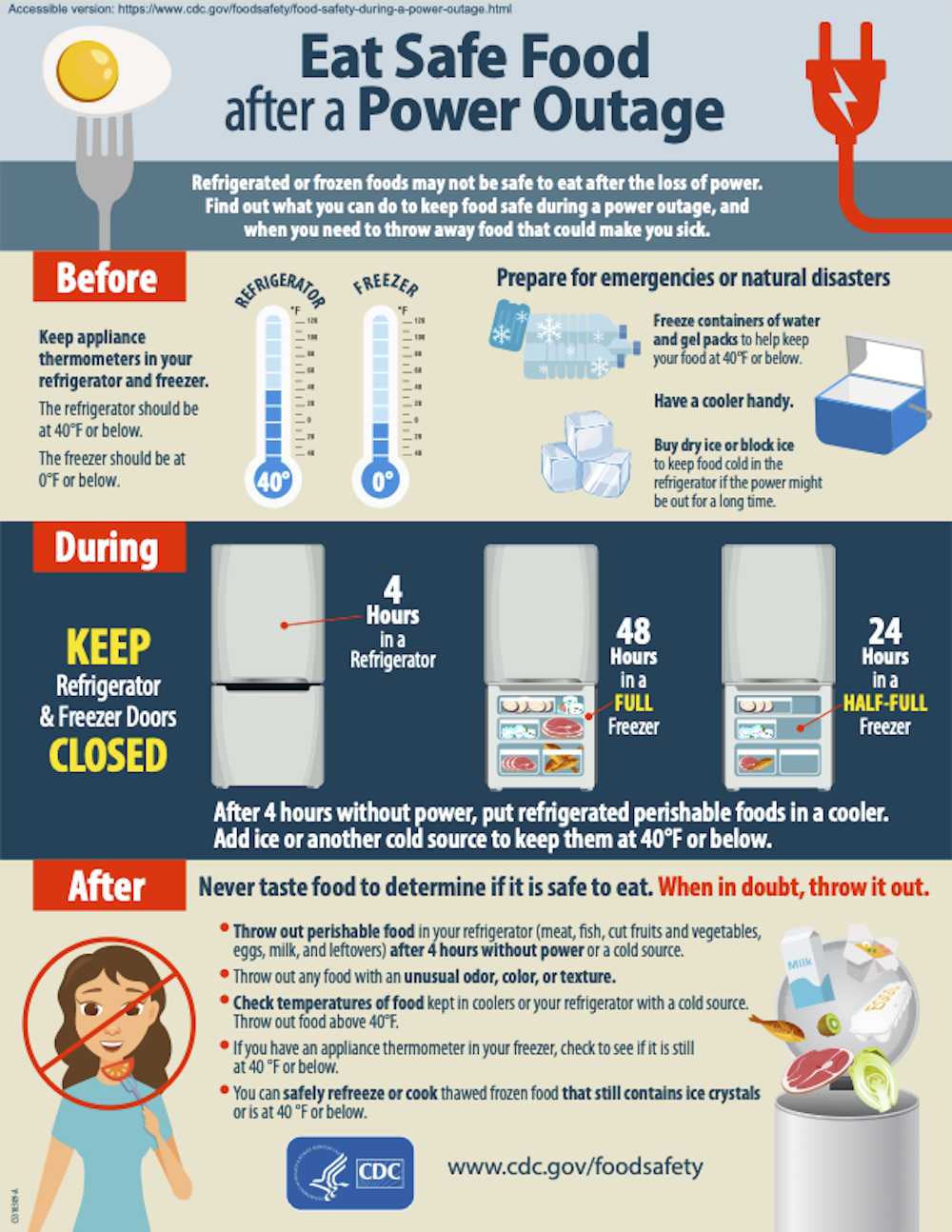
After four hours without power or a cooling source, the CDC recommends that most meat, dairy, leftovers and cut fruits and vegetables in the refrigerator be thrown out.
Unfortunately, you cannot see, smell or taste many harmful pathogens that cause foodborne illness, so it’s better to be safe than sorry. Rule of thumb: When in doubt, throw it out.
What’s the best response if a person gets sick from food?
If you do get sick, it can be hard to pinpoint the culprit. Harmful bacteria can take anywhere from a few hours to several days to make you sick. And people respond in different ways, so the same food might not make everyone ill.
Check with your doctor if you think you have food poisoning. Get tested so your case will be reported. That helps public health authorities get a better sense of the extent of infections. The full extent of infections is typically vastly underreported.
I recommend checking health department websites, like Washington state’s, for more advice, and check on food recalls during the hot months.
Elena N. Naumova, Professor of Epidemiology and Data Science, Tufts University
This article is republished from The Conversation under a Creative Commons license. Read the original article.
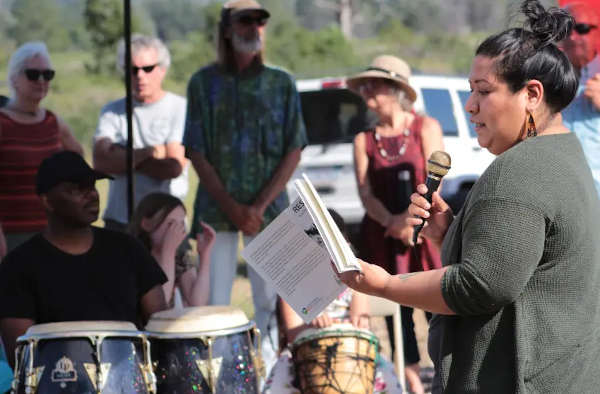
LAKE COUNTY, Calif. — In March of 2020, as the worldwide COVID-19 pandemic caused ever-widening shutdowns, Georgina Marie Guardado was quietly appointed to the role of Lake County Poet Laureate absent of the usual public fanfare, an inaugural celebration and reading.
It was tough timing for someone taking on the responsibility of promoting poetry in the public square, yet Guardado successfully nurtured the art locally thanks to the modern miracle of online interfacing.
Now with our moving from pandemic to endemic status, public events have become commonplace and Guardado is taking full advantage of this opportunity to execute her mission.
At age 34, Guardado is the youngest of Lake County’s Poets Laureate, the 11th in a line of local poets extending back to 1998.
Though typically a two-year appointment, Guardado’s term was extended through 2024 due to the pandemic’s hindrances, a first for the Lake County Poet Laureate program.
Navigating a challenging childhood
Guardado, the youngest of six, moved to Lake County from Calistoga with her mother and siblings at age 7. Other than a five-year stint in San Francisco as a young adult, she’s lived here ever since.
Always a nature lover, as a child she took pleasure in time spent swimming in Clear Lake, enjoying local parks, and frequenting the swing in a large field adjacent to their Lakeport home.
According to Guardado, it was a rough childhood, not always happy, and her avid interest in reading and writing helped her through.
Negative experiences in public school led to her being home-schooled from seventh grade onward. Some of her high school requirements were satisfied through classes at Mendocino College, and an English class there introduced her to a variety of women writers, including Sylvia Plath.
Plath’s work drew her into a deeper love of poetry. “Reading work by Sylvia Plath blew my mind in terms of how she could write about mental illness and depression and make it beautiful,” Guardado said.
As one who struggled with depression as a teen — as she openly admits now — she could relate and was thankful to find a way to creatively express what she was going through.
“I’m so glad I took that class,” Guardado said.
The path to poet laureate
Guardado, who began writing poetry at age 15, was initially, as she puts it, a “writer in solitude.”
Her poetry was private, very personal and not something she often shared. Even so, from that young age she had a passion to be a poet.
In 2017 she started becoming more involved in the Lake County literary community. Through this she met Casey Carney, one of Lake County’s former poets laureate. Carney encouraged her writing and urged her to become more involved in the county’s various literary offerings.
Through attending area events and workshops, Guardado experienced the richness of Lake County’s literary community. “There are so many poets and creative writers here,” Guardado said.
Being involved in the community caused her to blossom. “Something was shifting in my life that made me ready to start sharing my work. Pairing that with my involvement in the community made me grow immensely in just a few short years,” said Guardado.
In 2018 a couple of her sisters persuaded her to apply to be Lake County’s poet laureate. She didn’t receive the appointment at that time and the ensuing disappointment made her realize how much she wanted to be in that role.
From 2018 to 2020, Guardado kept working on her writing, focusing on craft elements with an eye to improvement.
At the same time, Guardado began implementing her ideas from the mission statement that she had honed for the 2018 application process. “I decided to just do it. I didn’t need the title to make all of it happen,” said Guardado.
Increasing her own level of poetry and building community impact worked in her favor when the role opened up again, leading to her appointment in 2020 to Poet Laureate by the Lake County Board of Supervisors.
The function of a Poet Laureate and Guardado’s mission
“A poet laureate promotes poetry in their community,” said Guardado. “That’s all it comes down to, so it’s very broad in terms of what you can do with it.”
While on the national and state level there are requirements to speak at certain events, typically poets laureate in counties and towns have more independence and flexibility.
According to Guardado, Lake County has a very autonomous program. It’s not tied to any organization or particular entity and there is no funding for the program. It’s all-volunteer and it’s up to each poet laureate to choose what they wish to do.
For example, Guardado says that some might do a reading series or others may focus on poetry in the schools. The options are vast.
Her mission is to elevate the awareness of poetry in the community and encourage involvement in the craft. Inclusivity, diversity, and accessibility are all very important to her.
“Sometimes the field of poetry can feel a little isolating and inaccessible academically. My goal is to make it accessible for any level of reader or writer,” Guardado said.
Typically, the demographics are varied at her events, from youth to older individuals, and from those who are new to poetry to well established poets.
“This role has meant so much to me in terms of having a leadership role in the community through poetry, promoting poetry, and encouraging other writers,” said Guardado. “At this time in the world we collectively have a lot of emotions and grief. To have any part of being a safe space for others to express their writing is a really important part of my life.”
Poetry during the pandemic
During the pandemic, Guardado did a lot of virtual and email networking with other poets laureate throughout the United States to brainstorm about what they could do for their communities at that time.
She scheduled virtual check-ins to see how writers in the community were feeling. She wondered how the emotions surrounding the pandemic influenced their writing. Were they even interested in writing or reading a poem?
To her surprise, everyone responded in the affirmative. The consensus was that the literary arts were needed to get them through COVID. She then scheduled virtual meetings, readings and writing workshops.
“I had a ton of ideas and wanted to make them all happen,” Guardado said.
She collaborated with Mary Wilson of Woodland Community College in Clearlake to do a 10-week virtual poetry open mic series on Zoom.
She hosts a bimonthly virtual writers’ circle through the Lake County Arts Council, which is open to any level of writing in any genre. It continues to be ongoing.
In 2020, during the first year of her laureateship, Guardado had been particularly impacted by a book she read: “Dreaming America: Voices of Undocumented Youth in Maximum-Security Detentions,” a collection of poems by children ages 13 to 17 who landed in maximum-security detention for crossing the U.S. border.
She reached out to the book’s editor, Seth Michelson, who had led the weekly writing sessions where the poems were composed, and they put together a virtual poetry reading that included Michelson, the publishing house, and a diverse gathering of Lake County poets, writers, and business owners of color. There were about 50 community members that took part in the virtual meeting.
“We did a reading of the children’s poems and some local poets of color read their original work,” said Guardado. “It was an incredibly powerful community gathering, as well as poetry reading.”
Current poetry and literary events
Guardado feels there is still some hesitation about getting together in person, so she’s easing slowly into in-person events.
On Valentine’s Day of this year, she began doing a once-a-month “Tea and Poetry” workshop in collaboration with Studio 127, a Lakeport yoga studio. The meeting is on the third Saturday of each month.
Tea from the studio’s loose-leaf collection is enjoyed while poems are read and written. Guardado provides writing prompts.
The gathering — now still small — is open to the public, and those with any level of experience, from beginning to advanced, are welcome.
Dropping in is possible, but an RSVP is preferred. There is a suggested donation of $10 but no one is turned away for lack of funds.
In June, Guardado began the Lake County Poetry Tour, a series of outdoor and indoor poetry workshops and readings at various venues throughout the county. These continue in July, including at Upper Lake’s Tallman Hotel (July 8), the Middletown Library (July 9), and Clear Lake Campground (July 10).
All Poetry Tour events are free to attend and there is no advance registration.
The Virtual Writers Circle hosted by Guardado meets on the first and third Wednesday evening of each month.
To find out more about the events mentioned (and any in the future), visit Guardado’s website, www.GeorginaMariePoet.com.
Academy of American Poets fellowship
Guardado applied for a fellowship through the Academy of American Poets after being appointed as Lake County’s Poet Laureate. She was one of only 23 fellowship recipients throughout the U.S. in 2021.
Guardado acknowledges that artists and writers tend not to make much money, if at all — it’s done out of passion for the craft. It’s very tough to make a living as a poet, and the fellowship has allowed her to pursue her writing in a way that was impossible before.
She’s been able to work part-time and spend most of her non-work hours writing. The fellowship has been an incredible support in her efforts to write what is going to be her first full-length poetry manuscript, which she anticipates being done by the end of the year. “At that point,” said Guardado, “I’ll begin sending it to some of my dream publishers.”
Since being the Lake County Poet Laureate is completely volunteer, the fellowship has helped her have time for those projects, as well. In addition, Guardado is grateful for the networking and relationships that have developed within the supportive cohort of the 22 other fellowship recipients.
Poetry displays and libraries
In addition to funding her writing, the Academy of American Poets fellowship includes funding a community project. She chose one that makes poetry visible and accessible throughout the county.
Someone who lives in Clearlake or Upper Lake may not be able to get to Lakeport for a poetry reading, but if a poetry display is installed in their community, they can have access to reading a poem.
“I felt that our communities have been through so much in the last few years that it would be nice to beautify them with poetry all across the county,” said Guardado.
She partnered with craftsman Gary Maes — whose work Guardado describes as “incredible” — to build 15 display boxes for poetry in seven communities throughout the county.
Poetry in the boxes is switched out occasionally. Maes does this in Kelseyville every week to 10 days and the other locations are managed by volunteers or the location host. Guardado says this helps ensure that the project will live on beyond her tenure as poet laureate.
A second fellowship project was installing the little poetry free libraries that have been popping up around the county since last July. The libraries bring visual representation of poetry to communities around the lake. Patrons can donate, take or borrow a book of poetry.
To find poetry boxes and free poetry libraries, go to Guardado’s website and click on “fellowship” to access a Google map showing locations.
Lake County Youth Poet Laureate Program
Guardado, in conjunction with the Lake County Arts Council, has launched a Youth Poet Laureate program, a first for the county. Applicant interest forms are currently being received — there are three so far — and the deadline for this has been extended to July 15.
Once interest is established, a three-month application process will begin, with Guardado mentoring interested youths throughout the undertaking via workshops and assistance with the needed submissions.
Duties will be the same as the adult poet laureate — the youth poet laureate will be promoting poetry and literacy within their community, which in this case will be the county’s adolescents. The focus will be on poetry reading with youth, which they can take in any direction they want.
The local program will partner with Urban Word NYC, which hosts the National Youth Poet Laureate Program. This was done so the student serving in the position will have the opportunity to be involved with other youth poets laureate throughout the U.S. They’ll also have access to leadership development and other seminars and be in the running to become the Regional Youth Poet Laureate.
Those interested should visit the Lake County Arts Council at Lake County Youth Poet Laureate Program — Lake County Arts Council by July 15.
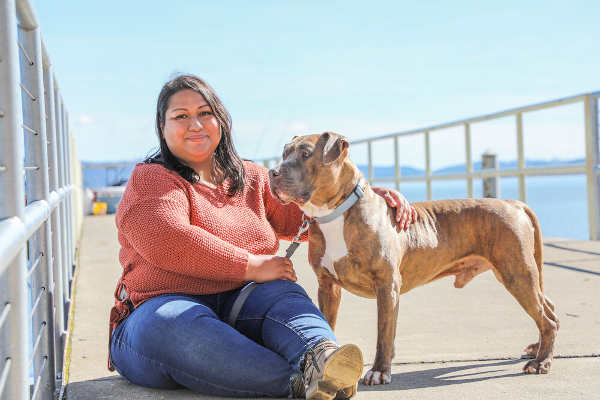
Animal lover and dog fosterer
Guardado has been an animal lover since she was very young. “Separate from my career goals, my main dream as a child was to be a dog mom,” joked Guardado.
Her first dog, which she got at age 10, was with her for 13 years. “We grew up together,” said Guardado.
When living in San Francisco, she felt ready to welcome another dog into her home and knew she wanted to adopt a rescue dog in need. She did this through Family Dog Rescue, which mainly serves the Bay Area (though they also rescue from abroad, particularly Tijuana).
When she learned about the work the organization was doing, she began volunteering with them, doing intakes, mobile adoption events, and cleaning and stocking supplies in the shelter.
Her rescue dog, Kenya, a German shepherd-lab mix, had been severely abused and neglected but thrived under Guardado’s care.
“Through that,” said Guardado, “I became aware of the number of animals in need and what a great thing it is to foster and give a home to an animal who may not know what it’s like to receive love.”
In addition to fostering dogs, she did some foster work for cats through Give Me Shelter, another Bay Area rescue.
Now that she’s back in Lake County, she tries to foster when she has the energy and time. She adopted a dog through Lake County Animal Care and Control last year, Micco, a pit bull mix. “He’s my pandemic puppy,” said Guardado.
Thankfully, both dogs adapt very well when she brings other animals into their space, which has allowed her to foster a number of other dogs. She’s currently fostering a German shepherd mix which she named Bohdan, which means “gift from God” in Ukrainian.
“Bohdan found me when the Ukrainian war started, and the social media posts I was seeing about owners fleeing with their dogs were just heartbreaking,” Guardado recalled. “Images of these animals flashed through my mind daily, and when the opportunity to foster came up, I settled on that name.
According to Guardado, Bohdan is in good health and very vocal. “He’s such a great dog. He’s house trained and has learned some new tricks while here. He’d be a great companion for just about anyone,” Guardado said.
Those interested in the possibility of adopting him should contact the Ripple Effect Animal Project in Napa.
Promoting literacy through the Lake County Library
Guardado was appointed the Adult Literacy Coordinator for the Lake County Library in December of last year. She’s enthusiastic about the position — it fits right in with her passion for literacy.
“There is a great need for this program in Lake County,” said Guardado. “While this county has many different challenges — wildfires and poverty, for example — there is also a great need to improve literacy. There are low literacy rates throughout the county, and a lot of adults need our services to improve their reading and writing skills, to feel confident in being a reader, and to be supported as a lifelong learner. This program does that for them through one-on-one tutoring with matched tutor-learner pairs.”
COVID-19 impacted literacy programs throughout California as tutors and learners were unable to meet in person. Much of what she’s doing now is rebuilding and revitalizing the program after the pandemic drop-off.
This involves community outreach, forming relationships with various organizations throughout the county, and partnering with other adult education resources to bring in more learners and tutors.
There are currently 12 active tutor-learner pairs and 13 learners waiting to be matched. Thanks to Guardado’s active outreach, six new tutors were trained last week and a few more have indicated interest in the next training.
The program’s biggest need is for tutors willing to meet learners in the Clearlake and Middletown area, and for word to be spread so that potential learners are aware of the services offered.
According to Guardado, no experience is needed to be a tutor. Tutors are trained and there is ongoing support as needed. Tutors must be above the age of 16 and have a good understanding of the English language and with reading and writing.
To be a learner, one must be over 16 and know enough English to be able to communicate with their tutor. Guardado has applied for a grant that would make an ESL program possible in the future.
The program is flexible with a one-hour-per-week commitment and is based on the learner’s goals. For those who are hesitant to meet in person, the library can provide Chromebooks and wi-fi hot spots for remote tutoring.
Anyone interested in being a tutor or learner can contact Guardado at 707-263-7633.
The Big Read
To further promote literacy, the Lake County Library received an NEA grant for a Big Read program which is slated to begin in February of 2023.
Guardado has been part of prior Big Read programs three times as a library patron and is excited to be leading this one. She’ll work with library staff members Amy Patton and Barbara Green to coordinate the programs for children and adults.
So far there are 15 confirmed community partners throughout Lake County (among them are the two local colleges, Lake County Museums, Lake County Farmers’ Finest, and the Scotts Valley Band of Pomo Indians), who will hold events in conjunction with the Big Read, such as writing workshops, book discussions, and educational programs involving themes in the book.
The chosen book is “Postcolonial Love Poem,” a collection of poems by Arizona Poet Laureate Natalie Diaz. Diaz, who is Mojave, was awarded a Pulitzer Prize for the work.
Guardado has reached out to Diaz, who will do a virtual public event in March of 2023 to include a keynote address and question and answer session.
And finally, a twist of fate
In an interesting twist of fate, the woman who preceded Guardado as adult literacy coordinator was Ginny DeVries, who taught the Mendocino College English class that introduced Guardado to Sylvia Plath and influenced her path toward poetry.
Though they reconnected some years later and remained connected through poetry and letter writing, Guardado was unaware of her work with the literacy program and only found out through a Lake County News article at the time of her retirement.
“When I saw that,” said Guardado, “I felt it was fate.”
Esther Oertel is a freelance writer in Middletown who's contributed to Lake County News since 2010. She especially enjoys writing about the people and places that make Lake County unique. For comments, questions and story suggestions, she may be reached at

LAKE COUNTY, Calif. — County health officials are reporting that recent testing has found concerning levels of cyanobacteria in Lake Pillsbury.
Cyanobacteria — also known as blue-green algae — are microscopic organisms that naturally occur in all freshwater and marine aquatic ecosystems.
Cyanobacteria or blue-green algae is not to be confused with green algae (i.e., phytoplankton), which is beneficial, nontoxic, and always present in Lake Pillsbury.
Regional health and water resource officials are reminding those enjoying local lakes and streams to maintain awareness of cyanobacterial blooms and take appropriate caution.
As is the case with all large, biologically rich bodies of water, Lake Pillsbury is dynamic in water quality.
Recently, during a preholiday assessment, water quality technicians observed cyanobacteria in the water column throughout the area, appearing as small grass clippings, strings, and clumps.
The preholiday samplings collected at Lake Pillsbury on June 20 were recently analyzed.
Moderate to low densities of the following cyanobacteria genera were identified by microscopy: Aphanizomenon, Woronichinia and Dolichospermum. The following cyanotoxins were not detected: Anatoxin-a, Cylindrospermopsin, Microcystin and Saxitoxin.
Blooms can rapidly appear, dissipate or move depending on waterbody conditions. Updated water quality sampling results will be available next week after the July 4 holiday.
Usually, cyanobacteria concentrations are low and not harmful to humans and animals. However, under certain conditions (high nutrients and warm weather), these organisms can rapidly grow, forming visible colonies or “harmful algal blooms.”
The toxic chemicals sometimes produced by these algal blooms are referred to as “cyanotoxins.” Exposure to these toxins causes sickness and other severe health effects in
people, pets, and livestock.
Sensitive individuals, including young children, the elderly and people with compromised immune systems are most at risk of adverse health effects attributable to cyanotoxins.
Individuals are most often exposed while swimming or participating in other recreational activities in and on the water.
The most common routes of exposure are direct skin contact, accidental ingestion of contaminated water, and accidental inhalation of water droplets in the air (e.g., while water skiing).
Symptoms of exposure to cyanotoxins include rashes, hives, diarrhea, vomiting, coughing, or wheezing. More severe symptoms may result from longer or greater amounts of exposure.
Those who plan to recreate in or on Lake County waters should look for informational signs posted throughout the county and avoid contact with water that:
• looks like spilled green or blue-green paint;
• has surface scums, mats, or films;
• has a blue or green crust at the shoreline;
• is discolored or has green-colored streaks; or
• has greenish globs suspended in the water beneath the surface.
If you are concerned you have symptoms resulting from exposure to cyanotoxins, immediately contact your health care provider, or call Lake County Health Services at 707-263-1090. Please be sure to report the timing and details of the exposure.
If you see or think you see a cyanotoxin bloom, please contact Water Resources at 707-263-2344 or Environmental Health at 707-263-1164.
Anyone can report a cyanotoxin bloom or receive additional information at the California Harmful Algal Blooms Portal here: www.mywaterquality.ca.gov/habs/.
Keep pets and livestock out of the water when harmful algal blooms are present. Do not allow pets and livestock to drink from the water and do not allow them to lick their fur after swimming in water containing cyanobacteria. If you or your pet has contact with water you suspect may include a cyanotoxin bloom, rinse off with clean, fresh water as soon as possible.
If your pet experiences symptoms that may be the result of exposure, contact your veterinarian immediately and inform them of the timing and details of the exposure.
To find the most current information on Lake County’s water quality, and where cyanotoxin blooms have been identified, visit the Big Valley Band of Pomo Indians’ cyanotoxin monitoring webpage here: www.bvrancheria.com/clearlakecyanotoxins.
For additional information about cyanobacteria and harmful algal blooms, please visit the following sites:
• Centers for Disease Control and Prevention (CDC): www.cdc.gov/habs/index.html.
• Environmental Protection Agency (EPA): www.epa.gov/cyanohabs.
• County of Lake Cyanobacteria webpage: www.lakecountyca.gov/Government/Directory/WaterResources/ClearLake/Cyanobacteria.htm.
Dogs available for adoption this week include mixes of American bulldog, border collie, bull terrier, German shepherd, Labrador retriever, pit bull, shar pei, shepherd and terrier.
Dogs that are adopted from Lake County Animal Care and Control are either neutered or spayed, microchipped and, if old enough, given a rabies shot and county license before being released to their new owner. License fees do not apply to residents of the cities of Lakeport or Clearlake.
The following dogs at the Lake County Animal Care and Control shelter have been cleared for adoption.
Call Lake County Animal Care and Control at 707-263-0278 or visit the shelter online for information on visiting or adopting.
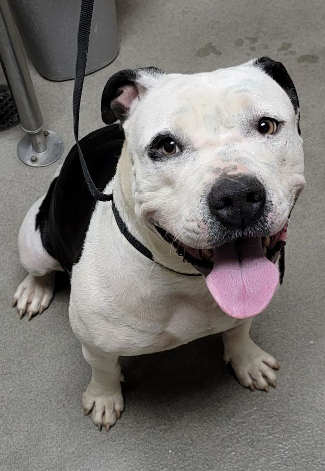
‘Cali’
“Cali” is a female pit bull terrier with a short black and white coat.
She is in kennel No. 17, ID No. LCAC-A-3571.
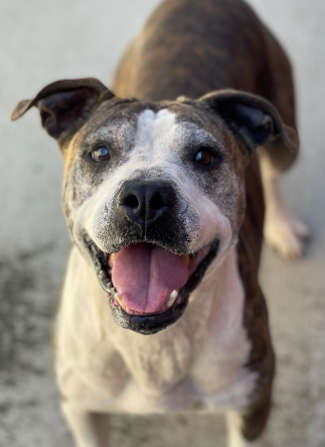
Shar Pei-pit bull mix
This 9-year-old female shar pei-pit bull mix has a short black and white coat.
She is in kennel No. 19, ID No. LCAC-A-3622.
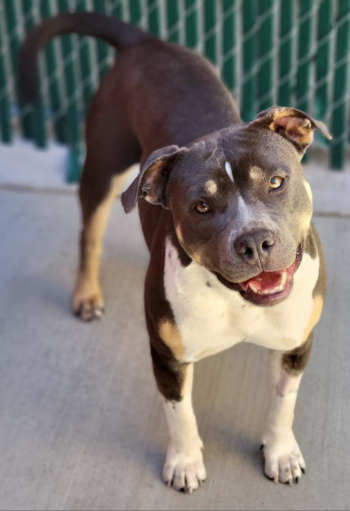
‘Missy’
“Missy” is a 3-year-old female pit bull terrier with a black and white coat.
She is in kennel No. 20, ID No. LCAC-A-3524.
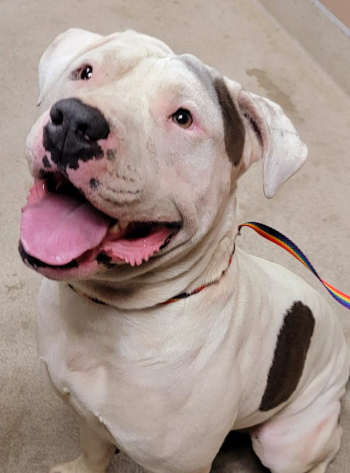
Male pit bull terrier mix
This 3-year-old male pit bull terrier mix has a short black and white coat.
He is in kennel No. 22, ID No. LCAC-A-3627.
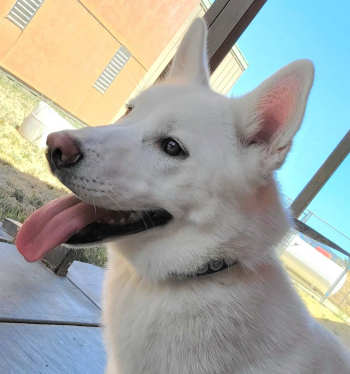
Female shepherd mix
This young female shepherd mix has a white coat.
She is in kennel No. 23, ID No. LCAC-A-3472.
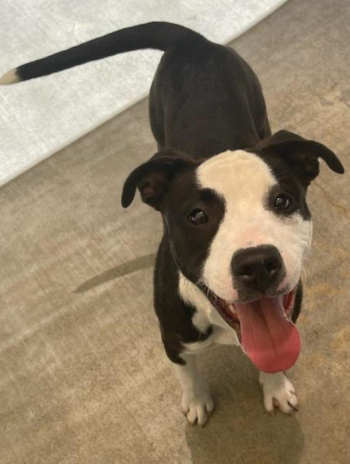
Female pit bull
This young female pit bull has a short black and white coat.
She is in kennel No. 24, ID No. LCAC-A-3630.
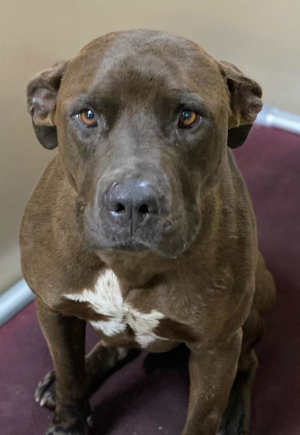
Male pit bull terrier
This 2-year-old male pit bull terrier has a short brown coat with white markings.
He is in kennel No. 25, ID No. LCAC-A-3640.
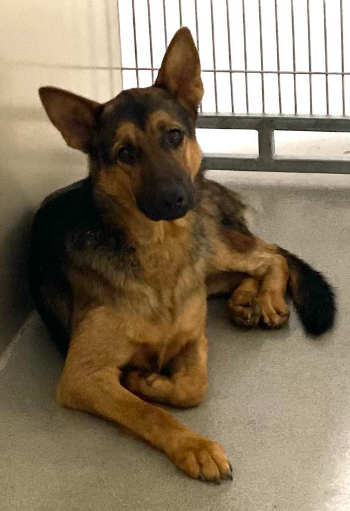
Male German shepherd
This 1-year-old male German shepherd has a short black and tan coat.
He is in kennel No. 26, ID No. LCAC-A-3642.
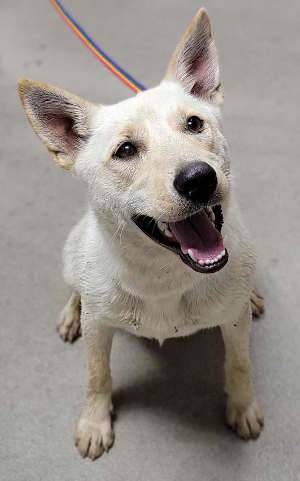
Female shepherd
This 2-year-old female shepherd mix has a short white coat.
She is in kennel No. 27, ID No. LCAC-A-3643.
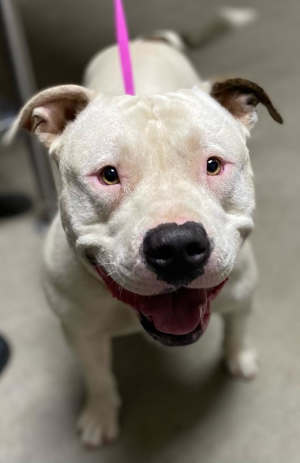
Pit bull-bull terrier mix
This 1-year-old male pit bull-bull terrier has a short white coat.
He is in kennel No. 28, ID No. LCAC-A-3644.
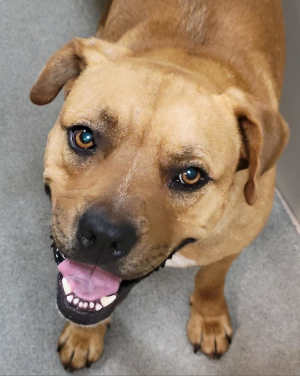
Male American bulldog mix
This 2-year-old male American bulldog mix has a short tan coat.
He is in kennel No. 29, ID No. LCAC-A-3645.
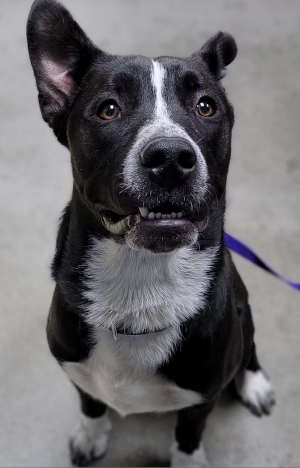
Border collie-Labrador retriever mix
This young male border collie-Labrador retriever mix has a short black and white coat.
He is in kennel No. 30, ID No. LCAC-A-3646.
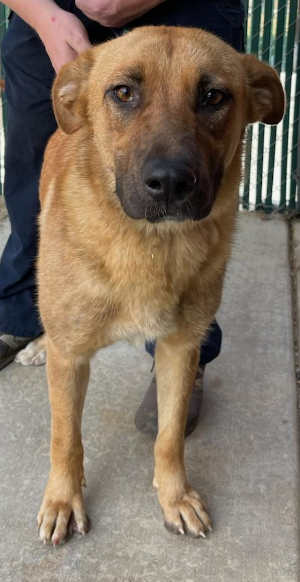
Female German shepherd mix
This 2-year-old female German shepherd mix has a short tan coat.
She is in kennel No. 32, ID No. LCAC-A-3491.
Email Elizabeth Larson at