 How to resolve AdBlock issue?
News
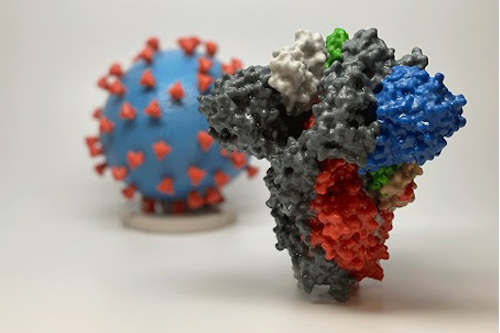
BERKELEY — A study published this month in the journal Nature Communications reveals how a viral toxin produced by the SARS-CoV-2 virus may contribute to severe COVID-19 infections.
The study shows how a portion of the SARS-CoV-2 “spike” protein can damage cell barriers that line the inside of blood vessels within organs of the body such as the lungs, contributing to what is known as vascular leak. Blocking the activity of this protein may help prevent some of COVID-19’s deadliest symptoms, including pulmonary edema, which contributes to acute respiratory distress syndrome, or ARDS.
“In theory, by specifically targeting this pathway, we could block pathogenesis that leads to vascular disorder and acute respiratory distress syndrome without needing to target the virus itself,” said study lead author Scott Biering, a postdoctoral scholar at the University of California, Berkeley. “In light of all the different variants that are emerging and the difficulty in preventing infection from each one individually, it might be beneficial to focus on these triggers of pathogenesis in addition to blocking infection altogether.”
While many vaccine skeptics have stoked fears about potential dangers of the SARS-CoV-2 spike protein — which is the target of COVID-19 mRNA vaccines — the researchers say that their work provides no evidence that the spike protein can cause symptoms in the absence of viral infection. Instead, their study suggests that the spike protein may work in tandem with the virus and the body’s own immune response to trigger life-threatening symptoms.
In addition, the amount of spike protein circulating in the body after vaccination is far less concentrated than the amounts that have been observed in patients with severe COVID-19 and that were used in the study.
“The amount of spike protein that you would have in a vaccine would never be able to cause leak,” said study senior author Eva Harris, a professor of infectious diseases and vaccinology at UC Berkeley. “In addition, there’s no evidence that [the spike protein] is pathogenic by itself. The idea is that it's able to aid and abet an ongoing infection.”
By examining the impact of the SARS-CoV-2 spike protein on human lung and vascular cells, and on the lungs of mice, the research team was able to uncover the molecular pathways that allow the spike protein to disrupt critical internal barriers in the body. In addition to opening new avenues for the treatment of severe COVID-19, understanding how the spike protein contributes to vascular leak could shed light on the pathology behind other emerging infectious diseases.
“We think that a lot of viruses that cause severe disease may encode a viral toxin,” Biering said. “These proteins, independent of viral infection, interact with barrier cells and cause these barriers to malfunction. This allows the virus to disseminate, and that amplification of virus and vascular leak is what triggers severe disease. I’m hoping that we can use the principles that we’ve learned from the SARS-CoV-2 virus to find ways to block this pathogenesis so that we are more prepared when the next pandemic happens.”
How spike protein triggers vascular leak
Vascular leak occurs when the cells that line blood vessels and capillaries are disrupted, allowing plasma and other fluids to leak out of the bloodstream. In addition to causing the lung and heart damage observed in severe COVID-19, vascular leak can also lead to hypovolemic shock, the primary cause of death from dengue.
Before the COVID-19 pandemic, Biering and other members of the Harris Research Program were studying the role of dengue virus protein NS1 in triggering vascular leak and contributing to hypovolemic shock. When the pandemic hit, the team wondered if a similar viral toxin in SARS-CoV-2 could also be contributing to the acute respiratory distress syndrome that was killing COVID-19 patients.
“People are aware of the role of bacterial toxins, but the concept of a viral toxin is still a really new idea,” Harris said. “We had identified this protein secreted from dengue virus-infected cells that, even in the absence of the virus, is able to cause endothelial permeability and disrupt internal barriers. So, we wondered if a SARS-CoV-2 protein, like spike, might be able to do similar things.”
Spike proteins coat the outer surface of SARS-CoV-2, giving the virus its knobby appearance. They play a critical role in helping the virus infect its hosts: The spike protein binds to a receptor called ACE2 on human and other mammalian cells, which — like a key turning a lock — allows the virus to enter the cell and hijack cellular function. The SARS-CoV-2 virus sheds a large portion of the spike protein containing the receptor-binding domain (RBD) when it infects a cell.
“What's really interesting is that circulating spike protein correlates with severe COVID-19 cases in the clinic,” Biering said. “We wanted to ask if this protein was also contributing to any vascular leak we saw in the context of SARS-CoV-2.”
Currently, scientists attribute the heart and lung damage associated with severe COVID-19 to an overactive immune response called a cytokine storm. To test the theory that the spike protein might also play a role, Biering and other team members used thin layers of human endothelial and epithelial cells to mimic the linings of blood vessels in the body. They found that exposing these cellular layers to the spike protein increased their permeability, a hallmark of vascular leak.
Using CRISPR-Cas9 gene editing technology, the team showed that this increased permeability occurred even in cells that did not express the ACE2 receptor, indicating that it could occur independently of viral infection. In addition, they found that mice that were exposed to the spike protein also exhibited vascular leak, even though mice do not express the human ACE2 receptor and cannot be infected with SARS-CoV-2.
Finally, with the help of RNA sequencing, the researchers found that the spike protein triggers vascular leak through a molecular signaling pathway that involves glycans, integrins and transforming growth factor beta (TGF-beta). By blocking the activity of integrins, the team was able to reverse the vascular leak in mice.
“We identified a new pathogenic mechanism of SARS-CoV-2 in which the spike protein can break down the barriers lining our vasculature. The resulting increase in permeability can lead to vascular leak, as is commonly observed in severe COVID-19 cases, and we could recapitulate those disease manifestations in our mouse models,” said study co-author Felix Pahmeier, a graduate student in the Harris lab at UC Berkeley’s School of Public Health. “It was interesting to see the similarities and differences between spike and dengue virus protein NS1. Both are able to disrupt endothelial barriers, but the timelines and host pathways involved seem to differ between the two.”
While blocking the activity of integrins may be a promising target for treating severe COVID-19, Harris said more work needs to be done to understand the exact role of this pathway in disease progression. While increased vascular permeability can accelerate infection and lead to internal bleeding, it can also help the body fight off the virus by giving immune machinery better access to infected cells.
“SARS-CoV-2 evolved to have a spike surface protein with increased capacity of interacting with host cell membrane factors, such as integrins, by acquiring an RGD motif. This motif is a common integrin-binding factor exploited by many pathogens, including bacteria and other viruses, to infect host cells,” said Francielle Tramontini Gomes de Sousa, former assistant project scientist in Harris’s lab and co-first author of the study. “Our study shows how spike RGD interacts with integrins, resulting in TGF-beta release and activation of TGF-beta signaling. Using in vitro and in vivo models of epithelial, endothelial and vascular permeability, we were able to improve understanding of the cellular mechanisms of increased levels of TGF-beta in COVID-19 patients and how spike-host cell interactions could contribute to disease.”
The team is continuing to study the molecular mechanisms that lead to vascular leak and is also investigating possible viral toxins in other viruses that cause severe disease in humans.
“COVID-19 is not gone. We have better vaccines now, but we don't know how the virus is going to mutate in the future,” Biering said. “Studying this process may be able to help us develop a new arsenal of drugs so that if someoneis experiencing vascular leak, we can just target that. Maybe it doesn't stop the virus from replicating, but it could stop that person from dying.”
Additional co-authors of this study include Laurentia V. Tjang, Chi Zhu, Richard Ruan, Sophie F. Blanc, Trishna S. Patel, Bryan Castillo-Rojas, Nicholas T.N. Lo, Marcus P. Wong, Colin M. Warnes, Douglas M. Fox, Anders M. Näär, Sarah A. Stanley and P. Robert Beatty of UC Berkeley; Caroline M. Worthington and John E. Pak of the Chan Zuckerberg Biohub; Dustin R. Glasner, Venice Servellita, Yale A. Santos and Charles Y. Chiu of the University of California, San Francisco; Daniel R. Sandoval, Thomas Mandel Clausen and Jeffrey D. Esko of the University of California, San Diego; Victoria Ortega and Hector C. Aguilar of Cornell University; and Ralph S. Baric of the University of North Carolina at Chapel Hill.
This work was supported by the National Institute of Allergy and Infectious Diseases (NIAID) (grants R01 AI24493 and R21 AI146464 Supplement) and a Fast Grant from Emergent Ventures. Additional support was provided by the National Science Foundation (grant RAPID 201989), the National Heart, Lung, and Blood Institute (NHLBI) (grant HL131474), the National Institutes of Health (R01 AI109022), the Innovative Genomics Institute and the Life Sciences Research Foundation.
Kara Manke writes for the UC Berkeley News Center.
Forecasters have issued a wind advisory that will be in effect from 10 p.m. Monday to 4 a.m. Tuesday due to chances of south winds between 20 and 30 miles per hour, and gusts of up to 65 miles per hour, in northern and southern Lake County.
The forecast calls for rain beginning on Monday afternoon and night, with chances of a thunderstorm. The overnight rainfall total is estimated to be between 1 and 2 inches.
Rain is expected to continue on Tuesday, with up to three quarters of an inch during the day and a tenth of an inch that night.
On Wednesday, close to another inch of rain is expected to fall.
Rain will continue through Saturday, with a slight chance of rain on New Year’s Day.
Temperatures this week will range from the high 30s to high 40s at night, and high 40s to mid 50s during the day.
Email Elizabeth Larson at

Presidential elections are complicated. But in a move aimed at warding off future crises like the Jan. 6, 2021, riot at the U.S. Capitol, the Senate and House have passed legislation to clarify ambiguous and trouble-prone aspects of the process.
Currently, all 50 states and the District of Columbia hold simultaneous elections in November. The states and the district certify those results.
But that’s not the end of it.
When people cast votes, they’re actually voting for a group of people called “electors.” Groups of these presidential electors meet in December. They send their votes along to Congress, which counts them in January. The presidential candidate who gets the majority of electoral votes is, finally, declared the winner.
There are known weaknesses in these rules for how we administer presidential elections and tabulate results in Congress. Ambiguities in existing law have been exploited to try to make something go wrong. Legal theories were floated by allies of President Donald Trump after the 2020 election that suggested ways to undermine the results of the election, culminating in a failed insurrection at the Capitol.
That’s why a bipartisan group of congressional leaders aimed to pass reforms to the 1887 law governing this process, the Electoral Count Act, before the end of 2022.
As an election law scholar, I have suggested that Congress focus its reforms on a few crucial areas that could have wide bipartisan support. Now, it has done just that, and the omnibus government funding legislation that includes the Electoral Count Act reform passed the House on Dec. 23 and heads to the White House for President Joe Biden’s expected signature.

Discouraging mischief
The legislation, known as the Electoral Count Reform Act, was originally a stand-alone bill but was ultimately incorporated into the omnibus spending bill just passed by Congress. The reform legislation went through extensive public vetting and had broad bipartisan support.
It does many small things, but it does a few big things that deserve public attention for their ability to deter mischief in this important process.
I testified at a Senate committee hearing on the legislation at the invitation of two co-sponsors of the bill, Sens. Amy Klobuchar, a Democrat from Minnesota, and Roy Blunt, a Republican from Missouri. I have also spoken with members of Congress about its importance.
Here are the four major reforms in the bill:
1. Clarifies that Election Day is Election Day
Right now, presidential elections take place on the Tuesday after the first Monday in November. But existing law also allows states to choose presidential electors on a later date if they “failed to make a choice” on that day. This provision was designed in the mid-19th century for the few states that held runoff elections if no candidate received a majority. But no state uses it for that purpose today.
The provision leaves an open question: When has a state “failed to make a choice”? Some advocates in 2020 suggested that abstract questions about voter fraud or absentee ballots constituted such a failure and therefore meant the state could choose electors at a later date. That raised the prospect that states might send two sets of electors to Congress, a slate for the candidate who carried the popular vote and another slate, chosen later by the legislature. And that would invite Congress to undermine the popular election results by counting the second set of electoral votes.
Congress has closed that door in the Electoral Count Reform Act. There will be one day of choosing electors, with no possibility of a later choice. And state legislatures cannot show up after the election and attempt to change the rules – the bill mandates that state rules for how the election is run must be on the books before Election Day.
Ensures timely, accurate appointment of electors
In past years, especially in 2020, disputes about which votes should or should not have been counted raged on for weeks after Election Day. A federal court in Pennsylvania, for instance, rejected a lawsuit claiming that hundreds of thousands of absentee ballots cast in the 2020 presidential election should be thrown out because counties processed them differently from one another. The Electoral Count Reform Act creates a firm date for states to certify election results. Creating a firm deadline ensures a speedy end to any litigation.
Some Trump supporters in 2020 attempted to file rogue paperwork purporting to represent an alternative slate of electoral votes from a particular state. The act limits such mischief through expedited judicial review and clear obligations for state officials to submit accurate results to Congress. It requires state election officials to certify only the result that matches the outcome of the election held on Election Day, and nothing else. The act ensures that there is one true set of returns from the states.
Raises objection threshold
When Congress meets on Jan. 6 to count electoral votes, it is typically a ceremonial act. But since the 2000 presidential election, some Democratic and Republican lawmakers have objected or attempted to object to counting at least some electoral votes cast in presidential elections. Debate ensued, both in 2005 and 2021, which forced the chambers to separate and conduct two hours of debate over whether to count electoral votes.
To open debate currently requires just one member of each house of Congress to object. The act raises the objection threshold to one-fifth of the members, based on the principle that only under the most extreme circumstances should Congress consider refusing to count electoral votes.
It is simply too easy under the existing rules to cause mischief and turn this ceremony into an airing of grievances. Raising the threshold makes it harder to slow down counting and increases public confidence by refusing to give attention to baseless objections.

Defines vice president’s power
In 2021, Trump publicly and privately pressured Vice President Mike Pence to refuse to count electoral votes during the joint session of Congress. Pence would not do what Trump wanted, arguing he had no power to do so.
The act clarifies that the role of the president of the Senate – typically, the vice president – is ceremonial. The language is updated to reflect what is already known – the vice president has no unilateral power to determine whether to count electoral votes.
While some of these concerns have been around for many years, they have come to prominence only in recent years, and none more so than around the violent insurrection that took place when Congress last counted electoral votes.
With these simple bipartisan solutions, Congress has instilled confidence in future presidential elections.
This article has been updated to reflect congressional passage of the legislation to reform the Electoral Count Act.
Derek T. Muller, Professor of Law, University of Iowa
This article is republished from The Conversation under a Creative Commons license. Read the original article.
LAKE COUNTY, Calif. — In addition to a lot of dogs in need of homes, Lake County Animal Care and Control has two cats, two ducks and a horse now available for adoption.
“Cris” and “Sonny” are two male orange tabby cats needing new homes.

“Cris” is 6 months old and in cat room kennel No. 57, ID No. LCAC-A-4375.
“Sonny” is 2 years old and in cat room kennel No. 84, ID No. LCAC-A-4372.

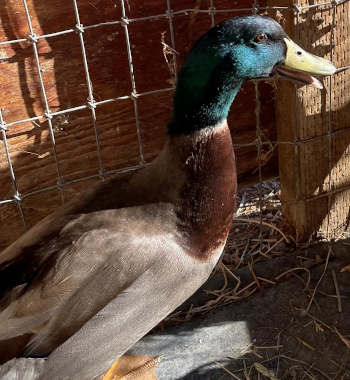
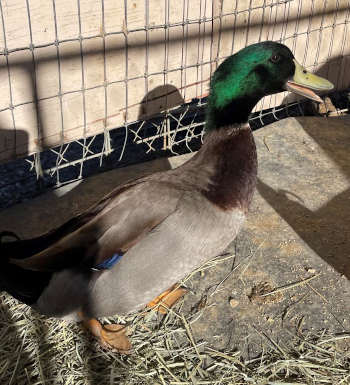
The shelter also has two male mallard ducks, both a year old, in the upper pen.
The ducks’ ID numbers are listed as No. 2b, LCAC-A-4245, and 2c, LCAC-A-4246.
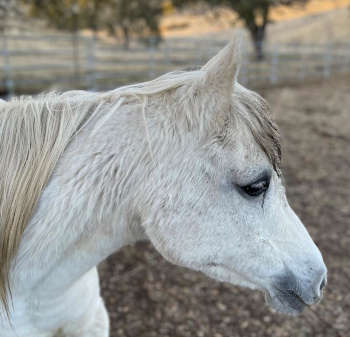
Lastly, there is a 20-year-old Arabian mare needing a home.
She is reported to weigh about 1,000 pounds.
She is in the lower pen No. 2b, LCAC-A-4167.
Call Lake County Animal Care and Control at 707-263-0278 or visit the shelter online at http://www.co.lake.ca.us/Government/Directory/Animal_Care_And_Control.htm for information on visiting or adopting.
Email Elizabeth Larson at
The year 2022 will be remembered across the U.S. for its devastating flooding and storms – and also for its extreme heat waves and droughts.
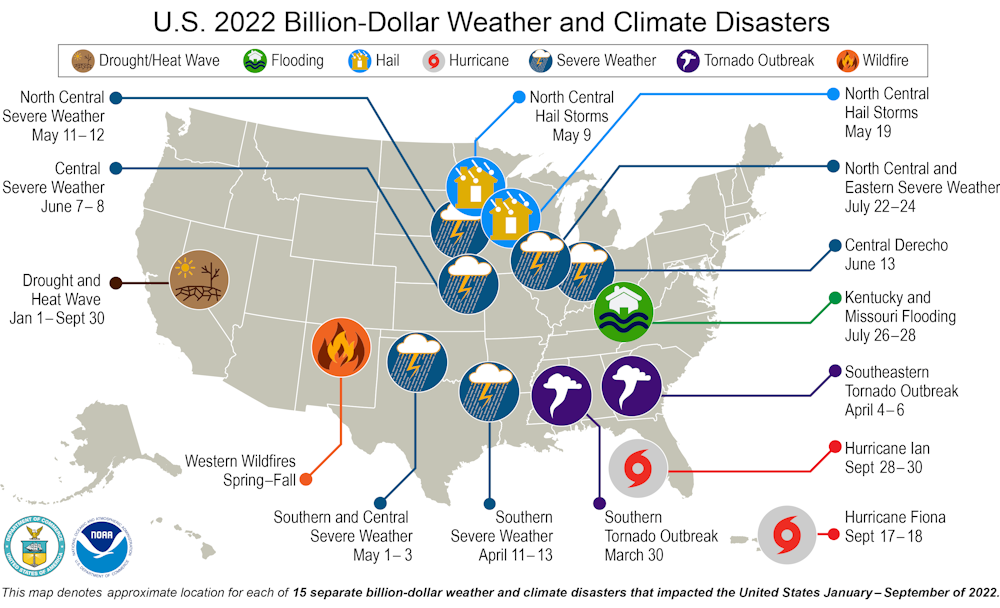
By October, the U.S. had already seen 15 disasters causing more than US$1 billion in damage each, well above the average. The year started with widespread severe winter storms from Texas to Maine, affecting tens of million of people and causing significant damages. Then, March set the record for the most reported tornadoes in the month – 233.
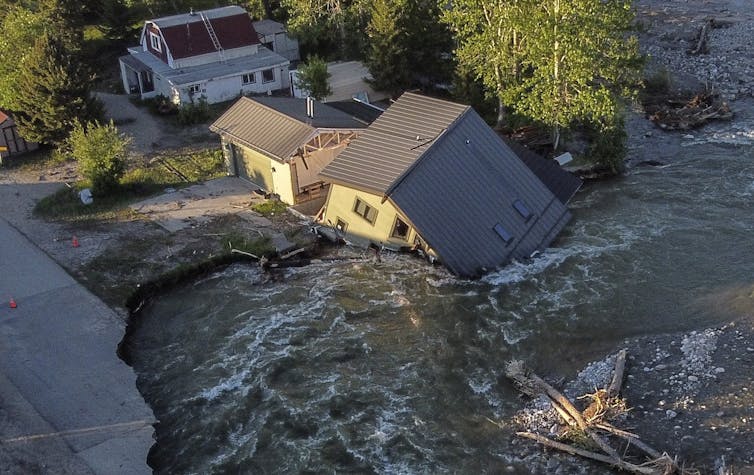
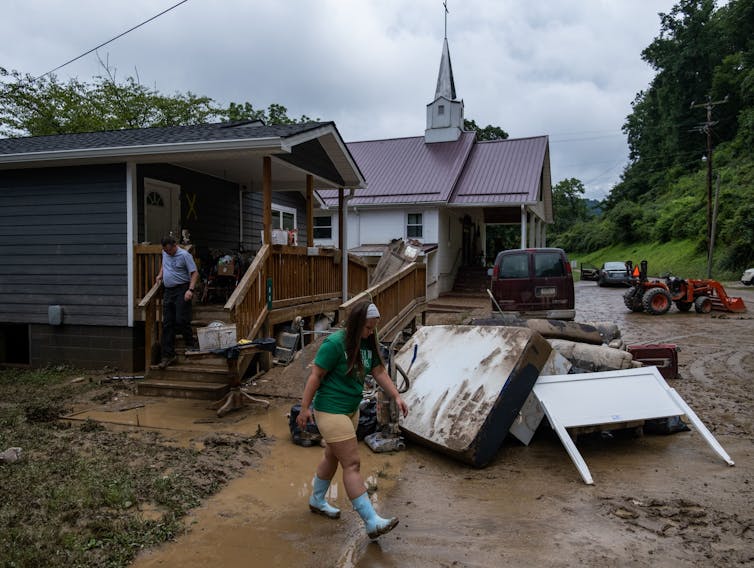
During a period of five weeks over the summer, five 1,000-year rainfall events occurred in St. Louis, eastern Kentucky, southern Illinois, California’s Death Valley and Dallas, causing devastating and sometimes deadly flash floods. Severe flooding in Mississippi knocked out Jackson’s troubled water supply for weeks. A historic flood in Montana, brought on by heavy rain and melting snow, forced large areas of Yellowstone National Park to be evacuated.
In the fall, hurricanes Ian and Fiona deluged Florida and Puerto Rico with over 2 feet (6.6 meters) of rain in areas and deadly, destructive storm surge. Ian became one of the most expensive hurricanes in U.S. history. And a typhoon pounded 1,000 miles (1,600 km) of the Alaska coast.
While too much rainfall threatened some regions, extreme heat and too little precipitation worsened risks elsewhere.
Persistent heat waves lingered over many parts of the country, setting temperature records. Wildfires raged in Arizona and New Mexico on the background of a megadrought in the Southwestern U.S. more severe than anything the region has experienced in at least 1,200 years.
Drought also left the Mississippi River so low near Memphis in the fall that barges couldn’t get through without additional dredging and upstream water releases. That snarled grain shipping during the critical harvest period. Along the Colorado River, officials discussed even tighter water use restrictions as water levels neared dangerously low levels in the major reservoirs.
The United States was hardly alone in its climate disasters.
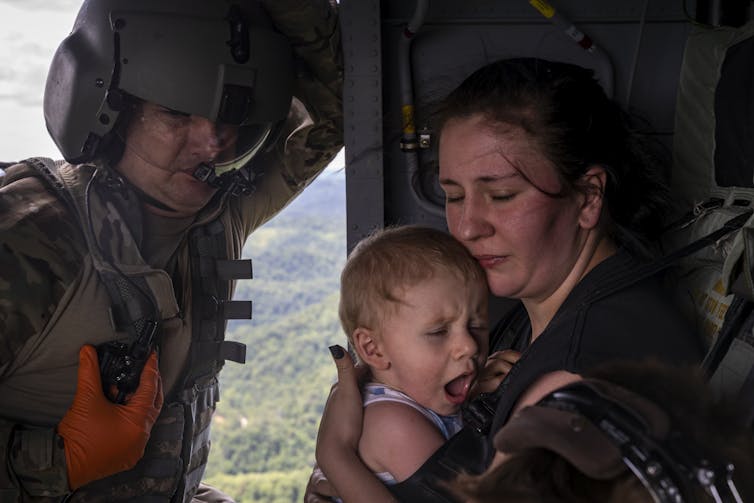
In Pakistan, record monsoon rains inundated more than one-third of the country, killing over 1,500 people. In India and China, prolonged heat waves and droughts dried up rivers, disrupted power grids and threatened food security for billions of people. Widespread flooding and mudslides brought on by torrential rains also killed hundreds of people in South Africa, Brazil and Nigeria.
In Europe, heat waves set record temperatures in Britain and other parts of the continent, leading to severe droughts, low river flows that slowed shipping, and wildfires in many parts of the continent. Much of East Africa is still in the grips of a multiyear drought – the worst in over 40 years, according to the United Nations – leaving millions of people vulnerable to food shortages and starvation.
This isn’t just a freak year: Such extreme events are occurring with increasing frequency and intensity.
Climate change is intensifying these disasters
The most recent global climate assessment from the United Nations Intergovernmental Panel on Climate Change found significant increases in both the frequency and intensity of extreme temperature and precipitation events, leading to more droughts and floods.
Extreme flooding and droughts are also getting deadlier and more expensive, despite an improving capacity to manage climate risks, a study published in 2022 found. Part of the reason is that today’s extreme events, enhanced by climate change, often exceed communities’ management capabilities.
Extreme events, by definition, occur rarely. A 100-year flood has a 1% chance of happening in any given year. So when such events occur with increasing frequency and intensity, they are a clear indication of a changing climate state.
Climate models showed these risks were coming
Much of this is well understood and consistently reproduced by climate models.
As the climate warms, a shift in temperature distribution leads to more extremes. For example, globally, a 1 degree Celsius increase in annual average temperature is associated with a 1.2 C to 1.9 C (2.1 Fahrenheit to 3.4 F) increase in the annual maximum temperature.
In addition, global warming leads to changes in how the atmosphere and ocean move. The temperature difference between the equator and the poles is the driving force for global wind. As the polar regions warm at much higher rates than the equator, the reduced temperature difference causes a weakening of global winds and leads to a more meandering jet stream.
Some of these changes can create conditions such as persistent high-pressure systems and atmospheric blocking that bring more intense heat waves. The heat domes over the Southern Plains and South in June and in the West in September were both examples.
Warming can be further amplified by positive feedbacks.
For example, higher temperatures tend to dry out the soil, and less soil moisture reduces the land’s heat capacity, making it easier to heat up. More frequent and persistent heat waves lead to excessive evaporation, combined with decreased precipitation in some regions, causing more severe droughts and more frequent wildfires.
Higher temperatures increase the atmosphere’s capacity to hold moisture at a rate of about 7% per degree Celsius. This increased humidity leads to heavier rainfall events.
In addition, storm systems are fueled by latent heat – the large amount of energy released when water vapor condenses to liquid water. Increased moisture content in the atmosphere also enhances latent heat in storm systems, increasing their intensity. Extreme heavy or persistent rainfall leads to increased flooding and landslides, with devastating social and economic consequences.
Even though it’s difficult to link specific extreme events directly to climate change, when these supposedly rare events occur with greater frequency in a warming world, it is hard to ignore the changing state of our climate.
The new abnormal
This year might provide a glimpse of our near future, as these extreme climate events become more frequent.
To say this is the “new normal,” though, is misleading. It suggests that we have reached a new stable state, and that is far from the truth. Without serious effort to curb greenhouse gas emissions, this trend toward more extreme events will continue.
This updates an article originally published on Sept. 21, 2022.
Shuang-Ye Wu, Professor of Geology and Environmental Geosciences, University of Dayton
This article is republished from The Conversation under a Creative Commons license. Read the original article.
Dear Lady of the Lake,
I am wondering about the fish health of Clear Lake and what projects are being done to improve conditions for fish, especially the native Clear Lake Hitch?
Thanks And Merry Fishmas from Frank
Dear Frank,
Merry Fishmas to you too! Great question Frank and I have some fun answers for you.
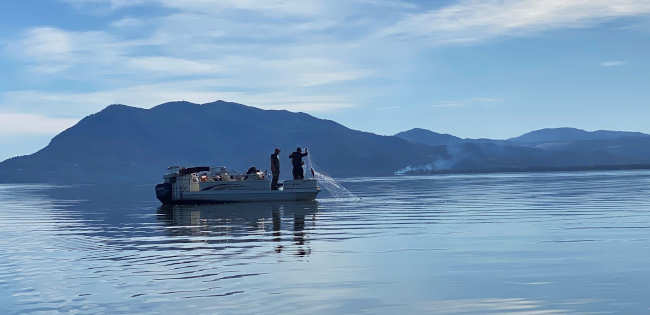
In today's column I will be talking about two very important fish projects that are happening now on Clear Lake; The Kelsey Creek Fish Passage Improvement Project and the Common Carp and Goldfish removal project. The first project is aimed to improve the physical habitat for the Clear Lake Hitch in Kelsey Creek in Kelseyville and the second project is aimed to improve both lake water quality and lake habitat for hitch within the lake.
For some background information on the Clear Lake Hitch, please refer to my previous column "How About The Hitch" from Jan. 16, 2022.
The scientific name of the Clear Lake hitch is Lavinia exilicauda chi, and the native indigenous peoples of Clear Lake (the Hinthil, Gowk Xabatin, or the Pomo) refer to the fish as “chi” (pronounced CH-eye). In this article I will use hitch and chi interchangeably, as they are commonly recognized under both names.
The Kelsey Creek Fish Passage Improvement Project
The project was started by Elem Indian Colony in about 2014. In response to the inventory of fish passage barriers identified by the Hitch Adaptive Management Plan developed by the local Tribes, Elem proposed a project to US Fish and Wildlife Service (FWS) to remove the non-permitted and ineffective fish ladder near Main Street Bridge in Downtown Kelseyville.
Elem received a USFWS Tribal Wildlife Grant and hired consultants to develop the project. In 2020, the Big Valley Band of Pomo Indians (Big Valley) acquired additional funding to complete the project design and conduct the environmental review through CEQA (California Environmental Quality Act).
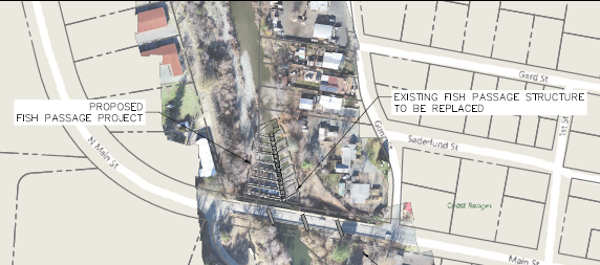
The project site is located directly downstream from the Main Street Bridge in downtown Kelseyville. The project was initiated to create an improved design to include special attention to the steep drop of the concrete grade control structure that prevents hitch from passing the moving up river during spawning season.
This would be accomplished through demolition and removal of the existing fish ladder and associated infrastructure downstream of the grade control structure and construction of a new reduced slope system in the same area. The project would still provide protection for the Main Street Bridge.
The current fish ladder, located on the east side of the creek, adjacent to the bridge, was installed many years ago by a group of well-meaning locals. The fish ladder was an attempt to reduce the stream velocity enough so the hitch could, step-by-step, make it upstream without having to jump over the steep concrete grade control structure at the bridge footings.
The velocity (speed) of the water in Kelsey Creek is unnaturally high because of previous gravel mining operations in the creek, and the channelizing of the creek in previous decades. Kelsey Creek, like most creeks in Lake County, originally meandered and flooded into surrounding lowland areas, called flood plains. Development, mining, and channelizing forces the creek flow through a more restrictive pathway, which increases velocity of the stream, especially during high flow storm and rain events.
Changes to natural flows and movements of creeks create other conditions such as erosion and further risk of flooding. The current fish ladder was not permitted by the state, does not address erosion, flooding, and does not actually slow down the velocity to allow hitch to pass.
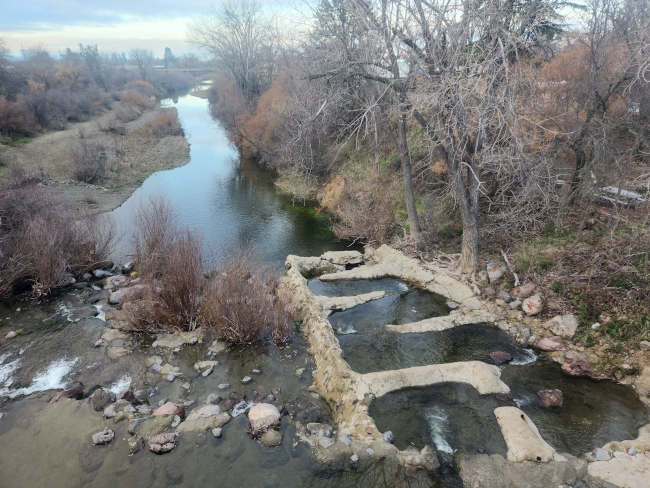
To any casual observer watching the chi try to navigate the passage in the spring, can easily see that the current ladder and drop are preventing the chi from moving further upstream. Chi are not enthusiastic or capable jumpers like salmon; they can’t physically move past barriers that are too tall or create too high velocity flows.
In addition to any new design for the benefit of the hitch, the new design should also prevent erosion downstream, limit flood potential to local area, and protect the footings of the Main street Bridge.
The proposed design finalized by the project will accomplish all of these goals.
Construction of a project of this size is very expensive, but thanks to the hard work of Big Valley, funds have been sourced and secured from several avenues, including the CDFW Restoration Grants (Prop 1), Caltrans Mitigation Funds, and Blue Ribbon Committee for the Rehabilitation of Clear Lake.
The new proposed design, called step-pool, mimics the natural form of the creek. The design includes a series of small steps, which are accessible by the hitch. The structure consists of a boulder-weir, welded together, which will withstand the strong velocity that sometimes occurs in the creek. This design will maintain stream form and function, protect the bridge footings, while allowing hitch passage access further upstream into several more miles of high-quality habitat for spawning.
As I described in my column last year about the hitch, this species is in peril and at close risk of becoming extinct, so any project that can improve habitat and increase chance of spawning survival, such as the Kelsey Creek Fish Passage Improvement Project, is extremely important and needs to be completed. Additionally, this project is another example of how local Tribes are taking a multi-pronged approach to protecting the native species of this area.
Next steps and barriers to completion
Big Valley, with consultants at FlowWest, have been able to secure funds for implementation and have acquired all the state, federal, and local permits, including a majority of CEQA and USACE approval. The project is literally ready to break ground!
However, access to the site is being hindered by a single landowner who is denying access to the stream area that is needed to begin the construction. Hopefully the landowners preventing progress on this project will acquiesce soon so this project can go forward.
Once completed this project will provide a huge improvement to hitch habitat in Kelsey Creek and will go a long way in preventing extinction of this culturally important and valuable Clear Lake fish species.
If you would like to learn more, or see how you can support Big Valley with this project, please contact Sarah Ryan at
Common Carp and Goldfish Tagging and Removal Project
This project is being led by Robinson Rancheria with partners from CDFW and WSB engineering Fisheries division.
WSB Fisheries staff have been successfully removing invasive carp from other water bodies across the nation for years.
Why are carp a problem?
To understand why carp are a problem, you have to know some background and life history characteristics about the species.
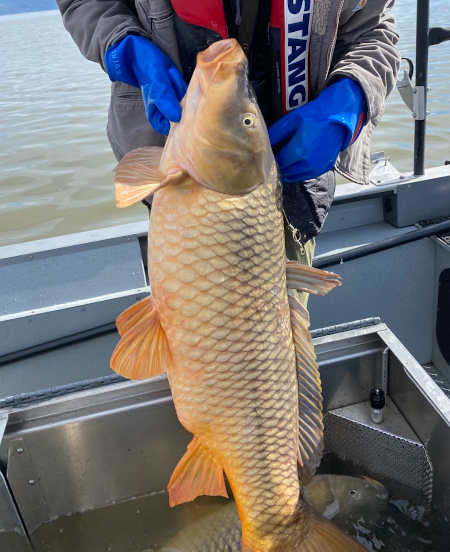
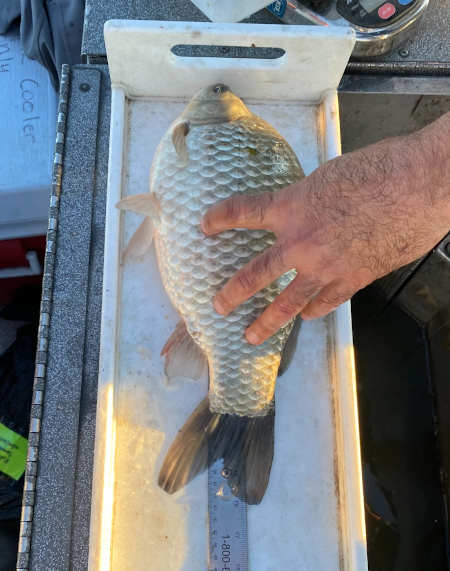
Common carp (Cyprinus carpio) are non-native to Clear Lake and California. Carp are generalists, and actually do pretty well in turbid, cloudy eutrophic (nutrient-rich and green) lakes and streams. They can tolerate very cold (4 degree C) and very warm waters (30 degree C) and are also very tolerant of low oxygen levels (1 - 3 ppm).
Most fish are not tolerant of these conditions, so when conditions become stressful, such as during a drought, with high temps and low oxygen levels, most other species can struggle to survive while the carp will do just fine.
Carp females lay 500 eggs at a time and can lay between 50,000 and 2,000,000 in a single season, and carp can comfortably live up to 15 years. On average, carp can grow to more than 2 feet in length and weight over 10 pounds. However, carp caught from Clear Lake during Robinson Rancheria’s project were on average longer and heavier then these averages described in the literature.
You can learn more about the Common Carp at the UCD Clear Lake Aquatic website.
In Clear Lake, common carp have been thriving, and have grown to very high population levels, competing with hitch, bass, crappie, and other species for food and space, in the shallow zones along the shoreline of the lake.
Most importantly, carp consume large quantities of food, mostly green algae and aquatic plants, and everything they eat comes out the other end as nutrient-packed waste. All that fish excrement is being added to the Clear Lake ecosystem as algae and cyanobacteria food.
Robinson Carp removal project
Part of the long-term plans to improve Clear Lake water quality, and to improve shoreline hitch habitat, includes addressing the Clear Lake carp problem.
Robinson Rancheria’s fishery division is tackling this problem head-on, with a stratified plan to locate, mass-catch, remove, monitor, and sustainably manage the carp population in Clear Lake. Phase 1 of this project is almost completed, but really will be ongoing throughout the duration of the project.
A large part of phase 1 included the locating of carp, some preliminary tagging and monitoring, and some analysis to identify exactly how much impact the carp are having on the lake’s ecosystem and nutrient budget.
According to preliminary analysis completed by WSB Engineers, the expert carp removal consultants working with Robinson Rancheria and CDFW on this project, there are about 172 pounds of carp per acre of Clear Lake, and at about 44,000 acres this means there is about 7.6 million pounds of carp swimming around in the lake.
Goldfish are similar in that there are about 65 lbs per acre, or 2.8 million pounds of goldfish in our lake for a total of 10.4 million pounds of large-scaled, slimy, carp and goldfish in Clear Lake. Both of those fish are eating food that hitch and bass need and are creating large quantities of nutrients that are fueling the algae and cyanobacteria blooms.
Robinson Rancheria and consultants also identified that for Clear Lake, 89 pounds per acre of these fish is considered the “tipping point,” where the ecosystem is maxed out and the ecology is being disrupted.
Additionally, the carp are also major contributors to internal loading of phosphorus at a calculated load of 16,135 Kg per year. This is the amount of phosphorus the carp are releasing into the water column from the lake bottom sediments.
This process, called bioturbation, occurs as the fish root around in the bottom sediments, causing plumes of phosphorus-rich soils to flow into the water column and also when they yank, pull-up and eat aquatic plants, and eventually contribute waste into the system.
According to the State of California’s Clear Lake TMDL program, phosphorus inputs from the county of Lake, the cities of Clearlake, and Lakeport urban areas are only allowable up to 2,000 kg per year. Therefore, the carp in Clear Lake alone are contributing 8X more phosphorus to the lake ecosystem than all the urban areas around the lake are contributing.
This is a pretty significant finding and when Robinson Rancheria’s project is successful, the water quality improvements to the lake will be quite noticeable.
This project is currently in phase 2, of about 7 phases. The first phase was the tagging and tracking of common carp and goldfish in Clear Lake, to identify where the groups of carp and goldfish are congregating in the lake so that they can be systematically collected and removed, which is the main portion of several later phases. Phase 2 will include conducting a feasibility study to identify the best method for removing the target amount of carp and goldfish biomass, and funds, materials and effort to sustain the program.
The other phases will include the maintenance portion of the project. Population monitoring and regular removal to maintain a low population in the lake will be the most important part of this project, so that the population doesn’t rebound and get to the current numbers where they impact water quality and native fish populations.
About now, you might be thinking, “Lady of the Lake, what are they planning to do with ALL that carp biomass that will be removed?” And that’s a great question!
Not only has WSB been successful in removing carp from other lake systems, but they also have identified markets to sell the collected carp, whether for human or pet food, or fertilizer. Having a safe, reliable place to send harvested carp has been a barrier to past removal efforts in the lake. This component hasn’t been explicitly identified as of yet for Robinson Rancheria’s project, but work has started and will probably involve some creative solutions.
Commercial harvest of carp in the past has been relatively successful in managing carp in Clear Lake, but there just isn’t a local demand for carp as there are for other fisheries, so maintaining low numbers of the species using that method did not prove sustainable.
While this project is still in its first stages, it’s extremely promising and has been fully funded through phase 2, with phase 2 funds having been approved by the Blue Ribbon Committee for the Rehabilitation of Clear Lake.
If you want more information or want to support this project, you can contact the manager at Robinson Rancheria Water Resources Division/interim Environmental Director Karola Kennedy,
Sincerely,
Lady of the Lake
Angela De Palma-Dow is a limnologist (limnology = study of fresh inland waters) who lives and works in Lake County. Born in Northern California, she has a Master of Science from Michigan State University. She is a Certified Lake Manager from the North American Lake Management Society, or NALMS, and she is the current president/chair of the California chapter of the Society for Freshwater Science. She can be reached at
The Lady of the Lake would like to acknowledge and thank Karola Kennedy and Luis Santana from Robinson Rancheria, Sarah Ryan from Big Valley Band of Pomo Indians, and Anthony Falzone from FlowWest for assistance and approval in completing this column.