 How to resolve AdBlock issue?
News
California’s 2018 citizen scientist-based sudden oak death survey, or SOD Blitz, indicates Phytophthora ramorum, the pathogen known to cause SOD, infection is currently less prevalent in many wildland urban interface areas, though some locations are still experiencing significant outbreaks.
Overall, 3.5 percent of the trees (based on those areas sampled during the blitzes) were found to be P. ramoum positive, a threefold drop from 2017.
Yet, in San Mateo, Santa Clara and Santa Cruz counties, infection levels were estimated to be as high as 19 percent, followed by 12.7 percent in the East Bay.
To date, SOD is found in the US in plants in the natural areas of California in Alameda, Contra Costa, Humboldt, Lake, Marin, Mendocino, Monterey, Napa, San Francisco, San Mateo, Santa Clara, Santa Cruz, Solano, Sonoma, and Trinity Counties. It is also found in Curry County, Oregon.
Oak species known to be susceptible to P. ramorum/SOD include coast live oak, California black oak, Shreve’s oak, and canyon live oak. While not a true oak, tanoak is also susceptible to SOD.
The 2018 SOD Blitz surveys were held in Siskiyou, Humboldt, Mendocino, Sonoma, Marin, Napa, San Francisco, Alameda, Contra Costa, San Mateo, Santa Clara, Santa Cruz, Monterey and San Luis Obispo counties.
Notable outbreaks were detected in Alameda (El Cerrito and Oakland urban parks, San Leandro, Orinda, Moraga), Marin (Novato, Day Island, Woodacre, Sleepy Hollow, McNears Beach, China Camp State Park, north San Rafael, Tiburon Peninsula, east and west peak of Mt Tamalpais, Marin City), Mendocino (south of Yorkville), Monterey (Carmel Valley Village, Salmon Creek Trail in southern Big Sur), Napa (east Napa city), San Mateo (Burlingame Hills, west of Emerald Hills and south of Edgewood Rd, Woodside ), Santa Clara (Los Altos Hills, Saratoga, Los Gatos, along Santa Cruz Co border), Santa Cruz (along the Santa Clara Co border, Boulder Creek), and Sonoma (near Cloverdale, east and west of Healdsburg, west of Windsor, east of Santa Rosa, west of Petaluma) counties.
Several popular destinations found P. ramorum positive during the 2017 Blitz were negative for the pathogen in 2018, including Golden Gate Park and the Presidio of San Francisco, the UC Berkeley campus, and Mount Diablo State Park.
Samples from San Luis Obispo and Siskiyou Counties were also pathogen free as were those from the southern portion of Alameda County.
“It is encouraging that SOD has yet to be found in the forests of California’s northern-most counties, San Luis Obispo County, and southern Alameda County. It is also encouraging to see that despite its continued presence in the state for more than 20 years, SOD infection rates drop during drier years. However, in 2018, we identified a number of communities across several counties where significant outbreaks were detected for the first time, and the Salmon Creek find in Monterey County is the southernmost positive WUI tree detection ever. Until the 2018 Blitz, only stream water had been found positive in the Salmon Creek area. We encourage everyone in affected counties to look at the Blitz results online and to attend one of the fall workshops to learn how to protect their oaks from SOD,” said Matteo Garbelotto, UC Berkeley Forest Pathology and Mycology Cooperative Extension Specialist, Adjunct Professor, and SOD Blitz founder.
Twenty-five SOD Blitz surveys were held in 2018 in the WUI of 14 coastal California counties from the Oregon border to San Luis Obispo County and included three tribal land surveys.
The 304 volunteers surveyed approximately 13,500 trees and submitted leaf samples from over 2,000 symptomatic trees to the Garbelotto lab for pathogen testing.
SOD Blitzes are a citizen science program through which participants are trained each spring to identify symptomatic tanoak and California bay laurel trees in the WUI and to properly collect samples in the interest of generating an informative map over time of P. ramorum disease symptoms.
Samples are tested for the presence of the pathogen at UC Berkeley, and results are posted electronically each fall. Now in its 11th year, the SOD Blitz program is one of the first in the world to join researchers and volunteers in a survey for a tree disease.
SOD Blitz surveys were made possible thanks to funding from the US Forest Service State and Private Forestry, Midpeninsula Regional Open Space District, and the PG&E Foundation.
The blitzes were organized by the UC Berkeley Garbelotto lab in collaboration with the National Park Service, Presidio Trust, San Francisco Public Utilities Commission, Midpeninsula Regional Open Space District, Save Mount Diablo, Land Trust of Santa Cruz County, East Bay Regional Park District, Santa Lucia Conservancy, Sonoma State University, UC Santa Cruz Arboretum, Los Padres National Forest, City and County of San Francisco Department of Recreation and Parks, UC Berkeley Botanical Garden, and California Native Plant Society.
For information on the status of P. ramorum/SOD tree mortality in California wildlands, see the US Forest Service 2018 Aerial Detection Survey results at https://www.fs.usda.gov/detail/r5/forest-grasslandhealth/?cid=fseprd592767.
For more information on the SOD Blitzes, go to www.sodblitz.org or contact Katie Harrell at 510-847-5482 orThis email address is being protected from spambots. You need JavaScript enabled to view it. . For more information on sudden oak death and P. ramorum, go to the California Oak Mortality Task Force Web site at www.suddenoakdeath.org or contact Katie Harrell.
Overall, 3.5 percent of the trees (based on those areas sampled during the blitzes) were found to be P. ramoum positive, a threefold drop from 2017.
Yet, in San Mateo, Santa Clara and Santa Cruz counties, infection levels were estimated to be as high as 19 percent, followed by 12.7 percent in the East Bay.
To date, SOD is found in the US in plants in the natural areas of California in Alameda, Contra Costa, Humboldt, Lake, Marin, Mendocino, Monterey, Napa, San Francisco, San Mateo, Santa Clara, Santa Cruz, Solano, Sonoma, and Trinity Counties. It is also found in Curry County, Oregon.
Oak species known to be susceptible to P. ramorum/SOD include coast live oak, California black oak, Shreve’s oak, and canyon live oak. While not a true oak, tanoak is also susceptible to SOD.
The 2018 SOD Blitz surveys were held in Siskiyou, Humboldt, Mendocino, Sonoma, Marin, Napa, San Francisco, Alameda, Contra Costa, San Mateo, Santa Clara, Santa Cruz, Monterey and San Luis Obispo counties.
Notable outbreaks were detected in Alameda (El Cerrito and Oakland urban parks, San Leandro, Orinda, Moraga), Marin (Novato, Day Island, Woodacre, Sleepy Hollow, McNears Beach, China Camp State Park, north San Rafael, Tiburon Peninsula, east and west peak of Mt Tamalpais, Marin City), Mendocino (south of Yorkville), Monterey (Carmel Valley Village, Salmon Creek Trail in southern Big Sur), Napa (east Napa city), San Mateo (Burlingame Hills, west of Emerald Hills and south of Edgewood Rd, Woodside ), Santa Clara (Los Altos Hills, Saratoga, Los Gatos, along Santa Cruz Co border), Santa Cruz (along the Santa Clara Co border, Boulder Creek), and Sonoma (near Cloverdale, east and west of Healdsburg, west of Windsor, east of Santa Rosa, west of Petaluma) counties.
Several popular destinations found P. ramorum positive during the 2017 Blitz were negative for the pathogen in 2018, including Golden Gate Park and the Presidio of San Francisco, the UC Berkeley campus, and Mount Diablo State Park.
Samples from San Luis Obispo and Siskiyou Counties were also pathogen free as were those from the southern portion of Alameda County.
“It is encouraging that SOD has yet to be found in the forests of California’s northern-most counties, San Luis Obispo County, and southern Alameda County. It is also encouraging to see that despite its continued presence in the state for more than 20 years, SOD infection rates drop during drier years. However, in 2018, we identified a number of communities across several counties where significant outbreaks were detected for the first time, and the Salmon Creek find in Monterey County is the southernmost positive WUI tree detection ever. Until the 2018 Blitz, only stream water had been found positive in the Salmon Creek area. We encourage everyone in affected counties to look at the Blitz results online and to attend one of the fall workshops to learn how to protect their oaks from SOD,” said Matteo Garbelotto, UC Berkeley Forest Pathology and Mycology Cooperative Extension Specialist, Adjunct Professor, and SOD Blitz founder.
Twenty-five SOD Blitz surveys were held in 2018 in the WUI of 14 coastal California counties from the Oregon border to San Luis Obispo County and included three tribal land surveys.
The 304 volunteers surveyed approximately 13,500 trees and submitted leaf samples from over 2,000 symptomatic trees to the Garbelotto lab for pathogen testing.
SOD Blitzes are a citizen science program through which participants are trained each spring to identify symptomatic tanoak and California bay laurel trees in the WUI and to properly collect samples in the interest of generating an informative map over time of P. ramorum disease symptoms.
Samples are tested for the presence of the pathogen at UC Berkeley, and results are posted electronically each fall. Now in its 11th year, the SOD Blitz program is one of the first in the world to join researchers and volunteers in a survey for a tree disease.
SOD Blitz surveys were made possible thanks to funding from the US Forest Service State and Private Forestry, Midpeninsula Regional Open Space District, and the PG&E Foundation.
The blitzes were organized by the UC Berkeley Garbelotto lab in collaboration with the National Park Service, Presidio Trust, San Francisco Public Utilities Commission, Midpeninsula Regional Open Space District, Save Mount Diablo, Land Trust of Santa Cruz County, East Bay Regional Park District, Santa Lucia Conservancy, Sonoma State University, UC Santa Cruz Arboretum, Los Padres National Forest, City and County of San Francisco Department of Recreation and Parks, UC Berkeley Botanical Garden, and California Native Plant Society.
For information on the status of P. ramorum/SOD tree mortality in California wildlands, see the US Forest Service 2018 Aerial Detection Survey results at https://www.fs.usda.gov/detail/r5/forest-grasslandhealth/?cid=fseprd592767.
For more information on the SOD Blitzes, go to www.sodblitz.org or contact Katie Harrell at 510-847-5482 or
In California, an adopted child obtains all the same rights of inheritance as a biological child born to the adoptive parent.
He or she can inherit either from or through a deceased adoptive parent. Generally speaking an adopted child at the same time loses such inheritance rights from or through his or her biological parents.
Accordingly, the descendants of a deceased adopted person are heirs of the decedent’s adoptive parents but are not heirs of the decedent’s biological parents. (Note: Limited exceptions exist, including an exception for adoptions by a step parent who married a biological parent of an adopted child.)
In September, in Estate of Fusae Obata, the California Court of Appeal (1st Appellate District) decided whether California law recognizes a Japanese adult adoption practice called Yoshi-engumi when applying California inheritance law. Yoshi-engumi adult adoptions in Japan have very different motivations and purposes than adoptions in Western countries.
Unlike adoptions in Western countries – which usually involve minor children – Japanese adult adoptions are driven by Japanese concepts of extended family (or house), ancestor worship, and supporting one’s elderly parents.
When there are no biological sons, adult adoptions in Japan are often motivated by the desire to continue a house that would otherwise die.
In Estate of Fusae Obata, the opposing parties argued over whether the descendants of a deceased Japanese man – who while alive had been adopted as an adult in Japan through Yoshi-engumi – lost their right to inherit from the deceased man’s biological parents.
California looks to the law of the jurisdiction where a person is adopted to determine whether the foreign adoption is valid and looks to the law in the jurisdiction where a person dies to determine who is an heir.
Thus, the laws of two different jurisdictions are necessary to determine if an adoption outside California created or severed inheritance rights in California.
In Estate of Fusae Obata, the Court rejected the argument that the adult adoption created under the Japanese Yoshi-engumi adoption laws was not valid. It was immaterial that the Japanese adoption did not, “satisfy the elemental characteristics of adoption recognized in California”.
The very different natures and legal requirements between a Japanese adult adoption and a California adoption were irrelevant. All that matters for determining inheritance rights in a California probate proceeding is that under Japanese law, “the adopted person is considered a biological child for all purposes.”
Accordingly, the Court decided that, “the 1911 adoption severed the relationship between decedent’s [Japanese] father and his natural parent.”
Thus, the descendants of the Japanese man who was adopted could not inherit through him from his biological parents.
The foregoing, of course, is not limited to Japanese adult adoptions. California Probate proceedings where adoptions either in another state or in another country are relevant would likewise look to the law of the foreign jurisdiction where the adoption occurred on the adoption issue.
Dennis A. Fordham, attorney, is a State Bar-Certified Specialist in estate planning, probate and trust law. His office is at 870 S. Main St., Lakeport, Calif. He can be reached atThis email address is being protected from spambots. You need JavaScript enabled to view it. and 707-263-3235. His Web site is www.DennisFordhamLaw.com.
He or she can inherit either from or through a deceased adoptive parent. Generally speaking an adopted child at the same time loses such inheritance rights from or through his or her biological parents.
Accordingly, the descendants of a deceased adopted person are heirs of the decedent’s adoptive parents but are not heirs of the decedent’s biological parents. (Note: Limited exceptions exist, including an exception for adoptions by a step parent who married a biological parent of an adopted child.)
In September, in Estate of Fusae Obata, the California Court of Appeal (1st Appellate District) decided whether California law recognizes a Japanese adult adoption practice called Yoshi-engumi when applying California inheritance law. Yoshi-engumi adult adoptions in Japan have very different motivations and purposes than adoptions in Western countries.
Unlike adoptions in Western countries – which usually involve minor children – Japanese adult adoptions are driven by Japanese concepts of extended family (or house), ancestor worship, and supporting one’s elderly parents.
When there are no biological sons, adult adoptions in Japan are often motivated by the desire to continue a house that would otherwise die.
In Estate of Fusae Obata, the opposing parties argued over whether the descendants of a deceased Japanese man – who while alive had been adopted as an adult in Japan through Yoshi-engumi – lost their right to inherit from the deceased man’s biological parents.
California looks to the law of the jurisdiction where a person is adopted to determine whether the foreign adoption is valid and looks to the law in the jurisdiction where a person dies to determine who is an heir.
Thus, the laws of two different jurisdictions are necessary to determine if an adoption outside California created or severed inheritance rights in California.
In Estate of Fusae Obata, the Court rejected the argument that the adult adoption created under the Japanese Yoshi-engumi adoption laws was not valid. It was immaterial that the Japanese adoption did not, “satisfy the elemental characteristics of adoption recognized in California”.
The very different natures and legal requirements between a Japanese adult adoption and a California adoption were irrelevant. All that matters for determining inheritance rights in a California probate proceeding is that under Japanese law, “the adopted person is considered a biological child for all purposes.”
Accordingly, the Court decided that, “the 1911 adoption severed the relationship between decedent’s [Japanese] father and his natural parent.”
Thus, the descendants of the Japanese man who was adopted could not inherit through him from his biological parents.
The foregoing, of course, is not limited to Japanese adult adoptions. California Probate proceedings where adoptions either in another state or in another country are relevant would likewise look to the law of the foreign jurisdiction where the adoption occurred on the adoption issue.
Dennis A. Fordham, attorney, is a State Bar-Certified Specialist in estate planning, probate and trust law. His office is at 870 S. Main St., Lakeport, Calif. He can be reached at
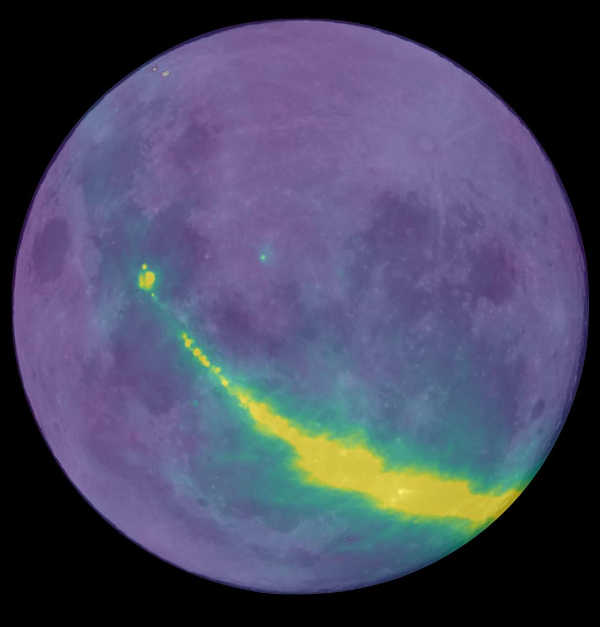
The moon may be the key to unlocking how the first stars and galaxies shaped the early Universe.
A team of astronomers led by Dr Benjamin McKinley at Curtin University node of the International Centre for Radio Astronomy Research and the ARC Centre of Excellence for All Sky Astrophysics in 3 Dimensions observed the Moon with a radio telescope to help search for the faint signal from hydrogen atoms in the infant Universe.
"Before there were stars and galaxies, the Universe was pretty much just hydrogen, floating around in space," Dr. McKinley said. "Since there are no sources of the optical light visible to our eyes, this early stage of the Universe is known as the 'cosmic dark ages'.”
In research published in the Oxford University Press Monthly Notices of the Royal Astronomical Society today, the astronomers describe how they have used the Murchison Widefield Array radio telescope to help search for radio signals given off by the hydrogen atoms.
"If we can detect this radio signal it will tell us whether our theories about the evolution of the Universe are correct,” McKinley said.
McKinley said that in your car radio, you can tune into various channels and the radio waves are converted into sounds.
"The radio telescope, the Murchison Widefield Array which is located in the Western Australian desert far away from earth-based FM radio stations, takes the radio signals from space and which we can then convert into images of the sky," he said.
This radio signal from the early Universe is very weak compared to the extremely bright objects in the foreground, which include accreting black holes in other galaxies and electrons in our own Milky Way.
The key to solving this problem is being able to precisely measure the average brightness of the sky.
However, built-in effects from the instruments and radio frequency interference make it difficult to get accurate observations of this very faint radio signal.
In this work, the astronomers used the moon as a reference point of known brightness and shape.
This allowed the team to measure the brightness of the Milky Way at the position of the occulting moon.
The astronomers also took into account “earthshine” – radio waves from Earth that reflect off the Moon and back onto the telescope.
Earthshine corrupts the signal from the moon and the team had to remove this contamination from their analysis.
With more observations, the astronomers hope to uncover the hydrogen signal and put theoretical models of the Universe to the test.
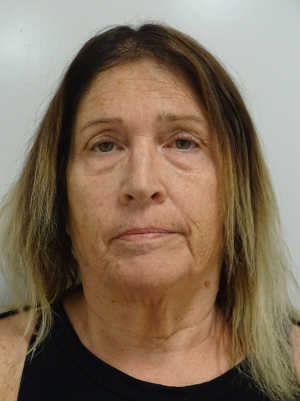
LAKEPORT, Calif. – A woman who is a person of interest in the city of Lakeport’s only unsolved homicide has been arrested along with her daughter for financial crimes against her former boyfriend.
Linda Ann Mafrice, 63, of Clearlake was taken into custody on Thursday, according to District Attorney Don Anderson.
Mafrice, whose occupation is listed as massage therapist, was arrested by a District Attorney’s Office investigator on Thursday morning and booked into the Lake County Jail early Friday morning, with bail set at $500,000 on a felony arrest warrant, according to jail records.
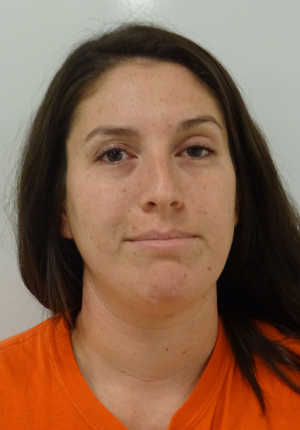
Anderson said Mafrice’s daughter, 29-year-old Meghan Mariana DeMarco of Kelseyville, also was arrested in the case on a $500,000 arrest warrant.
He said they are charged with financial elder abuse, grand theft, conspiracy, forgery and altering medical records. Additional charges are expected to be filed in the near future.
Both Mafrice and DeMarco have been placed on PC 1275 holds placed on them in order that they prove that any bail money didn’t come from the proceeds of the alleged crime.
On Friday afternoon, both remained in custody, according to jail records.
Anderson said he expects both women will appear in Lake County Superior Court for arraignment on Tuesday afternoon.
Mafrice has long been a person of interest in the murder of Barbara LaForge in her downtown frame shop on Oct. 8, 2002.
That morning LaForge was opening up her Wildwood Frame Shop, located along with Inspirations Gallery at 165 N. Main St., when she was shot four times at close range with a .22-caliber firearm.
At the time of the murder, Barbara LaForge was married to Dan Hamblin, who was also romantically involved with Mafrice. Shortly after the murder Mafrice moved in with Hamblin. Anderson said Mafrice, in addition to being Hamblin’s girlfriend, was his health care provider.
Anderson said Hamblin is the victim in this financial elder abuse case.
Lakeport Police Chief Brad Rasmussen confirmed to Lake County News that both Mafrice and Hamblin remain persons of interest in LaForge’s murder.
“Nothing’s changed,” he said Friday, adding that his agency is continuing to work to resolve the homicide case.
“We haven’t given up on it and don’t plan to,” Rasmussen said.
Women alleged to have tricked victim into signing over property
Anderson said that on Thursday his investigators served search warrants at Mafrice’s residence at 10970 Mistletoe Lane in Clearlake and DeMarco’s residence at 6170 Gold Dust Drive in Kelseyville as part of an ongoing investigation of financial elder abuse.
He said a total of 11 search warrants were served on various banks and businesses to secure the documents necessary to prove the crimes.
On Friday, Anderson said search warrants were continuing to be served for safety deposit boxes and other items.
Because the investigation is continuing, Anderson said he can’t comment specifically on the evidence.
The District Attorney’s Office alleges that Mafrice and DeMarco coerced and tricked Hamblin into signing a deed to his residence at 10615 Fairway Drive in Kelseyville at a time when he did not have the mental capacity to consent to the transfer of his property. Additionally, they submitted forged medical records and other documents to ensure the transfer went through.
After having Hamblin sign over the deed, Anderson said Mafrice dropped Hamblin off at his brother’s residence in Sonoma County for the holidays. She then ended their relationship and did not allow Hamblin to return to his home.
Mafrice and DeMarco then sold the residence, keeping all of the profits, Anderson said.
An online sale history shows the home was sold in June for $175,000 and was relisted at the end of August for $259,000. Anderson confirmed that $175,000 was the sales price in this case.
Mafrice has a history of financial crimes for which she has served prison time, as Lake County News has reported.
In August 2002, the District Attorney's Office charged her with theft from an elder, theft by a forged or invalid access card and forgery.
That was followed up on Oct. 9, 2002 – the day after the LaForge murder – by the District Attorney’s Office filing a case against Mafrice involving 90 counts including forgery and grand theft for stealing funds from the Royale Shores Homeowners Association between February 2000 and August 2002.
Most of the charges in the Royale Shores case would be dismissed via a Harvey waiver – meaning they could be considered in sentencing but would not be prosecuted – and in July 2004 Mafrice was convicted in the case. She was sentenced to five years probation and 300 days in jail, and 200 hours of community service.
In the lead up to the sentencing in that case, Mafrice had claimed mental and physical health issues, and brought a forged doctor's note to court asking for her probation to be modified, as Lake County News has reported. She would later admit in court to the forgery.
Mafrice’s probation terms required her to repay $113,116.07 to Royale Shores, with credit for $65,000 that she had already paid back.
However, weeks before her probation was set to end in 2009, a bench warrant was issued for Mafrice’s arrest because she had failed to repay the money.
In an August 2010 court hearing, she admitted to violating her probation and not repaying the money, and was warned at that time by Judge Andrew Blum that she could face a maximum prison time of more than five years if she failed to make the restitution by Dec. 3 of that year.
When she reappeared in court in December 2010 and still hadn’t paid the restitution, Judge Blum permanently revoked Mafrice’s probation and sentenced her to four years, eight months in prison. Due to credits, she served about two years.
Murder case investigation continuing
Anderson said an investigation into the LaForge murder involving both the District Attorney’s Office and the Lakeport Police Department is ongoing.
He said that earlier this year he hired an experienced homicide investigator, Hank McKenzie, from the San Francisco District Attorney’s Office to specifically re-investigate the LaForge murder.
The entire case has been re-evaluated, new technology in DNA analysis has been tested and used, as well as several people have been re-interviewed, including some in prison, Anderson said.
He said many new leads have been developed which were continuing to be investigated.
“Some of the results have been very promising,” Anderson said. “Hank is doing an extremely great job gathering the facts.”
Email Elizabeth Larson at
LAKEPORT, Calif. – The Board of Supervisors gave the go ahead to county staff this week to begin researching how to permanently fill the registrar of voters job after the current registrar retires later this year.
County Administrative Officer Carol Huchingson asked the board to consider what process to take in filling the job.
Huchingson said longtime Registrar Diane Fridley – “who has been incredible” – retires at the end of this calendar year. She’s had a 41-year career in elections.
“That will be a tremendous loss to Lake County elections,” Huchingson said.
Huchingson asked the board to direct staff to take the time necessary to explore the best model for filling the registrar’s position going forward.
“Many counties go about this in a different way,” she said, noting that Lake County some years ago had a different approach.
Many counties have a county clerk-recorder that oversees the function of recorder and elections, and it’s another elected classification, Huchingson said.
“It appears that a majority of counties use that model and others do it in different ways,” said Huchingson.
“What I’m recommending to your board is that we take the time to fully research best practice options before decisions are made about how to permanently fill this position and cover this function,” Huchingson said.
She said she thinks there is little doubt that in the face of the financial challenges on the horizon that the county of Lake is going to have to look at significant restructuring, and that it would be shortsighted to fill the job without looking at the broader scheme of how other offices are handled.
In the interim, Huchingson suggested the board consider arranging interviews of qualified staff for the interim appointment under the registrar’s current job classification, which would be on a future agenda.
In keeping with recommendations for other county offices, she wants to alter the job requirements to include a bachelor’s degree without the substitution of experience for a future permanent appointment.
Board Chair Jim Steele asked if there was any particular imperative for a degree or if that suggestion was for consistency with other department heads. Huchingson said it was the latter.
Fridley, who was present for the discussion, volunteered to be part of looking at consolidating the elections office versus leaving it freestanding.
She said the registrar’s office had been separated from the county clerk’s office for a few reasons. One was transparency, and the second was so the board would have control over the department head.
Fridley said there had been an incident in which the former county clerk and ex officio registrar of voters went door to door with a supervisorial candidate – who ended up not winning – during an election. She said she had advised that person that it wasn’t a good policy.
The change in structure ultimately was taken to the State Legislature. Fridley said state Sen. Wes Chesbro sponsored legislation to make elections a separate office and remove it from county clerk.
Separately, Fridley told Lake County News that the legislation in question, SB 195, passed in 2001 and went into effect in 2002, making the Registrar of Voters Office its own freestanding department.
Those changes were established in Board of Supervisors Ordinance No. 2580, with the chaptered bill included in Government Code Section 26802.5.
That code section, last amended by statute in 2013, says, “In the Counties of El Dorado, Imperial, Kings, Lake, Marin, Merced, Modoc, Monterey, Napa, Riverside, San Joaquin, Solano, and Tulare, a registrar of voters may be appointed by the board of supervisors in the same manner as other county officers are appointed. In those counties, the county clerk is not ex officio registrar of voters, and the registrar of voters shall discharge all duties vested by law in the county elections official that relate to and are a part of the election procedure.”
“It’s worked quite well, being separate,” Fridley told the board on Tuesday. “Our office is transparent.”
Fridley said her office provides good public service, and she’s not sure if the county would save money in the long run, especially with lawsuits.
Steele congratulated Fridley for doing a stellar job heading the elections office, adding that he hears about her good work all the time.
Supervisor Rob Brown thanked Fridley for offering the historical perspective. He said he was the board member who brought it to the board previously to not have it run by an elected official.
He said the board has oversight of the elections office budget, but doesn’t control its decision.
“At that time, there were some really bad decisions being made,” he said of the former structure.
Brown said it would be a bad place to put an elected official, as there always would be a conspiracy. “As an individual elected official running that, I think it’s a bad idea.”
Fridley also asked the board about the proposed updated job classification, noting that her two staffers don’t qualify under those new standards.
Huchingson said the interim registrar would be appointed under the current job classification. She suggested to the board that they defer consideration of the updated job description, a proposal they followed.
Fridley told Lake County News that all of her 41 years working for the county of Lake have been spent in elections.
In 2002, after the Registrar of Voters Office became its own separate department, she moved from chief deputy county clerk registrar to registrar of voters.
She started work with the county on Dec. 12, 1977, and will officially retire as of Dec. 28.
Asked about how she plans to spend her retirement, Fridley replied without hesitation: “Riding my horses.”
Email Elizabeth Larson atThis email address is being protected from spambots. You need JavaScript enabled to view it. . Follow her on Twitter, @ERLarson, or Lake County News, @LakeCoNews.
County Administrative Officer Carol Huchingson asked the board to consider what process to take in filling the job.
Huchingson said longtime Registrar Diane Fridley – “who has been incredible” – retires at the end of this calendar year. She’s had a 41-year career in elections.
“That will be a tremendous loss to Lake County elections,” Huchingson said.
Huchingson asked the board to direct staff to take the time necessary to explore the best model for filling the registrar’s position going forward.
“Many counties go about this in a different way,” she said, noting that Lake County some years ago had a different approach.
Many counties have a county clerk-recorder that oversees the function of recorder and elections, and it’s another elected classification, Huchingson said.
“It appears that a majority of counties use that model and others do it in different ways,” said Huchingson.
“What I’m recommending to your board is that we take the time to fully research best practice options before decisions are made about how to permanently fill this position and cover this function,” Huchingson said.
She said she thinks there is little doubt that in the face of the financial challenges on the horizon that the county of Lake is going to have to look at significant restructuring, and that it would be shortsighted to fill the job without looking at the broader scheme of how other offices are handled.
In the interim, Huchingson suggested the board consider arranging interviews of qualified staff for the interim appointment under the registrar’s current job classification, which would be on a future agenda.
In keeping with recommendations for other county offices, she wants to alter the job requirements to include a bachelor’s degree without the substitution of experience for a future permanent appointment.
Board Chair Jim Steele asked if there was any particular imperative for a degree or if that suggestion was for consistency with other department heads. Huchingson said it was the latter.
Fridley, who was present for the discussion, volunteered to be part of looking at consolidating the elections office versus leaving it freestanding.
She said the registrar’s office had been separated from the county clerk’s office for a few reasons. One was transparency, and the second was so the board would have control over the department head.
Fridley said there had been an incident in which the former county clerk and ex officio registrar of voters went door to door with a supervisorial candidate – who ended up not winning – during an election. She said she had advised that person that it wasn’t a good policy.
The change in structure ultimately was taken to the State Legislature. Fridley said state Sen. Wes Chesbro sponsored legislation to make elections a separate office and remove it from county clerk.
Separately, Fridley told Lake County News that the legislation in question, SB 195, passed in 2001 and went into effect in 2002, making the Registrar of Voters Office its own freestanding department.
Those changes were established in Board of Supervisors Ordinance No. 2580, with the chaptered bill included in Government Code Section 26802.5.
That code section, last amended by statute in 2013, says, “In the Counties of El Dorado, Imperial, Kings, Lake, Marin, Merced, Modoc, Monterey, Napa, Riverside, San Joaquin, Solano, and Tulare, a registrar of voters may be appointed by the board of supervisors in the same manner as other county officers are appointed. In those counties, the county clerk is not ex officio registrar of voters, and the registrar of voters shall discharge all duties vested by law in the county elections official that relate to and are a part of the election procedure.”
“It’s worked quite well, being separate,” Fridley told the board on Tuesday. “Our office is transparent.”
Fridley said her office provides good public service, and she’s not sure if the county would save money in the long run, especially with lawsuits.
Steele congratulated Fridley for doing a stellar job heading the elections office, adding that he hears about her good work all the time.
Supervisor Rob Brown thanked Fridley for offering the historical perspective. He said he was the board member who brought it to the board previously to not have it run by an elected official.
He said the board has oversight of the elections office budget, but doesn’t control its decision.
“At that time, there were some really bad decisions being made,” he said of the former structure.
Brown said it would be a bad place to put an elected official, as there always would be a conspiracy. “As an individual elected official running that, I think it’s a bad idea.”
Fridley also asked the board about the proposed updated job classification, noting that her two staffers don’t qualify under those new standards.
Huchingson said the interim registrar would be appointed under the current job classification. She suggested to the board that they defer consideration of the updated job description, a proposal they followed.
Fridley told Lake County News that all of her 41 years working for the county of Lake have been spent in elections.
In 2002, after the Registrar of Voters Office became its own separate department, she moved from chief deputy county clerk registrar to registrar of voters.
She started work with the county on Dec. 12, 1977, and will officially retire as of Dec. 28.
Asked about how she plans to spend her retirement, Fridley replied without hesitation: “Riding my horses.”
Email Elizabeth Larson at
CLEARLAKE, Calif. – The three men who want to be elected to the Clearlake City Council this fall explained their priorities and goals at a forum on Thursday night.
Russell Cremer, Russell Perdock and Dirk Slooten participated at the forum held at Clearlake City Hall and hosted by Lake County News and the Lake County Economic Development Corp.
The three candidates spent an hour and a half answering questions about issues including the city’s homeless, roads, jobs, creating a business-friendly city, activities for youth, transportation, the city’s reputation and their goals should they be elected to the council.
The forum, moderated by Elizabeth Larson, editor and publisher of Lake County News, can be seen in the video above.