 How to resolve AdBlock issue?
News
- Details
- Written by: DON AMADOR
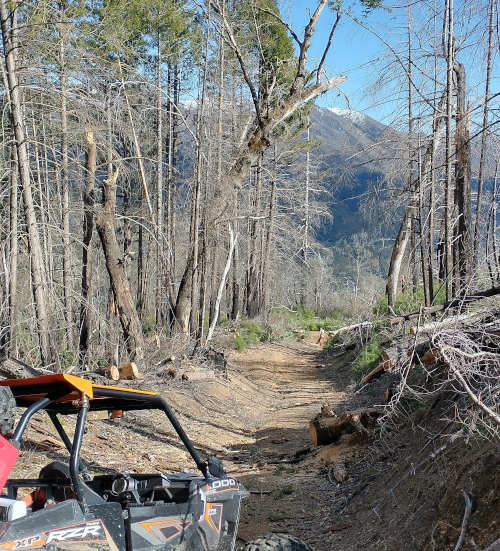
UPPER LAKE, Calif. — A celebration is planned to honor the work done by volunteers and the Post Wildfire OHV Recovery Alliance in partnership with the U.S. Forest Service over the last six months to reopen motorized trails damaged by heavy winter storms.
The celebration event for Post Wildfire OHV Recovery Alliance, or PWORA, will be held on Saturday, June 17, at the Middle Creek Campground on the Mendocino National Forest near Upper Lake.
It will take place from 9 a.m. to 2:30 p.m.
The severe rain storms, high winds, and heavy snow had caused hundreds of trees damaged by recent wildfires to fall across the designated road and trail system that blocked public access and raised concerns about rider safety and environmental impacts due to unauthorized reroutes around blocked travelways.
To help address those storm impacts, PWORA organized numerous work events attended by 170 volunteers who contributed over 2,000 hours to clear downed trees off of the multiple-use road and trail system managed by the Upper Lake Ranger District.
PWORA worked with District Ranger Frank Aebly and OHV recreation specialist, Matt Nourmohamadian, to ensure that trail clearing efforts followed sustainable trail management practices and safety protocols.
“Getting OHV routes reopened for public use before the Memorial Day Weekend was a herculean effort that was only accomplished by a strong collaboration between PWORA, volunteer crews, and the Upper Lake Ranger District management and staff,” said Ted Cabral, PWORA president and CEO.
“Special thanks also goes to the Lake County Public Works Department and Forest Service law enforcement who worked on a temporary fix and management strategy to reopen a slide on a section of the Elk Mountain Road to allow for trail repair crews to continue clearing downed trees,” Cabral said.
Cabral added, “The celebration event is an appropriate way to highlight the heavy lift by the Forest Service and partners to reopen this important recreation area so it can once again be enjoyed by the recreation community.”
PWORA thanked its many sponsors and grant partners who helped make the reopening possible and they include, FOX FACTORY Trail Trust Program, Factory Pipe, Metal Cloak Industries, California State Park OHV Grant Program, Metal Cloak Industries, Yamaha Grant Initiative and the Marin County Motorcycle Association.
Follow the group on Facebook.
- Details
- Written by: LAKE COUNTY NEWS REPORTS
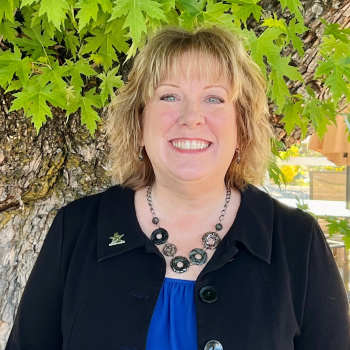
LAKE COUNTY, Calif. — The Lake County Chamber of Commerce is pleased to announce that Michele Carson, client relations manager at Strong Financial Network, has been named the “CTA of the Year” by the Tourism Ambassador Institute.
The institute, or TAI, is an international organization that licenses and accredits over 30 local CTA Programs in 20 states.
The Lake County CTAs have been delivering quality education to local residents that aspire to become advocates for Lake County.
The CTA Program teaches best practices, itinerary planning, customer service, and helps the CTAs increase their knowledge of Lake County. The program provides resources so that CTA know how to answer questions from visitors.
“Michele Carson, this year's recipient of the CTA of the Year Award, was an absolute standout amongst the competition,” said John Marks, former CEO of the San Francisco Convention & Visitors’ Bureau and Chair of the 2023 International CTA of the Year judging committee.
Marks said Carson leads an innovative, and involved program in Lake County, “where she plans, and executes, numerous gatherings for her local CTA’s to become even more involved in the community. Every time Michele walks into a room, everyone is greeted with a genuine smile, and her sense of invaluable service."
Carson is the shining star of this program, dedicating countless volunteer hours running meetings, facilitating annual strategizing sessions, planning “EdVentures” that combine fun social activities with education, and coordinating an annual project that will place our beautiful county in a positive light to our visitors.
In 2022, Carson wrote a grant and was awarded funding to promote Lake County to visiting anglers. The fishing industry has a big impact on the local economy, and she believed that we could do more to make the anglers feel more welcome.
She produced banners and signs for businesses and municipalities to display to make visiting anglers feel more welcome when they visited Clear Lake.
Carson is also credited with collaborating with the Clear Lake High School’s Culinary Program to ensure that the students became CTAs over the course of their studies.
“The CTA Program has been recognized by the Lakeport Unified School District administration as academically sound and has included in Clear Lake High School’s Hospitality Career Technical Education curriculum, a career readiness program that prepares students to enter the workforce upon graduation,” said Laura McAndrews Sammel, CEO of the Lake County Chamber of Commerce. “We are thrilled to serve our local businesses by offering this training to our up-and-coming workforce.”
Lake County boasts the only CTA Program in the entire network that is chaired and overseen by volunteers.
While Carson’s efforts are supported by the paid staff at the Lake County Chamber of Commerce, much of the program is coordinated by Carson and the CTA Core Committee — with the help of many other CTAs, which is what the chamber called “the Michele Magic.”
Carson is credited with being able to take an idea that someone mentions to her and put it into action. It inspires others into action and, before you know it, another major accomplishment has been made.
She focuses on strong customer service to and for Lake County’s visitors because she innately understands how that impacts economic development for the community.
Lake County residents and visitors alike will recognize a CTA by the gold or silver star lapel pin. Some CTAs wear their pin to work, while others don theirs when they go out to a community event.
Carson was recently spotted wearing hers at a friend’s wedding reception. She is always prepared to answer visitors’ questions no matter where she is! This international accolade proves what we already know: Michele Carson is a shining Lake County Star.
- Details
- Written by: Elizabeth Larson
Dogs available for adoption this week include mixes of Anatolian shepherd, Catahoula leopard dog, German shepherd, mastiff, pit bull, plott hound and pointer.
Dogs that are adopted from Lake County Animal Care and Control are either neutered or spayed, microchipped and, if old enough, given a rabies shot and county license before being released to their new owner. License fees do not apply to residents of the cities of Lakeport or Clearlake.
The following dogs at the Lake County Animal Care and Control shelter have been cleared for adoption.
Call Lake County Animal Care and Control at 707-263-0278 or visit the shelter online for information on visiting or adopting.
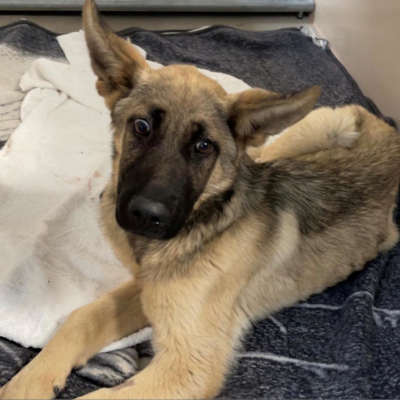
Male German shepherd puppy
This 6-month-old male German shepherd puppy has a black and tan coat.
He is in kennel No. 2, ID No. LCAC-A-5315.
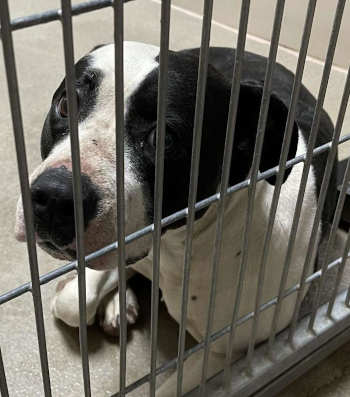
Female pit bull
This 2-year-old female pit bull has a short black and white coat.
She is in kennel No. 4, ID No. LCAC-A-5301.
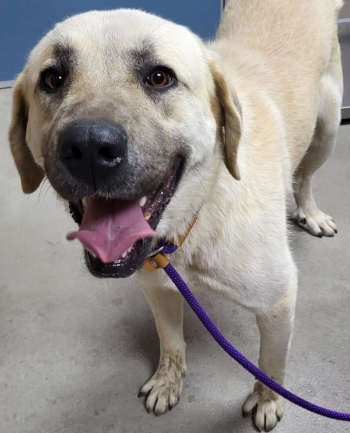
Anatolian shepherd-mastiff mix
This 3-year-old male Anatolian shepherd-mastiff mix has a short fawn coat.
He is in kennel No. 5, ID No. LCAC-A-5276.
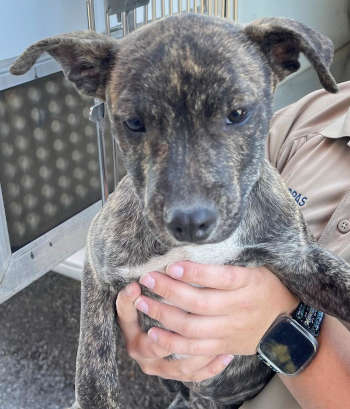
Male pit bull puppy
This 3-month-old male pit bull puppy has a short brindle coat.
He is in kennel No. 6, ID No. LCAC-A-5266.
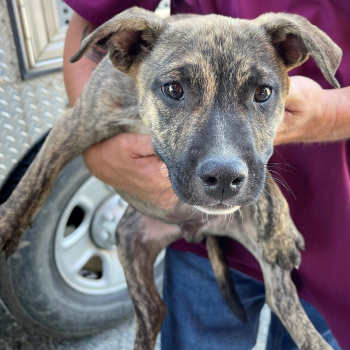
Male pit bull terrier
This 3-month-old male pit bull terrier has a short brindle coat.
He is in kennel No. 7, ID No. LCAC-A-5265.

Male pit bull
This 1-year-old male pit bull terrier has a short black coat.
He is in kennel No. 11, ID No. LCAC-A-5258.
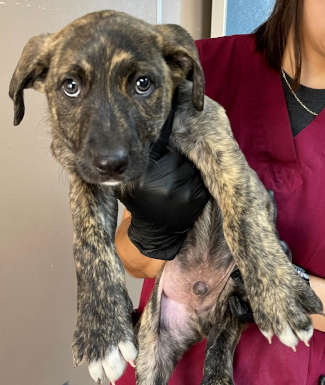
Male Catahoula leopard dog puppy
This 2-month-old male Catahoula leopard dog puppy has a short brindle coat with white markings.
He is in kennel No. 12b, ID No. LCAC-A-5245.

Female Catahoula leopard dog puppy
This 2-month-old female Catahoula leopard dog puppy has a short brindle coat with white markings.
She is in kennel No. 12c, ID No. LCAC-A-5246.

Male plott hound
This 2-year-old male plott hound has a short brown coat.
He is in kennel No. 18, ID No. LCAC-A-5143.
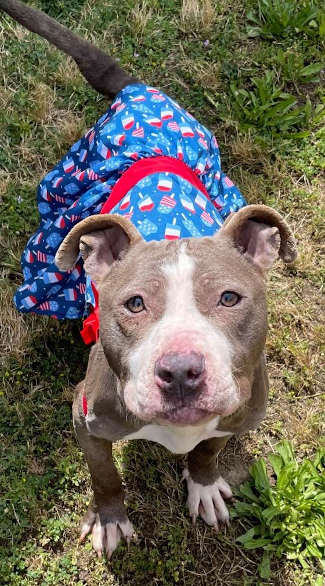
Female pit bull terrier
This 5-year-old female pit bull terrier has a short gray and white coat.
She is in kennel No. 19, ID No. LCAC-A-5321.
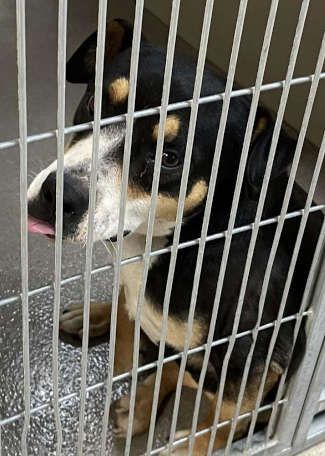
Female pit bull terrier
This one and a half year old female pit bull terrier has a short tricolor coat.
She is in kennel No. 20, ID No. LCAC-A-5312.
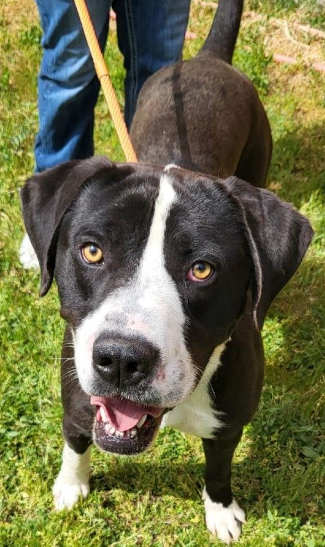
Male pit bull terrier
This 3-year-old male pit bull terrier has a short black and white coat.
He is in kennel No. 21, ID No. LCAC-A-5076.
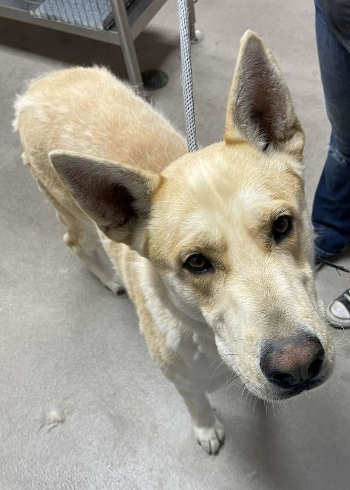
Male shepherd
This 2-year-old male shepherd has a tan and white coat.
He is in kennel No. 22, ID No. LCAC-A-5223.

Male shepherd
This 1-year-old male shepherd has a tan coat.
He is in kennel No. 25, ID No. LCAC-A-5303.

Male pit bull
This 1-year-old male pit bull terrier has a short tan coat with white markings.
He is in kennel No. 26, ID No. LCAC-A-5120.
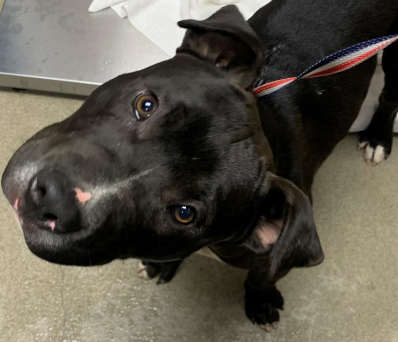
Male pit bull terrier
This 1-year-old male pit bull terrier has a black coat with white markings.
He is in kennel No. 27, ID No. LCAC-A-5203.
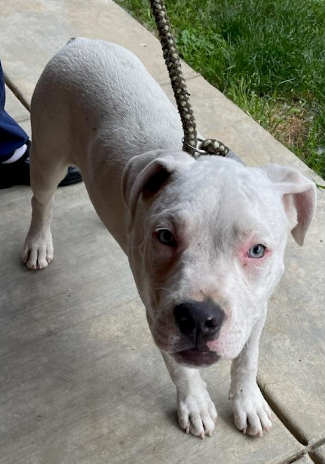
Male pit bull puppy
This 5-month-old male pit bull puppy has a white coat.
He is in kennel No. 29, ID No. LCAC-A-5325.

‘Luna’
“Luna” is a 1-year-old female husky with a red, tan and white coat.
She is in kennel No. 30, ID No. LCAC-A-5270.

Female pit bull-shepherd puppy
This 5-month-old female pit bull-shepherd puppy has a short tricolor coat.
She is in kennel No. 32, ID No. LCAC-A-5072.

Male shepherd
This 1-year-old male shepherd has a tricolor coat.
He is in kennel No. 33, ID No. LCAC-A-5310.
Email Elizabeth Larson at
- Details
- Written by: By getting to know your neighbors and investing in your community, you can make your neighborhood safer. Vladimir Vladimirov/E+/Getty Images Ishita Chordia, University of Washington

A series of gunshots fired late at night in East Atlanta recently prompted my neighbor to post on our local Facebook group, asking what we can do as a community to make it less dangerous to live and work in the area.
You may be asking yourself the same question. Since the start of the COVID-19 pandemic, cities across the country have seen an increase in gun violence and homicides.
Around the country, crime seems to be rising, and that sense of danger influences our daily choices – from where we walk our dogs to how we vote.
As a researcher at the University of Washington, I study how media and technology influence our sense of safety. New apps and technologies have made crime information increasingly accessible and available in real time and on demand. However, I’ve found that access to so much information can cause some people to feel helpless and anxious rather than empowered.
If that sounds like you, here are four evidence-based strategies you can use to take power and transform your neighborhood. While these strategies may not lead to immediate changes, they shift the underlying social, economic and environmental characteristics of your neighborhood to make it truly safer in the long run.
1. Be neighborly
Get to know your neighbors.
Research shows that neighborhoods where people walk around and greet one another are safer. That’s because they deter potential offenders, who prefer quieter neighborhoods, and because they give people the power to look out for one another.
For example, if you see a child involved in a fight, knowing your neighbors might help you contact the child’s parent or guardian or intervene yourself. If you see an older adult looking lost, you may know how to guide them home or call someone who does. You do not need to be close friends with your neighbors, but by taking small, consistent actions to look out for one another, especially those neighbors who are most vulnerable, you are creating a safer community.
2. Selectively listen to crime news
Despite the real problems the country is facing with gun violence, crime rates in the United States are still at historic lows: Property crime and violent crime have been decreasing steadily since the early 1990s, with a slight uptick in violent crime since 2015.
Then why have you heard about so much crime?
While crime rates are largely decreasing, information about crime is more accessible than ever. Mobile apps and websites now enable you to view and share crime information in real time with the click of a few buttons.
In a recent study, we interviewed people who use the Citizen app to stay informed about local safety incidents. We found that while such apps can provide users with timely local information, they can also spike users’ fears by raising the salience and visibility of every little incident regardless of whether it presents a risk to users’ safety.
The Citizen app, like many other apps, has a financial incentive to report as much information as possible because it profits from users’ engagement. However, for users of these apps, the resulting fear can lead them to avoid going out in the evenings or heighten their fear of strangers - the opposite of the kind of social trust and cohesion necessary for long-term crime prevention.
If you find yourself feeling anxious or fearful after reading crime news, consider using filters, turning off alerts and maintaining perspective by reading good news as well as the crime stories.
3. Support local organizations
Another influential study found that organizations that focus on neighborhood development, substance abuse prevention, crime prevention, job training and recreational activities for youth all reduce the crime rate.
The study was large, looking at data from 20 years and 264 cities, and found that establishing 10 additional community organizations in a city decreases the homicide rate by 9%, the violent crime rate by 6% and the property crime rate by 4% within a year. Those effects persist for at least three years, even if the organizations cease to exist.
One famous example is a program called Midnight Basketball, which began in the early 1990s in Washington D.C. Its aim was to provide youth with a safe space to play basketball during high-crime hours and use that opportunity to connect them with educational and social services.
Despite research documenting the success of Midnight Basketball in reducing crime, the program struggled for many years due to poor political and financial support. By supporting local, high-quality programs in various ways – with dollars, volunteer time and political support – community members can begin addressing the underlying social and economic factors that lead to crime in the first place.
4. Fix up your neighborhood
Organizing is an effective crime prevention strategy. When neighborhoods organize against crime, however, they often default to crime watches and neighborhood patrols. One study estimates that over 40% of the U.S. population lives in areas monitored by a neighborhood watch group.
While some studies have shown these programs to be effective in reducing the crime rate, research also shows that monitoring a neighborhood leads to the unjustified suspicion and harassment of Black people, due to deeply held biases.
There are other ways to organize that makes the area safer for everyone. For example, you can focus on changing the underlying characteristics of a neighborhood.
Community members can identify individual blocks or vacant plots of land that look run down. Clean up trash, advocate for more street lights and plant greenery – the goal is to transform run-down parts of your neighborhood into vibrant areas where people would enjoy congregating.
This sort of organizing can have a large impact – in Philadelphia, for example, the Pennsylvania Horticultural Society’s program to convert vacant lots into green spaces led to a 29% reduction in gun violence in the affected neighborhoods. That would translate to 350 fewer shootings each year if the program were implemented citywide.
More relationships, more community involvement
When you feel unsafe, a natural reaction is to isolate yourself and distrust the strangers around you. However, such responses not only lead to more fear, but they can also weaken community cohesion and make your neighborhood less safe.
By building relationships, looking out for one another and investing in your social and physical infrastructure, you can truly make your neighborhood safer in the long run.
Ishita Chordia, PhD Candidate, Information Science, University of Washington
This article is republished from The Conversation under a Creative Commons license. Read the original article.