 How to resolve AdBlock issue?
News
- Details
- Written by: Elizabeth Larson
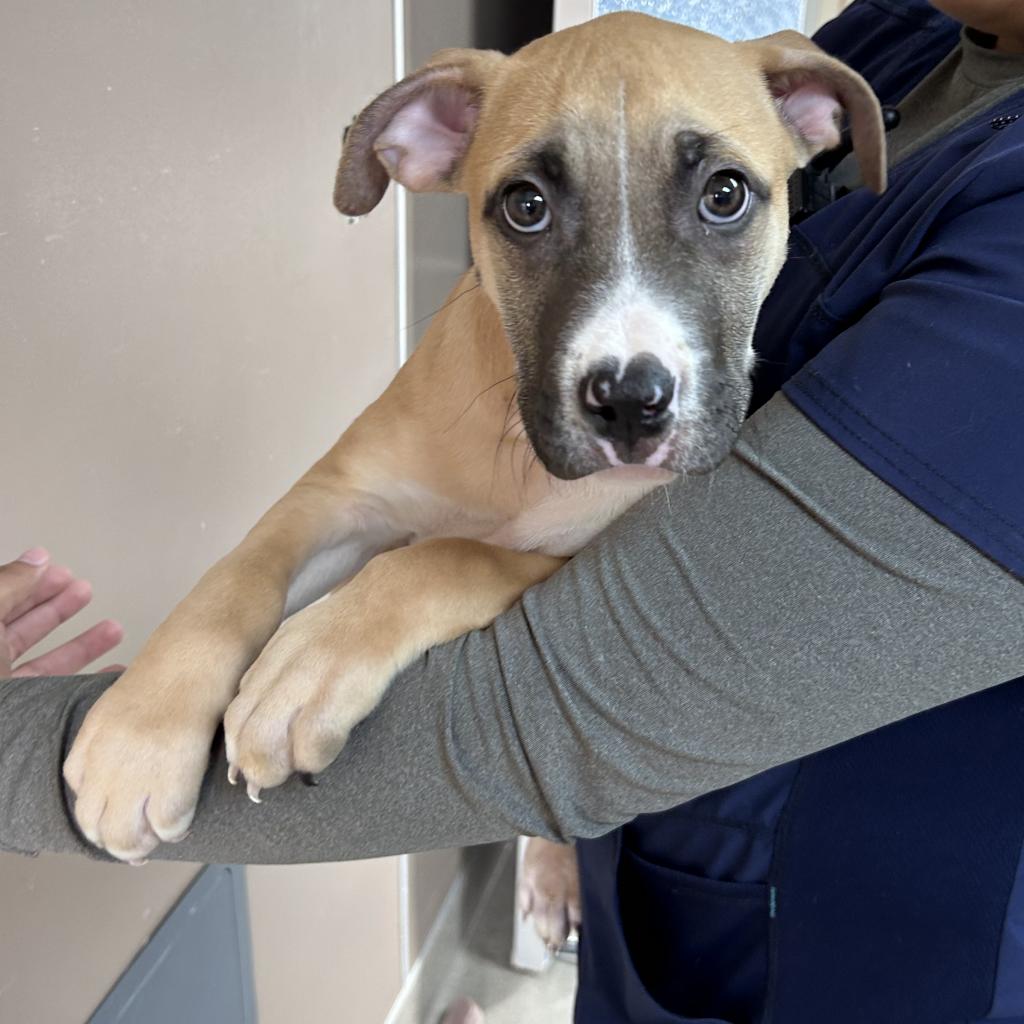
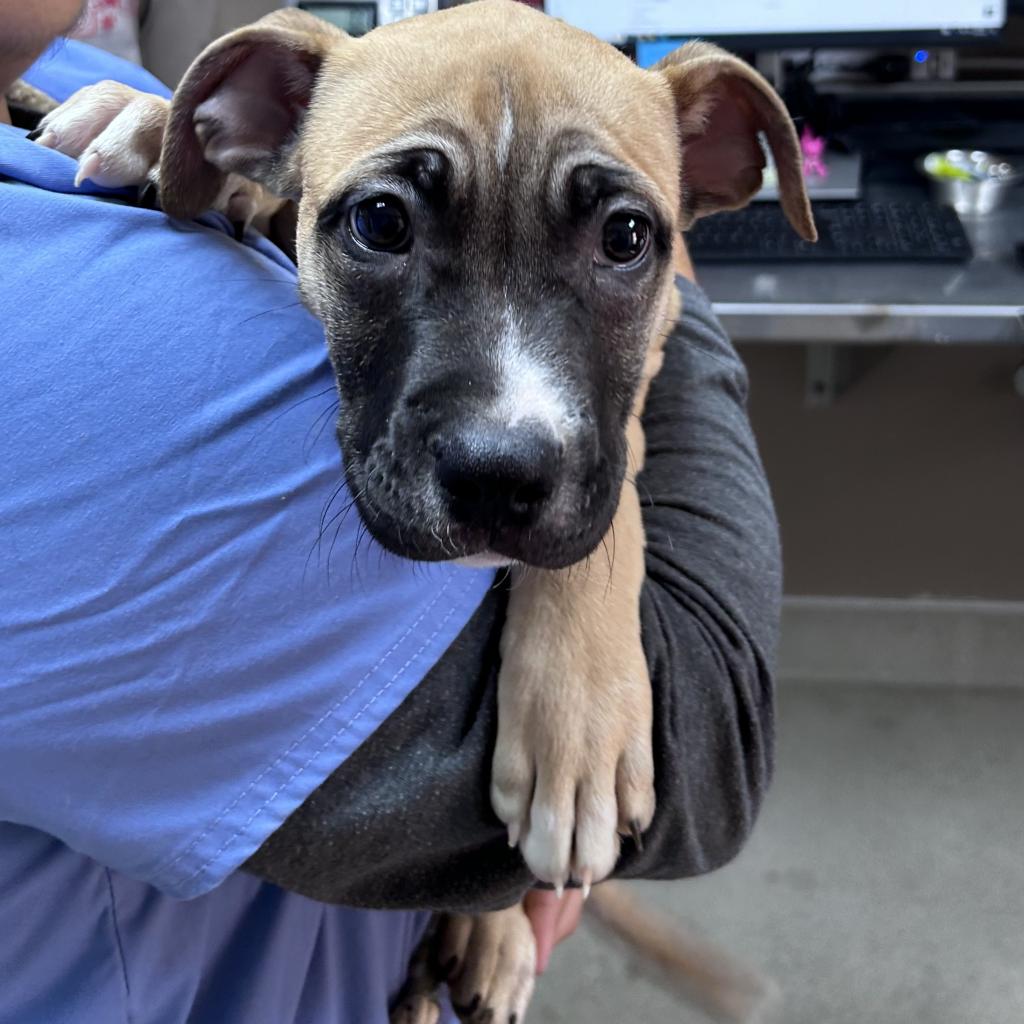
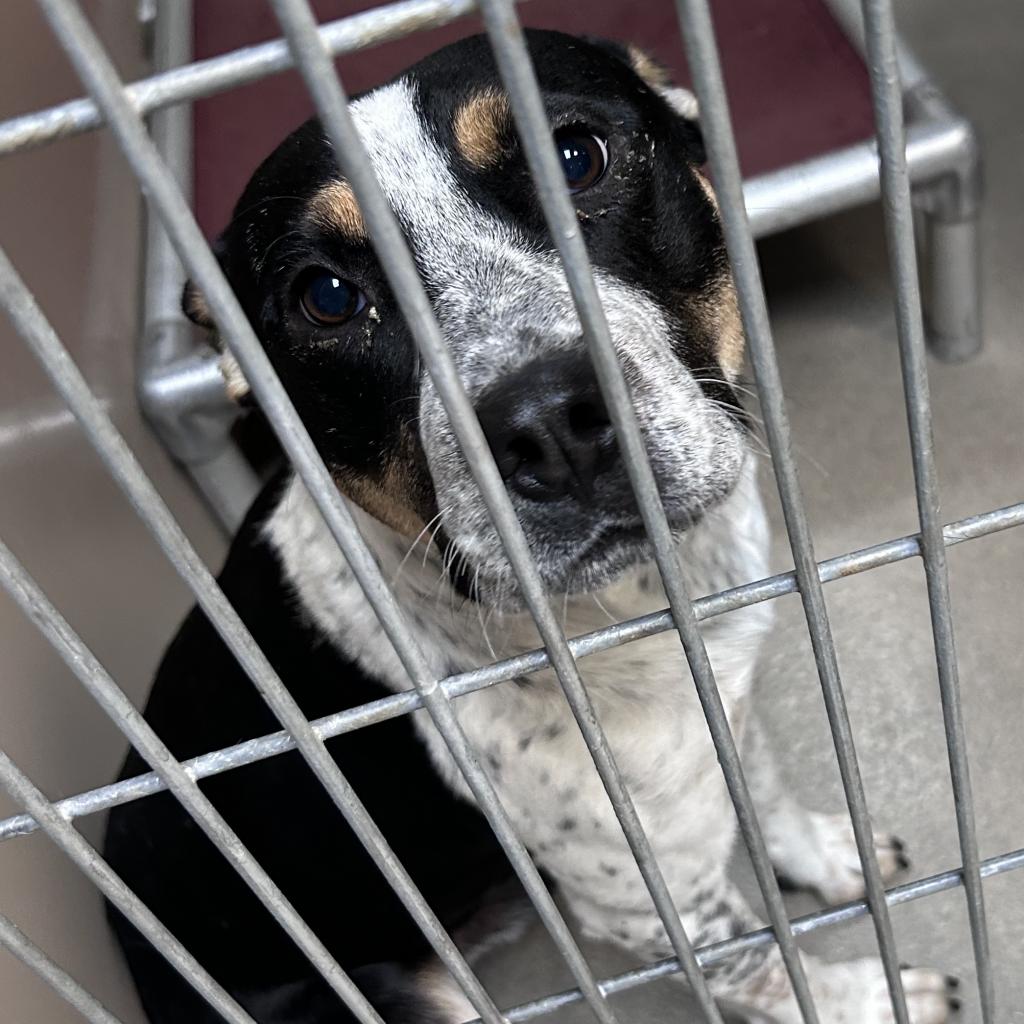
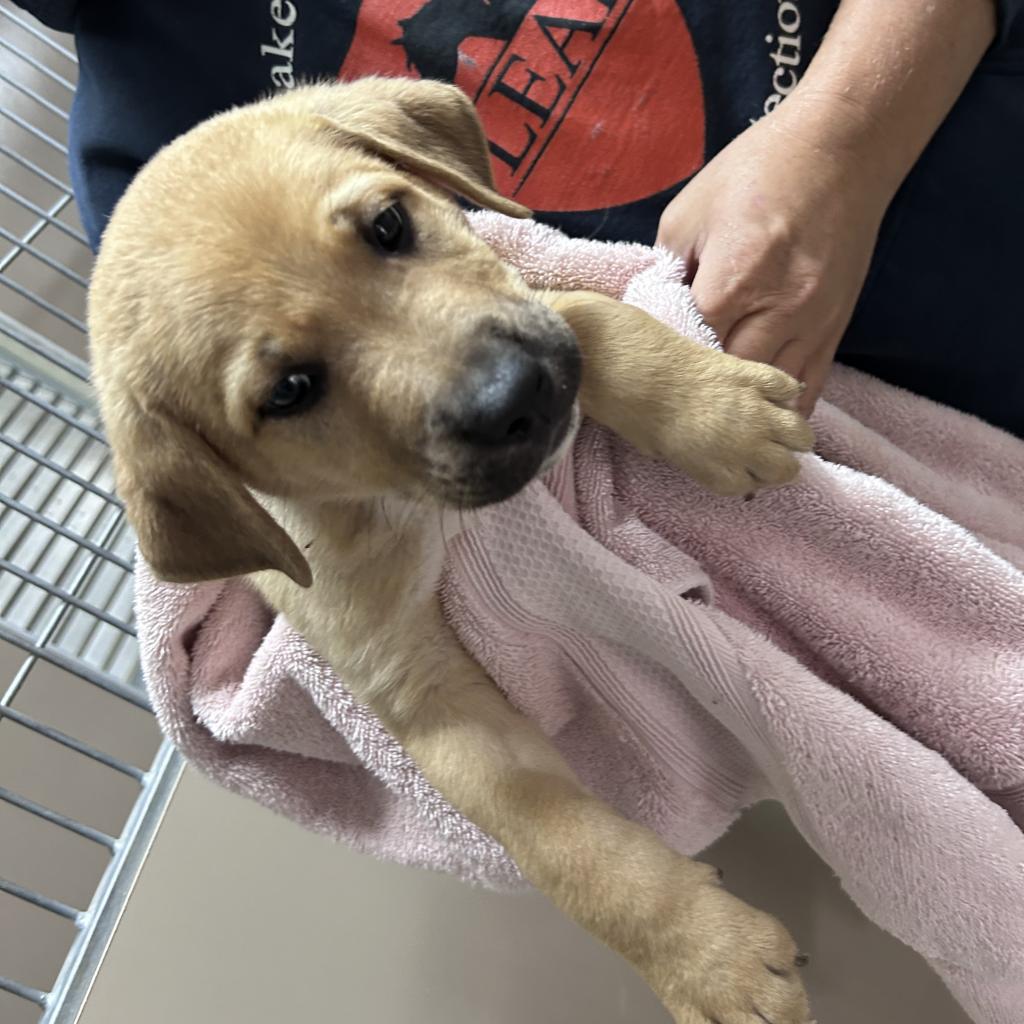
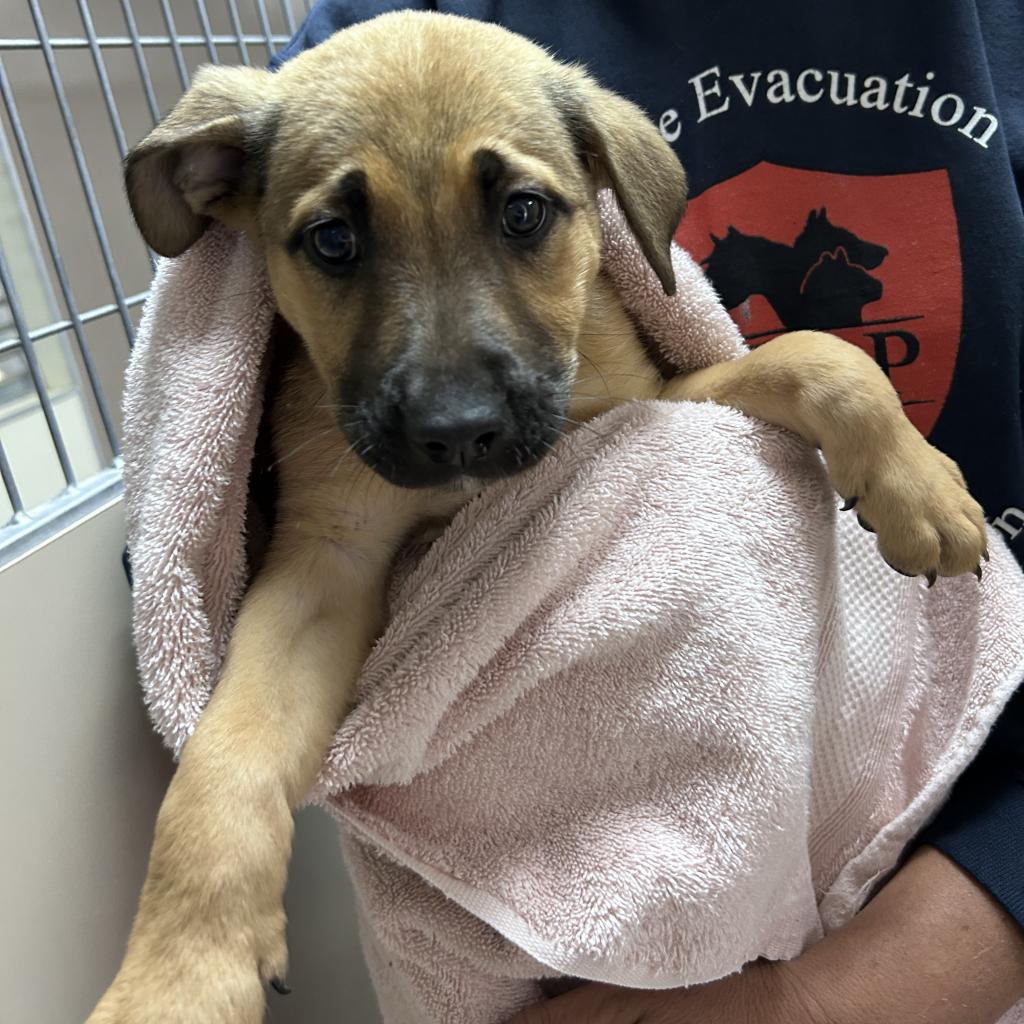
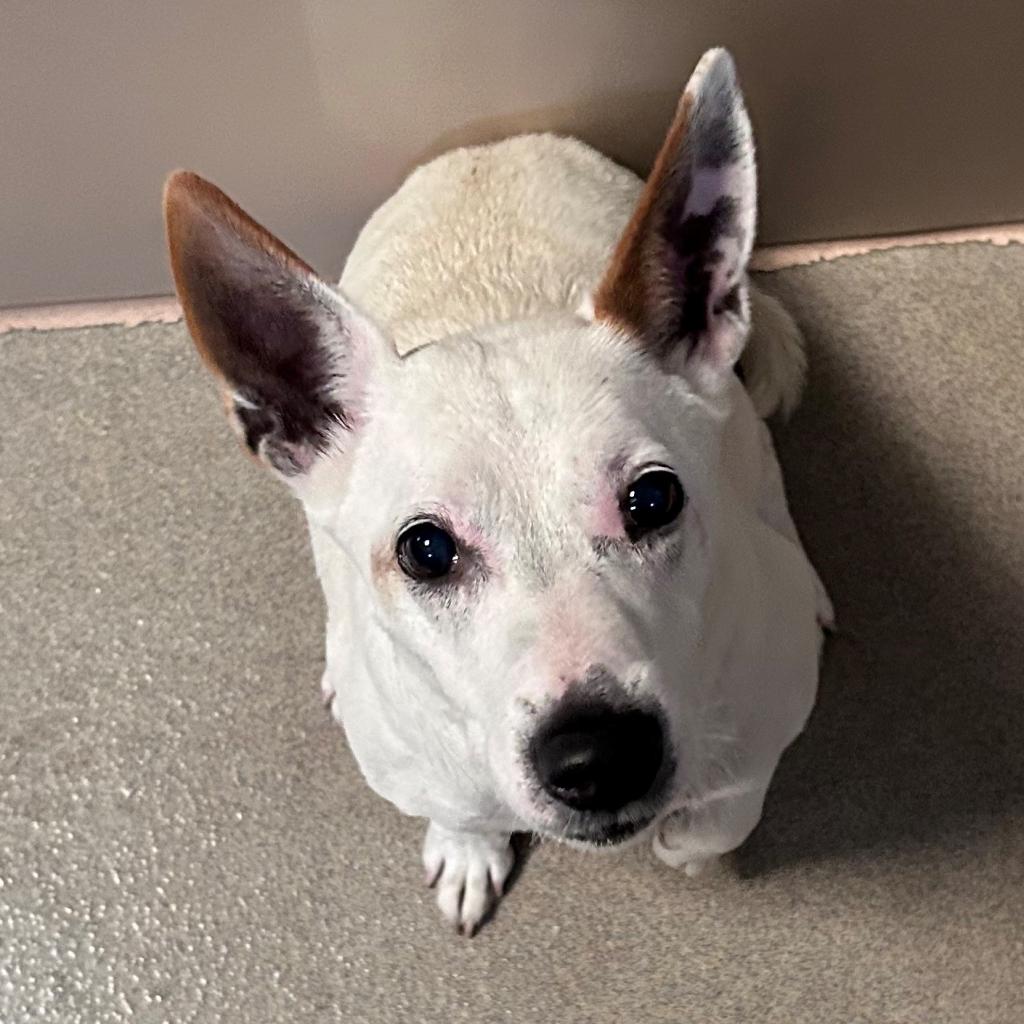
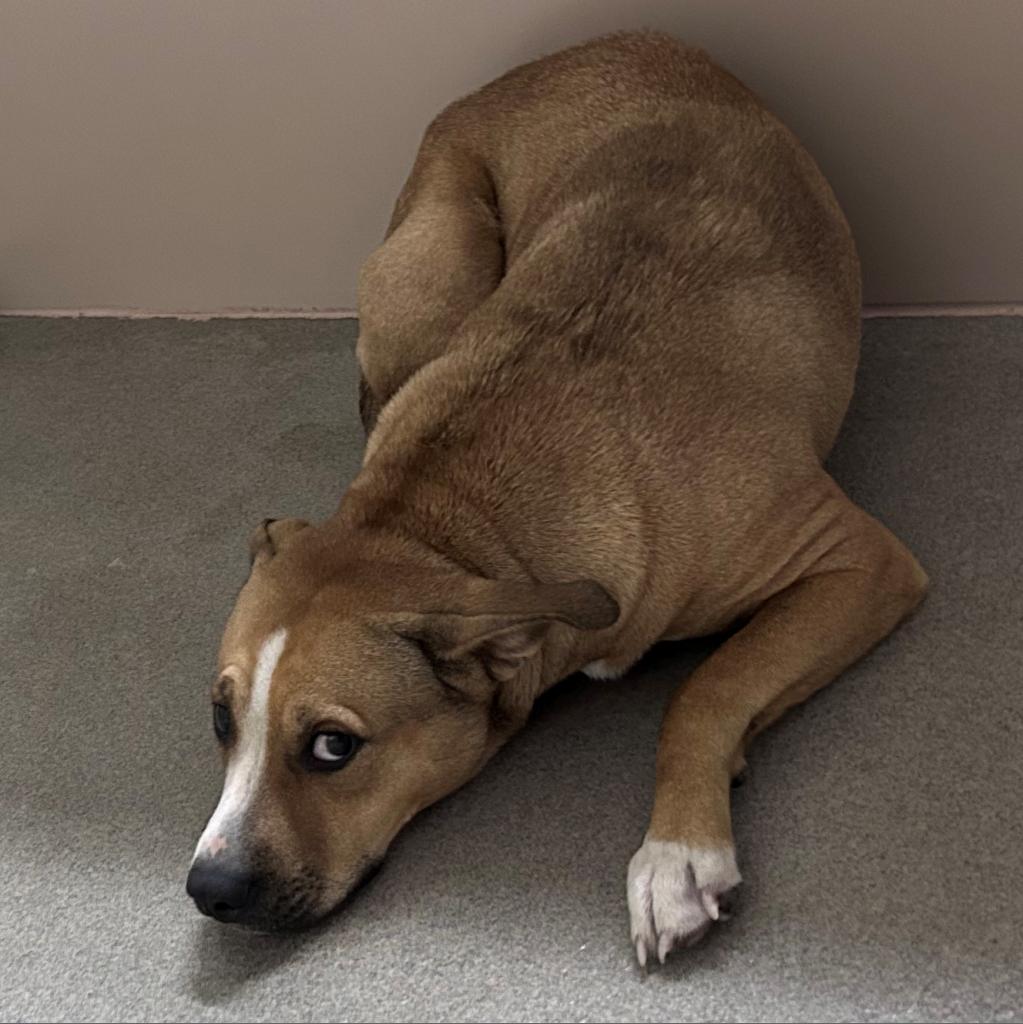
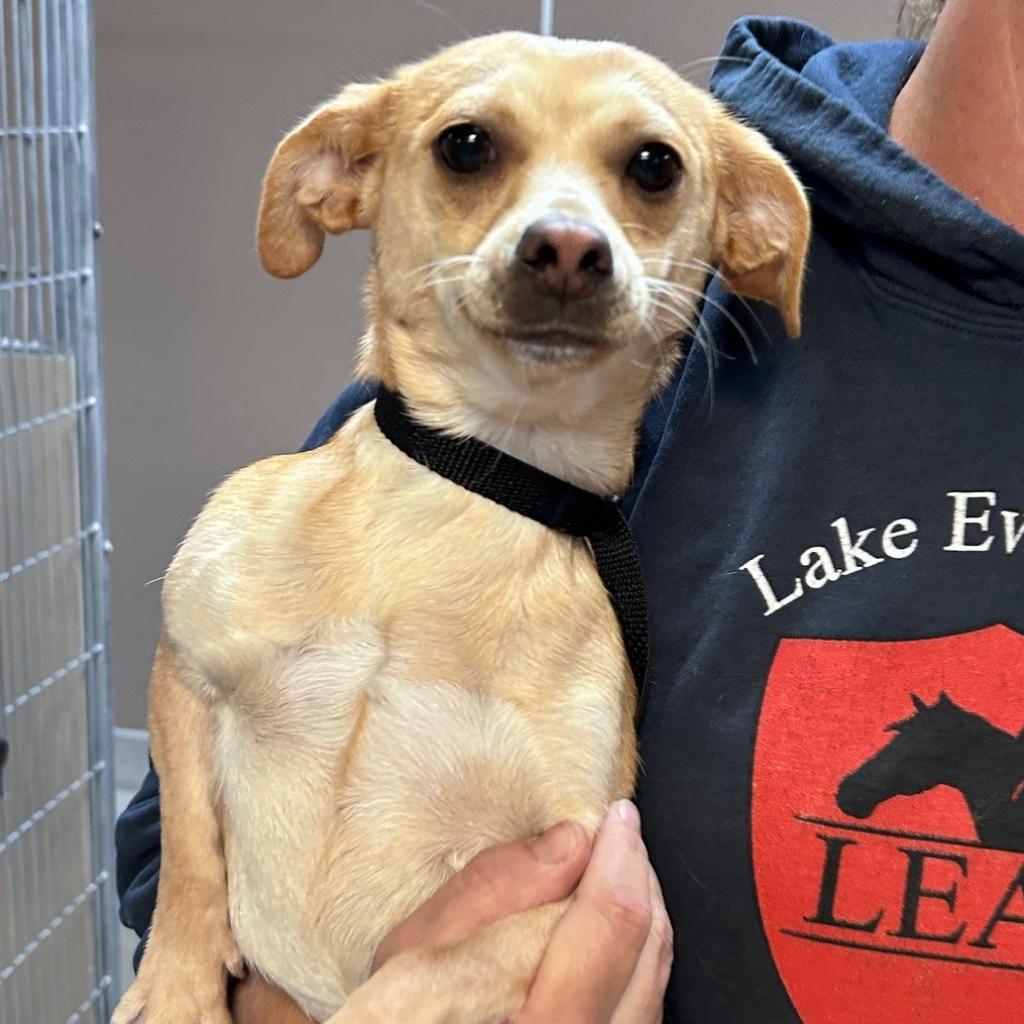
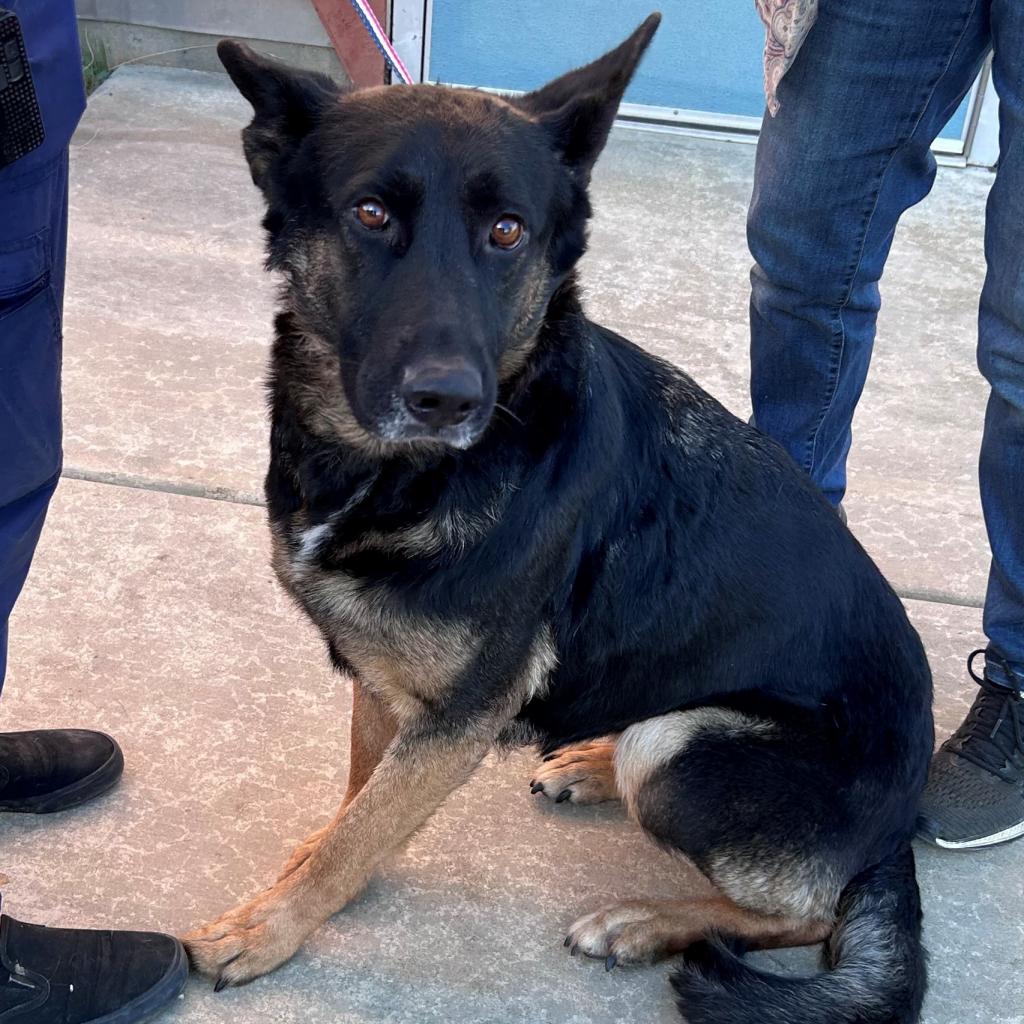
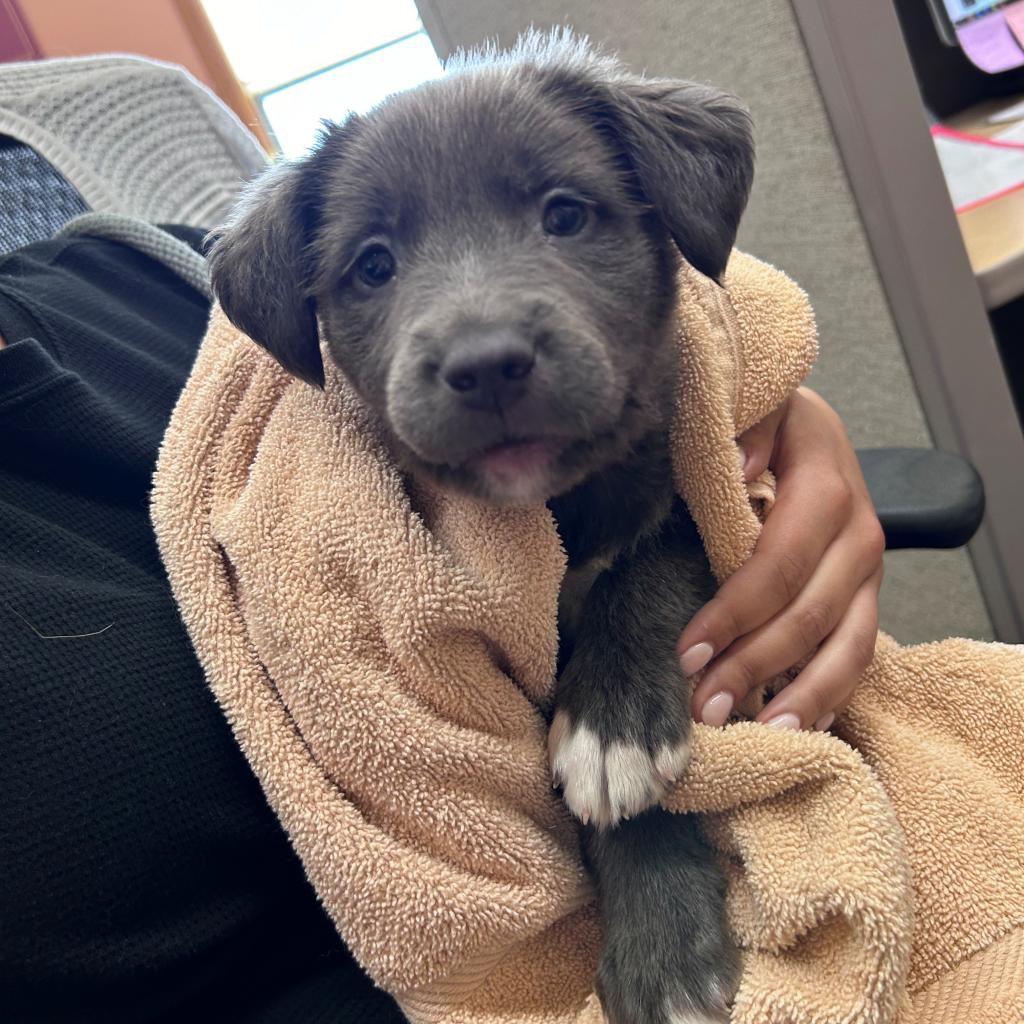
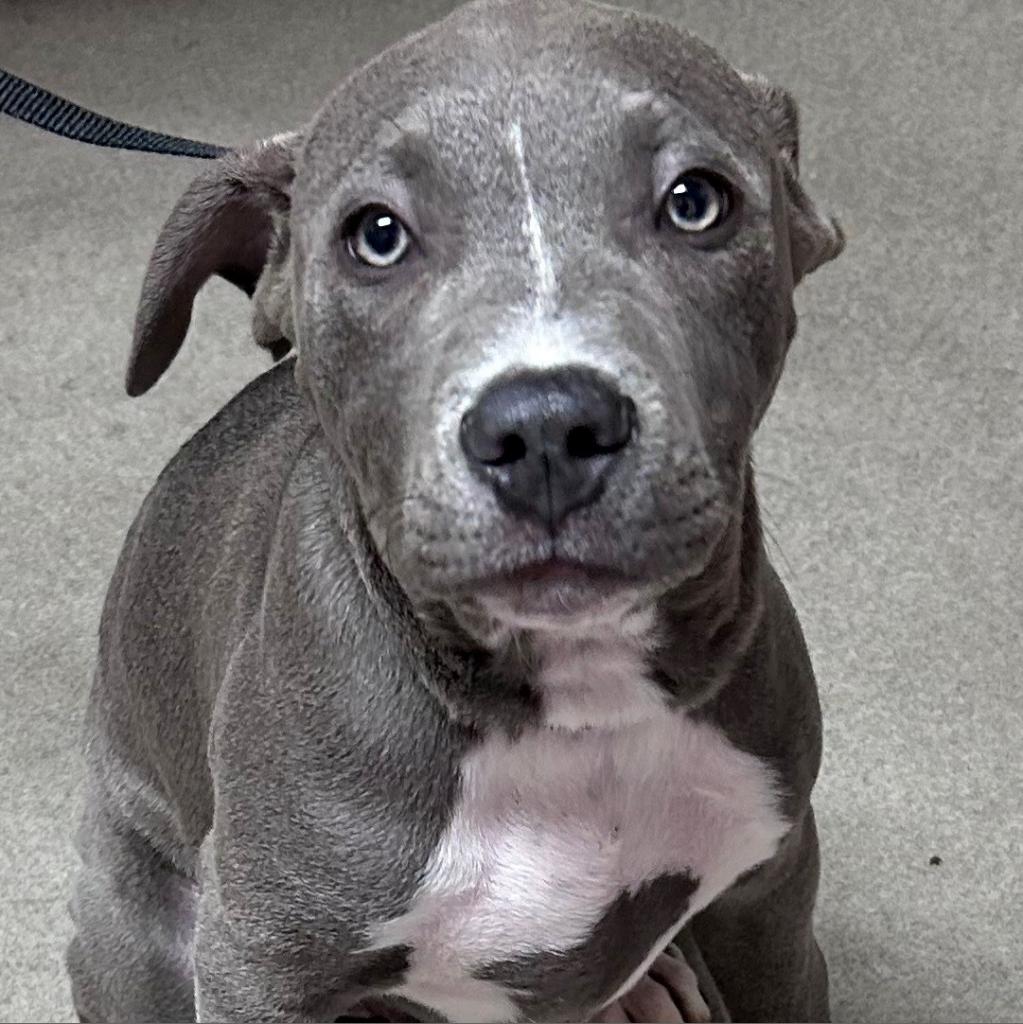
Dogs available for adoption this week include mixes of Australian shepherd, border collie, boxer, Chihuahua, German shepherd, hound, husky, Labrador retriever, pit bull, shepherd and terrier.
Dogs that are adopted from Lake County Animal Care and Control are either neutered or spayed, microchipped and, if old enough, given a rabies shot and county license before being released to their new owner. License fees do not apply to residents of the cities of Lakeport or Clearlake.
Those dogs and the others shown on this page at the Lake County Animal Care and Control shelter have been cleared for adoption.
Call Lake County Animal Care and Control at 707-263-0278 or visit the shelter online for information on visiting or adopting.
The shelter is located at 4949 Helbush in Lakeport.
Email Elizabeth Larson at












- Details
- Written by: Susan Barton, University of Delaware
Autumn is the season to gaze at gorgeous leaves of gold, yellow and orange as they flutter from the trees and fall on our yards – but then, of course, comes the tedious task of raking them up and trying to decide what to do with them. SciLine interviewed Susan Barton, a professor of plant and soil sciences at the University of Delaware, who says taking a lazy approach is actually a win for your garden and the critters that live there.
Below are some highlights from the interview. Answers have been edited for brevity and clarity.
Can leaves on a landscaped property ever be left as they are, or should they always be mulched?
Susan Barton: A layer of leaves on the lawn will exclude light, which would be detrimental to the lawn. So when the leaves fall, either rake them up or chop them up with a lawn mower so they are finer and can sift down in through the grass blades. But if they fall in a landscape bed, or under trees, shrubs and larger plants, it’s fine to just leave the leaves without mulching them.
What are the benefits of mulching leaves rather than removing them?
Susan Barton: The leaves contain nutrients, and they also are a source of organic matter. So if you allow the leaves to go back into the landscape, you are providing nutrients for the plants to take up, and you are providing organic matter that will improve the soil structure.
If you think about forest, where leaves just naturally return to the soil and decompose every year, it’s some of the richest soil we have. By allowing that to happen in your landscape beds, you’re getting the same benefits.
What can keep leaves from blowing from one property to another?
Susan Barton: Chopping them up will dramatically reduce the blowing of the leaves. Make them smaller by either mowing over the leaves where they fall in the lawn, or raking them into piles and then mowing them.
There are also leaf vacuums that vacuum, chop up and put the leaves in a bag. Then you spread the leaves on your landscape beds.
What are the environmental benefits of not removing the leaves?
Susan Barton: If you rake up your leaves, put them in a black plastic bag and have them taken off to a landfill, then they never get to decompose and return those nutrients and organic matter back to the soil. Instead, you’re taking what could be a resource and making it a problem.
Also, many insects spend the winter in leaf litter. And a lot of people might not want insects in their landscape, but only about 2% of all the insects in the world are considered pests. Most of them are either beneficial or of no consequence to humans, and they are very important food sources for birds and other animals. Birds feed the insects, especially caterpillars, to their hatchlings.
So by allowing the insects to overwinter in the leaf litter, you’re supporting bird populations and, of course, pollinators, which help plants produce seeds that can develop into new plants.
When should people fertilize lawns?
Susan Barton: In the fall, because that is when turf grass is primarily growing roots and you’re promoting the kind of grass growth that makes a healthy, dense lawn. When you fertilize in the spring, your grass is growing leaves at that point, so you’re really just causing the grass to grow more and grow faster, and you will need to mow more often. So it really doesn’t make sense to fertilize in the spring.
Also, when you chop up the leaves in the fall, you are actually also fertilizing in the fall because you’re putting those chopped up leaves back into the soil. But it’s a good idea to add some additional fertilizer besides just the leaf litter.
How can people get the most out of their lawns and make their landscaping more environmentally friendly?
Susan Barton: The suburban norm is to have a lawn with some decorative plants around the house, or at the end of the driveway. But I think it’s a good idea to sort of flip that paradigm and design areas of the lawn that provide for play and gathering spaces, and then figure out what everything else can be.
It’s just a different way of thinking about the landscape, and much more environmentally sensitive. It will provide all kinds of ecosystem services, whether it’s better water infiltration or better air quality. If we think about pulling carbon dioxide out of the air, we’re doing it a lot more if we’ve got a ground cover, a shrub layer, a small tree layer and a large tree layer than we are if we have just a lawn.
Watch the full interview to hear more.
SciLine is a free service based at the nonprofit American Association for the Advancement of Science that helps journalists include scientific evidence and experts in their news stories.
Susan Barton, Professor of Plant and Soil Sciences, University of Delaware
This article is republished from The Conversation under a Creative Commons license. Read the original article.
- Details
- Written by: ESA/Hubble/Webb Information Centre

A team of scientists has used multiple space- and ground-based telescopes, including the NASA/ESA/CSA James Webb Space Telescope, to observe an exceptionally bright gamma-ray burst, GRB 230307A, and identify the neutron star merger that generated the explosion that created the burst. Webb also helped scientists detect the chemical element tellurium in the aftermath of the explosion.
Other elements near tellurium on the periodic table — like iodine, which is needed for much of life on Earth — are also likely to be present among the kilonova’s ejected material. A kilonova is an explosion produced by a neutron star merging with either a black hole or with another neutron star.
“Just over 150 years since Dmitri Mendeleev wrote down the periodic table of elements, we are now finally in a position to start filling in those last blanks of understanding where everything was made, thanks to Webb,” said Andrew Levan of Radboud University in the Netherlands and the University of Warwick in the United Kingdom, lead author of the study.
While neutron star mergers have long been theorized as being the ideal “pressure cookers” to create some of the rarer elements substantially heavier than iron, astronomers have previously encountered a few obstacles to obtaining solid evidence.
Kilonovas are extremely rare, making it difficult to observe these events. Short gamma-ray bursts, or GRBs, traditionally thought to be those that last less than two seconds, can be byproducts of these infrequent merger episodes. In contrast, long gamma-ray bursts may last several minutes and are usually associated with the explosive death of a massive star.
The case of GRB 230307A is particularly remarkable. First detected by NASA’s Fermi Gamma-ray Space Telescope in March, it is the second brightest GRB observed in over 50 years of observations, about 1000 times brighter than a typical gamma-ray burst that Fermi observes. It also lasted for 200 seconds, placing it firmly in the category of long-duration gamma-ray bursts, despite its different origin.
“This burst is way into the long category. It’s not near the border. But it seems to be coming from a merging neutron star,” added Eric Burns, a co-author of the paper and member of the Fermi team at Louisiana State University.
The collaboration of many telescopes on the ground and in space allowed scientists to piece together a wealth of information about this event as soon as the burst was detected. It is an example of how satellites and telescopes work together to witness changes in the Universe as they unfold.
After the initial detection, an intensive series of observations from the ground and from space, swung into action to pinpoint the source on the sky and track how its brightness changed. These observations in the gamma-ray, X-ray, optical, infrared, and radio showed that the optical/infrared counterpart was faint, evolved quickly, and became very red – the hallmarks of a kilonova.
“This type of explosion is very rapid, with the material in the explosion also expanding swiftly,” said Om Sharan Salafia, a co-author of the study at the INAF — Brera Astronomical Observatory in Italy. “As the whole cloud expands, the material cools off quickly and the peak of its light becomes visible in the infrared, and becomes redder on time scales of days to weeks.”
At later times it would have been impossible to study this kilonova from the ground, but these were the perfect conditions for Webb’s NIRCam (Near-Infrared Camera) and NIRSpec (Near-Infrared Spectrograph) instruments to observe this tumultuous environment. The spectrum has broad lines that show the material is ejected at high speeds, but one feature is clear: light emitted by tellurium, an element rarer than platinum on Earth.
The highly sensitive infrared capabilities of Webb helped scientists identify the home address of the two neutron stars that created the kilonova: a spiral galaxy about 120,000 light-years away from the site of the merger.
Prior to their venture, they were once two normal massive stars that formed a binary system in their home spiral galaxy. Since the duo was gravitationally bound, both stars were launched together on two separate occasions: when one among the pair exploded as a supernova and became a neutron star, and when the other star followed suit.
In this case, the neutron stars remained as a binary system despite two explosive jolts and were kicked out of their home galaxy. The pair traveled approximately the equivalent of the Milky Way galaxy’s diameter before merging several hundred million years later.
Scientists expect to find even more kilonovas in the future thanks to the increasing number of opportunities to have space and ground-based telescopes working in complementary ways to study changes in the Universe.
“Webb provides a phenomenal boost and may find even heavier elements,” said Ben Gompertz, a co-author of the study at the University of Birmingham in the United Kingdom. “As we get more frequent observations, the models will improve and the spectrum may evolve more in time. Webb has certainly opened the door to do a lot more, and its abilities will be completely transformative for our understanding of the Universe.”
These findings have been published in the journal Nature.
Webb is the largest, most powerful telescope ever launched into space. Under an international collaboration agreement, ESA provided the telescope’s launch service, using the Ariane 5 launch vehicle. Working with partners, ESA was responsible for the development and qualification of Ariane 5 adaptations for the Webb mission and for the procurement of the launch service by Arianespace. ESA also provided the workhorse spectrograph NIRSpec and 50% of the mid-infrared instrument MIRI, which was designed and built by a consortium of nationally funded European Institutes (The MIRI European Consortium) in partnership with JPL and the University of Arizona.
Webb is an international partnership between NASA, ESA and the Canadian Space Agency.
- Details
- Written by: Lake County News
This gathering of volunteers and patriots takes place in local, state, and national cemeteries in all 50 states — including Hartley Cemetery, Kelseyville Cemetery, Upper Lake Cemetery, Lower Lake Cemetery, Middletown and St. Mary’s Lakeport cemeteries.
Each year, a new theme is chosen to help volunteers and supporters focus their messaging and outreach in their own communities.
The theme for this year is “Serve and Succeed.”
The organization will continue its commitment to supporting and bringing attention to the needs of our veteran community while also showcasing the continued contributions of those who serve.
This year, National Wreaths Across America Day is Saturday, Dec. 16.
The event is free and open to the public. The observance will begin at 9 a.m. at all the cemeteries noted above in Lake County.
In 2022, approximately 2.7 million veterans’ wreaths were placed by volunteers on headstones at 3,702 participating locations around the country in honor of the service and sacrifices made for our freedoms”, each name said out loud.
“Wreaths Across America volunteers work year-round to ensure military laid to rest are remembered, their families and living veterans are honored, and the next generation is taught about the value of freedom,” said Toni Funderburg, site coordinator for Hartley Cemetery.
Wreaths Across America is a 501(c)(3) nonprofit organization founded to continue and expand the annual wreath-laying ceremony at Arlington National Cemetery begun by Maine businessman Morrill Worcester in 1992.
The organization’s mission — “Remember, Honor, Teach” — is carried out in part each year by coordinating wreath-laying ceremonies in December at Arlington, as well as at thousands of veterans’ cemeteries and other locations in all 50 states and beyond.
Delta Iota Tau, Girl Scouts in Kelseyville, Lake County 4-H Group in Lower Lake and FFA in Upper Lake and Middletown will be accepting donations for wreaths until Nov. 27.
It is the goal of each sponsoring group to place a remembrance wreath on each veteran gravesite at the cemeteries listed.
To do this they need your help. An Individual sponsorship cost $17 for one wreath and the family option costs $68 for four wreaths. Small businesses can fund 10 wreaths for $170 or any amount can be sponsored for $17 per wreath.
People can register to volunteer or sponsor a wreath at Hartley Cemetery by visiting https://wreathsacrossamerica.org/CA0751P or choose another Cemetery or Sponsor Group in Lake County by copying and pasting this URL in your search bar and in the middle of the page you can click Cemetery and Sponsoring Group.
There is no better time to express appreciation for our veterans than during the hustle and bustle of the holiday season. Everyone knows or has known a veteran.
Sponsors are on a mission to remember, honor and teach. Join them by sponsoring wreaths to be placed in honor of a veteran this December. They will ensure that their sacrifice is remembered yet again and passed on to a new generation of Americans.
- Veterans Day: The nation’s first veterans and how military service has changed
- California State Parks encourages off-highway vehicle enthusiasts to ‘Be Off-Road Heroes’ during OHV Safety Week
- Biden-Harris Administration agencies sign interagency agreement to address wildfire risk and protect communities from smoke