How to resolve AdBlock issue?
Refresh this page
How to resolve AdBlock issue?
Refresh this page
Lake County News,California
  • Home
    • Registration Form
  • News
    • Education
    • Veterans
    • Community
      • Obituaries
      • Letters
      • Commentary
    • Police Logs
    • Business
    • Recreation
    • Health
    • Religion
    • Legals
    • Arts & Life
    • Regional
  • Calendar
  • Contact us
    • FAQs
    • Phones, E-Mail
    • Subscribe
  • Advertise Here
  • Login
How to resolve AdBlock issue?

Refresh this page

News

Tuleyome Tales: Western fence lizard, unsung hero or just a regular Joe?

Details
Written by: Diana Drips
Published: 04 August 2024
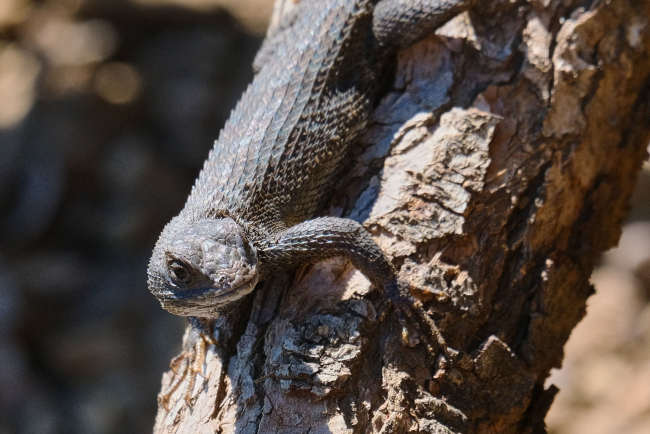
Close up of a Western fence lizard (Sceloporus occidentalis). Photo courtesy of Tuleyome.

NORTHERN CALIFORNIA — You have probably seen hundreds of them in your life, the unassuming Western fence lizard (Sceloporus occidentalis).

During summer months, they can be seen scampering about in our gardens, skittering along hiking trails and sunbathing on rocks or fences, as their name implies.

The Western fence lizard has been at the center of a scientific debate in recent years related to their connection with black legged deer ticks that carry the bacterium that causes Lyme’s disease.

A study done by UC Berkeley Etymologist Robert Lane in 1998 found that a protein in their blood kills the bacterium that causes Lyme’s disease. When a tick infected with this bacterium feeds on a Western fence lizard, this protein kills the bacterium inside the tick, after which the tick can no longer spread the disease.

Based on this finding, it was assumed that these lizards help reduce the risk of Lyme infections in areas where they are present. Since learning this I have seen them as tiny little superheroes, running around in plain clothes as superheroes are wont to do in their free time.

However, as I sat down to write about their heroics, I found that a later study conducted by graduate students at UC Berkeley, including Andrea Swei, a lead author of the study, showed that the relationship between ticks and these lizards is much more complex than initially assumed.

In 2010 researchers removed a number of Western fence lizards from two areas in Marin County with the hypothesis that this reduction in the lizard population would increase the prevalence of infected ticks.

Surprisingly, their findings showed that the decrease in lizard numbers actually had the impact of decreasing tick populations as not all ticks were able to find another suitable host.

These conflicting findings remind us that there is still much we have to learn about the complexities of our ecosystems, and the delicate balance that each species helps maintain.

So, whether they are regional heroes that help protect us from Lyme’s, or just a regular Joe that has to weather more than their fair share of tick bites, they are cool neighbors that do some pretty interesting things and are fun to watch in the summer months.

Western fence lizards sustain themselves on a diet of mostly insects, including spiders, flies, caterpillars, and mosquitos. They are most commonly found in California, but their range stretches north to Washington, east to Arizona and Utah and as far south as Northern Mexico. Throughout their range, they can live in most climates, except harsh deserts.

Measuring between 3.9 and 8.4 inches in length, their backs and limbs are covered with matte spiny scales in brown, gray, tan, black and beige. Their undersides are smooth, in shades of white and yellow, and they have characteristic vibrant cerulean to navy blue patches that give them their nickname, Blue-bellies.

The mating displays of males in spring can provide some delightful nature watching. Sceloporus occidentalis are territorial, and they will show their dominance and reproductive prowess by repeatedly raising themselves up in a “push-up” motion, revealing their blue underbellies. At night females dig small underground pits in damp soil, where they lay clutches of 3-17 eggs. They can have up to three clutches in a year, with juveniles hatching in July and August.

As temperatures cool, between October and March, they go into a hibernation-like state called brumation, where their body systems slow down, conserving energy. During brumation they are vulnerable to predation, thus hide under tree bark, rocks, and in small crevices or underground burrows. They have evolved to sleep with one eye open, which scientists believe allows them to rest one side of their brain while maintaining awareness with the other.

Sceloporus occidentalis can live five to seven years in the wild. A preferred prey of many birds, they are also predated upon by snakes, coyotes, racoons and domestic cats.

They have a defensive strategy called caudal autotomy, for getting away from would-be predators. When grasped, the tail self-amputates and flops around to distract the predator, allowing time to escape.

During the three to five weeks that it takes to regrow their tail, they are at greater risk of predation as they lack the ability to protect themselves in this critical way. Additionally, lizards with regrown tails are less attractive to future mates, and can be prone to increased parasite infestation, making losing their tail a very costly injury.

There are many ways to support Western fence lizards. Spaying and neutering cats, and keeping domestic cats indoors decreases non-native predation of these native lizards.

Avoiding pesticide usage in our yards has positive impacts on lizards that rely upon insects for sustenance. Lizards need safe cover from predators, and simply adding a few well-placed rocks or logs to outdoor landscapes can provide needed refuge. Planting native plants draws beneficial insects which lizards need to thrive.

Lastly, as tempting as it may be to a child (or curious adult) to pick up a lizard, they are likely to lose their tail in defense, and this puts them in danger even after you have let them go. With lizards, like other wildlife, it is best to look and not touch.

So, while I love the story that they have Lyme protective superpowers that help humans, it may be that their superpower is merely a self-protective adaptation that we happen to sometimes benefit from. Nevertheless, they are interesting neighbors that we can protect and enjoy watching from a distance.

Diana Drips is a Certified California Naturalist. Tuleyome is a 501(c)(3) nonprofit conservation organization based in Woodland, California. For more information go to www.tuleyome.org.


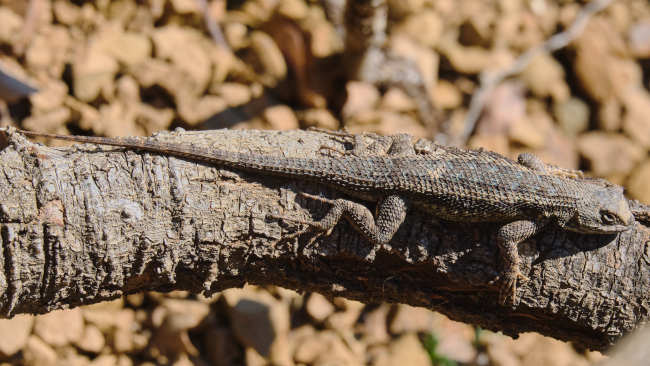
Western fence lizard (Sceloporus occidentalis) sunbathing on a branch. Photo courtesy of Tuleyome.

Blackberry Cobbler Festival planned for Aug. 24

Details
Written by: Lake County News reports
Published: 04 August 2024
Blackberry festival crowds enjoy local wine and beer in 2023. Image from video by Alan Hurwitz.

COBB, Calif. — On Saturday, Aug. 24, the community of Cobb in Lake County will host the fourth annual Blackberry Cobbler Festival.

This year’s event will take place at Belmont Pines, formerly Mountain Meadow Venue, located at 16451 Golf Road in Cobb, from 11 a.m. to 5 p.m.

The Cobb Area Council, in partnership with the Seigler Springs Community Redevelopment Association, produces this event for the community and the surrounding areas to attract new visitors to Cobb, and to celebrate its local products and services.

This themed festival is a showcase of local businesses, musicians, artisans, and community organizations. This includes more than 70 vendors selling everything from blackberry scented soaps and candles to blackberry infused vinegars and baked goods.

Live music on stage at Mountain Meadow will be provided by The Lost Coast Smugglers and Three on the Tree.

The seriously competitive Blackberry Cobbler Recipe Contest awards the winners with gift cards from sponsors.

Art is a big part of the festival, and the local artists will bring their creations in various mediums such as ceramics, stained glass, oil painting, wood working, jewelry and photography.

Cobbler recipe contest winner in 2022. Photo by Jessica Jennings Pyska.

Locally donated beer and wine will be available for purchase.

After visiting various food vendors, attendees can enjoy the signature Blackberry Cobblers sold by the local chapter of the Cobb Mountain Lions Club.

The Kids Zone will allow kids to expel all that energy in their own special area. Environmental and wildfire protection information will be shared at the Seigler Springs Community Redevelopment Association booth.

By attracting visitors to Cobb Mountain for this popular summer festival, the Cobb Area Council proceeds towards their goal of improving the local economy and the visibility of the Cobb area to Lake County and its surrounding areas.

As it continues to rebound after the Valley fire of 2015, this has become Cobb’s signature event of the year, with a turnout expected to be similar to 2023’s turnout of approximately 4,000 attendees.

Festival-goers under the shade of tall trees in 2019. Photo by Esther Oertel/Lake County News.

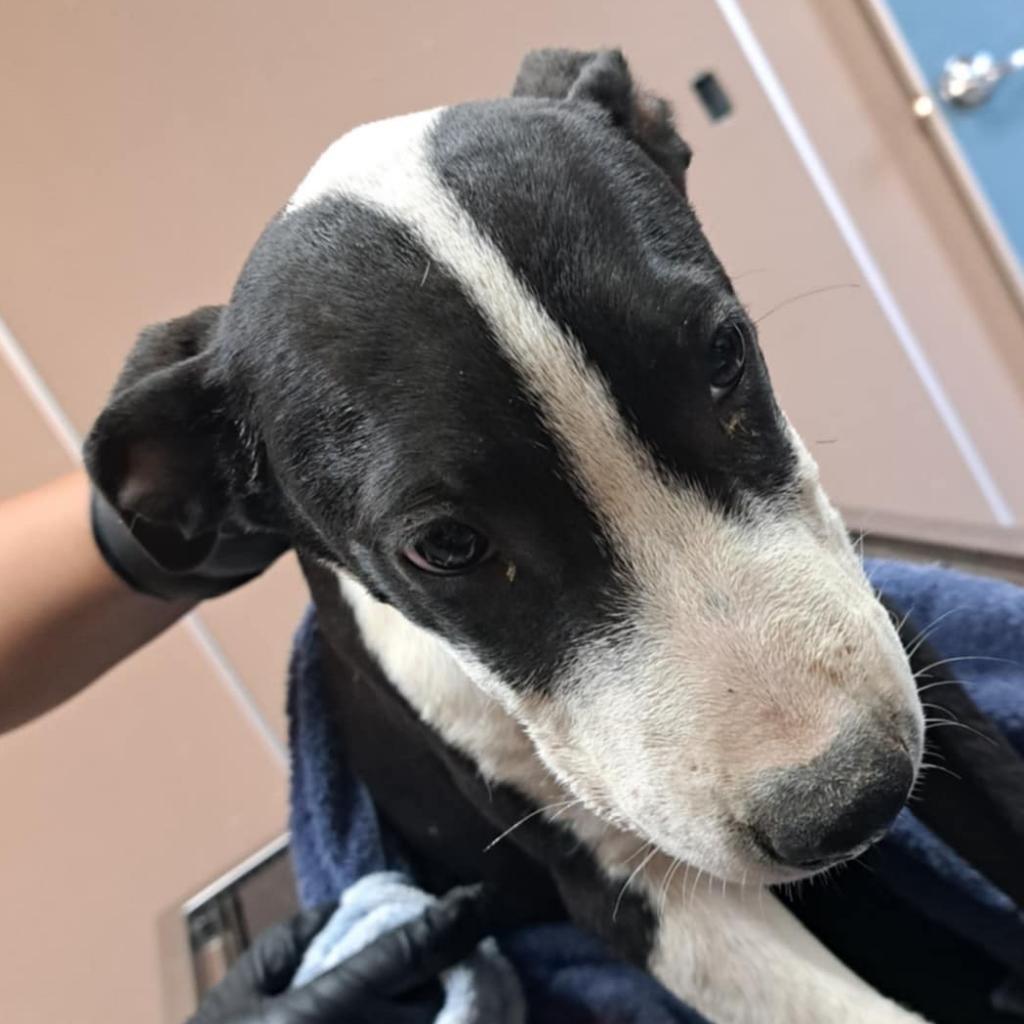
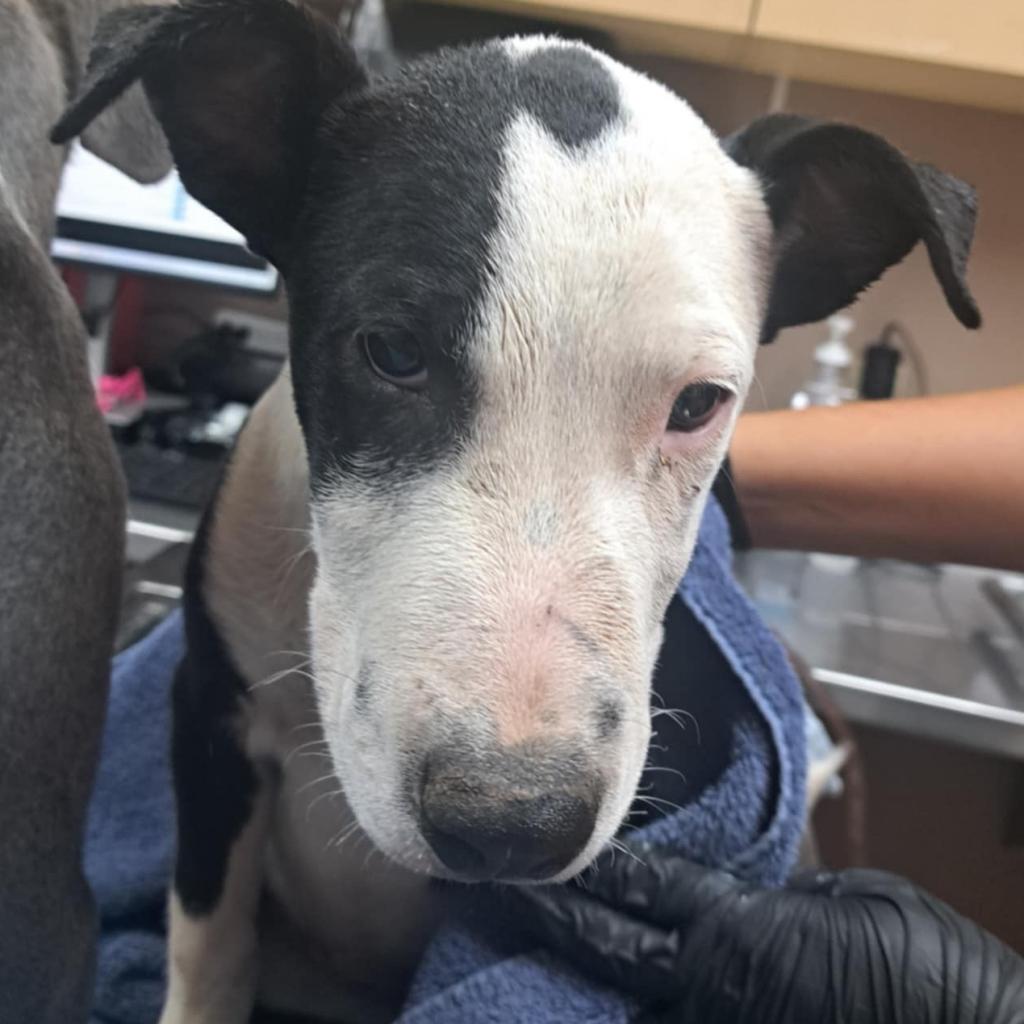
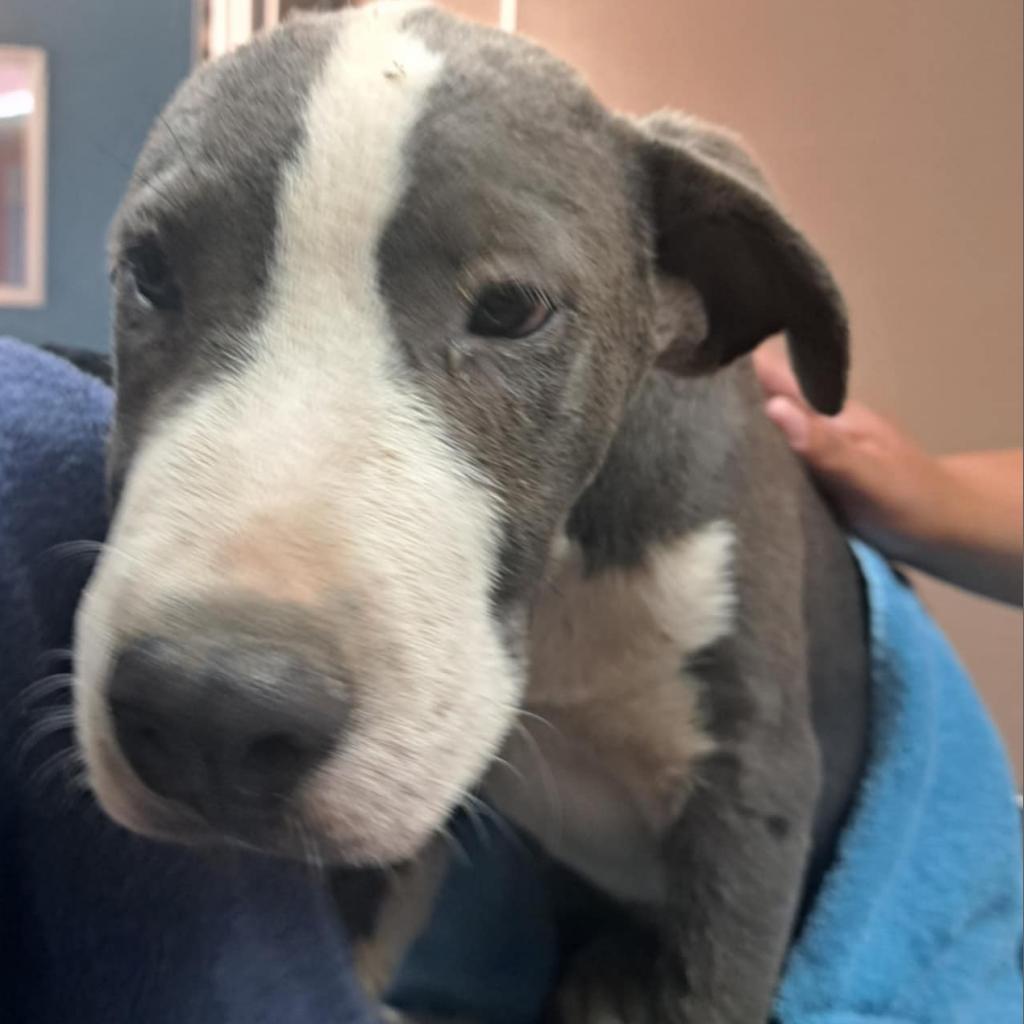
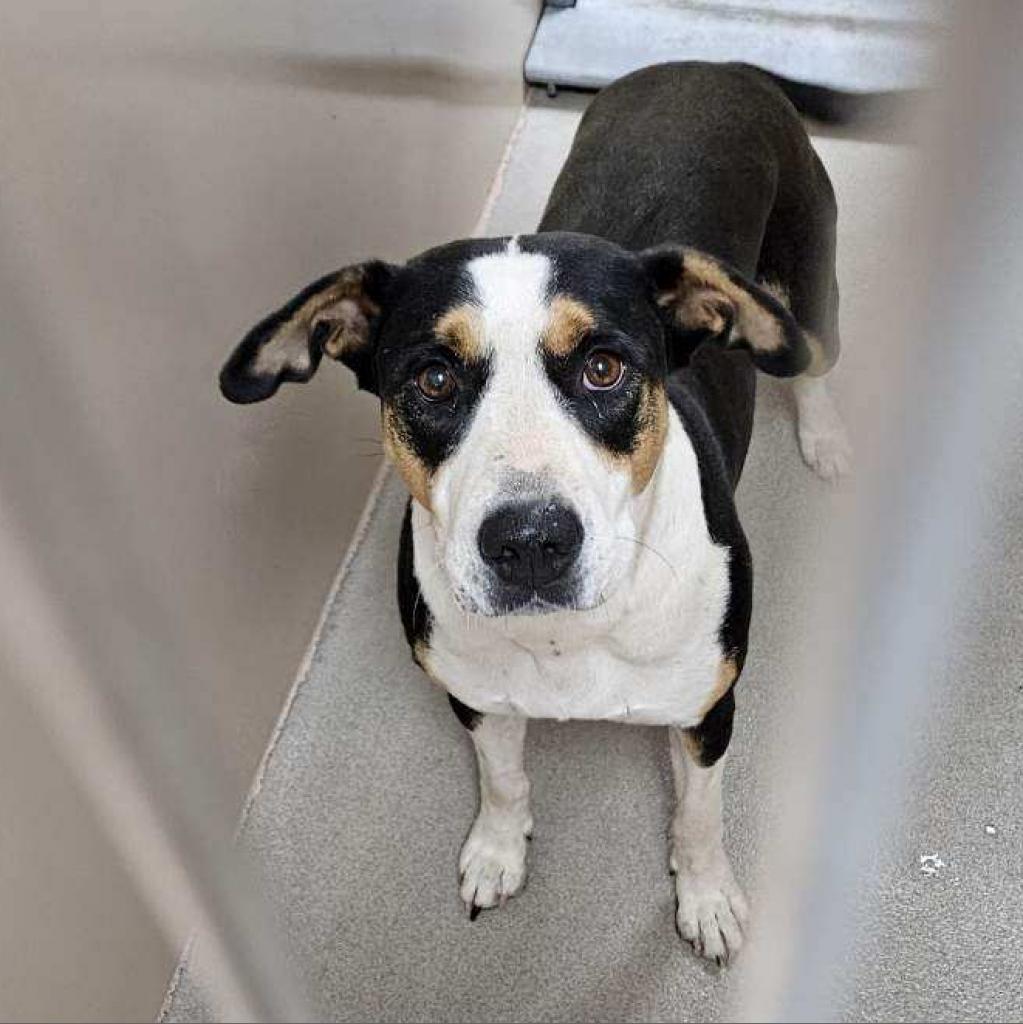
Helping Paws: Little dogs, big dogs and puppies

Details
Written by: Elizabeth Larson
Published: 04 August 2024
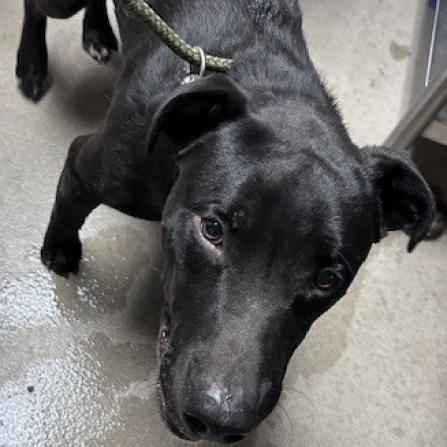
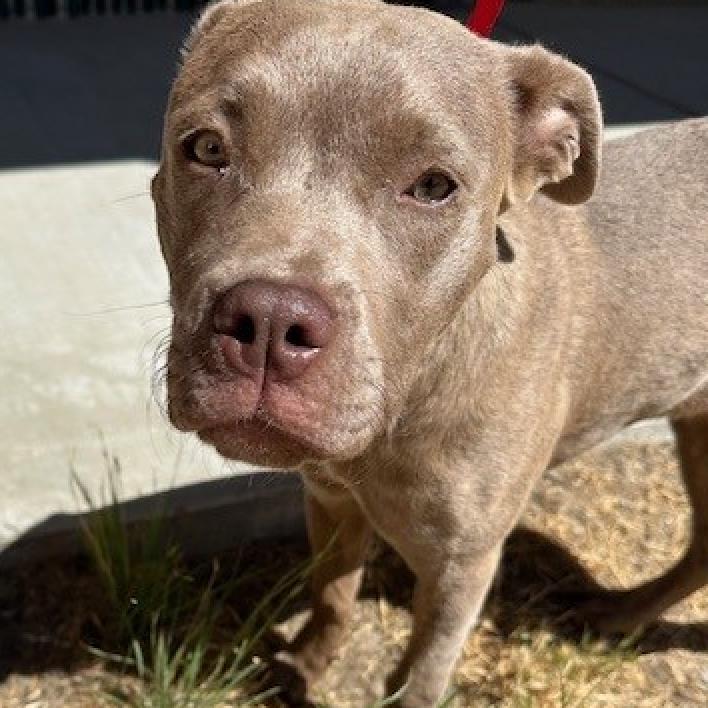
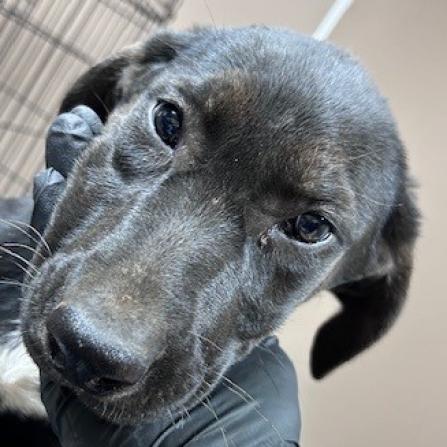
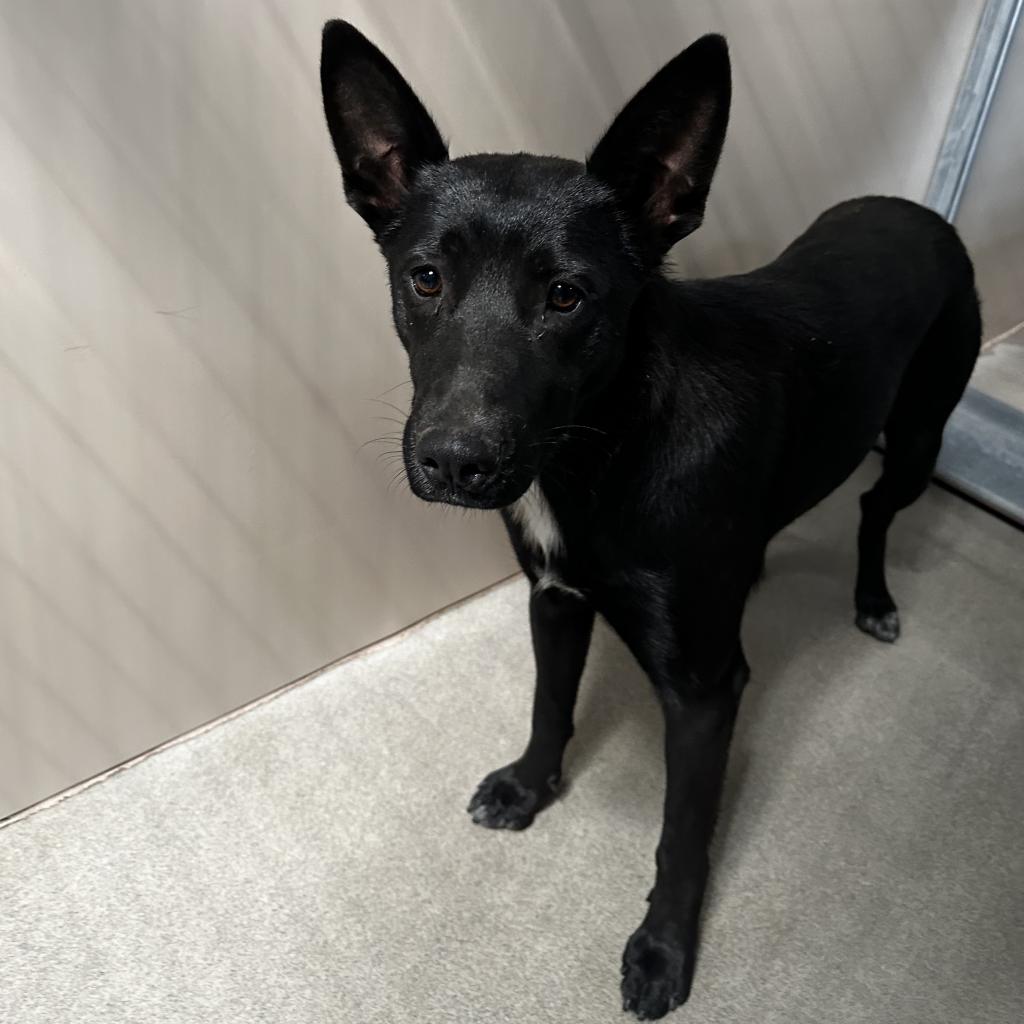
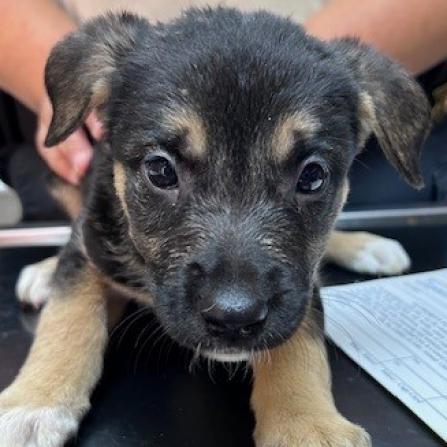
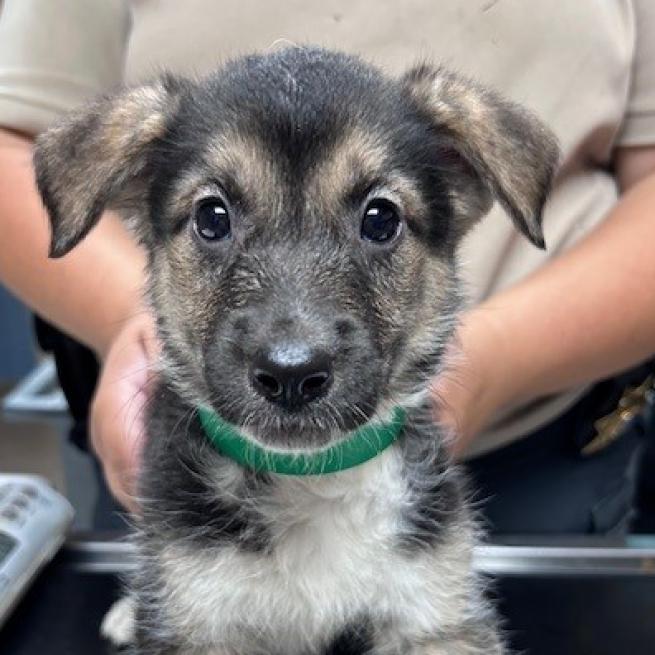
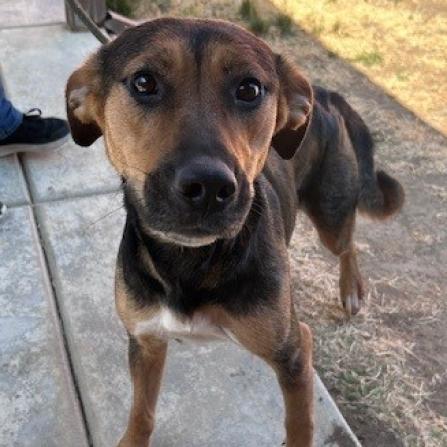
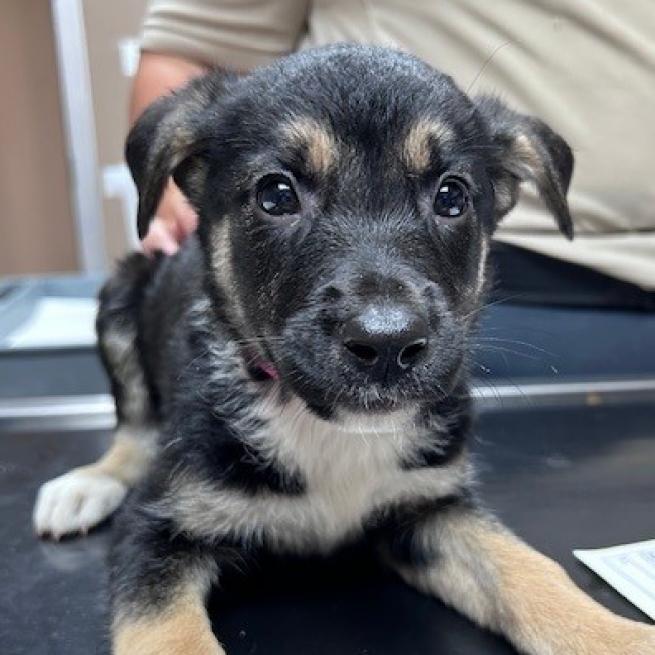
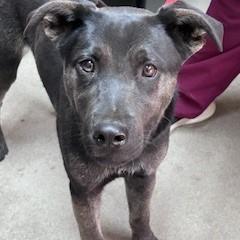
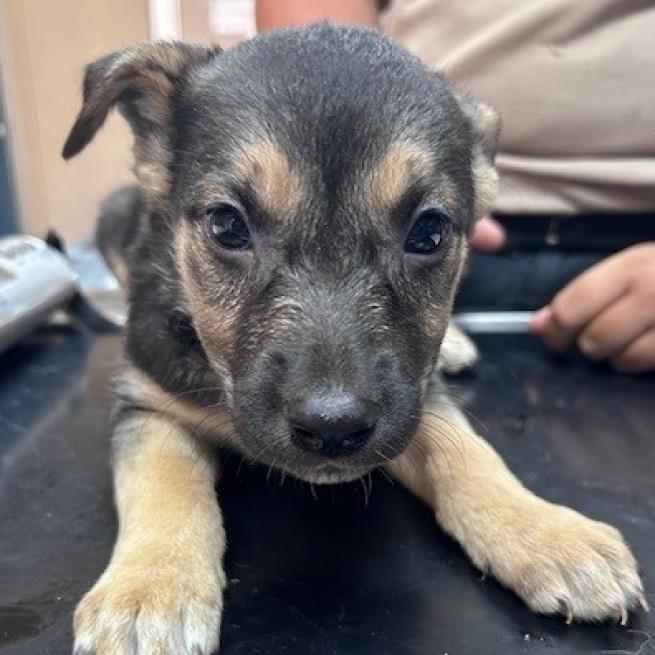
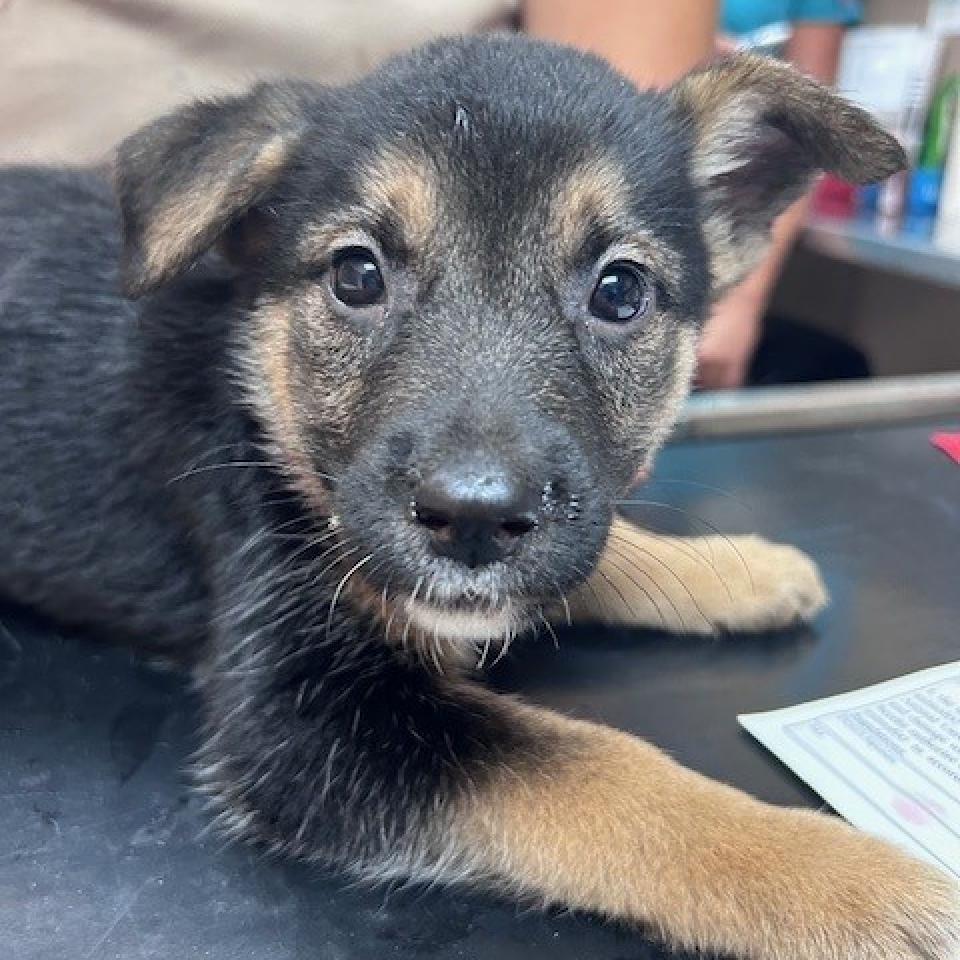
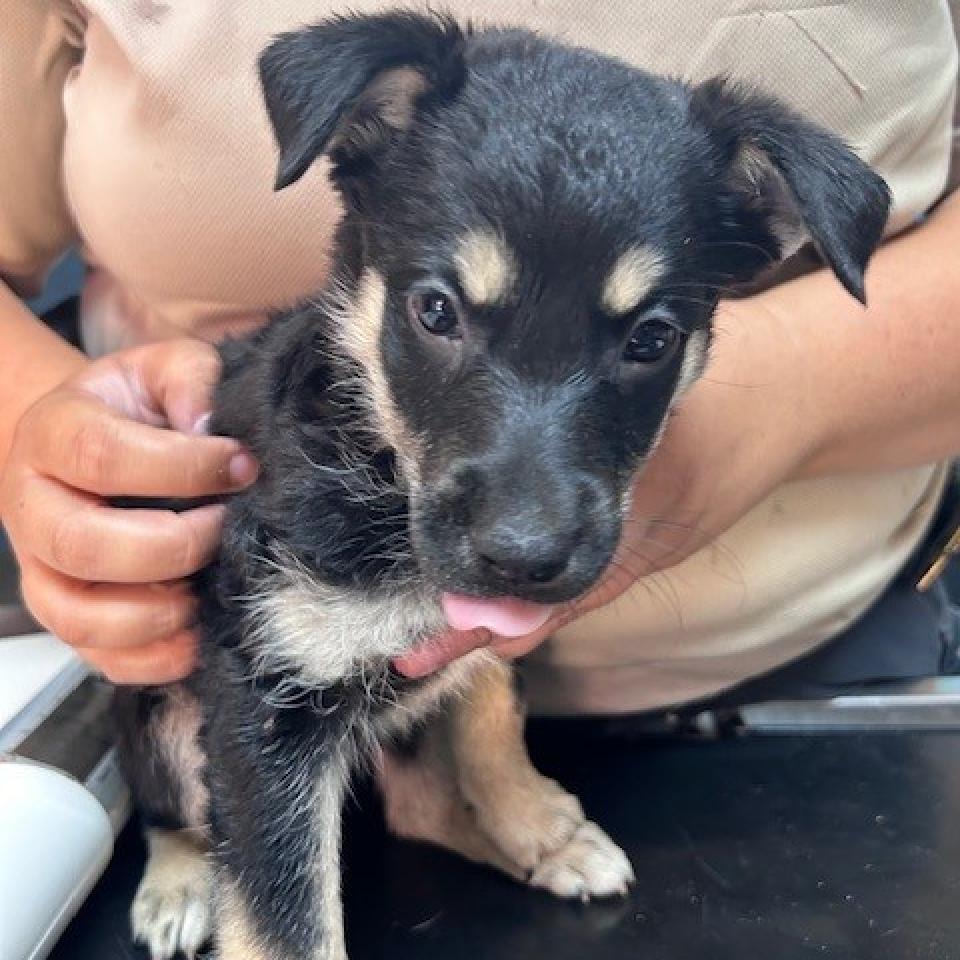
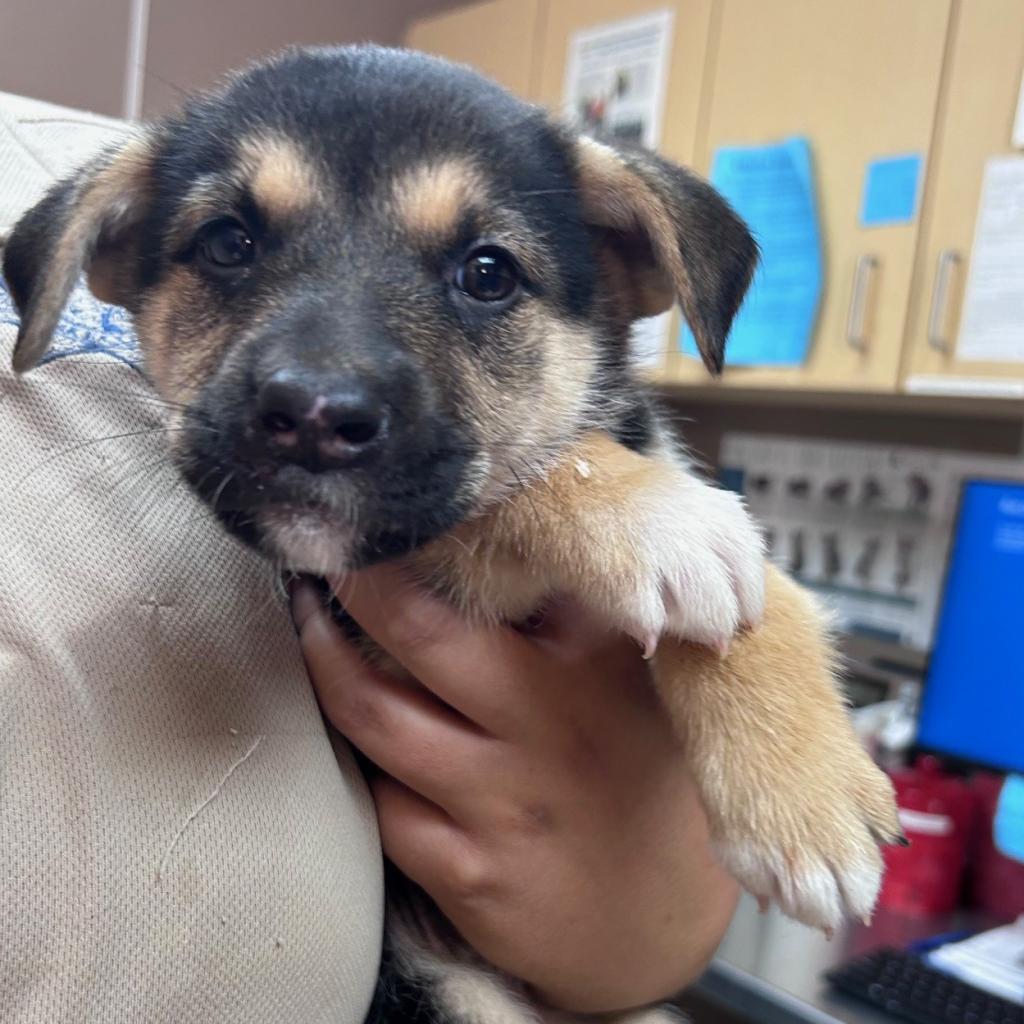
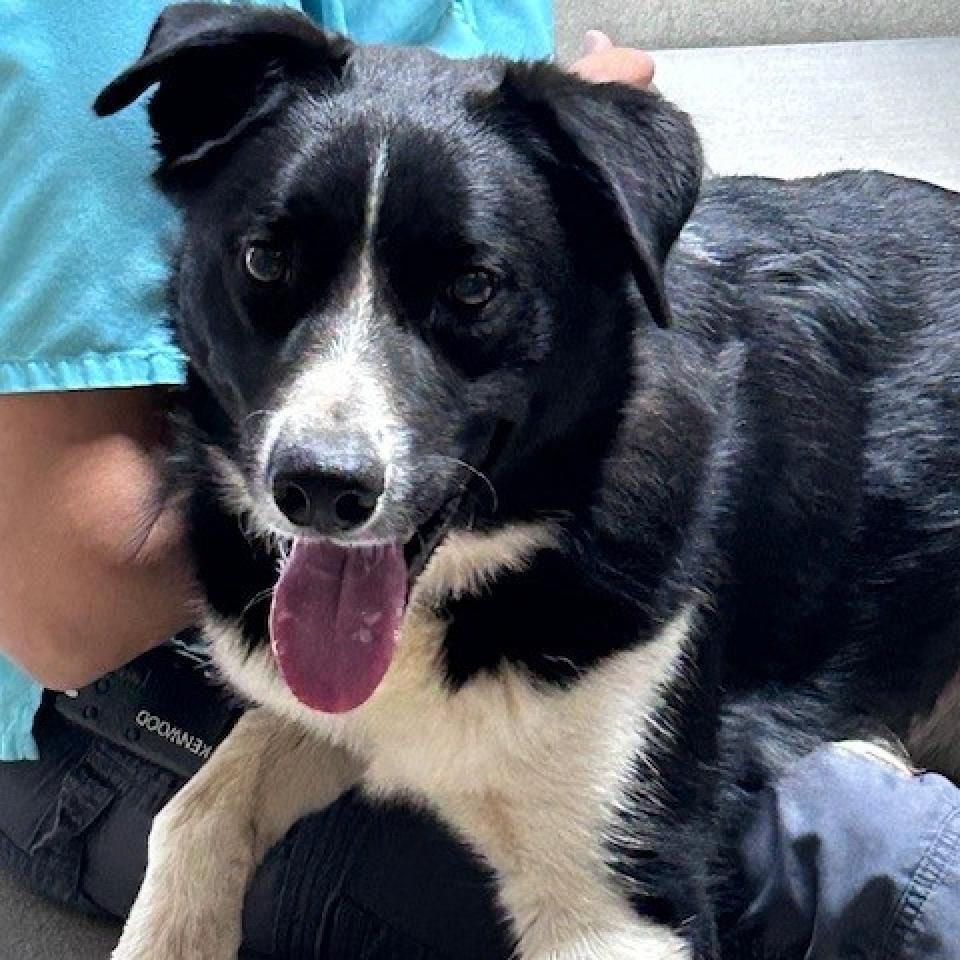
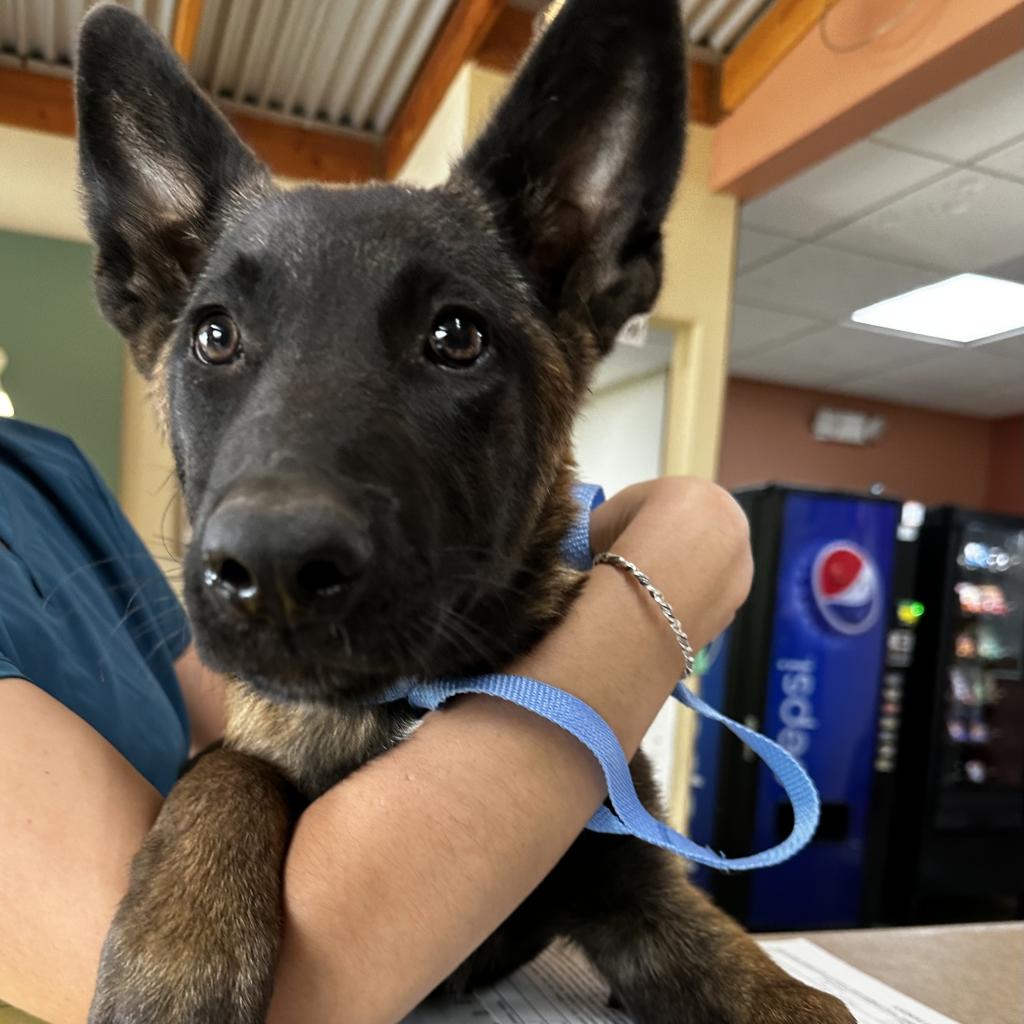
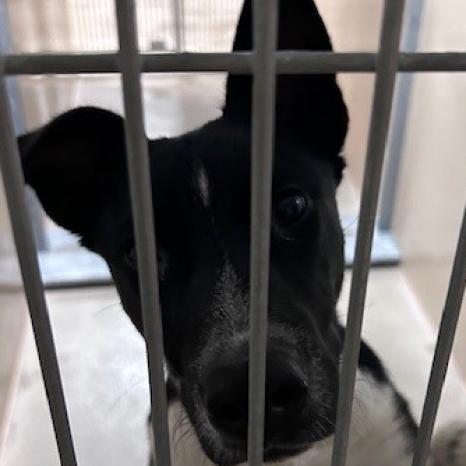
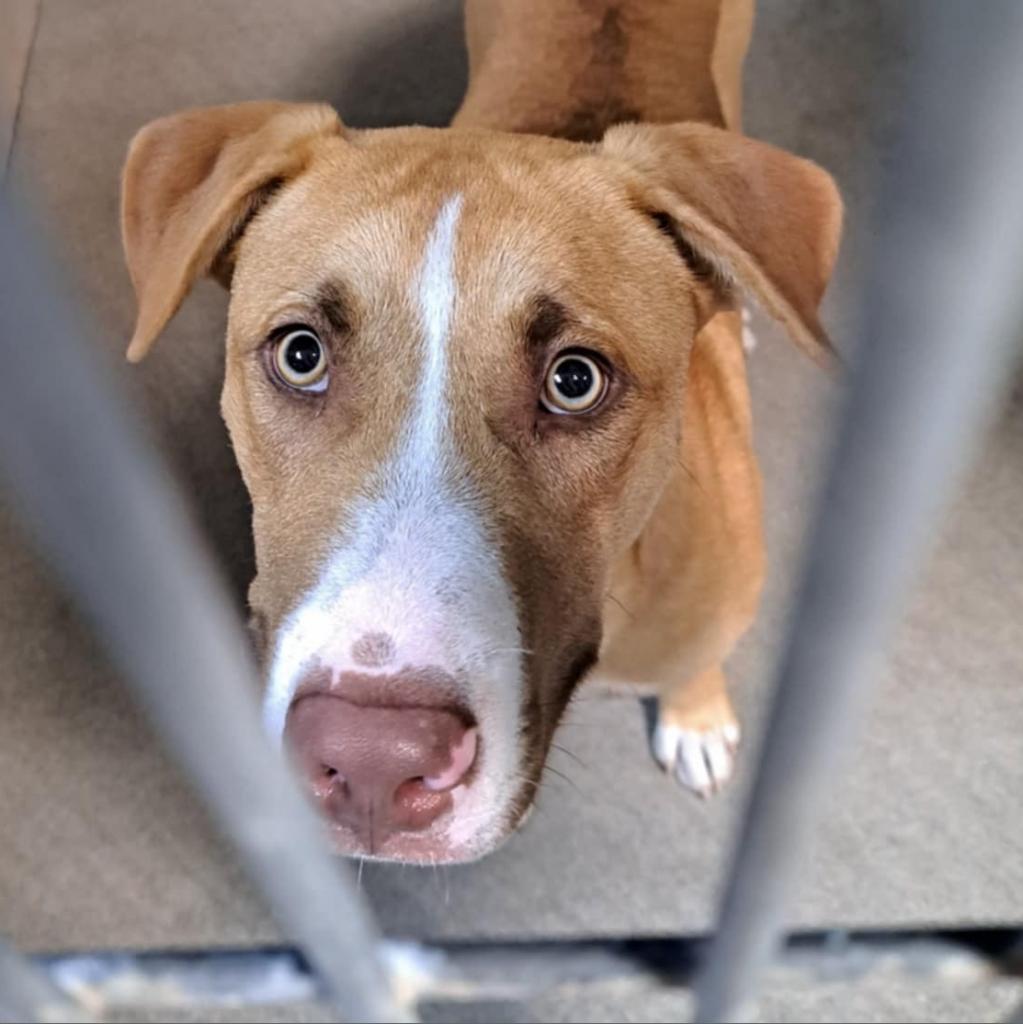
LAKE COUNTY, Calif. — Lake County Animal Care and Control has a full shelter of dogs waiting for their new forever homes.

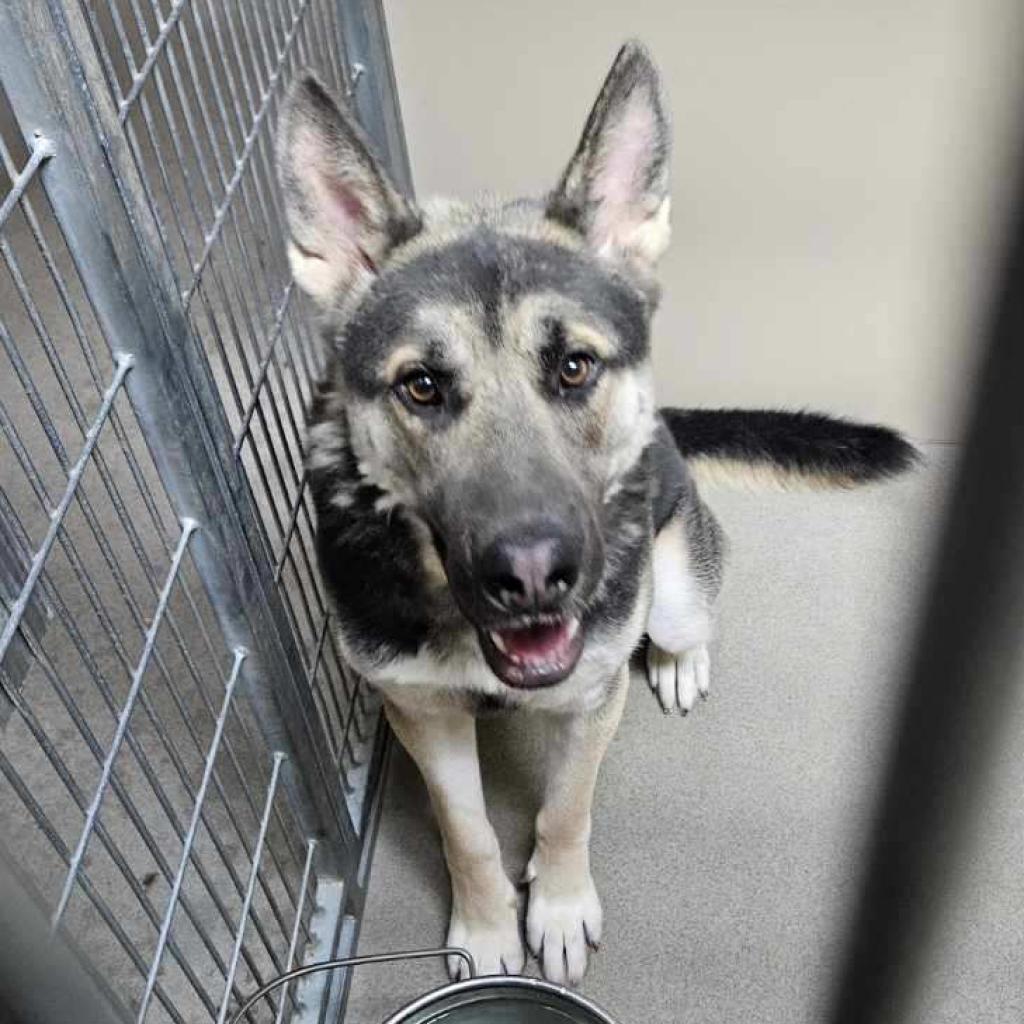
Dogs available for adoption this week include mixes of Australian cattle dog, border collie, Chihuahua, German shepherd, Labrador Retriever, pit bull terrier, poodle, pug, Rottweiler and terrier.

Dogs that are adopted from Lake County Animal Care and Control are either neutered or spayed, microchipped and, if old enough, given a rabies shot and county license before being released to their new owner. License fees do not apply to residents of the cities of Lakeport or Clearlake.

Those dogs and the others shown on this page at the Lake County Animal Care and Control shelter have been cleared for adoption.

Call Lake County Animal Care and Control at 707-263-0278 or visit the shelter online for information on visiting or adopting.

The shelter is located at 4949 Helbush in Lakeport.

Email Elizabeth Larson at This email address is being protected from spambots. You need JavaScript enabled to view it.. Follow her on Twitter, @ERLarson, or Lake County News, @LakeCoNews.

 
Kennel#7's preview photo
Kennel#7

Kennel#23(Rocky)'s preview photo
Kennel#23(Rocky)

Kennel#26(Sparkles)'s preview photo
Kennel#26(Sparkles)

Kennel#22's preview photo
Kennel#22

Kennel#14's preview photo
Kennel#14

Kennel#24's preview photo
Kennel#24

Kennel#25's preview photo
Kennel#25

Kennel#10's preview photo
Kennel#10

Kennel#31(BigBoy)'s preview photo
Kennel#31(BigBoy)

Kennel#27's preview photo
Kennel#27

Kennel#17's preview photo
Kennel#17

Kennel#9's preview photo
Kennel#9

Kennel#16(PinkCollar)'s preview photo
Kennel#16(PinkCollar)

Kennel#6's preview photo
Kennel#6

Kennel#29a's preview photo
Kennel#29a

Kennel#29b's preview photo
Kennel#29b

Kennel#29c's preview photo
Kennel#29c

C#27(Princessa)'s preview photo
C#27(Princessa)

Kennel#28a's preview photo
Kennel#28a

Kennel#28b's preview photo
Kennel#28b

Kennel#4's preview photo
Kennel#4

Kennel#13a(RedCollar)'s preview photo
Kennel#13a(RedCollar)

Kennel#13b(YellowCollar)'s preview photo
Kennel#13b(YellowCollar)

Kennel#13c(GreenCollar)'s preview photo
Kennel#13c(GreenCollar)

Kennel#18's preview photo
Kennel#18

Kennel#13d(PinkCollar)'s preview photo
Kennel#13d(PinkCollar)

Kennel#19a's preview photo
Kennel#19a

Kennel#13e(BlueCollar)'s preview photo
Kennel#13e(BlueCollar)

Kennel#30a(RedCollar)'s preview photo
Kennel#30a(RedCollar)

Kennel#19b's preview photo
Kennel#19b

Kennel#30c(GreenCollar)'s preview photo
Kennel#30c(GreenCollar)

Kennel#30d(PinkCollar)'s preview photo
Kennel#30d(PinkCollar)

Kennel#34's preview photo
Kennel#34

Kennel#3's preview photo
Kennel#3

Kennel#2's preview photo
Kennel#2

Kennel#8's preview photo
Kennel#8

C#48(Molly)'s preview photo
C#48(Molly)

Kennel#12's preview photo
Kennel#12


Kennel#21's preview photo
Kennel#21

  
Kennel#32's preview photo
Kennel#32


Wildfires can create their own weather, including tornado-like fire whirls − an atmospheric scientist explains how

Details
Written by: Kyle Hilburn, Colorado State University
Published: 04 August 2024


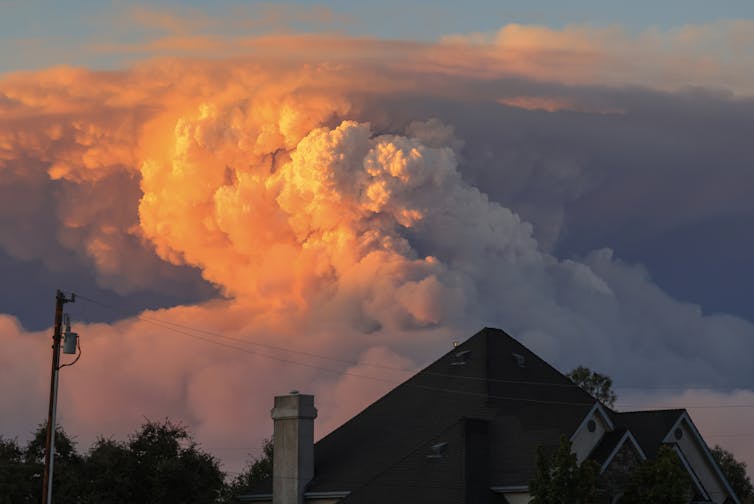
A huge pyrocumulus cloud rises over the Park Fire near Chico, Calif., on July 26, 2024. David McNew/Getty Images

Wildfire blowups, fire whirls, towering thunderstorms: When fires get large and hot enough, they can actually create their own weather.

In these extreme fire situations, firefighters’ ordinary methods to directly control the fire don’t work, and wildfires burn out of control. Firefighters have seen many of these risks in the enormous Park Fire burning near Chico, California, and other wildfires in summer 2024.

But how can a fire create weather?

Satellite images shows how the Park Fire near Chico, Calif., created intense pyrocumulonimbus plumes, visible in white, in July 2024. CSU/CIRA and NOAA

I’m an atmospheric scientist who uses data collected by satellites in weather prediction models to better anticipate extreme fire weather phenomena. Satellite data shows fire-produced thunderstorms are much more common than anyone realized just a few years ago. Here’s what’s happening.

The wildfire and weather connections

Imagine a wildland landscape with dry grasses, brush and trees. A spark lands, perhaps from lightning or a tree branch hitting a power line. If the weather is hot, dry and windy, that spark could quickly ignite a wildfire.

When vegetation burns, large amounts of heat are released. This heats the air near the ground, and that air rises like a hot air balloon because hot air is less dense than cool air. Cooler air then rushes in to fill the void left by rising air.

This is how wildfires create their own wind patterns.

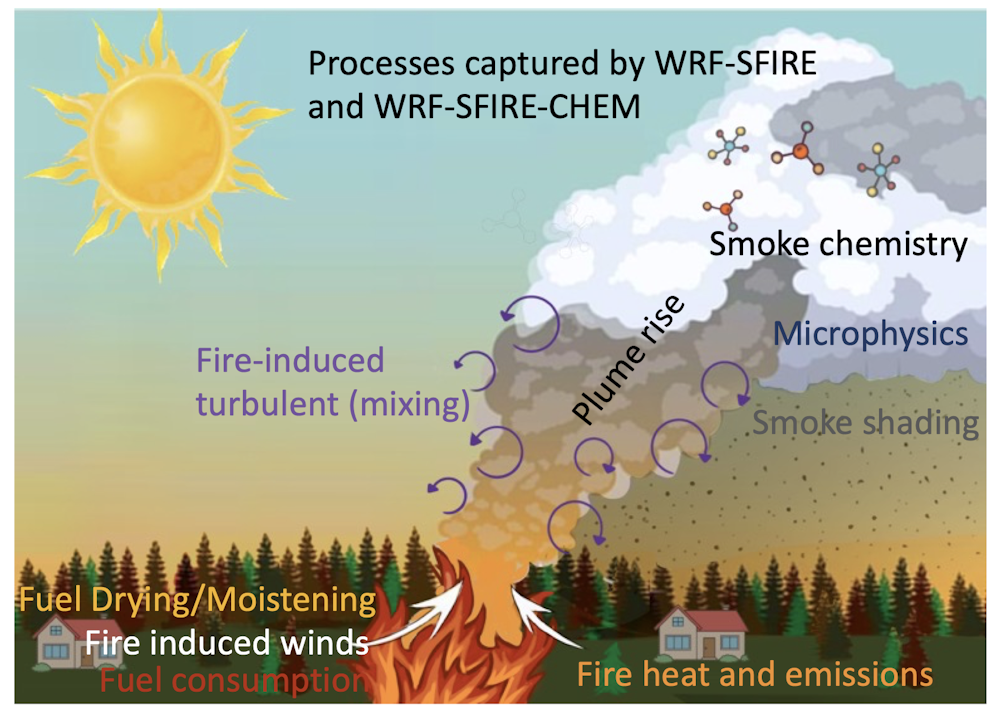
An illustration shows a fire, smoke and clouds rising from the smoke.
Fires create their own wind patterns and weather as their heat rises. The illustration is based on a coupled fire-atmosphere computer model, WRF-SFIRE-CHEM. Adam Kochanski/San Jose State University/WIRC

What happens next depends on the stability of the atmosphere. If the temperature cools rapidly with elevation above the ground, then the rising air will always be warmer than its surroundings and it will keep rising. If it rises high enough, the moisture will condense, forming a cloud known as a pyrocumulus or flammagenitus.

If the air keeps rising, at some point the condensed moisture will freeze.

Once a cloud has both liquid and frozen water particles, collisions among these particles can lead to electrical charge separation. If the charge buildup is large enough, an electrical discharge – better known as lightning – will occur to neutralize the charges.

Whether a fire-induced cloud will become a thunderstorm depends on three key ingredients: a source of lift, instability and moisture.

Dry lightning

Wildfire environments typically have limited moisture. When conditions in the lower atmosphere are dry, this can lead to what’s known as dry lightning.

No one living in a wildfire-prone environment wants to see dry lightning. It occurs when a thunderstorm produces lightning, but the precipitation evaporates before reaching the ground. That means there is no rain to help put out any lightning-sparked fires.

Fire whirls

As air rises in the atmosphere, it may encounter different wind speeds and directions, a condition known as wind shear. This can cause the air to spin. The rising air can tilt the spin to vertical, resembling a tornado.

These fire whirls can have powerful winds that can spread flaming ash, sparking new areas of fire. They usually are not true tornadoes, however, because they aren’t associated with rotating thunderstorms.

A time-lapse video shows a large fire whirl during the Park Fire near Chico, Calif., in July 2024.

Decaying storms

Eventually, the thunderstorm triggered by the wildfire will begin to die, and what went up will come back down. The downdraft from the decaying thunderstorm can produce erratic winds on the ground, further spreading the fire in directions that can be hard to predict.

When fires create their own weather, their behavior can become more unpredictable and erratic, which only amplifies their threat to residents and firefighters battling the blaze. Anticipating changes to fire behavior is important to everyone’s safety.

Satellites show fire-created weather isn’t so rare

Meteorologists recognized the ability of fires to create thunderstorms in the late 1990s. But it wasn’t until the launch of the GOES-R Series satellites in 2017 that scientists had the high-resolution images necessary to see that fire-induced weather is actually commonplace.

Today, these satellites can alert firefighters to a new blaze even before phone calls to 911. That’s important, because there is an increasing trend in the number, size and frequency of wildfires across the United States.

Climate change and rising fire risks

Heat waves and drought risk have been increasing in North America, with rising global temperatures more frequently leaving dry landscapes and forests primed to burn. And climate model experiments indicate that human-caused climate change will continue to raise that risk.

As more people move into fire-risk areas in this warming climate, the risk of fires starting is also rising. With fires come cascading hazards that persist long after the fire is out, such as burn-scarred landscapes that are much more susceptible to landslides and debris flows that can affect water quality and ecosystems.

Communities can reduce their vulnerability to fire damage by building defensible spaces and firebreaks and making homes and property less vulnerable. Firefighters can also reduce the surrounding fuel loads with prescribed fire.

It’s important to remember that fire is a natural part of the Earth system. As fire scientist Stephen J. Pyne writes, we as humans will have to reorient our relationship with fire so we can learn to live with fire.The Conversation

Kyle Hilburn, Research Scientist in Atmospheric Science, Colorado State University

This article is republished from The Conversation under a Creative Commons license. Read the original article.

  1. Space News: What’s up for August 2024
  2. Middletown’s water tanks begin transformation with Pomo basketry-inspired art
  3. Lake County health officials report on more West Nile virus detections in mosquitoes, dead bird and sentinel chickens
  • 592
  • 593
  • 594
  • 595
  • 596
  • 597
  • 598
  • 599
  • 600
  • 601
How to resolve AdBlock issue?

Refresh this page