How to resolve AdBlock issue?
Refresh this page
How to resolve AdBlock issue?
Refresh this page
Lake County News,California
  • Home
    • Registration Form
  • News
    • Education
    • Veterans
    • Community
      • Obituaries
      • Letters
      • Commentary
    • Police Logs
    • Business
    • Recreation
    • Health
    • Religion
    • Legals
    • Arts & Life
    • Regional
  • Calendar
  • Contact us
    • FAQs
    • Phones, E-Mail
    • Subscribe
  • Advertise Here
  • Login

News

Antibiotic resistance could undo a century of medical progress – but four advances are changing the story

Scientists are fighting back against antibiotic resistance with new strategies and tools. wildpixel/iStock via Getty Images Plus

Imagine going to the hospital for a bacterial ear infection and hearing your doctor say, “We’re out of options.” It may sound dramatic, but antibiotic resistance is pushing that scenario closer to becoming reality for an increasing number of people. In 2016, a woman from Nevada died from a bacterial infection that was resistant to all 26 antibiotics that were available in the United States at that time.

The U.S. alone sees more than 2.8 million antibiotic-resistant illnesses each year. Globally, antimicrobial resistance is linked to nearly 5 million deaths annually.

Bacteria naturally evolve in ways that can make the drugs meant to kill them less effective. However, when antibiotics are overused or used improperly in medicine or agriculture, these pressures accelerate the process of resistance.

As resistant bacteria spread, lifesaving treatments face new complications – common infections become harder to treat, and routine surgeries become riskier. Slowing these threats to modern medicine requires not only responsible antibiotic use and good hygiene, but also awareness of how everyday actions influence resistance.

Since the inception of antibiotics in 1910 with the introduction of Salvarsan, a synthetic drug used to treat syphilis, scientists have been sounding the alarm about resistance. As a microbiologist and biochemist who studies antimicrobial resistance, I see four major trends that will shape how we as a society will confront antibiotic resistance in the coming decade.

1. Faster diagnostics are the new front line

For decades, treating bacterial infections has involved a lot of educated guesswork. When a very sick patient arrives at the hospital and clinicians don’t yet know the exact bacteria causing the illness, they often start with a broad-spectrum antibiotic. These drugs kill many different types of bacteria at once, which can be lifesaving — but they also expose a wide range of other bacteria in the body to antibiotics. While some bacteria are killed, the ones that remain continue to multiply and spread resistance genes between different bacterial species. That unnecessary exposure gives harmless or unrelated bacteria a chance to adapt and develop resistance.

In contrast, narrow-spectrum antibiotics target only a small group of bacteria. Clinicians typically prefer these types of antibiotics because they treat the infection without disturbing bacteria that are not involved in the infection. However, it can take several days to identify the exact bacteria causing the infection. During that waiting period, clinicians often feel they have no choice but to start broad-spectrum treatment – especially if the patient is seriously ill.

Close-up of two pill capsules inscribed AOMXY 500 in a blister packet
Amoxicillin is a commonly prescribed broad-spectrum antibiotic. TEK IMAGE/Science Photo Library via Getty Images

But new technology may fast-track identification of bacterial pathogens, allowing medical tests to be conducted right where the patient is instead of sending samples off-site and waiting a long time for answers. In addition, advances in genomic sequencing, microfluidics and artificial intelligence tools are making it possible to identify bacterial species and effective antibiotics to fight them in hours rather than days. Predictive tools can even anticipate resistance evolution.

For clinicians, better tests could help them make faster diagnoses and more effective treatment plans that won’t exacerbate resistance. For researchers, these tools point to an urgent need to integrate diagnostics with real-time surveillance networks capable of tracking resistance patterns as they emerge.

Diagnostics alone will not solve resistance, but they provide the precision, speed and early warning needed to stay ahead.

2. Expanding beyond traditional antibiotics

Antibiotics transformed medicine in the 20th century, but relying on them alone won’t carry humanity through the 21st. The pipeline of new antibiotics remains distressingly thin, and most drugs currently in development are structurally similar to existing antibiotics, potentially limiting their effectiveness.

To stay ahead, researchers are investing in nontraditional therapies, many of which work in fundamentally different ways than standard antibiotics.

One promising direction is bacteriophage therapy, which uses viruses that specifically infect and kill harmful bacteria. Others are exploring microbiome-based therapies that restore healthy bacterial communities to crowd out pathogens.

Researchers are also developing CRISPR-based antimicrobials, using gene-editing tools to precisely disable resistance genes. New compounds like antimicrobial peptides, which puncture the membranes of bacteria to kill them, show promise as next-generation drugs. Meanwhile, scientists are designing nanoparticle delivery systems to transport antimicrobials directly to infection sites with fewer side effects.

Beyond medicine, scientists are examining ecological interventions to reduce the movement of resistance genes through soil, wastewater and plastics, as well as through waterways and key environmental reservoirs.

Many of these options remain early-stage, and bacteria may eventually evolve around them. But these innovations reflect a powerful shift: Instead of betting on discovering a single antibiotic to address resistance, researchers are building a more diverse and resilient tool kit to fight antibiotic-resistant pathogenic bacteria.

3. Antimicrobial resistance outside hospitals

Antibiotic resistance doesn’t only spread in hospitals. It moves through people, wildlife, crops, wastewater, soil and global trade networks. This broader perspective that takes the principles of One Health into account is essential for understanding how resistance genes travel through ecosystems.

Researchers are increasingly recognizing environmental and agricultural factors as major drivers of resistance, on par with misuse of antibiotics in the clinic. These include how antibiotics used in animal agriculture can create resistant bacteria that spread to people; how resistance genes in wastewater can survive treatment systems and enter rivers and soil; and how farms, sewage plants and other environmental hot spots become hubs where resistance spreads quickly. Even global travel accelerates the movement of resistant bacteria across continents within hours.

Antibiotic misuse in agriculture is a significant contributor to antibiotic resistance.

Together, these forces show that antibiotic resistance isn’t just an issue for hospitals – it’s an ecological and societal problem. For researchers, this means designing solutions that cross disciplines, integrating microbiology, ecology, engineering, agriculture and public health.

4. Policies on what treatments exist in the future

Drug companies lose money developing new antibiotics. Because new antibiotics are used sparingly in order to preserve their effectiveness, companies often sell too few doses to recoup development costs even after the Food and Drug Administration approves the drugs. Several antibiotic companies have gone bankrupt for this reason.

To encourage antibiotic innovation, the U.S. is considering major policy changes like the PASTEUR Act. This bipartisan bill proposes creating a subscription-style payment model that would allow the federal government up to US$3 billion to pay drug manufacturers over five to 10 years for access to critical antibiotics instead of paying per pill.

Global health organizations, including Médecins Sans Frontières (Doctors Without Borders), caution that the bill should include stronger commitments to stewardship and equitable access.

Still, the bill represents one of the most significant policy proposals related to antimicrobial resistance in U.S. history and could determine what antibiotics exist in the future.

The future of antibiotic resistance

Antibiotic resistance is sometimes framed as an inevitable catastrophe. But I believe the reality is more hopeful: Society is entering an era of smarter diagnostics, innovative therapies, ecosystem-level strategies and policy reforms aimed at rebuilding the antibiotic pipeline in addition to addressing stewardship.

For the public, this means better tools and stronger systems of protection. For researchers and policymakers, it means collaborating in new ways.

The question now isn’t whether there are solutions to antibiotic resistance – it’s whether society will act fast enough to use them.The Conversation

André O. Hudson, Dean of the College of Science, Professor of Biochemistry, Rochester Institute of Technology

This article is republished from The Conversation under a Creative Commons license. Read the original article.

Rock star, mentor, winemaker and friend: Jed Steele to be remembered at Jan. 31 event

Jed Steele. Courtesy photo.


LAKE COUNTY, Calif. – A longtime Lake County resident who became a titan in the California wine industry for his innovation and human touch will be remembered in a special event at the end of this month.

Jed Steele died Oct. 31 at his Kelseyville home, surrounded by his family and friends. He was 80 years old.

His family will host a celebration of his life and legacy on Saturday, Jan. 31, at 1 p.m. at The Mercantile, 4350 Thomas Drive in Lakeport – formerly the site of his famed winery.

Steele was famed for a decades-long career in the wine industry that included his creation – albeit accidentally – of what became the industry standard chardonnay recipe. That wine would later be at the heart of a lawsuit that had a longtime impact on the winemaking industry.

He founded Steele Wines, a company with a portfolio of wines including Shooting Star, Stymie and Writer's Block that amassed a lengthy list of awards.

“He was a huge part” of establishing Lake County as a wine region, said Shannon Gunier, a noted wine industry consultant who also was a founder and longtime executive director for the Lake County Winegrape Association.

Gunier called Steele “the rock star of Lake County” who put Lake County and the North Coast on the map nationally for grape growing and winemaking.

“Everybody knew Jed,” she said, noting he was a kind and impeccable winemaker, and a mentor.

His longtime partner, Paula Doran, said he was like the godfather of wine, who was known to help others in the small local wine community.

“The whole thing about Jed is how he cared about people,” Doran said.

“Jed was a dear friend whose presence filled every room. He was larger than life in stature and spirit. His vision and hard work helped put Lake County’s vineyards on the map. I’m grateful to have known him and to honor his memory,” Congressman Mike Thompson said in a statement released after Steele’s death.

Jed Steele attended Gonzaga University on a basketball scholarship. Courtesy photo.

An early fascination with wine

He was born Jedediah Tecumseh Steele in New York City on Jan. 26, 1945, the last of five children born to Robert and Frances Steele. The family later moved to San Francisco.

Doran said that by the time Jed Steele was born, his parents were older and his father had retired as a copywriter. 

Robert Steele completed 13 historical fiction novels. Doran said he wrote at home in the morning, and in the afternoons he would go and work on finding dinner before cooking it up. The family also often had parties, with Frances Steele going so far as to pull people in off the street to enjoy meals served with nice wine.

“Jed got into that,” Doran said.

Jed Steele grew into what friends and family recalled as a “gentle giant,” standing 6 feet 4 inches tall with size 15 shoes and a mild demeanor.

As he grew up in San Francisco, his family said he spent his childhood exploring the city by bicycle, delivering newspapers at dawn and excelling in school. 

Thanks in part to his big stature, he went to Gonzaga University on a basketball scholarship. During that time took a year away to coach Native Alaskan students, leading them to their first-ever championship and celebrating as they carried him on their shoulders, a moment he cherished for the rest of his life, his family said.

Later, following the interest in wine cultivated by his parents, Steele worked with some friends at a Napa winery. He also traveled for a time before enrolling at the University of California, Davis, where he was among the first members of classes on wine. 

“He went to school with a lot of big names,” Doran said.

Those names included other winemaking legends Merry Edwards and Tim Mondavi.

He earned his Master of Science in food science in 1976. He worked at Edmeades Winery in Geyservville before joining Kendall-Jackson in Anderson Valley in Mendocino County, working for Jess Jackson.

“He liked the rural lifestyle,” and decided to stay in the area, Doran said.

Jed Steele. Courtesy photo.


With Kendall-Jackson in the 1980s, Steele helped expand the winery from 20,000 cases a year to nearly a million. During that time, he developed the recipe for the Vintner's Reserve chardonnay, which became a hit nationally and a favorite of then-First Lady Nancy Reagan.

In 1990, he won International Winemaker of the Year in London. 

In 1991, he left Kendall-Jackson to found Steele Wines, which his family said “he guided with heart, humor, and vision until its sale in 2020 to Shannon Family of Wines.” 

It was after the founding of Steele Wines that the working relationship between Steele and Jackson was permanently ruptured – over unpaid money and the recipe for the Vintner's Reserve chardonnay.

As Gunier explained, the winemaking industry in California was maturing, after having only taken off again starting in the 1960s. People in the industry were cooperative and shared ideas to try to make it successful.

Doran said Jackson and Steele had a handshake deal, with Jackson having told Steele that, in 10 years, they would both be millionaires. Later, Steele went to Jackson to tell him that while he was a millionaire, Steele was not.

At that point, she said Steele decided to leave and asked for severance pay. Jackson only made one payment.

In what became a landmark case, Steele sued Jackson for the rest of the severance money he was owed, and Jackson, a successful property rights attorney, countersued Steele, alleging that the chardonnay recipe that Steele developed by accident – due to accidentally leaving residual sugar in some chardonnay that created a wine that people loved – was proprietary and belonged to him, not to Steele. Further, he accused Steele of taking that recipe with him, along with grape suppliers.

Gunier and Doran said the ultimate court decision was a split one, with Steele getting some money and Jackson getting the recipe.

After the lawsuit, everyone quit sharing, Gunier said. “It changed the wine business,” adding that it made people “very secretive.”

A new era for Lake County wine

Despite the lawsuit, Steele had a long and successful career yet to come in the wine industry.

For the first four years of his new company, Doran said Steele made his wine at Ployez Winery in Lower Lake and at Wildhurst in Kelseyville before buying the building on the corner of Highway 29 and Thomas Drive in 1995.

During his tenure at Steele Wines, he also consulted for Northstar, Fess Parker, Indian Springs, Lolonis Vineyards and Wildhurst Vineyards.

“No one makes wine like Jed Steele,” said Gunier, and he went about creating a catalog of award-winning wines.

At about the same time as Steele was turning his full attention to his new Lake County winery, Gunier and her husband, Rick, were working to establish the new winegrape commission. That process involved talking to local industry members.

Gunier said that at that time, Lake County wines were “the blend,” the additional grapes added to wine made in other areas. She and her husband, however, believed they were as good as the grapes from Napa and Sonoma, yet weren’t getting as much enthusiasm to put Lake County on the map. Additionally, Kendall-Jackson had just closed their tasting room in Lakeport.

So the Guniers asked Steele to come and talk to their second annual commission dinner at the Lake County Fairgrounds in Lakeport.

Gunier recalled the building had bats. She said Steele stood up to talk – with bats flying around his head – and spoke words that resulted in a personal epiphany for Gunier.

“You all have to decide – does Lake County want to be on the front of the label or on the back of the label?” She remembered him saying.

He emphasized that at that point, Lake County was on the back of the label.

The resulting epiphany led to the building of a strategic plan based on the goal of leading the region, Gunier said.

“He was really the impetus for that,” she said. “I knew that he loved Lake County so much.”

She said he was always kind and helpful, mentored many winemakers, sent people bottles of wine, T-shirts and gifts certificates, and could be asked anything. “People just really adored him.”

He was known well beyond Lake County, the North Coast and California. Gunier said a local winemaker tells a story of visiting New Zealand, where she wanted to work. In her conversation with a potential employer, she saw that he had a magazine featuring Steele, with whom she’d worked. She got the job.

In an obituary provided by his family, they wrote, “For nearly three decades, he poured his soul into crafting first-class, award-winning wines, building friendships across the country and bringing meaningful recognition to Lake County’s viticulture. Jed fostered a true family atmosphere at his winery – holiday turkeys and Christmas trees for employees, scholarship funds for new babies, and kids and winery pups growing up between the barrels. He supported and taught countless people in the wine world at every level, including many Lake County winemakers and professionals across the country – among them his son Quincy, who is currently working at wineries in France and Switzerland.”

Beyond his wines, Steele became known for the bowling tournaments, the baseball and golf games, the cornhole contests, and the legendary wine dinners that always sold out simply because he was there. 

His family said he had a remarkable gift for making people feel seen – remembering names, birthdays and even a child’s ballet recital – and he took genuine joy in people.

Doran said that when they traveled, first thing every single morning he would sit down and send 20 thank you notes. “That’s how he started his day.”

Steele and Doran met when he came to her Clearlake lamp shop, Clayton Creek Studios. Later, she was at the Saw Shop in Kelseyville – when it was owned by his ex-wife Marie Beery – and Doran said she heard him and Clay Shannon talking about a crush contest. 

She said she wanted to do it, and Steele replied that it was hard work. Doran, in turn, said she is a hard worker and decided to work the crush that year. Afterward, he asked her out, and they spent the next 14 years together.

Those were great years and she and Steele enjoyed “a very special romance,” Doran said.

She recalled that Steele was a “big yellow legal pad kind of guy” who, as an employer, liked to make people lists.

He tried giving her a list. She said she gave it back. He was, apparently, OK with that.

Jed Steele and his partner, Paula Doran, on one of their many adventures. Courtesy photo.


Doran said Steele was a normal guy who would rather spend $1,000 taking people to dinner rather than working on his house. He loved baseball games, fishing and golfing.

During their time together, they traveled extensively. One of the things she said she loved about him was his interest in things she liked to do. She is a scuba diver and he wanted to learn to dive as well – but first he had to learn to swim. During a trip to the Bahamas, he did just that.

On their first cruise together, he booked a dancing cruise so they could learn to dance together.

“He brought me into his world of wine dinners,” she said, and he liked to go and spend time with people who he knew in the wine business.

Six months of the year they were away from Lake County, visiting homes in Montana, where they liked to go on annual pack trips, and in Florida.

“I was lucky. I got to meet him when he was slowing down and wanting to do some traveling,” when he wanted to do life differently, Doran said. “I feel like I had the best years with him.”

In 2020, Steele sold his operation to Shannon Ridge, owned by Clay Shannon.

“That did mark his retirement,” said Doran.

Shannon has since turned the Steele Wines facility into The Mercantile, a popular wine and entertainment venue where Steele’s memorial event will be held.

As a winemaker, Gunier said Steele was in a class of his own, and nobody had his rock star quality.

“He’s just a real legend,” she said.

With all of Steele’s many accomplishments, his family said he considered his greatest achievement to be being a father to Mendocino and Quincy, and he was thrilled to become a grandfather when granddaughter Astrid arrived.

Steele was preceded in death by his parents, Robert and Frances; his sisters, Clelia, Theodora and Judy; and his brother Johnny. 

Survivors include Doran; his children, Mendocino and Quincy; and his granddaughter, Astrid.

To RSVP for the Jan. 31 memorial, please email This email address is being protected from spambots. You need JavaScript enabled to view it.. 

Email Elizabeth Larson at This email address is being protected from spambots. You need JavaScript enabled to view it.. Follow her on Twitter, @ERLarson, and on Bluesky, @erlarson.bsky.social. Find Lake County News on the following platforms: Facebook, @LakeCoNews; X, @LakeCoNews; Threads, @lakeconews, and on Bluesky, @lakeconews.bsky.social. 

Jed Steele sold his winery to Clay Shannon in 2020. Courtesy photo.


CHP releases report on collision that killed pedestrian

LAKE COUNTY, Calif. – The California Highway Patrol on Saturday released a report on a crash that claimed the life of a pedestrian on Friday night.

The CHP’s Clear Lake Area office said its officers were dispatched to a traffic collision with an ambulance responding for a pedestrian hit by a vehicle on Highway 20, west of Howard Avenue in Nice.

CHP Officer Corey Burgess was first to arrive on scene and located an unresponsive adult female lying in the roadway, officials said.

Officer Burgess immediately began life saving efforts, however the female succumbed to her injuries at the scene, according to the report.

The identity of the pedestrian, a 23-year-old female from Antioch, is being withheld until next of kin notifications have been made, the CHP said.

The CHP said preliminary investigations have determined the pedestrian was crossing Highway 20 from south to north, within a crosswalk at Howard Avenue.

Brannon Keller, 64, of Clearlake was driving a gray 2012 Honda Ridgeline westbound on Highway 20, approaching the crosswalk. 

For reasons under investigation, the CHP said Keller did not stop or take evasive maneuvers before the collision. 

After the crash, Keller immediately stopped his vehicle and called 911 to report the collision, the CHP said. 

Officials said Keller remained on scene and cooperated with investigating officers. 

Keller was not under the influence of drugs or alcohol and was released from the scene, according to the report.

The CHP said it is unknown if the pedestrian was under the influence of drugs or alcohol at the time of the collision.

The CHP is continuing its investigation of the crash. 

Anyone with information or knowledge of the incident is asked to contact the Clear Lake CHP Office at 707-281-5200.

Sewage spill response continues with well and soil cleanup, water tank installations

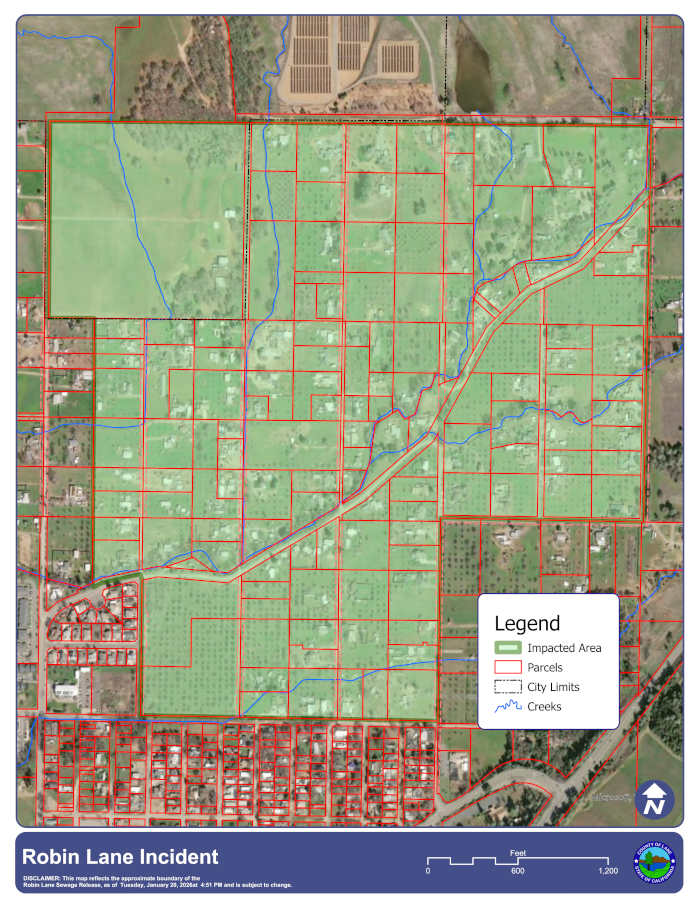
The map of the Robin Lane Sewer Spill incident has remained the same since Tuesday, Jan. 20, 2026, although officials say it is subject to change. Image courtesy of the county of Lake.


LAKE COUNTY, Calif. – Well testing, soil decontamination and removal, and water tank installations are underway as part of the ongoing work to respond to a massive sewage spill that occurred in Clearlake earlier this month.

It’s been two weeks since a 16-inch force main near the northern end of Robin Lane in Clearlake – operated by the Lake County Sanitation District – ruptured, sending nearly three million gallons of raw sewage across roads and private properties, contaminating dozens of wells and forcing some residents of the spill area to temporarily relocate.

The county is set to hold its third town hall meeting on the spill and its remediation efforts at 6 p.m. Wednesday, Jan. 28, at Clearlake City Hall, 14050 Olympic Drive.

Public Health Officer Dr. Bob Bernstein’s guidance encouraging residents who rely on their wells for drinking water to temporarily relocate until the wells are deemed safe remains in place since last week.

The county reported on Saturday evening that contractors with Lake County Environmental Health, which has been tasked with well testing and long-term monitoring, “will continue health and safety field operations” on Sunday.

“Contractors continue to work in the field sanitizing private wells. This includes wells that had not yet been sanitized as well as wells that were previously sanitized but are still showing some level of contamination,” the county reported.

Officials also said that, “Follow-up actions are being taken to ensure each well receives the appropriate treatment and testing before normal use is resumed.”

Environmental Health is planning to begin its second round of water sampling as early as Monday to confirm results and track ongoing improvements in water quality, the county reported.

Meanwhile, Lake County Special Districts, which oversees the Lake County Sanitation District, is continuing soil cleanup efforts, which are expected to go on for several more days. 

Contaminated soil will be removed to a lined pond at a Special Districts facility, and agricultural lime will be applied to exposed soil areas as conditions allow to support treatment and stabilization efforts.

Road work on Robin Lane will begin on Monday. Lake County Public Works crews will grade the
roadway, transport removed soil, and apply approximately 3 inches of base rock to improve road conditions and support continued access for residents and response vehicles, the county said.

The county said Special Districts staff will be collecting 15 private well water samples on Sunday as part of continued monitoring efforts. 

Water delivery for livestock will continue through the weekend and into the coming week to ensure animals have access to safe water, according to the county update.

Social Services administers the Home Safe program, which is supporting water tank installations for residents who need access to alternative water supplies. 

Additional tank installations are scheduled to begin Sunday or Monday. Tank placement is being prioritized based on well testing results, the county said.

Available resources

County officials direct spill area residents to the following resources.

ADA showers: Available 8 a.m. to 5 p.m. Tuesday and Friday at the Clearlake Senior Center, 3245 Bowers Ave.

Avoiding scams after a disaster: Visit this link, https://bit.ly/4jP8A1Z. 

Drinking water: Highlands Water Co. offers a free public water filling station from 8 a.m. to 4 p.m. Monday through Friday at 14580 Lakeshore Drive. Please bring your own jugs or bottles.

Drinking water guidance and information on testing of private wells: Contact Environmental Health at 707-263-1164.

Relocation: Affected residents are directed to first contact their homeowner’s insurance provider to inquire about coverage for temporary lodging under their policy. Residents may also contact Lake County Special Districts at 707-263-0119 for additional assistance and guidance.

Support to mitigate water and sewer-related needs: Call Special Districts at 707-263-0119.

Temporary housing: Call Social Services at 707-995-4200, Monday through Friday from 8 a.m. to 5 p.m. to request temporary housing. Assistance is available for any household that needs it. Help is no longer limited to elderly/disabled or low-income families. Households that are ineligible for Social Services temporary housing programs will be referred to Church World Service. Church World Service eligibility requirements are: Residents must be impacted by recent sewage flooding; applicants must be vetted through an agency representative (the agency knows the client lives at the address impacted); a confirmed damage assessment is required; clients must have or create an Airbnb account and be able to use the Airbnb app on their phone; clients must have an email address, and the address must be the same address they used to create the Airbnb account.

Water delivery for elderly/disabled: Call Social Services at 707-995-4200, Monday through Friday from 8 a.m. to 5 p.m. to request delivery for households physically unable to refill their own water containers.

Well sanitization services: To schedule well sanitization services or for more information, please contact Environmental Health at 707-263-1164. Environmental Health staff are available to review your location, confirm whether your property falls within the mapped area and provide guidance on appropriate next steps.

Email Elizabeth Larson at This email address is being protected from spambots. You need JavaScript enabled to view it.. Follow her on Twitter, @ERLarson, and on Bluesky, @erlarson.bsky.social. Find Lake County News on the following platforms: Facebook, @LakeCoNews; X, @LakeCoNews; Threads, @lakeconews, and on Bluesky, @lakeconews.bsky.social. 

Helping Paws: Rottweilers, huskies and shepherds

LAKE COUNTY, Calif. – Lake County Animal Care and Control has a new lineup of dogs ready for new homes.

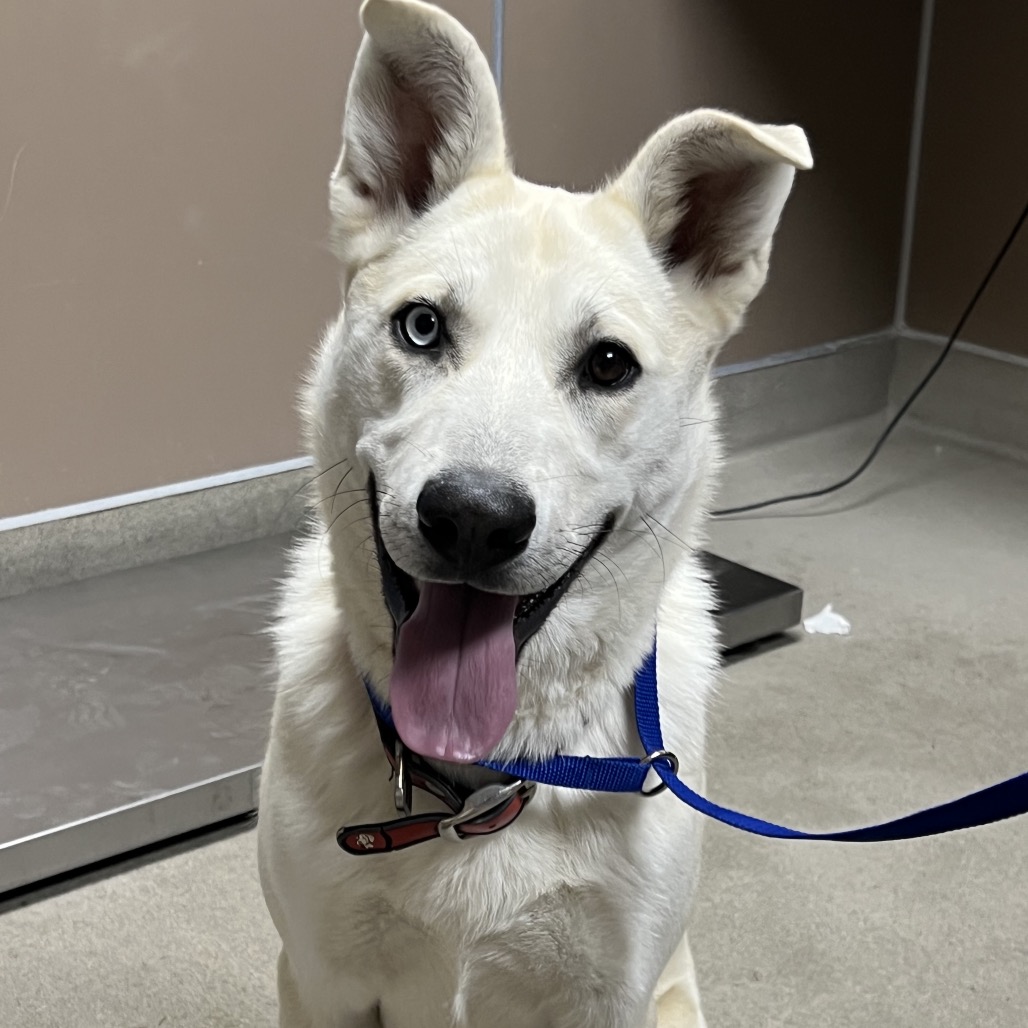
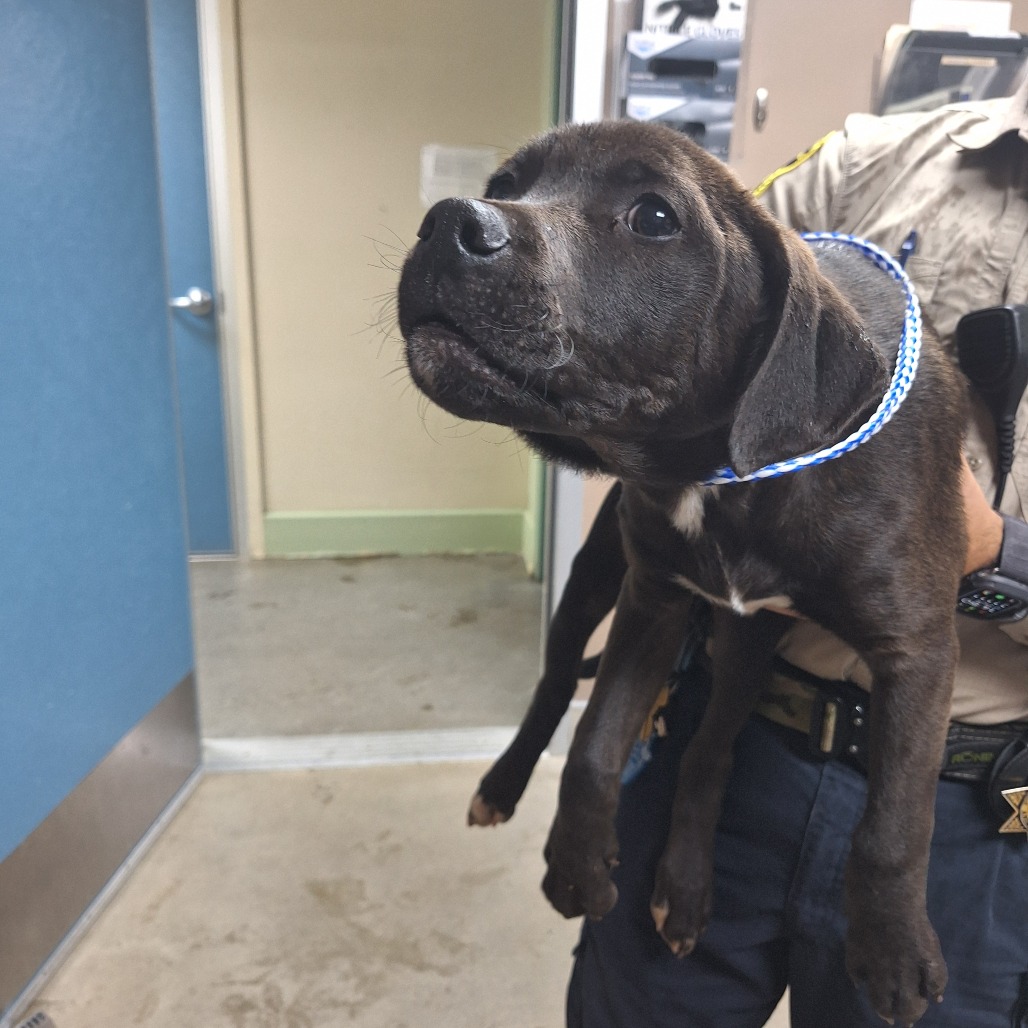
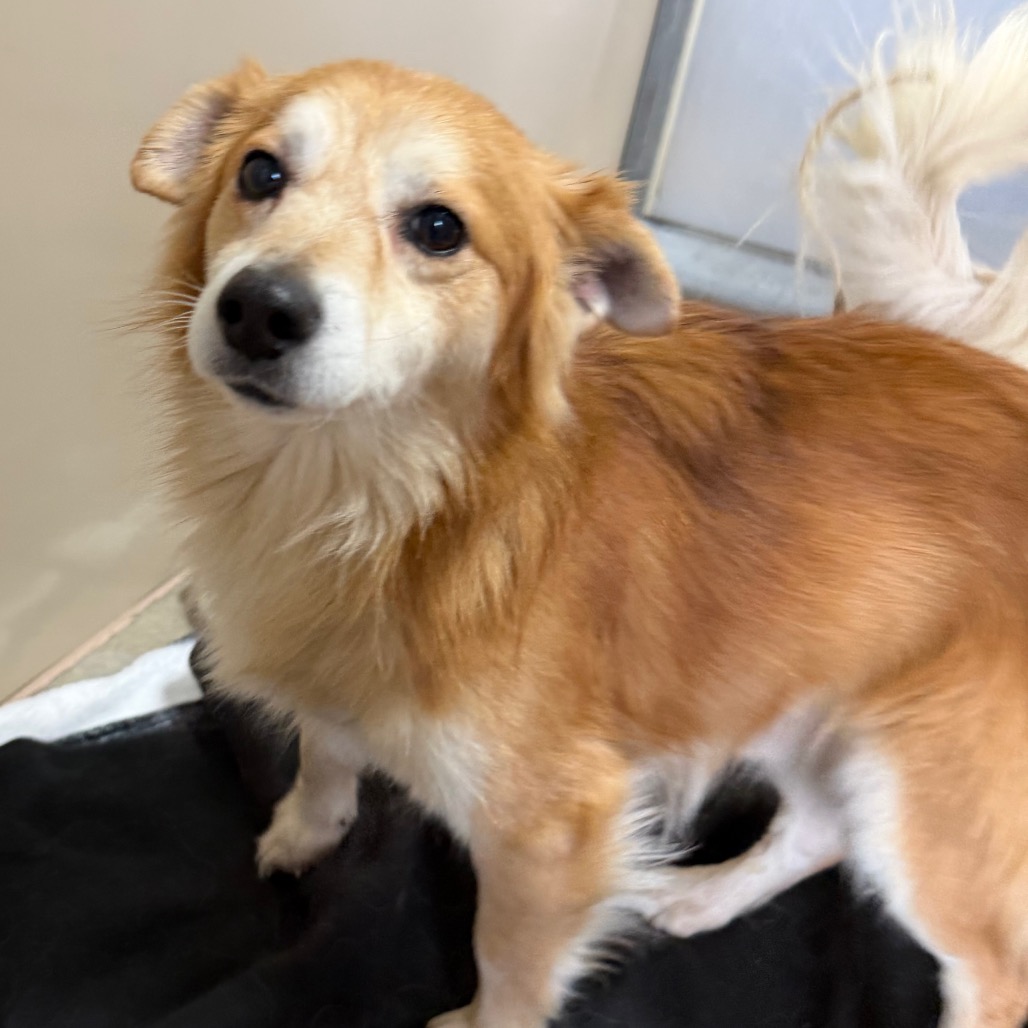
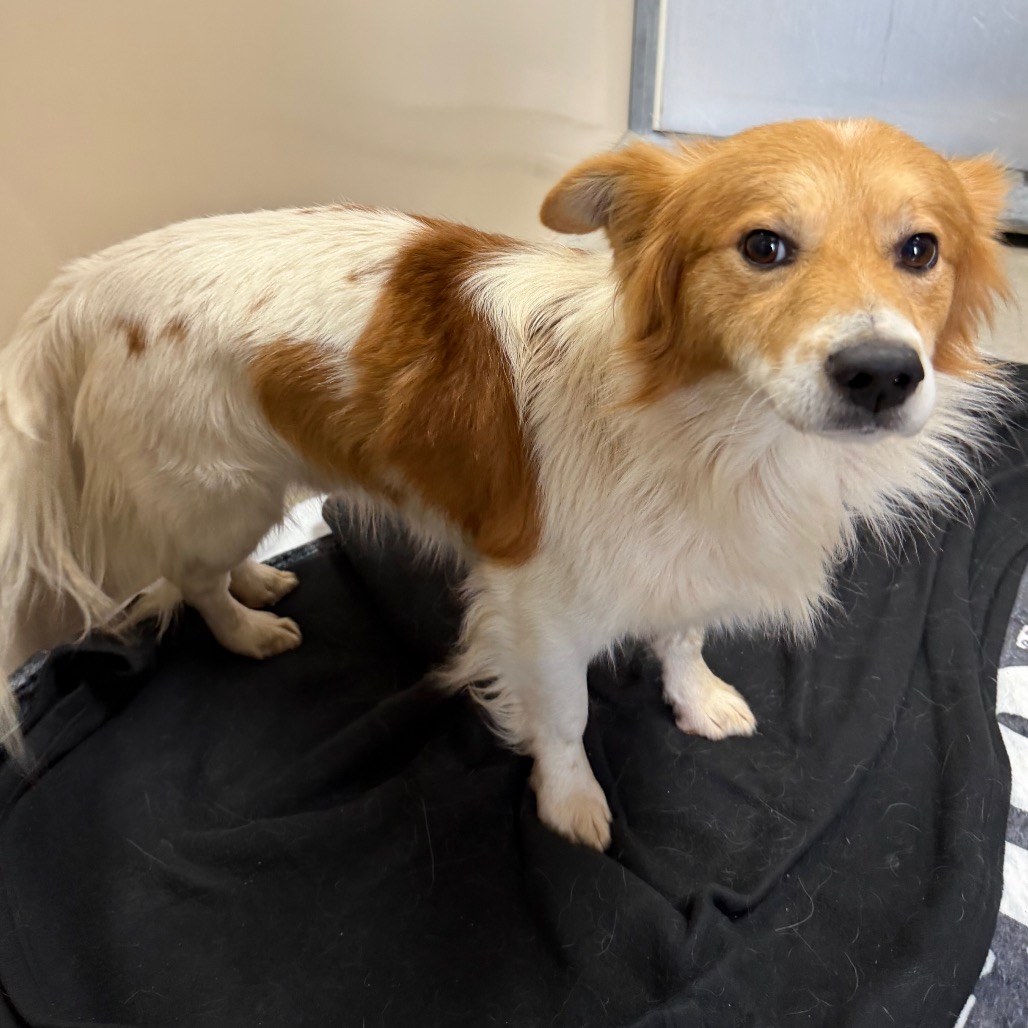
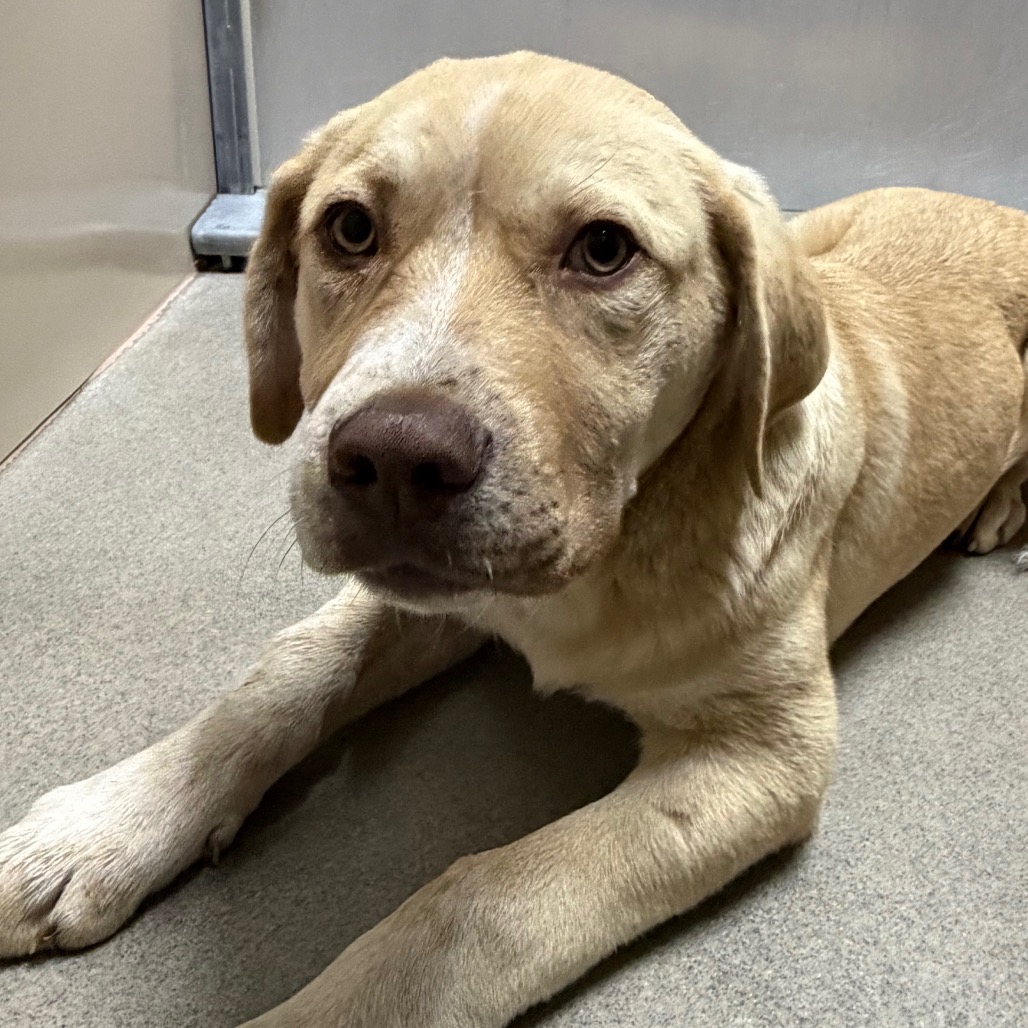
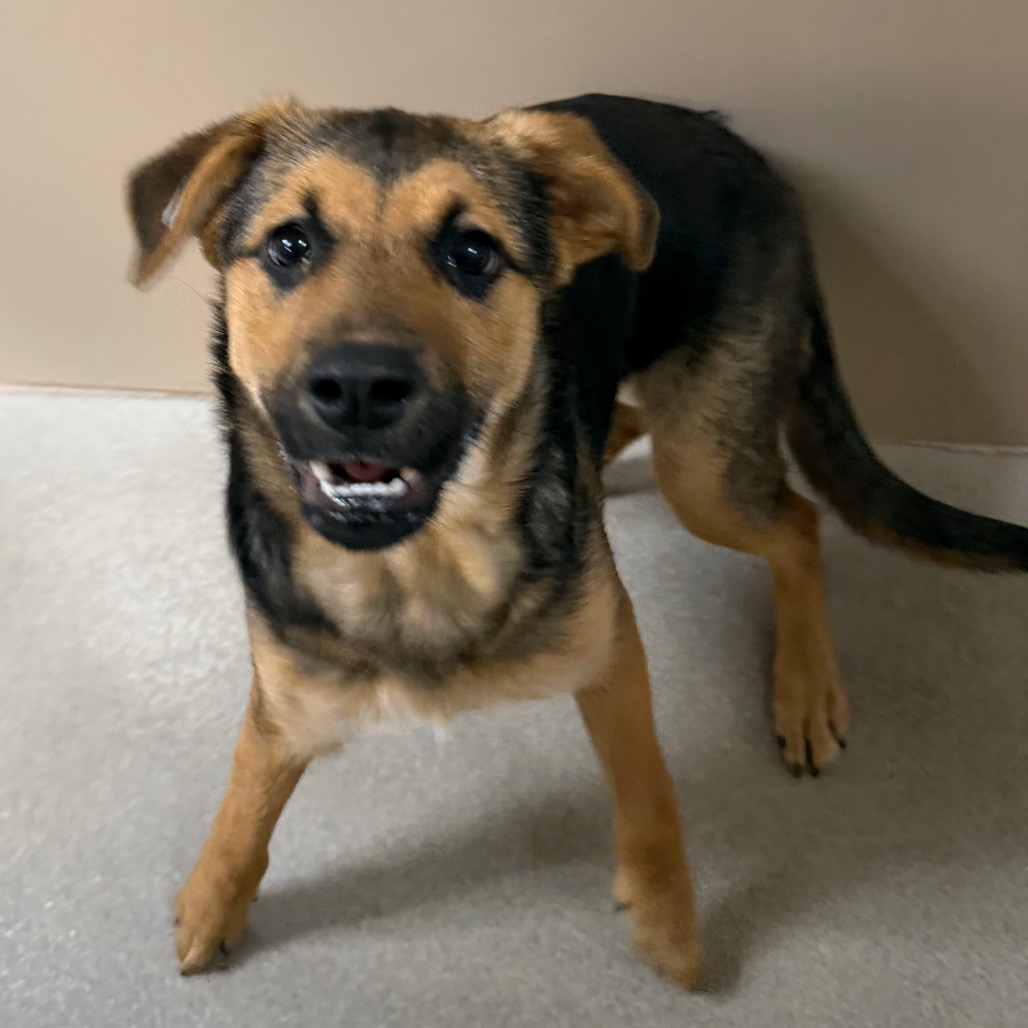
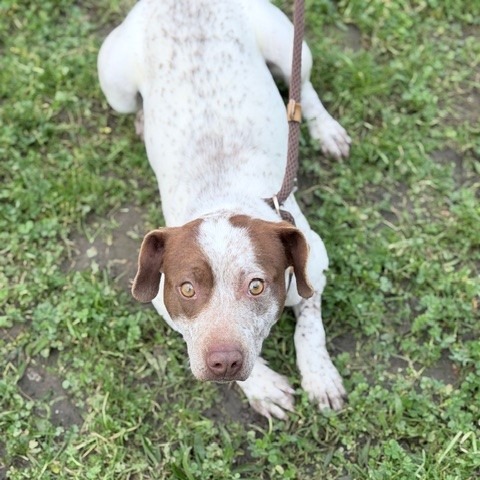
The dogs available for adoption this week include mixes of corgi, German shepherd, husky, Labrador retriever, mastiff, pit bull terrier, Rottweiler and shepherd.

Dogs that are adopted from Lake County Animal Care and Control are either neutered or spayed, microchipped and, if old enough, given a rabies shot and county license before being released to their new owner. License fees do not apply to residents of the cities of Lakeport or Clearlake.

Those animals shown on this page at the Lake County Animal Care and Control shelter have been cleared for adoption.

Call Lake County Animal Care and Control at 707-263-0278 or visit the shelter online for information on visiting or adopting.

The shelter is located at 4949 Helbush in Lakeport.

Email Elizabeth Larson at This email address is being protected from spambots. You need JavaScript enabled to view it.. Follow her on Twitter, @ERLarson, and on Bluesky, @erlarson.bsky.social. Find Lake County News on the following platforms: Facebook, @LakeCoNews; X, @LakeCoNews; Threads, @lakeconews, and on Bluesky, @lakeconews.bsky.social. 

Kennel#13 Roland's preview photo
Kennel#13 Roland

Kennel#10 Odin's preview photo
Kennel#10 Odin

Kennel#11a Sprinkles's preview photo
Kennel#11a Sprinkles

Kennel#11b Sparkles's preview photo
Kennel#11b Sparkles

 
Kennel#7 Tara's preview photo
Kennel#7 Tara

Kennel#19 Celeste's preview photo
Kennel#19 Celeste

Kennel#20Titan's preview photo
Kennel#20Titan

Kennel#23 Ryder's preview photo
Kennel#23 Ryder

Kennel#27 Maizey's preview photo
Kennel#27 Maizey
 
Kennel#5a's preview photo
Kennel#5a

Kennel#5b's preview photo
Kennel#5b

Kennel#17a Gunner's preview photo
Kennel#17a Gunner

Kennel#17b Gus's preview photo
Kennel#17b Gus

Kennel#33Delilah's preview photo
Kennel#33Delilah

Kennel#32 Sparrow's preview photo
Kennel#32 Sparrow

Kennel#24Stormy 's preview photo
Kennel#24Stormy

Kennel#29a Mochi's preview photo
Kennel#29a Mochi

Kennel#29b Benny's preview photo
Kennel#29b Benny
Kennel#12 River's preview photo
Kennel#12 River

Kennel#25's preview photo
Kennel#25

Kennel#6 Bailey's preview photo
Kennel#6 Bailey

Kennel#9 Shasta's preview photo
Kennel#9 Shasta

Kennel#2's preview photo
Kennel#2


Space News: Are there thunderstorms on Mars? A planetary scientist explains the red planet’s dry, dusty storms

Mars doesn’t get rain like Earth does, but dust storms are common on the red planet. NASA/JPL-Caltech/Univ. of Arizona

Curious Kids is a series for children of all ages. If you have a question you’d like an expert to answer, send it to This email address is being protected from spambots. You need JavaScript enabled to view it..


Are there thunderstorms on Mars? – Cade, age 7, Houston, Texas

Mars is a very dry planet with very little water in its atmosphere and hardly any clouds, so you might not expect it to have storms. Yet, there is lightning and thunder on Mars – although not with rain, nor with the same gusto as weather on Earth.

More than 10 years ago, my planetary science colleagues and I found the first evidence for lightning strikes on Mars. In the following decade, other researchers have continued to study what lightning might be like on the red planet. In November 2025, a Mars rover first captured the spectacular sounds of lightning sparking on the Martian surface.

A large cone of dust rising out of a desert.
Mars dust storms are many times larger and taller than this large terrestrial dust devil photographed in a valley near Las Vegas. Fernando Saca, University of Michigan

Lightning on Mars

On Earth, lightning is an electric discharge that begins inside big clouds.

But because Mars is so dry, it doesn’t have clouds of water – instead, it has clouds of dust. With little water to weigh down dirt on Mars, dust clouds can quickly grow into huge, windy dust storms a few times taller than Earth’s tallest thunderstorms.

When smaller dust particles and larger sand particles collide with each other while being whipped around by these storms, they pick up a static charge. Smaller dust particles take on a positive charge, while larger sand particles become negative. The smaller dust particles are lighter and will float higher, while the heavier sand tends to fall closer to the ground.

Because oppositely charged particles don’t like to be apart, eventually the energy building between the negative charges higher up in the dust storm and the positive charges closer to the ground becomes too great and is released as electricity – similar to lightning.

The air around the electricity rapidly warms up and expands – on Earth, this creates the shock waves that you hear as thunder.

Nobody has seen a flash of lightning on Mars, but we suspect it’s more like the glow from a neon light rather than a powerful lightning bolt. The atmosphere near the surface of Mars is about 100 times less dense than on Earth: It’s much more similar to the air inside neon lights.

An overhead photo of a storm moving across the Martian surface, trailing a dark line.
The dust devil shown creates a dark track as it lifts the small and brighter dust particles. Mars Global Surveyor/NASA/JPL/Malin Space Science Systems

Releasing radio waves

Besides shock waves and visible light, lightning also produces other types of waves that the human eye can’t see: X-ray and radio waves. The ground and the top of the atmosphere both conduct electricity well, so they guide these radio waves and cause them to produce signals with specific radio frequencies. It’s kind of like how you might tune into specific radio channels for news or music, but instead of different channels, scientists can identify the radio waves coming from lightning.

While nobody has ever seen visible light from Martian lightning, we have heard something similar to the radio waves created by lightning on Earth. That’s the noise that the Perseverance rover reported at the end of 2025. They sound like electric sparks do on Earth. The rover recorded these signals on a microphone as small, sandy tornadoes passed by.

a gif of a tall, thin column of dust moving across a rocky landscape.
A dust devil travels across the Martian landscape. NASA/JPL-Caltech, CC BY

Searching for Martian lightning

When my colleagues and I went hunting for lightning on Mars a decade ago, we knew the red planet emitted more radio waves during dust storm seasons. So, we searched for modest increases in radio signals from Mars using the large radio dishes that NASA uses to talk to its spacecraft. The dishes function like big ears that listen for faint radio signals from spacecraft far from Earth.

We spent from five to eight hours every day listening to Mars for three weeks. Eventually, we found the signals we were looking for: radio bursts with frequencies that matched up with the radio waves that lightning on Earth can create.

An illustration of a dark cloud crossing a desert.
Artistic impression of a glowing dust devil on Mars. Instead of lightning, electric discharges on Mars dust storms are expected to produce a glow-like discharge like that illustrated in the bottom of this dust devil. Nilton Renno, University of Michigan

To find the particular source of these lightning-like signals, we searched for dust storms in pictures taken by spacecraft orbiting Mars. We matched a dust storm nearly 25 miles (40 kilometers) tall to the time when we’d heard the radio signals.

Learning about lightning on Mars helps scientists understand whether the planet could have once hosted extraterrestrial life. Lightning may have helped create life on Earth by converting molecules of nitrogen and carbon dioxide in the atmosphere into amino acids. Amino acids make up proteins, tens of thousands of which are found in a human body.

So, Mars does have storms, but they’re far drier and dustier than the thunderstorms on Earth. Scientists are continually studying lightning on Mars to better understand the geology of the red planet and its potential to host living organisms.


Hello, curious kids! Do you have a question you’d like an expert to answer? Ask an adult to send your question to This email address is being protected from spambots. You need JavaScript enabled to view it.. Please tell us your name, age and the city where you live.

And since curiosity has no age limit – adults, let us know what you’re wondering, too. We won’t be able to answer every question, but we will do our best.The Conversation

Nilton O. Rennó, Professor of Climate and Space Sciences Engineering, University of Michigan

This article is republished from The Conversation under a Creative Commons license. Read the original article.

  • 13
  • 14
  • 15
  • 16
  • 17
  • 18
  • 19
  • 20
  • 21
  • 22

Community

  • Lake County Wine Alliance offers sponsor update; beneficiary applications open 

  • Mendocino National Forest announces seasonal hiring for upcoming field season

Public Safety

  • Lakeport Police logs: Thursday, Jan. 15

  • Lakeport Police logs: Wednesday, Jan. 14

Education

  • Woodland Community College receives maximum eight-year reaffirmation of accreditation from ACCJC

  • SNHU announces Fall 2025 President's List

Health

  • California ranks 24th in America’s Health Rankings Annual Report from United Health Foundation

  • Healthy blood donors especially vital during active flu season

Business

  • Two Lake County Mediacom employees earn company’s top service awards

  • Redwood Credit Union launches holiday gift and porch-to-pantry food drives

Obituaries

  • Rufino ‘Ray’ Pato

  • Patty Lee Smith

Opinion & Letters

  • The benefits of music for students

  • How to ease the burden of high electric bills

Veterans

  • CalVet and CSU Long Beach team up to improve data collection related to veteran suicides

  • A ‘Big Step Forward’ for Gulf War Veterans

Recreation

  • Wet weather trail closure in effect on Upper Lake Ranger District

  • Mendocino National Forest seeking public input on OHV grant applications

  • State Parks announces 2026 Anderson Marsh nature walk schedule 

  • BLM lifts seasonal fire restrictions in central California

Religion

  • Kelseyville Presbyterian to host Ash Wednesday service and Lenten dinner Feb. 18

  • Kelseyville Presbyterian Church to hold ‘Longest Night’ service Dec. 21

Arts & Life

  • Auditions announced for original musical ‘Even In Shadow’ set for March 21 and 28

  • ‘The Rip’ action heist; ‘Steal’ grounded in a crime thriller

Government & Politics

  • Lake County Democrats issue endorsements in local races for the June California Primary

  • County negotiates money-saving power purchase agreement

Legals

  • March 3 hearing on ordinance amending code for commercial cannabis uses

  • Feb. 12 public hearing on resolution to establish standards for agricultural roads

How to resolve AdBlock issue?
Refresh this page