 How to resolve AdBlock issue?
News
- Details
- Written by: LAKE COUNTY WATER RESOURCES
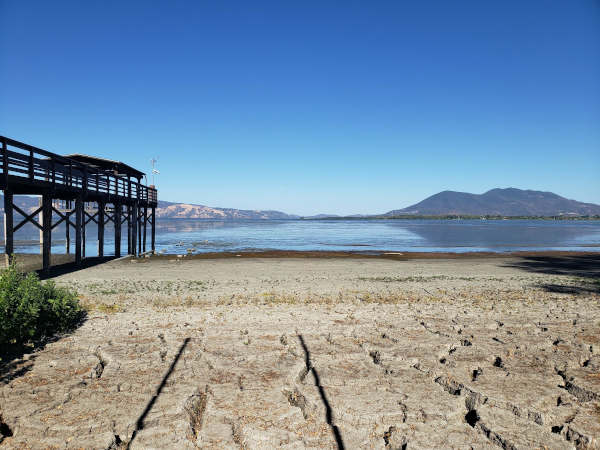
Angela DePalma-Dow, Lake County Water Resources Department Invasive Species Program coordinator and “Lady of the Lake” columnist, served as lead author of ecosphere-published work
LAKE COUNTY, Calif. — Lake County Water Resources staff and researchers from Michigan State University and University of Vermont partnered to investigate current water quality trends in Clear Lake, and their relationship to wildfires and climate change.
The research team evaluated water quality monitoring data from the last three large wildfire years in the Clear Lake Basin, including 2018 (Mendocino Complex), in comparison to long-term water quality nutrient data.
Their findings have now been published in the open-access, Peer-Reviewed Ecology Journal, Ecosphere, in a piece titled, “Turning up the Heat: Long-term water quality responses to wildfires and climate change in a hypereutrophic lake” (DOI: 10.1002/ecs2.4271).
“Right after the Mendocino Complex, our department received many calls from the public concerned about the fire’s impact on Clear Lake water quality,” said Angela De Palma-Dow, County Invasive Species Program coordinator and lead author and primary investigator for the research effort.
“And while there is a plethora of wildfire water quality research out there, none includes a lake as large and productive (i.e., biomass- and species-dense, nutrient-rich and eutrophic) as Clear Lake. This was a great opportunity for our team to closely review the data, and inform public discussion and planning efforts,” said De Palma-Dow, who also writes the “Lady of the Lake” column.
The research effort aimed to identify the influence of wildfires, water and air temperature, and precipitation on water quality in Clear Lake. Climate change data was collected from a variety of public, open sources. Water quality data was sourced from a long-term collaborative water monitoring program undertaken by the California Department of Water Resources, County Water Resources staff and local Tribal governments.
For about 60 years, members of this collaborative have collected monthly water quality data from Clear Lake’s three arms. Clear Lake has become much more nutrient-rich and productive over time, a process known as “eutrophication.” This trend is pronounced after the mid 1980’s and in times of drought.
Eutrophication is typically fueled by increased nutrient inputs, primarily phosphorus. Nutrients lead to growth of both algae (phytoplankton) and cyanobacteria, turning the water green.
When algae and cyanobacteria die and decompose, this can result in foul odors and release of toxins, disrupting recreation in affected areas of the lake. Thick green mats on the surface of the lake can be observable from shorelines.
These conditions increase in frequency and severity when water temperatures are very warm and especially when lake levels are low (e.g., drought).
Researchers analyzed what variables were most associated with increased phosphorus over time, especially during the heavy bloom season, from July through October.
Watershed areas burned by wildfire, seasonal air and water temperatures, and seasonal precipitation were assessed. Phosphorus increases in Clear Lake were primarily driven by lack of rain and warmer air and water temperatures.
“We found higher phosphorus concentrations, over the long term, were associated with hot and dry weather, not rain, alone, or rain following wildfires,” co-author Dr. Ian McCullough of Michigan State University added. Climate change may be a greater threat to Clear Lake water quality than wildfires.
Higher water temperatures, at the top and bottom of the water column, are also associated with observed increases in phosphorus. These findings are most pronounced in the data after 1985.
“What could be happening here is release of phosphorus from lake sediment,” said Dr. Jennie Brentrup, study co-author and aquatic scientist at the Cary Institute of Ecosystem Studies. “Part of the issue is warmer water holds less oxygen, and decomposing algae and cyanobacteria also consume oxygen at the lake bottom. As the lake heats up and less oxygen is available, more phosphorus can be released from the sediment and mix into surface waters, further fueling the cycle of eutrophication.”
Sedimentary phosphorus release must be considered in future management of Clear Lake. The Blue Ribbon Committee for the Rehabilitation of Clear Lake, or BRC, just approved $2.25 million for a hypolimnetic oxygenation pilot study to be conducted in the Oaks arm of the Lake.
This project will inject oxygen directly into the bottom of the lake to “trap” phosphorus in the sediments, preventing the food source for cyanobacteria; its aim is to stop severe blooms from occurring, in the first place.
More information on this project and the BRC is available through the California Natural Resources Agency’s website.
Clear Lake is a critical asset, supporting Lake County fisheries, water-based tourism and local economic activity.
Its waters are used for irrigation, recreation, and tribal cultural practices, and also drinking water for 40,000 people, or nearly 60% of the county’s population, the majority of whom are low income and/or members of local tribes — Big Valley Band of Pomo Indians, Habematolel Pomo of Upper Lake, Robinson Rancheria Pomo Indians of California, Scotts Valley Band of Pomo Indians and Elem Indian Colony.
County Water Resources staff value this research.
“As stewards of the Lake, we rely on long-term monthly monitoring data,” said Scott De Leon, Lake County’s Water Resources director. “Wildfires and droughts are expected to grow more frequent, and Angela and the research team’s findings valuably interpret the role multiple climate-informed factors play in the water quality outcomes we are seeing. Our team continually seeks to augment our understanding and plan future efforts in accordance with the best available data.”
If you have any questions or need more information, please contact the Water Resources Department at
Also visit the Water Resources Department’s website or the “Lake County Water Resources Department” Facebook page, @lakecountywater.
Please direct questions on, “Turning up the Heat: Long-term water quality responses to wildfires and climate change in a hypereutrophic lake,” specifically, to
- Details
- Written by: Bradley J. Cardinale, Penn State
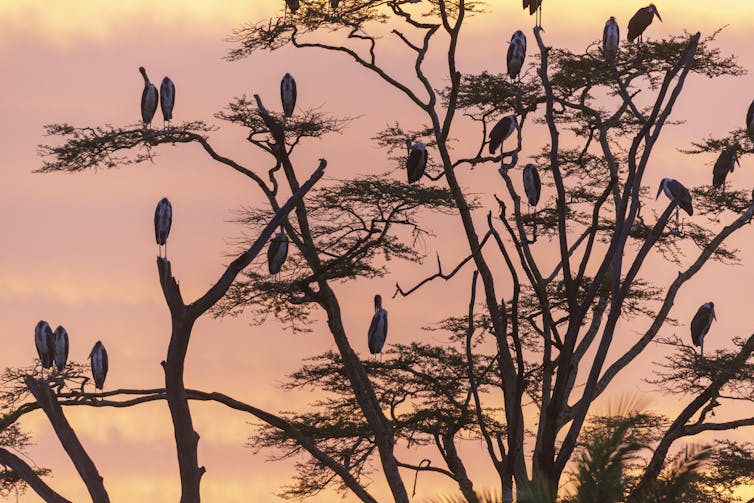
Extinction is part of life on Earth. Through much of our planet’s history, species have been forming, evolving and eventually disappearing. Today, however, human activities have dramatically sped up the process. The Earth is losing animals, birds, reptiles and other living things so fast that some scientists believe the planet is entering the sixth mass extinction in its history.
On Dec. 7, 2022, the United Nations will convene governments from around the world in Montreal for a 10-day conference that aims to establish new goals for protecting Earth’s ecosystems and their biodiversity – the variety of life at all levels, from genes to ecosystems. There’s broad agreement that there is a biodiversity crisis, but there are many different views about why protecting it is important.
Some people, cultures and nations believe biodiversity is worth conserving because ecosystems provide many services that support human prosperity, health and well-being. Others assert that all living things have a right to exist, regardless of their usefulness to humans. Today, there’s also growing understanding that nature enriches our lives by providing opportunities for us to connect with each other and the places we care about.
As a conservation biologist, I’ve been part of the effort to value biodiversity for years. Here’s how thinking in this field has evolved, and why I’ve come to believe that there are many equally valid reasons for protecting nature.
Defending every species
Conservation biology is a scientific field with a mission: protecting and restoring biodiversity around the world. It came of age in the 1980s, as humans’ impact on the Earth was becoming alarmingly clear.
In a 1985 essay, Michael Soulé, one of the field’s founders, described what he saw as the core principles of conservation biology. Soulé argued that biological diversity is inherently good and should be conserved because it has intrinsic value. He also proposed that conservation biologists should act to save biodiversity even if sound science isn’t available to inform decisions.
To critics, Soulé’s principles sounded more like environmental activism than science. What’s more, not everyone agreed then or now that biodiversity is inherently good.
After all, wild animals can destroy crops and endanger human lives. Contact with nature can lead to disease. And some conservation initiatives have displaced people from their land or prevented development that might otherwise improve people’s lives.
Valuing nature’s services
Soulé’s essay spurred many researchers to push for a more science-driven approach to conservation. They sought to directly quantify the value of ecosystems and the roles species played in them. Some scholars focused on calculating the value of ecosystems to humans.
They reached a preliminary conclusion that the total economic value of the world’s ecosystems was worth an average US$33 trillion per year in 1997 dollars. At the time, this was nearly twice the global value of the entire world’s financial markets.
This estimate included services such as predators controlling pests that would otherwise ruin crops; pollinators helping to produce fruits and vegetables; wetlands, mangroves and other natural systems buffering coasts against storms and flooding; oceans providing fish for food; and forests providing lumber and other building materials.
Researchers have refined their estimates of what these benefits are worth, but their central conclusion remains the same: Nature has shockingly high economic value that existing financial markets don’t account for.
A second group began to quantify the nonmonetary value of nature for human health, happiness and well-being. Studies typically had people take part in outdoor activities, such as strolling through a green space, hiking in the woods or canoeing on a lake. Later, they measured the subjects’ physical or emotional health.
This research found that spending time in nature tended to reduce blood pressure, lower hormones related to stress and anxiety, decrease the probability of depression and improve cognitive function and certain immune functions. People exposed to nature fared better than others who took part in similar activities in nonnatural settings, such as walking through a city.
Losing species weakens ecosystems
A third line of research asked a different question: When ecosystems lose species, can they still function and provide services? This work was driven mainly by experiments where researchers directly manipulated the diversity of different types of organisms in settings ranging from laboratory cultures to greenhouses, plots in fields, forests and coastal areas.
By 2010, scientists had published more than 600 experiments, manipulating over 500 groups of organisms in freshwater, marine and land ecosystems. In a 2012 review of these experiments, colleagues and I found unequivocal evidence that when ecosystems lose biodiversity, they become less efficient, less productive and less stable. And they are less able to deliver many of the services that underlie human well-being.
For example, we found strong evidence that loss of genetic diversity reduced crop yields, and loss of tree diversity reduced the amount of wood that forests produced. We also found evidence that oceans with fewer fish species produced less-reliable catches, and that ecosystems with lower plant diversity were more prone to invasive pests and diseases.
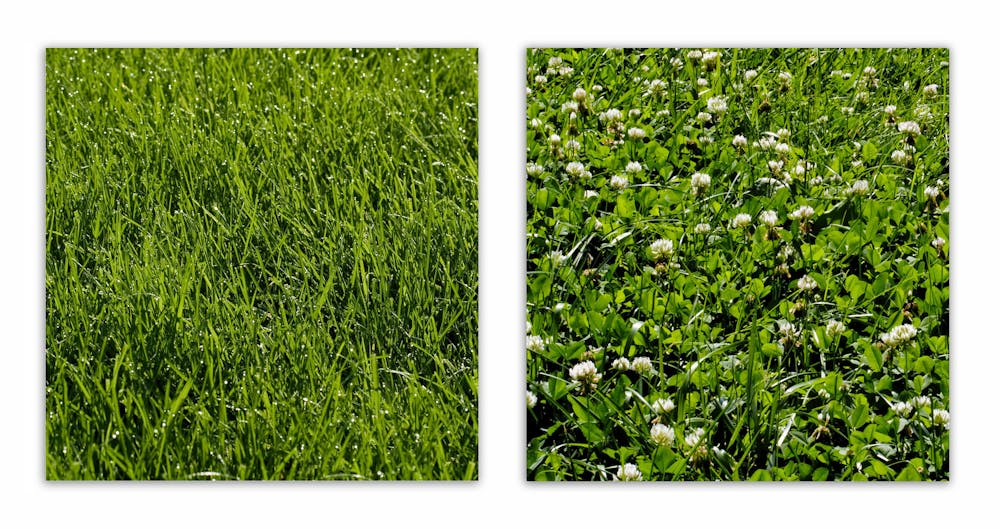
We also showed that it was possible to develop robust mathematical models that could predict reasonably well how biodiversity loss would affect certain types of valuable services from ecosystems.
Many motives for protecting nature
For years, I believed that this work had established the value of ecosystems and quantified how biodiversity provided ecosystem services. But I’ve come to realize that other arguments for protecting nature are just as valid, and often more convincing for many people.
I have worked with many people who donate money or land to support conservation. But I’ve never heard anyone say they were doing it because of the economic value of biodiversity or its role in sustaining ecosystem services.
Instead, they’ve shared stories about how they grew up fishing with their father, held family gatherings at a cabin or canoed with someone who was important to them. They wanted to pass on those experiences to their children and grandchildren to preserve familial relationships. Researchers increasingly recognize that such relational values – connections to communities and to specific places – are one of the most common reasons why people choose to conserve nature.
I also know many people who hold deep religious beliefs and are rarely swayed by scientific arguments for conservation. But when Pope Francis published his 2015 encyclical Laudato si’: On Care for Our Common Home and said God’s followers had a moral responsibility to care for his creation, my religious relatives, friends and colleagues suddenly wanted to know about biodiversity loss and what they might do about it.
Surveys show that 85% of the world’s population identifies with a major religion. Leaders of every major religion have published declarations similar to Pope Francis’ encyclical, calling on their followers to be better stewards of Earth. Undoubtedly, a large portion of humanity assigns moral value to nature.
Research clearly shows that nature provides humanity with enormous value. But some people simply believe that other species have a right to exist, or that their religion tells them to be good stewards of Earth. As I see it, embracing these diverse perspectives is the best way to get global buy-in for conserving Earth’s ecosystems and living creatures for the good of all.
Bradley J. Cardinale, Department Head, Ecosystem Science and Management, Penn State
This article is republished from The Conversation under a Creative Commons license. Read the original article.
- Details
- Written by: Elizabeth Larson
Dogs available for adoption this week include mixes of border collie, Chihuahua, German shepherd, hound, husky, Labrador retriever, pit bull, shepherd and terrier.
Dogs that are adopted from Lake County Animal Care and Control are either neutered or spayed, microchipped and, if old enough, given a rabies shot and county license before being released to their new owner. License fees do not apply to residents of the cities of Lakeport or Clearlake.
The following dogs at the Lake County Animal Care and Control shelter have been cleared for adoption.
Call Lake County Animal Care and Control at 707-263-0278 or visit the shelter online for information on visiting or adopting.

Female German shepherd
This 10-month-old female German shepherd has a short light-colored coat.
She is in kennel No. 28, ID No. LCAC-A-4297.

Male pit bull
This 3-year-old male pit bull has a short brown coat.
He is in kennel No. 4, ID No. LCAC-A-4428.

‘Daisy’
“Daisy” is a 9-month-old female pit bull terrier with a blue coat.
She is in kennel No. 6, ID No. LCAC-A-4213.

Male pit bull
This 3-year-old male pit bull has a short white coat with gray markings.
He is in kennel No. 7, ID No. LCAC-A-4425.

‘Tuesday’
“Tuesday” is a 2-year-old female German shepherd with a short tricolor coat.
She is in kennel No. 9, ID No. LCAC-A-2855.

‘Lil Man’
“Lil Man” is a 15-year-old terrier mix with a short black coat.
He is in kennel No. 15a, ID No. LCAC-A-4380.

‘Lil Rascal’
“Lil Rascal” is a 9-year-old male Chihuahua-dachshund mix with a black coat.
He is in kennel No. 15b, ID No. LCAC-A-4379.

Female pit bull
This 3-year-old female pit bull has a short brown brindle coat.
She is in kennel No. 16, ID No. LCAC-A-4378.

Female hound
This 8-month-old female hound has a fawn coat.
She is in kennel No. 17, ID No. LCAC-A-4386.

Female Chihuahua
This 15-year-old female Chihuahua has a short tan coat.
She is in kennel No. 18, ID No. LCAC-A-4435.

Female terrier
This 7-month-old female terrier has a short brown coat.
She is in kennel No. 23, ID No. LCAC-A-4436.

Male German shepherd
This 4-year-old male German shepherd has a black and tan coat.
He is in kennel No. 24, ID No. LCAC-A-4371.

Female hound
This 2-year-old female hound has a tricolor coat.
She is in kennel No. 25, ID No. LCAC-A-4381.

‘Riley’
“Riley” is a 5-year-old female Siberian husky with a black and white coat.
She is in kennel No. 30, ID No. LCAC-A-4382.

Male shepherd
This 3-year-old male shepherd has a short black and tan coat.
He is in kennel No. 31, ID No. LCAC-A-4312.

Male border collie-shepherd
This 2-year-old male border collie-shepherd has a short black coat with white markings.
He is in kennel No. 32, ID No. LCAC-A-4437.

Female Labrador retriever
This one and a half year old female Labrador retriever has a short yellow coat.
She is in kennel No. 33, ID No. LCAC-A-4383.

Male American pit bull terrier
This 3-year-old male American pit bull terrier has a short brindle coat.
He is in kennel No. 34, ID No. LCAC-A-4402.
Email Elizabeth Larson at
- Details
- Written by: Matthew L. Druckenmiller, University of Colorado Boulder; Rick Thoman, University of Alaska Fairbanks, and Twila Moon, University of Colorado Boulder
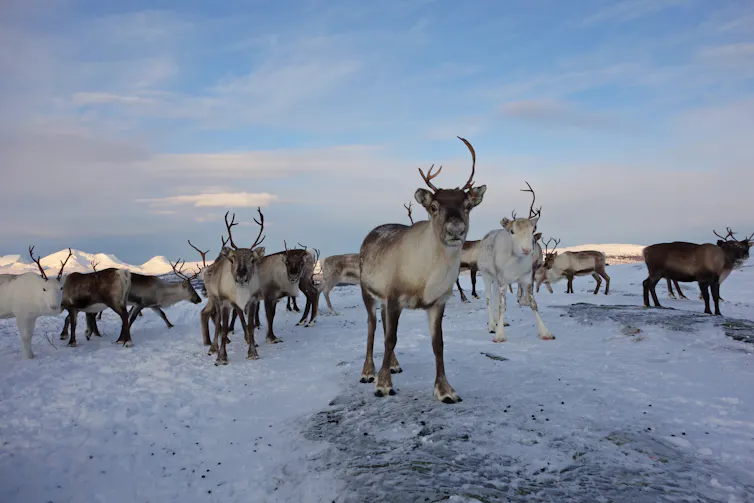
In the Arctic, the freedom to travel, hunt and make day-to-day decisions is profoundly tied to cold and frozen conditions for much of the year. These conditions are rapidly changing as the Arctic warms.
The Arctic is now seeing more rainfall when historically it would be snowing. Sea ice that once protected coastlines from erosion during fall storms is forming later. And thinner river and lake ice is making travel by snowmobile increasingly life-threatening.
Ship traffic in the Arctic is also increasing, bringing new risks to fragile ecosystems, and the Greenland ice sheet is continuing to send freshwater and ice into the ocean, raising global sea level
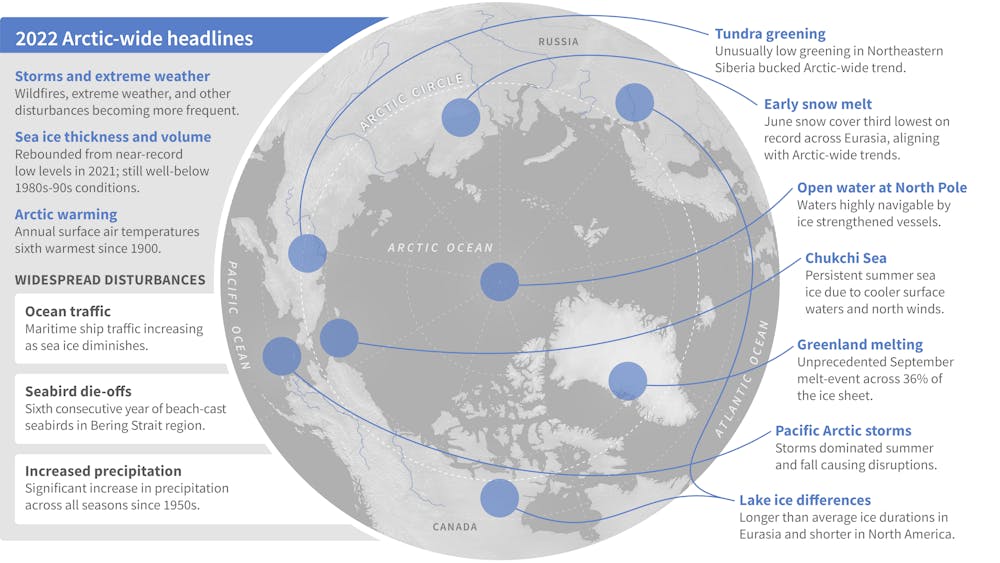
In the annual Arctic Report Card, released Dec. 13, 2022, we brought together 144 other Arctic scientists from 11 countries to examine the current state of the Arctic system.
The Arctic is getting wetter and rainier
We found that Arctic precipitation is on the rise across all seasons, and these seasons are shifting.
Much of this new precipitation is now falling as rain, sometimes during winter and traditionally frozen times of the year. This disrupts daily life for humans, wildlife and plants.
Roads become dangerously icy more often, and communities face greater risk of river flooding events. For Indigenous reindeer herding communities, winter rain can create an impenetrable ice layer that prevents their reindeer from accessing vegetation beneath the snow.
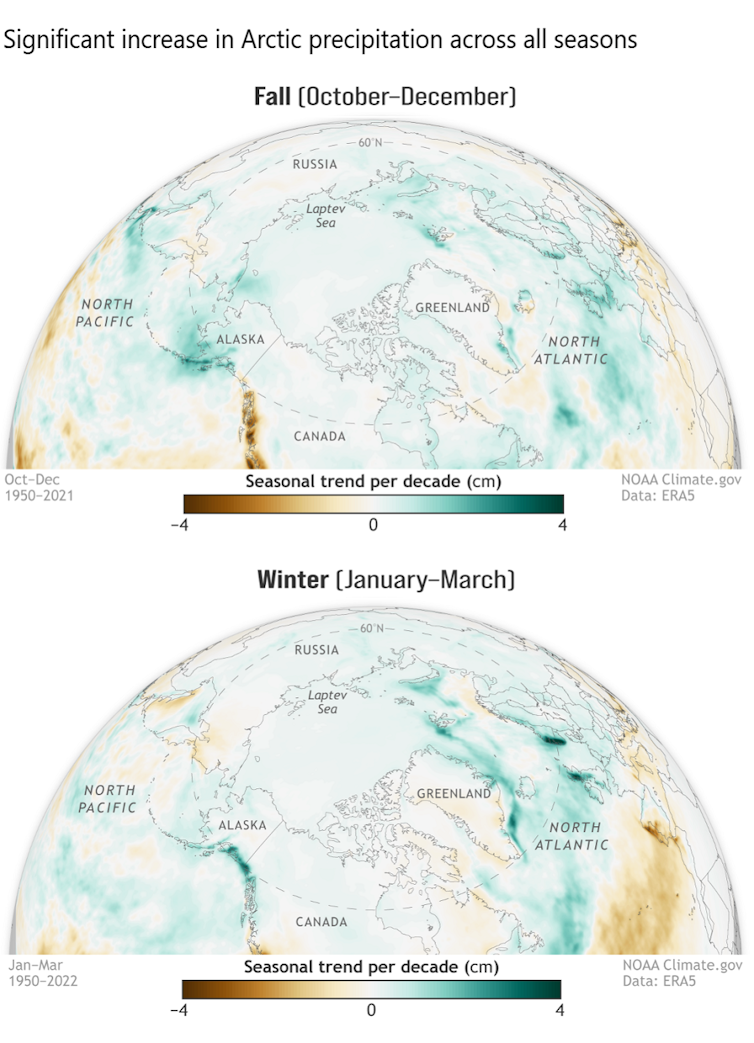
Arctic-wide, this shift toward wetter conditions can disrupt the lives of animals and plants that have evolved for dry and cold conditions, potentially altering Arctic peoples’ local foods.
When Fairbanks, Alaska, got 1.4 inches of freezing rain in December 2021, the moisture created an ice layer that persisted for months, bringing down trees and disrupting travel, infrastructure and the ability of some Arctic animals to forage for food. The resulting ice layer was largely responsible for the deaths of a third of a bison herd in interior Alaska.
There are multiple reasons for this increase in Arctic precipitation.
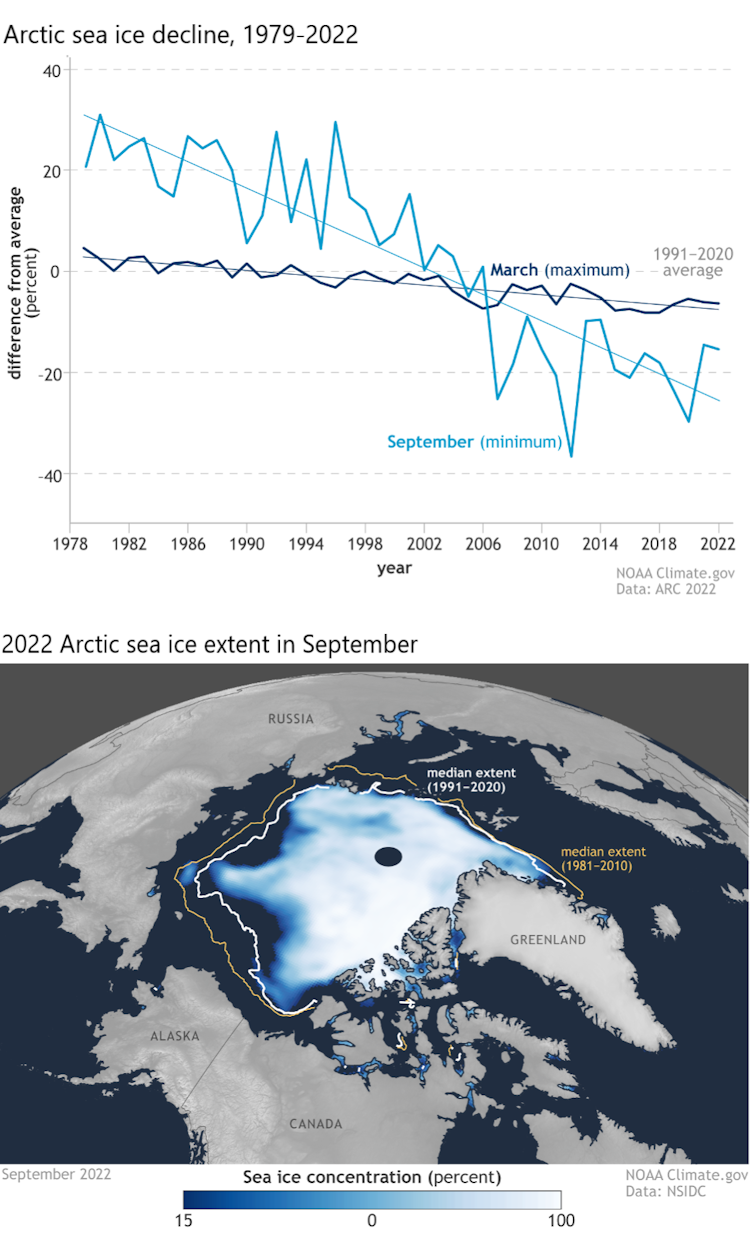
As sea ice rapidly declines, more open water is exposed, which feeds increased moisture into the atmosphere. The entire Arctic region has seen a more than 40% loss in summer sea ice extent over the 44-year satellite record.
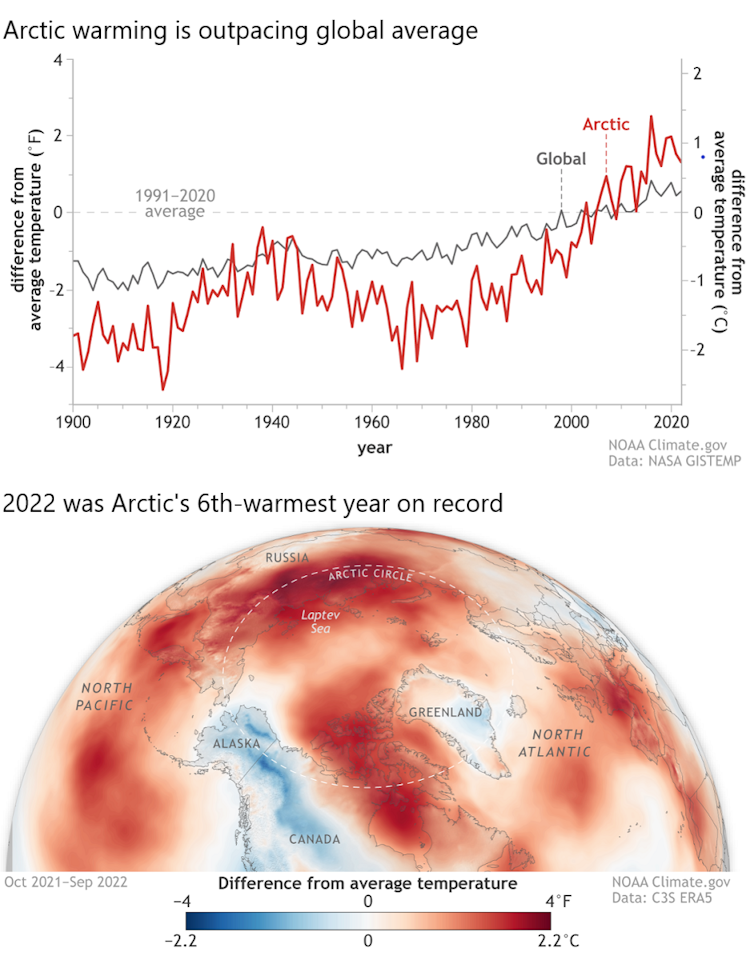
The Arctic atmosphere is also warming more than twice as fast as the rest of the globe, and this warmer air can hold more moisture.
Under the ground, the wetter, rainier Arctic is accelerating the thaw of permafrost, upon which most Arctic communities and infrastructure are built. The result is crumbling buildings, sagging and cracked roads, the emergence of sinkholes and the collapse of community coastlines along rivers and ocean.
Wetter weather also disrupts the building of a reliable winter snowpack and safe, reliable river ice, and often challenges Indigenous communities’ efforts to harvest and secure their food.
When Typhoon Merbok hit in September 2022, fueled by unusually warm Pacific water, its hurricane-force winds, 50-foot waves and far-reaching storm surge damaged homes and infrastructure over 1,000 miles of Bering Sea coastline, and disrupted hunting and harvesting at a crucial time.
Arctic snow season is shrinking
Snow plays critical roles in the Arctic, and the snow season is shrinking.
Snow helps to keep the Arctic cool by reflecting incoming solar radiation back to space, rather than allowing it to be absorbed by the darker snow-free ground. Its presence helps lake ice last longer into spring and helps the land to retain moisture longer into summer, preventing overly dry conditions that are ripe for devastating wildfires.
Snow is also a travel platform for hunters and a habitat for many animals that rely on it for nesting and protection from predators.
A shrinking snow season is disrupting these critical functions. For example, the June snow cover extent across the Arctic is declining at a rate of nearly 20% per decade, marking a dramatic shift in how the snow season is defined and experienced across the North.
Even in the depth of winter, warmer temperatures are breaking through. The far northern Alaska town of Utqiaġvik hit 40 degrees Fahrenheit (4.4 C) – 8 F above freezing – on Dec. 5, 2022, even though the sun does not breach the horizon from mid-November through mid-January.
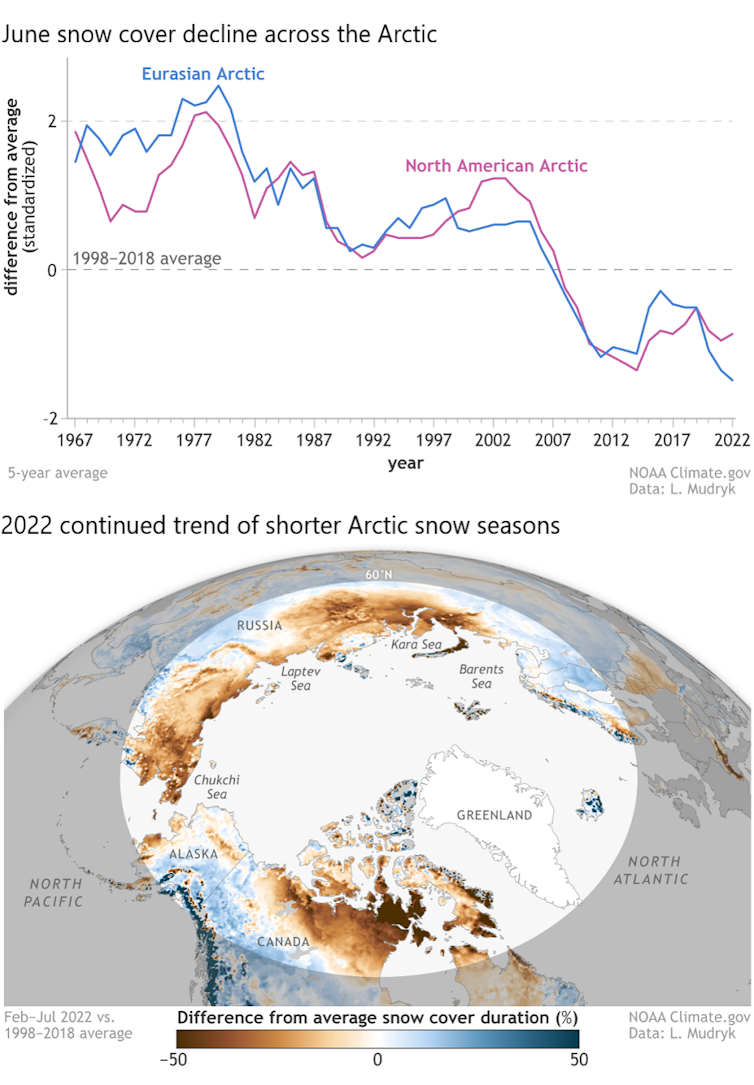
Fatal falls through thin sea, lake and river ice are on the rise across Alaska, resulting in immediate tragedies as well as adding to the cumulative human cost of climate change that Arctic Indigenous peoples are now experiencing on a generational scale.
Greenland ice melt means global problems
The impacts of Arctic warming are not limited to the Arctic. In 2022, the Greenland ice sheet lost ice for the 25th consecutive year. This adds to rising seas, which escalates the danger coastal communities around the world must plan for to mitigate flooding and storm surge.
In early September 2022, the Greenland ice sheet experienced an unprecedented late-season melt event across 36% of the ice sheet surface. This was followed by another, even later melt event that same month, caused by the remnants of Hurricane Fiona moving up along eastern North America.
International teams of scientists are dedicated to assessing the scale to which the Greenland ice sheet’s ice formation and ice loss are out of balance. They are also increasingly learning about the transformative role that warming ocean waters play.

This year’s Arctic Report Card includes findings from the NASA Oceans Melting Greenland (OMG) mission that has confirmed that warming ocean temperatures are increasing ice loss at the edges of the ice sheet.
Human-caused change is reshaping the Arctic
We are living in a new geological age — the Anthropocene — in which human activity is the dominant influence on our climate and environments.
In the warming Arctic, this requires decision-makers to better anticipate the interplay between a changing climate and human activity. For example, satellite-based ship data since 2009 clearly show that maritime ship traffic has increased within all Arctic high seas and national exclusive economic zones as the region has warmed.
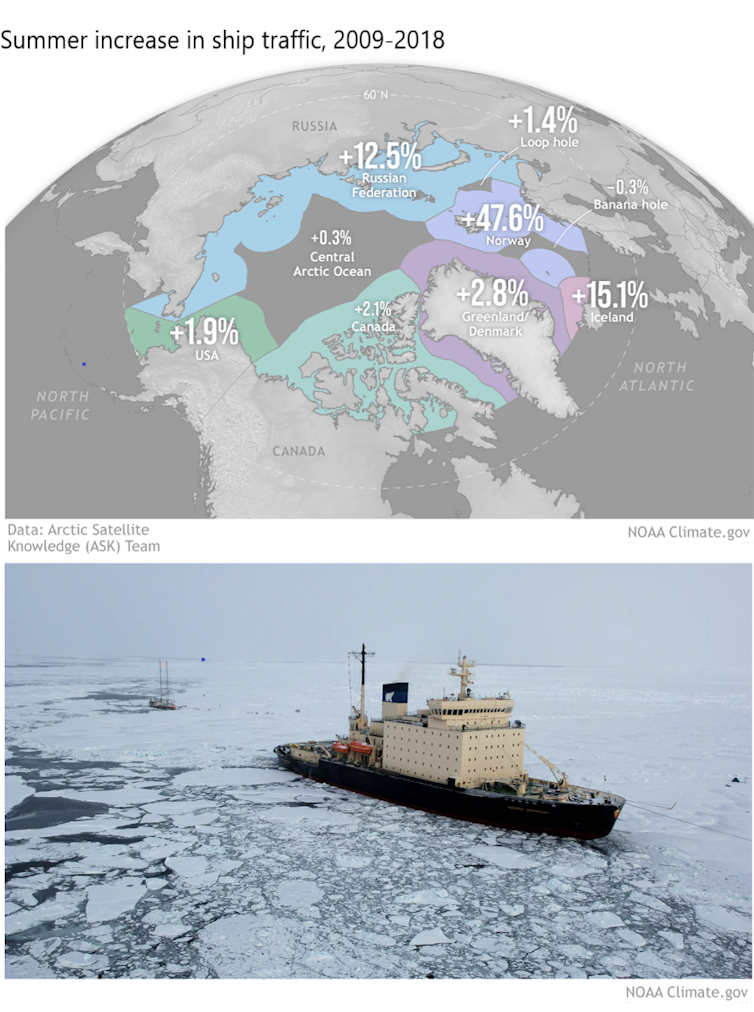
For these ecologically sensitive waters, this added ship traffic raises urgent concerns ranging from the future of Arctic trade routes to the introduction of even more human-caused stresses on Arctic peoples, ecosystems and the climate. These concerns are especially pronounced given uncertainties regarding the current geopolitical tensions between Russia and the other Arctic states over its war in Ukraine.
Rapid Arctic warming requires new forms of partnership and information sharing, including between scientists and Indigenous knowledge-holders. Cooperation and building resilience can help to reduce some risks, but global action to rein in greenhouse gas pollution is essential for the entire planet.
Matthew L. Druckenmiller, Research Scientist, National Snow and Ice Data Center (NSIDC), Cooperative Institute for Research in Environmental Sciences (CIRES), University of Colorado Boulder; Rick Thoman, Alaska Climate Specialist, University of Alaska Fairbanks, and Twila Moon, Deputy Lead Scientist, National Snow and Ice Data Center (NSIDC), Cooperative Institute for Research in Environmental Sciences (CIRES), University of Colorado Boulder
This article is republished from The Conversation under a Creative Commons license. Read the original article.