 How to resolve AdBlock issue?
News
- Details
- Written by: Elizabeth Larson
The committee, or LEDAC, will meet from 7:30 to 9 a.m. Wednesday, May 10, in the council chambers at Lakeport City Hall, 225 Park St.
The meeting is open to the public.
Agenda items include updates on city projects and City Council priorities.
There also will be discussion of the LEDAC action plan for fiscal year 2023-24, member reports, citizen input and announcements.
LEDAC’s next meeting will be July 12.
LEDAC advocates for a strong and positive Lakeport business community and acts as a conduit between the city and the community for communicating the goals, activities and progress of Lakeport’s economic and business programs.
Members are Chair Wilda Shock, Vice Chair Denise Combs and Secretary JoAnn Saccato, along with Bonnie Darling, Jeff Davis, Candy De Los Santos, Bill Eaton, Monica Flores, Barbara Flynn, Pam Harpster, Laura McAndrews Sammel, Bob Santana and Tim Stephens. City staff who are members include City Manager Kevin Ingram and Community Development Department representatives.
Email Elizabeth Larson at
- Details
- Written by: Kathleen Merrigan, Arizona State University
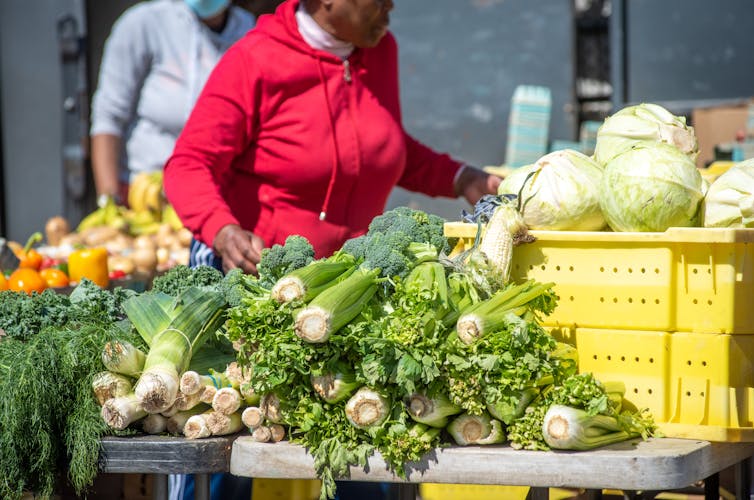
For the 20th time since 1933, Congress is writing a multiyear farm bill that will shape what kind of food U.S. farmers grow, how they raise it and how it gets to consumers. These measures are large, complex and expensive: The next farm bill is projected to cost taxpayers US$1.5 trillion over 10 years.
Modern farm bills address many things besides food, from rural broadband access to biofuels and even help for small towns to buy police cars. These measures bring out a dizzying range of interest groups with diverse agendas.
Umbrella organizations like the American Farm Bureau Federation and the National Farmers Union typically focus on farm subsidies and crop insurance. The National Sustainable Agriculture Coalition advocates for small farmers and ranchers. Industry-specific groups, such as cattlemen, fruit and vegetable growers and organic producers, all have their own interests.
Environmental and conservation groups seek to influence policies that affect land use and sustainable farming practices. Hunger and nutrition groups target the bill’s sections on food aid. Rural counties, hunters and anglers, bankers and dozens of other organizations have their own wish lists.
As a former Senate aide and senior official at the U.S. Department of Agriculture, I’ve seen this intricate process from all sides. In my view, with the challenges in this round so complex and with critical 2024 elections looming, it could take Congress until 2025 to craft and enact a bill. Here are four key issues shaping the next farm bill, and through it, the future of the U.S. food system.
The price tag
Farm bills always are controversial because of their high cost, but this year the timing is especially tricky. In the past two years, Congress has enacted major bills to provide economic relief from the COVID-19 pandemic, counter inflation, invest in infrastructure and boost domestic manufacturing.
These measures follow unprecedented spending for farm support during the Trump administration. Now legislators are jockeying over raising the debt ceiling, which limits how much the federal government can borrow to pay its bills.
Agriculture Committee leaders and farm groups argue that more money is necessary to strengthen the food and farm sector. If they have their way, the price tag for the next farm bill would increase significantly from current projections.
On the other side, reformers argue for capping payments to farmers, which The Washington Post recently described as an “expensive agricultural safety net,” and restricting payment eligibility. In their view, too much money goes to very large farms that produce commodity crops like wheat, corn, soybeans and rice, while small and medium-size producers receive far less support.
Food aid is the key fight
Many people are surprised to learn that nutrition assistance – mainly through the Supplemental Nutrition Assistance Program, formerly known as food stamps – is where most farm bill money is spent. Back in the 1970s, Congress began including nutrition assistance in the farm bill to secure votes from an increasingly urban nation.
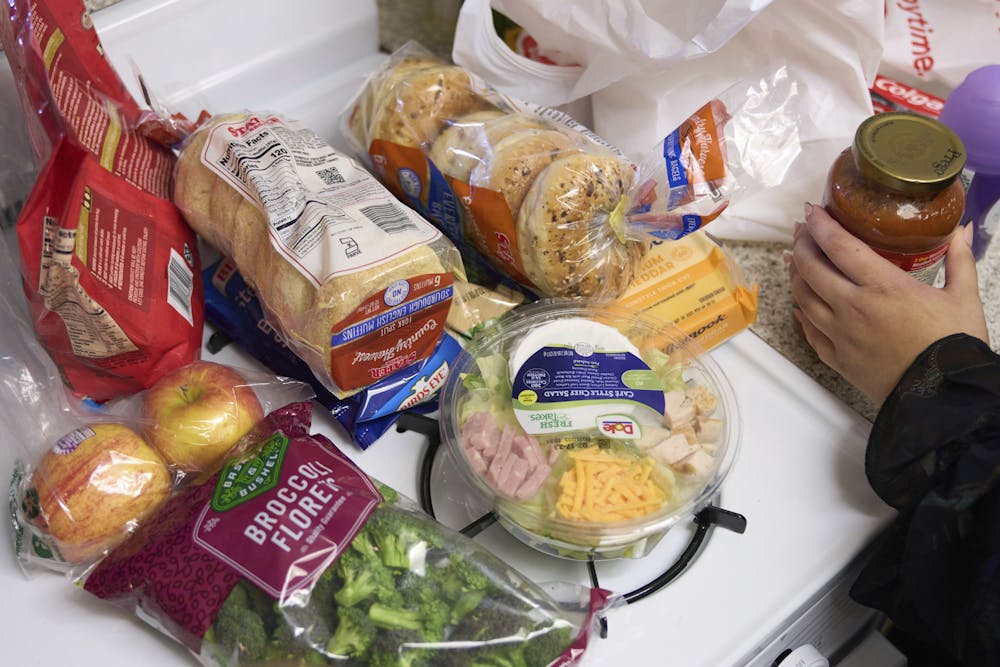
Today, over 42 million Americans depend on SNAP, including nearly 1 in every 4 children. Along with a few smaller programs, SNAP will likely consume 80% of the money in the new farm bill, up from 76% in 2018.
Why have SNAP costs grown? During the pandemic, SNAP benefits were increased on an emergency basis, but that temporary arrangement expired in March 2023. Also, in response to a directive included in the 2018 farm bill, the Department of Agriculture recalculated what it takes to afford a healthy diet, known as the Thrifty Food Plan, and determined that it required an additional $12-$16 per month per recipient, or 40 cents per meal.
Because it’s such a large target, SNAP is where much of the budget battle will play out. Most Republicans typically seek to rein in SNAP; most Democrats usually support expanding it.
Anti-hunger advocates are lobbying to make the increased pandemic benefits permanent and defend the revised Thrifty Food Plan. In contrast, Republicans are calling for SNAP reductions, and are particularly focused on expanding work requirements for recipients.
Debating climate solutions
The 2022 Inflation Reduction Act provided $19.5 billion to the Department of Agriculture for programs that address climate change. Environmentalists and farmers alike applauded this investment, which is intended to help the agriculture sector embrace climate-smart farming practices and move toward markets that reward carbon sequestration and other ecosystem services.
This big pot of money has become a prime target for members of Congress who are looking for more farm bill funding. On the other side, conservation advocates, sustainable farmers and progressive businesses oppose diverting climate funds for other purposes.
There also is growing demand for Congress to require USDA to develop better standards for measuring, reporting and verifying actions designed to protect or increase soil carbon. Interest is rising in “carbon farming” – paying farmers for practices such as no-till agriculture and planting cover crops, which some studies indicate can increase carbon storage in soil.
But without more research and standards, observers worry that investments in climate-smart agriculture will support greenwashing – misleading claims about environmental benefits – rather than a fundamentally different system of production. Mixed research results have raised questions as to whether establishing carbon markets based on such practices is premature.
A complex bill and inexperienced legislators
Understanding farm bills requires highly specialized knowledge about issues ranging from crop insurance to nutrition to forestry. Nearly one-third of current members of Congress were first elected after the 2018 farm bill was enacted, so this is their first farm bill cycle.
I expect that, as often occurs in Congress, new members will follow more senior legislators’ cues and go along with traditional decision making. This will make it easier for entrenched interests, like the American Farm Bureau Federation and major commodity groups, to maintain support for Title I programs, which provide revenue support for major commodity crops like corn, wheat and soybeans. These programs are complex, cost billions of dollars and go mainly to large-scale operations.
Agriculture Secretary Tom Vilsack’s current stump speech spotlights the fact that 89% of U.S. farmers failed to make a livable profit in 2022, even though total farm income set a record at $162 billion. Vilsack asserts that less-profitable operations should be the focus of this farm bill – but when pressed, he appears unwilling to concede that support for large-scale operations should be changed in any way.
When I served as deputy secretary of agriculture from 2009 to 2011, I oversaw the department’s budget process and learned that investing in one thing often requires defunding another. My dream farm bill would invest in three priorities: organic agriculture as a climate solution; infrastructure to support vibrant local and regional markets and shift away from an agricultural economy dependent on exporting low-value crops; and agricultural science and technology research aimed at reducing labor and chemical inputs and providing new solutions for sustainable livestock production.
In my view, it is time for tough policy choices, and it won’t be possible to fund everything. Congress’ response will show whether it supports business as usual in agriculture, or a more diverse and sustainable U.S. farm system.
Kathleen Merrigan, Executive Director, Swette Center for Sustainable Food Systems, Arizona State University
This article is republished from The Conversation under a Creative Commons license. Read the original article.
- Details
- Written by: LAKE COUNTY NEWS REPORTS
The Lake County First Responder Memorial Ceremony will be held on Friday, May 12.
It will take place beginning at 5:30 p.m. at Lake County Museum Park, 255 N. Main St. in Lakeport.
Join local leaders and officials as they come together to honor and remember those who made the ultimate sacrifice for their community in the line of duty and service.
Among Lake County’s fallen heroes are Sheriff George Kemp, Deputy Henry Valentine Snowbelt, Deputy William Hoyt, Sgt. Richard Helbush, Deputy Robert Rumfelt, and firefighters Michael Mattioda and Matthew Black.
For more information contact Deputy Cynthia Radoumis at telephone 707-262-4200.
- Details
- Written by: Elizabeth Larson
The board will meet beginning at 9 a.m. Tuesday, May 9, in the board chambers on the first floor of the Lake County Courthouse, 255 N. Forbes St., Lakeport.
The meeting can be watched live on Channel 8, online at https://countyoflake.legistar.com/Calendar.aspx and on the county’s Facebook page. Accompanying board documents, the agenda and archived board meeting videos also are available at that link.
To participate in real-time, join the Zoom meeting by clicking this link.
The meeting ID is 910 1753 0628, pass code 402874. The meeting also can be accessed via one tap mobile at +16694449171,,91017530628#,,,,*402874#.
All interested members of the public that do not have internet access or a Mediacom cable subscription are encouraged to call 669-900-6833, and enter the Zoom meeting ID and pass code information above.
At the start of the meeting, the board will meet the pet of the week and get an update from the Lake County Library staff on what is new and noteworthy at the library.
Beginning at 9:09 a.m., the board will present several proclamations designating May as Military Appreciation Month, CalFresh Awareness Month and Tourism Month; the week of May 7 to 13, 2023, as Correctional Officers Week in Lake County; the day of May 9, 2023, as Fentanyl Awareness Day in Lake County; and a presentation by the Lake County FFA on their work and accomplishments.
At 10:30 a.m., the board will consider an update on the broadband action planning process.
At 11:15 a.m., there will be an update on the countywide Community Visioning Forum Planning Committee update.
The full agenda follows.
CONSENT AGENDA
5.1: Adopt proclamation designating the month of May 2023 as Military Appreciation Month.
5.2: Approve contract between Tyler Recording and county of Lake for a five-year contract in the amount of $84,756 initial and $41,256 annually thereafter and authorize chair to sign.
5.3. Approve Amendment No. 1 to the agreement between the county of Lake and Willow Glen Care Center for adult residential support services and specialty mental health services for fiscal year 2023-2025 in the amount of $885,500 and authorize the board chair to sign.
5.4: Approve Amendment No. 1 to the agreement between county of Lake and the SmithWaters Group for patient rights advocacy services for fiscal years 2022-2025 in the amount of $135,000 and authorize the board chair to sign.
5.5: Approve Amendment No. 1 to the agreement between county of Lake and Clover Valley Guest Home for adult residential support services and specialty mental health services for fiscal years 2022-2025 in the amount of $550,000 and authorize the board chair to sign the agreement.
5.6: Adopt proclamation designating the day of May 9, 2023, as Fentanyl Awareness Day in Lake County.
5.7: a) Pursuant to Section 2-38 of the Lake County Code, waive the competitive bidding process for enhanced elements of the scope of services with Walnut Creek Consulting; and b) approve Amendment No. 1 to agreement for Behavioral Health contract management services with Walnut Creek Consulting to increase the not to exceed amount to $45,900, update scope of services, and authorize the chair to sign.
5.8: Approve Amendment No. 2 to the contract between the county of Lake and the Lake County Office of Education with no change to the contract maximum for fiscal years 2021-26 and authorize the board chair to sign.
5.9: Adopt proclamation designating the month of May as Tourism Month in Lake County.
5.10: Ratify the proposed rule changes of the Lake County/City Area Planning Council as outlined in the adopted Resolution 19-20-11 of the Lake County/City Area Planning Council.
5.11: Second reading, adopt ordinance amending Chapter 5 of the Lake County Code relating to exempt agricultural building permitting for temporary hoop structures for cannabis cultivation.
5.12: Approve request to waive 900-hour limit for extra-help accountant, Cindy Silva-Brackett and Public Health Nurse Kathleen (Kitty) Wertz.
5.13: Adopt resolution approving an agreement between the state of California Department of Healthcare Services and county of Lake Health Services Department for the Medi-Cal County Inmate Program for Administrative Services and authorize the Health Services director to sign said agreement.
5.14: Approve amendment to the agreement between the county of Tehama and county of Lake for the housing of juvenile offenders for an amount not to exceed $250,000; and authorize the chair to sign.
5.15: Adopt resolution to establish a list of projects proposed to be funded in FY 2023/2024 Pursuant to the Road Repair and Accountability Act of 2017 (SB1) .
5.16: Approve engineering/inspection agreement with Big Valley Band of Pomo Indians.
5.17: (a) Approve Amendment No. 1 to the agreement between the county of Lake and Mountain G. Enterprises Inc. for consulting services related to the development of an application to the U.S. Department of Agriculture for grant funds, and authorize the chair to sign the agreement, and (b) authorize the application to U.S. Geological Survey for grant funds.
5.18: Adopt resolution delegating to the county Public Works Director authority to negotiate and acquire certain real estate up to $7,000; the purchase of a portion of certain parcel (APN 027-221-110), is part of the bridge replacement project on First Street over Clover Creek.
5.19: Adopt proclamation designating the week of May 7 to 13, 2023, as Correctional Officers Week in Lake County.
5.20: Approve long distance travel for Diana Duran, Adult Services Program manager; Thomas Swanson, APS supervisor Catherine Sims, APS social worker to attend the NAPSA Annual Conference training in Boston, Massachusetts from Aug. 27 to Sept. 1, 2023.
5.21: Approve contract between county of Lake and Shore Side Electric for Electrical Services, in the Amount of $49,000 from April 1, 2023, to June 30, 2024, and authorize the chair to sign.
5.22: Adopt proclamation designating the month of May 2023, as CalFresh Awareness Month.
5.23: Sitting as the Board of Directors of the Lake County Watershed Protection District, approve the memorandum of understanding: Implementation of the Westside Sacramento Integrated Regional Water Management Plan for the Westside Subregion of the Sacramento River Funding Area, and authorize the chair to sign.
TIMED ITEMS
6.2, 9:07 a.m.: Pet of the Week.
6.3, 9:08 a.m.: New and noteworthy at the Library.
6.4, 9:09 a.m.: Presentation of proclamation designating the month of May 2023 as Military Appreciation Month.
6.5, 9:10 a.m.: Presentation of proclamation designating the month of May 2023 as CalFresh Awareness Month.
6.6, 9:11 a.m.: Presentation of proclamation designating the week of May 7 to 13, 2023, as Correctional Officers Week in Lake County.
6.7, 9:12 a.m.: Presentation of proclamation designating the month of May as Tourism Month in Lake County.
6.8, 9:13 a.m.: Presentation of proclamation designating the day of May 9, 2023, as Fentanyl Awareness Day in Lake County.
6.9, 9:14 a.m.: Presentation by the Lake County FFA on their work and accomplishments.
6.10, 10 a.m.: Consideration of the March 31, 2023, report of Lake County Pooled Investments.
6.11, 10:30 a.m.: Consideration of an update on the broadband action planning process by CBG Communications Inc.
6.12, 11:15 a.m.: Consideration of Lake Countywide Community Visioning Forum Planning Committee update.
6.13, 11:30 a.m.: Consideration of Scotts Valley Community Advisory Council project requests and prior allocation of discretionary cannabis tax funds.
UNTIMED ITEMS
7.2: Consideration of one-time dedication of 1% of Local Assistance and Tribal Consistency Funding (LATCF, $30,607.51) to Support Establishment of a National Center for Public Lands Counties.
7.3: Consideration of the following advisory board appointments: Lower Lake Cemetery District.
CLOSED SESSION
8.1, 2 p.m.: Public employee appointment pursuant to Gov. Code Section 54957(b) (1): Interviews for Child Support Services director; appointment of Child Support Services director.
Email Elizabeth Larson at