 How to resolve AdBlock issue?
News
- Details
- Written by: Lake County News
The commission was created by the Not Invisible Act, led by Secretary of the Interior Deb Haaland during her time in Congress.
Its mandate was to develop recommendations on actions the federal government can take on six focused topics to help combat violent crime against Indigenous people and within Indian lands, and to address the epidemic of missing persons, murder and trafficking of American Indian and Alaska Native peoples, as specified under the law.
“I am so grateful to the members of the Not Invisible Act Commission for the time and effort they have given to this work and this report over the past two years. Indian Country will be safer, and lives will be saved, because of this Commission’s work,” said Secretary Haaland. “Everyone deserves to feel safe in their community. Crimes against Indigenous peoples have long been underfunded and ignored, rooted in the deep history of intergenerational trauma that has affected our communities since colonization. I look forward to reviewing the recommendations, which will help us continue to galvanize attention and resources toward these tragic epidemics.”
“These recommendations will play an important role in our shared work to address the violence Tribal communities face,” said Attorney General Merrick B. Garland. “I am grateful to the Commissioners for approaching this critical and difficult work with the urgency and thoughtfulness it deserves. The Justice Department is committed to working with the Department of Interior, Congress, and our state, local, and Tribal partners to address the Commission’s recommendations and respond to the public safety challenges facing American Indians and Alaska Natives.”
The Departments will carefully consider the NIAC’s recommendations, which will help further the Biden-Harris administration’s work to advance and invest in public safety in Indian Country.
At the 2021 White House Tribal Nations Summit, President Biden signed Executive Order 14053 on Improving Public Safety and Criminal Justice for Native Americans and Addressing the Crisis of Missing or Murdered Indigenous People directing the Departments of the Interior, Justice and Health and Human Services to work with tribal nations and partners to build safe and healthy Tribal communities and to support comprehensive law enforcement, prevention, intervention and support services.
Last year, the president signed the Violence Against Women Act Reauthorization Act of 2022 into law, which built on advancements from previous reauthorizations and included new provisions to address the crisis of Missing and Murdered Indigenous Peoples across the country and re-enforced tribal sovereignty by providing means for tribes to address the epidemic of violence within their lands and communities.
At the 2022 White House Tribal Nations Summit, the Interior Department’s Bureau of Indian Affairs and the Federal Bureau of Investigation announced an agreement to provide for the effective and efficient administration of criminal investigations in Indian Country.
The agreement specified that the BIA Office of Justice Services, or BIA-OJS, and the FBI would cooperate on investigations and share information and investigative reports as well as establish written guidelines outlining jurisdiction and investigative roles and responsibilities.
The agreement also requires that all BIA, FBI and Tribal law enforcement officers receive training regarding trauma-informed, culturally responsive investigative approaches.
Secretary Haaland has traveled throughout the nation and internationally to highlight the need for coordination and collaboration on issues related to violence against Indigenous peoples. Within the first 100 days of the Biden-Harris administration, Secretary Haaland created a new Missing and Murdered Unit within the BIA-OJS, which is providing leadership and direction for cross-departmental and interagency work involving missing and murdered Indigenous peoples.
The Not Invisible Act Commission’s recommendations will inform the Department’s efforts to evolve the MMU to address gaps within law enforcement agencies and across the federal government.
Last week, Attorney General Garland, Deputy Attorney General Lisa O. Monaco, and Associate Attorney General Vanita Gupta met with the Tribal Nations Leadership Council, including a council member who serves as a commissioner on the Not Invisible Act Commission, and discussed a range of pressing issues impacting American Indian and Alaska Native people.
Attorney General Garland traveled to Alaska in August, during which he visited Anchorage and the Village of Galena. Attorney General Garland met with tribal leaders and advocates to discuss the public safety challenges that Alaska Native individuals and communities face, including the Justice Department’s continuing to work in partnership with tribal communities to address the MMIP crisis.
In the past year, Associate Attorney General Gupta has held meetings with tribal and Native leaders in Minnesota and Alaska.
This month in Alaska, the Associate Attorney General spoke at the Alaska Federation of Natives annual convention to announce the launch of the Alaska Pilot Program, which empowers Tribes to exercise criminal jurisdiction over non-Indians present in their Villages for certain crimes.
Since the establishment of the NIAC in 2020, the Justice Department has made strides in implementing systems aimed at preventing new instances of MMIP, locating individuals who are reported missing, and, where a crime has occurred, investigating and prosecuting those responsible.
Earlier this summer, the Department launched a MMIP Regional Outreach Program. This program places attorneys and coordinators at U.S. Attorneys’ Offices across the United States to help prevent and respond to cases of missing or murdered Indigenous people.
- Details
- Written by: Jessica D. Ayers, Boise State University
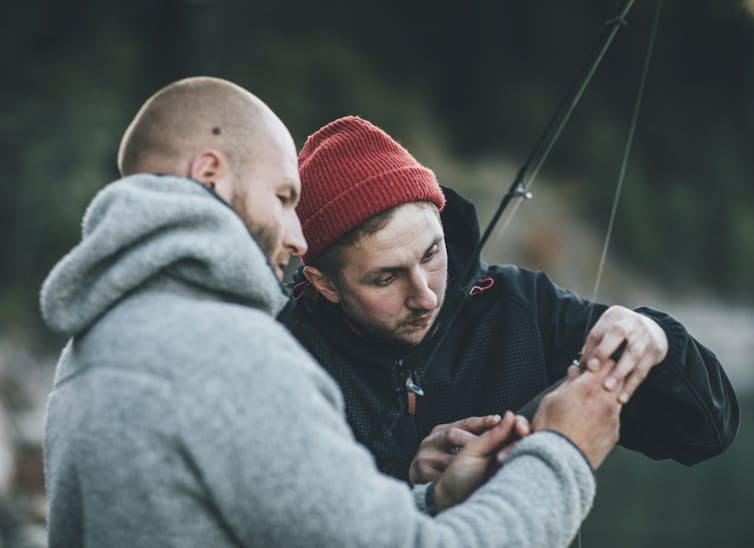
The benefits of friendship go far beyond having someone to confide in or spend time with – it can also protect you from physical and mental health problems. For example, people with good friends recover more quickly from illnesses and surgeries. They report higher well-being and feel like they live up to their full potential. Additionally, people with good friends report being less lonely across many life stages, including adolescence, becoming a parent and old age.
In fact, friendships are so powerful that the social pain of rejection activates the same neural pathways that physical pain does.
Behavioral scientists like me have tended to focus our research about friendships on their benefits. How to cultivate these powerful relationships hasn’t been as deeply researched yet. Understanding more about what people look for in a friend and how to make and sustain good friendships could help fight the loneliness epidemic.
Traditional conceptions of friendship
Previous generations of behavioral scientists traditionally focused on the notion that people form friendships with those who are similar, familiar and in close proximity to them.
When you look at all the friendships you’ve had over your life, these three factors probably make intuitive sense. You’re more likely to have things in common with your friends than not. You feel an increased sense of familiarity with friends the longer you know them – what psychologists call the mere exposure effect. And your friends are more likely to live or work near you.
Researchers in this field have also typically divided friendship preferences based on gender. The dichotomy suggests that women prefer one-on-one, emotionally close and face-to-face friendships, while men prefer multi-person, task-oriented and side-by-side friendships, with the focus on a shared activity.
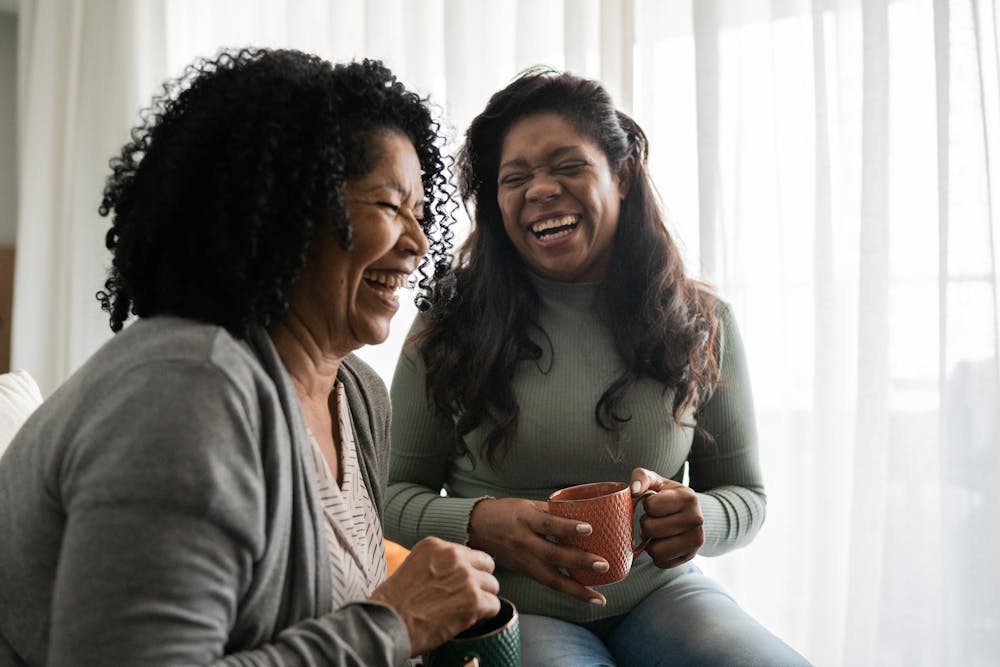
Again, when looking at your own friendships, these findings may seem intuitive. Women on average prefer to engage in activities that allow for self-disclosure and sharing secrets, such as spending time one-on-one talking about their lives. Men, on the other hand, tend to prefer to engage in activities that are group-based and have a clearly defined outcome, such as playing sports together. Findings such as these show that gender and preferences on how to connect are important in friendships.
But these explanations of friendship do not address the most important aspect of making friends – choosing the individual people you want to turn into your pals. Friendship decisions are not random. There are many people who are similar, familiar, in close proximity and have similar preferences as you. Yet few of these individuals end up being your friends.
So, in a world full of possibilities, how do people pick those who will become their friends?
New ways to think about friendship
Within the last decade, researchers have begun investigating the roots of friendship preferences beyond the classic descriptions.
For example, social scientists see there are strong preferences for friends to be loyal, trustworthy and warm. Additionally, researchers find there are preferences for friends who help you solve specific kinds of problems and are generous and caring with you instead of others. These preferences help people navigate making friends, given limited reserves of time and effort. In short, they help you find the best possible friends you can in a world full of friendship possibilities.
Social scientists have also learned that, while there are some important gender differences in what people want in friends, it is not accurate to say that men and women want one kind of friendship over another. In fact, when we take a more holistic approach and consider broader categorizations of emotional closeness and tasks, the gender differences in these preferences are reduced. And of course, people don’t exclusively pick between face-to-face and side-by-side friendships. Instead, it is more likely that they focus on what they want from their friends and let these needs guide how friendships form.
Ultimately it’s your individual preferences that guide you toward the people who will best meet your particular social needs. With a little luck, you’ll find buddies who can lend a hand when you need one and support you in reaching your goals. In all, your preferences are the key to finding friends who can buffer against feeling lonely and provide you with the social, emotional and health benefits of friendship.
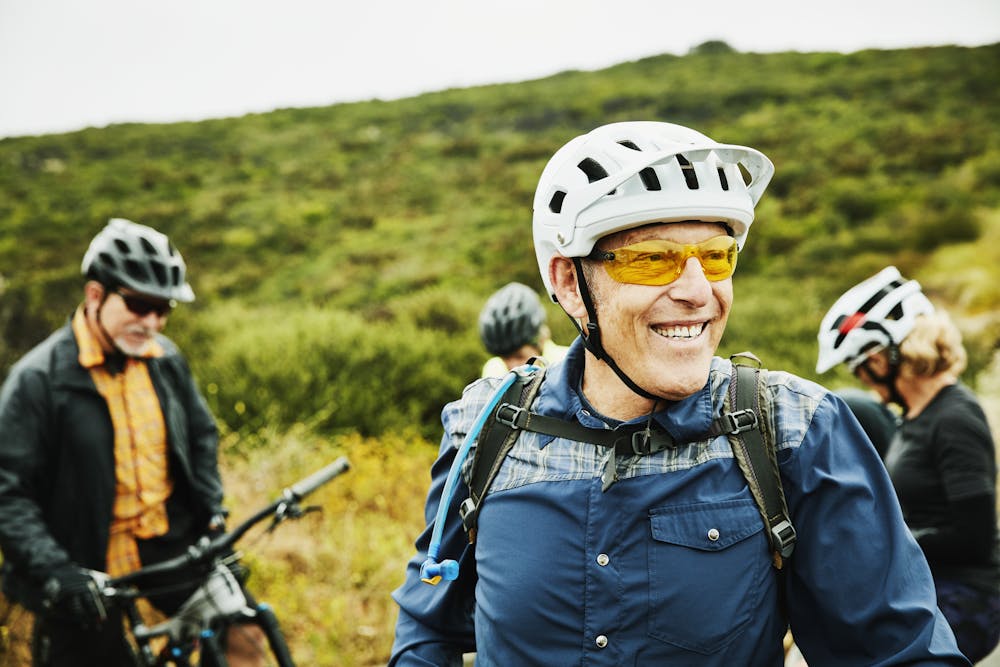
When you’re looking for friends
It’s hard to provide clear guidelines for improving friendships because the research about friendship preferences is still developing. But there are some clear points for consideration:
-
Determine what you value in friends. Do you want one-on-one, emotionally close friendships or multi-person, task-oriented friendships? Depending on your preference, different kinds of activities will be helpful for finding others who fit the bill and cultivating these friendships.
-
Know that it will take time to make close friendships. Research suggests that it takes 30 hours of interaction to make a casual friend, 140 hours to make a good friend and 300 hours to make a best friend.
-
Consider what you bring to the table. Everyone has unique strengths they bring to their friendships. Research shows that, when you’re able to demonstrate that you have characteristics people want in friends, you’re able to make more satisfying friendships.
Understand friendships to understand loneliness
Considering the nuances of friendship preferences will be extremely important in reducing not only loneliness, but other related public health crises. For example, loneliness is associated with likelihood of attempting suicide. Recent surveys have found that men are suffering big declines in the number of close friends they have, as well as experiencing higher rates of suicide compared to women.
The U.S. Surgeon General’s recent recommendations for fighting the loneliness epidemic focus on public policies and infrastructure. But fostering community spaces for connection – such as parks, libraries and playgrounds – prioritizes the preferences of those who favor the one-on-one, emotionally close and face-to-face connections more often preferred by women. These places are less beneficial for people with more typically masculine preferences, as there is no guarantee that these spaces will foster side-by-side, task-oriented connections unless areas for sports and other team-based activities are also included.
To counter this inequity, researchers and public health officials first need to understand what makes friendships satisfying. Then they can ensure that recommendations to curb loneliness address all of the pathways that people use to cultivate high-quality friendships.
Jessica D. Ayers, Assistant Professor of Psychological Science, Boise State University
This article is republished from The Conversation under a Creative Commons license. Read the original article.
- Details
- Written by: Lake County News reports
These burns are taking place as part of the Lake County Cal-TREX, a prescribed and cultural fire training exchange led by the Tribal EcoRestoration Alliance, or TERA.
TERA is working in partnership with agencies, tribes and community organizations including Cal Fire, the US Forest Service and the Watershed Research and Training Center.
The goals of the burns are to reduce fuel loading, support capacity building and training around beneficial burning, improve the health of oak woodlands and grasslands, help native plants thrive, and enhance wildlife habitat.
These fully permitted burns will be conducted over two to three days depending on weather conditions and be led by a coalition of TERA and other Lake County Cal-TREX partners.
Ignitions may begin as early as 8 a.m. each day with firing operations concluding by late afternoon.
There is potential for some residual smoke overnight and into the following days.
Please do not call 911.
- Details
- Written by: Lake County News reports
The $2 million Sideshow, Takeover, Racing, Education, and Enforcement Taskforce, or STREET II, grant aims to decrease the number of fatal and injury traffic crashes caused by these illegal and dangerous high-speed activities.
The grant builds on the CHP’s recent work, including $5.5 million in the 2022-23 state budget specifically targeted to curb street racing and sideshows, to continue a public education campaign and specialized enforcement operations.
“Illegal street racing and sideshows are not just reckless activities; they are potential tragedies in the making. These events put lives at risk, not only for the participants but also for innocent bystanders,” said CHP Commissioner Sean Duryee. “The STREET II grant will enhance community outreach efforts and enforcement measures to protect the safety and well-being of California’s communities and ensure our roadways remain safe for everyone.”
In 2021, the CHP responded to more than 7,300 incidents of illegal sideshows statewide with nearly 123,000 participants.
While the number of incidents decreased by approximately 50% last year, there is still a significant amount of work to be done to keep California’s communities, and those who use our roads, safe.
The number of incidents resulting from unsafe driving behaviors, including motorists exceeding 100 mph on state highways, illegal street racing and sideshow activities, and speed-related crashes are occurring at a staggering pace.
Between Jan. 1, 2022, and July 31, 2023, enhanced speed enforcement operations were carried out on state routes experiencing a surge in speed-related problems. During this period, the CHP issued more than 31,000 citations to motorists for exceeding 100 mph.
The CHP, in collaboration with allied agencies, also established task forces targeting street racing and sideshows, along with launching social media campaigns aimed at raising awareness about the perils linked to high-speed, aggressive driving behaviors and street racing.
The STREET II grant supports a comparable yearlong campaign through Sept. 30, 2024.
Funding for the STREET II program is provided by a grant from the California Office of Traffic Safety, through the National Highway Traffic Safety Administration.