How to resolve AdBlock issue?
Refresh this page
How to resolve AdBlock issue?
Refresh this page
Lake County News,California
  • Home
    • Registration Form
  • News
    • Education
    • Veterans
    • Community
      • Obituaries
      • Letters
      • Commentary
    • Police Logs
    • Business
    • Recreation
    • Health
    • Religion
    • Legals
    • Arts & Life
    • Regional
  • Calendar
  • Contact us
    • FAQs
    • Phones, E-Mail
    • Subscribe
  • Advertise Here
  • Login
How to resolve AdBlock issue?
Refresh this page

News

Police chief reports on Lakeport’s July 4 celebration

Details
Written by: Elizabeth Larson
Published: 06 July 2024
LAKEPORT, Calif. — Authorities in Lakeport were busy on Thursday as part of overseeing the city’s popular annual Independence Day event, capped with a nighttime fireworks display.

Thursday saw thousands of people descend on Lakeport for the event.

“We had a fair amount of stuff going on,” said Lakeport Police Chief Brad Rasmussen.

Rasmussen said there was, once again, a large mutual aid contingent who came to support Lakeport Police.

In total, there were 34 law enforcement officers from seven agencies, including six Cal Fire officers, plus the Lakeport Fire Department, which shared unified command with the Lakeport Police Department, Rasmussen said.

Rasmussen said there were 11 citations given for illegal fireworks both at Library Park and the safe and sane fireworks discharge area on Fourth Street, and other areas of town.

There also was an arrest of a male subject for fireworks in the park who ended up threatening to kill police officers. Rasmussen said that individual was charged with felony obstruction.

There were a handful of seizures of other illegal fireworks and a few problems with people setting off both illegal and safe and sane fireworks in Library Park after the city’s main fireworks display. Rasmussen said safe and sane fireworks are not allowed in the city’s parklands.

“We had a lot of illegal aerial fireworks going off,” both at the park and across the city, Rasmussen said. “That remained a significant problem.”

After 11 p.m. on July 4, safe and sane fireworks become illegal in Lakeport, based on city code. Rasmussen said there were multiple police and fire units ordering everyone to shut down and go home from Willow Tree Plaza in particular.

As people were starting to leave that area, an illegal firework was thrown towards a vehicle, and Rasmussen said it ended up hitting a woman in the foot, causing a minor injury. She declined an ambulance and instead her family transported her to the hospital.

There also were five smoldering dumpster fires, which Rasmussen said is pretty common.

In addition, Rasmussen said there were some drunk driving and disorderly conduct arrests.

There were two other notable incidents. One was a motorcycle pursuit that began in the city, followed Highway 29 to Highway 20 and ended at the west edge of Lucerne, where the rider was taken into custody without incident. Rasmussen said the top speed was 75 miles per hour and, with light traffic, the pursuit was allowed to continue.

There also was a boat crash on the lake near the Reeves Lane area. It was reported over the radio that people were in the water and at least one was transported to medical care. Rasmussen said the sheriff’s office and Lakeport Fire responded to the incident, and he had no additional information.

This year’s celebration also had a new aspect in play with Xabatin Park being open for the event.

“This is the first year that park’s been in the mix,” said Rasmussen.

Xabatin Park had a good crowd — mostly families and children — throughout the day, with the ninja gym and basketball court full of kids, Rasmussen said.

“It was the calmest area of the town,” said Rasmussen.

Before dark it filled up for the fireworks show. Rasmussen said there were eight law enforcement officers working the park. In a few cases, they found people trying to use safe and sane fireworks at the park and they were advised not to.

“That was the one area where alcohol was not allowed,” said Rasmusen.

There were people drinking there but they were doing it on the sly and being calm about it

Overall, “It would be not the worst year we’ve had but also not the quietest,” said Rasmussen.

He said police management also spent a lot of time answering questions from the public about why the City Council didn’t shut down fireworks this year because of fire danger.

In the case of the safe and sane fireworks, in November 2009, city voters approved Measure C, which requires the city to allow the sales by a group of designated nonprofits.

Rasmussen said that the City Council could only stop them if the governor declared the county and city as being under extreme peril from the potential for fire, and then they could be suspended for the year.

While police fielded a lot of questions from people concerned about fireworks, Rasmussen said they received an equal number of comments from people who like having them.

This is Rasmussen’s last July 4 as Lakeport's police chief. He retires next month and in January will take over as the new District 4 representative on the Lake County Board of Supervisors.

Email Elizabeth Larson at This email address is being protected from spambots. You need JavaScript enabled to view it.. Follow her on Twitter, @ERLarson, or Lake County News, @LakeCoNews.

Californians urged to take precautions as dangerous heatwave continues

Details
Written by: Lake County News reports
Published: 06 July 2024
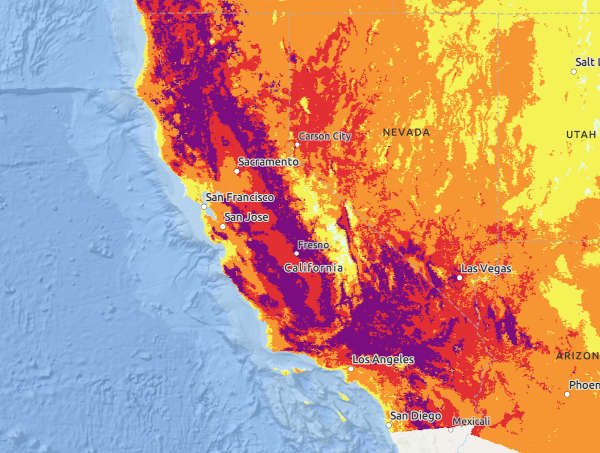
The National Weather Service forecasts Extreme HeatRisk for much of the state (in purple) this week. Screenshot of Saturday's HeatRisk.

With much of interior California entering its fifth day of temperatures reaching 110 degrees or higher — and most areas unlikely to see relief until early next week — Gov. Gavin Newsom is continuing to urge Californians to take precautions and has directed an all-hands response to the heatwave by the state government.

Earlier this week, the governor directed the Office of Emergency Services to activate its State Operations Center and move into Phase II of its Extreme Temperature Response Plan. This action ensures a 24/7, coordinated, whole-of-government response to the heatwave.

Excessive heat warnings and watches are in effect for much of California through the weekend and into next week. The National Weather Service is forecasting extreme heat risk for many parts of the state, with hot conditions between 105 and 118 degrees, and little overnight relief.

Extreme heat kills more Americans every year than all other extreme weather, including wildfires and flooding.

“California is in the middle of a record heatwave — and now is not the time to let our guard down. We must remain vigilant — stay cool, stay hydrated and check in on loved ones and neighbors,” said Newsom.

What California is doing to protect communities

Emergency coordination and response. Cal OES is coordinating with local governments and emergency managers on any regional needs.

A current list of local cooling centers open by county can be found here.

• Through Listos California, Cal OES is deploying in-language preparedness messaging to California’s most impacted communities and those who may be most at risk during extreme temperatures, including those 65 years of age or older; individuals with chronic illness, disabilities or who are pregnant.

• The Office of Community Partnerships and Strategic Communications, or OCPSC, is deploying in-language messaging to higher risk communities through Heat Ready CA, which includes a network of community organizations and outreach to ethnic media.

• Through the state’s Priority Populations Task Force, Cal OES convenes over 20 agencies to coordinate state and local resources and share information with the public, identify and address unmet needs, and ensure comprehensive preparedness and response in support of Californians at greatest risk and coordinate with local jurisdictions.

Protecting workers. The California Division of Occupational Safety and Health, or Cal/OSHA, is reminding employers to protect workers from heat illness during high temperatures by providing water, rest, shade and training.

• Field inspectors are conducting targeted inspections at worksites where workers are most vulnerable to heat illness including in agriculture and construction.

• Details on heat illness prevention requirements and training materials are available online at 99calor.org. Cal/OSHA’s heat illness prevention standard applies to all outdoor worksites.

• The Government Operations Agency has coordinated messaging to all state employees on increased temperature preparedness and worked with building managers to reiterate state efficiencies during warmer days.

Protecting public health and safety. The California Department of Public Health (CDPH) has created a Heat & Summer Safety toolkit to provide resources and communication tools that can be shared, including the difference between heat exhaustion and heat stroke.

• CDPH also develops heat guidance for schools, local health jurisdictions, and other community service providers to protect Californians, particularly heat-vulnerable populations like children, students, older adults, the unhoused, outdoor workers, and those with existing health conditions.

Increasing climate resiliency. The California Natural Resources Agency and state climate partners are addressing longer-term impacts of climate change and extreme heat events through the Extreme Heat Action Plan to Build Community Resilience.

• Efforts include resources for vulnerable and underserved communities, investments in shading communities through green schoolyards and urban forestry initiatives, and putting nature-based solutions to work to cool buildings and infrastructure.

How you can stay safer from extreme heat

Go to ready.ca.gov to find resources and tips to stay safe from extreme heat, and other natural disasters.

Stay cool (during the hottest times of the day):

• Those without air conditioning should consider going to a cooling center. Check out this list of cooling centers across the state or visit a public location such as a library or shopping mall. To find free transportation to cooling centers in certain areas, use this finder tool.

• Avoid physical exertion or exercising outdoors.

• Wear lightweight, light colored, loose clothing, hats, sunglasses and sunscreen.

Stay hydrated:

• Drink plenty of fluids, especially water, even when not thirsty; drink sports drinks (in moderation with water) to help replace electrolytes lost during exercise.

• Avoid sugary, alcoholic, and very cold drinks.

• Eat plenty of fruits and vegetables.

Stay connected:

• Monitor those at higher risk of heat-related illness including infants and young children; people 65 years of age or older; individuals with chronic illness, disabilities or who are pregnant. Determine risk at heatreadyca.com.

• Californians are also encouraged to check on their neighbors – call or visit higher risk people, and offer to pick up groceries, medication, and other necessities. Older adults, young children and babies, people with chronic medical conditions and those who are pregnant are most at risk.

• Use a buddy system when working in the heat.

• As a precaution, keep all communication and medical devices charged.

Stay informed:

• Check the local news for weather forecasts, extreme heat alerts, and cooling centers.

Stay safe outdoors:

Warm summer weather is causing continued snow melt from winter’s record snowpack, resulting in colder and faster water that continues today. Remember to always be safe around the water:

• Make sure you and your loved ones wear properly fitting, U.S. Coast Guard-approved life jackets. Several public and private entities make life jackets available to the public on a loan basis.

• Always supervise children by appointing a designated “water watcher.”

• Know your limits. Swimming in a lake, ocean or river is different than swimming in a pool.

• If someone is in distress, seek help from a lifeguard or call 9-1-1 if one is not available.

Summertime can be germy: A microbiologist explains how to avoid getting sick at the barbecue, in the pool or on the trail

Details
Written by: Bill Sullivan, Indiana University
Published: 06 July 2024


Taking precautions against outdoor pathogens can keep you from getting sidelined over the summer. galitskaya/iStock via Getty Images Plus

As flowers bloom and temperatures climb, many are eager to get back outside. But while the Sun may be shining, there is a dark side that can make the great outdoors not so great.

Gangs of germs are lurking in the woods, in the soil, in the water and in your food, ready to rain on your summer parade.

I’m a professor of microbiology at the Indiana University School of Medicine, where I study and teach about infectious disease. Here are some things to keep in mind to help you and your loved ones stay free of illness while enjoying summer activities.

Germs in the backyard

There’s nothing like the smell of a good barbecue and fresh goodies from your own garden. To make sure people leave your party with only good memories, be aware of germs commonly linked to food poisoning, which can result in diarrhea, cramps, nausea, vomiting and fever.

Meats, including fish and poultry, often house harmful bacteria such as Salmonella, E. coli or Listeria. Raw meat can contaminate anything it touches, so be sure to wash your hands and disinfect surfaces and utensils. To avoid cross contamination, do not keep uncooked meat near prepared foods. Meat products must be cooked to proper temperatures to ensure harmful germs are destroyed before consuming.

Person washing a cutting board in the kitchen sink
Washing cooking utensils that touch raw meat can reduce cross contamination. Catherine Falls Commercial/Moment via Getty Images

In addition to bacteria, a parasite called Toxoplasma gondii can cause acute food poisoning. Toxoplasma parasites are shed as microscopic oocysts in the feces of infected cats. Oocysts persist in the environment for a year or more, and other animals, including people, can inadvertently ingest them.

Upon infection, Toxoplasma forms tissue cysts in the flesh of food animals – another reason to cook your meats thoroughly. Pregnant people need to take special care in avoiding Toxoplasma, since the parasite can cross the placenta and cause miscarriage or birth defects.

To avoid getting toxoplasmosis from oocysts, people should wear gloves while gardening, wash fruits and vegetables, and make sure the sandbox is free of cat poop and covered when not in use.

Germs in the water

Recreational water facilities, such as pools, water parks and fountains, are a great way to beat the summer heat. The smell of chlorine is a good sign that the water is being treated to kill many types of germs.

Unfortunately, some germs can remain infectious in chlorine for several minutes or days, which is plenty of time to spread from one person to another. These include viruses such as norovirus, bacteria such as E. coli, and parasites such as Cryptosporidium and Giardia.

Accidental ingestion of these germs can cause stomach problems, including diarrhea, which can become serious if it leads to dehydration. To avoid becoming infected, swim in well-maintained facilities and avoid swallowing the water. To avoid infecting others, stay out of public water for at least a week if you have diarrhea.

Hand holding pH and chlorine test kit above a swimming pool
While a well-chlorinated pool can kill most germs, some may still lurk in the water. Antonio Hugo Photo/Moment via Getty Images

Bacteria in the water that get trapped in the ear can lead to a painful infection known as swimmer’s ear, which can be prevented by wearing earplugs in the water.

Ponds, rivers and lakes can also be home to these diarrhea-causing germs. Warm fresh water may also contain Naegleria fowleri, the so-called “brain-eating amoeba.” While extremely rare, inhaling water containing Naegleria fowleri is almost always fatal. Wearing nose plugs can help prevent infection.

If you’re going to reach for the beach, be sure to reach for waterproof bandages if you have an open wound, piercing or tattoo. Global warming has produced a rise in so-called “flesh-eating bacteria” that cause a dangerous condition called necrotizing fasciitis. These infections can be very difficult to treat and may result in surgical removal of affected tissue or limbs.

Shellfish such as oysters, clams and mussels filter ocean water as they eat, causing germs to get trapped inside their bodies. Consuming raw shellfish can lead to serious food poisoning due to infection with bacteria or Toxoplasma oocysts.

Germs on the trail

While hiking or camping, you may come across water that looks clean enough to drink, but don’t be tempted.

Be sure to boil or properly filter water you drink to avoid bacteria such as E. coli and parasites such as Giardia and Cryptosporidium. These intestinal pathogens will produce cramps, nausea and diarrhea – especially unpleasant symptoms when you don’t have access to indoor plumbing.

After a very mild winter, you can expect a lot of ticks and mosquitoes in the summer, both of which are carriers of serious diseases. As they feed on blood, ticks can inject bacteria that cause Lyme disease or Rocky Mountain spotted fever. They can also transmit a parasite that causes babesiosis. Symptoms of illness following a tick bite should be promptly evaluated by a physician.

Person applying bug spray on arm of child outdoors
Insect repellent can help protect you from diseases transmitted through bug bites. SeventyFour/iStock via Getty Images Plus

Mosquitoes can carry numerous viruses that are injected into the bloodstream while they take a blood meal. Common mosquito-borne viruses in the U.S. include West Nile virus, eastern equine encephalitis and Zika. In most cases, these viruses produce flu-like symptoms that typically resolve on their own. Infection with Zika virus during pregnancy, however, can lead to birth defects, and West Nile virus can cause acute fever and neurological effects in some people.

To avoid tick and mosquito bites, wear insect repellent and keep your skin covered whenever possible. Wear light colors so the insects are more visible to you. Ticks like shade and high grass, so mow your lawn down to about 2 inches in height. Be sure to inspect your body and scalp for ticks after being outside.

It is important to pay attention to local news reporting outbreaks of infectious agents in your area or travel destination. With these precautions in mind, you’re sure to have a terrific time, uninterrupted by the germs of summer.The Conversation

Bill Sullivan, Professor of Pharmacology and Toxicology, Indiana University

This article is republished from The Conversation under a Creative Commons license. Read the original article.

Californians affected by wildfire smoke should take steps to protect their health

Details
Written by: Lake County News reports
Published: 06 July 2024
With wildfire smoke and reduced air quality affecting many California communities, the California Department of Public Health, or CDPH, is urging Californians to take steps to protect themselves from air pollutants.

Wildfire smoke can affect anyone’s health, but some people are at higher risk, including pregnant people, children, older adults, first responders, and people with chronic conditions like asthma, COPD, diabetes, kidney disease or heart disease.

“All Californians should be aware of the risks of wildfire smoke and ash inhalation and take steps to avoid breathing in pollutants, including reducing outdoor activity and staying indoors when possible," said Dr. Tomás J. Aragón, CDPH director and state public health officer. "Wildfire smoke can make anyone sick, but it’s particularly unhealthy for vulnerable individuals, including children, people who are pregnant, and those with chronic health conditions."

How Californians can protect their health

To avoid possible health problems due to wildfire smoke and poor air quality, CDPH recommends taking the following steps:

• Stay informed. Check the air quality and sign up for updates. Californians can check their local air quality index (AQI) at AirNow.
• Stay indoors. If the air quality is bad, stay inside as much as possible and close all windows, doors and vents.
• Adjust your A/C. Change the settings on your A/C unit to re-circulate or close outdoor air intakes to avoid drawing in smoky outdoor air. Running an air purifier can also help.
• Wear a mask. If you must go outside, wear a well-fitting N95 mask. This is especially important for those who must work outdoors for long periods, in areas with heavy smoke.

Wildfire smoke contains fine particles which are respiratory irritants, and when inhaled deeply, can affect the lungs and the heart. Exposure to high concentrations of fine particles can cause persistent cough, runny nose, phlegm, wheezing, and difficulty breathing. Smoke from wildfires can also cause eye irritation, reduced lung function and bronchitis.

Those with asthma or another lung disease should keep at least a seven-day supply of medication on hand and call a health care provider if nearby wildfires worsen breathing issues.

In case of evacuation

Wildfires can also lead to emergency evacuations and it's important to follow the direction of local officials when evacuations are ordered.

Current evacuation information can often be found through monitoring local news outlets as well as official social media channels of emergency responders such as a sheriff's office, police department and fire department.

Knowing the “Ps of Preparedness” can help you react quickly if a wildfire threatens your area:

• People (help children, older adults and people with disabilities). 
• Pets.    
• Papers (important documents).    
• Phones.    
• Prescriptions (and glasses). 
• Pictures. 
• PCs (computers) (for the information stored). 
• Plastic (credit cards and cash). 

For more information on how you can protect yourself during extreme heat, visit Heat Ready California.

Additional resources and information can also be found at CDPH’s Extreme Heat site and the California Office of Emergency Services.
  1. Space News: What’s up for July 2024
  2. Wheatland man arrested in connection to Adams fire
  3. Red flag and excessive heat warnings extended through the weekend
  • 624
  • 625
  • 626
  • 627
  • 628
  • 629
  • 630
  • 631
  • 632
  • 633
How to resolve AdBlock issue?
Refresh this page