How to resolve AdBlock issue?
Refresh this page
How to resolve AdBlock issue?

Refresh this page
Lake County News,California
  • Home
    • Registration Form
  • News
    • Education
    • Veterans
    • Community
      • Obituaries
      • Letters
      • Commentary
    • Police Logs
    • Business
    • Recreation
    • Health
    • Religion
    • Legals
    • Arts & Life
    • Regional
  • Calendar
  • Contact us
    • FAQs
    • Phones, E-Mail
    • Subscribe
  • Advertise Here
  • Login
How to resolve AdBlock issue?

Refresh this page

News

Clearlake sewer spill released nearly three million gallons of sewage, county officials say

Details
Written by: Lingzi Chen
Published: 18 January 2026
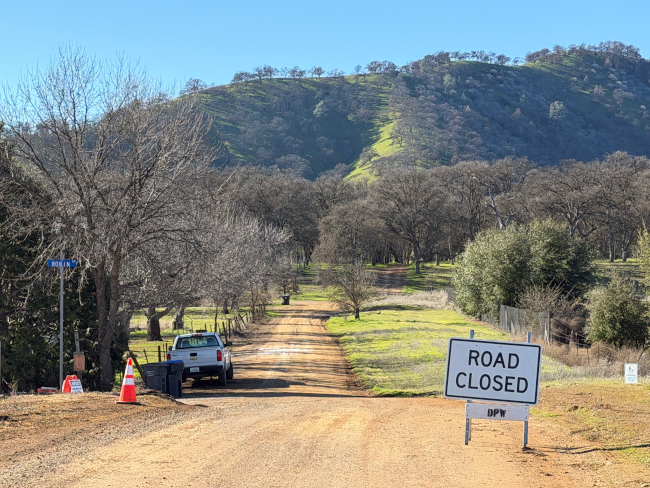
Roads in the spill area were temporarily closed even after the spill was contained as county personnel worked on mitigation. The spill continued for 37.5 hours. Photo by Lingzi Chen/Lake County News.


CLEARLAKE, Calif. – A week after several million gallons of wastewater were spilled onto dozens of properties in Clearlake, residents there are facing uncertainty about the safety of their well water and struggling to find solutions in the midst of disrupted lives.

An estimated 2.9 million gallons of sewage were released during the Robin Lane sewer spill in Clearlake, county staff said in an email response to Lake County News’ request on Saturday.

The disclosure came a week after the rupture of a county-operated 16-inch force main on Sunday, Jan. 11 that resulted in a massive sewage spill. The spill lasted from last Sunday morning through Monday night.

The initial report filed with the state emergency services on Jan. 11 by Lake County Special Districts – the agency that operates the wastewater system – listed the volume of sewage released as 2,000 gallons. 

The newly disclosed estimate is roughly 1,450 times higher.

The report to the state was updated on Thursday with the 2.9 million gallon figure, but was not released to the public until Lake County News again requested the total spill size on Saturday. Lake County News had previously requested that figure on Jan. 12.

“Staff was able to contain and recover much of the spill,” the county’s email response provided through Chief Deputy County Administrative Officer Matthew Rothstein said. It did not specify how much sewage was recovered.

“Draft reports have been filed with the State Water Board, and the final reporting will show how much of the sewage was contained and recovered, when final numbers are received from the engaged pumper trucks,” the email added. 

“Remarkably,” the email said, “only approximately 3,900 gallons were released into the drainage ditch that ran to Burns Creek and into Clear Lake.”

The volume of the sewage spill, however, is not merely a seven-digit figure on paper; it has been felt by impacted residents and workers on the ground.

For workers responding to the incident, it meant pumping sewage away around the clock. “They had to just continuously pump 24/7,” said Lori Baca, customer service supervisor for Lake County Special Districts, during a Wednesday night town hall at Clearlake City Hall. 

She explained that crews ran into parts shortages and multiple valve installation failures before the spill was finally stopped at 9:55 p.m. Monday.

“They worked their butts off to try to shut it off,” said Supervisor Bruno Sabatier at the town hall. “Unfortunately, it's very frustrating when everything seems to fail. It was just horrible the way it went down.”

For impacted residents, it means life “upended,” in Sabatier’s words. 

Stephanie and Juan Piseno run an in-home child care business on Robin Lane in Clearlake, California, which has been temporarily closed because of a massive sewage spill. The situation has left the family without its main source of income. Photo by Lingzi Chen/Lake County News.

Child care home forced to close over drinking water safety

Stephanie and Juan Piseno run an in-home child care business on Robin Lane and have been caring for 11 children until Jan. 11, when the sewer system ruptured near their home, sending a massive sewage spill across the road and into what Juan described as “a river of poop and pee.” 

“So we have to close it, and we don’t know when we can reopen,” Stephanie said Wednesday afternoon, standing in her kitchen, four days after the spill started. 

“That’s the family’s only income,” she said, trying to steady her voice but choking. “Our income is gone. We have to pay a mortgage for a house that we can't live in.”

The habitat has to be safe and have clean running water to be licensed as a child care home, Juan said.

“We care about the safety of all the kids,” Stephanie added. And in a soft tone with a reluctant smile, “We don’t even want our kids here,” she said. 

The couple have four children of their own, with the youngest just 2 years old, who, as the conversation went on, was crawling on the floor with a bright, innocent smile. Her mom scooped her up from the floor.

The broken force main, located near the northern end of Robin Lane just over 500 yards up from the Pisenos’ home, extends along the road.

The sewage flow that flooded the area was initially marked by the county as enclosed by Pond Road, Rumsey Road, Pamela Lane and Robin Lane. 

On Friday, the county revised the impact area map and expanded it by eight times – from an estimated 40 acres to 357 acres, based on a Lake County News assessment of the impacted area – to include east of Smith Lane, west of Old Highway 53, south of Pond Road and north of Bowers Avenue. 

This revision of the impact zone was due to water testing results obtained by Lake County Environmental Health, and is subject to change, according to the county's announcement. 

The Pisenos’ home is among the first announced 58 properties that have been impacted, many of which rely on a private well for everyday use of water, including drinking. 

Public notification of the incident and warnings against the use of well water, however, did not come timely.

“I went outside around 12:30 in the afternoon because I noticed the water flowing,” Stephanie said of Sunday in a text message. “I got a [Nixle] alert at 4 p.m. not to drink the water.”

So had the family of six been drinking water from the well until 4 p.m.? 

“Pretty much yes,” Stephanie replied. “We thought it was a small situation at first [and] didn't think our personal well would be impacted.”

The first Nixle Stephanie received about the matter came at 11:20 a.m. and asked her to avoid the area “due to a sewage leak.” 

The first Nixle alert advising against consuming well water arrived at 3:58 p.m.

In fact, Lake County Special Districts was notified of sewage running down the street at 7:30 a.m. on Jan. 11, according to Baca’s statements at the town hall. 

The agency filed its initial report with California Governor's Office of Emergency Services, or Cal OES, at 9:39 a.m. Jan. 11, reporting just 2,000 gallons of sewage had been released and that no waterways – a reference to the nearby creek or lake – had been impacted. 

That initial report also stated that the spill was “stopped and contained” just two hours after it began. However, in total, the spill lasted 37.5 hours, Clearlake City Manager Alan Flora told the City Council during its Thursday night meeting.

The county’s first press release reached Lake County News’ inbox and Facebook page around 3:30 p.m. Jan. 11, followed by the Nixle alert to residents about water use around 4 p.m. – both more than eight hours after the incident began and over six hours after the Special Districts’ first official filing with Cal OES.

Still, not all residents in the area have access to Nixle or social media like Facebook where government agencies communicate sewage leak, potential water contamination and public health advice. 

Shean Heape, who lives on Old Highway 53 with his wife, said they immediately stopped using well water after seeing the alerts in the afternoon. 

“Everything got shut off first for me,” said Heape, who then started making phone calls to alert neighbors. 

Only on Monday, Heape found out that there were neighbors around without any access to Nixle alerts or the internet. 

“Some neighbors are on flip phones,” he said. “Not everybody has everything.”

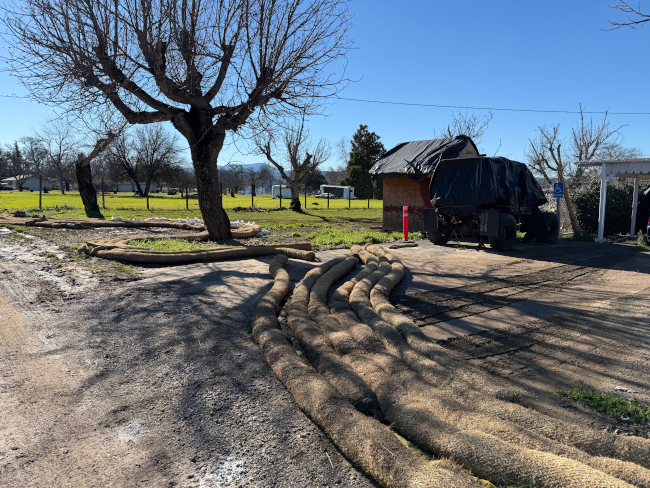
Straw wattles were placed in the spill area in an effort to keep the wastewater from residences. Photo by Lingzi Chen/Lake County News.

Seeking test results and explanations

Although Robin Lane is within the city limit of Clearlake, it remains a private road. Residents on the street and City Manager Flora said the city does not pave it. 

It is an unpaved, dirt road – with numerous potholes especially toward the south end near Rumsey – which turned muddy and carried an “atrocious” smell as the sewage flowed through, as described by Christina Huron, who lives next door to the Pisenos.

Standing in her driveway, Huron pointed to an area carved out by straw wattles leading into her property. Sewage was directed there and pooled in her front yard, she said, when two trucks were positioned in front of her house, sucking sewage as it flowed “all across our property” and onto a neighbor’s property farther down the road before returning to Pamela Lane.

“We have gotten nothing but two and a half gallons of water,” she said of the only help she received on Sunday and Monday, when the spill was still active.

A few hours after the Thursday morning interview outside her property – where straw wattles lining the road separated her from the Lake County News reporter – Huron said in an email she had just received the well testing results, which suggested her well may be among the most contaminated in the area.

“Coliform 2419.6” and “E.coli 2419.6,” she sent the numbers over. 

“I was told these are off the charts numbers and they can’t calculate any higher than these numbers,” Huron said of what she had learned from the call with staff from Environmental Health.

The U.S. The Centers for Disease Control and Prevention says coliform is a water quality indicator, and that “a positive test for fecal coliforms or E. coli likely means that poop (feces), and the harmful germs in poop, have gotten into your well water.”

Lake County News reached out to the county, requesting explanations on what these readings mean and what kind of risks and level of seriousness these numbers signify, along with questions on overall well testing results and progress, on Thursday and Friday. 

No information on these questions has been provided so far either through public updates or direct correspondence with Lake County News. 

It appears later that for some, it’s even difficult to acquire their own results. 

Stephanie Piseno said she called Environment Hall three times on Friday asking for well testing readings for her home. 

“They just told me ‘positive’ but no numbers,” she said in a text message. 

So far, the overall extent of contamination remains unknown to the public.

A crew works on repairs in the spill area on Wednesday, Jan. 14, 2026, in Clearlake, California. Photo by Lingzi Chen/Lake County News.

The relocation conundrum

Even before the public health officer advised residents relying on private wells to relocate, Cassandra Hulbert, who also lives on Robin Lane, knew she had to find a safe place for her family to stay. 

Hulbert has two disabled children and an autoimmune disorder herself. She said her priority was keeping her children and herself safe and alive. 

“We’ve been placed in a hotel – and only one other family has – and that’s because we pushed and pushed and pushed,” Hulbert said Wednesday afternoon during an interview on Robin Lane.

She explained that she returns every day to feed her four chickens, three rabbits, four cats and two giant mastiffs that she cannot bring with her to the hotel. 

At that moment, she said the family was told to move out of the hotel room on Thursday, and that she was ready to fight. 

“If I need to physically be there and state my case and fight – fight the good fight – that's what I'm prepared to do,” she said. 

Over the past week, Hulbert has been among a group of outspoken neighbors in the impacted area who organized resources, called public agencies for information and advocated for affected residents while caring for their own families.

“We have elderly, we have disabled, we have pets and horses that are two feet deep in poop water,” she said of the vulnerable residents and animals impacted that need help and support, which in her opinion, don’t come easily. 

“I’m really exhausted,” she said on Friday. 

After the Wednesday town hall, Hulbert said she had the hotel room for the family extended until next Tuesday. 

“Not ideal but more days than yesterday,” she said in a text message. 

Hulbert isn’t waiting until Tuesday, but has been actively talking to officials every day including Supervisor Sabatier. 

“I just wanted to make sure we were gonna get word before Tuesday morning if it was extended or not,” she said on Saturday in a text message. 

With an expanded impact area, Clearlake City Manager Flora said the number of properties impacted would be bigger than the previously stated 58. 

Since Public Health Officer Dr. Robert Bernstein advised relocation on Wednesday, how many households have relocated remains unknown. Also unknown is the anticipated duration of stay for those who have got a hotel room. 

The Piseno family of six also managed to secure a hotel room coming out of the Wednesday town hall, also with a Tuesday expiration date for that assistance. 

Stephanie Piseno said on Friday that she has no idea what’s going to happen next for the relocation, or when they can return home safely.

Huron on Thursday said she missed the life before this “catastrophe.”

“Everything was green because we just had rain. Everything was beautiful,” she said, looking around the yard. “And it's just sewage.”

Saturday afternoon, Huron said some people are getting water tanks and portable toilets. “My husband is on the phone now talking with special districts because we were supposed to receive those too,” she said in a text message.

“Straw wattles have been removed and our driveway and walkway were sprayed with a disinfectant,” she added in her update. 

At least the stray cats scouting nearby no longer have to leap over the wattles while wandering around potentially contaminated soil as seen on Wednesday. 

Email staff reporter Lingzi Chen at This email address is being protected from spambots. You need JavaScript enabled to view it.. 

Helping Paws: New dogs to meet

Details
Written by: Elizabeth Larson
Published: 18 January 2026

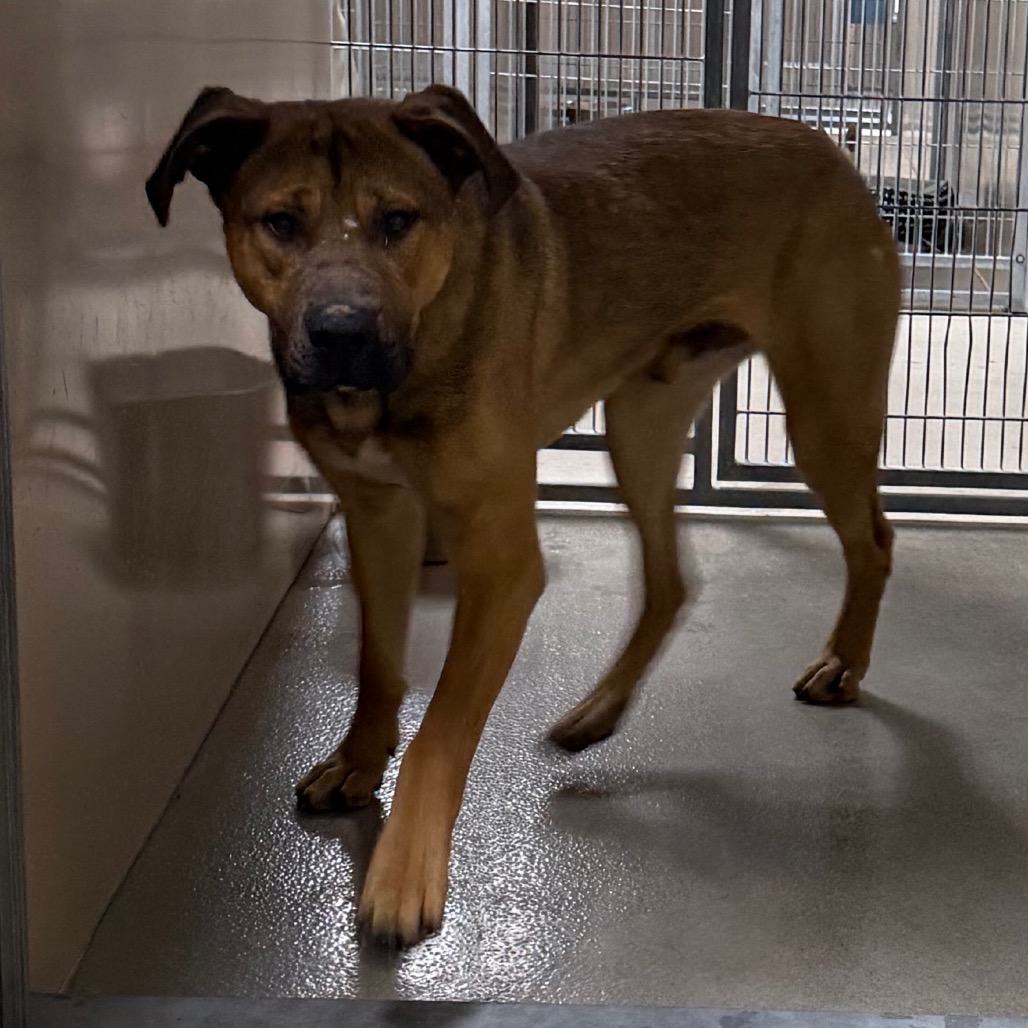
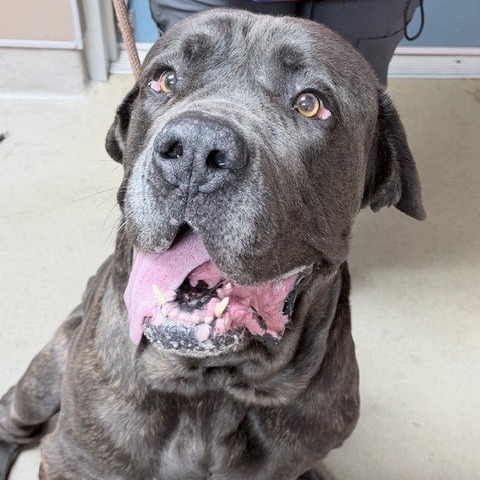
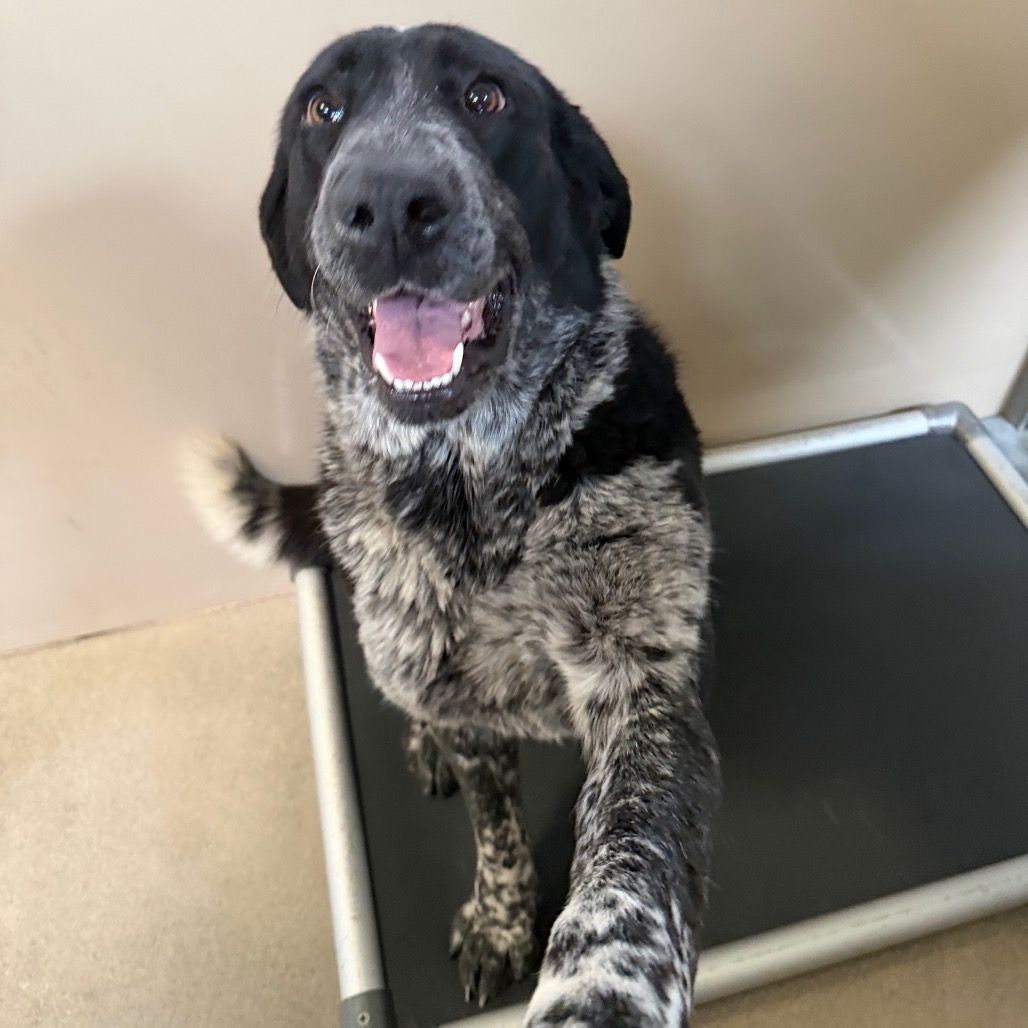
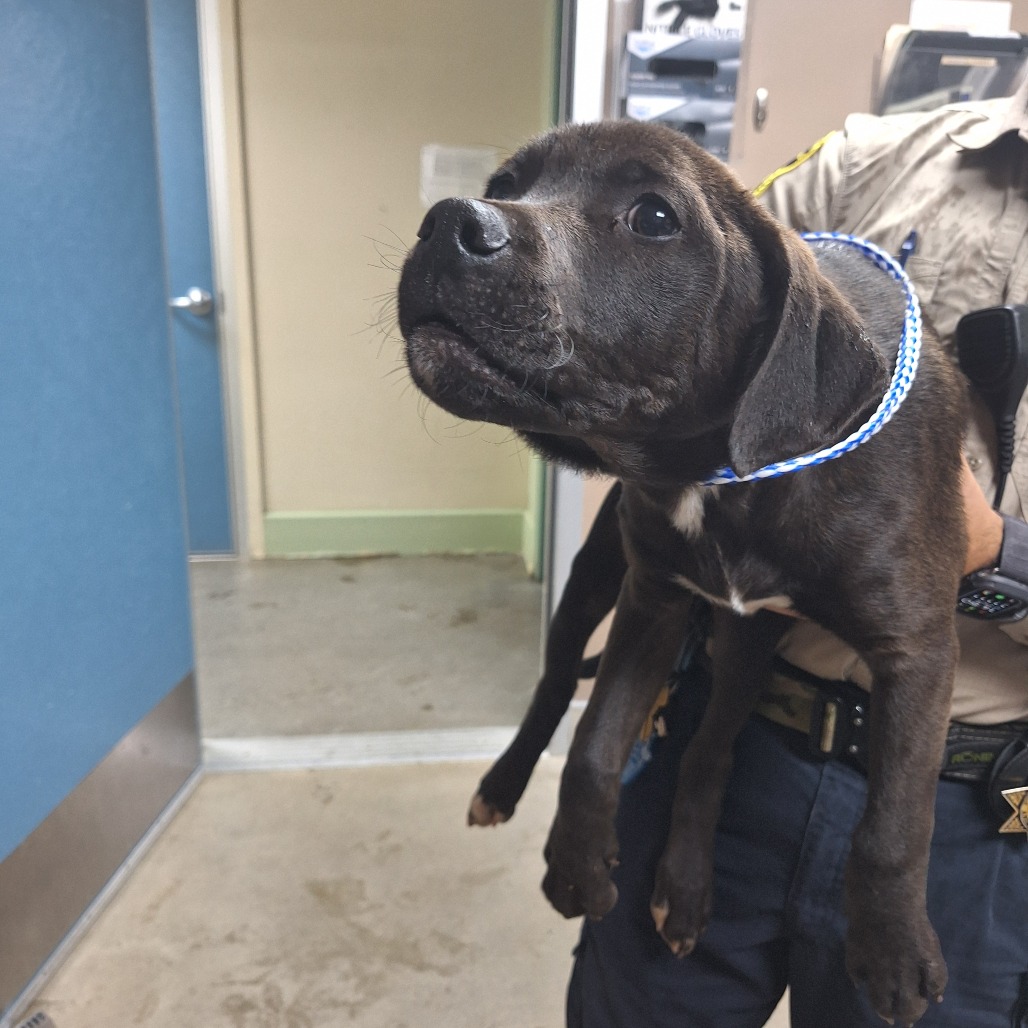
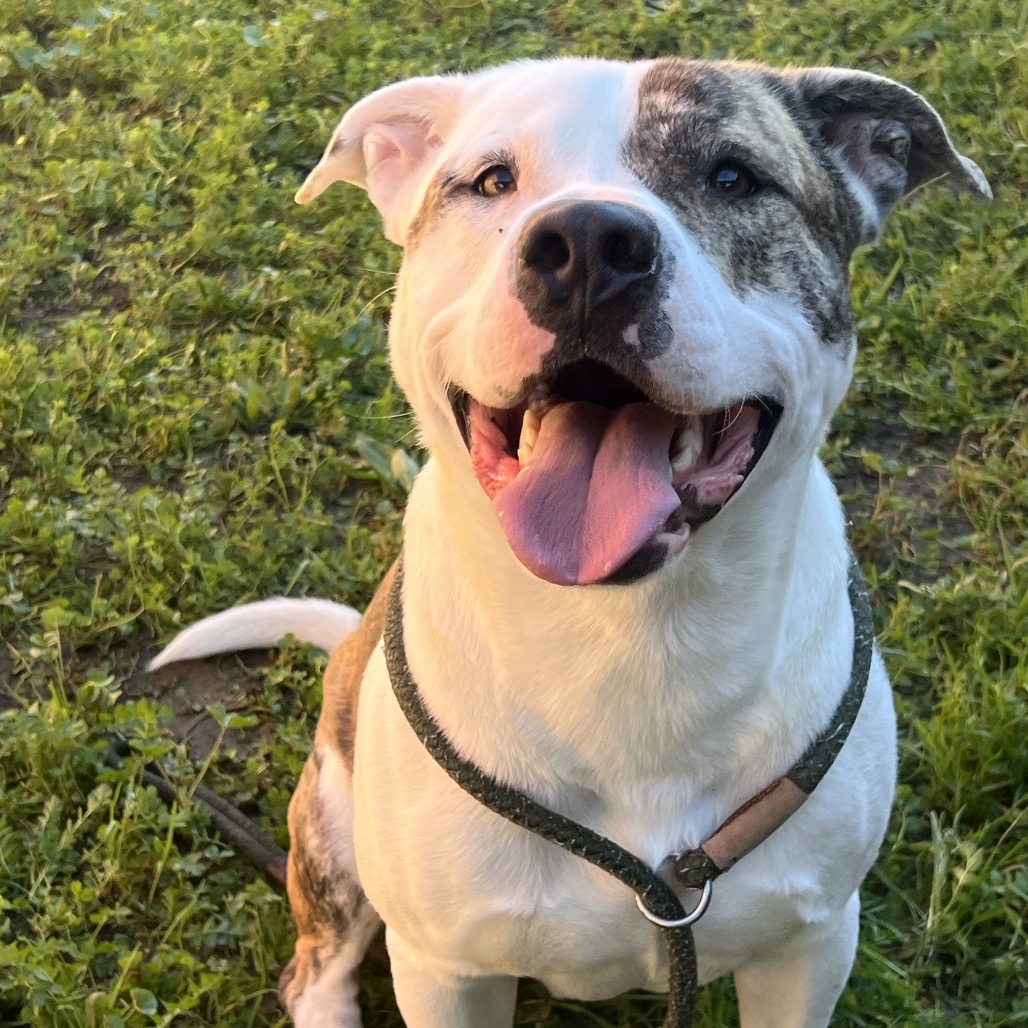
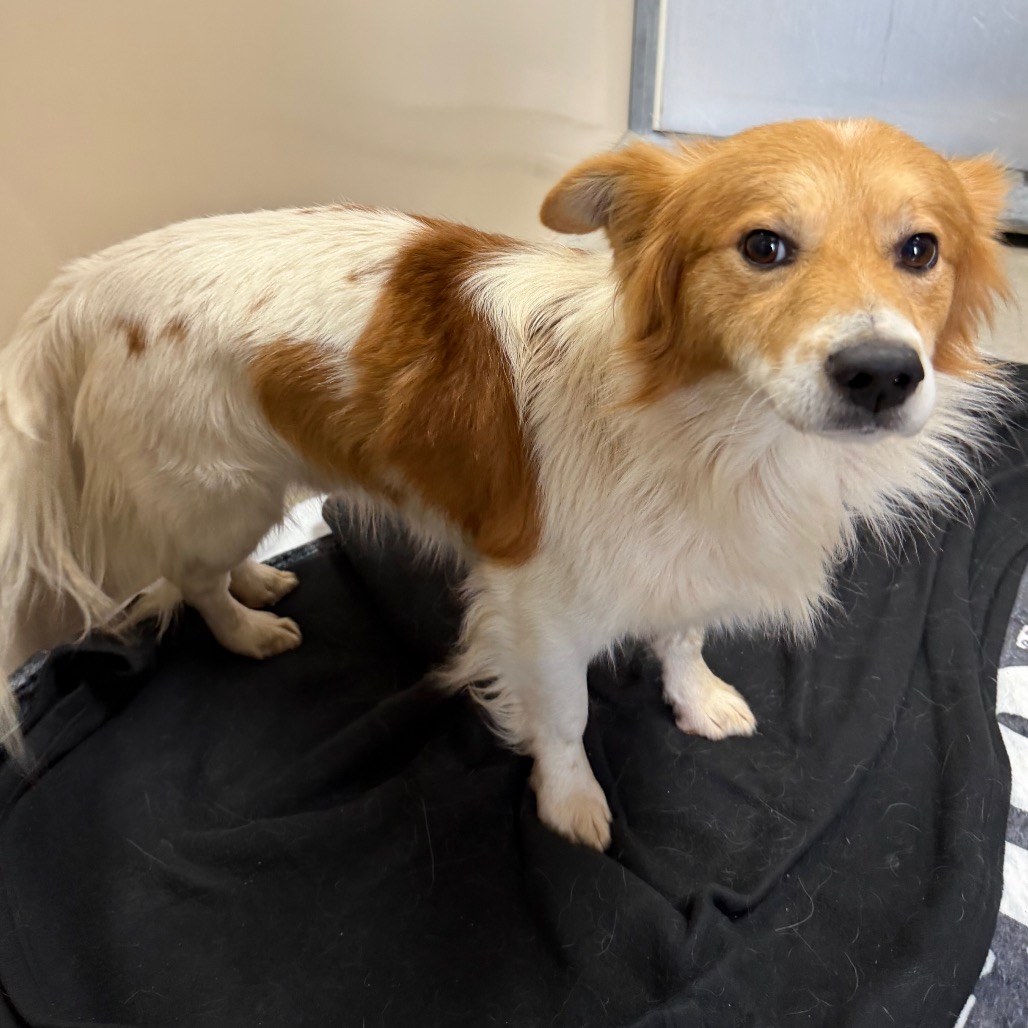
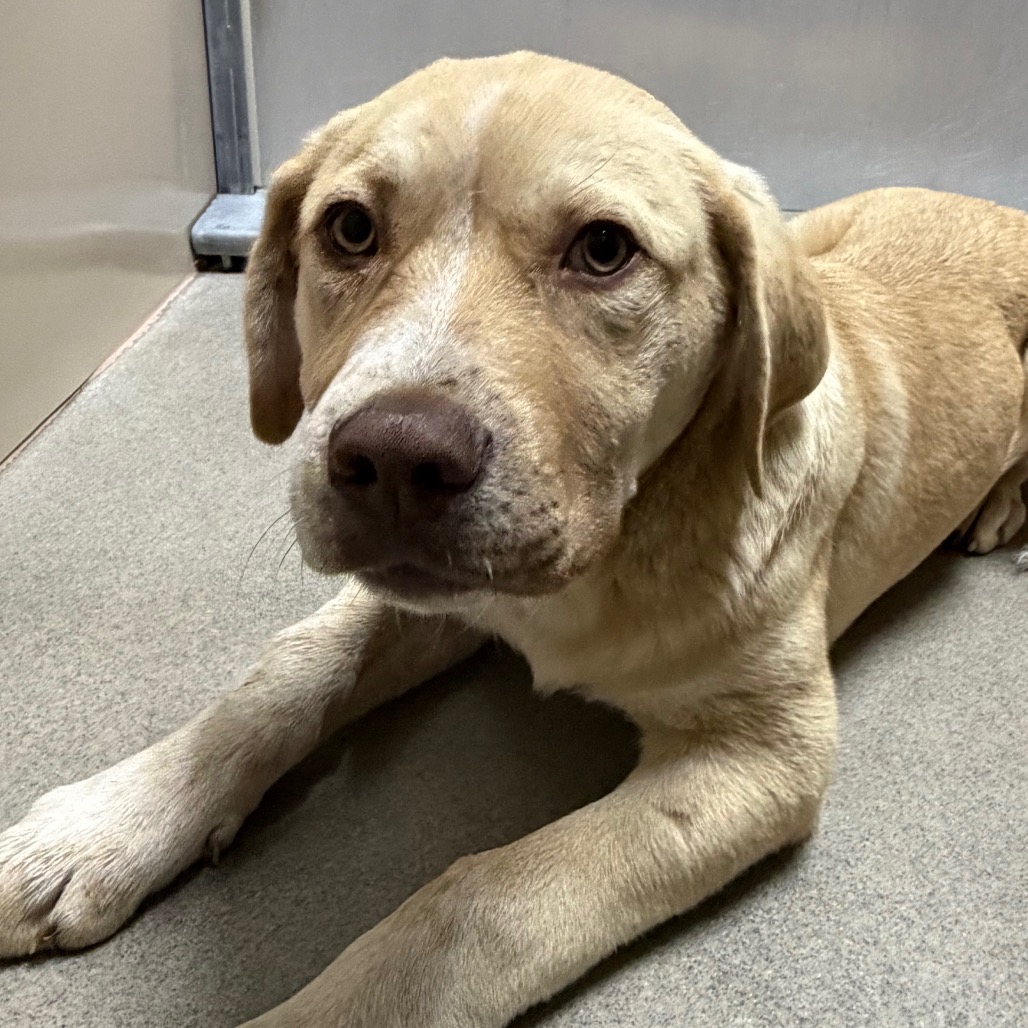
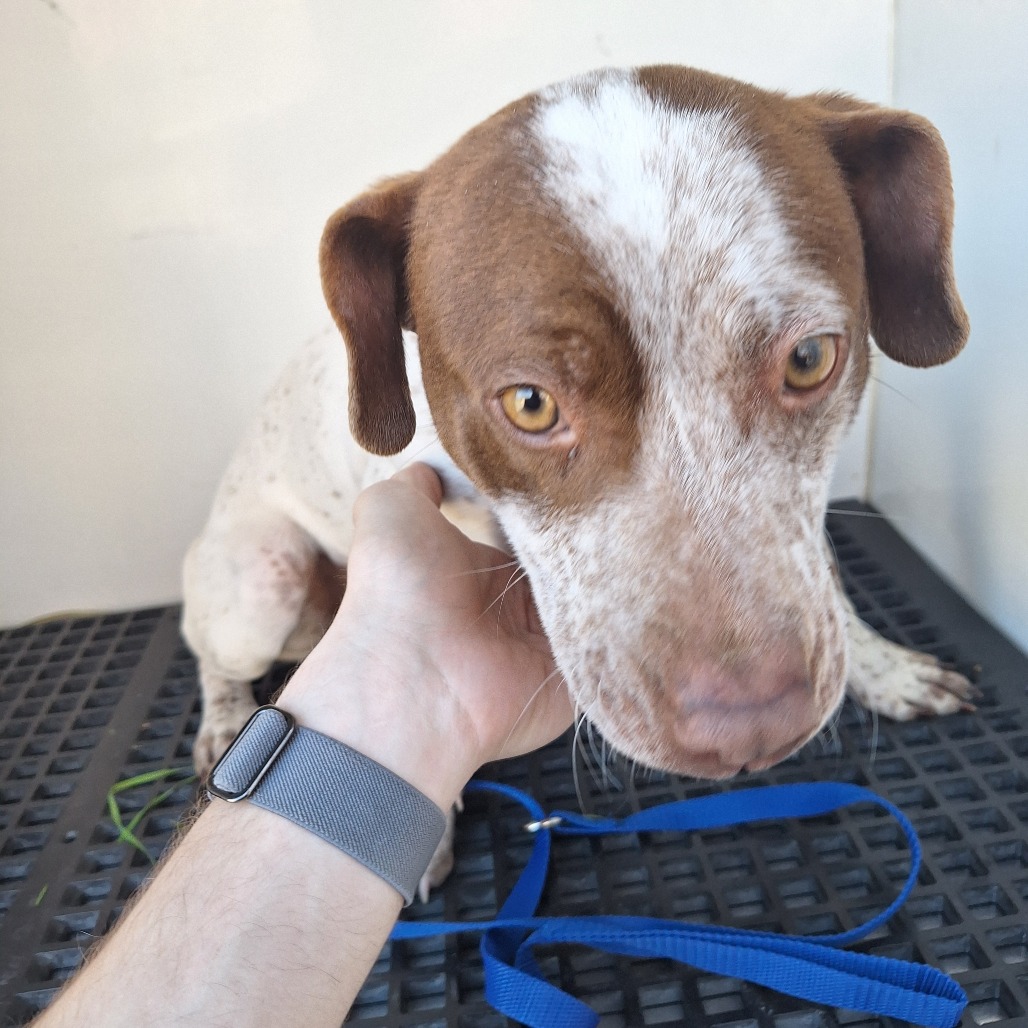
LAKE COUNTY, Calif. – Lake County Animal Care and Control has new puppies and dogs waiting to meet their new families.

The dogs available for adoption this week include mixes of Belgian Malinois, Chihuahua, corgi, Doberman Pinscher, German shepherd, husky, Labrador retriever, mastiff, pit bull terrier, Rottweiler and shepherd.

Dogs that are adopted from Lake County Animal Care and Control are either neutered or spayed, microchipped and, if old enough, given a rabies shot and county license before being released to their new owner. License fees do not apply to residents of the cities of Lakeport or Clearlake.

Those animals shown on this page at the Lake County Animal Care and Control shelter have been cleared for adoption.

Call Lake County Animal Care and Control at 707-263-0278 or visit the shelter online for information on visiting or adopting.

The shelter is located at 4949 Helbush in Lakeport.

Email Elizabeth Larson at This email address is being protected from spambots. You need JavaScript enabled to view it.. Follow her on Twitter, @ERLarson, and on Bluesky, @erlarson.bsky.social. Find Lake County News on the following platforms: Facebook, @LakeCoNews; X, @LakeCoNews; Threads, @lakeconews, and on Bluesky, @lakeconews.bsky.social. 

Kennel#13 Roland's preview photo
Kennel#13 Roland
Kennel#10 's preview photo
Kennel#10

Kennel#11a Sprinkles's preview photo
Kennel#11a Sprinkles

Kennel#11b Sparkles's preview photo
Kennel#11b Sparkles

Kennel#7 Tara's preview photo
Kennel#7 Tara

Kennel#19c Celeste's preview photo
Kennel#19c Celeste

Kennel#18's preview photo
Kennel#18

Kennel#20's preview photo
Kennel#20

Kennel#14's preview photo
Kennel#14

Kennel#23's preview photo
Kennel#23

Kennel#2(Fang)'s preview photo
Kennel#2(Fang)

Kennel#27's preview photo
Kennel#27

Kennel#21's preview photo
Kennel#21

Kennel#5a's preview photo
Kennel#5a

Kennel#5b's preview photo
Kennel#5b

Kennel#4Hugo's preview photo
Kennel#4Hugo

Kennel#17aGunner's preview photo
Kennel#17aGunner

Kennel#17bGus's preview photo
Kennel#17bGus

Kennel#33Delilah(pink collar)'s preview photo
Kennel#33Delilah(pink collar)

Kennel#32 Sparrow's preview photo
Kennel#32 Sparrow

Kennel#24Stormy 's preview photo
Kennel#24Stormy

Kennel#29a Mochi's preview photo
Kennel#29a Mochi

Kennel#29b Benny's preview photo
Kennel#29b Benny


Kennel#12's preview photo
Kennel#12

Kennel#30's preview photo
Kennel#30
 
Kennel#6's preview photo
Kennel#6


American farmers, who once fed the world, face a volatile global market with diminishing federal backing

Details
Written by: Peter Simons, Hamilton College
Published: 18 January 2026

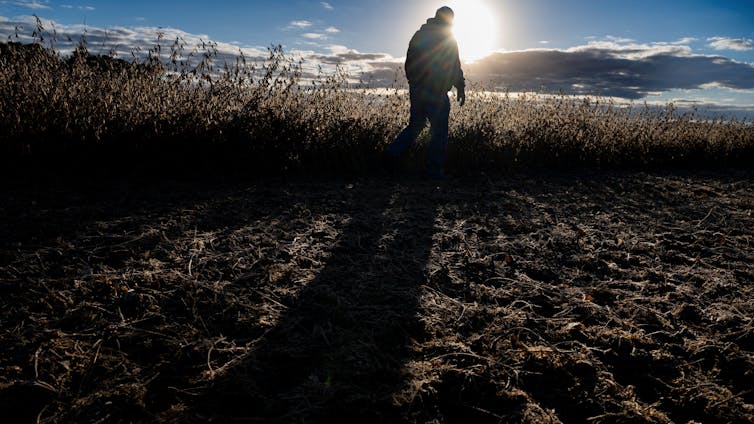
American farmers face a changing future for their businesses. Roberto Schmidt/AFP via Getty Images

President Donald Trump appears to have upended an 85-year relationship between American farmers and the United States’ global exercise of power. But that link has been fraying since the end of the Cold War, and Trump’s moves are just another big step.

During World War II, the U.S. government tied agriculture to foreign policy by using taxpayer dollars to buy food from American farmers and send it to hungry allies abroad. This agricultural diplomacy continued into the Cold War through programs such as the Marshall Plan to rebuild European agriculture, Food for Peace to send surplus U.S. food to hungry allies, and the U.S. Agency for International Development, which aimed to make food aid and agricultural development permanent components of U.S. foreign policy.

During that period, the United States also participated in multinational partnerships to set global production goals and trade guidelines to promote the international movement of food – including the U.N.’s Food and Agriculture Organization, the International Wheat Agreement and the General Agreement on Tariffs and Trade.

When U.S. farmers faced labor shortfalls, the federal government created guest-worker programs that provided critical hands in the fields, most often from Mexico and the Caribbean.

At the end of World War II, the U.S. government recognized that farmers could not just rely on domestic agricultural subsidies, including production limits, price supports and crop insurance, for prosperity. American farmers’ well-being instead depended on the rest of the world.

Since returning to office in January 2025, Trump has dismantled the U.S. Agency for International Development. His administration has also aggressively detained and deported suspected noncitizens living and working in the U.S., including farmworkers. And he has imposed tariffs that caused U.S. trading partners to retaliate, slashing international demand for U.S. agricultural products.

Trump’s actions follow diplomatic and agricultural transformations that I research, and which began with the fall of the Soviet Union in 1991.

Feed the world, save the farm

Even before the nation’s founding, farmers in what would become the United States staked their livelihood on international networks of labor, plants and animals, and trade.

Cotton was the most prominent early example of these relationships, and by the 19th century wheat farmers depended on expanding transportation networks to move their goods within the country and overseas.

A drawing of people on foot and on horseback gathering cattle into a wooden pen.
Workers load cattle on a train for shipment to market in the late 19th century. Bettmann via Getty Images

But fears that international trade could create economic uncertainty limited American farmers’ interest in overseas markets. The Great Depression in the 1930s reinforced skepticism of international markets, which many farmers and policymakers saw as the principal cause of the economic downturn.

World War II forced them to change their view. The Lend-Lease Act, passed in March 1941, aimed to keep the United States out of the war by providing supplies, weapons and equipment to Britain and its allies. Importantly for farmers, the act created a surge in demand for food.

And after Congress declared war in December 1941, the need to feed U.S. and allied troops abroad pushed demand for farm products ever higher. Food took on a significance beyond satisfying a wartime need: The Soviet Union, for example, made special requests for butter. U.S. soldiers wrote about the special bond created by seeing milk and eggs from a hometown dairy, and Europeans who received food under the Lend-Lease Act embraced large cans of condensed milk with sky-blue labels as if they were talismans.

Ropes hoist large boxes aboard a ship.
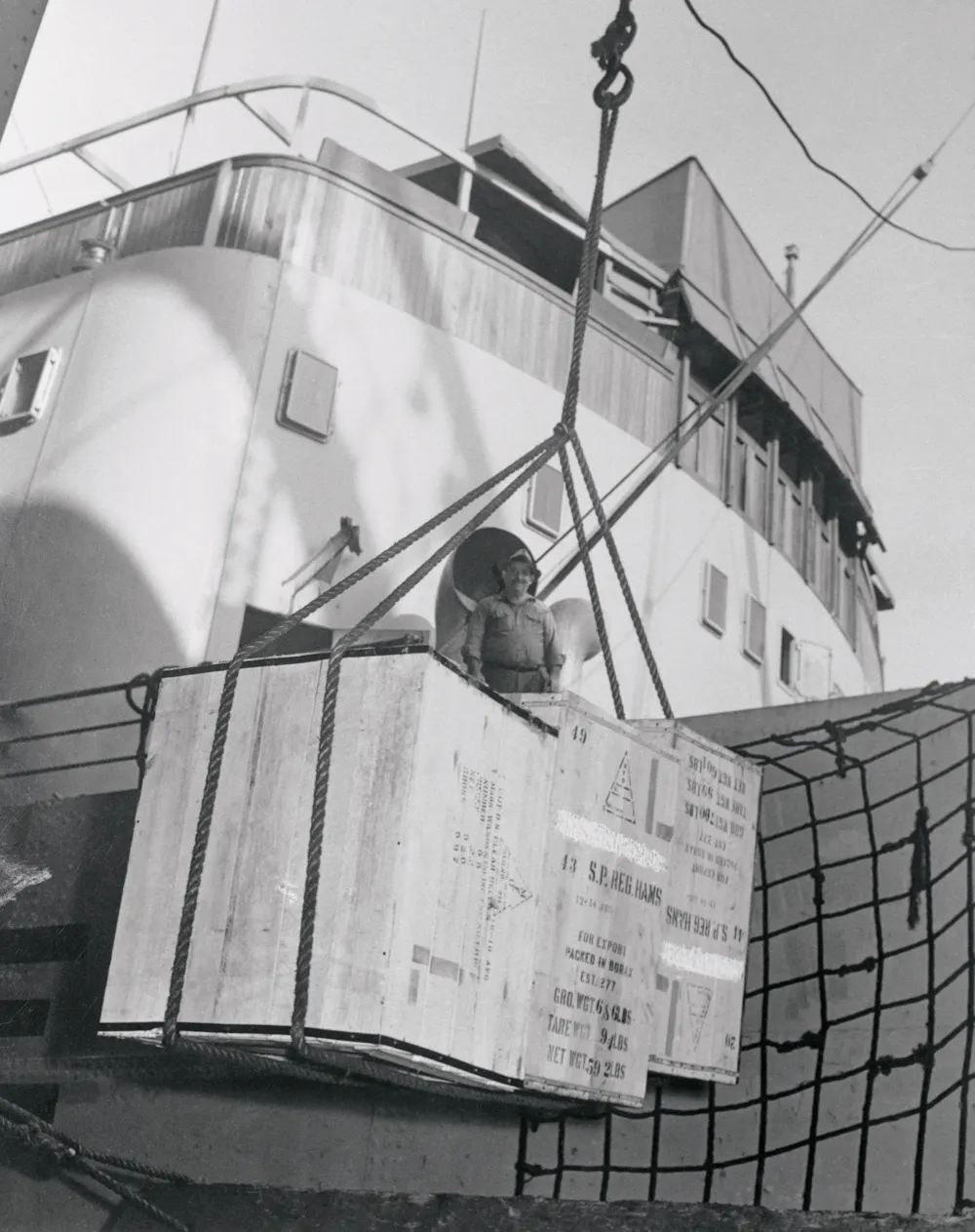
Crates of American hams, supplied through the Lend-Lease Act, are loaded on a ship bound for Britain in 1941. Bettmann via Getty Images

Another war ends

But despite their critical contribution to the war, American farmers worried that the familiar pattern of postwar recession would repeat once Germany and Japan had surrendered.

Congress fulfilled farmers’ fears of an economic collapse by sharply reducing its food purchases as soon as the war ended in the summer of 1945. In 1946, Congress responded weakly to mounting overseas food needs.

Large bags are stacked in a pile, each with a tag on it saying it came from the U.S. to help Europe.
Bags of Marshall Plan flour wait in New York for shipment to Austria in 1948. Ann Ronan Picture Library/Photo12/Universal Images Group via Getty Images

More action waited until 1948, when Congress recognized communism’s growing appeal in Europe amid an underfunded postwar reconstruction effort. The Marshall Plan’s more robust promise of food and other resources was intended to counter Soviet influence.

Sending American food overseas through postwar rehabilitation and development programs caused farm revenue to surge. It proved that foreign markets could create prosperity for American farmers, while food and agriculture’s importance to postwar reconstruction in Europe and Asia cemented their importance in U.S. foreign policy.

Farmers in the modern world

Farmers’ contribution to the Cold War shored up their cultural and political importance in a rapidly industrializing and urbanizing United States. The Midwestern farm became an aspirational symbol used by the State Department to encourage European refugees to emigrate to the U.S. after World War II.

American farmers volunteered to be amateur diplomats, sharing methods and technologies with their agricultural counterparts around the world.

By the 1950s, delegations of Soviet officials were traveling to the Midwest, including Soviet premier Nikita Khrushchev’s excursion to Iowa in 1959. U.S. farmers reciprocated with tours of the Soviet Union. Young Americans who had grown up on farms moved abroad to live with host families, working their properties and informally sharing U.S. agricultural methods. Certain that their land and techniques were superior to those of their overseas peers, U.S. farmers felt obligated to share their wisdom with the rest of the world.

The collapse of the Soviet Union undermined the central purpose for the United States’ agricultural diplomacy. But a growing global appetite for meat in the 1990s helped make up some of the difference.

U.S. farmers shifted crops from wheat to corn and soybeans to feed growing numbers of livestock around the world. They used newly available genetically engineered seeds that promised unprecedented yields.

Expecting these transformations to financially benefit American farmers and seeing little need to preserve Cold War-era international cooperation, the U.S. government changed its trade policy from collaborating on global trade to making it more of a competition.

In a large auditorium, people sit at a long table on a stage and sign papers.
World leaders sign the Marrakesh Agreement, creating the World Trade Organization, in 1994. Jacques Langevin/Sygma/Sygma via Getty Images

The George H.W. Bush and Clinton administrations crafted the North American Free Trade Agreement and the World Trade Organization to replace the general agreement on trade and tariffs. They assumed American farmers’ past preeminence would continue to increase farm revenues even as global economic forces shifted.

But U.S. farmers have faced higher costs for seeds and fertilizer, as well as new international competitors such as Brazil. With a diminished competitive advantage and the loss of the Cold War’s cooperative infrastructure, U.S. farmers now face a more volatile global market that will likely require greater government support through subsidies rather than offering prosperity through commerce.

That includes the Trump administration’s December 2025 announcement of a US$12 billion farmer bailout. As Trump’s trade wars continue, they show that the U.S. government is no longer fostering a global agricultural market in which U.S. farmers enjoy a trade advantage or government protection – even if they retain some cultural and political significance in the 21st century.The Conversation

Peter Simons, Lecturer in History, Hamilton College

This article is republished from The Conversation under a Creative Commons license. Read the original article.

Lake County Creative Economy Town Hall set for Jan. 20

Details
Written by: Lake County News Reports
Published: 18 January 2026

LAKEPORT, Calif. – A community meeting this week will explore the creative economy.

The Lake County Creative Economy Town Hall will take place from 1 to 4 p.m. Tuesday, Jan. 20, at the Soper-Reese Theater, 275 S. Main St. in Lakeport.

Admission is free, and anyone engaged with the creative economy in the Northern California Region is invited to attend.

The California Arts Council will host the event, with support from the Shasta County Arts Council in collaboration with the Lake County Arts Council.

The Creative Economy Town Halls are a series of statewide California events, led by the California Arts Council and partners, to gather input from artists, cultural workers, and leaders to implement California’s first Creative Economy Strategic Plan.

The plan will focus on workforce, business stability, cultural tourism, and economic recovery through arts and culture. 

These events allow creatives to share local needs and shape policies for a more inclusive, vibrant creative sector, with recent sessions held in the Bay Area and Central Valley, and more planned.

Organizers want to hear from those working in arts and culture — in both creative and "noncreative" roles — about what it will take to keep California the world leader in a thriving creative economy. 

Participants’ input will shape policy, programs and resources. 

The town halls also seek to collect stories to share through the campaign.

Please RSVP if you plan to attend.

  1. Space News: From a new flagship space telescope to lunar exploration, global cooperation – and competition – will make 2026 an exciting year for space
  2. Clearlake sewer spill impacted area significantly expands as key questions remain unanswered
  3. CDPH urges vaccination and timely treatment as influenza cases rise
  • 29
  • 30
  • 31
  • 32
  • 33
  • 34
  • 35
  • 36
  • 37
  • 38
How to resolve AdBlock issue?

Refresh this page