 How to resolve AdBlock issue?
News
LAKE COUNTY, Calif. – A seventh case of COVID-19 has been confirmed in Lake County.
Public Health Officer Dr. Gary Pace reported the latest case on Thursday evening.
Pace said the patient had contact with an identified case outside of Lake County.
The person has mild symptoms and is currently isolating at home, said Pace, who offered no other information which he said was an effort to protect the individual’s identity.
Lake County’s first case was confirmed on April 5.
The six initial cases – including one state prison inmate released earlier this month back to the county – have all recovered and another 529 individuals have tested negative, Public Health reported.
“In order to decrease the entrance and the spread of the virus in our area, we again encourage people to stay at home except for essential activities and to use facial coverings when outside of the house,” Pace said.
Pace’s shelter in place order, which went into effect on March 19, remains in effect until Sunday, May 3.
On Tuesday, Pace told the Board of Supervisors that he expects to extend the order until mid-May, as Lake County News has reported.
Email Elizabeth Larson atThis email address is being protected from spambots. You need JavaScript enabled to view it. . Follow her on Twitter, @ERLarson, or Lake County News, @LakeCoNews.
Public Health Officer Dr. Gary Pace reported the latest case on Thursday evening.
Pace said the patient had contact with an identified case outside of Lake County.
The person has mild symptoms and is currently isolating at home, said Pace, who offered no other information which he said was an effort to protect the individual’s identity.
Lake County’s first case was confirmed on April 5.
The six initial cases – including one state prison inmate released earlier this month back to the county – have all recovered and another 529 individuals have tested negative, Public Health reported.
“In order to decrease the entrance and the spread of the virus in our area, we again encourage people to stay at home except for essential activities and to use facial coverings when outside of the house,” Pace said.
Pace’s shelter in place order, which went into effect on March 19, remains in effect until Sunday, May 3.
On Tuesday, Pace told the Board of Supervisors that he expects to extend the order until mid-May, as Lake County News has reported.
Email Elizabeth Larson at
LAKE COUNTY, Calif. – With state and county shelter in place orders remaining in effect, the Lake County Superior Court said it is extending its closure to the public through the end of May except for some emergency matters and is using technology to handle other court cases remotely.
Under Government Code Section 68115, the Lake County Superior Court has received an emergency order from the state’s chief justice to extend statutory timeframes for the filing of papers and the conducting of judicial business through May 26.
In an effort to comply with the Lake County Public Health officer’s shelter in place order and to protect court users and staff from the spread of COVID-19, officials said court facilities in both Lakeport and Clearlake will remain closed through May 29, except for some emergency matters.
In the meantime, the court is acting to implement the emergency rules adopted by the Judicial Council of California on April 4 to extend the time to hear cases and to increase the scope of matters to be heard by remote technology.
The court initially instituted a two-week closure beginning on March 18, the day before a countywide shelter in place order, issued by Lake County Public Health Officer Dr. Gary Pace, went into effect, as Lake County News has reported.
On March 19, Gov. Gavin Newsom issued an executive order ordering all Californians to stay at home. That order has no expiration date so far and Lake County’s order, which remains in effect until May 3, is expected to be extended into mid-May.
On March 23 and April 29, California’s chief justice issued statewide orders extending by 90 days statutory deadlines to conduct trials.
“The COVID-19 pandemic continues and it is apparent that the stay at home orders, social distancing and limits on gatherings which impact the court will remain in place for weeks and, in some form, potentially for months,” the court said in a Thursday statement.
Court will handle emergency matters
Beginning May 4, the court will continue to handle the following critical emergency matters:
– In-custody criminal arraignments and preliminary hearings without time waivers;
– Juvenile detention hearings;
– Ex-parte temporary domestic violence restraining orders;
Ex-parte civil temporary restraining orders, including civil harassment, workplace violence,
gun violence and elder abuse;
– Ex-parte emergency petitions for temporary conservatorship;
– Ex-parte emergency petitions for temporary guardianship;
– Ex-parte family code temporary emergency orders;
– Ex-parte emergency civil injunction temporary restraining orders;
– Ex-parte applications for orders based on stipulation.
Remote court hearings
In addition, officials said the court is making every effort to use remote technologies to conduct court hearings when possible.
In certain cases, as determined to be appropriate, the court is currently acting to hold some criminal and juvenile hearings, such as sentencings and dispositions, by remote appearance.
The court will begin holding the following hearings by remote appearance only. All attorneys and parties must appear by phone/video as directed by the court. The court will provide instructions for the remote appearance.
The hearing dates for the following calendars will remain as presently set, beginning May 4:
– Civil law and motion, Department 2, Mondays at 9 a.m.
– Civil case management, Department 2, Mondays at 10:30 a.m.
– Conservatorships, Department 2, Mondays at 1:30 p.m.
– Probate, Department 2, Mondays at 2 p.m.
– Department of Child Support Services Family Support, Clearlake Branch Tuesdays at 9 a.m.
Beginning the week of May 11:
– Misdemeanor disposition/setting and motions, Department 1, Mondays at 8:15 a.m. and 1:30 p.m.
– Misdemeanor settlement conferences, Department 1, Tuesdays at 1:30 p.m.
– Domestic violence restraining orders, Department 2, Tuesdays at 8:15 a.m.
– Family law and motion, Department 2, Tuesdays at 10 a.m.
– Juvenile delinquency and dependency calendars, Department 4, Mondays, 8:18 a.m./1:30 p.m.
– Civil harassment restraining order calendar, Department 4, Tuesdays, 8:15 a.m.
Courtrooms
Pursuant to the order of the presiding judge, access to the fourth floor of the courthouse and the courtrooms is restricted to those persons who are required by law to be present for the court proceeding.
The parties, attorneys and witnesses subpoenaed to testify are permitted to attend, unless remote appearance is mandated. Defendants’ presence is not required, nor will it be permitted, on the misdemeanor calendars. No other persons shall be permitted to attend absent a prior order of the court.
Trials and contested hearings
The court will not be conducting any in-person trials or contested hearings during the closed period from May 2 through May 29.
Any trials or hearings currently set to occur during the closed period will be rescheduled by the court to a date after May 29 and notice of the rescheduled date will be mailed to counsel or the self-represented party.
This includes small claims, traffic and unlawful detainer court trials set to occur at the Clearlake Branch Courthouse during the closed period.
Court clerk’s offices
The court clerk’s offices will remain closed to the public. Court staff will be available by phone. A drop-box for the emergency matters listed above will be available at both the Lakeport Courthouse (located in the first-floor lobby) and Clearlake Courthouse (accessed from outside the main door) between 8 a.m. to 2 p.m.
Filings will be accepted by mail or drop-box. Any temporary emergency order returned from a judge, will be available for pick up after 4 p.m. All other filings will require a self-addressed stamped envelope if endorsed copies are desired.
Current scheduled court dates
All regular court calendars, with the exception of those listed above, through May 29 will be rescheduled by the court.
Notice of the rescheduled date will be mailed to counsel or the self-represented party.
Temporary restraining orders/temporary emergency orders
Any temporary restraining order or temporary emergency order currently in effect and expiring during the closed period shall remain in effect until the next hearing date.
In cases in which a contested hearing is required the court will set the hearing for a date after May 29 or, in the event the parties agree to a remote hearing, and a remote hearing is determined appropriate by the court, for the date as may be set by the court for such hearing.
Self-Help Center
The Self-Help Center will be closed to the public. Assistance will be provided by phone and email only.
No in-person assistance will be provided.
As the situation is quickly evolving, the court will keep the public up to date on its website at www.lake.courts.ca.gov .
Under Government Code Section 68115, the Lake County Superior Court has received an emergency order from the state’s chief justice to extend statutory timeframes for the filing of papers and the conducting of judicial business through May 26.
In an effort to comply with the Lake County Public Health officer’s shelter in place order and to protect court users and staff from the spread of COVID-19, officials said court facilities in both Lakeport and Clearlake will remain closed through May 29, except for some emergency matters.
In the meantime, the court is acting to implement the emergency rules adopted by the Judicial Council of California on April 4 to extend the time to hear cases and to increase the scope of matters to be heard by remote technology.
The court initially instituted a two-week closure beginning on March 18, the day before a countywide shelter in place order, issued by Lake County Public Health Officer Dr. Gary Pace, went into effect, as Lake County News has reported.
On March 19, Gov. Gavin Newsom issued an executive order ordering all Californians to stay at home. That order has no expiration date so far and Lake County’s order, which remains in effect until May 3, is expected to be extended into mid-May.
On March 23 and April 29, California’s chief justice issued statewide orders extending by 90 days statutory deadlines to conduct trials.
“The COVID-19 pandemic continues and it is apparent that the stay at home orders, social distancing and limits on gatherings which impact the court will remain in place for weeks and, in some form, potentially for months,” the court said in a Thursday statement.
Court will handle emergency matters
Beginning May 4, the court will continue to handle the following critical emergency matters:
– In-custody criminal arraignments and preliminary hearings without time waivers;
– Juvenile detention hearings;
– Ex-parte temporary domestic violence restraining orders;
Ex-parte civil temporary restraining orders, including civil harassment, workplace violence,
gun violence and elder abuse;
– Ex-parte emergency petitions for temporary conservatorship;
– Ex-parte emergency petitions for temporary guardianship;
– Ex-parte family code temporary emergency orders;
– Ex-parte emergency civil injunction temporary restraining orders;
– Ex-parte applications for orders based on stipulation.
Remote court hearings
In addition, officials said the court is making every effort to use remote technologies to conduct court hearings when possible.
In certain cases, as determined to be appropriate, the court is currently acting to hold some criminal and juvenile hearings, such as sentencings and dispositions, by remote appearance.
The court will begin holding the following hearings by remote appearance only. All attorneys and parties must appear by phone/video as directed by the court. The court will provide instructions for the remote appearance.
The hearing dates for the following calendars will remain as presently set, beginning May 4:
– Civil law and motion, Department 2, Mondays at 9 a.m.
– Civil case management, Department 2, Mondays at 10:30 a.m.
– Conservatorships, Department 2, Mondays at 1:30 p.m.
– Probate, Department 2, Mondays at 2 p.m.
– Department of Child Support Services Family Support, Clearlake Branch Tuesdays at 9 a.m.
Beginning the week of May 11:
– Misdemeanor disposition/setting and motions, Department 1, Mondays at 8:15 a.m. and 1:30 p.m.
– Misdemeanor settlement conferences, Department 1, Tuesdays at 1:30 p.m.
– Domestic violence restraining orders, Department 2, Tuesdays at 8:15 a.m.
– Family law and motion, Department 2, Tuesdays at 10 a.m.
– Juvenile delinquency and dependency calendars, Department 4, Mondays, 8:18 a.m./1:30 p.m.
– Civil harassment restraining order calendar, Department 4, Tuesdays, 8:15 a.m.
Courtrooms
Pursuant to the order of the presiding judge, access to the fourth floor of the courthouse and the courtrooms is restricted to those persons who are required by law to be present for the court proceeding.
The parties, attorneys and witnesses subpoenaed to testify are permitted to attend, unless remote appearance is mandated. Defendants’ presence is not required, nor will it be permitted, on the misdemeanor calendars. No other persons shall be permitted to attend absent a prior order of the court.
Trials and contested hearings
The court will not be conducting any in-person trials or contested hearings during the closed period from May 2 through May 29.
Any trials or hearings currently set to occur during the closed period will be rescheduled by the court to a date after May 29 and notice of the rescheduled date will be mailed to counsel or the self-represented party.
This includes small claims, traffic and unlawful detainer court trials set to occur at the Clearlake Branch Courthouse during the closed period.
Court clerk’s offices
The court clerk’s offices will remain closed to the public. Court staff will be available by phone. A drop-box for the emergency matters listed above will be available at both the Lakeport Courthouse (located in the first-floor lobby) and Clearlake Courthouse (accessed from outside the main door) between 8 a.m. to 2 p.m.
Filings will be accepted by mail or drop-box. Any temporary emergency order returned from a judge, will be available for pick up after 4 p.m. All other filings will require a self-addressed stamped envelope if endorsed copies are desired.
Current scheduled court dates
All regular court calendars, with the exception of those listed above, through May 29 will be rescheduled by the court.
Notice of the rescheduled date will be mailed to counsel or the self-represented party.
Temporary restraining orders/temporary emergency orders
Any temporary restraining order or temporary emergency order currently in effect and expiring during the closed period shall remain in effect until the next hearing date.
In cases in which a contested hearing is required the court will set the hearing for a date after May 29 or, in the event the parties agree to a remote hearing, and a remote hearing is determined appropriate by the court, for the date as may be set by the court for such hearing.
Self-Help Center
The Self-Help Center will be closed to the public. Assistance will be provided by phone and email only.
No in-person assistance will be provided.
As the situation is quickly evolving, the court will keep the public up to date on its website at www.lake.courts.ca.gov .
LAKE COUNTY, Calif. – The Board of Supervisors on Tuesday directed county staff to continue to hone the language of a proposed ordinance that would require members of the public to wear masks when visiting county-owned facilities.
Last week, the board approved a policy that requires county personnel to wear masks while working with the public in county facilities, as Lake County News has reported.
On Tuesday, County Administrative Officer Carol Huchingson and County Counsel Anita Grant discussed with the board an urgency ordinance requiring the public to also wear masks when in county facilities “under the same conditions required of County employees by the temporary policy your Board enacted on April 21, 2020,” according to Huchingson’s written report.
Lake County Public Health Officer Dr. Gary Pace has so far not required masking in public as has been required in places such as neighboring Sonoma County.
During the discussion, Huchingson said it was estimated that in a regular week – not one in which the shelter in place was in effect – that between 350 and 400 people visit the building to conduct business.
Lake County News followed up with the County Administrative Office after the meeting to get clarification of the numbers.
Deputy County Administrative Officer Matthew Rothstein said 350 to 400 people go through the courthouse’s security checkpoints on an average week, with an estimated 40 percent of those people coming and going multiple times per day.
Rothstein said that Huchingson and Court Executive Officer Krista LeVier have estimated that 200 to 300 unique people come through the checkpoints one time per week.
He added, “Those going through security checkpoints would not generally be presumed to include county or court staff.”
During the meeting, both Huchingson and Grant said there were a lot of questions about how to enforce the ordinance, and board members raised their own concerns.
Huchingson said the county would need to build up capacity to supply masks to the public and noted that one of the biggest concerns in the draft ordinance is how to enforce rules for in-person interaction.
As presented Tuesday, the draft urgency ordinance explained that as soon as the county begins “the gradual process” of reopening its facilities to public access and returning to the in-person provision of customer services to the public, and while the “present COVID-19 State of Emergency continues to exist, or until otherwise ordered by the Board of Supervisors,” the following rules apply:
– All persons who enter a county facility and engage in an in-person interaction, face-to-face or in close proximity, not otherwise protected by a minimum 6-foot separation or protective shielding, shall wear face masks/coverings of their own devise or wear a face mask provided to them free of charge by the County of Lake during the period of that interaction. In addition, when in lobbies, hallways, stairwells or using restrooms of County facilities, all persons are strongly urged to wear masks.
– All persons who enter a county facility who utilize an elevator shall wear face masks/coverings of their own devise or wear a face mask provided to them free of charge by the county of Lake while in the elevator.
Supervisor Bruno Sabatier said the enforcement is a challenge, and suggested a “no shirt, no shoes, no service” kind of approach.
Supervisor Rob Brown asked why the board was waiting until the county reopened the courthouse, as people were already coming to the building for the court facilities on the fourth floor.
He added that there already are a lot of rules in place punishing law-abiding people.
“The enforcement issue is definitely a challenge at this point,” said Board Chair Moke Simon.
Grant said that, during emergency conditions, the board is entitled to take actions to protect staff and the public. “Your board’s only controlling the building,” she said, acknowledging challenges of enforcement.
Board members agreed that they didn’t want to see staff having to use their time to enforce such a measure.
As for providing masks, Public Services Director Lars Ewing said the county has 2,000 expired N95 masks that Public Health has certified for general use. He’s also ordered another 1,200 basic masks – not medical grade – that are coming in piecemeal. The masks cost 38 to 40 cents each.
Huchingson said the courts have expressed an interest in helping to cover the “sizable cost” that would be involved in providing masks to the public.
The proposed rules’ main cost may not come at the courthouse. Huchingson said based on information provided by Social Services Director Crystal Markytan, its facilities would need thousands of masks based on their traffic.
Simon pointed out that many people in the community already are using their own facial coverings and so wouldn’t need to have masks provided.
Sabatier asked if the masks could be considered required personal protective equipment, which would allow the county to see reimbursement from the Federal Emergency Management Agency. Huchingson agreed that it’s a possibility.
Based on board input, Huchingson said they could add in a disclaimer that the public masking requirement is meant to reduce the likelihood of COVID-19 transmission, but that it’s not a guarantee.
She said they also would use signage to enforce it, and that no one would be going around to tell people they would need to leave county facilities if they weren’t masked.
It was agreed during the discussion that employees would need to observe social distancing and ask people to comply.
Another challenge is the courthouse’s elevators, which are too small to allow for 6 feet of social distancing. That led to a suggestion that one person at a time be allowed to use an elevator.
Brown said it was silly to create an ordinance with no teeth in it. “We're making stuff up as we go here,” he said, adding that they can’t have just one person in an elevator at a time.
“Are we backing away from this entirely?” Huchingson asked of the ordinance.
Brown replied that he wasn’t saying they should do nothing.
“Everybody feels differently about their safety with COVID-19,” said Sabatier, adding that if the county didn’t implement an ordinance, it could open them up for potential discrimination allegations.
Brown asked about putting up plexiglass barriers to protect staff. Ewing said he is working on those requests and some department heads have taken the initiative on their own to get them.
The discussion ended with Huchingson and Grant taking the board’s concerns and saying they would return next week with a revised urgency ordinance for their consideration.
Email Elizabeth Larson atThis email address is being protected from spambots. You need JavaScript enabled to view it. . Follow her on Twitter, @ERLarson, or Lake County News, @LakeCoNews.
Last week, the board approved a policy that requires county personnel to wear masks while working with the public in county facilities, as Lake County News has reported.
On Tuesday, County Administrative Officer Carol Huchingson and County Counsel Anita Grant discussed with the board an urgency ordinance requiring the public to also wear masks when in county facilities “under the same conditions required of County employees by the temporary policy your Board enacted on April 21, 2020,” according to Huchingson’s written report.
Lake County Public Health Officer Dr. Gary Pace has so far not required masking in public as has been required in places such as neighboring Sonoma County.
During the discussion, Huchingson said it was estimated that in a regular week – not one in which the shelter in place was in effect – that between 350 and 400 people visit the building to conduct business.
Lake County News followed up with the County Administrative Office after the meeting to get clarification of the numbers.
Deputy County Administrative Officer Matthew Rothstein said 350 to 400 people go through the courthouse’s security checkpoints on an average week, with an estimated 40 percent of those people coming and going multiple times per day.
Rothstein said that Huchingson and Court Executive Officer Krista LeVier have estimated that 200 to 300 unique people come through the checkpoints one time per week.
He added, “Those going through security checkpoints would not generally be presumed to include county or court staff.”
During the meeting, both Huchingson and Grant said there were a lot of questions about how to enforce the ordinance, and board members raised their own concerns.
Huchingson said the county would need to build up capacity to supply masks to the public and noted that one of the biggest concerns in the draft ordinance is how to enforce rules for in-person interaction.
As presented Tuesday, the draft urgency ordinance explained that as soon as the county begins “the gradual process” of reopening its facilities to public access and returning to the in-person provision of customer services to the public, and while the “present COVID-19 State of Emergency continues to exist, or until otherwise ordered by the Board of Supervisors,” the following rules apply:
– All persons who enter a county facility and engage in an in-person interaction, face-to-face or in close proximity, not otherwise protected by a minimum 6-foot separation or protective shielding, shall wear face masks/coverings of their own devise or wear a face mask provided to them free of charge by the County of Lake during the period of that interaction. In addition, when in lobbies, hallways, stairwells or using restrooms of County facilities, all persons are strongly urged to wear masks.
– All persons who enter a county facility who utilize an elevator shall wear face masks/coverings of their own devise or wear a face mask provided to them free of charge by the county of Lake while in the elevator.
Supervisor Bruno Sabatier said the enforcement is a challenge, and suggested a “no shirt, no shoes, no service” kind of approach.
Supervisor Rob Brown asked why the board was waiting until the county reopened the courthouse, as people were already coming to the building for the court facilities on the fourth floor.
He added that there already are a lot of rules in place punishing law-abiding people.
“The enforcement issue is definitely a challenge at this point,” said Board Chair Moke Simon.
Grant said that, during emergency conditions, the board is entitled to take actions to protect staff and the public. “Your board’s only controlling the building,” she said, acknowledging challenges of enforcement.
Board members agreed that they didn’t want to see staff having to use their time to enforce such a measure.
As for providing masks, Public Services Director Lars Ewing said the county has 2,000 expired N95 masks that Public Health has certified for general use. He’s also ordered another 1,200 basic masks – not medical grade – that are coming in piecemeal. The masks cost 38 to 40 cents each.
Huchingson said the courts have expressed an interest in helping to cover the “sizable cost” that would be involved in providing masks to the public.
The proposed rules’ main cost may not come at the courthouse. Huchingson said based on information provided by Social Services Director Crystal Markytan, its facilities would need thousands of masks based on their traffic.
Simon pointed out that many people in the community already are using their own facial coverings and so wouldn’t need to have masks provided.
Sabatier asked if the masks could be considered required personal protective equipment, which would allow the county to see reimbursement from the Federal Emergency Management Agency. Huchingson agreed that it’s a possibility.
Based on board input, Huchingson said they could add in a disclaimer that the public masking requirement is meant to reduce the likelihood of COVID-19 transmission, but that it’s not a guarantee.
She said they also would use signage to enforce it, and that no one would be going around to tell people they would need to leave county facilities if they weren’t masked.
It was agreed during the discussion that employees would need to observe social distancing and ask people to comply.
Another challenge is the courthouse’s elevators, which are too small to allow for 6 feet of social distancing. That led to a suggestion that one person at a time be allowed to use an elevator.
Brown said it was silly to create an ordinance with no teeth in it. “We're making stuff up as we go here,” he said, adding that they can’t have just one person in an elevator at a time.
“Are we backing away from this entirely?” Huchingson asked of the ordinance.
Brown replied that he wasn’t saying they should do nothing.
“Everybody feels differently about their safety with COVID-19,” said Sabatier, adding that if the county didn’t implement an ordinance, it could open them up for potential discrimination allegations.
Brown asked about putting up plexiglass barriers to protect staff. Ewing said he is working on those requests and some department heads have taken the initiative on their own to get them.
The discussion ended with Huchingson and Grant taking the board’s concerns and saying they would return next week with a revised urgency ordinance for their consideration.
Email Elizabeth Larson at

NORTH COAST, Calif. – Mendocino College has narrowed its search for the next superintendent/president to the top four candidates.
The four candidates are Eileen Cichocki, the interim superintendent/president; Tim Karas; Greg Nelson; and Richard Storti.
A 14-member search committee, appointed by the board of trustees, has been working with Community College Search Services on this search process since November.
Interviews with the committee were recently completed. The next phase of the process will include recorded forums and interviews with the board of trustees.
Due to COVID-19, forums will be held remotely and will be recorded. The forums are scheduled for May 11 and will be posted by May 12 on the college website.
The community has the opportunity to submit potential forum questions to be considered by the board of trustees.
The period to receive questions for consideration to present at the forum has been extended to Wednesday, April 29, at noon.
Community members may submit those questions via email to
Profiles of each of the candidates follow.
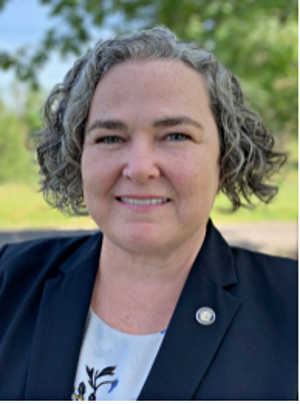
Eileen Cichocki
Eileen Cichocki’s 27-year career in California Community Colleges spans from student employee through interim superintendent/president. She has been serving as Interim superintendent/president at Mendocino College since August 2019.
She began working at Mendocino College in 2004 as director of fiscal services with responsibilities focused on the college finances including budget and accounting.
In 2014 she was promoted to the position of assistant superintendent/vice
president of administrative services, in which she provides leadership for the fiscal, human resources, facilities, child development center, and technology functions of the college. She collaborates daily with the vice president of academic affairs and the vice president of student services.
Prior to coming to Mendocino College, Cichocki held various positions in fiscal services for 11 years at Santa Rosa Junior College.
She is a proud graduate of the California Community College system, earning her Associate in Arts degree at Santa Rosa Junior College. Her education also includes a Bachelor of Arts degree in environmental studies with an emphasis in city planning and a Master of Business Administration, both earned at Sonoma State University.
In addition to her experience and education, Cichocki has participated in professional development programs offered by the Association of California Community College Administrators, the Association of Chief Business Officials for California Community Colleges, and the Community College League of California. Cichocki is a graduate of the Leadership Mendocino program.
She currently serves as vice president of the Northern California Community Colleges Self-Insurance Authority and serves on the Mendocino Countywide Oversight Board to the Successor Agencies to the City Redevelopment Agencies.
She also is a member of the Adventist Health Ukiah Valley Community Advisory Council and the Healthy Mendocino Advisory Council.
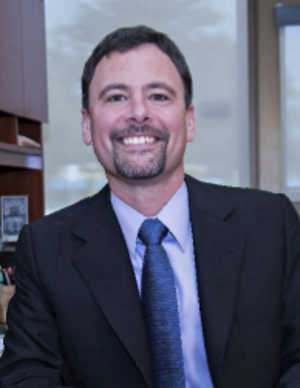
Tim Karas
Tim Karas grew up in San Jose, California prior to it becoming Silicon Valley with fruit orchards and farms close to his family home. His parents are immigrants to California from post-war Europe. His mother is a retired teacher’s aid and his father is a grocer.
Dr. Karas’ educational journey began as the first person in his family to attend college. An associate degree from West Valley College was an achievement to propel him forward to further higher educational benchmarks.
His education continued with a Bachelor of Arts in geography from Humboldt State University and a master’s in library and information science from San Jose State University. He completed his doctoral studies in the field of educational leadership at Fielding Graduate University in 2017.
Dr. Karas was appointed College of Alameda President in January 2017. He joined the College of Alameda in July 2014 as vice-president of instruction.
Prior to College of Alameda, he was dean of liberal studies and language arts (2009-2014) and director of library services (2005-2009) at Mission College.
Karas was a tenured faculty member at the College of San Mateo. As a faculty member, he participated on multiple committees including the Academic Senate, Curriculum Committee, Technology Advisory Committee and College Council.
Previous to working in academia, he worked as a librarian for the city of Palo Alto and Redwood City.
During the past 15 years, he has served on eight accreditation site visit teams. He served as executive board president of the Council of Chief Librarians: California Community Colleges and was an executive board member (2008-2014).
Dr. Karas believes education is a transformational experience for individuals and communities. He has worked to imbed community college education intuitions into the fabric of the community. Community colleges are economic development powerhouses for counties, cities, neighborhoods, and individuals.
In Alameda, Dr. Karas serves on the board of directors for the Alameda Chamber of Commerce, Alameda Family Services; serves on the mayor’s economic development task force; and participates in the local Rotary Club.
Dr. Karas has served on many civic committees and commissions, including the city of San Jose Library Commission, Bond and Parcel Tax Citizen Oversight Committees, and Santa Clara County Sister County Commission.
Karas co-authored a chapter in the book “Campus Partnership in Small Academic Libraries: Challenges and Rewards.”
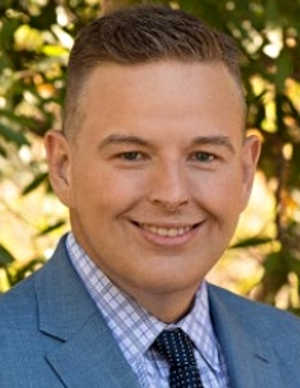
Greg Nelson
From his days as a young boy watching his father teach in a community college, Nelson has been immersed in higher education from a young age.
He has 20 years of experience at the 2-year college level in meeting the needs of the vastly changing landscape of higher education.
Nelson began his career, like a lot of college students, with an internship that began at the Georgia General Assembly in 1999. He then went on to work as an analyst for the Technical College System of Georgia before leaving as the assistant director for budget services for all 34 colleges and 90 campuses.
This experience led him to pursue the executive leadership at a college within the system. There he began his tenure in 2007 as a vice president for administrative services at what is now Wiregrass Georgia Technical College.
From that small rural college, he went on as vice president for administrative services at West Georgia Technical College making up a total of six campuses.
As time went on he needed to move closer to family and began working for the San Jose/Evergreen Community College District as a vice president of administrative services at San Jose City College in 2011, where he spent two years before coming to College of Marin.
As the assistant superintendent/vice president of administrative services, Nelson is the chief business officer for the college and has assumed several other responsibilities.
During his seven years at College of Marin, the college has achieved a better financial position, passed a local bond measure to replace many outdated facilities, and began reviewing the needs for faculty and staff housing.
He has helped raise resources for fundraisers, capital construction and has been funded for several sustainability projects. He thrives on the ability to help break down barriers for students trying to achieve their dreams of a college education.
Nelson has also been a part-time faculty member at various institutions for the last 10 years. He has taught business math, accounting, project management and finance/operations in construction management.
He has been a long-time member of the Association of Chief Business Officials and currently services on local zoning and planning boards.
Nelson was raised in Georgia where he lived on a rural family farm, eventually moving north of Atlanta and attended undergraduate school at Kennesaw State University where he earned his Bachelor of Science in political science with a minor in history.
He went on to earn his MBA with a concentration in public administration from DeVry University in San Jose. He has also achieved several certificates in governmental accounting, project planning and sustainability.
Mr. Nelson has a unique passion for sports, woodworking and helping others. He strives to erase boundaries to work with anyone to achieve the organizational goals and objectives of an institution and ensure that the needs of all students are met.
He currently lives in Sonoma County with his wife of 20 years, Maria, and their four children, Connor, Julia, Christopher and Jackson.
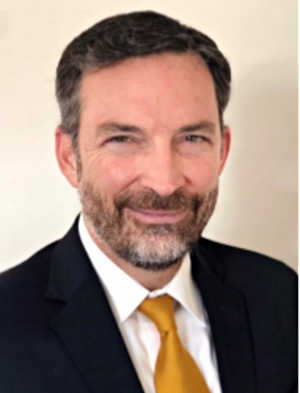
Richard Storti
Dr. Richard Storti has a broad range of experience in academia and private industry. He currently serves as deputy chancellor at West Hills CCD.
Prior positions held with community colleges include assistant superintendent, vice president of business and administrative services at Pasadena City College and vice president of administrative services at Fullerton College.
Outside of academia, he worked as an auditor and held senior-level leadership positions with reputable organizations in private industry.
Dr. Storti completed a doctorate in education at the University of Southern California, Masters of Science in accounting at CSU, Fullerton, and Bachelor of Science in accounting at CSU, Long Beach. He is a licensed Certified Public Accountant.
Dr. Storti has a passion for education and is dedicated to making a positive impact in the lives of students and communities through education.
He is known for his tenacity and perseverance, ability to build strategic partnerships and for his collaborative, transparent, inclusive and personable leadership style with a student-centered focus.
LAKE COUNTY, Calif. – The annual burn ban in Lake County starts on Friday, May 1.
All burn permits expire on April 30. The burn restriction applies to all areas in Lake County.
The Lake County Air Quality Management District said the annual ban addresses concerns over both fire hazard and air quality.
The burn ban includes all open waste burning, though exemptions are possible for agricultural operations, essential control burns for fire hazard reduction projects, public safety burns, and others.
The annual burn ban was first implemented in 1986 in response to weather conditions that often create extreme fire danger and poor air quality.
Air Pollution Control Officer Doug Gearhart said a managed approach incorporating fire and air agency concerns has been implemented and improved upon for many years.
He said the ban allows a quick fire agency response to all fires observed from May 1 on, as they are all assumed to be uncontrolled fires unless specifically authorized by an exemption permit.
Gearhart said the program is one of the primary reasons Lake County has superior and healthful air quality.
To obtain an exemption permit to burn after May 1st, first contact Air Quality Management at 707-263-7000 to determine need, then contact your local fire agency so that your burn site can be inspected for fire safety.
After the fire agency notifies the air district that the proposed burn site is fire safe then an exemption permit may be obtained from the air district.
Anyone responsible for open burning during the ban without an exemption permit may be subject to citation, fines, and fire agency response costs to extinguish the fire. Burn restrictions will remain in effect until Cal Fire declares an end to fire season.
Cal Fire requires permits in state responsibility area
Cal Fire also announced that beginning May 1 it will require a burn permit for any outdoor open burning in state responsibility areas in the following counties Sonoma, Lake, Napa, Marin, Solano, Yolo and Colusa counties.
Cal Fire burn permits are required every year after May 1 to conduct open burning in the state responsibility area.
The Cal Fire permit is required in addition to an air quality permit and any local fire agency permit. For more information, contact your local Cal Fire station or your local fire department, and the Lake County Air Quality Management District at 707-263-7000.
Cal Fire burn permits are available online. Applicants will access the website, watch the mandatory video which reviews burning requirements and safety tips, fill in the required fields, submit the form, and a dooryard burn permit will be created. The applicant must then print the permit.
Permits are valid for the calendar year in which they are issued and must be reissued annually on or after Jan. 1 of each year.
Contact your local fire department or Cal Fire to determine what permit requirements or burning restrictions apply in your area and always call or check with the Air Quality Management District to confirm burn day status prior to igniting a fire.
For larger burn projects, a different Cal Fire burn permit is required and shall be obtained from Cal Fire. This type of burn permit is not available online and will require a Cal Fire inspection before a permit will be issued. Please call your local Cal Fire station for information on obtaining and setting up an inspection.
Cal Fire Sonoma-Lake-Napa Unit Chief Shana Jones reminded residents to take precautions while burning outdoors to prevent sparking a wildfire.
A leading cause of wildfires this time of year is from escaped landscape debris burning. Anyone who has an escaped debris burn and was not burning under the proper conditions can be criminally or civilly held responsible.
Ensure that piles from landscape debris are no larger than 4 feet in diameter, have a 10-foot clearance down to bare mineral soil around the burn pile and that a responsible adult is in attendance at all times with a water source and a shovel.
All burn permits expire on April 30. The burn restriction applies to all areas in Lake County.
The Lake County Air Quality Management District said the annual ban addresses concerns over both fire hazard and air quality.
The burn ban includes all open waste burning, though exemptions are possible for agricultural operations, essential control burns for fire hazard reduction projects, public safety burns, and others.
The annual burn ban was first implemented in 1986 in response to weather conditions that often create extreme fire danger and poor air quality.
Air Pollution Control Officer Doug Gearhart said a managed approach incorporating fire and air agency concerns has been implemented and improved upon for many years.
He said the ban allows a quick fire agency response to all fires observed from May 1 on, as they are all assumed to be uncontrolled fires unless specifically authorized by an exemption permit.
Gearhart said the program is one of the primary reasons Lake County has superior and healthful air quality.
To obtain an exemption permit to burn after May 1st, first contact Air Quality Management at 707-263-7000 to determine need, then contact your local fire agency so that your burn site can be inspected for fire safety.
After the fire agency notifies the air district that the proposed burn site is fire safe then an exemption permit may be obtained from the air district.
Anyone responsible for open burning during the ban without an exemption permit may be subject to citation, fines, and fire agency response costs to extinguish the fire. Burn restrictions will remain in effect until Cal Fire declares an end to fire season.
Cal Fire requires permits in state responsibility area
Cal Fire also announced that beginning May 1 it will require a burn permit for any outdoor open burning in state responsibility areas in the following counties Sonoma, Lake, Napa, Marin, Solano, Yolo and Colusa counties.
Cal Fire burn permits are required every year after May 1 to conduct open burning in the state responsibility area.
The Cal Fire permit is required in addition to an air quality permit and any local fire agency permit. For more information, contact your local Cal Fire station or your local fire department, and the Lake County Air Quality Management District at 707-263-7000.
Cal Fire burn permits are available online. Applicants will access the website, watch the mandatory video which reviews burning requirements and safety tips, fill in the required fields, submit the form, and a dooryard burn permit will be created. The applicant must then print the permit.
Permits are valid for the calendar year in which they are issued and must be reissued annually on or after Jan. 1 of each year.
Contact your local fire department or Cal Fire to determine what permit requirements or burning restrictions apply in your area and always call or check with the Air Quality Management District to confirm burn day status prior to igniting a fire.
For larger burn projects, a different Cal Fire burn permit is required and shall be obtained from Cal Fire. This type of burn permit is not available online and will require a Cal Fire inspection before a permit will be issued. Please call your local Cal Fire station for information on obtaining and setting up an inspection.
Cal Fire Sonoma-Lake-Napa Unit Chief Shana Jones reminded residents to take precautions while burning outdoors to prevent sparking a wildfire.
A leading cause of wildfires this time of year is from escaped landscape debris burning. Anyone who has an escaped debris burn and was not burning under the proper conditions can be criminally or civilly held responsible.
Ensure that piles from landscape debris are no larger than 4 feet in diameter, have a 10-foot clearance down to bare mineral soil around the burn pile and that a responsible adult is in attendance at all times with a water source and a shovel.
LAKE COUNTY, Calif. – Lake County’s Public Health officer said Tuesday that he is looking at extending the shelter in place order into mid-May and that large events and gatherings are unlikely to be allowed for months to come.
Dr. Gary Pace gave the board his weekly update on the COVID-19 situation in Lake County on Tuesday morning.
On Tuesday, COVID-19 cases in Lake County remained at six, with the last person soon to be released from isolation, Pace said.
Pace instituted a shelter in place order that went into effect on March 19. Last week, Pace loosened some restrictions involving recreation, as Lake County News has reported.
The shelter in place order is due to expire on May 3. Pace told the board that he is planning to extend it for a few weeks, suggesting a new end date of May 17. That will give him a chance to see what the governor and other areas are doing.
Pace said he envisioned the county moving forward with loosening restrictions in two-week blocks, assessing how things develop and then reducing more limitations.
He said large gatherings, church meetings, high school graduations, county fairs and music events “are probably not going to be happening” in the near future as the effort to slow the virus’ spread in Lake County continues.
Pace said Public Health has been trying to increase local testing capability. The main limitation has been in the sampling supply. His department has been working to get supplies through Amazon and other sources.
He said they’ve conducted surveillance testing in nursing homes and Sheriff Brian Martin has done extensive testing at the Lake County Jail. All of those tests have been negative.
A month ago, surge preparation with the hospitals was a large part of the conversation. With few people having gotten sick – which Pace attributed to the stay at home order – “We’re changing the strategy now.”
He said the county had been looking for facilities locally to house patients in case the hospitals filled up. However, that’s no longer a primary need.
Pace said the county’s numbers should be able to be managed through social restrictions. If there is a need for a facility outside of the local hospitals to house patients, patients could be taken to one of the large state-run facilities being set up at places like the Sleep Train Arena in Sacramento.
Switching to the matter of further loosening restrictions, Pace recognized, “It’s been a huge lift for everybody over the last six weeks to have to deal with this,” with schools and businesses closing and people not being able to work. “We’re very aware of that.”
Pace said there is a balancing act between loosening restrictions and protecting public health. He said large groups present problems with transmission and have led to explosive rates of infection in some areas.
He said Gov. Gavin Newsom’s stay at home order takes precedence over local orders, and local orders can’t be less restrictive.
Pace said northern rural counties have been in conversation with state officials, including the governor, to ask for special consideration.
“They really need to treat us differently than they do Santa Clara or LA. It’s clearly a different situation here. The economies are different, the economic needs are different and the risks to people are different,” Pace said.
Pace said his strategy moving forward will be to loosen restrictions slowly. When cases come up, Public Health quickly moves in, conducts contact tracing and cordons people off to slow the spread through the community.
“The goal is not to stop the spread, not to stop the virus in the community, because that’s an impossible goal. It's really to slow it so it’s manageable, so the hospitals can manage the surge and so that we can protect the vulnerable people in the community,” Pace said.
He also told the board, “I think we should be proud of how the community handled this.”
Gov. Newsom is starting to lay out a framework for how to move forward, Pace said, explaining that the state is in stage one, the preparation stage, which involves getting control of the outbreak, improving testing, contact tracing and isolation management. That will be followed by making sure workers can be safe when getting back to their jobs.
The last stage is getting back to normal with large group activities, “which is probably months away,” said Pace.
He said Public Health is working on a template to help businesses reopen. That document should be on the Public Health website on Wednesday.
Turning to another important issue this time of year, Pace said, “High school graduation is a big question.”
He said he has been talking to the Lake County Office of Education and local school superintendents, who are trying to be really creative in addressing commencement ceremonies.
Pace said that it’s unlikely that they are going to be able to have any kind of graduation ceremonies – even modified ones – for now.
While small groups and drive-ins have been discussed as graduation ceremony alternatives, “The logistics of that are pretty overwhelming,” Pace said.
“Right now I’m recommending that all of the schools work towards a virtual graduation,” Pace said.
He said there may be the possibility of graduation events later in the summer but that there don’t seem to be many good options that are safe.
Email Elizabeth Larson atThis email address is being protected from spambots. You need JavaScript enabled to view it. . Follow her on Twitter, @ERLarson, or Lake County News, @LakeCoNews.
Dr. Gary Pace gave the board his weekly update on the COVID-19 situation in Lake County on Tuesday morning.
On Tuesday, COVID-19 cases in Lake County remained at six, with the last person soon to be released from isolation, Pace said.
Pace instituted a shelter in place order that went into effect on March 19. Last week, Pace loosened some restrictions involving recreation, as Lake County News has reported.
The shelter in place order is due to expire on May 3. Pace told the board that he is planning to extend it for a few weeks, suggesting a new end date of May 17. That will give him a chance to see what the governor and other areas are doing.
Pace said he envisioned the county moving forward with loosening restrictions in two-week blocks, assessing how things develop and then reducing more limitations.
He said large gatherings, church meetings, high school graduations, county fairs and music events “are probably not going to be happening” in the near future as the effort to slow the virus’ spread in Lake County continues.
Pace said Public Health has been trying to increase local testing capability. The main limitation has been in the sampling supply. His department has been working to get supplies through Amazon and other sources.
He said they’ve conducted surveillance testing in nursing homes and Sheriff Brian Martin has done extensive testing at the Lake County Jail. All of those tests have been negative.
A month ago, surge preparation with the hospitals was a large part of the conversation. With few people having gotten sick – which Pace attributed to the stay at home order – “We’re changing the strategy now.”
He said the county had been looking for facilities locally to house patients in case the hospitals filled up. However, that’s no longer a primary need.
Pace said the county’s numbers should be able to be managed through social restrictions. If there is a need for a facility outside of the local hospitals to house patients, patients could be taken to one of the large state-run facilities being set up at places like the Sleep Train Arena in Sacramento.
Switching to the matter of further loosening restrictions, Pace recognized, “It’s been a huge lift for everybody over the last six weeks to have to deal with this,” with schools and businesses closing and people not being able to work. “We’re very aware of that.”
Pace said there is a balancing act between loosening restrictions and protecting public health. He said large groups present problems with transmission and have led to explosive rates of infection in some areas.
He said Gov. Gavin Newsom’s stay at home order takes precedence over local orders, and local orders can’t be less restrictive.
Pace said northern rural counties have been in conversation with state officials, including the governor, to ask for special consideration.
“They really need to treat us differently than they do Santa Clara or LA. It’s clearly a different situation here. The economies are different, the economic needs are different and the risks to people are different,” Pace said.
Pace said his strategy moving forward will be to loosen restrictions slowly. When cases come up, Public Health quickly moves in, conducts contact tracing and cordons people off to slow the spread through the community.
“The goal is not to stop the spread, not to stop the virus in the community, because that’s an impossible goal. It's really to slow it so it’s manageable, so the hospitals can manage the surge and so that we can protect the vulnerable people in the community,” Pace said.
He also told the board, “I think we should be proud of how the community handled this.”
Gov. Newsom is starting to lay out a framework for how to move forward, Pace said, explaining that the state is in stage one, the preparation stage, which involves getting control of the outbreak, improving testing, contact tracing and isolation management. That will be followed by making sure workers can be safe when getting back to their jobs.
The last stage is getting back to normal with large group activities, “which is probably months away,” said Pace.
He said Public Health is working on a template to help businesses reopen. That document should be on the Public Health website on Wednesday.
Turning to another important issue this time of year, Pace said, “High school graduation is a big question.”
He said he has been talking to the Lake County Office of Education and local school superintendents, who are trying to be really creative in addressing commencement ceremonies.
Pace said that it’s unlikely that they are going to be able to have any kind of graduation ceremonies – even modified ones – for now.
While small groups and drive-ins have been discussed as graduation ceremony alternatives, “The logistics of that are pretty overwhelming,” Pace said.
“Right now I’m recommending that all of the schools work towards a virtual graduation,” Pace said.
He said there may be the possibility of graduation events later in the summer but that there don’t seem to be many good options that are safe.
Email Elizabeth Larson at