 How to resolve AdBlock issue?
News
CLEARLAKE OAKS, Calif. – A Clearlake Oaks resident suffered major injuries in a single-vehicle crash early Sunday morning.
James Weiss, 40, was injured in the crash, which occurred on Sulphur Bank Road south of Highway 20 at around 3:30 a.m., according to a report from the California Highway Patrol.
The CHP report said Weiss was driving a 1997 Jeep Grand Cherokee northbound on Sulphur Bank Road and, due to unsafe speed, failed to negotiate a righthand curve in the roadway.
Weiss’ Jeep went off the west roadway edge and down an embankment, where it hit a tree before coming to rest on the driver’s side, the CHP said.
As a result of the crash, Weiss was trapped inside the Jeep. A person walking along the roadway at 8:15 a.m. heard him moaning, according to the CHP.
The CHP said Northshore Fire Protection District firefighters from the Clearlake Oaks station responded and freed Weiss from the vehicle.
Weiss was flown by REACH air ambulance to Santa Rosa Memorial Hospital for treatment of major injuries, the CHP reported.
Weiss was wearing his seatbelt at the time of the crash, the CHP said.
Email Elizabeth Larson at
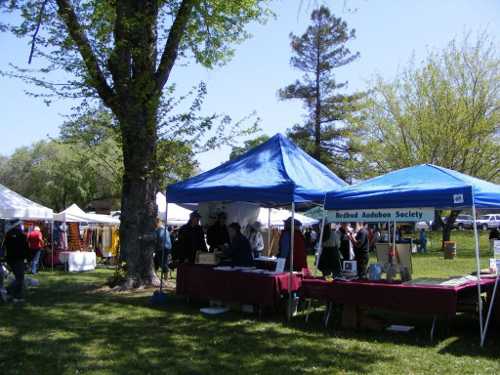
CLEARLAKE, Calif. – Warm weather and balmy breezes greeted visitors on Saturday at the annual Heron Festival, held this year at its new location in Clearlake's Redbud Park.
Over a dozen vendors selling jewelry, decorated gourds, garden features and other handcrafts were set up beside the Redbud Audubon Society, sponsor of the Heron Festival.
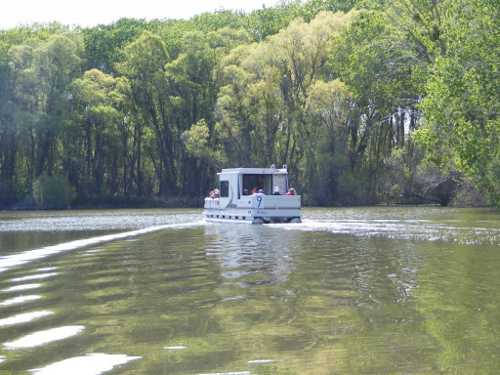
The festival was reduced to just one day this year instead of two, resulting in the pontoon boat rides selling out online.
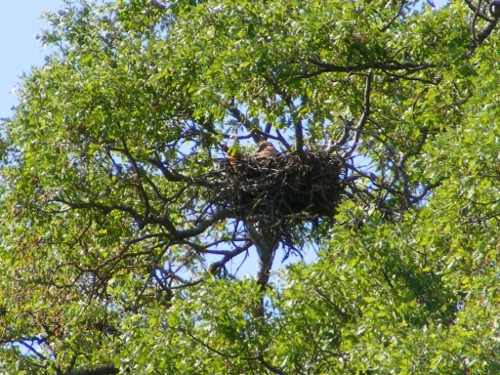
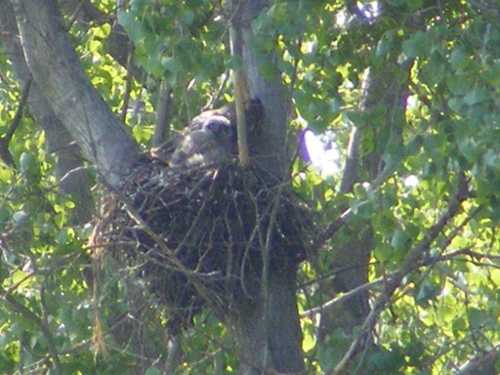
During this popular feature of the festival, some lucky boaters used their binoculars to spot not just heron nests but also nests of the golden eagle and great horned owl along the water channels off Clear Lake.
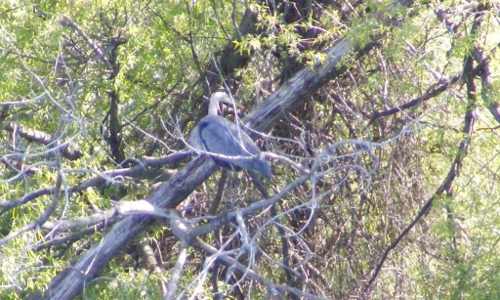
Great blue herons and white egrets flew overhead and perched in the trees, creating photo ops during the 90-minute boat ride.
The day’s events schedule began at 8:30 a.m. and ended after 4 p.m.
Several of the festival’s activities were created just for children, such as the precut, paper owl mask finished with crayons by the youngsters.
Since the live owls and raptors show was such popular entertainment for the entire family in past years, it had a repeat performance.
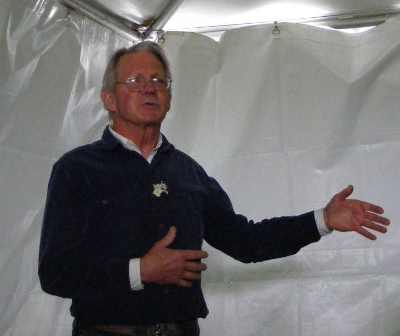
Speakers Dr. Harry Lyons, Marilyn Waits and Philip Greene were scheduled in the big tent throughout the day to entertain and educate adults and children about birds and other wildlife that we see around Clear Lake.
Greene, the keynote speaker, presented an especially humorous and entertaining slide show as he explained – and acted out – the various ways the heron and egret males attract a female after building a nest for each new season and the hunting strategy of the reddish heron.
One of his main reference books is “The Heron’s Handbook,” by authors James Hancock and James Kushlan, published by Harper and Row. Greene has found this on Amazon.com and pointed out that the illustrations are colorful paintings instead of photographs.
He surprised his audience with the information that herons and egrets have hollow bones, making them weigh only a few pounds, even though the great blue heron can have a wingspan of 6 feet and stand 5 and a half feet tall.
Greene’s audience also learned that most heron adults leave the nest when the juveniles are about 8 weeks old, leaving them to fend for themselves.
The reddish heron differs from other heron in that it instructs its young how to hunt for prey. A common practice of the reddish heron is the use of the “closed wing” method of creating a shadow over its prey with its wings so the fish or rodent cannot see this predator strike until it’s too late.
After boat rides and stimulating lectures, festival goers had a wide range of lunch choices – tacos, barbecued pork, hot dogs, snacks and drinks from food vendors.
The festival was well attended without being overcrowded. Parking was well-organized and directed by volunteers. Plentiful shade trees and clean, well-maintained restrooms helped make this an enjoyable family outing.
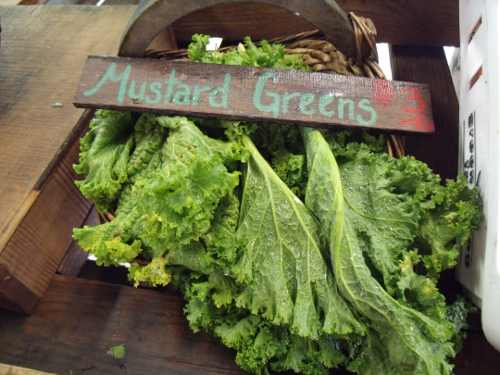
The mustard family is a big one, and its fold includes scores of common weeds and such vegetables as cabbage, broccoli and turnips.
In addition to supplying seeds for cooking, pickling, oil production and condiment-making, these plants sport flavorful leaves that are utilized around the world in cuisines as diverse as Chinese, Indian, African and Eastern European, among others.
They’re popular in the cooking of the Southern United States, as well as rating high on the charts as a favorite soul food green, second only to collards.
A cool weather crop, these cut-and-come-again plantings provide greens for home gardeners from at least November through April, with last-of-harvest reaping occurring now, as the weather warms.
Like many spring garden staples, a touch of frost makes them sweeter.
Not surprisingly – considering the pungency of the seeds – mustard greens are full of flavor. They add a touch of peppery interest to dishes made with them, and are sometimes mixed with less piquant greens to balance their spiciness.
Mustard originated in the Himalayan region of India and has been cultivated for consumption for more than 5,000 years.
As to their history as a soul food, they became an important food staple among African slaves in the southern United States as a substitute for the greens that were utilized in their native land.
Today’s southerners still love their greens, including those of the mustard plant, and cooking up a “mess o’ greens” remains an integral part of their cuisine, often with a ham hock, slab of bacon, or other smoked pork product flavoring the pot.
Mustard greens may be sautéed with nearly any protein, vegetable, or grain of your choosing, and go especially well with sweet veggies like carrots or sweet potatoes.
They cook more quickly than their cousins, collards and kale.
In Asia, including in China and Japan, mustard greens are most often stir-fried or pickled. They use a wide variety of mustard cultivars in their cuisine.
Southeast Asians make a stew of mustard greens with tamarind, dried chiles, and leftover meat on the bone from a previous meal.
Mustard greens are immensely popular in Nepal, India, and Pakistan, where they’re stewed with spices. One variety with a particularly thick stem is used to make pickles.
Mustard greens in their young, tender state make a nice addition added raw to salads or as an alternative to lettuce on a sandwich. They may also be tossed with pasta dishes.
If these peppery greens are too spicy for your taste, tame them by blanching in salted water for a minute prior to other preparations.
The stems of the mustard plant are tough, so I recommend removing them prior to cooking the greens. (An exception to this is if they’ll be stewed for a long period of time, in which case the stems may be kept intact.)
An easy way to do this is to fold the greens in half lengthwise and cut along the folded edge to remove the stem.
Most mustard greens are a bright emerald color, though some may be a greenish-purple hue.
The broad leaves may be flat or crumpled, with smooth, toothed, frilled, or lacy edges, depending on the cultivar type. They have a pungent, mustardy scent.
Though their season is ending, many supermarkets carry them year-round. Look for crisp, tender leaves with a rich green color and avoid yellow, flabby or pitted leaves and thick, fibrous stems.
Unwashed greens may be stored in the crisper drawer of the refrigerator for up to a week if tightly wrapped.
Since the leaves tend to hold sand and dirt, be sure to wash them well before using.
Do this in the same way you’d typically wash spinach, by swirling leaves in a large bowl of cool water to allow grit to dislodge and fall to the bottom. Rinse thoroughly afterwards.
Like others in the brassica family, of which they’re a member, mustard greens are immensely nutritious.
These powerhouse plants contain a veritable storehouse of vitamins and minerals – more than twenty of them – including vitamins K (over 500 percent of our daily requirement in a cup), A (more than 177 percent), C (59 percent) and a number of B vitamins.
In addition, scientific studies have shown them to be cholesterol lowering, supportive of cardiovascular health, protective against cancer, anti-inflammatory, full of antioxidants and detoxifying.
As to today’s recipe, I found many creative ways to prepare this saucy green, including with chipotle and bacon, blended with bulgur, Indian style with jalapeños and ginger, and even on toast with egg and Hollandaise sauce.
The one that intrigues me the most is the one I’ll share: African peanut soup with mustard greens. I cannot resist; the flavor combinations are right up my alley, and the soup can be thrown together in a matter of minutes once ingredients are prepped.
I hope you enjoy it, too, whether with chicken or as a vegetarian offering.
And before I go, I thought I’d share a southern nickname for the broth left in the pot after cooking greens: potlikker.
It’s immensely flavorful (not to mention full of rich nutrients), and is typically sopped up and enjoyed with a piece of warm cornbread.
Now that’s a tradition I’d like to sink my teeth into!
African peanut soup with mustard greens
2 tablespoons olive oil
1 cup yellow onion, diced
½ cup diced carrot
½ cup diced celery
½ to 1 tablespoon chili powder, to taste
1 teaspoon salt
¼ to ½ teaspoon cayenne pepper, or to taste
4 cups chicken or vegetable broth
2 cups cooked chicken, shredded (optional)
One 14 ½ ounce can diced tomatoes (or fresh tomatoes)
½ cup peanut butter, creamy or chunky, as desired
¼ cup dry instant couscous
4 cups stemmed and chopped mustard greens
Chopped peanuts and chopped scallions for garnish
Heat oil in a stock pot. Add onion and sauté until transparent.
Add carrot, celery, bell pepper, garlic, chili powder, cayenne pepper and salt. Cook about four minutes, stirring often.
Add broth, chicken (if using), tomatoes and greens. Bring to a boil, reduce heat to low, and simmer 10 minutes.
Stir in the peanut butter and couscous. Cover, remove from heat, and allow to sit for five minutes.
Garnish each serving with peanuts and scallions.
Recipe adapted from www.food.com .
Esther Oertel, a freelance writer, cooking teacher, and speaker, is passionate about local produce and all foods in the vegetable kingdom. She welcomes your questions and comments and may be reached at
LAKEPORT, Calif. – It’s a special week at Lake County Animal Care and Control, where the inaugural big adoption event is taking place.
Through Friday, May 11, the county is waiving the $20 adoption fee for cats and $30 adoption fee for dogs, which is reducing costs in order to help get animals homes.
There’s a full house of dogs, big and little, ready to leave the shelter behind and join a new home.
Dogs that are adopted from Lake County Animal Care and Control are either neutered or spayed, microchipped and, if old enough, given a rabies shot and county license before being released to their new owner. License fees do not apply to residents of the cities of Lakeport or Clearlake.
If you're looking for a new companion, visit the shelter. There are many great pets hoping you'll choose them.
The following dogs at the Lake County Animal Care and Control shelter have been cleared for adoption (additional dogs on the animal control Web site not listed are still “on hold”).

Female Australian Shepherd
This female Australian Shepherd mix is 1 year old.
She has a short red and tan coat, and bright, beautiful green eyes.
She weighs 65 pounds and has been spayed.
Shelter staff said she is quiet and mellow. She is good with other dogs and would be good with kids.
Find her in kennel No. 19, ID No. 32589.
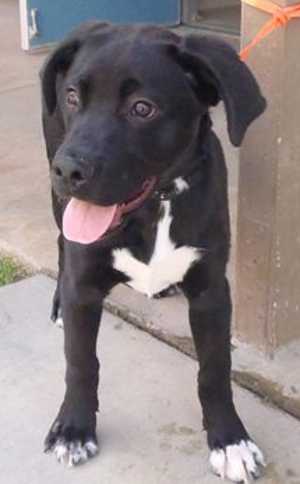
Labrador Retriever-Great Dane
This male Labrador Retriever-Great Dane mix is 4 months old.
He weighs 41 pounds, has a short black and white coat, and has been neutered.
He is in kennel No. 33, ID No. 32600.
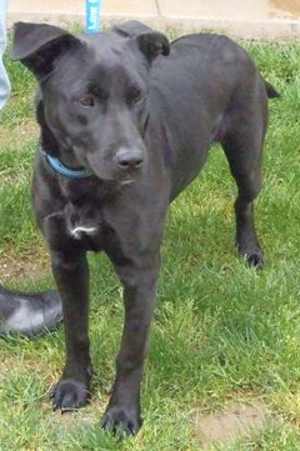
Female Labrador Retriever
This female Labrador Retriever is 1 year old.
She weighs 44 pounds, has a short black coat and has been spayed.
She is in kennel No. 26, ID No. 32639.
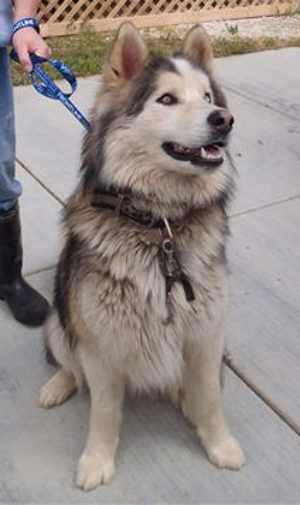
Siberian Husky mix
This male Siberian Husky mix is 4 years old.
He has one blue eye and one brown eye, has a long black and white coat, and has been neutered.
Find him in kennel No. 16, ID No. 32531.
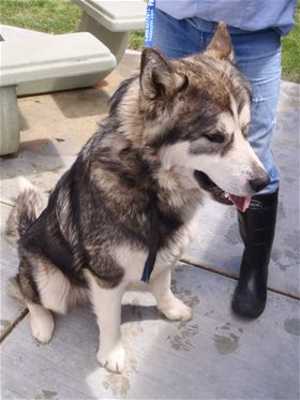
Alaskan Malamute mix
This male Alaskan Malamute mix is 4 years old.
He has a long black and white coat and is not yet neutered.
Shelter staff describes him as a great family dog, good with kids and “a big teddy bear.”
Find the big guy in kennel No. 17, ID No. 32532.

‘Beau’
Beau is a 5-month-old male Chihuahua mix.
He weighs 6 pounds, has a short, tri-colored coat and is neutered.
Beau is in kennel No. 23, ID No. 32335.
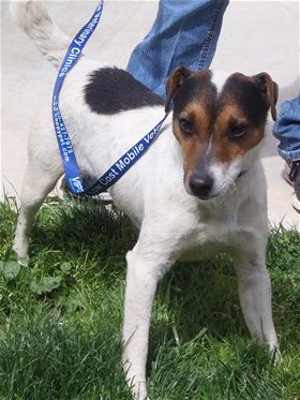
Male Jack Russell mix
This male Jack Russell terrier mix is 6 years old.
He has tricolor markings and a short coat, weighs 19 pounds and has not yet been neutered.
He is in kennel No. 24, ID No. 32483.
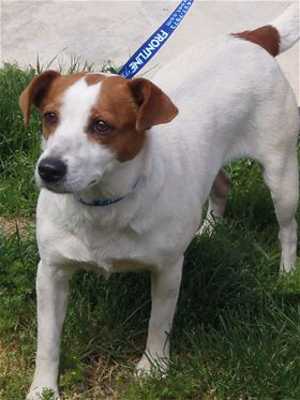
Female Jack Russell mix
This female Jack Russell terrier mix is 3 years old.
She has a short tan and white coat, weighs nearly 26 pounds and has not yet been spayed.
Find her in kennel No. 22, ID No. 32482.
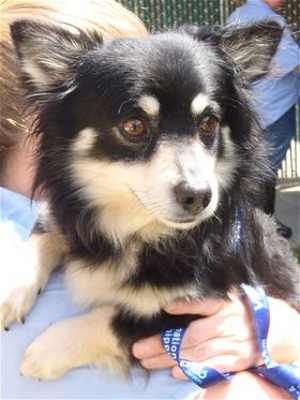
Male Pomeranian mix
This little male Pomeranian mix is 1 year old.
He has a long black and tan coat, weighs 12 pounds and has been neutered. Staff said he is mellow and a nonbarker.
Find him in kennel No. 25, ID No. 32508.
Adoptable dogs also can be seen at http://www.co.lake.ca.us/Government/Directory/Animal_Care_And_Control/Adopt/Dogs_and_Puppies.htm or at www.petfinder.com .
Please note: Dogs listed at the shelter's Web page that are said to be “on hold” are not yet cleared for adoption.
To fill out an adoption application online visit http://www.co.lake.ca.us/Government/Directory/Animal_Care_And_Control/Adopt/Dog___Cat_Adoption_Application.htm .
Lake County Animal Care and Control is located at 4949 Helbush in Lakeport, next to the Hill Road Correctional Facility.
Office hours are Monday through Friday, 8 a.m. to 5 p.m., and 1 p.m. to 3 p.m., Saturday. The shelter is open from 10:30 a.m. to 4:30 p.m. Monday through Friday and on Saturday from 1 p.m. to 3 p.m.
Visit the shelter online at http://www.co.lake.ca.us/Government/Directory/Animal_Care_And_Control.htm .
For more information call Lake County Animal Care and Control at 707-263-0278.
LUCERNE, Calif. – A group of classic car enthusiasts toured Lake County over the weekend as part of its special spring event.
The Lake County A's 18th annual Spring Opener began Friday, May 4, and runs through Sunday, May 6.
The group's events for the weekend are based at Rancho de la Fuente in Lakeport, but they took a picturesque spin around the county on Saturday.
One of the stops on Saturday morning included a tour at the Lucerne Hotel.
Eric Seely of the Lake County Administrative Office showed the group around the historic 1920s-era building, which was being prepared for the Upper Lake High School prom on Saturday evening.
Upper Lake's is the second prom in two weekends that the hotel is hosting; last weekend, it was the Kelseyville High School prom.
Club members enjoyed taking a look around before they were off to other stops, including Chacewater Olive Mill and the Ely Stage Stop Museum in Kelseyville.
Every second, lightning flashes some 50 times on Earth. Together these discharges coalesce and get stronger, creating electromagnetic waves circling around Earth, to create a beating pulse between the ground and the lower ionosphere, about 60 miles up in the atmosphere.
This electromagnetic signature, known as Schumann Resonance, had only been observed from Earth's surface until, in 2011, scientists discovered they could also detect it using NASA's Vector Electric Field Instrument (VEFI) aboard the U.S. Air Force's Communications/Navigation Outage Forecast System (C/NOFS) satellite.
In a paper published on May 1 in The Astrophysical Journal, researchers describe how this new technique could be used to study other planets in the solar system as well, and even shed light on how the solar system formed.
"The frequency of Schumann Resonance depends not only on the size of the planet but on what kinds of atoms and molecules exist in the atmosphere because they change the electrical conductivity," said Fernando Simoes, the first author on this paper and a space scientist at NASA's Goddard Space Flight Center in Greenbelt, Md. "So we could use this technique remotely, say from about 600 miles above a planet's surface, to look at how much water, methane and ammonia is there."
Water, methane and ammonia are collectively referred to as "volatiles" and the fact that there are different amounts on different planets is a tantalizing clue to the way the planets formed.
Determining the composition of a planet's atmosphere can be done with a handful of other techniques – techniques that are quite accurate, but can only measure specific regions.
By looking at the Schumann Resonance, however, one can get information about the global density of, say, water around the entire planet.
Simoes and his colleagues believe that combining this technique with other instruments on a spacecraft's visit to a planet could provide a more accurate inventory of the planet's atmosphere.
"And if we can get a better sense of the abundance of these kinds of atoms in the outer planets," said Simoes, "We would know more about the abundance in the original nebula from which the solar system evolved."
Accurate descriptions of planetary atmospheres might also help shed light on how the evolution of the solar system left the outer planets with a high percentage of volatiles, but not the inner planets.
Detecting Schumann Resonance from above still requires the instruments to be fairly close to the planet, so this technique couldn't be used to investigate from afar the atmospheres of planets outside our solar system. Instead, scientists imagine something much more dramatic.
After a spacecraft is finished observing a planet, it could continue to detect Schumann resonance as it begins its death dive into the atmosphere.
During the process of self-destruction, the spacecraft would still provide valuable scientific data until the very last minute of its existence.
Karen C. Fox works for the NASA's Goddard Space Flight Center.