How to resolve AdBlock issue?
Refresh this page
How to resolve AdBlock issue?
Refresh this page
Lake County News,California
  • Home
    • Registration Form
  • News
    • Education
    • Veterans
    • Community
      • Obituaries
      • Letters
      • Commentary
    • Police Logs
    • Business
    • Recreation
    • Health
    • Religion
    • Legals
    • Arts & Life
    • Regional
  • Calendar
  • Contact us
    • FAQs
    • Phones, E-Mail
    • Subscribe
  • Advertise Here
  • Login

News

CHP’s Clear Lake Area office welcomes two new officers

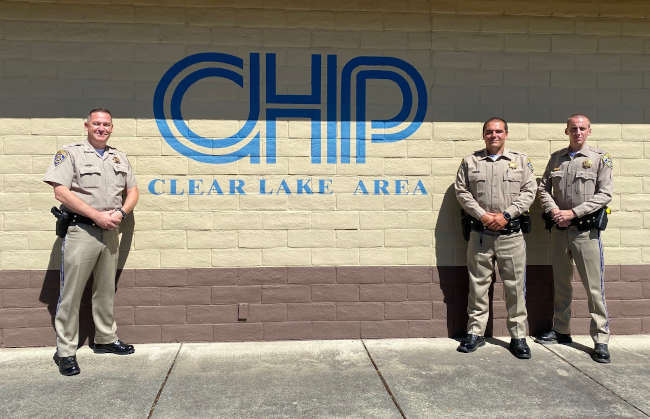
New California Highway Patrol Officer Wyatt Griffith and Officer Blake Bartlett with Clear Lake Area office Commander Lt. Dan Fansler (left). Photo courtesy of the CHP.

KELSEYVILLE, Calif. — The California Highway Patrol’s Clear Lake Area office is welcoming two new officers from the latest class of CHP Academy graduates.

Officer Wyatt Griffith and Officer Blake Bartlett were among 102 officers who graduated on Friday, July 12, at the Academy in West Sacramento.

After 26 weeks of intensive training, the group was officially sworn in.

Newly promoted officers receive extensive in-field training with experienced officers for approximately four months.

Lake County is a special area, different from larger metropolitan areas, with its unique landscape and rural roadways that will test these officer’s skills.

The agency said its ultimate goal is to get all newly promoted officers ready to face the challenges they will encounter on a day-to-day basis so they can provide the highest level of safety, service and security to the people of California.

The CHP is hiring. Visit www.chpmadeformore.com and see how you can make a difference in your community, save lives and have a great career as a CHP officer.

California is home to 1 in 5 Olympians but Vermont is sending more athletes per capita to the Games

From small towns to city lights, Team USA sent 594 athletes to the 2024 Olympic Games in Paris, France, that officially opened July 24.

This summer, 46 states are sending their hometown heroes to compete against the best athletes in the world.

California, the most populous state, is sending the most (120) followed by Florida (42), Texas (41), Illinois (27) and Pennsylvania (27).

Vermont is sending the most athletes per capita (4.63 per million) followed by Colorado (4.42 per million), Montana (3.53 per million), Hawaii (3.48 per million) and California (3.07 per million).

Throughout this article, all per capita calculations use Vintage 2023 Population Estimates state or city and town population totals.

The full roster of the 2024 U.S. Olympic Team shows athletes by state, including their name, sport, hometown and event.

Calculations of athletes per state, athletes per hometown city, or per capita were made using the full roster as of its publication date on July 10, 2024. The team roster is subject to change before and throughout the Olympic games.

Team USA stats and fun facts

Ten hometown cities are sending five or more Olympians to the Summer Games in Paris: San Diego (11); Houston (10); Los Angeles (9); Atlanta, Chicago and Miami (six each); and Charlotte, Las Vegas, Long Beach and San Jose (five each).

Of these 10 hometown cities, Miami is sending the most per capita (13.16 per million), followed by Atlanta (11.74 per million) and Long Beach (11.12 per million).

Several Team USA members hail from hometowns outside the continental United States: Five are from hometowns in Hawaii; two are from Alaska; and one is from St. Thomas in the U.S. Virgin Islands.

Two athletes’ come from hometowns across the Atlantic Ocean: Frankfurt, Germany, and Santa Margherita Ligure, Italy. Another athlete lists both Beijing, China, and Palo Alto, California, as their hometown.

There are 315 women and 279 men on Team USA, making this the fourth consecutive Olympic Games with more women than men on the team.

Gymnast Hezly Rivera (age 16) is the youngest member and equestrian Steffen Peters (age 59) is the oldest member of Team USA.

To date, 138 athletes have qualified for the 2024 U.S. Paralympic Team, which will be announced on August 19. The Paris 2024 Paralympic Games are set to take place from August 28 to September 8, featuring 4,400 athletes from around the world competing in 22 sports.

Going for the Gold in 2024

The 2024 Summer Games features 329 medal events in 32 sports.

Some are new. Breaking, for example, is now an Olympic sport. This urban dance style, which originated in New York City, is one of the foundational elements of hip hop culture worldwide. The B-Boy and B-Girl competitions begin August 9.

Kiteboarding and Kayak Cross are also new events this year, while Skateboarding, Sport Climbing, Surfing and 3X3 Basketball are back after debuting in the 2020 Tokyo Games.

Team USA includes more than 250 returning Olympians, 122 Olympic medalists and 66 Olympic champions, according to the United States Olympic & Paralympic Committee. Of the 122 Olympic medalists, 45 have won multiple medals, 23 of them multiple gold medals.

Here’s a closer look at who is competing:

Swimmer Katie Ledecky (Bethesda, Maryland) leads the team with 10 Olympic medals, including seven gold and three silver medals.

Gymnast Simone Biles (Spring, Texas) and swimmer Caeleb Dressel (Micanopy, Florida) enter the 2024 Summer Games with seven medals each.

Swimmer Ryan Murphy (Jacksonville, Florida) has six medals.

Basketball player Diana Taurasi (Glendale, California); swimmer Lilly King (Evansville, Indiana); and swimmer Simone Manuel (Sugar Land, Texas) each have five medals.

The Team USA roster includes three five-time Olympians:

Basketball player Diana Taurasi (Glendale, California).

Equestrian Steffen Peters (San Diego, California).

Equestrian McLain Ward (Brewster, New York).

Four four-time Olympians are competing:

Archer Brady Ellison (Billings, Montana).

Fencer Gerek Meinhardt (Lexington, Kentucky).

Sailor Stu McNay (Barrington, Rhode Island).

Marksman Vincent Hancock (Argyle, Texas).

More U.S. sports facts

In 2022, there were 40,786 fitness and recreational sports centers establishments in the United States. They employed 649,964 people and had a $12 billion annual payroll.

There were about 158,000 athletes, coaches, and umpires in the United States out of a total workforce of nearly 117 million in 2022.

A brief history of the Olympics, the United States and France

The modern Olympics began in 1896 in Athens, Greece.

The United States has hosted more Olympics than any other country: four Summer Games (1904, 1932, 1984, 1996) and four Winter Games (1932, 1960, 1980, 2002).

The next two Summer Games are set to be held in Los Angeles in 2028 and in Brisbane, Australia in 2032.

France has now hosted six Olympics: three Summer Games (1900, 1924, 2024) and three Winter Games (1924, 1968, 1992).

Paris joins London in the United Kingdom as the only two cities to host the Olympic Games three times. London hosted the Summer Games in 1908, 1948, and 2012.

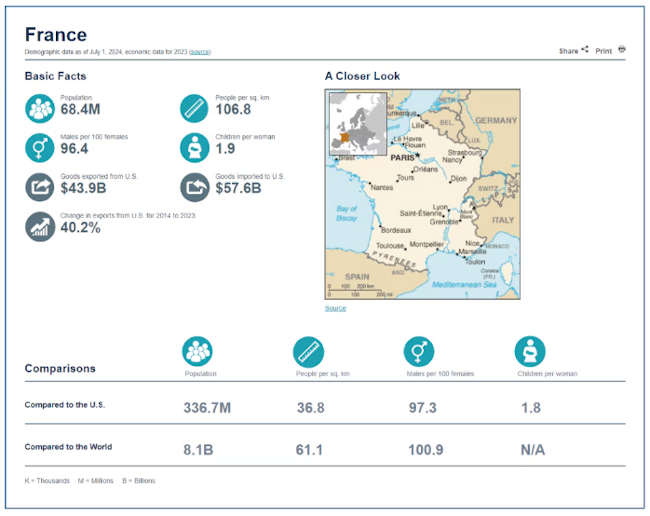
France is ranked 22nd with a 2024 population of 68.4 million.

Follow the Census Bureau on social media to make sure you don’t miss out on more statistics and fun facts about the 2024 Summer Games in Paris.

Anthony Calabrese is chief of the Promotions Branch in the Census Bureau’s Communications Directorate.


New treatments offer much-needed hope for patients suffering from chronic pain


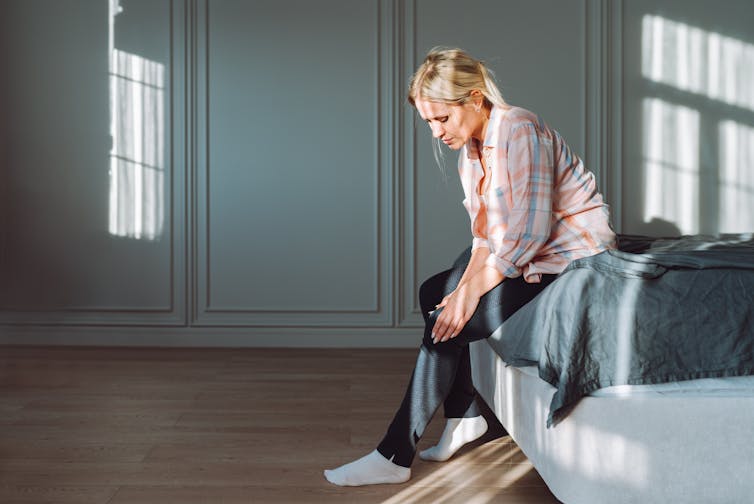
New treatments for pain are on the horizon, but for many sufferers of chronic pain, they can’t arrive soon enough. Olga Rolenko/Moment via Getty Images

Hundreds of millions of people around the world experience chronic pain – meaning pain that lasts longer than three months. While the numbers vary from country to country, most studies estimate that about 10% of the global population is affected, so more than 800 million people.

The Centers for Disease Control and Prevention estimates that in 2021, about 20% of U.S. adults – or more than 50 million people – were experiencing chronic pain. Of those, about 7% experienced what’s called high-impact chronic pain, which is pain that substantially limits a person’s daily activities.

In the past, physicians have been quick to prescribe medication as an easy solution. But the opioid crisis in the U.S. has led doctors to reevaluate their reliance on drugs and look at new treatments for patients with chronic pain.

The Conversation spoke with Rachael Rzasa Lynn, a pain management specialist from the University of Colorado Anschutz Medical Campus for our podcast The Conversation Weekly. She explains some of the new developments in pain treatment and why there’s hope for patients with chronic pain.

What is the cause of chronic pain, at the most basic level?

In general, pain is a complex interplay between tissue injury or inflammation, nerves and brain processing.

There are several different biological processes that can result in pain. The one that’s happening to most people when they experience acute pain is called nociceptive pain. This is pain that occurs when tissue is being injured or potentially harmed in some way, which triggers the activation of surrounding nerves. These nerves are like electrical wires that send signals from the injured tissue, through the spinal cord and to the brain, where pain is ultimately perceived.

But activation of those nerves alone does not equal pain, because those electrical signals are amplified or diminished at multiple points throughout their transit to the brain. The brain’s perception of pain is critical because pain does not occur when people are unconscious.

Nociceptive pain can also result from ongoing tissue injury or inflammation, as in the case of arthritis. With these injuries, the peripheral nerves are chronically reporting to the brain, resulting in an ongoing perception of pain.

There are other disease processes, such as diabetic peripheral neuropathy, in which nerves themselves become injured. In these cases, the nerves send pain signals to the brain that are reflective of injury to the nerves themselves, not the tissues they report from. This is called neuropathic pain.

In other forms of chronic pain called nociplastic pain, the initial tissue injury may fully heal, but the brain and nervous system continue to generate pain signals.

Many chronic pain conditions actually involve a combination of all three of these phenomena – nociceptive, neuropathic and nociplastic pain – which adds to the difficulty of diagnosis and treatment.

When you have chronic pain, the pain signals that the brain would typically ignore are amplified.

How do doctors like you measure pain?

I think everybody who’s been to a hospital, at least in the United States within the past decade, is familiar with the numerical scale where you’re asked to rate your pain. That is a one-dimensional assessment of pain that only asks how severe it is.

But pain is a very complex phenomenon that has a lot more pieces to it than just the severity. So a single numerical value based on severity of pain really misses the impact that pain may be having on a patient’s daily life, such as their activities, their relationships, their ability to sleep, their happiness and their overall satisfaction with their life.

I think the most difficult thing about all pain, truly, but especially many forms of chronic pain, is that you cannot see it. There’s no external, validated way to really know how much pain someone is in. We do have newer methods for measuring pain that attempt to get at some of those more complex aspects, but it’s still a very incomplete science. It’s all still subjective based on what the patient tells you their experience is.

What are some of the most promising new pain treatment options?

One newly popular treatment is called pain reprocessing therapy, which takes a behavioral approach to eliminating pain.

Here at our medical campus, therapists guide patients in understanding what causes chronic pain and then reevaluating the sensations they experience as painful – for example, while engaging in typically painful movements. The goal of pain reprocessing therapy is to help patients perceive the pain signals being sent to their brain as less threatening, so that their brain “unlearns” the pain.

Another approach being applied in new ways is called nerve ablation, a procedure in which the nerves around an area of pain are numbed with medication and then purposely damaged. In those cases, doctors inject a chemical around the nerves or gently heat them so they can no longer effectively send pain signals for months or even years. This approach has been used for spine pain for decades, but it is now being applied more widely to pain from other areas of the body.

A similar approach is to use electricity to stimulate the nerves serving a painful area in order to alter or block the way pain signals flow through them. This method involves placing a tiny electrical device alongside the nerve to deliver the low level of electricity. This is an example of neuromodulation, which is increasingly being used to treat a wide variety of chronic pain conditions throughout the body, from foot pain to migraines. It has even shown promise in the management of acute pain after surgeries like knee replacement.

A classic example of neuromodulation is spinal cord stimulation, which is used to treat a variety of conditions that cause chronic pain. A surgeon places wires underneath the bones of the back, but outside of the spinal cord and the spinal fluid. The wires connect to a battery, much like a pacemaker battery, that delivers electrical signals to the nerves in the spinal cord in order to scramble the pain signals.

Three-dimensional illustration of pain in the back and neck, with painful areas lit up against a dark background.
A large proportion of people living with chronic pain suffer from back and neck pain. Cinefootage Visuals/iStock via Getty Images

What role has the opioid crisis played?

These new treatment options for patients with chronic pain may not have progressed as quickly as they have if not for the opioid crisis.

For decades, opioids were too widely prescribed for chronic pain. However, there are some patients with chronic pain for whom opioids truly provide benefit in terms of pain relief and quality of life. In my view, doctors have overcorrected a bit to the point where it can now be difficult for such patients to gain access to the opioid therapies that have worked so well for them. Due in part to a slowdown in manufacturing opioids over the past several years, in some parts of the U.S., many patients are no longer able to access these drugs at all.

As a result, researchers are now working to identify new drugs that relieve pain without the risks of addiction and overdose that opioids present, including cannabinoids. The focus in patient care in recent years has shifted away from medication and toward behavioral and procedural interventions, including neuromodulation.

Looking ahead: What’s next?

I think the holy grail of pain medicine is trying to figure out which patients with the same condition are going to respond to the same treatment. For example, two patients with a degenerative tissue disease like osteoarthritis of the knee can have nearly identical X-rays and yet their pain experience and response to treatments are completely different. One patient may do well with physical therapy, while another might fail to improve with physical therapy alone and require multiple medications, injections and ultimately surgery – and could potentially still be living with pain.

Researchers like me don’t yet know what the defining characteristics are of one patient versus another in terms of those outcomes. This means current treatment plans involve a lot of trial and error, which can be slow and frustrating for patients in pain.

So my goal and my No. 1 hope for the future of pain medicine is that researchers find a better way of predicting who is going to respond to a particular treatment, which would allow them to match each patient to the right treatment regimen the first time.The Conversation

Rachael Rzasa Lynn, Associate Professor of Anesthesiology, University of Colorado Anschutz Medical Campus

This article is republished from The Conversation under a Creative Commons license. Read the original article.
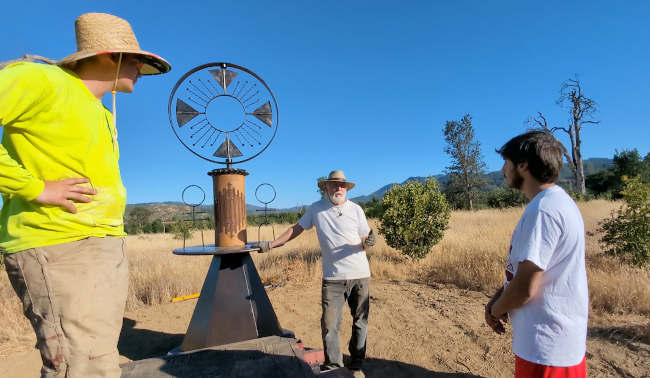
Grand opening for annual EcoArts Sculpture Walk at Trailside Park planned for Aug. 10

The installation of Terry Church’s “Finding Balance.” Photo courtesy of the Middletown Art Center.

MIDDLETOWN, Calif. — The Middletown Art Center has announced the grand opening reception for Reciprocity, EcoArts Sculpture Walk at Trailside Park on Saturday, Aug. 10, from 6 to 8 p.m.

The event is free to the public. Middletown’s Trailside County Park is located at 21435 Dry Creek Cutoff off Highway 175.

See new work, meet the artists, enjoy poetry, music, community and nature.

The EcoArts Sculpture Walk, previously dormant due to the devastating 2015 Valley fire and subsequent challenges of COVID, is now experiencing a renaissance thanks to the dedication of local artists and community members.

Through a grant award from the Upstate California Creative Corps and California Arts Council, with additional support from the Lake County Public Services Department and District One Supervisor Moke Simon, revitalization of the EcoArts Sculpture Walk – Reciprocity was made possible. It will be the 15th EcoArts Sculpture Walk and includes both permanent and temporary works.
“Up until the Valley Fire burned the park and Sculpture Walk in 2015, we opened 13 outdoor exhibits,” said MAC’s Artistic and Executive DIrector Lisa Kaplan. “While we were able to reopen in 2019 with support from a National Endowment for the Arts Challenge Grant, COVID stymied our momentum. It has been 5 years since we installed new work at the park! We are excited to share new work with the public, as well as how much the park has rebounded since the fire.”

In 2023, the California Art Council launched a program aimed at supporting and amplifying the work of artists and cultural practitioners called the California Creative Corps.

The Upstate California Creative Corps or Northern California region, is administered by the Nevada County Arts Council, which partnered with county arts councils across the region including the Lake County Arts Council, to form selection panels and provide support to grantees.

The California Creative Corp fosters community engagement and promotes cultural awareness by addressing civic engagement, public health, environmental issues and social justice through artistic expression in all media.

It also encourages partnerships with, and integration of the arts into civic life, local government and agencies.

The initiative emphasizes engaging underserved communities to encourage economic and community development. The program plays a vital role in enriching the local social and cultural landscape and driving positive change in the region.

As part of this effort, MAC brought together 19 artists and culture bearers to embark on an art-making journey designed to unite people in nature.

The Reciprocity project focused on learning about land stewardship and honoring each other's cultural and personal identities.
Over the course of a year, free public art-making workshops were held, offering opportunities to create from natural and discarded materials, learn about fire mitigation, native and non-native species, the role of pollinators, the plight of the Hitch, organism habitats, using plants to make cordage and cultural diversity.

Workshops were offered in the park, at MAC, at community festivals, and within specific demographic communities. Participants engaged in creative expression and collaborative problem-solving, enhancing their connection to the environment and to each other.

Revitalization of the EcoArts Sculpture Walk at Trailside Park through the Reciprocity project symbolizes a profound connection between art, community, and the natural world. The opening event highlights the park’s remarkable recovery and signifies a collective commitment to nurturing and respecting the environment.

Attendees are invited to celebrate this transformation, embrace the spirit of renewal, and engage with artworks that reflect a shared journey toward a more harmonious coexistence with nature. The continued success and inspiration of this meaningful project are greatly enhanced by the support and participation of the community!

Middletown Art Center is a Lake County nonprofit dedicated to engaging the public in art making, art education, and art appreciation. Through exhibitions, performances, workshops, and community events, the Art Center provides a platform for diverse voices and perspectives, striving to create an inclusive and accessible space for all.

To learn more and donate to support this or other MAC arts and cultural programs visit www.middletownartcenter.org.

For inquiries or further information, please contact the Middletown Art Center at 707-355-4465 or email This email address is being protected from spambots. You need JavaScript enabled to view it..

The MAC is located at 21456 State Highway 175 in Middletown.


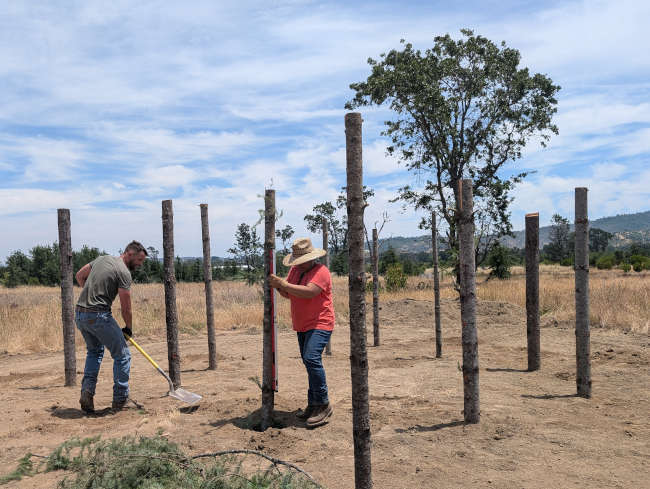
Luya Rivera and Tom Sheffer installing “Wåtta ~ The Space Between.” Photo courtesy of the Middletown Art Center.


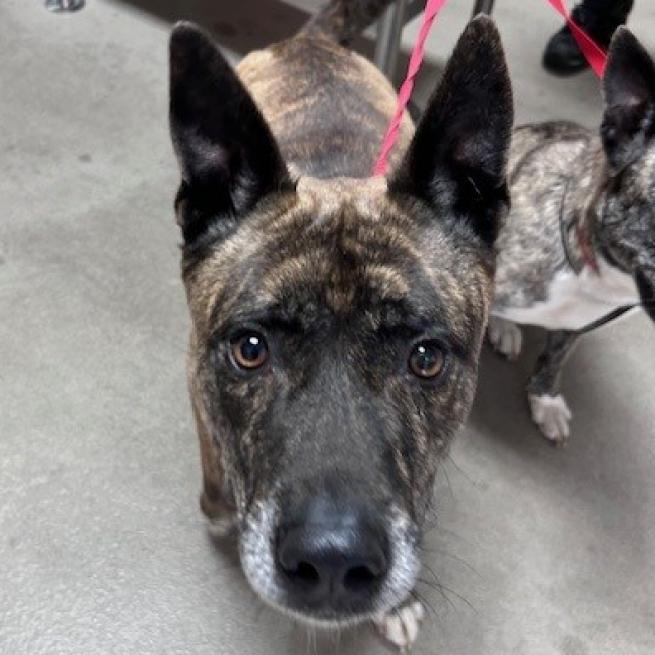
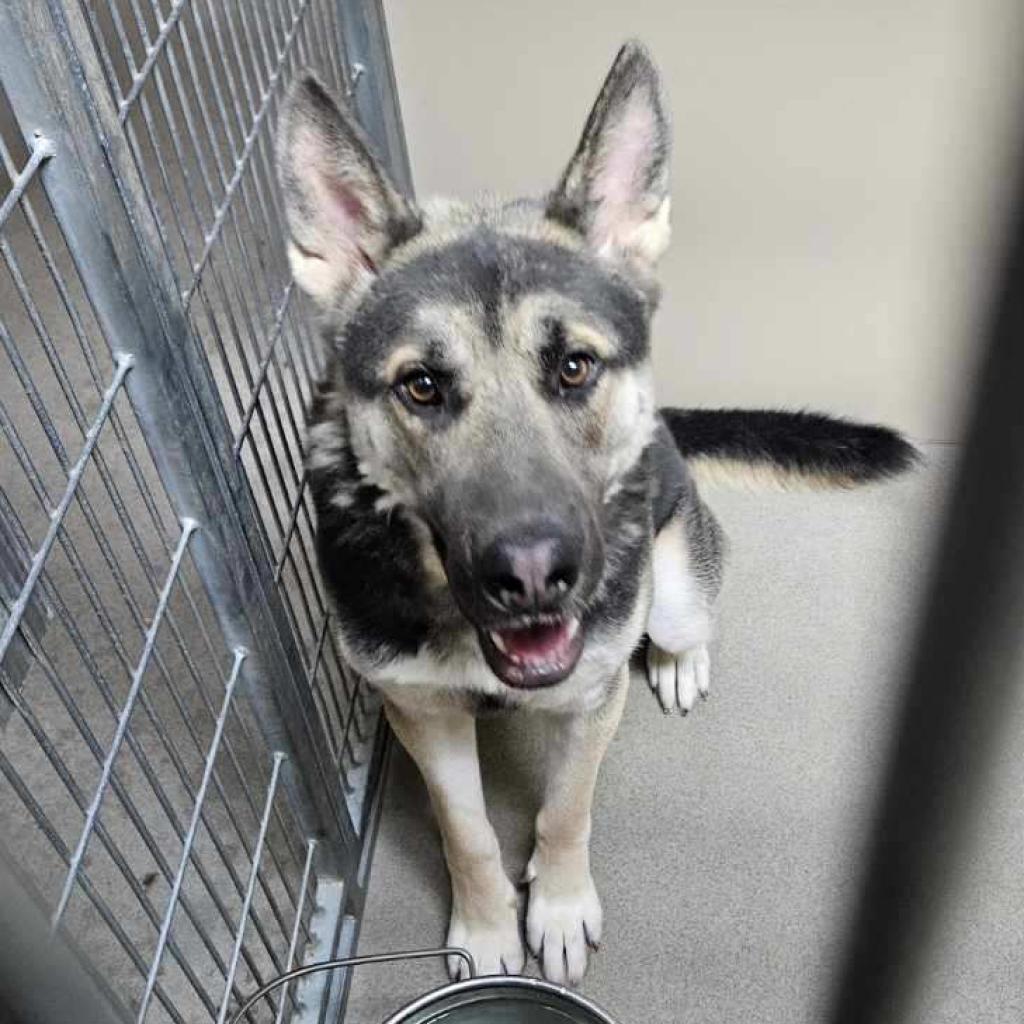
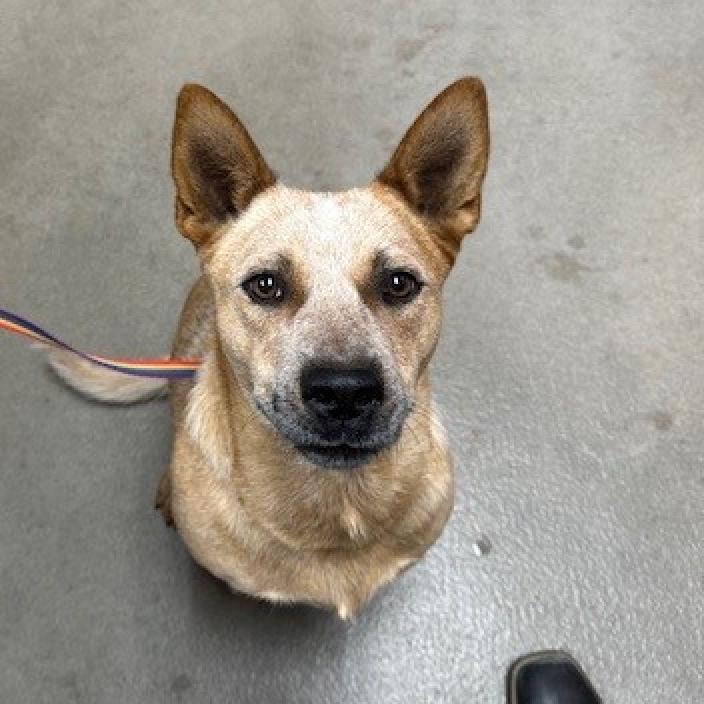
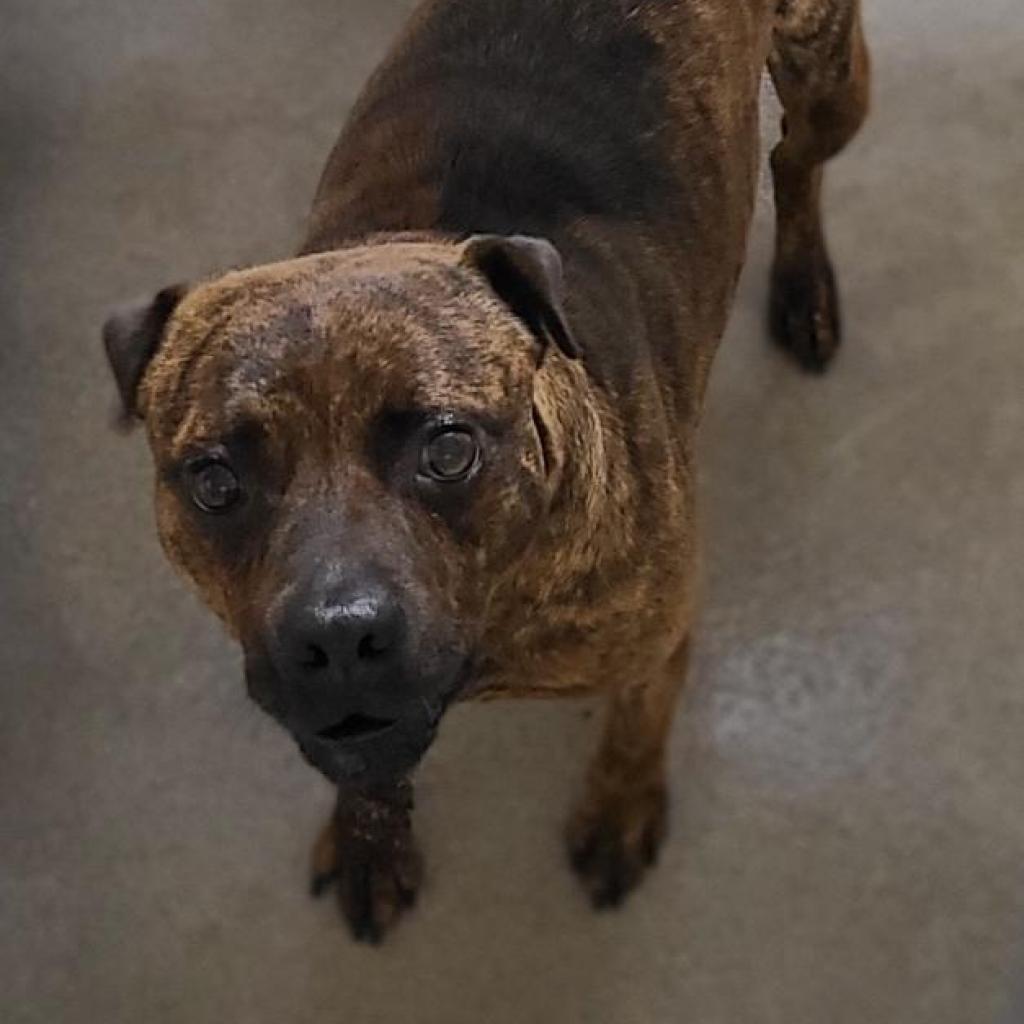
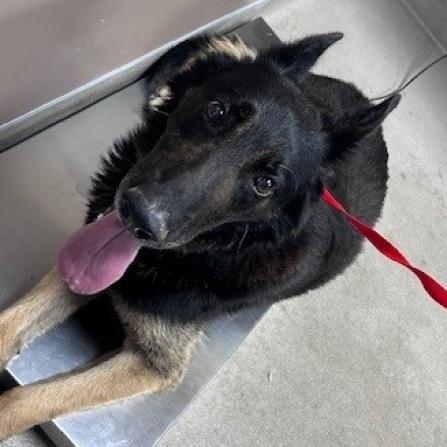
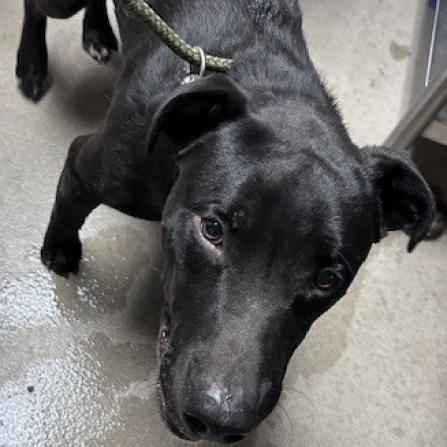
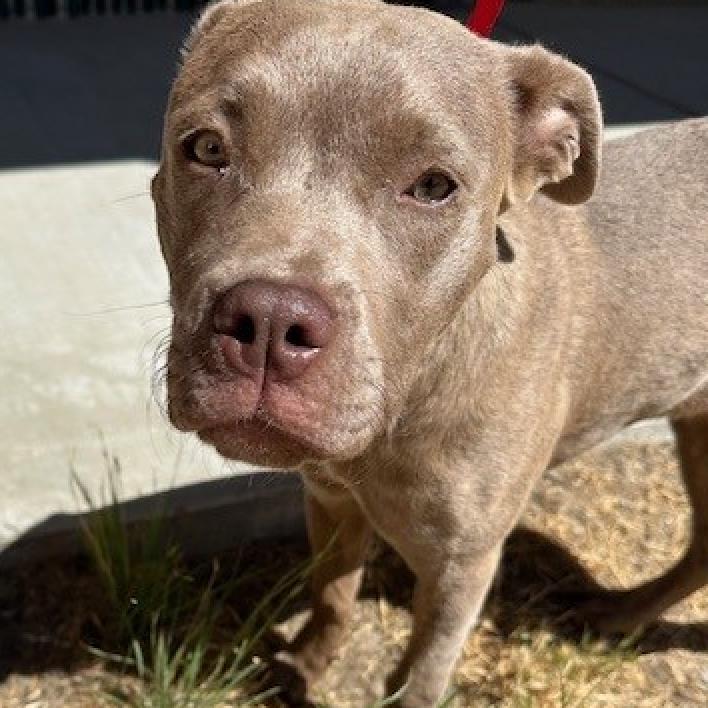
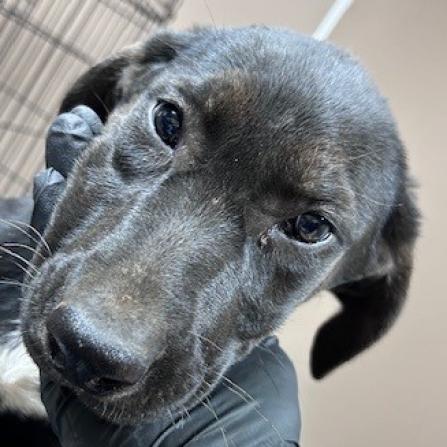
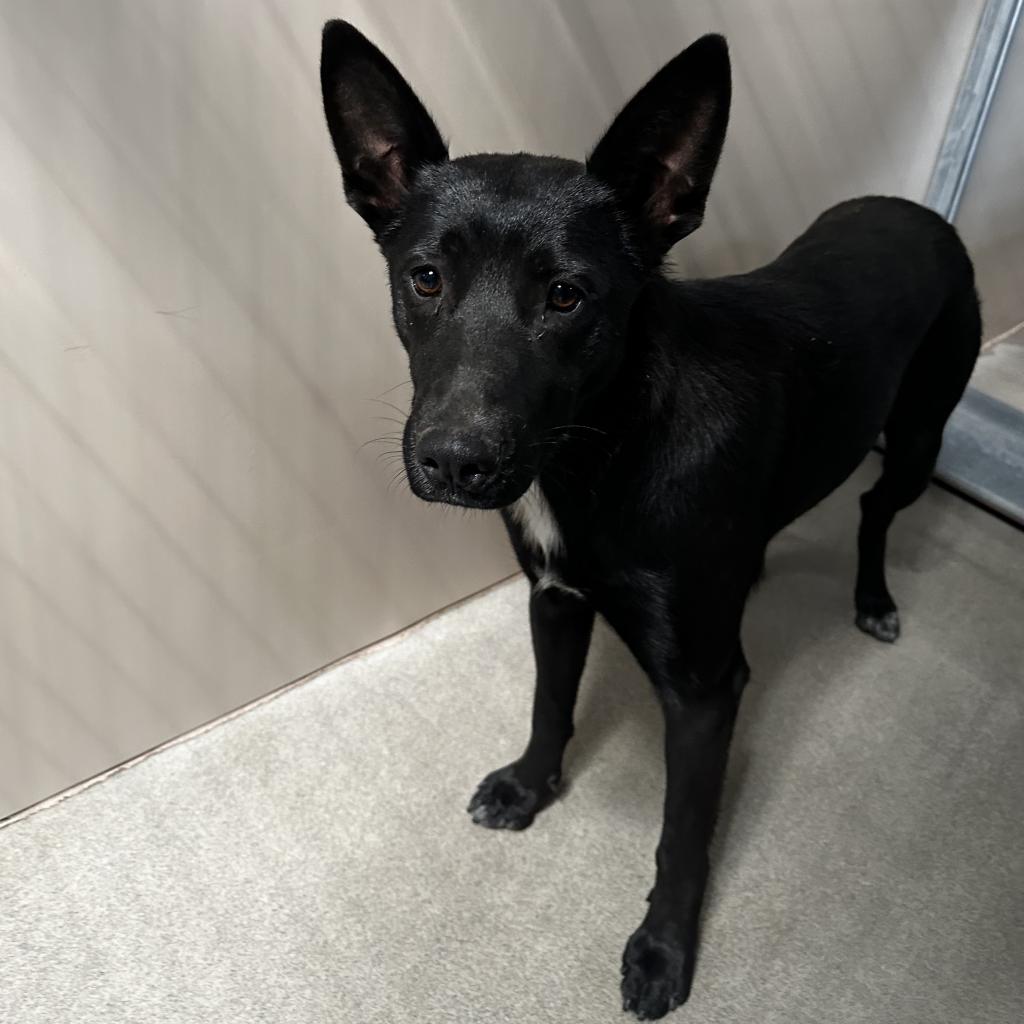
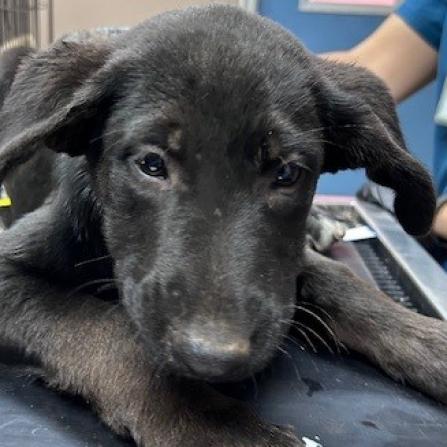
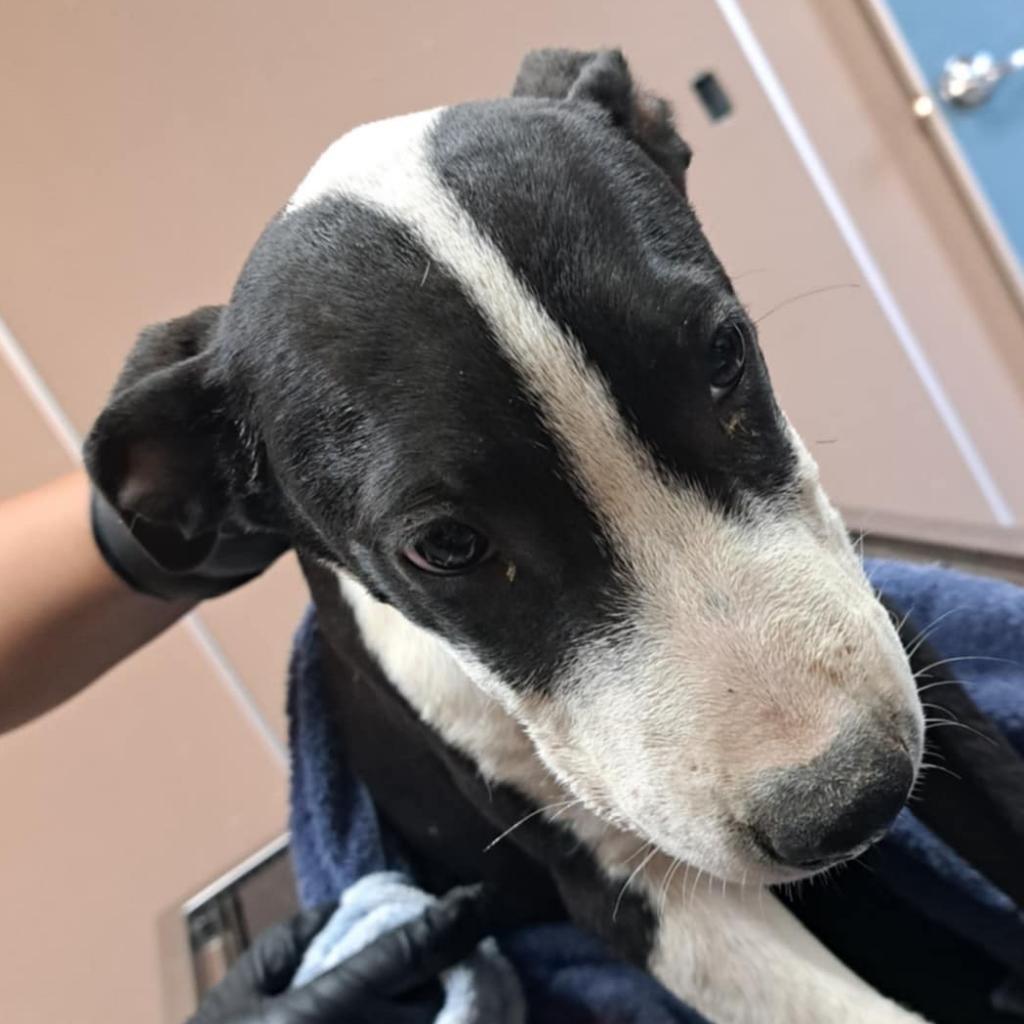
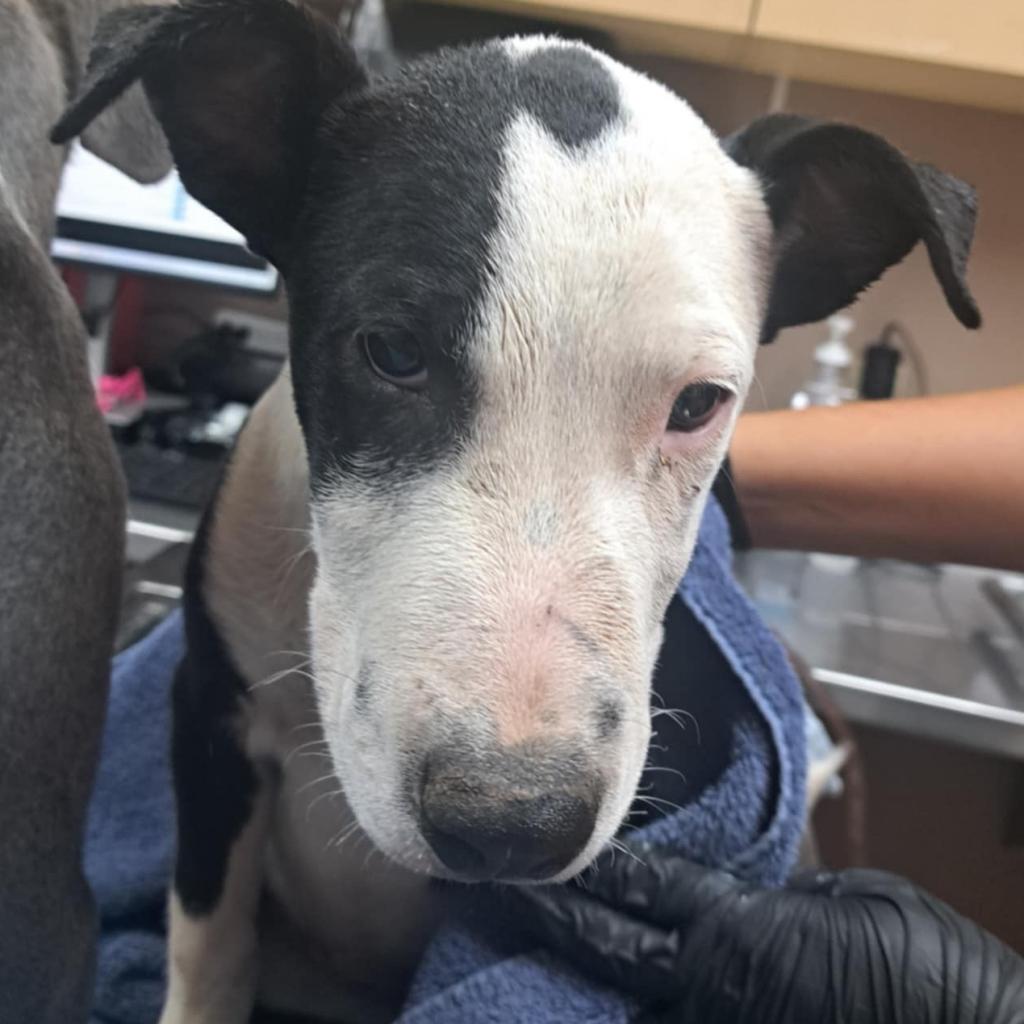
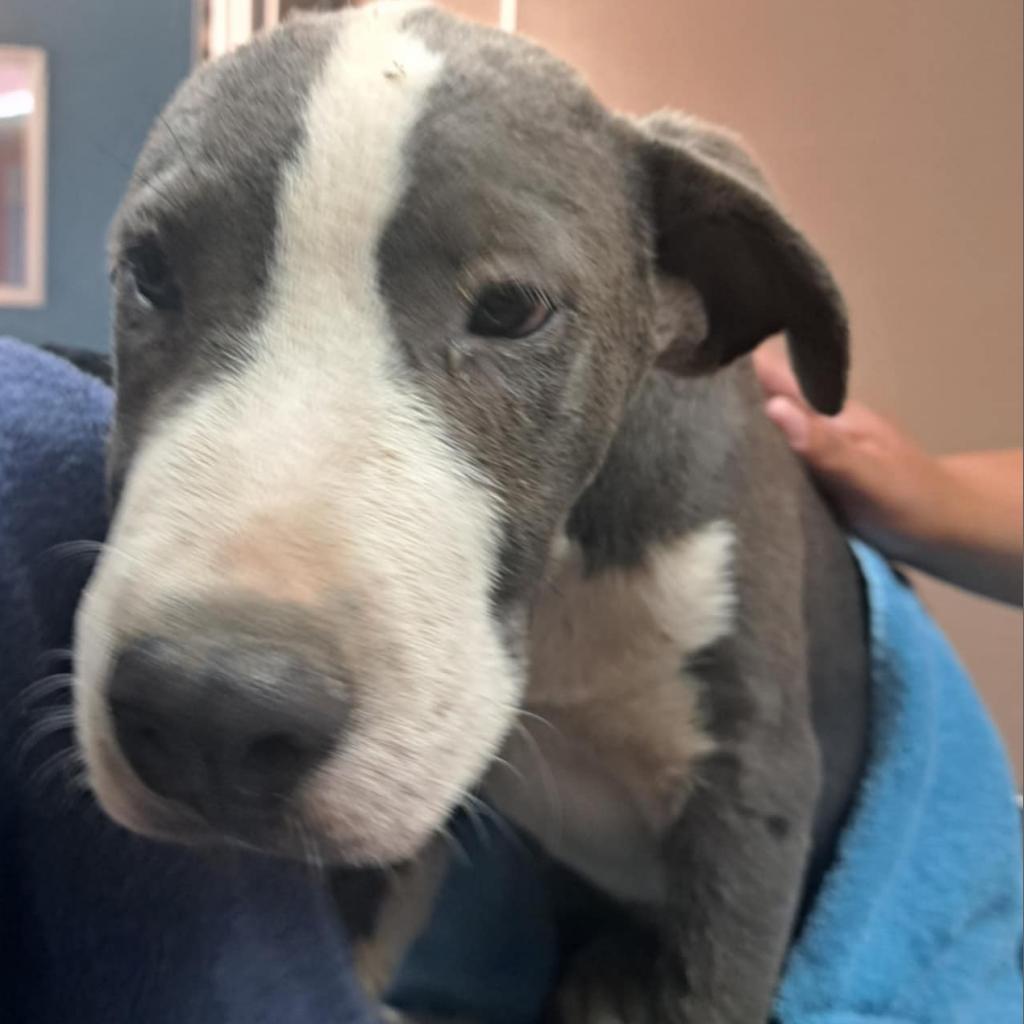
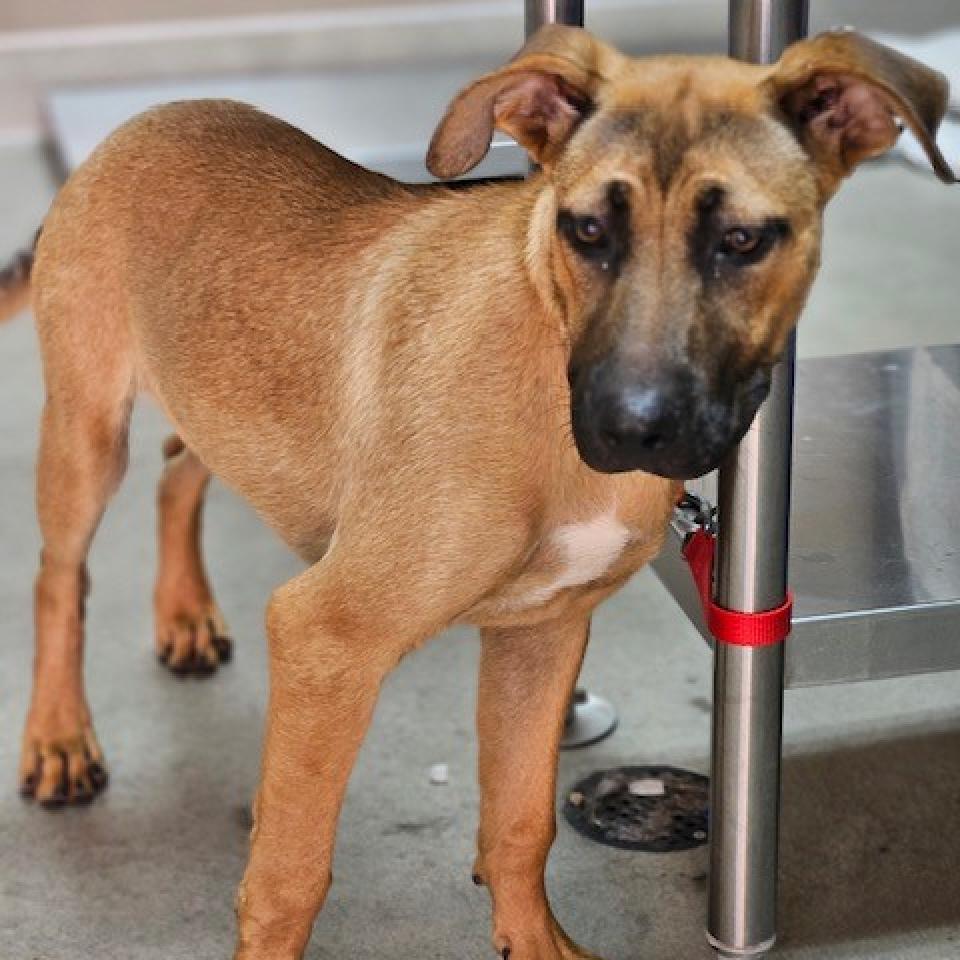
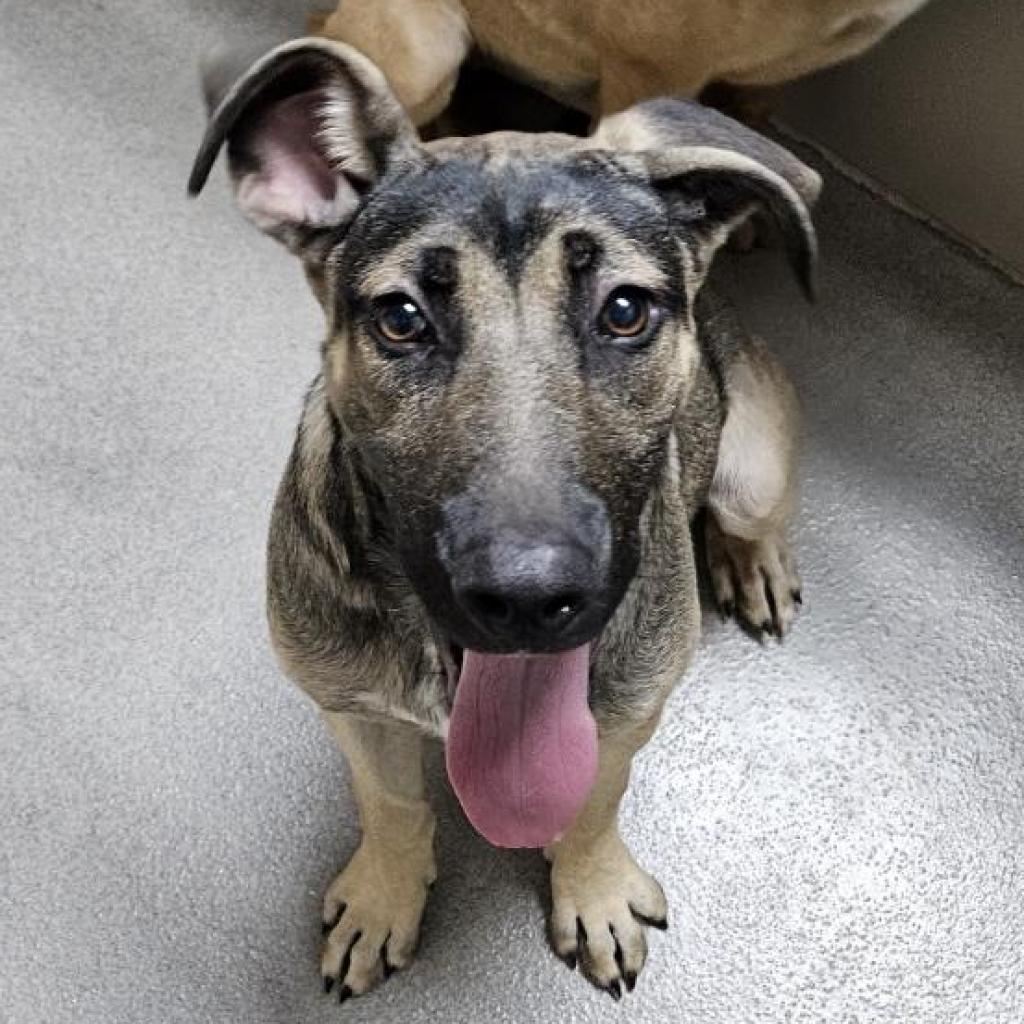
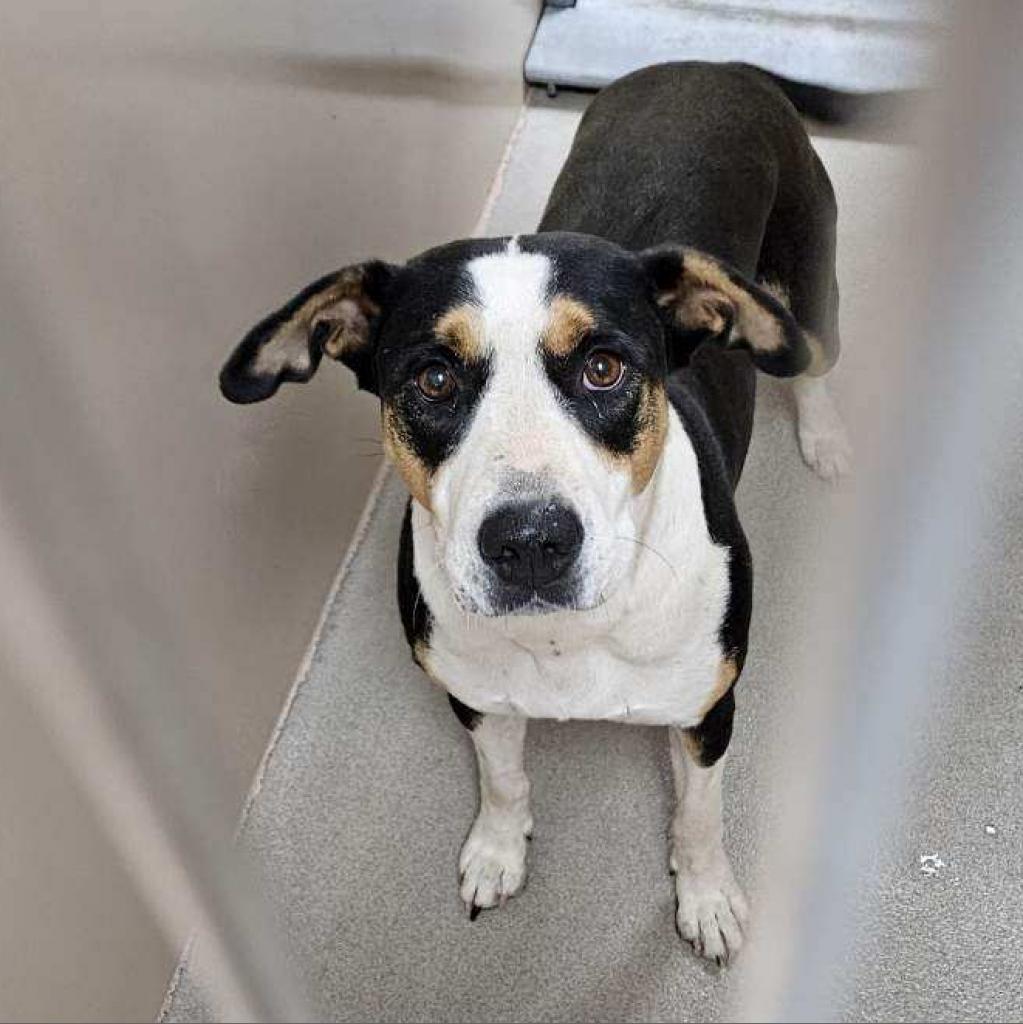
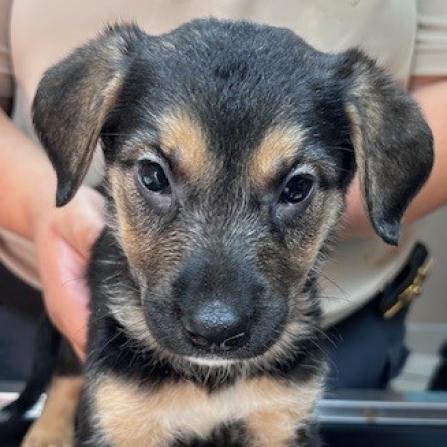
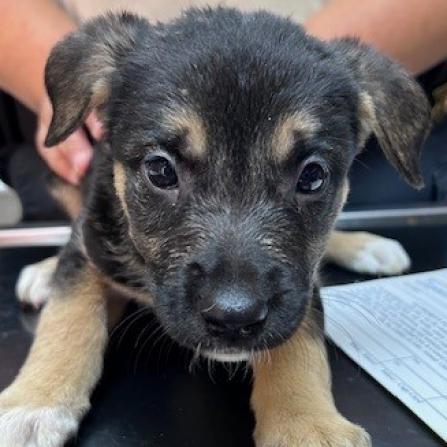
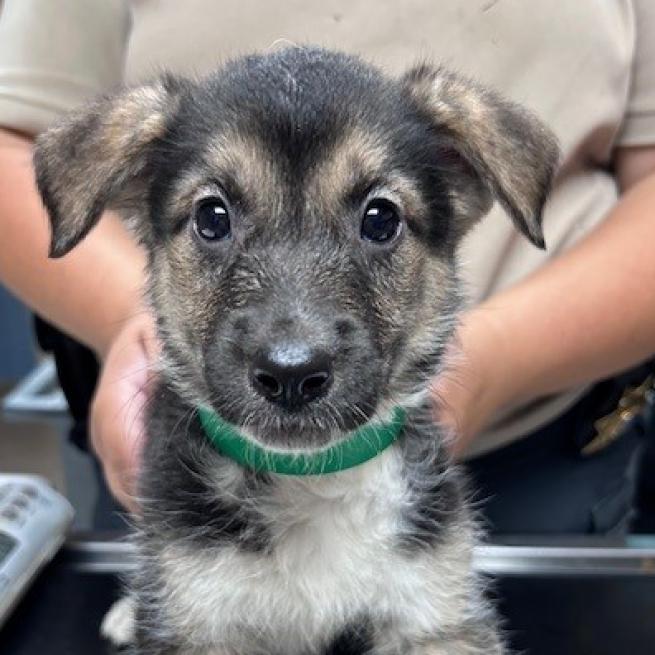
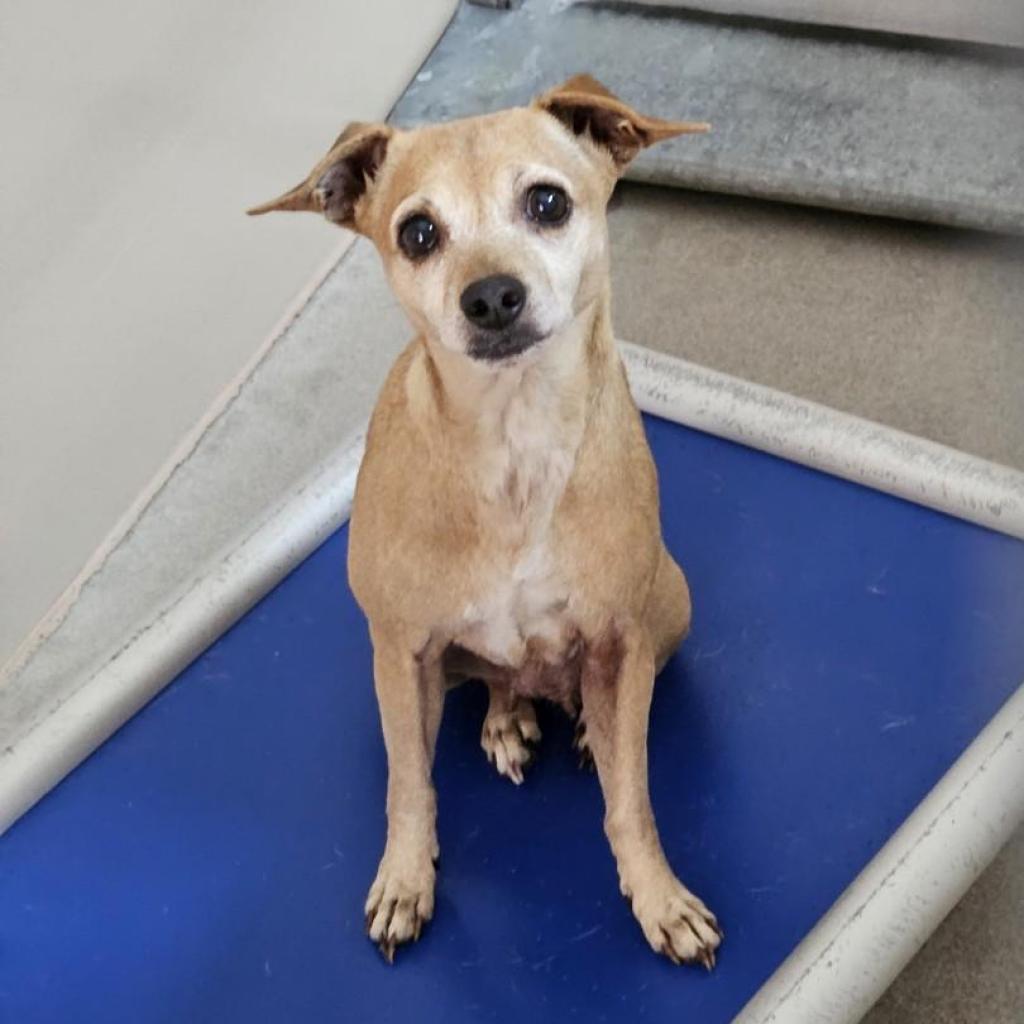
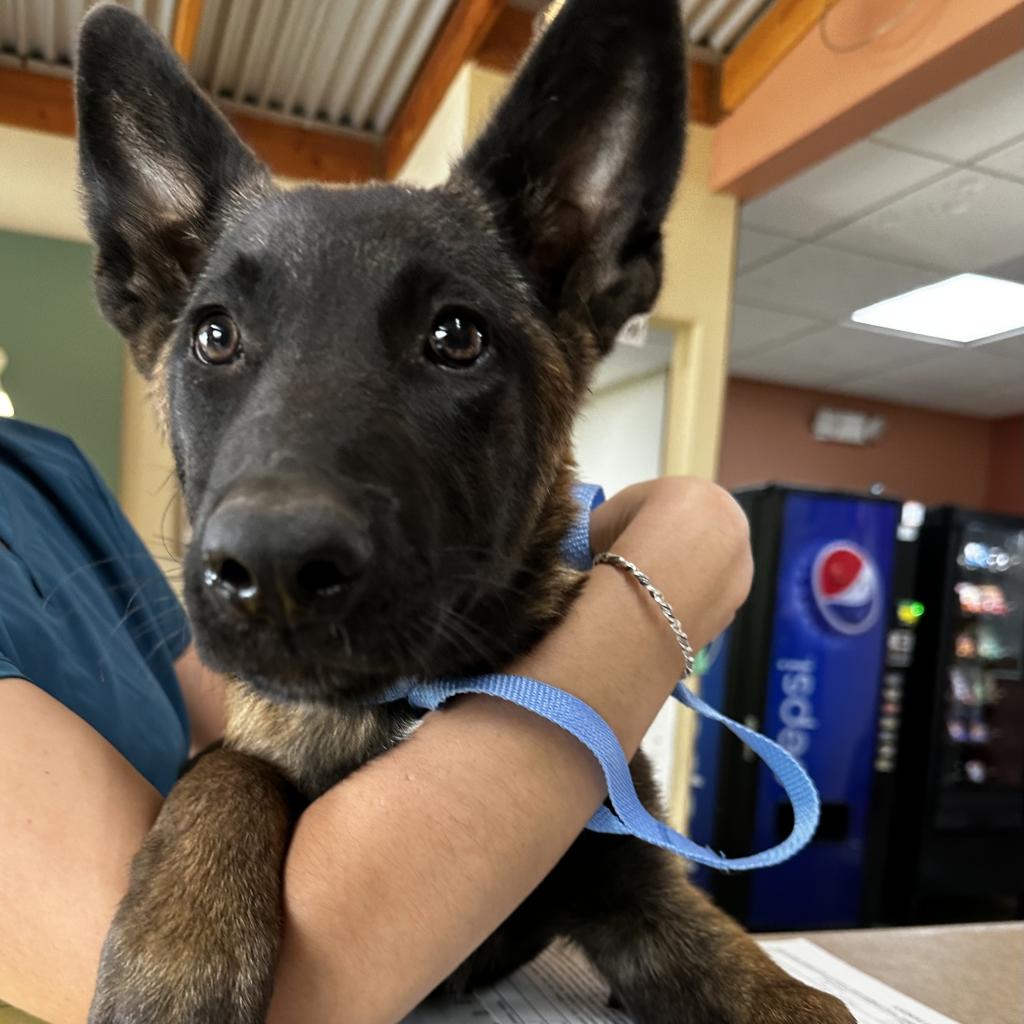
Helping Paws: A bunch of new puppies

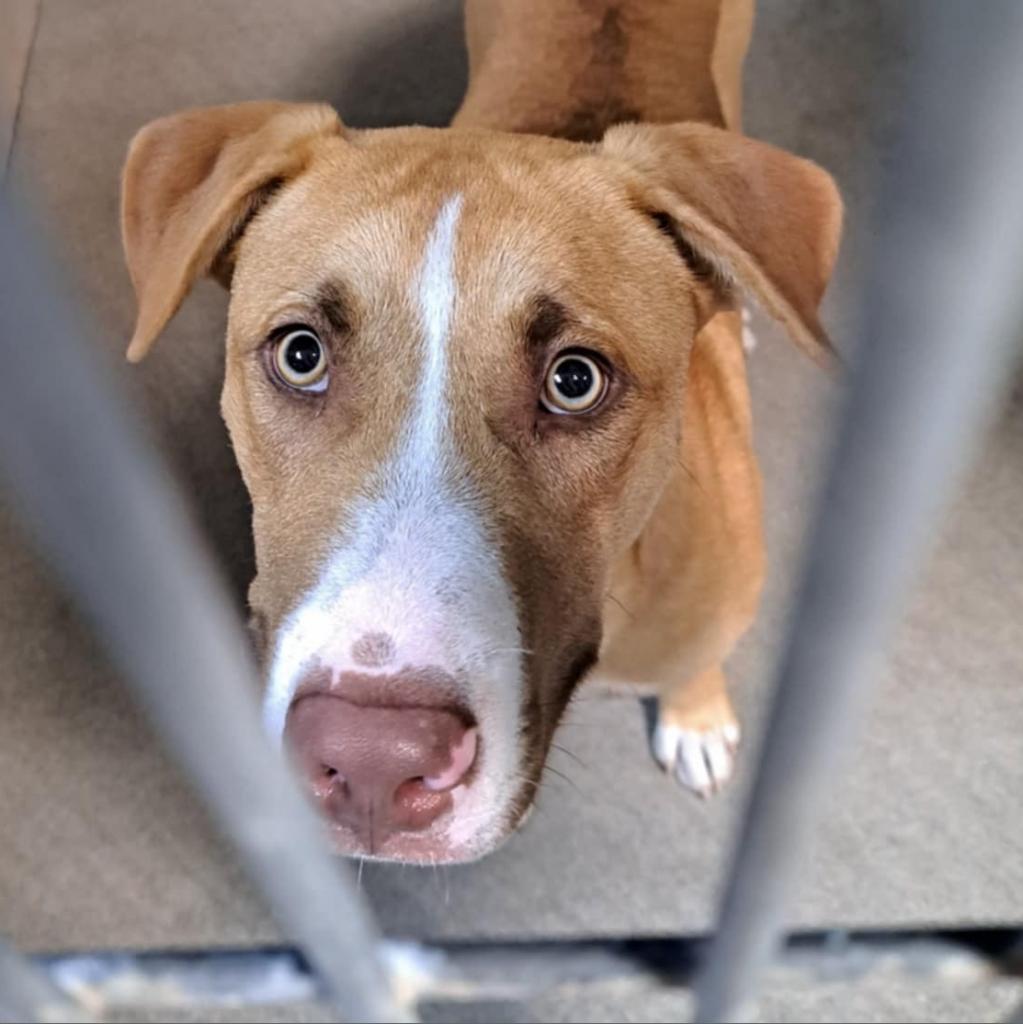
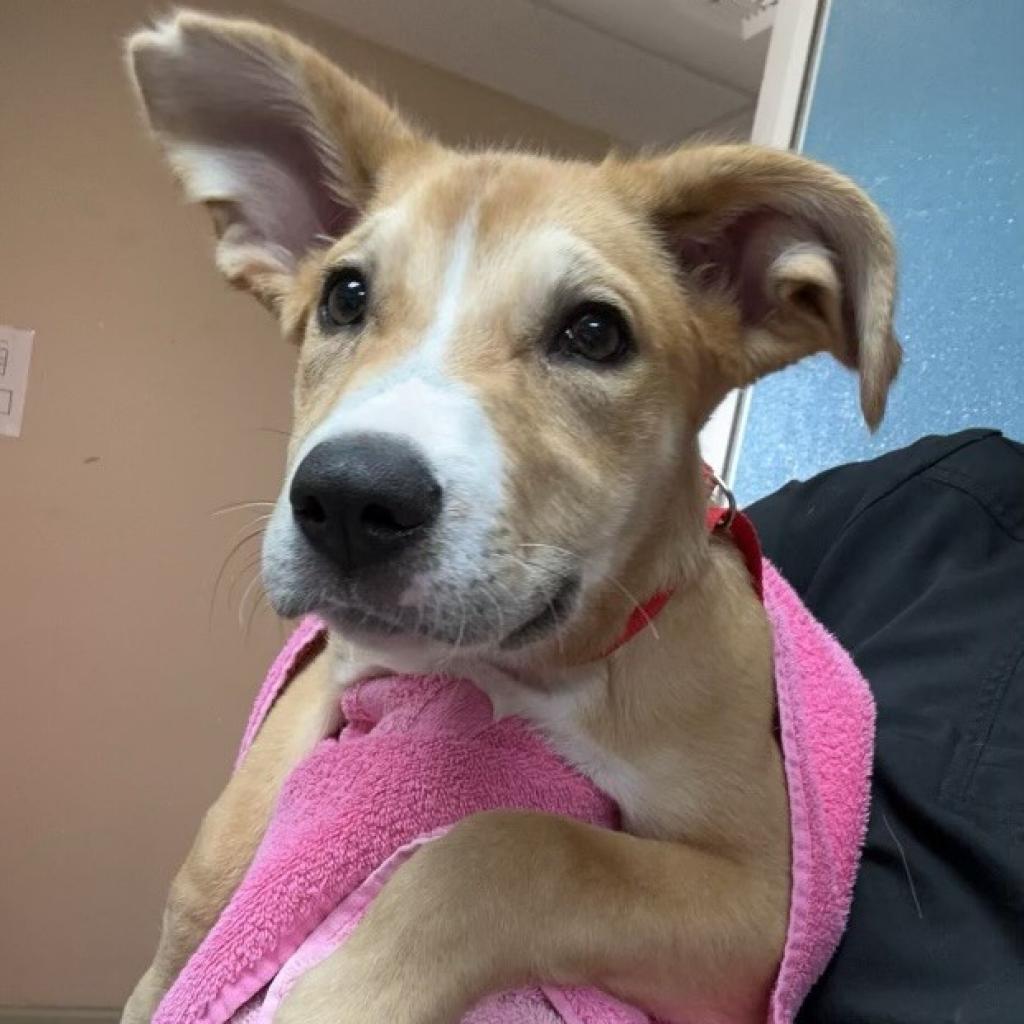
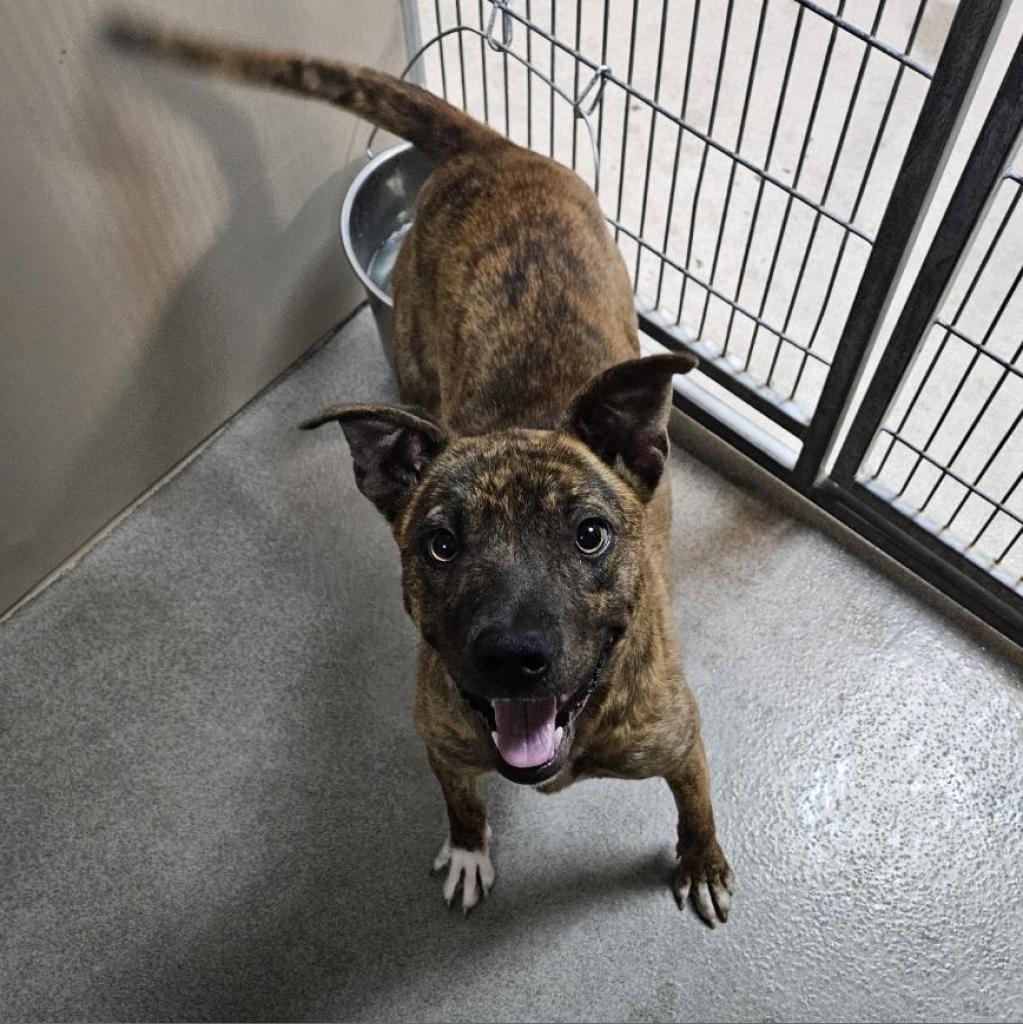
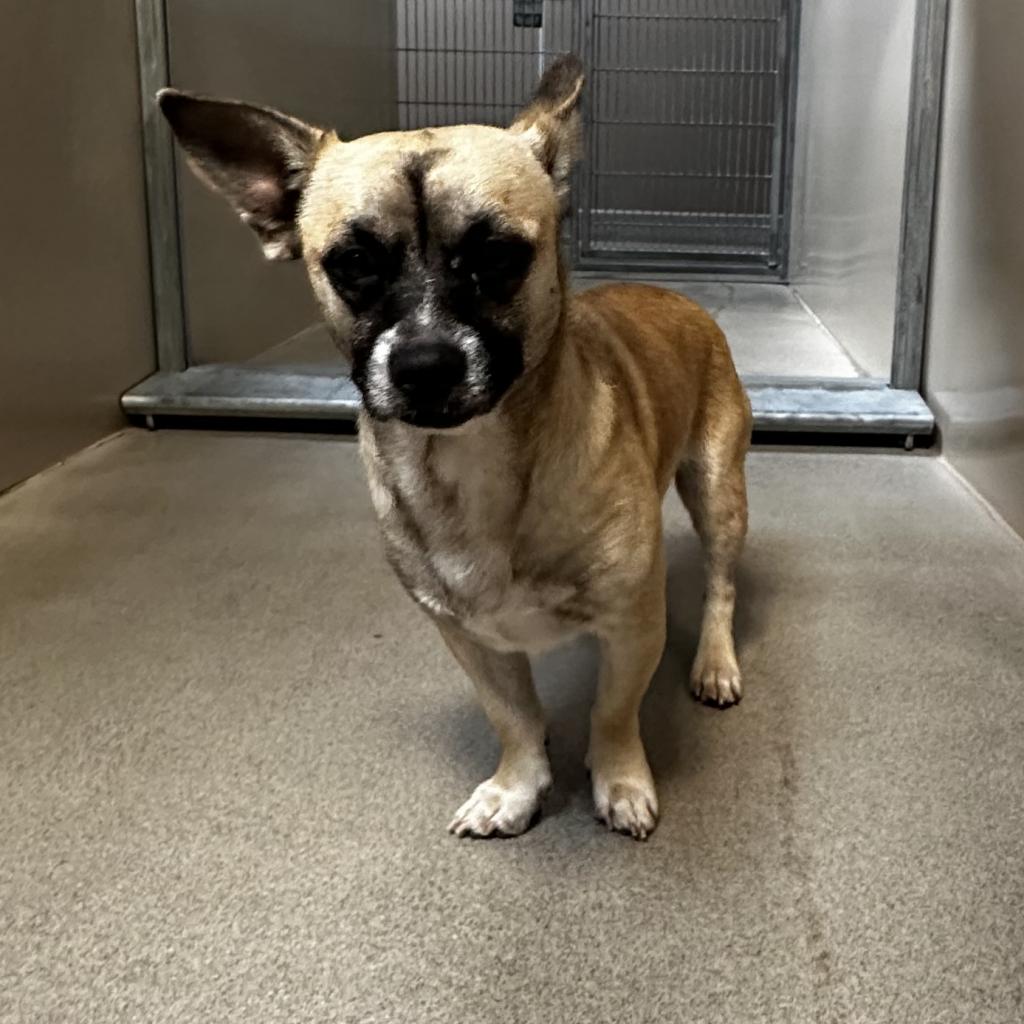
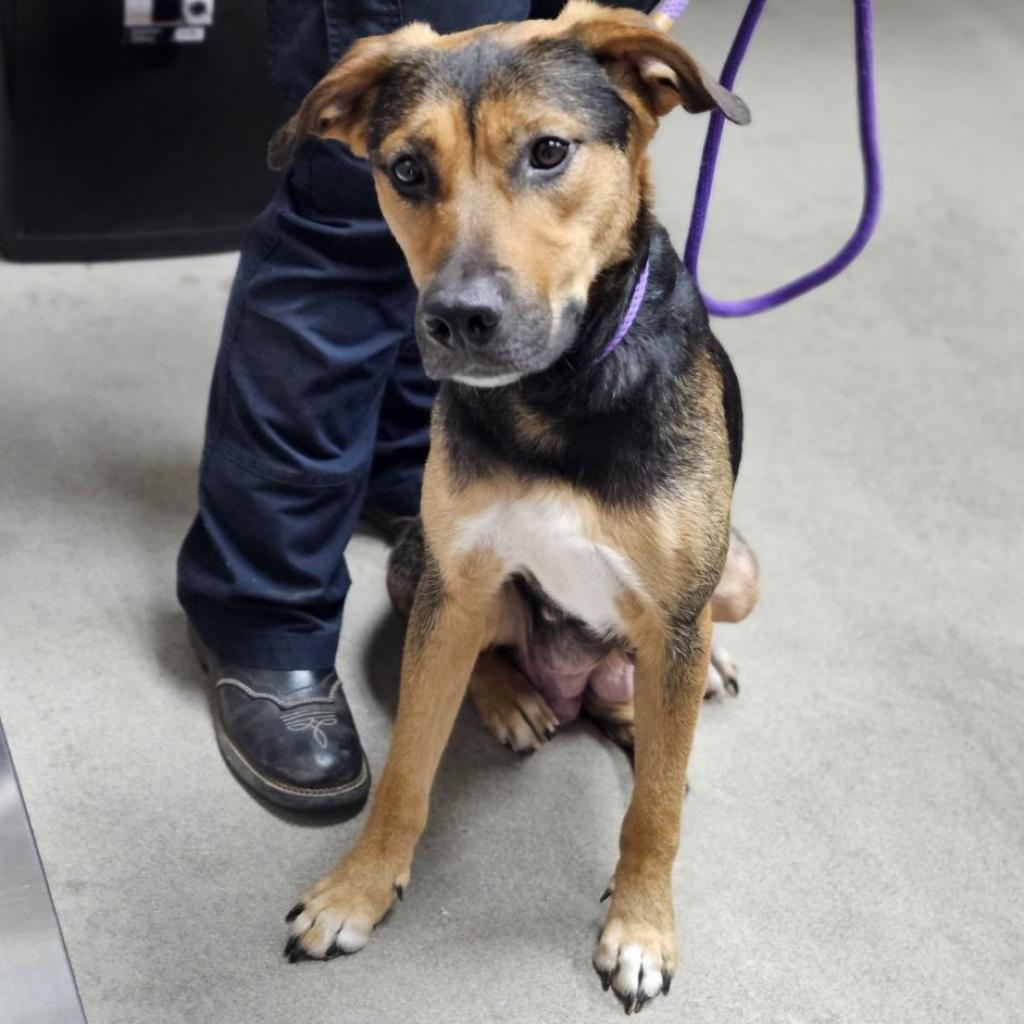
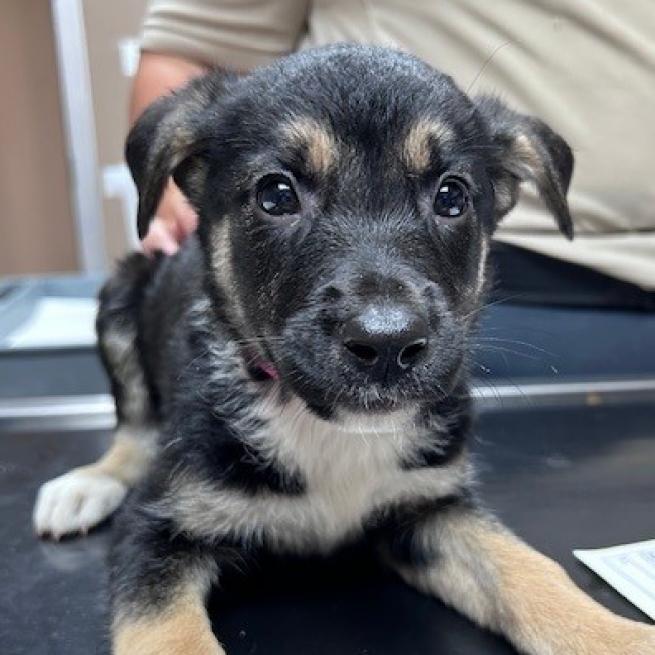
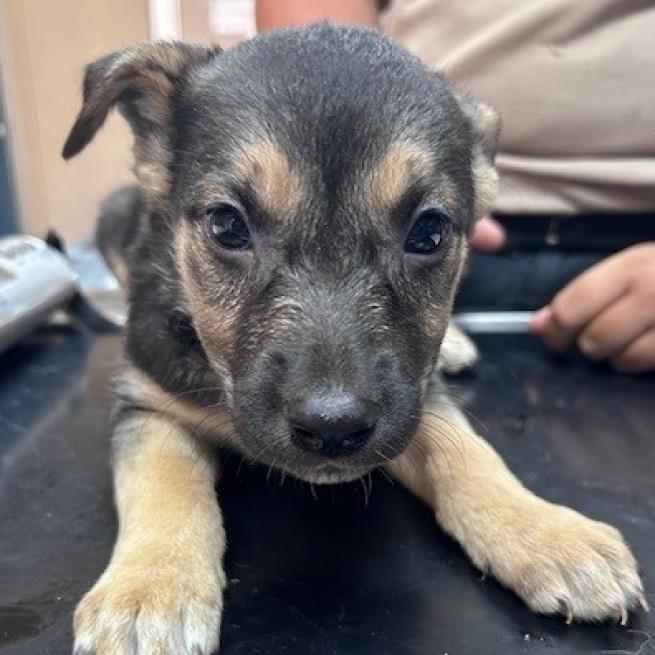
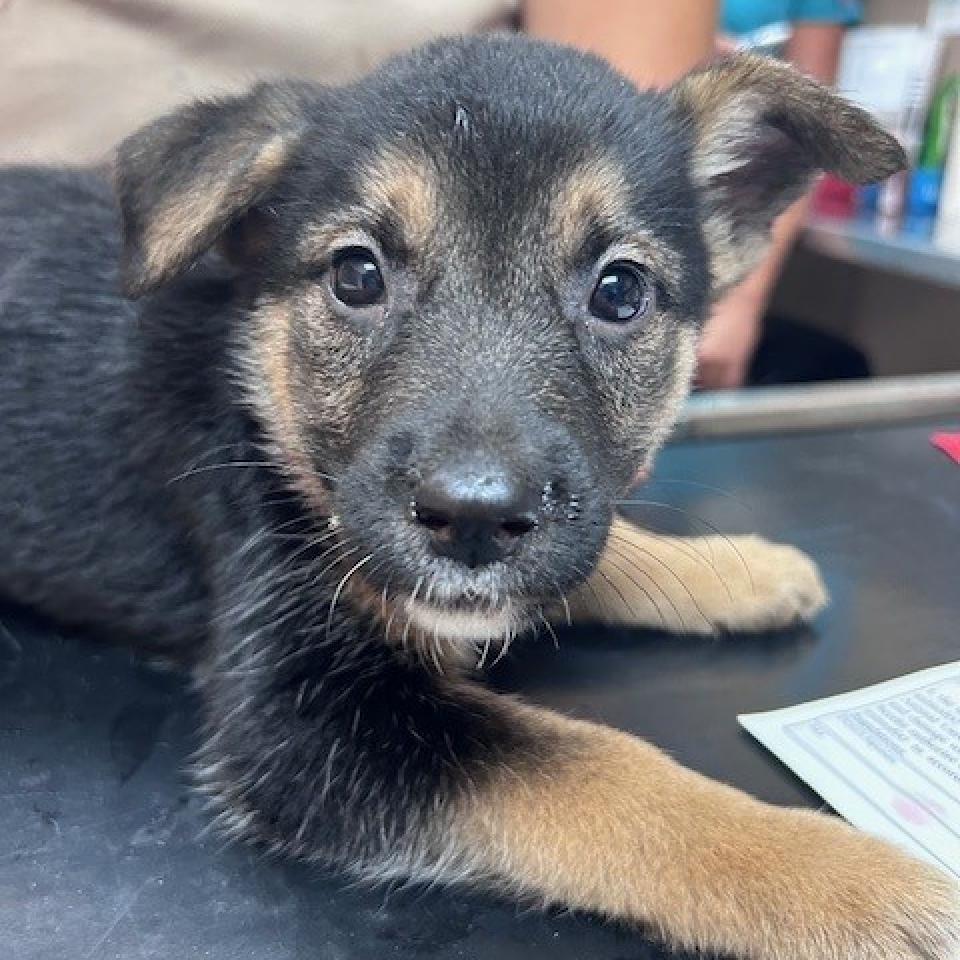
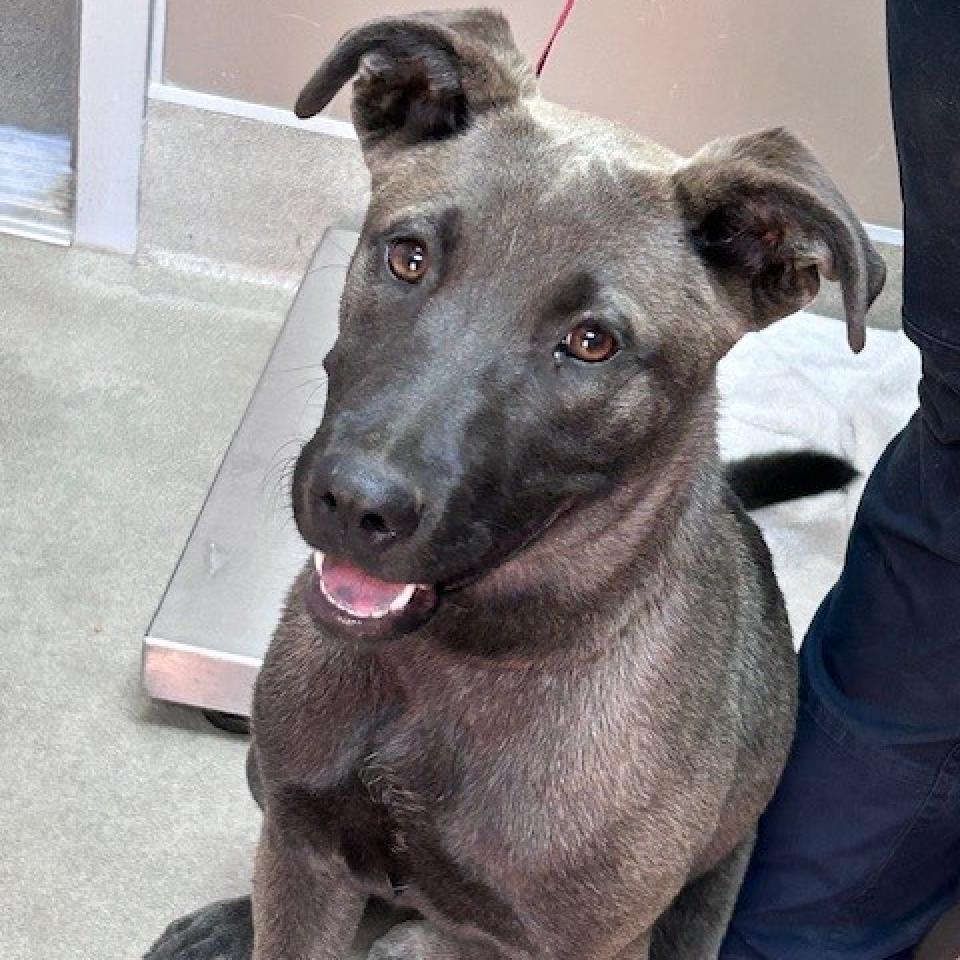
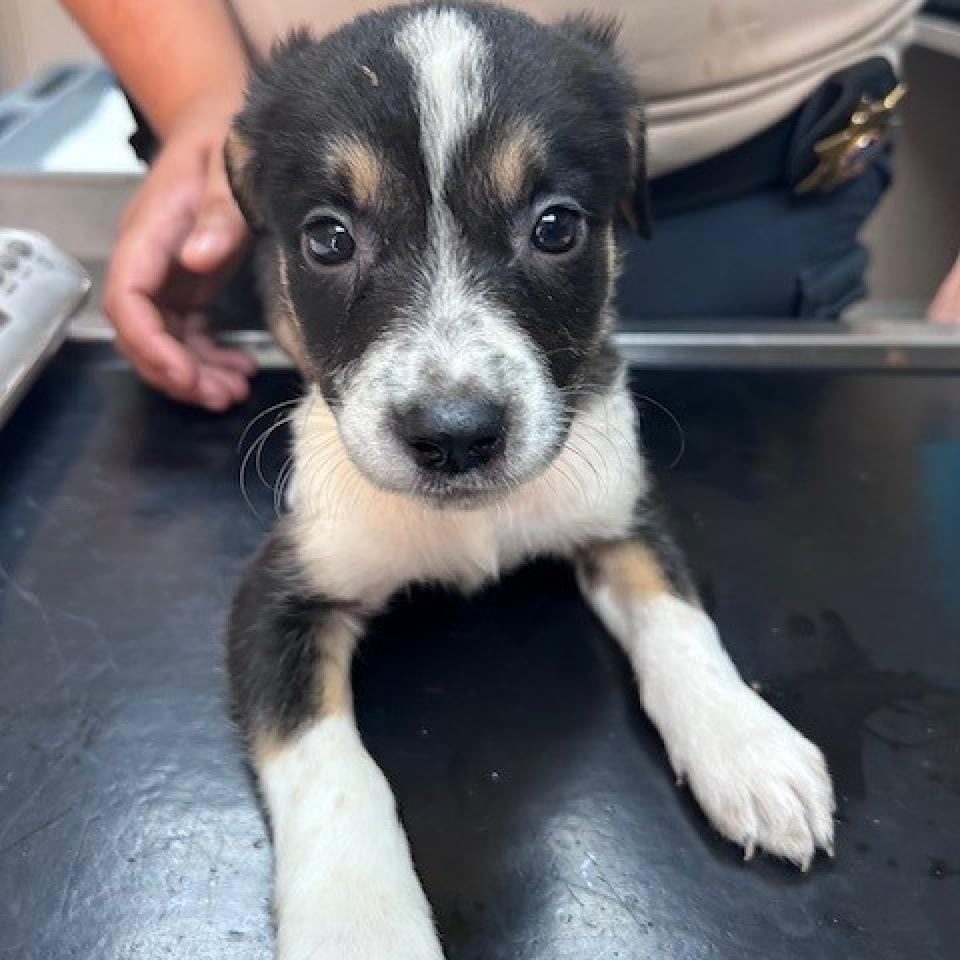
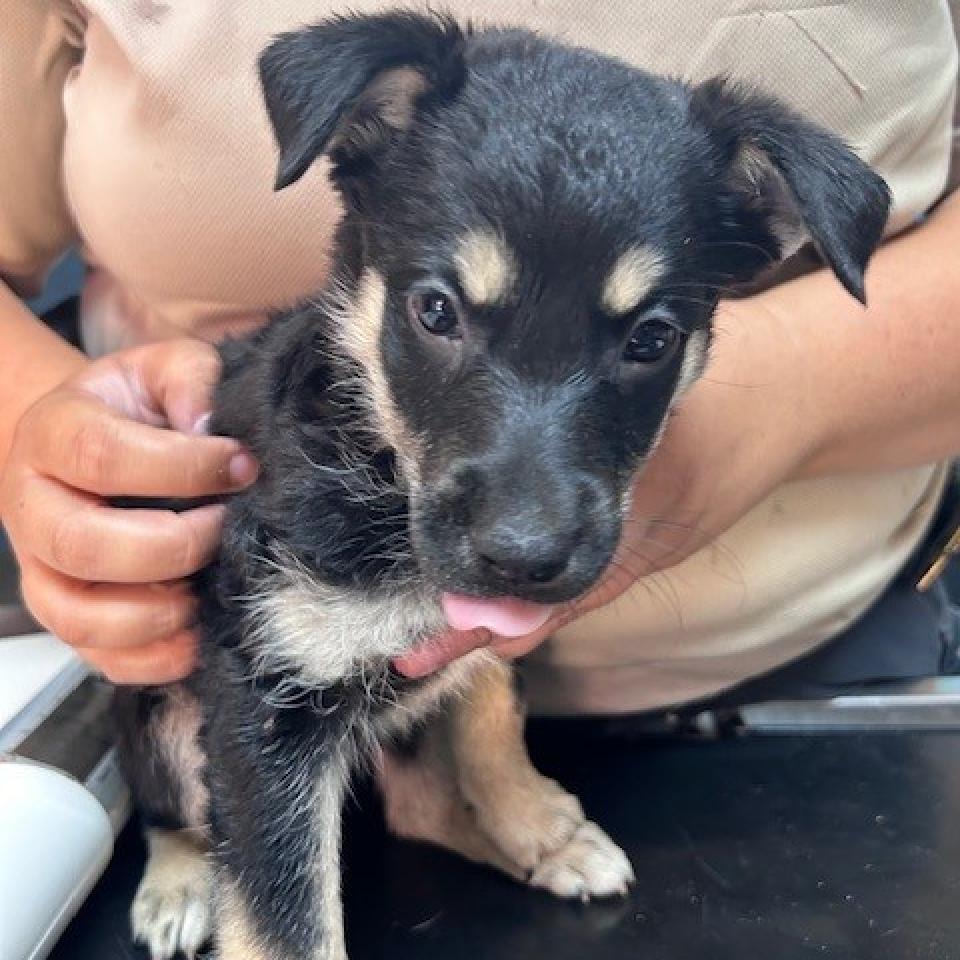
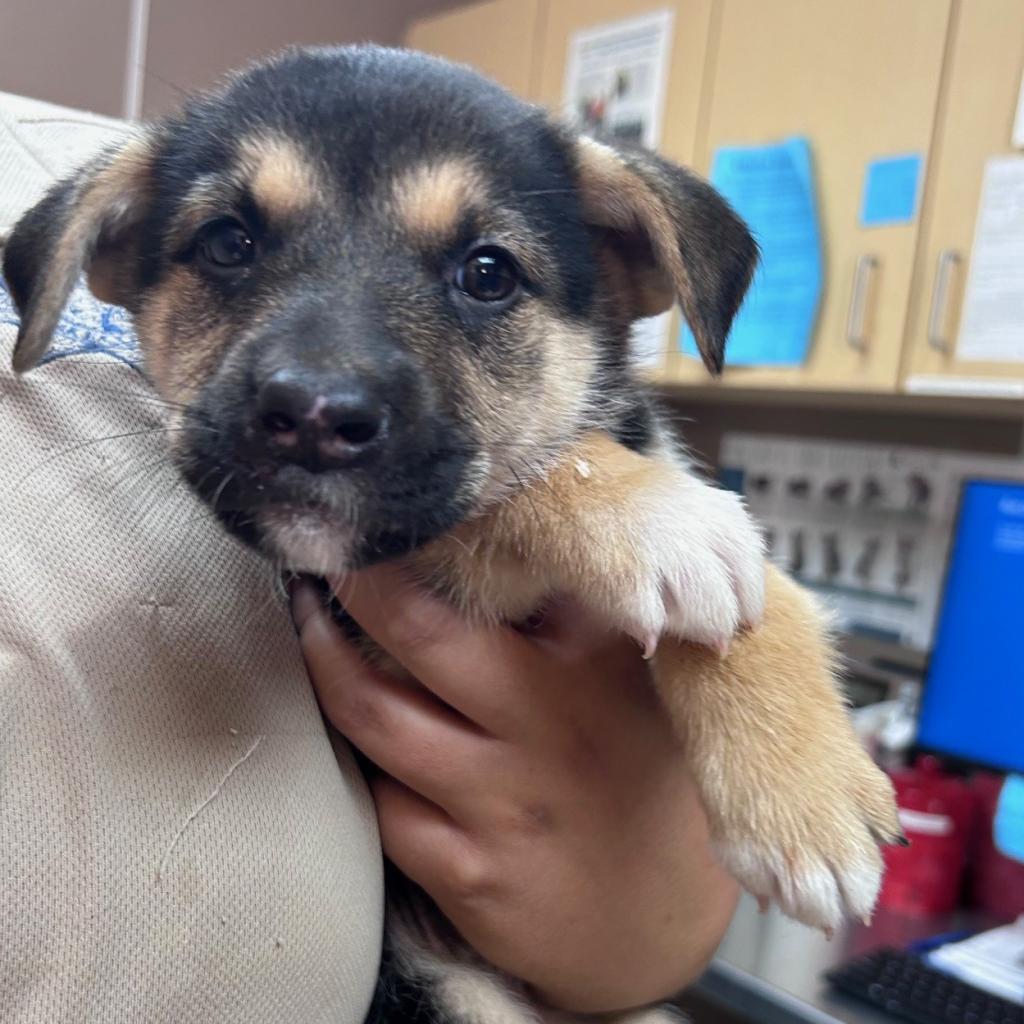
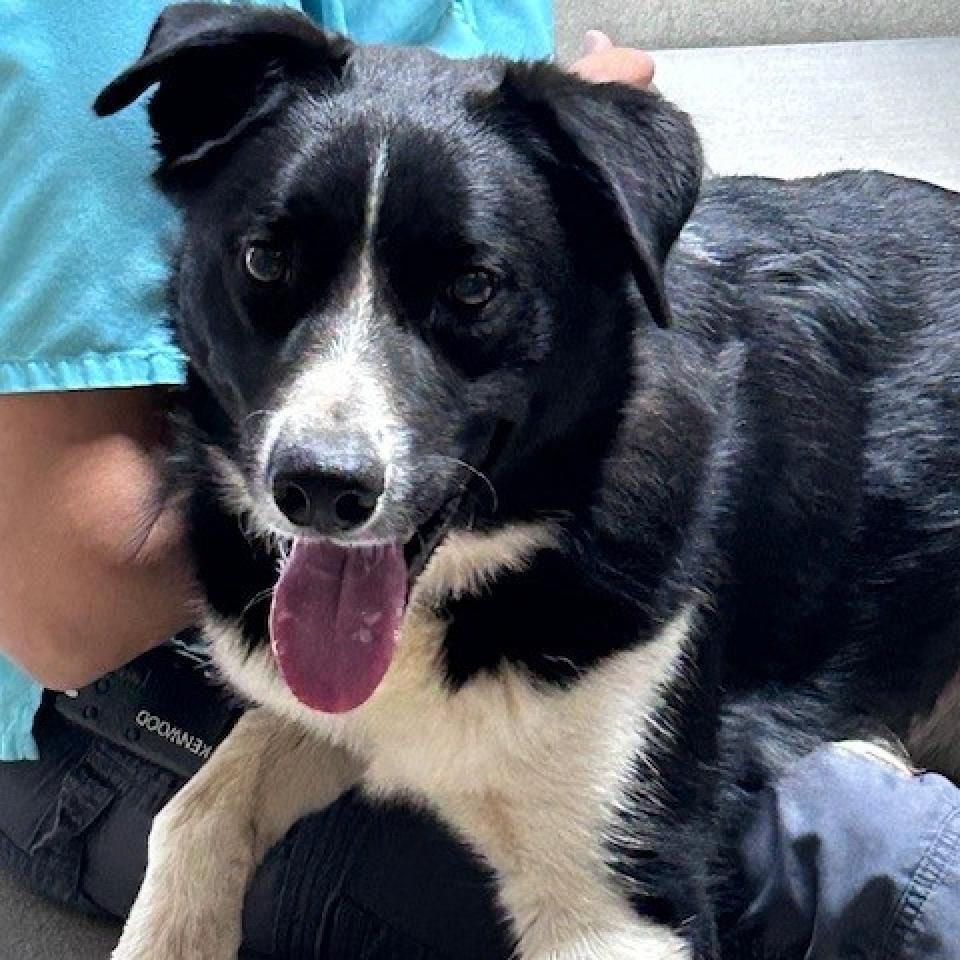
LAKE COUNTY, Calif. — Lake County Animal Care and Control has many new puppies among the dogs waiting to be adopted this week.

Dogs available for adoption this week include mixes of Australian cattle dog, border collie, Chihuahua, German shepherd, Labrador Retriever, pit bull terrier, poodle, pug, Rottweiler and terrier.

Dogs that are adopted from Lake County Animal Care and Control are either neutered or spayed, microchipped and, if old enough, given a rabies shot and county license before being released to their new owner. License fees do not apply to residents of the cities of Lakeport or Clearlake.

Those dogs and the others shown on this page at the Lake County Animal Care and Control shelter have been cleared for adoption.

Call Lake County Animal Care and Control at 707-263-0278 or visit the shelter online for information on visiting or adopting.

The shelter is located at 4949 Helbush in Lakeport.

Email Elizabeth Larson at This email address is being protected from spambots. You need JavaScript enabled to view it.. Follow her on Twitter, @ERLarson, or Lake County News, @LakeCoNews.


Kennel#33(Kora)'s preview photo
Kennel#33(Kora)

Kennel#34's preview photo
Kennel#34

Kennel#7's preview photo
Kennel#7

Kennel#23(Rocky)'s preview photo
Kennel#23(Rocky)

Kennel#26(Sparkles)'s preview photo
Kennel#26(Sparkles)

 
Kennel#22's preview photo
Kennel#22

Kennel#14's preview photo
Kennel#14

Kennel#24's preview photo
Kennel#24

Kennel#25's preview photo
Kennel#25

Kennel#15's preview photo
Kennel#15

Kennel#31(BigBoy)'s preview photo
Kennel#31(BigBoy)

Kennel#27's preview photo
Kennel#27

Kennel#17's preview photo
Kennel#17

Kennel#9's preview photo
Kennel#9

Kennel#16(PinkCollar)'s preview photo
Kennel#16(PinkCollar)

Kennel#6's preview photo
Kennel#6

Kennel#20b(YellowCollar)'s preview photo
Kennel#20b(YellowCollar)

Kennel#29a's preview photo
Kennel#29a

Kennel#29b's preview photo
Kennel#29b

Kennel#29c's preview photo
Kennel#29c


Kennel#28a's preview photo
Kennel#28a

Kennel#28b's preview photo
Kennel#28b

Kennel#4's preview photo
Kennel#4

Kennel#13a(RedCollar)'s preview photo
Kennel#13a(RedCollar)

Kennel#13b(YellowCollar)'s preview photo
Kennel#13b(YellowCollar)

Kennel#13c(GreenCollar)'s preview photo
Kennel#13c(GreenCollar)

Kennel#18's preview photo
Kennel#18

Kennel#13d(PinkCollar)'s preview photo
Kennel#13d(PinkCollar)

Kennel#19a's preview photo
Kennel#19a

Kennel#13e(BlueCollar)'s preview photo
Kennel#13e(BlueCollar)

Kennel#30a(RedCollar)'s preview photo
Kennel#30a(RedCollar)

Kennel#19b's preview photo
Kennel#19b

Kennel#30b(YellowCollar)'s preview photo
Kennel#30b(YellowCollar)

Kennel#30c(GreenCollar)'s preview photo
Kennel#30c(GreenCollar)

Kennel#30d(PinkCollar)'s preview photo
Kennel#30d(PinkCollar)

Kennel#32's preview photo
Kennel#32

Kennel#3's preview photo
Kennel#3

Kennel#2's preview photo
Kennel#2

Kennel#8's preview photo
Kennel#8

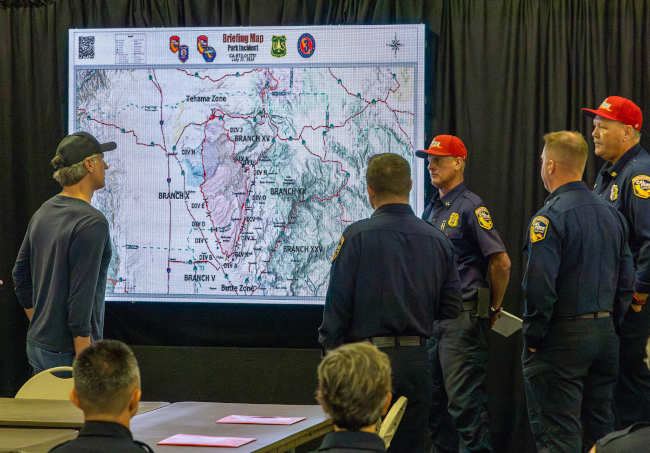
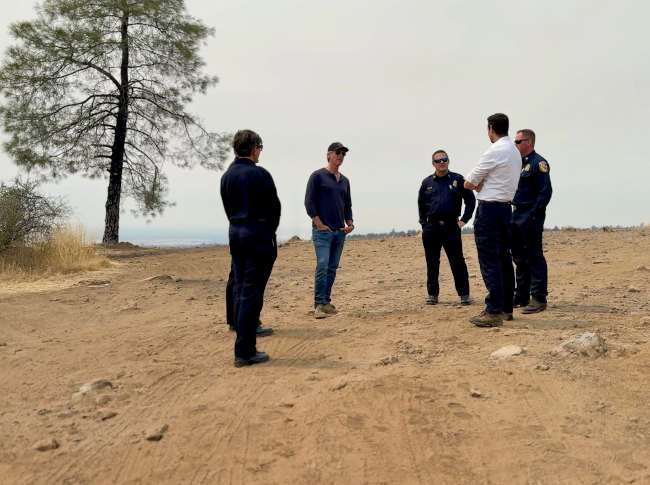
Gov. Newsom secures additional federal assistance for Park Fire, surveys damage

Gov. Gavin Newsom visited the Incident Command Post established by Cal Fire for the Park fire on Saturday, July 27, 2024. Photo courtesy of the Governor’s Office.

NORTHERN CALIFORNIA – As the state’s largest fire to date in 2024 continues to grow and threaten communities, Gov. Gavin Newsom on Saturday visited the Incident Command Post established by Cal Fire for the Park fire and surveyed ongoing firefighting efforts to protect communities.

Following Saturday's visit, the governor announced that the state secured federal assistance for Tehama County to suppress the Park fire. This is in addition to the federal assistance secured for Butte County.

“This is already one of the biggest fires in California history, and we're continuing to see dangerous conditions — our firefighters and emergency responders are working day and night to protect our communities. Californians must heed warnings from local authorities and take steps to stay safe,” said Newsom.

On Friday, Gov. Newsom proclaimed a state of emergency in Butte and Tehama counties due to the Park fire.

The proclamation makes additional resources available for response and recovery efforts, and supports impacted residents by easing access to unemployment benefits and waiving fees to replace driver’s licenses and records such as marriage and birth certificates.

It also allows the waiver of certain statutes and regulations so that hospitals, adult and senior care facilities, home care organizations and other care facilities impacted by the fires can continue to provide services and, if necessary, provide care to patients or residents displaced from other facilities by the fires.

On Wednesday, the state secured a Fire Management Assistance Grant, or FMAG, from the Federal Emergency Management Agency to help ensure the availability of vital resources to suppress the fire burning in Butte County.

Already this wildfire season, California has secured FMAGs for the Thompson, French and Hawarden fires that burned nearly 5,000 acres.

The fast-moving Park fire near the city of Chico has burned more than 350,000 acres, forcing evacuations of thousands of people.

Real-time information, including road closures, evacuation maps and centers, is available at https://www.fire.ca.gov/.

Gov. Gavin Newsom visited the Park fire area on Saturday, July 27, 2024. Photo courtesy of the Governor’s Office.
  • 398
  • 399
  • 400
  • 401
  • 402
  • 403
  • 404
  • 405
  • 406
  • 407

Community

  • Lake County Wine Alliance offers sponsor update; beneficiary applications open 

  • Mendocino National Forest announces seasonal hiring for upcoming field season

Public Safety

  • Lakeport Police logs: Thursday, Jan. 15

  • Lakeport Police logs: Wednesday, Jan. 14

Education

  • Woodland Community College receives maximum eight-year reaffirmation of accreditation from ACCJC

  • SNHU announces Fall 2025 President's List

Health

  • California ranks 24th in America’s Health Rankings Annual Report from United Health Foundation

  • Healthy blood donors especially vital during active flu season

Business

  • Two Lake County Mediacom employees earn company’s top service awards

  • Redwood Credit Union launches holiday gift and porch-to-pantry food drives

Obituaries

  • Rufino ‘Ray’ Pato

  • Patty Lee Smith

Opinion & Letters

  • The benefits of music for students

  • How to ease the burden of high electric bills

Veterans

  • CalVet and CSU Long Beach team up to improve data collection related to veteran suicides

  • A ‘Big Step Forward’ for Gulf War Veterans

Recreation

  • Wet weather trail closure in effect on Upper Lake Ranger District

  • Mendocino National Forest seeking public input on OHV grant applications

  • State Parks announces 2026 Anderson Marsh nature walk schedule 

  • BLM lifts seasonal fire restrictions in central California

Religion

  • Kelseyville Presbyterian to host Ash Wednesday service and Lenten dinner Feb. 18

  • Kelseyville Presbyterian Church to hold ‘Longest Night’ service Dec. 21

Arts & Life

  • Auditions announced for original musical ‘Even In Shadow’ set for March 21 and 28

  • ‘The Rip’ action heist; ‘Steal’ grounded in a crime thriller

Government & Politics

  • Lake County Democrats issue endorsements in local races for the June California Primary

  • County negotiates money-saving power purchase agreement

Legals

  • March 3 hearing on ordinance amending code for commercial cannabis uses

  • Feb. 12 public hearing on resolution to establish standards for agricultural roads

How to resolve AdBlock issue?
Refresh this page