How to resolve AdBlock issue?
Refresh this page
How to resolve AdBlock issue?
Refresh this page
Lake County News,California
  • Home
    • Registration Form
  • News
    • Education
    • Veterans
    • Community
      • Obituaries
      • Letters
      • Commentary
    • Police Logs
    • Business
    • Recreation
    • Health
    • Religion
    • Legals
    • Arts & Life
    • Regional
  • Calendar
  • Contact us
    • FAQs
    • Phones, E-Mail
    • Subscribe
  • Advertise Here
  • Login

News

Strong earthquake, followed by aftershocks, hits south county early Saturday

LAKE COUNTY, Calif. — A series of earthquakes rattled parts of Lake County on Saturday morning.

The first and largest of the quakes was a 4.3-magnitude shaker just inside the Sonoma County line at 7:30 a.m., according to the United States Geological Survey, or USGS.

The USGS said it received 236 shake reports on that quake. One of the reports came from San Diego.

Many Lake County residents reported on Facebook that the earthquake gave them a good shake.

A minute later there was a 3.1-magnitude aftershock to the northeast of the first quake, this time just inside Lake County’s border. That quake resulted in five shake reports, the USGS said.

The USGS said a second aftershock, measuring 2.5 in magnitude, was recorded at 7:32 a.m. near Cobb, also in Lake County.

That aftershock, like the first, resulted in five shake reports, the USGS said.

Email Elizabeth Larson at This email address is being protected from spambots. You need JavaScript enabled to view it.. Follow her on Twitter, @ERLarson, or Lake County News, @LakeCoNews.

Humans infecting animals infecting humans − from COVID-19 to bird flu, preventing pandemics requires protecting all species


Human, animal and environmental health are interconnected. Tambako the Jaguar/Moment via Getty Images

When the World Health Organization declared COVID-19 a pandemic on March 11, 2020, humans had been the only species with reported cases of the disease. While early genetic analyses pointed to horseshoe bats as the evolutionary hosts of SARS-CoV-2, the virus that causes COVID-19, no reports had yet surfaced indicating it could be transmitted from humans to other animal species.

Less than two weeks later, a report from Belgium marked the first infection in a domestic cat – presumably by its owner. Summer 2020 saw news of COVID-19 outbreaks and subsequent cullings in mink farms across Europe and fears of similar calls for culling in North America. Humans and other animals on and around mink farms tested positive, raising questions about the potential for a secondary wildlife reservoir of COVID-19. That is, the virus could infect and establish a transmission cycle in a different species than the one in which it originated.

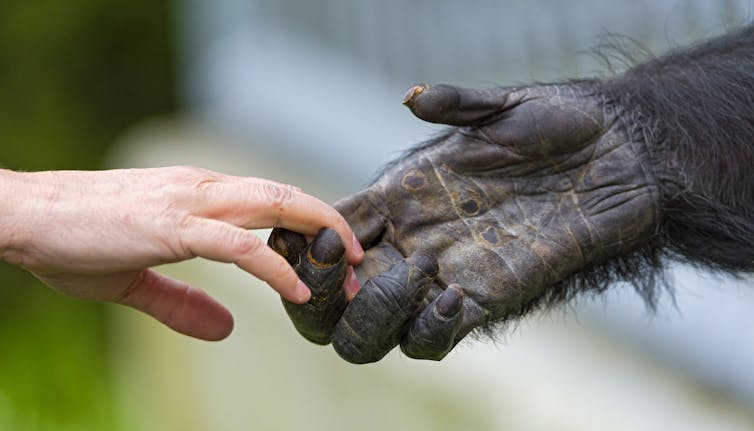
Researchers have documented this phenomenon of human-to-animal transmission, colloquially referred to as spillback or reverse zoonotic transmission, in both domestic and wild animals. Wildlife may be infected either directly from humans or indirectly from domestic animals infected by humans. This stepping-stone effect provides new opportunities for pathogens to evolve and can radically change how they spread, as seen with influenza and tuberculosis.

Diagram showing pathways of disease transmission between humans, an original reservoir, a new maintenance reservoir and a new dead-end host
Pathogen transmission is bidirectional between animals and humans. Fagre et al. 2022/Ecology Letters, CC BY-NC-ND

For example, spillback has been a long-standing threat to endangered great apes, even among populations with infrequent human contact. The chimpanzees of Gombe National Park, made famous by Jane Goodall’s work, have suffered outbreaks of measles and other respiratory diseases likely resulting from environmental persistence of pathogens spread by people living nearby or by ecotourists.

We are researchers who study the mechanisms driving cross-species disease transmission and how disease affects both wildlife conservation and people. Emerging outbreaks have underscored the importance of understanding how threats to wildlife health shape the emergence and spread of zoonotic pathogens. Our research suggests that looking at historical outbreaks can help predict and prevent the next pandemic.

Spillback has happened before

Our research group wanted to assess how often spillback had been reported in the years leading up to the COVID-19 pandemic. A retrospective analysis not only allows us to identify specific trends or barriers in reporting spillback events but also helps us understand where new emergent threats are most likely.

We examined historical spillback events involving different groups of pathogens across the animal kingdom, accounting for variations in geography, methods and sample sizes. We synthesized scientific reports of spillback across nearly a century prior to the COVID-19 pandemic – from the 1920s to 2019 – which included diseases ranging from salmonella and intestinal parasites to human tuberculosis, influenza and polio.

We were also interested in determining whether detection and reporting bias might influence what’s known about human-to-animal pathogen transmission. Charismatic megafauna – often defined as larger mammals such as pandas, gorillas, elephants and whales that evoke emotion in people – tend to be overrepresented in wildlife epidemiology and conservation efforts. They receive more public attention and funding than smaller and less visible species.

Complicating this further are difficulties in monitoring wild populations of small animals, as they decompose quickly and are frequently scavenged by larger animals. This drastically reduces the time window during which researchers can investigate outbreaks and collect samples.

Mouse with clipped ear leaning over the edge of a gloved hand
Small animals such as deer mice are harder to surveil. Christopher Kimmel/Moment via Getty Images

The results of our historical analysis support our suspicions that most reports described outbreaks in large charismatic megafauna. Many were captive, such as in zoos or rehabilitation centers, or semi-captive, such as well-studied great apes.

Despite the litany of papers published on new pathogens discovered in bats and rodents, the number of studies examining pathogens transmitted from humans to these animals was scant. However, small mammals occupying diverse ecological niches, including animals that live near human dwellings – such as deer mice, rats and skunks – may be more likely to not only share their pathogens with people but also to be infected by human pathogens.

COVID-19 and pandemic flu

In our historical analysis of spillback prior to the COVID-19 pandemic, the only evidence we found supporting the establishment of a human pathogen in a wildlife population were two 2019 reports describing H1N1 infection in striped skunks. Like coronaviruses, influenza A viruses such as H1N1 are adept at switching hosts and can infect a broad range of species.

Unlike coronaviruses, however, their widespread transmission is facilitated by migratory waterfowl such as ducks and geese. Exactly how these skunks became infected with H1N1 and for how long remains unclear.

Shortly after we completed the analysis for our study, reports describing widespread COVID-19 infection of white-tailed deer throughout North America began surfacing in November 2021. In some areas, the prevalence of infection was as high as 80% despite little evidence of sickness in the deer.

This ubiquitous mammal has effectively become a secondary reservoir of COVID-19 in North America. Further, genetic evidence suggests that SARS-CoV-2 evolves three times faster in white-tailed deer than in humans, potentially increasing the risk of seeding new variants into humans and other animals. There is already evidence of deer-to-human transmission of a previously unseen variant of COVID-19.

There are over 30 million white-tailed deer in North America, many in agricultural and suburban areas. Surveillance efforts to monitor viral evolution in white-tailed deer can help identify emerging variants and further transmission from deer populations into people or domestic animals.

Investigations into related species revealed that the risk of spillback varies. For instance, white-tailed deer and mule deer are highly susceptible to COVID-19 in the lab, while elk are not.

H5N1 and the US dairy herd

Since 2022, the spread of H5N1 has affected a broad range of avian and mammalian species around the globe – foxes, skunks, raccoons, opossums, polar bears, coyotes and seals, to name a few. Some of these populations are threatened or endangered, and aggressive surveillance efforts to monitor viral spread are ongoing.

Earlier this year, the U.S. Department of Agriculture reported the presence of H5N1 in the milk of dairy cows. Genetic analyses point to an introduction of the virus into cows as early as December 2023, probably in the Texas Panhandle. Since then, it has affected 178 livestock herds in 13 states as of August 2024.

How the virus got into dairy cow populations remains undetermined, but it was likely by migratory waterfowl infected with the virus. Efforts to delineate exactly how the virus moves among and between herds are underway, though it appears contaminated milking equipment rather than aerosol transmission, may be the culprit.

One cow, among a herd of cows on a pasture, sniffing a person's hand
Researchers are investigating outbreaks of H5N1 in cows. Jacob Wackerhausen/iStock via Getty Images Plus

Given the ability of influenza A viruses such as avian flu to infect a broad range of species, it is critical that surveillance efforts target not only dairy cows but also animals living on or around affected farms. Monitoring high-risk areas for cross-species transmission, such as where livestock, wildlife and people interact, provides information not only about how widespread a disease is in a given population – in this case, dairy cows – but also allows researchers to identify susceptible species that come into contact with them.

To date, H5N1 has been detected in several animals found dead on affected dairy farms, including cats, birds and a raccoon. As of August 2024, four people in close contact with infected dairy cows have tested positive, one of whom developed respiratory symptoms. Other wildlife and domestic animal species are still at risk. Similar surveillance efforts are underway to monitor H5N1 transmission from poultry to humans.

Humans are only 1 part of the network

The language often used to describe cross-species transmission fails to encapsulate its complexity and nuances. Given the number of species that have been infected with COVID-19 throughout the pandemic, many scientists have called for limiting the use of the terms spillover and spillback because they describe the transmission of pathogens to and from humans. This suggests that disease and its implications begin and end with humans.

Considering humans as one node in a large network of transmission possibilities can help researchers more effectively monitor COVID-19, H5N1 and other emerging zoonoses. This includes systems-thinking approaches such as One Health or Planetary Health that capture human interdependence with the health of the total environment.The Conversation

Anna Fagre, Veterinary Microbiologist and Wildlife Epidemiologist, Colorado State University and Sadie Jane Ryan, Professor of Medical Geography, University of Florida

This article is republished from The Conversation under a Creative Commons license. Read the original article.
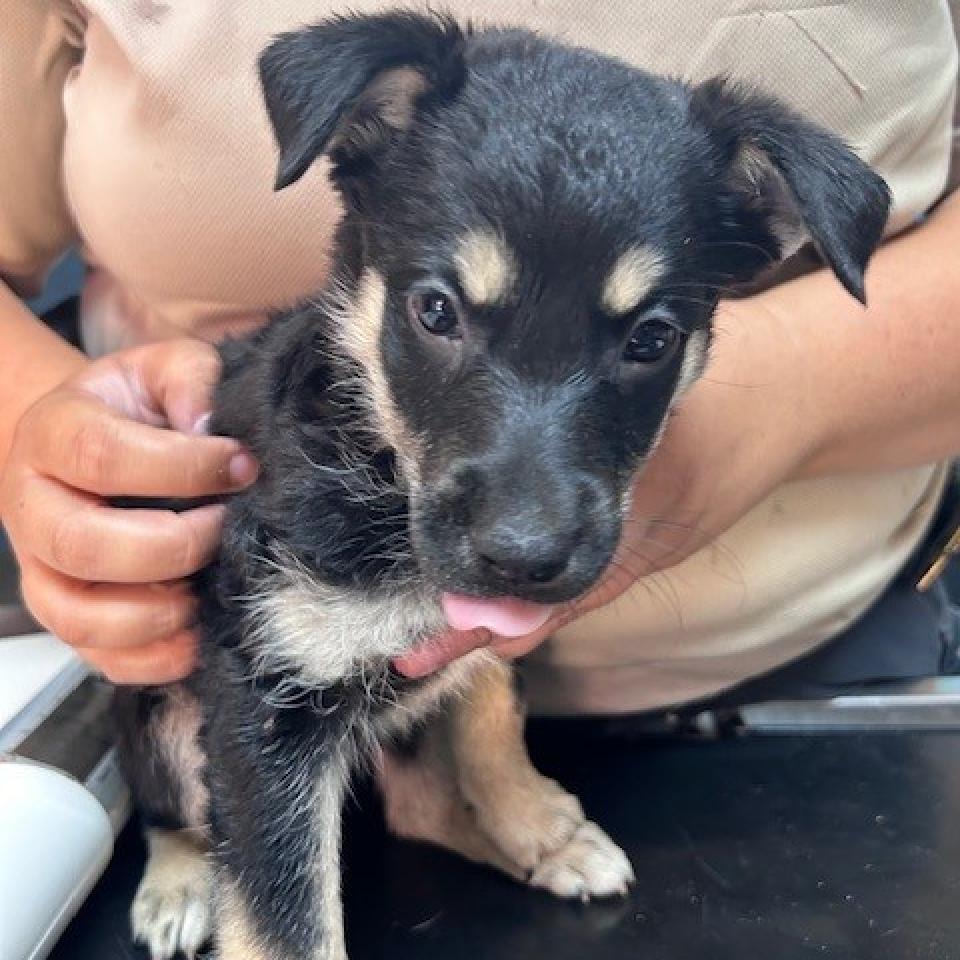
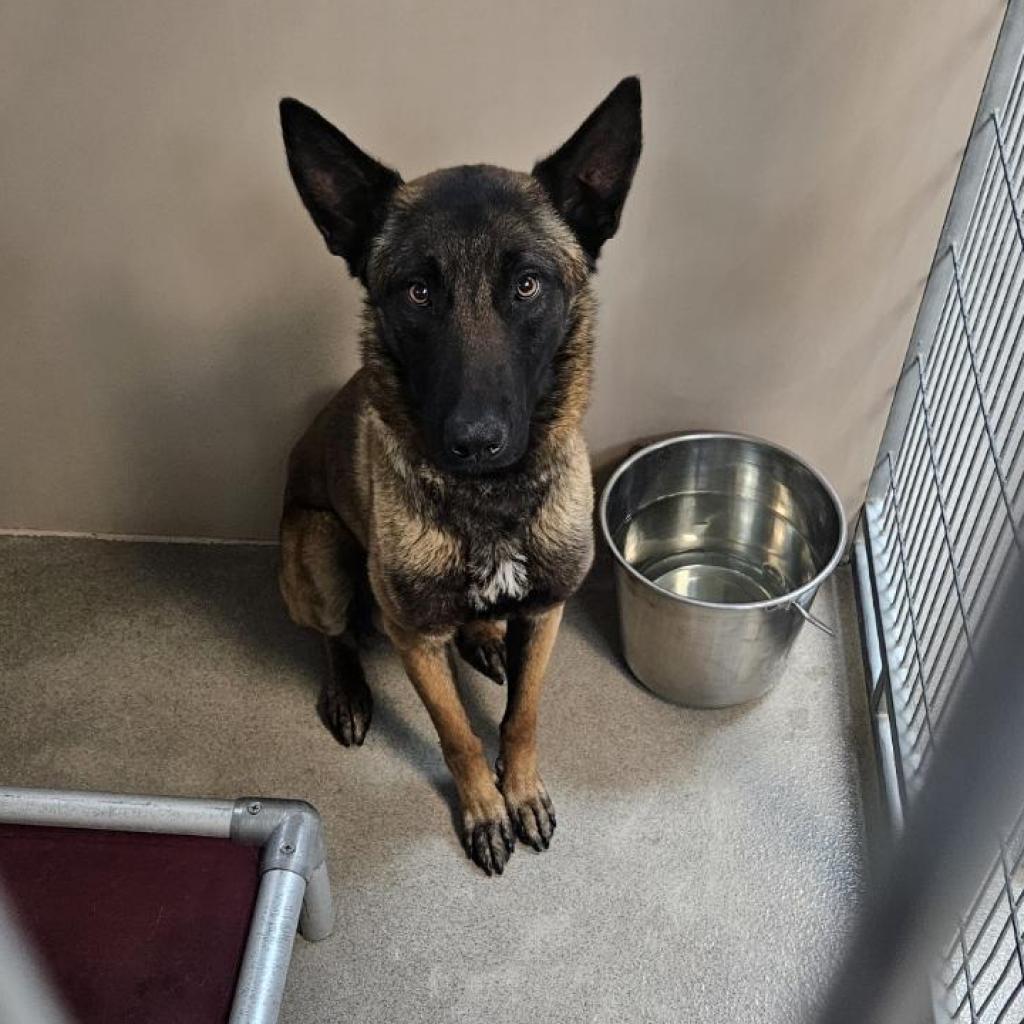
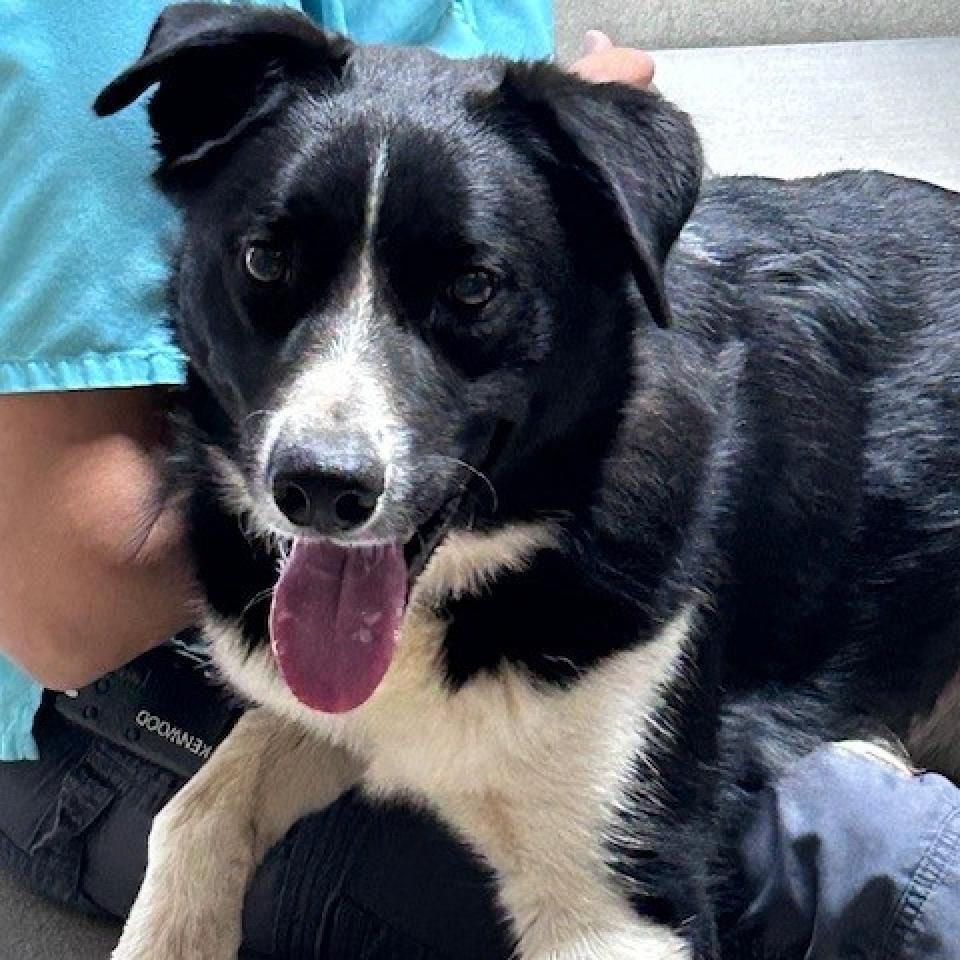
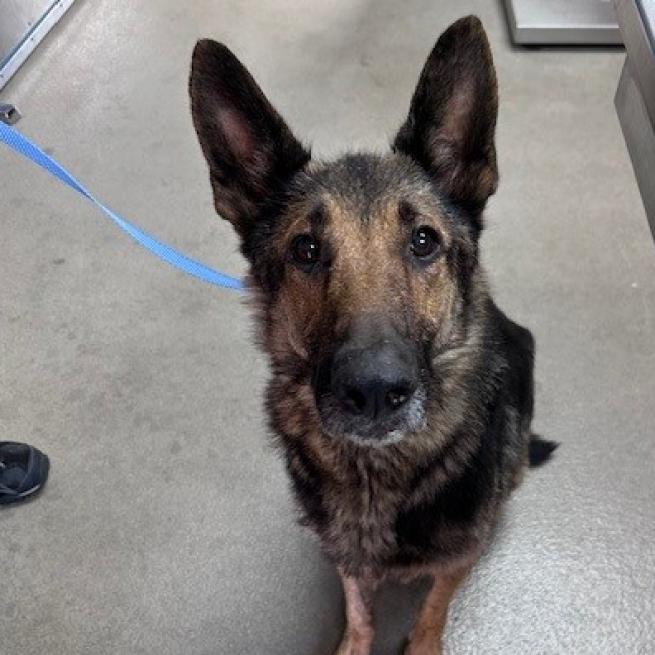
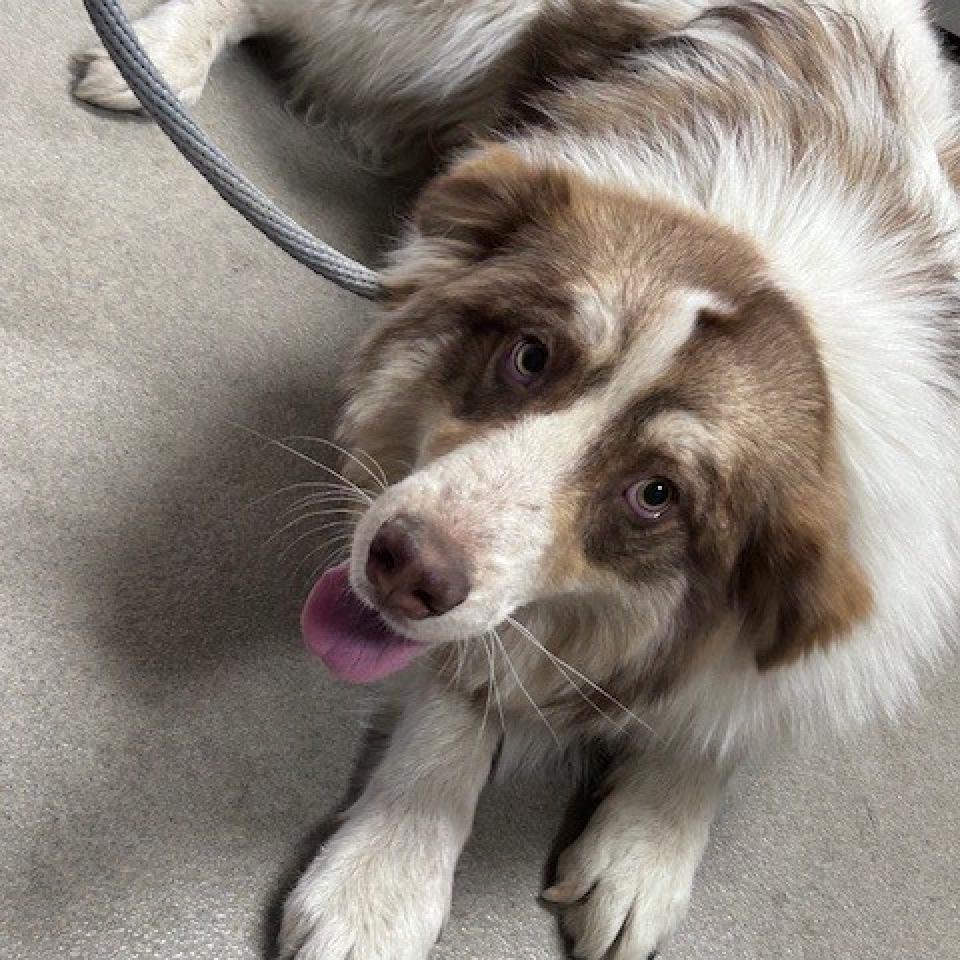
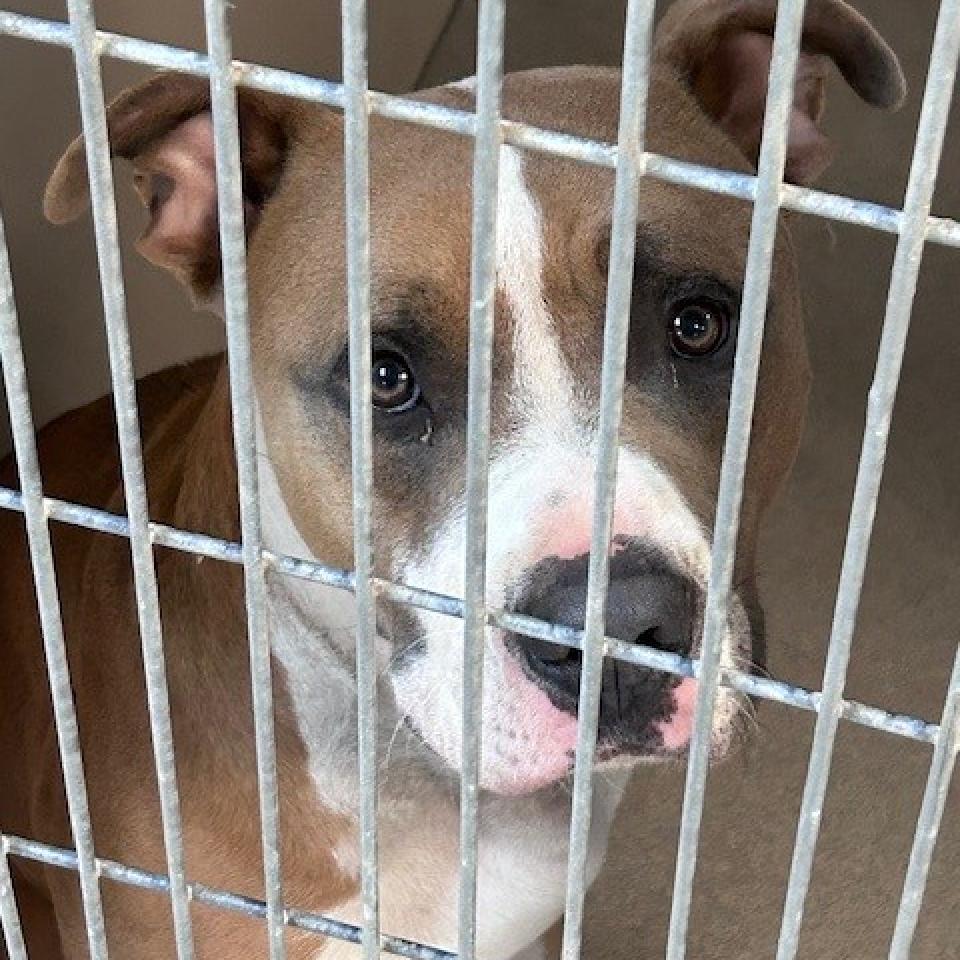
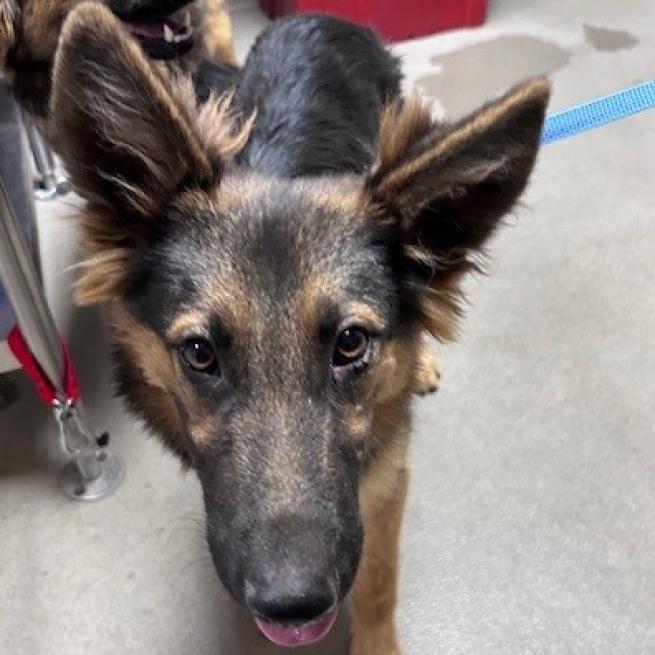
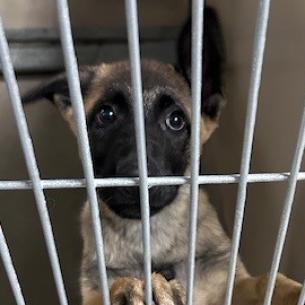
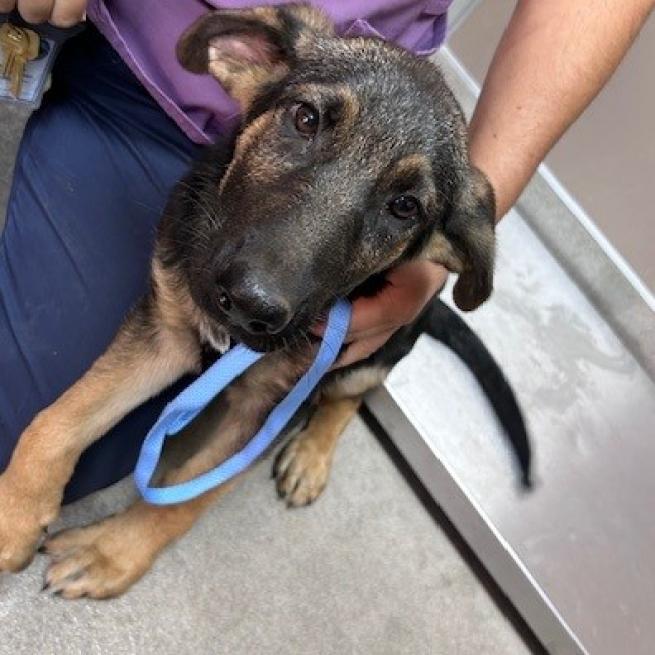
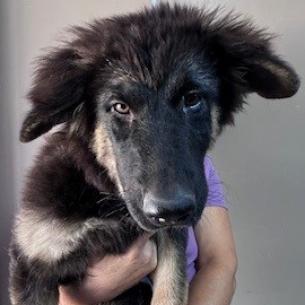
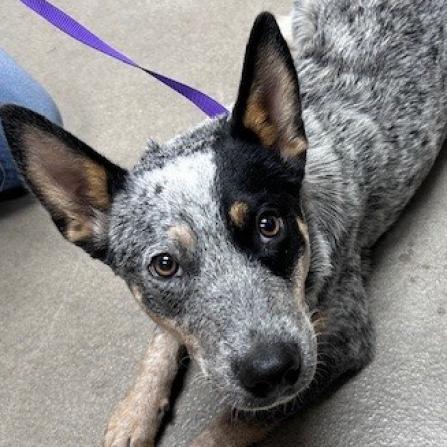
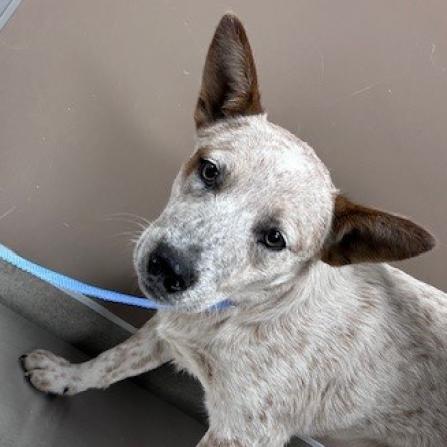
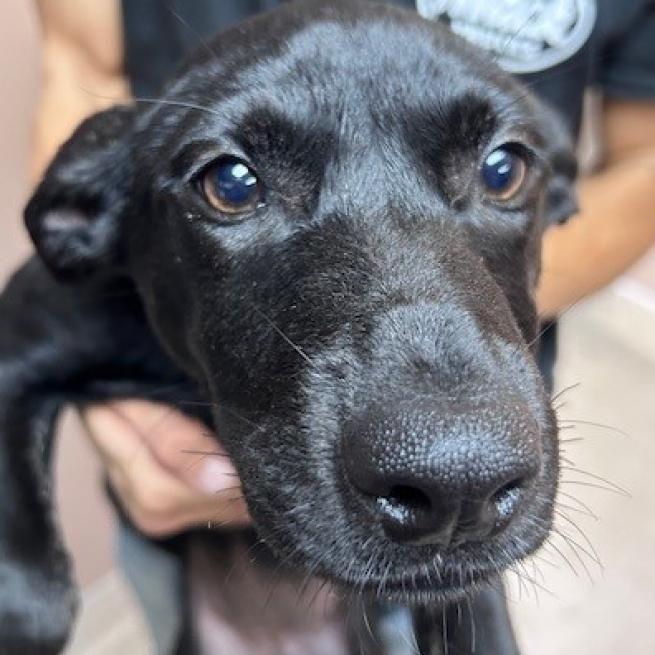
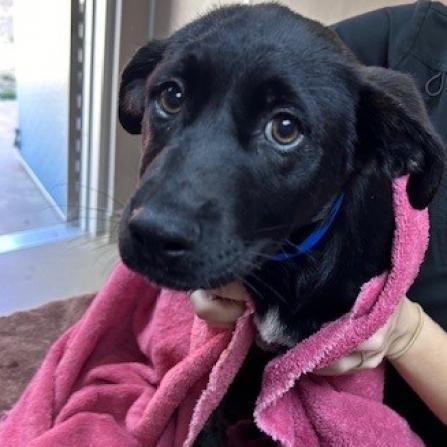
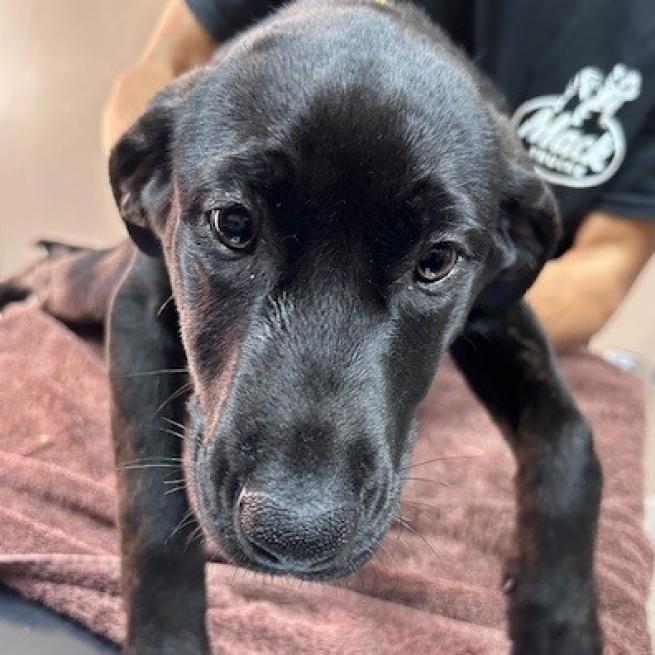
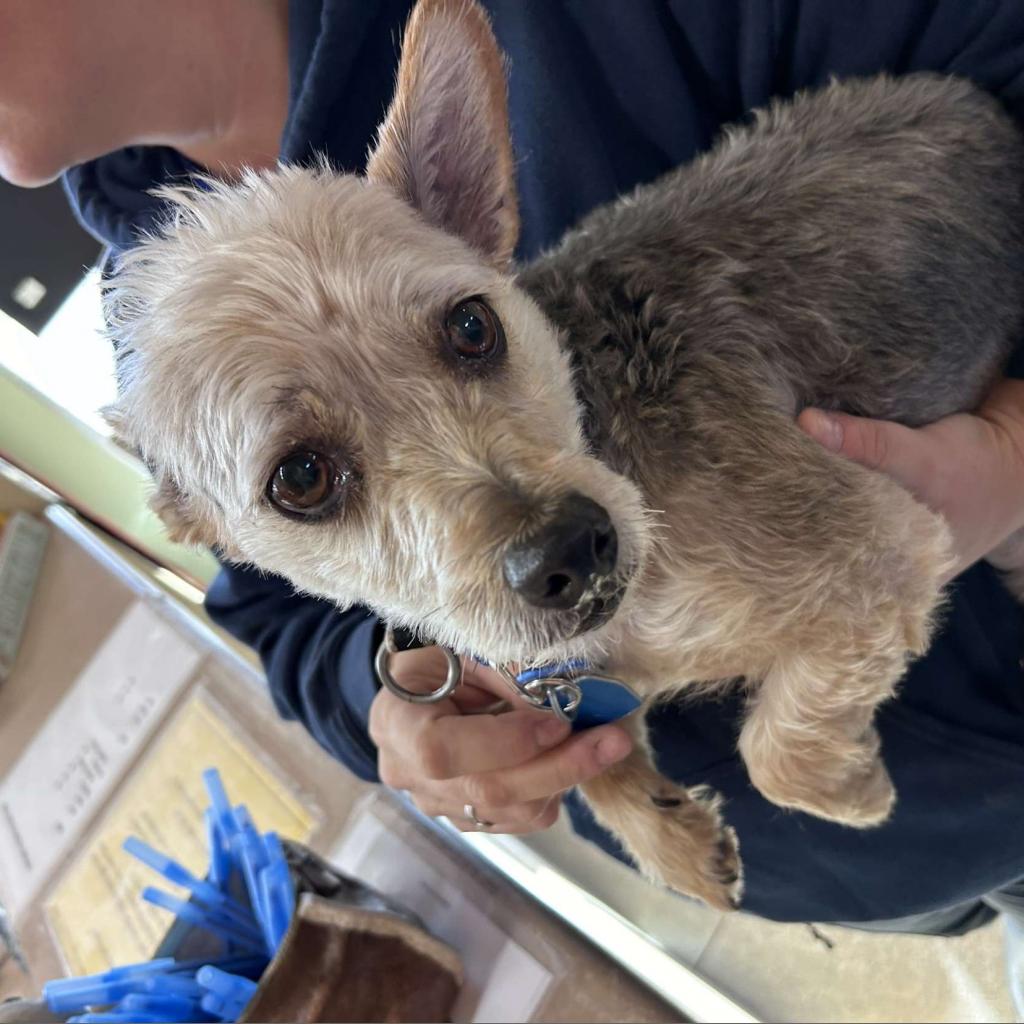
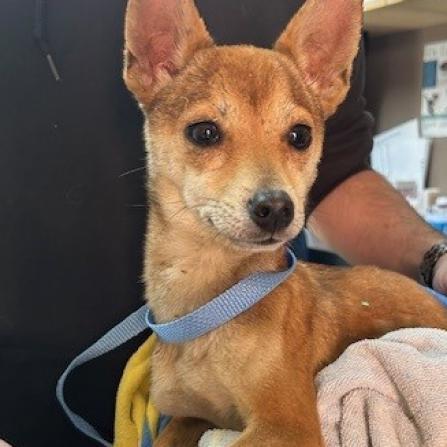
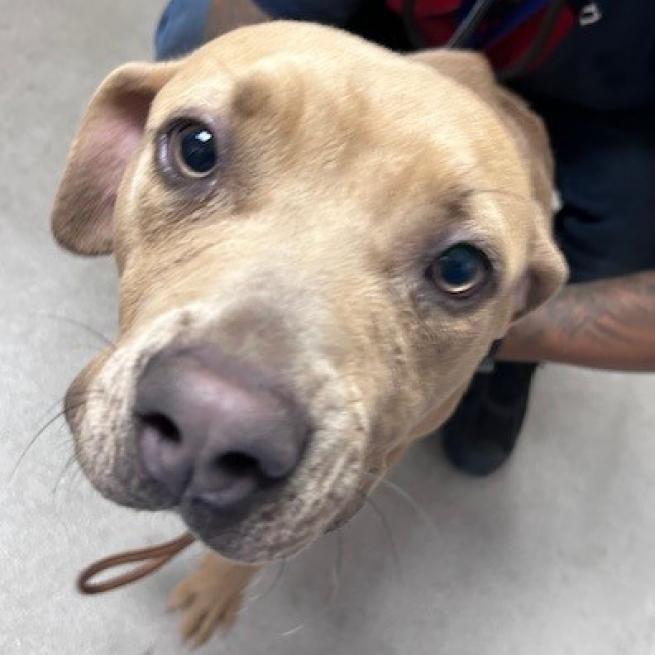
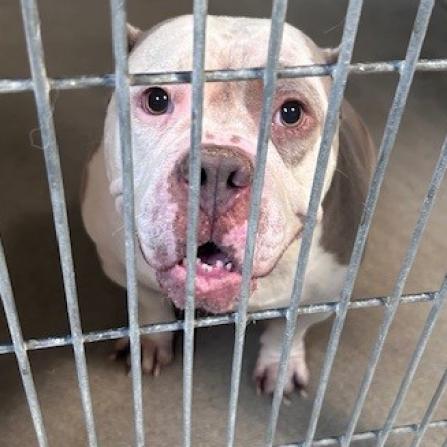
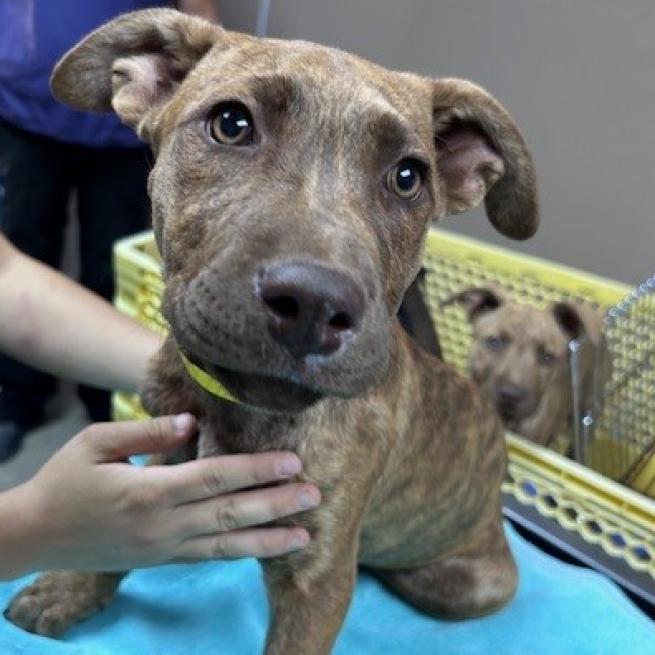
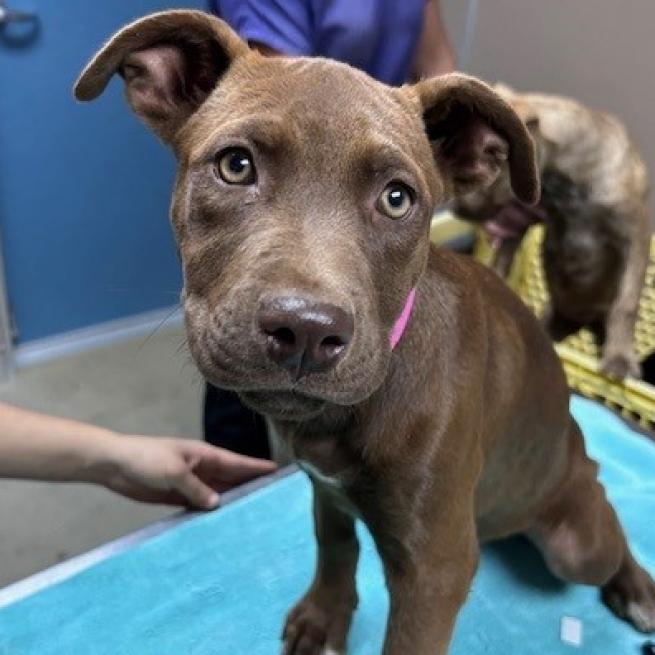
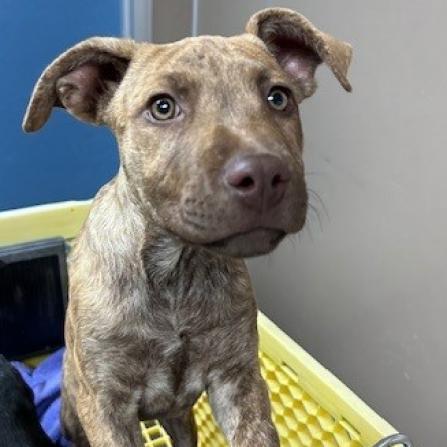
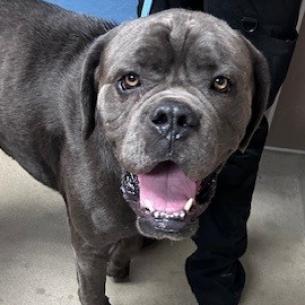
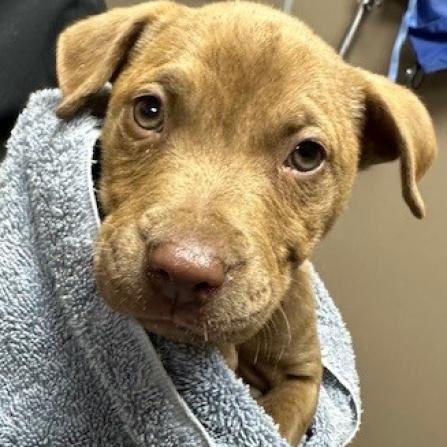
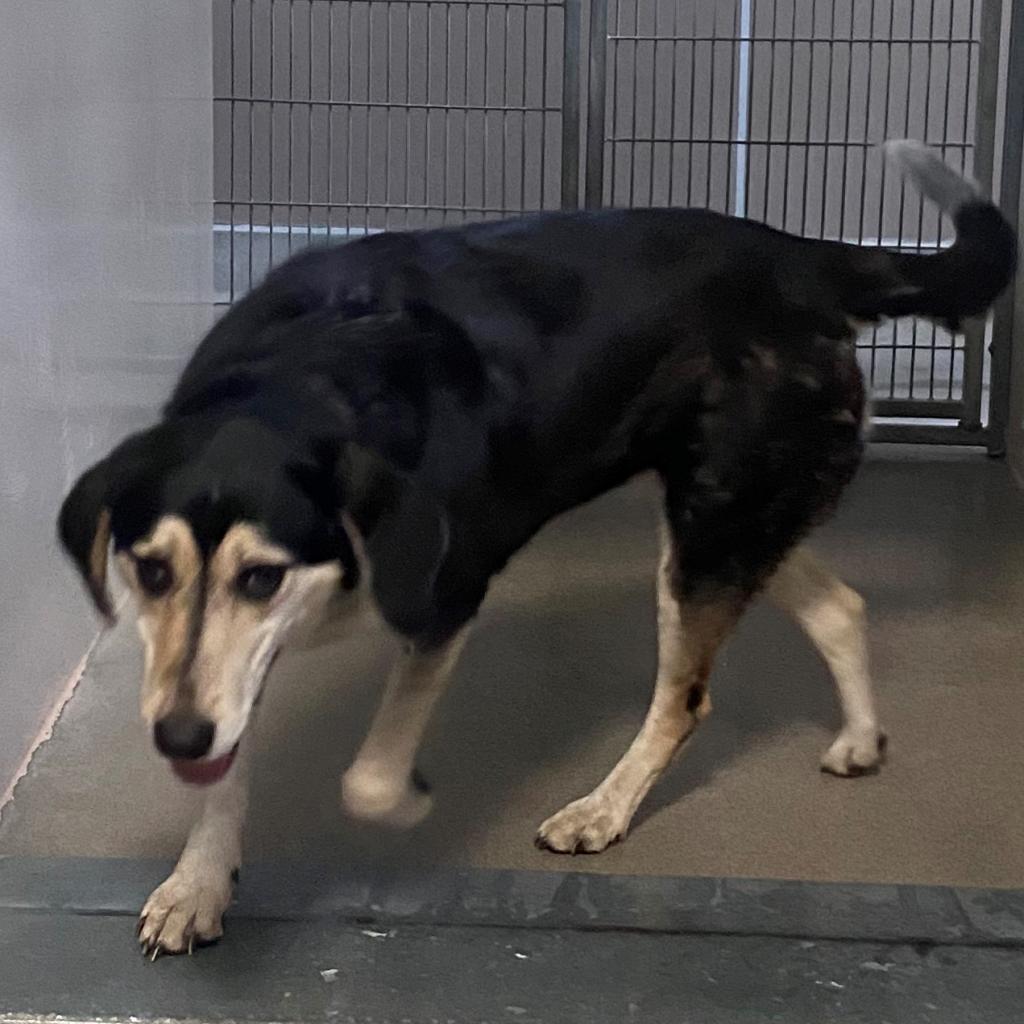
Helping Paws: Many new dogs

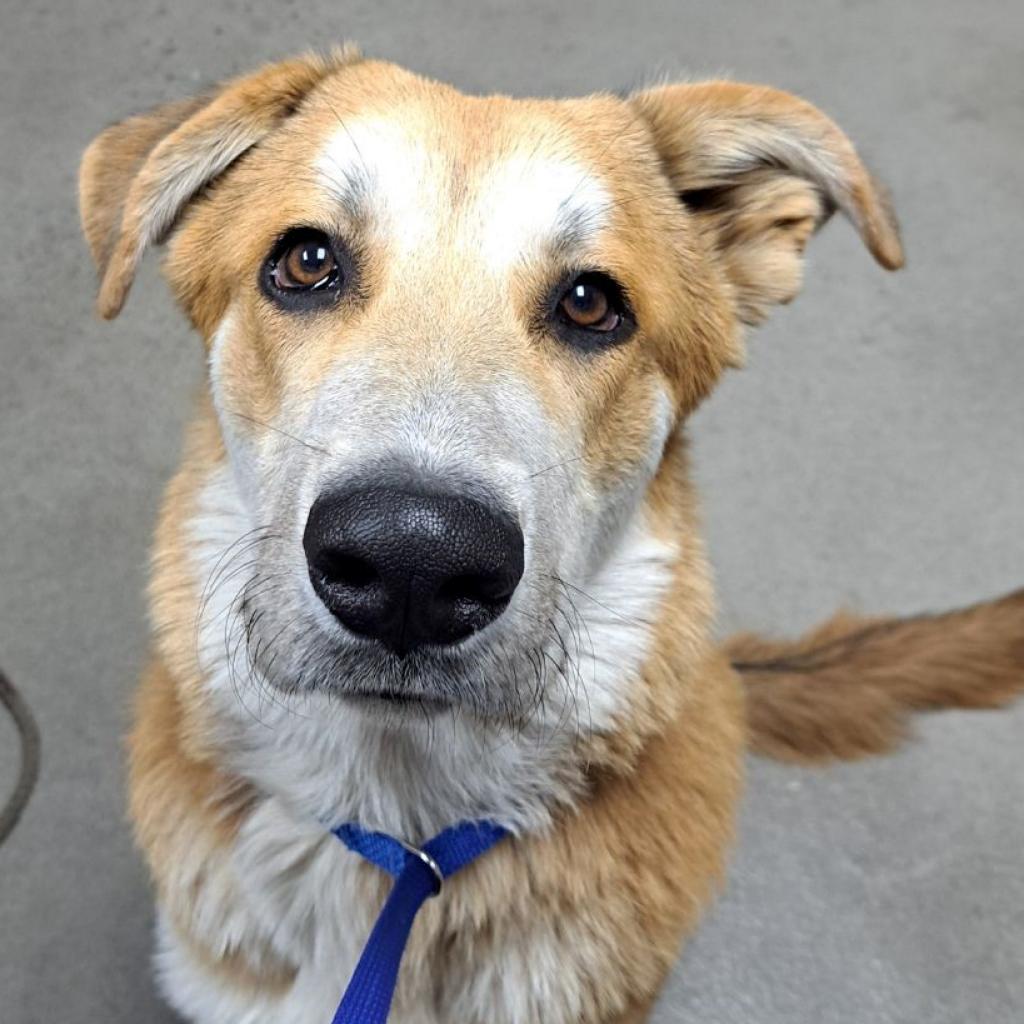
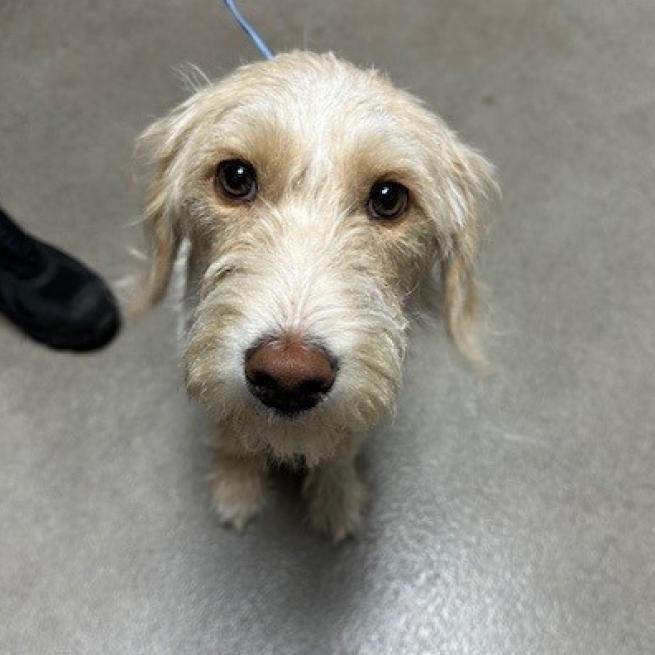
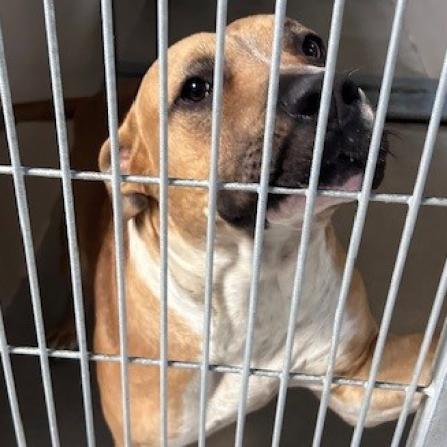
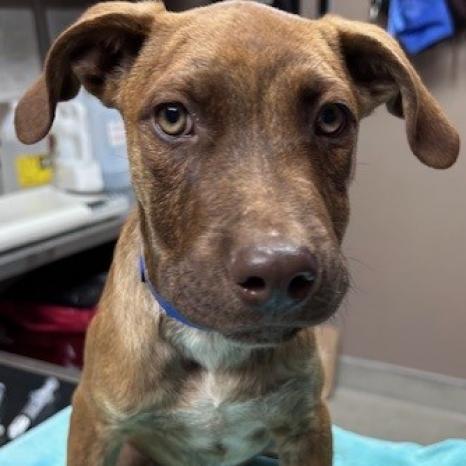
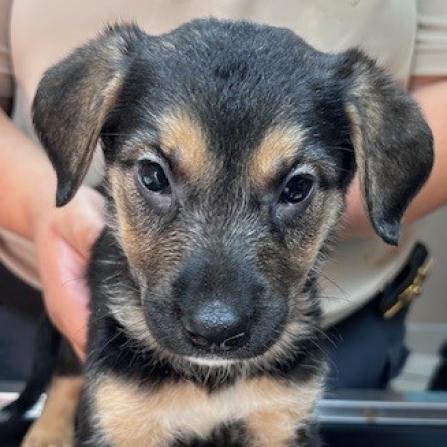
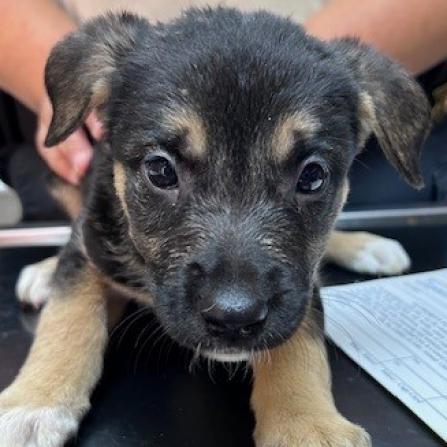
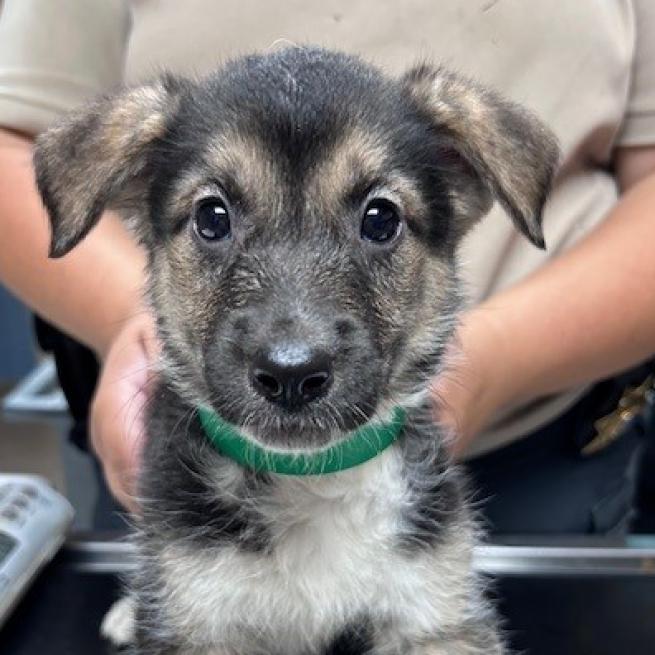
LAKE COUNTY, Calif. — Lake County Animal Care and Control has many new dogs waiting to be adopted this week.

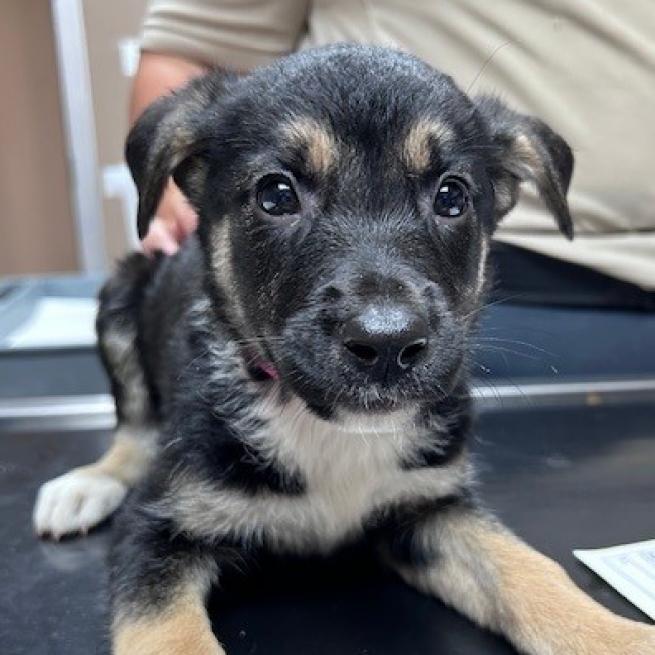
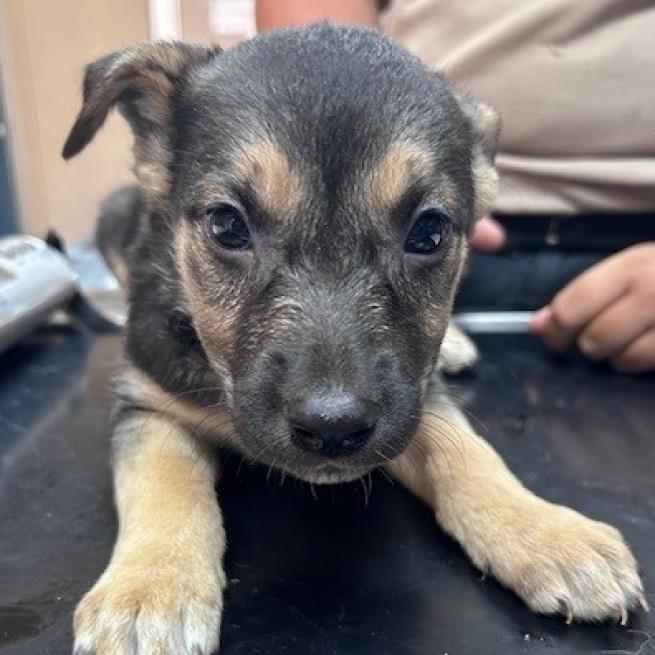
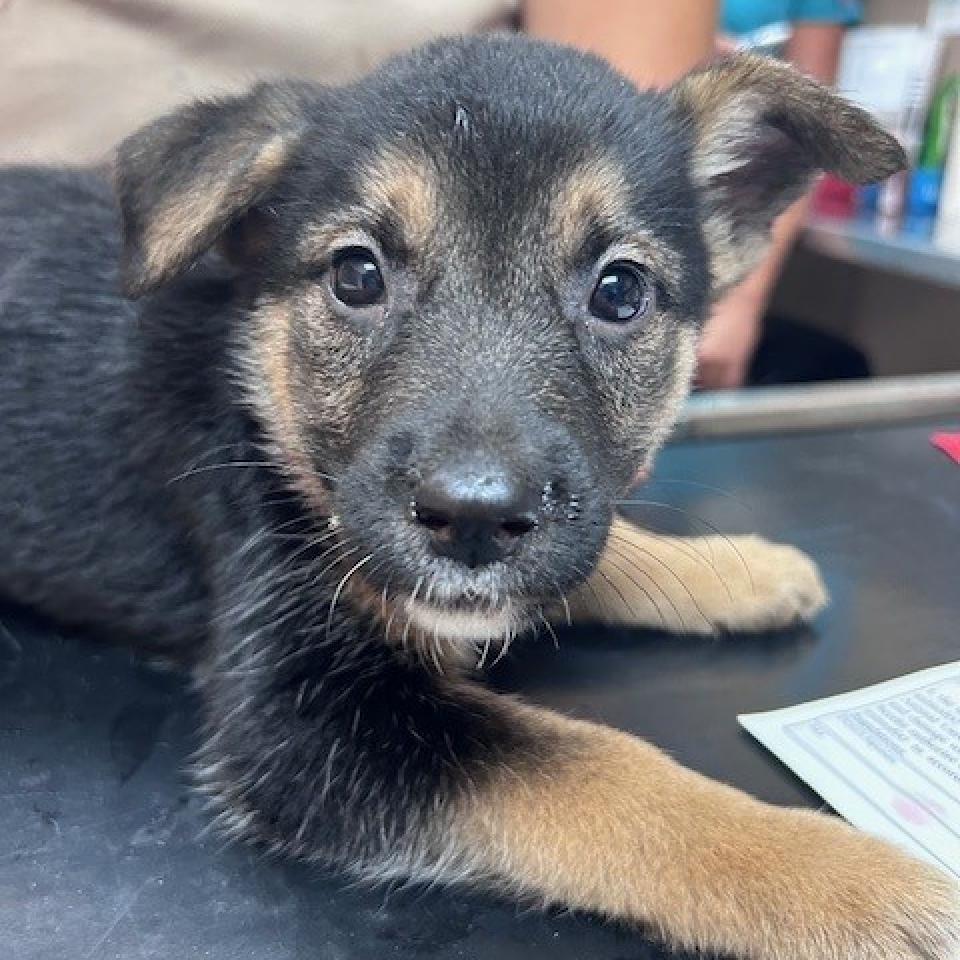
The dogs available for adoption this week include mixes of Australian cattle dog, Australian shepherd, border collie, cane corso, Chihuahua, German shepherd, Great Pyrenees, Labrador Retriever, pit bull terrier, Rottweiler, terrier and Yorkshire terrier.

Dogs that are adopted from Lake County Animal Care and Control are either neutered or spayed, microchipped and, if old enough, given a rabies shot and county license before being released to their new owner. License fees do not apply to residents of the cities of Lakeport or Clearlake.

Those dogs and the others shown on this page at the Lake County Animal Care and Control shelter have been cleared for adoption.

Call Lake County Animal Care and Control at 707-263-0278 or visit the shelter online for information on visiting or adopting.

The shelter is located at 4949 Helbush in Lakeport.

Email Elizabeth Larson at This email address is being protected from spambots. You need JavaScript enabled to view it.. Follow her on Twitter, @ERLarson, or Lake County News, @LakeCoNews.
 
 
Kennel#25a(RedCollar)'s preview photo
Kennel#25a(RedCollar)

Kennel#25b(YellowCollar)'s preview photo
Kennel#25b(YellowCollar)

Kennel#25c(GreenCollar)'s preview photo
Kennel#25c(GreenCollar)

Kennel#25d(PinkCollar)'s preview photo
Kennel#25d(PinkCollar)

Kennel#24c(BlueCollar)'s preview photo
Kennel#24c(BlueCollar)

Kennel#24a(YellowCollar)'s preview photo
Kennel#24a(YellowCollar)

Kennel#24b(PinkCollar)'s preview photo
Kennel#24b(PinkCollar)

Kennel#34's preview photo
Kennel#34

Kennel#31's preview photo
Kennel#31

Kennel#21's preview photo
Kennel#21

Kennel#8's preview photo
Kennel#8

Kennel#20's preview photo
Kennel#20

Kennel#26(Pickle)'s preview photo
Kennel#26(Pickle)

Kennel#27's preview photo
Kennel#27

Kennel#13's preview photo
Kennel#13

Kennel#19a's preview photo
Kennel#19a

Kennel#19b's preview photo
Kennel#19b

Kennel#12's preview photo
Kennel#12

Kennel#7's preview photo
Kennel#7

 
Kennel#9's preview photo
Kennel#9

Kennel#3's preview photo
Kennel#3

Kennel#32a(GreenCollar)'s preview photo
Kennel#32a(GreenCollar)

Kennel#32b(BlueCollar)'s preview photo
Kennel#32b(BlueCollar)

Kennel#32c(PinkCollar)'s preview photo
Kennel#32c(PinkCollar)

Kennel#32d(YellowCollar)'s preview photo
Kennel#32d(YellowCollar)

Kennel#2(Buster)'s preview photo
Kennel#2(Buster)

Kennel#17's preview photo
Kennel#17

Kennel#4's preview photo
Kennel#4

Kennel#22's preview photo
Kennel#22

Kennel#10's preview photo
Kennel#10

Kennel#29's preview photo
Kennel#29

 
Kennel#14's preview photo
Kennel#14

Kennel#6a(BlueCollar)'s preview photo
Kennel#6a(BlueCollar)

Kennel#6b(YellowCollar)'s preview photo
Kennel#6b(YellowCollar)

Kennel#6c(PinkCollar)'s preview photo
Kennel#6c(PinkCollar)

Kennel#6d(GreenCollar)'s preview photo
Kennel#6d(GreenCollar)

Kennel#6e(RedCollar)'s preview photo
Kennel#6e(RedCollar)


C#11's preview photo
C#11

Kennel#11(Rosie)'s preview photo
Kennel#11(Rosie)

Kennel#33's preview photo
Kennel#33
 

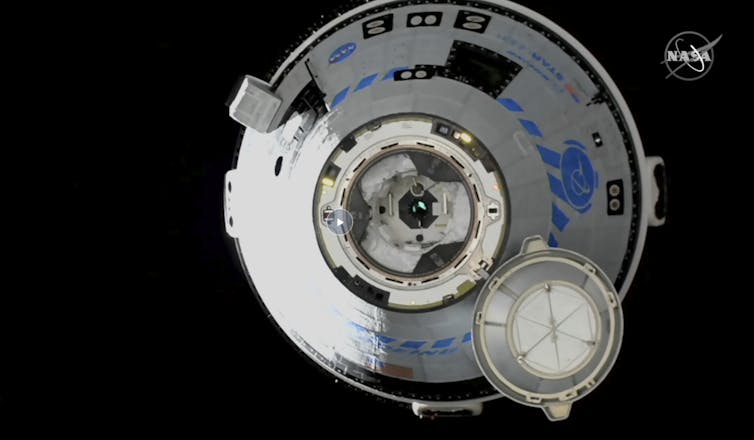
Space News: The Boeing Starliner has returned to Earth without its crew – a former astronaut details what that means for NASA, Boeing and the astronauts still up in space


The Boeing Starliner, shown as it approached the International Space Station. NASA via AP

Boeing’s crew transport space capsule, the Starliner, returned to Earth without its two-person crew right after midnight Eastern time on Sept. 7, 2024. Its remotely piloted return marked the end of a fraught test flight to the International Space Station which left two astronauts, Butch Wilmore and Sunita “Suni” Williams, on the station for months longer than intended after thruster failures led NASA to deem the capsule unsafe to pilot back.

Wilmore and Williams will stay on the International Space Station until February 2025, when they’ll return to Earth on a SpaceX Dragon capsule.

The Conversation U.S. asked former commander of the International Space Station Michael Fossum about NASA’s decision to return the craft uncrewed, the future of the Starliner program and its crew’s extended stay at the space station.

What does this decision mean for NASA?

NASA awarded contracts to both Boeing and SpaceX in 2014 to provide crew transport vehicles to the International Space Station via the Commercial Crew Program. At the start of the program, most bets were on Boeing to take the lead, because of its extensive aerospace experience.

However, SpaceX moved very quickly with its new rocket, the Falcon 9, and its cargo ship, Dragon. While they suffered some early failures during testing, they aggressively built, tested and learned from each failure. In 2020, SpaceX successfully launched its first test crew to the International Space Station.

Meanwhile, Boeing struggled through some development setbacks. The outcome of this first test flight is a huge disappointment for Boeing and NASA. But NASA leadership has expressed its support for Boeing, and many experts, including me, believe it remains in the agency’s best interest to have more than one American crew launch system to support continued human space operations.

NASA is also continuing its exchange partnership with Russia. This partnership provides the agency with multiple ways to get crew members to and from the space station.

As space station operations continue, NASA and its partners have enough options to get people to and from the station that they’ll always have the essential crew on the station – even if there are launch disruptions for any one of the capable crewed vehicles. Having Starliner as an option will help with that redundancy.

The ISS, a cylindrical craft with solar panels on each side.
NASA has a few options to get astronauts up to the International Space Station. Roscosmos State Space Corporation via AP

What does this decision mean for Boeing?

I do think Boeing’s reputation is going to ultimately suffer. The company is going head-to-head with SpaceX. Now, the SpaceX Dragon crew spacecraft has several flights under its belt. It has proven a reliable way to get to and from the space station.

It’s important to remember that this was a test flight for Starliner. Of course, the program managers want each test flight to run perfectly, but you can’t anticipate every potential problem through ground testing. Unsurprisingly, some problems cropped up – you expect them in a test flight.

The space environment is unforgiving. A small problem can become catastrophic in zero gravity. It’s hard to replicate these situations on the ground.

The technology SpaceX and Boeing use is also radically different from the kind of capsule technology used in the early days of the Mercury, Gemini and Apollo programs.

NASA has evolved and made strategic moves to advance its mission over the past two decades. The agency has leaned into its legacy of thinking outside the box. It was an innovative move to break from tradition and leverage commercial competitors to advance the program. NASA gave the companies a set of requirements and left it up to them to figure out how they would meet them.

What does this decision mean for Starliner’s crew?

I know Butch Wilmore and Suni Williams as rock-solid professionals, and I believe their first thoughts are about completing their mission safely. They are both highly experienced astronauts with previous long-duration space station experience. I’m sure they are taking this in stride.

Prior to joining NASA, Williams was a Naval aviator and Wilmore a combat veteran, so these two know how to face risk and accomplish their missions. This kind of unfavorable outcome is always a possibility in a test mission. I am sure they are leaning forward with a positive attitude and using their bonus time in space to advance science, technology and space exploration.

Their families shoulder the bigger impact. They were prepared to welcome the crew home in less than two weeks and now must adjust to unexpectedly being apart for eight months.

Right now, NASA is dealing with a ripple effect, with more astronauts than expected on the space station. More people means more consumables – like food and clothing – required. The space station has supported a large crew for short periods in the past, but with nine crew members on board today, the systems have to work harder to purify recycled drinking water, generate oxygen and remove carbon dioxide from their atmosphere.

Wilmore and Williams are also consuming food, and they didn’t arrive with the clothes and other personal supplies they needed for an eight-month stay, so NASA has already started increasing those deliveries on cargo ships.

What does this decision mean for the future?

Human spaceflight is excruciatingly hard and relentlessly unforgiving. A million things must go right to have a successful mission. It’s impossible to fully understand the performance of systems in a microgravity environment until they’re tested in space.

NASA has had numerous failures and near-misses in the quest to put Americans on the Moon. They lost the Apollo 1 crew in a fire during a preflight test. They launched the first space shuttle in 1981, and dealt with problems throughout that program’s 30-year life, including the terrible losses of Challenger and Columbia.

After having no other U.S. options for over 30 years, three different human spacecraft programs are now underway. In addition to the SpaceX Crew Dragon and the Boeing Starliner, NASA’s Orion spacecraft for the Artemis II mission, is planned to fly four astronauts around the Moon in the next couple of years.

These programs have had setbacks and bumps along the way – and there will be more – but I haven’t been this excited about human spaceflight since I was an 11-year-old cheering for Apollo and dreaming about putting the first human footprints on Mars.The Conversation

Michael E. Fossum, Vice President, Texas A&M University

This article is republished from The Conversation under a Creative Commons license. Read the original article.
City of Clearlake plans Sept. 10 community open house

CLEARLAKE, Calif. — The city of Clearlake invites residents to a community open house to discuss current and future projects that affect the city’s residents like water service and growth impacts from inadequate water service, public safety, and priority projects.

The drop-in open house will take place from 3 to 5:30 p.m. Tuesday, Sept. 10, at Clearlake City Hall, 14050 Olympic Drive.
Featured departments will be Public Works, economic development, planning and the police departments.
Discussion topics will include:

• Water service: Three water agencies serving the city including how water service is stifling growth, a lack of transparency and accountability at Highlands Water, the State Water Board’s ranking of water rates as unaffordable, failing infrastructure, lack of grant funding and more.
• Priority projects: Signature projects including Youth Sports Complex in Burns Valley, airport redevelopment and downtown revitalization.
• Road improvements: Roads improved over past five years, current projects, upcoming projects and city versus privately-owned and maintained roads.
• Public safety and code enforcement: Results over the past few years, new initiatives to enhance safety and security, recruiting challenges and more.

“The city of Clearlake is dedicated to serving its residents through transparent governance and proactive community engagement,” officials said in a meeting announcement. “Our mission is to ensure a high quality of life for all residents by providing input opportunities and addressing their needs.”

City officials encourage residents to learn more, ask questions and voice their opinions about topics that directly impact their daily lives.

Sept. 9 meeting planned on Guenoc Valley project

MIDDLETOWN, Calif. — A public meeting is planned early next week to discuss the latest on a major resort and residential development near Middletown.

The Lake County Community Development Department’s Planning Division will hold the meeting on the Guenoc Valley Mixed-Use Planned Development Project on Monday, Sept. 9, from 5 to 7 p.m., at the Calpine Geothermal Visitor Center, located at: 15500 Central Park Road, Middletown.

A notice of availability for the draft partially revised environmental impact report was distributed for public review and comment between July 19 and Sept. 3.

This public meeting is intended to provide an overview of the project and environmental impact report, as well as to provide additional opportunities for comment.

Comments will be accepted through 5 p.m. on Sept. 11 due to the timing of this meeting.

The project documents may be found online at https://lakecountyca.gov/Guenoc-Valley or https://ceqanet.opr.ca.gov/2019049134/5.

A hardcopy of the draft partially revised environmental impact report may also be viewed at the Community Development Department, located at 255 N. Forbes St., Lakeport; or at the Middletown Library, located at 21256 Washington St.

Questions and public comments may be submitted at the public hearing or in writing to Senior Planner Laura Hall at 707-263-2221 or This email address is being protected from spambots. You need JavaScript enabled to view it..
  • 368
  • 369
  • 370
  • 371
  • 372
  • 373
  • 374
  • 375
  • 376
  • 377

Community

  • Lake County Wine Alliance offers sponsor update; beneficiary applications open 

  • Mendocino National Forest announces seasonal hiring for upcoming field season

Public Safety

  • Lakeport Police logs: Thursday, Jan. 15

  • Lakeport Police logs: Wednesday, Jan. 14

Education

  • Woodland Community College receives maximum eight-year reaffirmation of accreditation from ACCJC

  • SNHU announces Fall 2025 President's List

Health

  • California ranks 24th in America’s Health Rankings Annual Report from United Health Foundation

  • Healthy blood donors especially vital during active flu season

Business

  • Two Lake County Mediacom employees earn company’s top service awards

  • Redwood Credit Union launches holiday gift and porch-to-pantry food drives

Obituaries

  • Rufino ‘Ray’ Pato

  • Patty Lee Smith

Opinion & Letters

  • The benefits of music for students

  • How to ease the burden of high electric bills

Veterans

  • CalVet and CSU Long Beach team up to improve data collection related to veteran suicides

  • A ‘Big Step Forward’ for Gulf War Veterans

Recreation

  • Wet weather trail closure in effect on Upper Lake Ranger District

  • Mendocino National Forest seeking public input on OHV grant applications

  • State Parks announces 2026 Anderson Marsh nature walk schedule 

  • BLM lifts seasonal fire restrictions in central California

Religion

  • Kelseyville Presbyterian to host Ash Wednesday service and Lenten dinner Feb. 18

  • Kelseyville Presbyterian Church to hold ‘Longest Night’ service Dec. 21

Arts & Life

  • Auditions announced for original musical ‘Even In Shadow’ set for March 21 and 28

  • ‘The Rip’ action heist; ‘Steal’ grounded in a crime thriller

Government & Politics

  • Lake County Democrats issue endorsements in local races for the June California Primary

  • County negotiates money-saving power purchase agreement

Legals

  • March 3 hearing on ordinance amending code for commercial cannabis uses

  • Feb. 12 public hearing on resolution to establish standards for agricultural roads

How to resolve AdBlock issue?
Refresh this page