 How to resolve AdBlock issue?
News
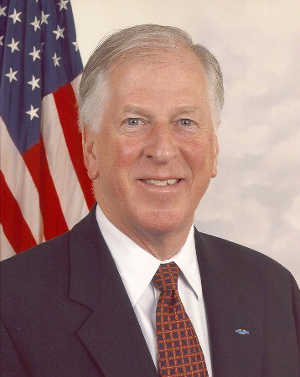
U.S. Rep. Mike Thompson (CA-5) was sworn in today as the representative in the U.S. House of Representatives for California’s Fifth Congressional District for the 114th Congress.
The Fifth District includes all or parts of Contra Costa, Lake, Napa, Solano and Sonoma counties.
“It is the highest honor to represent our communities in Congress, and I am both humbled and honored to have been sworn in to represent California’s Fifth District,” said Thompson. “This new Congress gives us a fresh opportunity to move past partisan gridlock and address the issues and challenges facing American families.
“As our district’s representative, I am committed to working across the aisle to make sure our economy works for everyone, our education system leaves no one behind, our debt is lowered, our streets are safe, and our veterans and seniors get the benefits they’ve earned. By working together, I know we can achieve these goals.”
Constituents who would like help with federal agencies, to schedule tours in Washington D.C., or order a U.S. flag can call Thompson’s district offices or Washington, D.C. office.
Thompson has district offices located in Napa, Vallejo and Santa Rosa. Contact information for the offices can be found here: http://mikethompson.house.gov/contact/offices .
Tours can be requested though Thompson’s Web site at http://mikethompson.house.gov/tour-request-form .
Flags also can be requested through Thompson’s Web site at http://mikethompson.house.gov/services/flags .
Constituents can also sign up to receive Thompson’s e-newsletters on his Web site or at http://mikethompson.house.gov/htbin/formproc/contact/newsletter%26pass?signup-email= .
Constituents can also follow Thompson on Facebook at https://www.facebook.com/RepMikeThompson and Twitter at https://twitter.com/RepThompson .
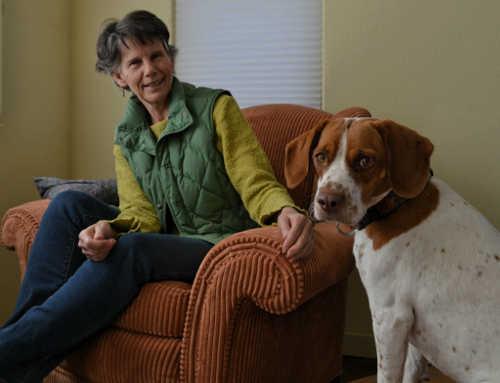
KELSEYVILLE, Calif. – The fifth event of the Poet Laureate Reading Series takes place this Friday, Jan. 9, featuring the poetry of Lake County Poet Laureate Emerita Mary McMillan.
The reading, which begins at 6:30 p.m., will take place at the Riviera Common Grounds Coffee House at 9736 Soda Bay Road, Kelseyville.
Presented by current Lake County Poet Laureate Casey Carney and Common Grounds Proprietor Andrea Williams, the eight-month series is held on the second Friday of each month through April and showcases local poetry by presenting each of Lake County’s eight poets laureate in sequence, along with a guest poet and musician.
Admission is free, with a $5 suggested donation.
The poet laureate is an official appointment by a government or conferring institution for the purpose of promoting poetry in that jurisdiction. These appointments occur from local to national levels.
In Lake County, the two-year position began in 1998 with the appointment of Jim Lyle. In 2008, Mary McMillan was selected as the fifth poet laureate of Lake County.
Originally from Southern California, McMillan earned her Bachelor of Arts degree at San Francisco State University and her master's degree in journalism at the University of Utah.
After working as a journalist in Utah, she moved to the Bay Area, where she worked as a computer programmer, wrote fiction and poetry, and studied with poet Richard Silberg, an associate editor of Poetry Flash Magazine, as well as with Robert Hass, Brenda Hillman, Galway Kinnell and Sharon Olds.
In 1997, McMillan completed a master's degree in psychology, and after earning her license as a marriage and family therapist, she established a psychotherapy practice in Ukiah.
At the same time, she began developing the curriculum for a course at Mendocino College, called “Relationships and Children’s Behavior.” McMillan also authored the textbook for this class, titled “Get Inside Your Relationships.”
In 2005, McMillan moved to Lake County, where for seven years she focused her psychotherapy practice in working with incarcerated youth. At the same time, McMillan renewed her connection with poetry.
As the poet laureate, McMillan began facilitating the free and public Writers’ Circle, a monthly writing workshop founded by Carolyn Wing Greenlee during her tenure as poet laureate.
McMillan continues to facilitate the workshop today.
“I’ve been fascinated and moved every month, as participants have brought in material often hoarded, hidden and feared for years-and I have watched these writers bloom into confident authors of exquisitely funny, terrifying or touching stories and poems,” said McMillan.
As poet laureate, McMillan also was a contributing editor for “Creative Expressions,” a bimonthly newspaper column featuring the work of local writers, which was published in the Record-Bee.
In 2008, McMillan published her book of poetry, titled, “This Wanting.” McMillan will read from this work at the Jan. 9 event, and copies of her book will be available by donation.
Describing the writing process in both creative and healing terms, McMillan acknowledges the essential role of art in transforming painful human experiences.
She describes the power of the writing process in accessing, retrieving and integrating disparate parts from the depth, or “well,” of human experiences.
“Writing is a unique way of thinking that there is no other substitute for,” she said. “Writing allows one to dig down, bring to light, and integrate broken parts into a whole.”
From her practice, now located in Lakeport, McMillan currently works with adults and adolescents.
She also teaches at Mendocino College and Marymount California University, and at a cooperative co-parenting workshop in Ukiah funded through Family Court Services in Mendocino County.
The Writers’ Workshop that McMillan facilitates takes place at 6:30 p.m. on the first Thursday of every month at the Main Street Art Gallery in Lakeport. Funded by Poets and Writers, it is a free public workshop.
McMillan’s work is available at www.lulu.com and www.amazon.com .
The Jan. 9 reading also will feature guest poet Lorna Sue Sides and guest musician Mike Wilhelm.
LOWER LAKE, Calif. – New health services now are available to students at the Konocti Wellness Center, located at Lower Lake High School.
Officials said the center has added dental and nutrition services, effective this month.
The center, part of the St. Helena Hospital Clear Lake network of Rural Health Clinics, opened in June 2013 as the result of a partnership between the hospital and the Konocti Unified School District.
It is one of just three similar programs nationwide.
The center was funded by a Health Resources and Services Administration grant totaling $444,200, or 91 percent of the project. In addition, $45,000 – or 9 percent – came from a local funding source.
The new services are part of a long-term plan to improve the health and academic performance of students in the district.
“Communities in Lake County have been hit especially hard in recent years, and many families have found it increasingly difficult to access health care services,” says David Santos, chief executive officer of St. Helena Hospital Clear Lake. “We’re committed to improving the health and well-being of all our communities, and especially our youth. By placing dental care and nutrition services on campus, we’re able to reach out with basic health care and preventive services right where the most at-risk youth are.”
Under the leadership of Medical Director Dr. David Lounsberry, a family practice physician, the center currently provides school physicals, well-child physical exams, immunizations, treatment of minor illnesses, chronic disease management, health education, fitness programs and behavioral health on site. The clinic also provides evaluations and referrals to specialist care as needed.
High levels of student absences due to illness – which resulted in hundreds of thousands of dollars in lost revenue to the district – prompted the partnership between the school district and St. Helena Hospital Clear Lake, as Lake County News has reported.
With a high local prevalence of preventable conditions like diabetes and heart disease, ensuring early intervention and active prevention was urgently needed, officials said.
“Our goal is to help children in our communities to thrive. We’re especially pleased to be able to add dental care and nutrition services,” Santos added. “There is a profound link between chronic disease and poor nutrition, and a growing body of work shows the general health consequences of poor dental health as well. We believe good health should be a basic, not a luxury.”
The Konocti Wellness Center serves about 3,000 K-12 students and 200 children from birth to age 5.
It is located at Lower Lake High School, 9430 Lake Street, Lower Lake.
To make an appointment call 707-995-5630.
NORTHERN CALIFORNIA – Gov. Edmund G. Brown Jr. took the oath of office for his fourth term on Monday, giving an inaugural address that earned mostly praise from both of Lake County's new state legislators, Mike McGuire and Bill Dodd.
The governor took the oath of office and delivered his inaugural address in the Assembly Chamber in the State Capitol. The address serves as the Governor's constitutionally required annual report to the Legislature.
Brown discussed accomplishments of the last four years, including the creation of 1.3 million jobs and billions in bond debt being paid down.
He addressed his priorities for 2015, including reinvesting in our state’s crumbling infrastructure and helping students in the higher-education funding fight.
Brown also proposed three goals for the next 15 years – increasing electricity derived from renewable resources to 50 percent, reducing petroleum use in vehicles by up to 50 percent and doubling the efficiency of existing buildings and make heating fuels cleaner.
“I believe the governor’s address struck just the right tone of fiscal responsibility and the need to invest in our state and its people,” said newly elected North Coast Sen. Mike McGuire, who attended Brown's inauguration. “I am grateful for the governor’s vision and leadership.”
McGuire said he's particularly happy about the opportunity to work on a transportation measure with the governor along with helping the state's most vulnerable residents.
“A transportation measure would help us with the thousands of miles of deteriorating local roads in Northern California along with severe traffic congestion that many communities face,” McGuire said.
There were some concerns for McGuire.
“I disagree with the priority to ship Northern California water to the south,” said McGuire. “I cannot support the ‘Delta Tunnel’ project. This policy would be devastating to Northern California communities and our environment.”
Assemblyman Bill Dodd (D-Napa) said he appreciated the governor's readiness to work with the Legislature to meet the challenges facing California.
“Over the last four years, California has made meaningful progress towards addressing some of our state’s toughest issues,” Dodd said. “We have seen over 1.3 million jobs created and our unemployment rate fall nearly 5 percent. This progress is encouraging, but as the governor acknowledged, there is still much work to be done.
“The governor’s address covered many of the challenges we still face, including California’s $59 billion in deferred road and infrastructure maintenance, the need to invest in improving our education system, and the pursuit of environmental and fiscal sustainability,” Dodd said.
“I look forward to working with Gov. Brown and my colleagues in the Legislature to advance the progress that has been made, while thoughtfully addressing the challenges we face,” Dodd concluded.
Brown's full speech can be seen below.
Gov. Edmund G. Brown Jr. Inaugural Speech
Members of the Legislature, the Judiciary, Constitutional Officers, the extended family of my pioneering ancestors and fellow Californians:
An inauguration is always a special occasion but today it is particularly special as I think about that day 40 years ago when my father and mother watched me take the oath as California’s 34th governor. It is also special because of how far we have come in the last four years. Then, the state was deep in debt – $26 billion – and our unemployment rate was 12.1 percent. Now, the state budget, after a decade of fiscal turbulence, is finally balanced – more precariously than I would like – but balanced. California has seen more than 1.3 million new jobs created in just four years and the unemployment rate has dropped to 7.2 percent. Thanks goes to the Legislature for cutting spending, the economy for recovering and the people for voting for temporary taxes.
We also have the people to thank for Propositions 1 and 2, which save water and money and prepare us for an uncertain future. These are measures that nearly every Democrat and Republican voted to put on the ballot and nearly 70 percent of voters ultimately approved. And I’m proud to report that as a result, by the end of the year, we will be investing in long overdue water projects and saving $2.8 billion in the state’s new constitutionally protected Rainy Day Fund.
And we’re not stopping there. Soon we will make the last payment on the $15 billion of borrowing made to cover budget deficits dating back to 2002. We will also repay a billion dollars borrowed from schools and community colleges and another $533 million owed to local governments.
California has made bold commitments to sustain our environment, help the neediest and build for our future. We are leaders in renewable energy and efficiency; we have extended health care to millions; we are transforming our educational and criminal justice systems; we are building the nation’s only high-speed rail system; we raised the minimum wage; we are confronting the drought and longer-term water issues; and last, but not least, we have enacted real protections for our hardworking immigrants, including the issuance of long-awaited driver’s licenses.
In 2011, we were handed a mess and through solid, steady work, we turned it around. While we have not reached the Promised Land, we have much to be proud of.
As I embark upon this unprecedented fourth term as governor, my thoughts turn to a time long ago when I first entered this chamber, January 5, 1959, for my father’s inauguration. I sat there in front of the rostrum, next to my 81-year-old grandmother, Ida Schuckman Brown, feeling awkward in my priestly black suit and Roman collar. My perspective was different then. The previous August, as a young Jesuit living in what was then a pre-Vatican II seminary, I had taken vows of poverty, chastity and obedience. To me, the boisterous crowd, the applause, the worldliness of it all was jarring.
That was 56 years ago, yet the issues that my father raised at his inauguration bear eerie resemblance to those we still grapple with today: discrimination; the quality of education and the challenge of recruiting and training teachers; the menace of air pollution, and its danger to our health; a realistic water program; economic development; consumer protection; and overcrowded prisons.
So you see, these problems, they never completely go away. They remain to challenge and elicit the best from us.
To that end, over the next four years – and beyond – we must dedicate ourselves to making what we have done work, to seeing that the massive changes in education, health care and public safety are actually carried out and endure. The financial promises we have already made must be confronted honestly so that they are properly funded. The health of our state depends on it.
Educating the next generation is fundamental to our collective well-being. An issue that has plagued our schools for decades is the enormous barrier facing children from low-income families. When my father was governor, he sought to remedy the wide inequities among different school districts by calling for equalization of funding. His efforts were not successful.
Now – decades later – we have finally created a much fairer system of school funding, called the Local Control Funding Formula. Under the provisions of this law, state funds are directed to school districts based on the needs of their students. Districts will get significantly more funds based on the number of students from foster care, low-income families and non-English-speaking parents. This program also breaks with decades of increasing centralization by reducing state control in favor of local flexibility. Clear goals are set, and their enforcement is entrusted to parents and local officials. This puts California in the forefront of educational reform.
After years of underfunding and even borrowing from our local schools, the state now has significantly increased its financial support for education. Next year schools will receive $65.7 billion, a 39 percent increase in four years.
The tasks ahead are daunting: making sure that the new system of local control works; recruiting and training tens of thousands of teachers; mastering the Common Core Curriculum; and fostering the creativity needed to inspire students. Teachers need to be held accountable but never forget: they have a tough job to do. They need our encouragement, not endless regulations and micro-management from afar.
With respect to education beyond high school, California is blessed with a rich and diverse system. Its many elements serve a vast diversity of talents and interests. While excellence is their business, affordability and timely completion is their imperative. As I’ve said before, I will not make the students of California the default financiers of our colleges and universities. To meet our goals, everyone has to do their part: the state, the students and the professors. Each separate institution cannot be all things to all people, but the system in its breadth and diversity, through real cooperation among its segments, can well provide what Californians need and desire.
Along with education, health and human services constitute a major part of what state government does. And in the past few years we have made massive commitments in this area, which will require increasing levels of spending, the full extent of which is not yet known. For example, two years ago California embraced the Affordable Care Act, dramatically increasing its health insurance coverage under the Medi-Cal program. The state will enroll 12.2 million people during this new budget year, a more than 50 percent increase.
Providing the security of health coverage to so many Californians who need it is the right thing to do. But it isn’t free. Although the federal government will temporarily foot much of the bill, new state costs – now and more so in the future – will run into the billions.
Another major state responsibility is our system of crime and punishment. And here too, I will refer to my father’s 1959 address. He worried then about California’s “dangerously overcrowded prisons.” He talked about identifying “those prisoners who should never be released to prey again on an innocent public,” but he also said, “we should also determine whether some prisoners are now kept confined after punishment has served its purpose.”
We face these same questions today: what purposes should punishment serve and for how long should a person be confined to jail or prison – for a few days, a few years or for life?
In response to a large increase in crimes beginning in the 1970s, the Legislature and the people – through ballot initiatives – dramatically lengthened sentences and added a host of new crimes and penalty enhancements. Today, California’s legal codes contain more than 5,000 separate criminal provisions and over 400 penalty enhancements, an arcane and complex mix that only the most exquisitely trained specialist can fathom. And funding has grown proportionately: during the 1970s we had 12 prisons holding fewer than 30,000 prisoners and corrections spending was only 3 percent of the budget; our system then grew to a peak of 34 prisons, with an inmate population of 173,000, eating up more than 10 percent of our budget dollars.
Four years ago, the United States Supreme Court held that our prisons were unconstitutionally overcrowded and imposed strict capacity limits, far below the number of inmates that were then being held.
Clearly, our system of crime and punishment had to be changed. And through the courts, the Legislature and the voters themselves, a number of far-reaching reforms have been enacted. The biggest reform is our realignment program, which places tens of thousands of lower-level offenders under county supervision. More recently, a federal three-judge panel ordered further measures to reduce prison overcrowding. And the voters, through Propositions 36 and 47, modified our criminal laws to reduce the scope of the Three Strikes law and change certain felonies into misdemeanors.
All these changes attempt to find less expensive, more compassionate and more effective ways to deal with crime. This is work that is as profoundly important as it is difficult, yet we must never cease in our efforts to assure liberty and justice for all. The task is complicated by our diversity and our divisions and, yes, by shocking disparities. Since time immemorial, humankind has known covetousness, envy and violence. That is why public safety and respect for law are both fundamental to a free society.
As we oversee these important changes to education, health care and public safety, we must not lose sight of our long-term liabilities. We have to face honestly the enormous and ever growing burden of the many commitments we have already made. Among these are the costs of pensions and retiree health care, the new obligations under the Affordable Care Act, the growing government costs of dealing with our aging population, bonded indebtedness and the deferred maintenance on our roads and other infrastructure. These specific liabilities reach into the hundreds of billions of dollars.
My plan has been to take them on one at a time. We have now taken steps to deal with the unfunded teachers’ pensions and those of the public employees. For the next effort, I intend to ask our state employees to help start pre-funding our retiree health obligations which are rising rapidly.
We must also deal with longstanding infrastructure challenges. We are finally grappling with the long-term sustainability of our water supply through the recently passed Proposition 1 and our California Water Action Plan.
Equally important is having the roads, highways and bridges in good enough shape to get people and commerce to where they need to go. It is estimated that our state has accumulated $59 billion in needed upkeep and maintenance. Each year, we fall further and further behind and we must do something about it.
So I am calling on Republicans and Democrats alike to come together and tackle this challenge. We came together on water when many said it was impossible. We came together – unanimously – to create a solid Rainy Day Fund. We can do it again.
Finally, neither California nor indeed the world itself can ignore the growing assault on the very systems of nature on which human beings and other forms of life depend. Edward O. Wilson, one of the world’s preeminent biologists and naturalists, offered this sobering thought:
“Surely one moral precept we can agree on is to stop destroying our birthplace, the only home humanity will ever have. The evidence for climate warming, with industrial pollution as the principal cause, is now overwhelming. Also evident upon even casual inspection is the rapid disappearance of tropical forests and grasslands and other habitats where most of the diversity of life exists.” With these global changes, he went on to say, “we are needlessly turning the gold we inherited from our forebears into straw, and for that we will be despised by our descendants.”
California has the most far-reaching environmental laws of any state and the most integrated policy to deal with climate change of any political jurisdiction in the Western Hemisphere. Under laws that you have enacted, we are on track to meet our 2020 goal of one-third of our electricity from renewable energy. We lead the nation in energy efficiency, cleaner cars and energy storage. Recently, both the Secretary-General of the United Nations and the President of the World Bank made clear that properly pricing carbon is a key strategy. California’s cap-and-trade system fashioned under AB 32 is doing just that and showing how the market itself can generate the innovations we need. Beyond this, California is forging agreements with other states and nations so that we do not stand alone in advancing these climate objectives.
These efforts, impressive though they are, are not enough. The United Nations’ Intergovernmental Panel on Climate Change, backed up by the vast majority of the world’s scientists, has set an ambitious goal of limiting warming to 2 degrees Celsius by the year 2050 through drastic reductions of greenhouse gases. If we have any chance at all of achieving that, California, as it does in many areas, must show the way. We must demonstrate that reducing carbon is compatible with an abundant economy and human well-being. So far, we have been able to do that.
In fact, we are well on our way to meeting our AB 32 goal of reducing carbon pollution and limiting the emissions of heat-trapping gases to 431 million tons by 2020. But now, it is time to establish our next set of objectives for 2030 and beyond.
Toward that end, I propose three ambitious goals to be accomplished within the next 15 years:
– Increase from one-third to 50 percent our electricity derived from renewable sources;
– Reduce today’s petroleum use in cars and trucks by up to 50 percent;
– Double the efficiency of existing buildings and make heating fuels cleaner.
We must also reduce the relentless release of methane, black carbon and other potent pollutants across industries. And we must manage farm and rangelands, forests and wetlands so they can store carbon. All of this is a very tall order. It means that we continue to transform our electrical grid, our transportation system and even our communities.
I envision a wide range of initiatives: more distributed power, expanded rooftop solar, micro-grids, an energy imbalance market, battery storage, the full integration of information technology and electrical distribution and millions of electric and low-carbon vehicles. How we achieve these goals and at what pace will take great thought and imagination mixed with pragmatic caution. It will require enormous innovation, research and investment. And we will need active collaboration at every stage with our scientists, engineers, entrepreneurs, businesses and officials at all levels.
Taking significant amounts of carbon out of our economy without harming its vibrancy is exactly the sort of challenge at which California excels. This is exciting, it is bold and it is absolutely necessary if we are to have any chance of stopping potentially catastrophic changes to our climate system.
California, since the beginning, has undertaken big tasks and entertained big ideas. Befitting a state of dreamers, builders and immigrants, we have not hesitated to attempt what our detractors have called impossible or foolish. In the last four years, in the last 40 years, yes ever since Gaspar de Portola in 1769 marched along the King’s Highway, California has met adversity with faith and courage. We have had setbacks and failures, but always in the end, the indomitable spirit of California has triumphed. Through it all, through good times and bad, California has been blessed with a dynamism and historic trajectory that carries each generation forward.
Whether the early explorers came for gold or God, came they did. The rest is history: the founding of the Missions, the devastation of the native people, the discovery of gold, the coming of the Forty-Niners, the Transcontinental Railroad, the founding of great universities, the planting and harvesting of our vast fields, oil production, movies, the aircraft industry, the first freeways, the State Water Project, aerospace, Silicon Valley and endless new companies and Nobel Prizes.
This is California. And we are her sons and daughters.
Yes, California feeds on change and great undertakings, but the path of wisdom counsels us to ground ourselves and nurture carefully all that we have started. We must build on rock, not sand, so that when the storms come, our house stands. We are at a crossroads. With big and important new programs now launched and the budget carefully balanced, the challenge is to build for the future, not steal from it, to live within our means and to keep California ever golden and creative, as our forebears have shown and our descendants would expect.
The American Cancer Society's annual cancer statistics report finds that a 22 percent drop in cancer mortality over two decades led to the avoidance of more than 1.5 million cancer deaths that would have occurred if peak rates had persisted.
And while cancer death rates have declined in every state, the report finds substantial variation in the magnitude of these declines, generally with the states in the south showing the smallest decline and in the Northeast the largest decline.
The report also estimates that 1,658,370 new cancer cases and 589,430 deaths from cancer are projected to occur in the United States this year.
Each year, the American Cancer Society compiles the most recent data on cancer incidence, mortality, and survival based on incidence data from the National Cancer Institute and the Centers for Disease Control and Prevention, and mortality data from the National Center for Health Statistics.
The data are disseminated in two reports: Cancer Statistics 2015, published in CA: A Cancer Journal for Clinicians, and its companion, consumer-friendly publication, Cancer Facts & Figures 2015.
The reports also estimate the number of new cancer cases and deaths expected in the United States in the current year.
Largely driven by rapid increases in lung cancer deaths among men as a consequence of the tobacco epidemic, the overall cancer death rate rose during most of the 20th century, peaking in 1991.
The subsequent, steady decline in the cancer death rate is the result of fewer Americans smoking, as well as advances in cancer prevention, early detection, and treatment.
Mortality
– During the most recent five years for which data are available (2007-2011), the average annual decline in cancer death rates was slightly larger among men (1.8%) than women (1.4%). These declines are driven by continued decreases in death rates for the four major cancer sites: lung, breast, prostate and colon.
– Lung cancer death rates declined 36 percent between 1990 and 2011 among males and 11 percent between 2002 and 2011 among females due to reduced tobacco use.
– Death rates for breast cancer (among women) are down more than one-third (35%) from peak rates, while prostate and colorectal cancer death rates are each down by nearly half (47%).
– The magnitude of the decline in overall cancer mortality between 1991 and 2011 varied by state. The smallest declines were generally in the South, where drops were about 15 percent. They were largest in the Northeast. For example, there were declines of 25 percent to 30 percent in Maryland, New Jersey, Massachusetts, New York, and Delaware. As a result, a total of 29,000 cancer deaths were averted in 2011 in these states.
Estimates for the current year
– The report estimates there will be 1,658,370 new cancer cases and 589,430 cancer deaths in the United States in 2015.
– Prostate, lung, and colorectal cancers will account for about one-half of all cases in men, with prostate cancer alone accounting for about one-quarter of new diagnoses.
– The three most commonly diagnosed types of cancer among women in 2015 will be breast, lung and colorectal cancer, accounting for one-half of all cases in women. Breast cancer alone is expected to account for 29 percent of all new cancers among women in the U.S.
– The report estimates that 589,430 Americans will die from cancer this year, corresponding to about 1,600 deaths per day.
– The most common causes of cancer death are lung, prostate and colorectal cancer in men and lung, breast and colorectal cancer in women. These four cancers account for almost one-half of all cancer deaths, with more than one-quarter (27%) of all cancer deaths due to lung cancer.
Additional findings
– During the past five years for which there are data (2007-2011), the overall cancer incidence rate remained stable in women and declined by 1.8 percent per year in men.
– The decrease in incidence in men is driven by the rapid declines in colorectal (3.6% per year), lung (3.0% per year) and prostate (2.1% per year) cancers.
– While women in the U.S. have seen similar drops in colorectal and lung cancers, breast cancer incidence rates have flattened, and there's been a dramatic rise in thyroid cancer incidence rates (an average of 4.5% per year from 2007 to 2011).
“The continuing drops we're seeing in cancer mortality are reason to celebrate, but not to stop,” said John R. Seffrin, PhD, chief executive officer of the American Cancer Society. “Cancer was responsible for nearly one in four deaths in the United States in 2011, making it the second leading cause of death overall. It is already the leading cause of death among adults aged 40 to 79, and is expected to overtake heart disease as the leading cause of death among all Americans within the next several years. The change may be inevitable, but we can still lessen cancer's deadly impact by making sure as many Americans as possible have access to the best tools to prevent, detect and treat cancer.”
Each year, Cancer Facts & Figures includes a special section that focuses on a specific, timely cancer topic.
This year, the report highlights breast carcinoma in situ. An estimated 60,290 new cases of breast carcinoma in situ are expected to be diagnosed in 2015, accounting for about one in five breast tumors diagnosed in women.
Although in situ breast cancer is a relatively common diagnosis, it is not as widely known or understood as invasive breast cancer.
The term “carcinoma in situ” describes abnormal cells that have not invaded nearby tissues, but that look very similar to cells of invasive carcinoma when viewed under a microscope.
For many years, it was assumed that these cells were potentially able to become invasive, and that in the absence of treatment, they would eventually progress to cancer.
More recent research indicates that the transition from normal tissue to carcinoma in situ to invasive carcinoma involves a series of molecular changes that are more complex and subtle than the older view based on microscopic appearances.
Long-term followup studies of patients with carcinoma in situ also find that even without treatment, not all patients develop invasive cancer.
The vast majority (83%) of in situ breast cancers will be ductal carcinoma in situ (DCIS). DCIS refers to abnormal cells lining the breast duct that appear similar to those of invasive breast cancers, but are still within the tissue layer of origin. It is most often detected by a mammogram.
While DCIS cannot spread to other organs and cause serious illness or death, it has the potential if left untreated to evolve into invasive cancer and is considered a true cancer precursor.
Studies of women with DCIS that was untreated because it was originally misclassified as benign found that 20 to 53 percent were eventually diagnosed with an invasive breast cancer.
Lobular carcinoma in situ (LCIS) refers to cells that look like cancer cells growing within the walls of the lobules of the milk-producing glands of the breast. LCIS is not generally thought to be a precursor of invasive cancer, but is considered a marker for increased risk of developing invasive breast cancer.
The authors say they hope that the information in the special section will help patients facing the disease, as well as friends, family and others who can provide support and perspective for women who are newly diagnosed and those living after a diagnosis of DCIS or LCIS.
LAKE COUNTY, Calif. – Lake County Animal Care and Control is offering two adult cats for adoption this week.
There cats – one male and one female – are domestic short hair mixes.
In addition to spaying or neutering, cats that are adopted from Lake County Animal Care and Control are microchipped before being released to their new owner. License fees do not apply to residents of the cities of Lakeport or Clearlake.
If you're looking for a new companion, visit the shelter. There are many great pets there, hoping you'll choose them.
In addition to the animals featured here, all adoptable animals in Lake County can be seen here: http://bit.ly/Z6xHMb .
The following cats at the Lake County Animal Care and Control shelter have been cleared for adoption (other cats pictured on the animal control Web site that are not listed here are still “on hold”).

Domestic short hair mix
This male adult short hair mix cat has a coat with brown and white markings.
He's in cat room kennel No. 48, ID No. 1364.

Domestic short hair
This female domestic short hair mix has a coat with white and brown tabby markings.
She's in cat room kennel No. 73, ID No. 1316.
Adoptable cats also can be seen at http://www.co.lake.ca.us/Government/Directory/Animal_Care_And_Control/Adopt/Cats_and_Kittens.htm or at www.petfinder.com .
Please note: Cats listed at the shelter's Web page that are said to be “on hold” are not yet cleared for adoption.
To fill out an adoption application online visit http://www.co.lake.ca.us/Government/Directory/Animal_Care_And_Control/Adopt/Dog___Cat_Adoption_Application.htm .
Lake County Animal Care and Control is located at 4949 Helbush in Lakeport, next to the Hill Road Correctional Facility.
Office hours are Monday through Friday, 8 a.m. to 5 p.m., and 1 p.m. to 3 p.m., Saturday. The shelter is open from 10:30 a.m. to 4:30 p.m. Monday through Friday and on Saturday from 1 p.m. to 3 p.m.
Visit the shelter online at http://www.co.lake.ca.us/Government/Directory/Animal_Care_And_Control.htm .
For more information call Lake County Animal Care and Control at 707-263-0278.
Email Elizabeth Larson at