How to resolve AdBlock issue?
Refresh this page
How to resolve AdBlock issue?

Refresh this page
Lake County News,California
  • Home
    • Registration Form
  • News
    • Education
    • Veterans
    • Community
      • Obituaries
      • Letters
      • Commentary
    • Police Logs
    • Business
    • Recreation
    • Health
    • Religion
    • Legals
    • Arts & Life
    • Regional
  • Calendar
  • Contact us
    • FAQs
    • Phones, E-Mail
    • Subscribe
  • Advertise Here
  • Login
How to resolve AdBlock issue?
Refresh this page

News

Lake County Land Trust receives state grant to restore wetlands

Details
Written by: Lake County News reports
Published: 29 September 2024
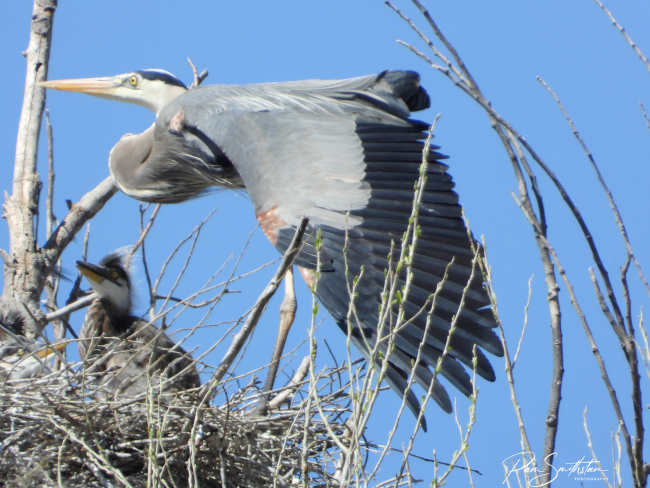
A great blue heron and chick in a rookery on the Wetlands Ranch the Lake County Land Trust is working to acquire. Photo courtesy of the Lake County Land Trust.

LAKE COUNTY, Calif. — The Lake County Land Trust has received the approval of a $975,000 grant from the California Department of Fish and Wildlife to purchase a large parcel just east of the Clear Lake Keys subdivision in Clear Lake Oaks.

In 2023, the Lake County Land Trust discovered the “Wetlands Ranch,” an 85-acre interior wetland adjacent to the Clear Lake Keys east channel.

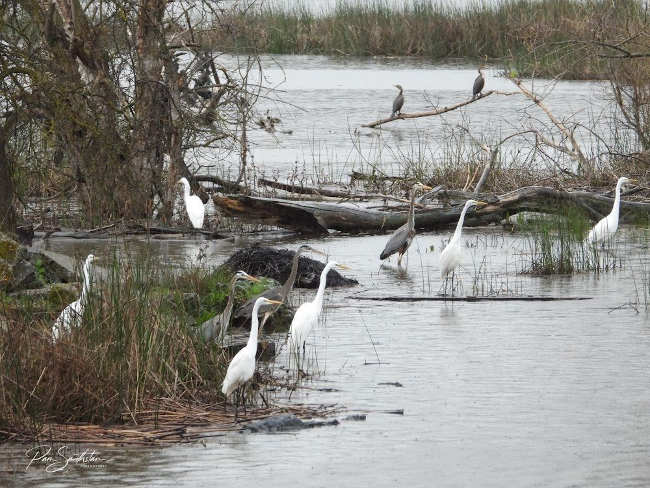
This area is rich in wildlife habitat, including a mixed rookery of great blue herons, cormorants and egrets.

The discovery was brought to the Land Trust’s attention by residents of the Keys, who have a history of collaborating with the Blue Ribbon Committee on restoration projects in Lake County.

The project team, working on a multi-phase initiative in the Keys, introduced the Land Trust to HANA Resources, a full-service environmental consulting firm dedicated to enhancing threatened habitats, strengthening local ecosystems and improving the quality of life for Clear Lake Keys residents.

The team includes Donna Mackiewicz of Redbud Audubon, Chris DiVittorio of Pinecrest Research Corp., Christine Schneider of Native Sage Consulting, and Roberta Lyons of the Land Trust.

Future restoration plans for the Wetland Ranch include removing an improperly constructed stormwater diversion ditch that has disrupted the natural drainage of the wetland.

The Land Trust will partner with HANA to acquire the property using the grant funds recently awarded by the California Department of Fish and Wildlife.

Egrets and great blue herons on the Wetlands Ranch the Lake County Land Trust is working to acquire. Photo courtesy of the Lake County Land Trust.

Once the acquisition is completed, the Land Trust will hold the fee title to the land, ensuring its conservation in perpetuity.

Additionally, the Land Trust and HANA are in discussions with the Elem Indian Colony, which is interested in participating in the restoration and co-management of the property, pending full tribal council approval.

The next step is the purchase of the property which is owned by an LLC.
“The Lake County Land Trust is excited about the approval of the grant to acquire this 85-acre wetlands property,” said Lake County Land Trust President Val Nixon. “This project advances our efforts to restore the wetlands surrounding Clear Lake and is an important step in providing improved habitat and protection for the iconic and threatened Clear Lake Hitch. We appreciate CDFW’s support and look forward to the future goal of restoring this land for the benefit of wildlife and the residents of the area.”

Lyons told Lake County News that this will be the Land Trust’s first south county project, and they’re excited about it.

“It will be a great project,” Lyons said. “In the future we can do all kinds of things there."

Once the acquisition is completed, Lyons said the Land Trust will own more than 600 acres of land and valuable habitat.


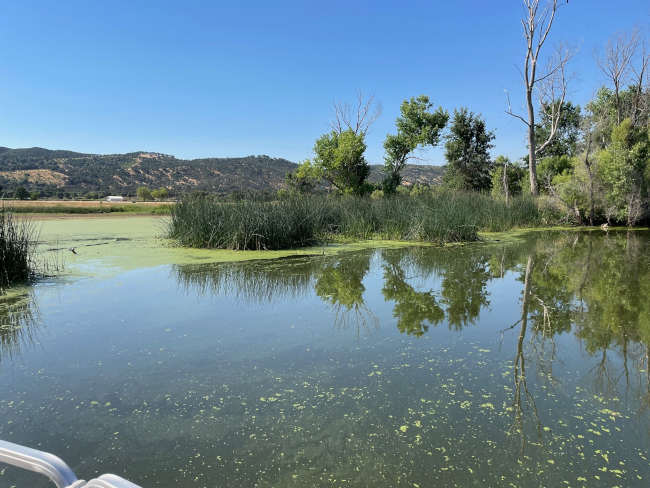
The channel on the Wetlands Ranch the Lake County Land Trust is working to acquire. Photo courtesy of the Lake County Land Trust.

Helping Paws: Aussies and terriers

Details
Written by: Elizabeth Larson
Published: 29 September 2024
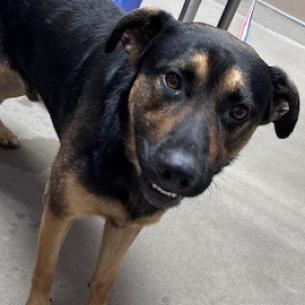
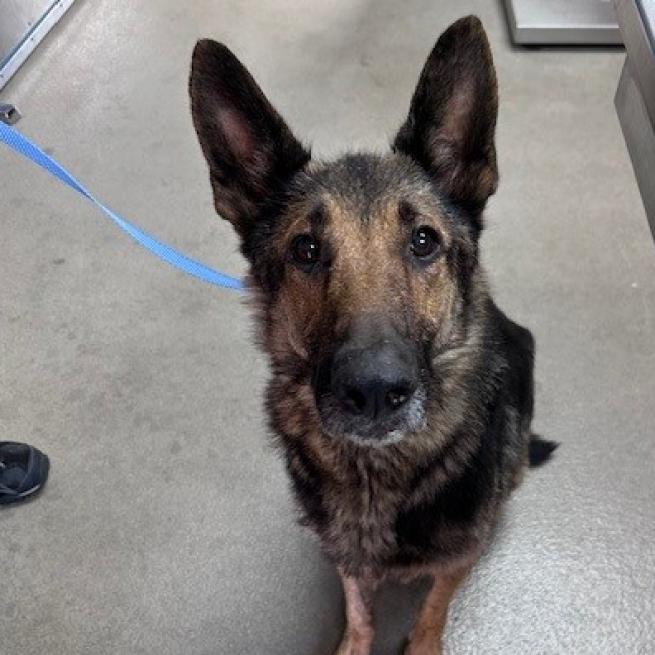
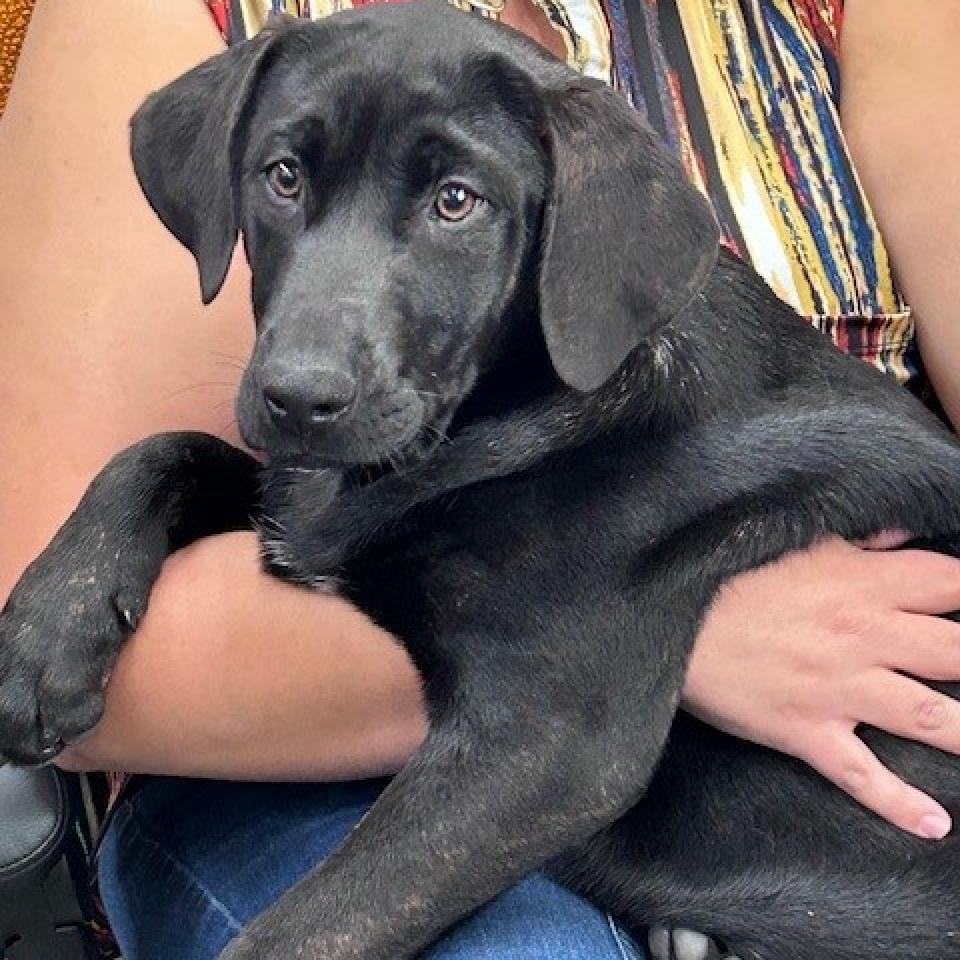
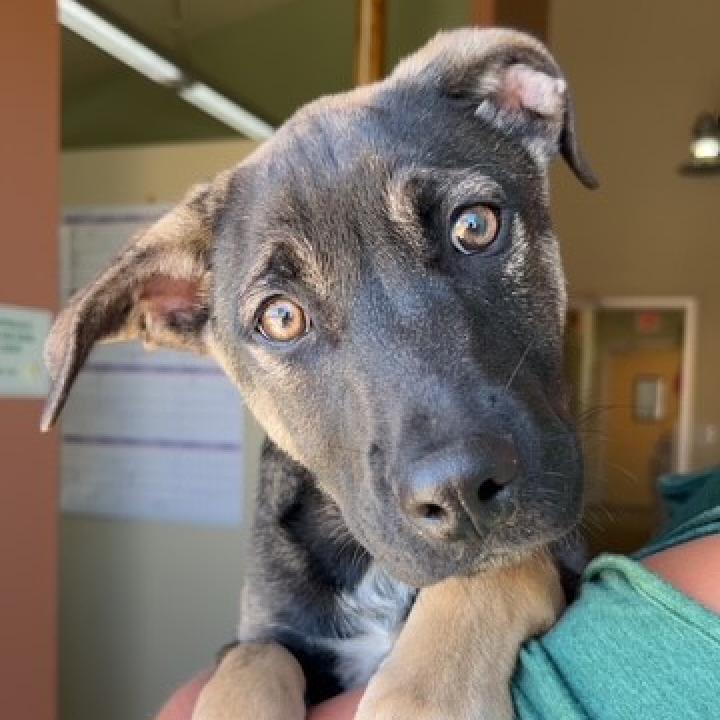
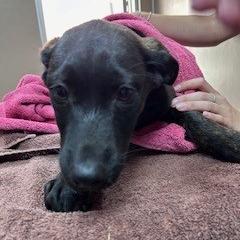
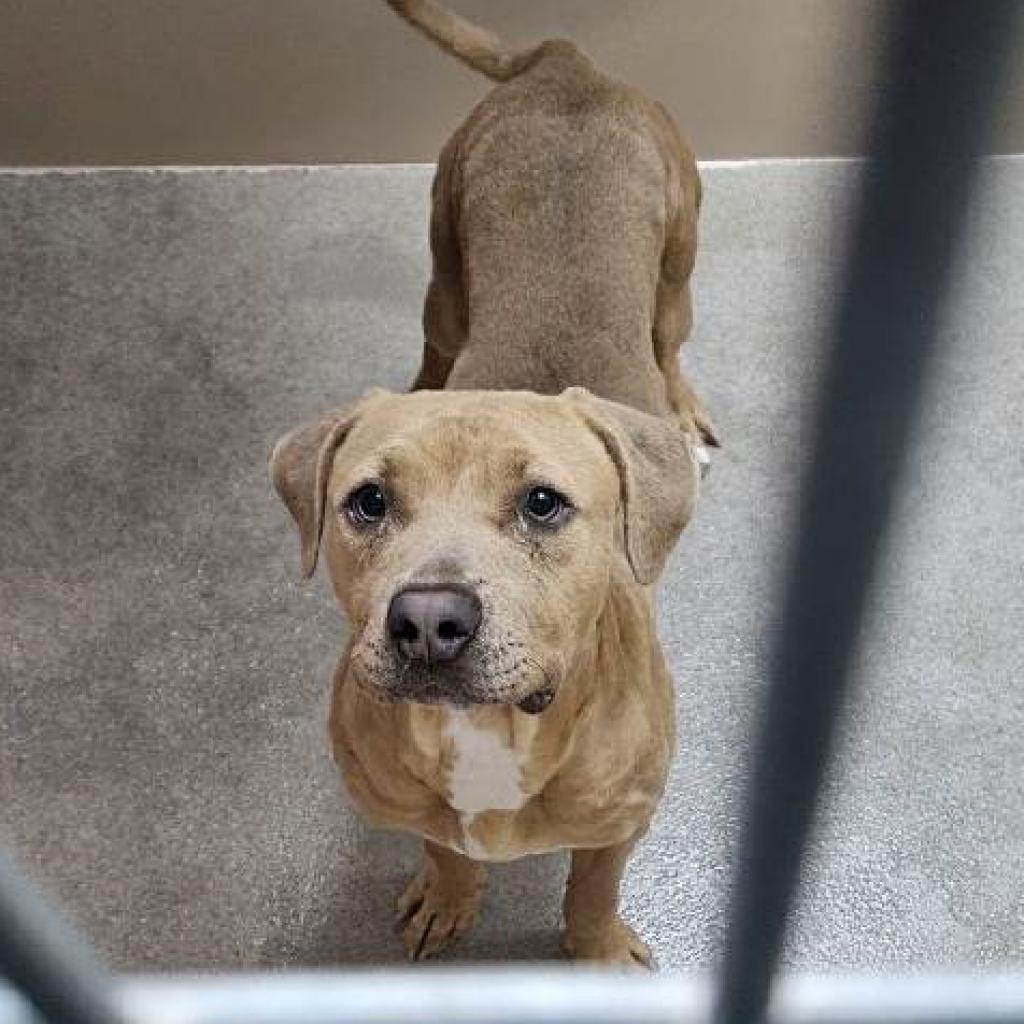
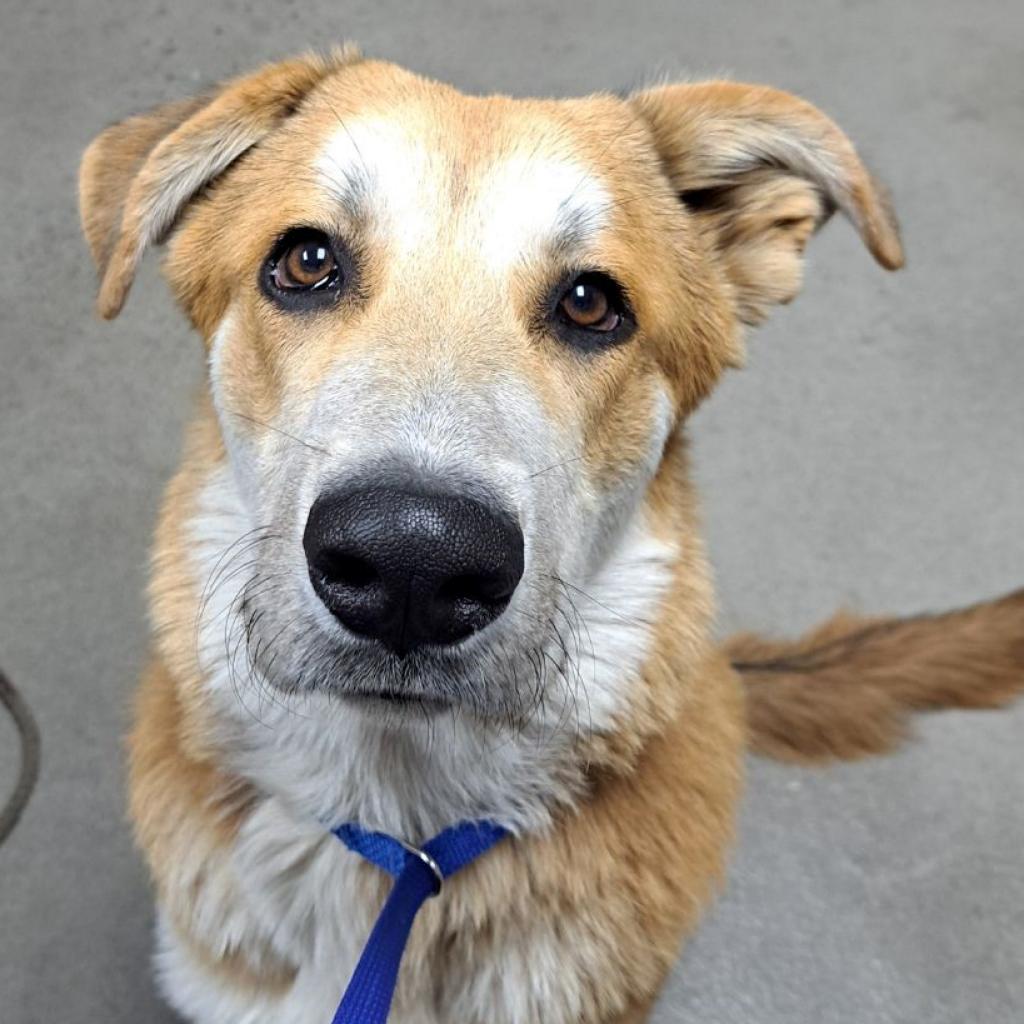
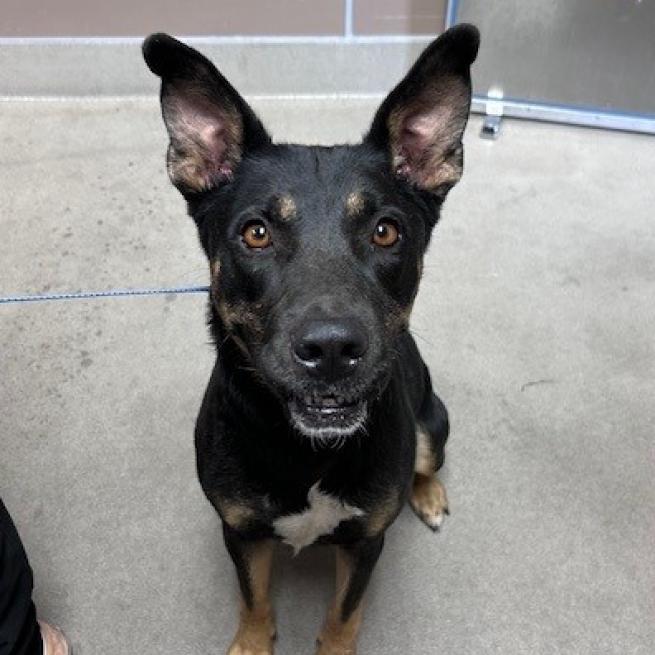
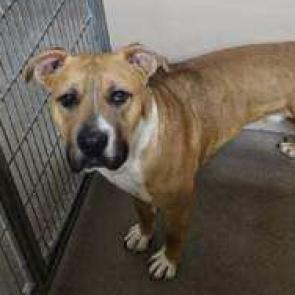
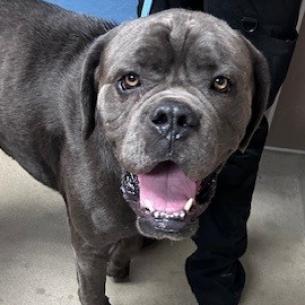
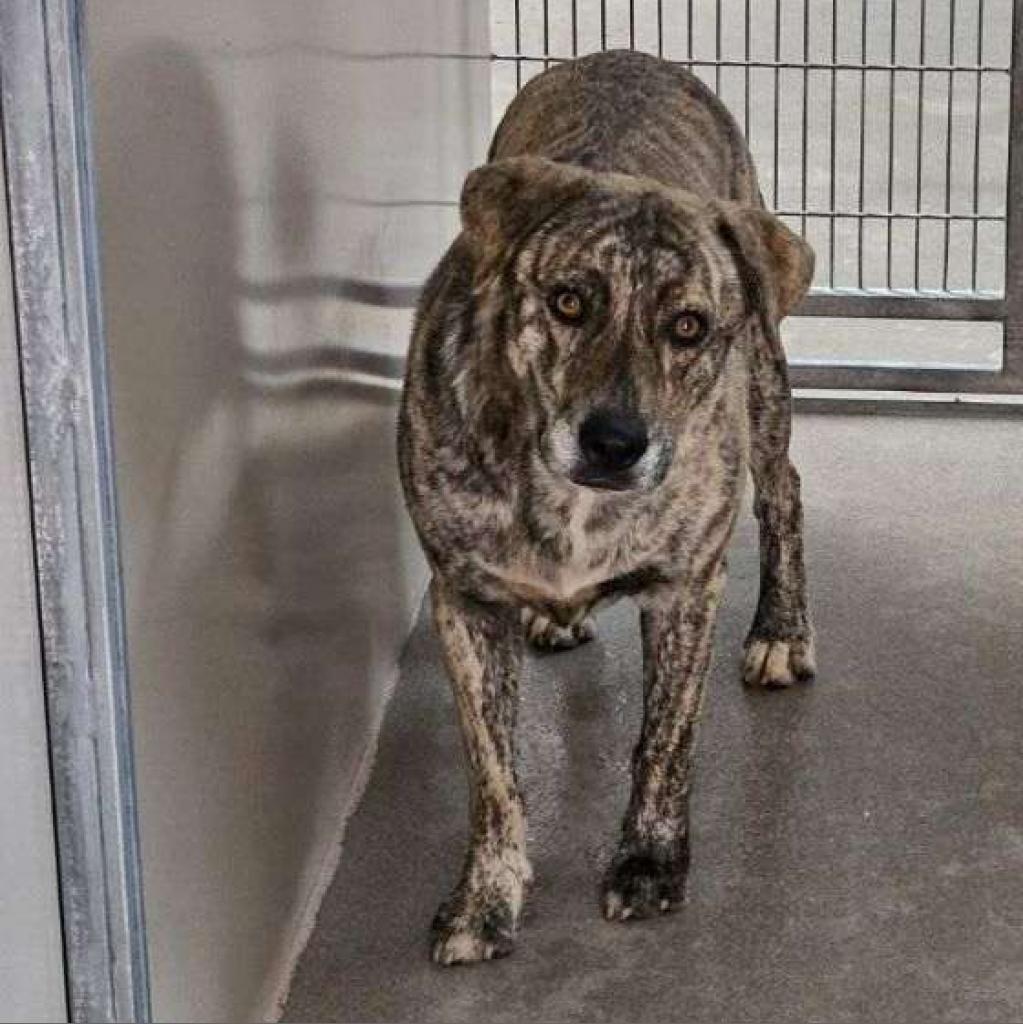
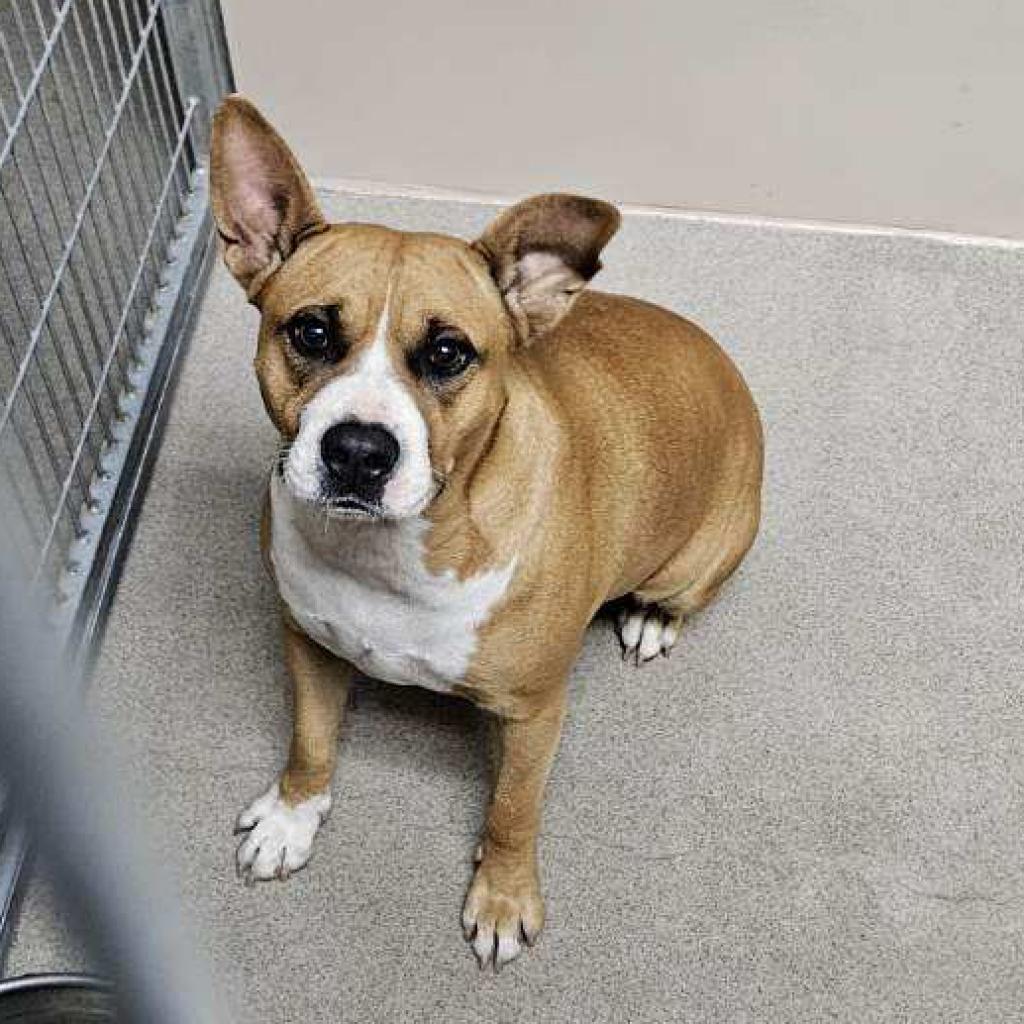
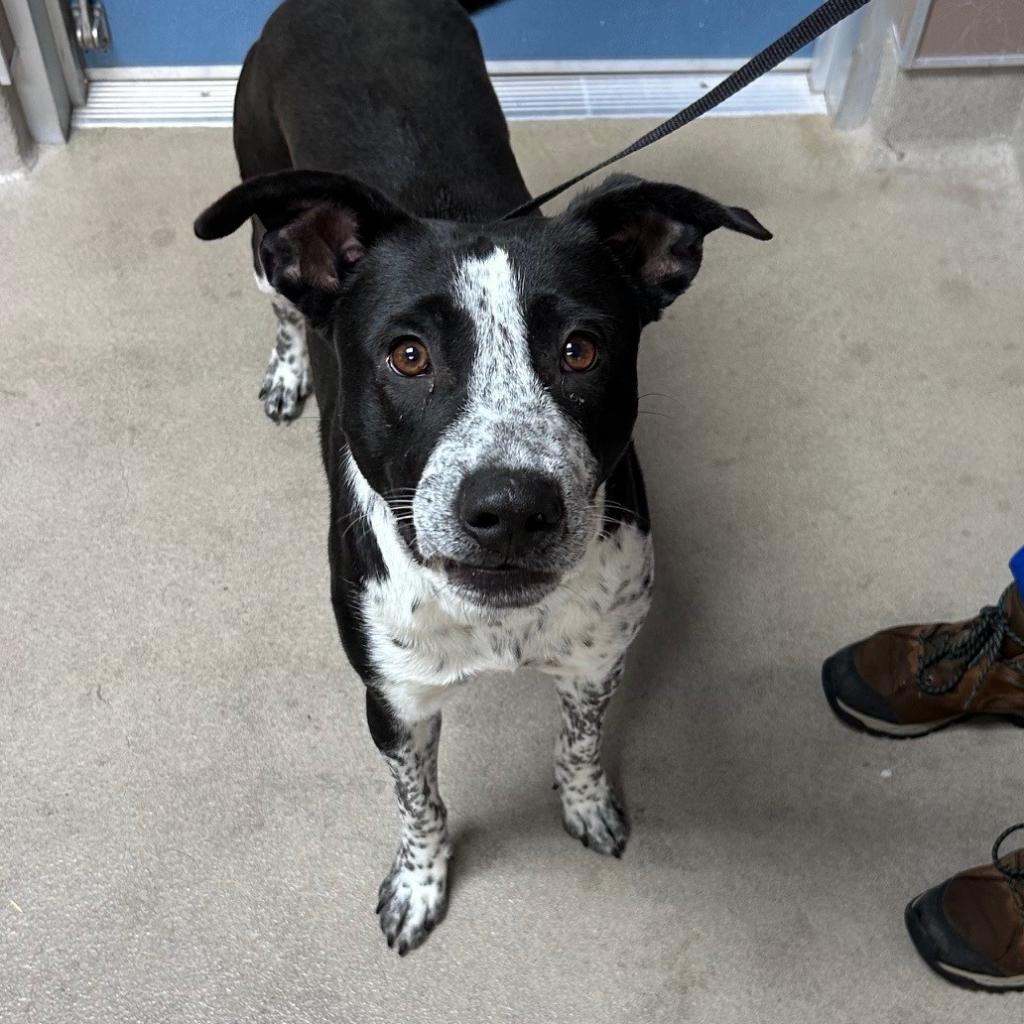
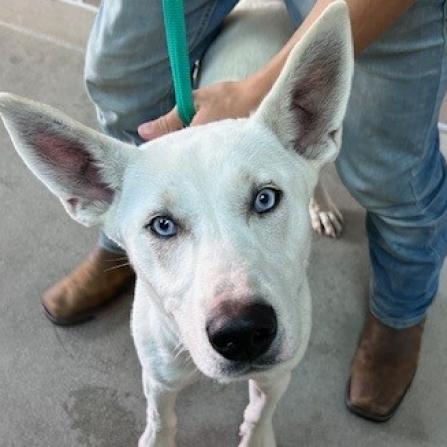
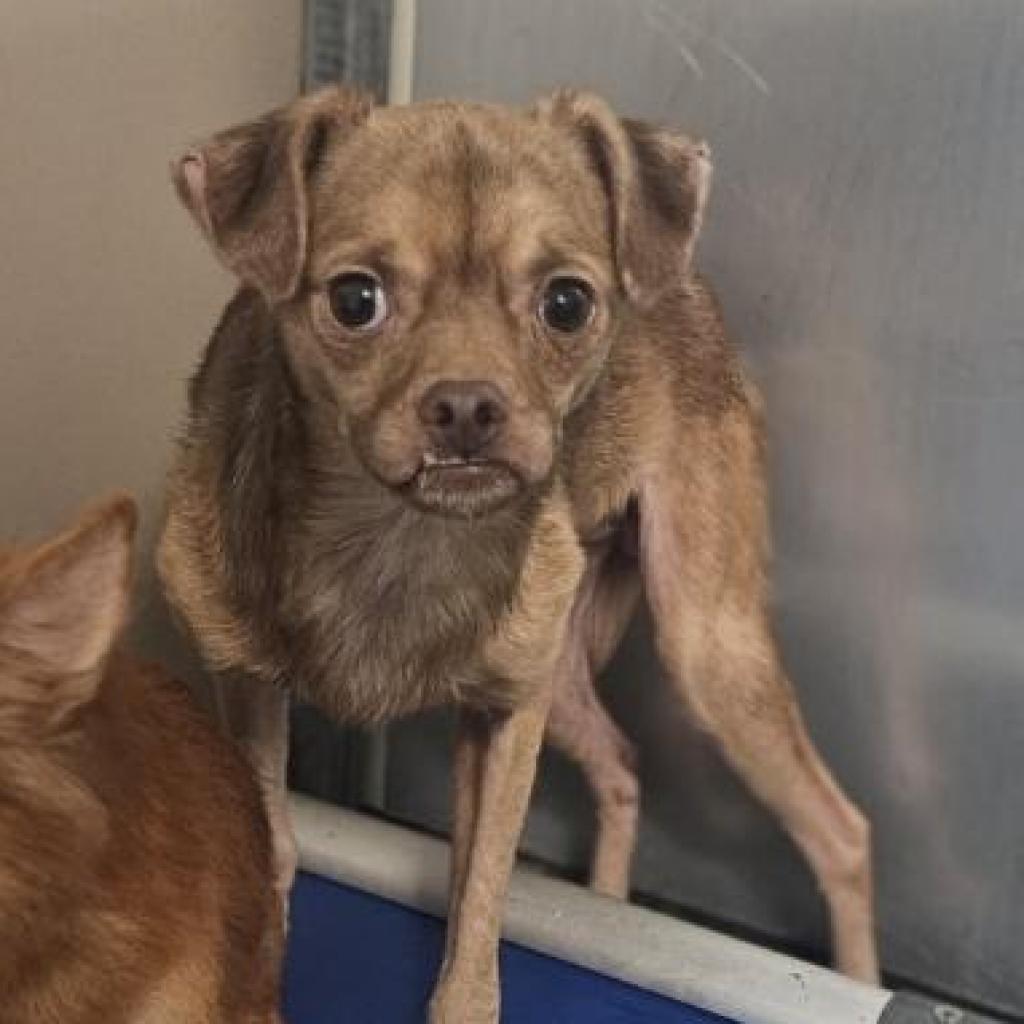
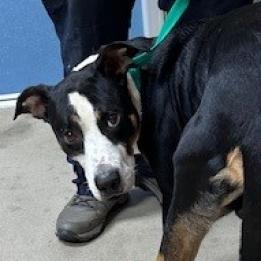
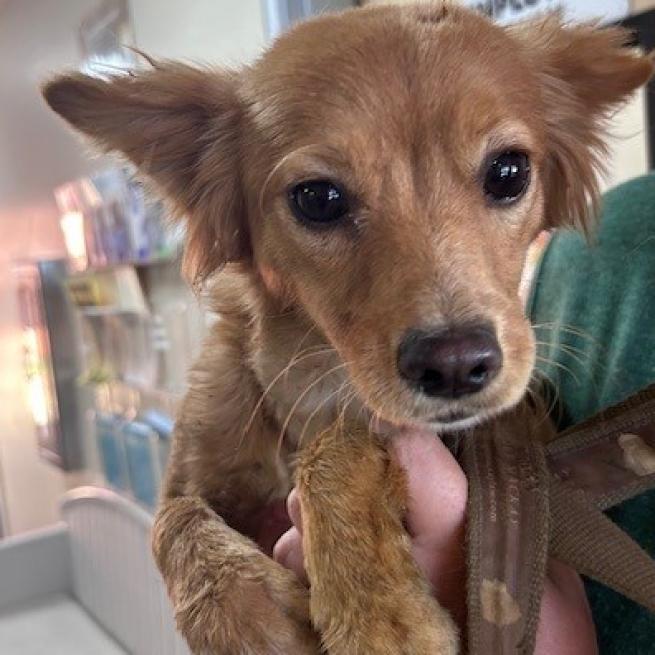
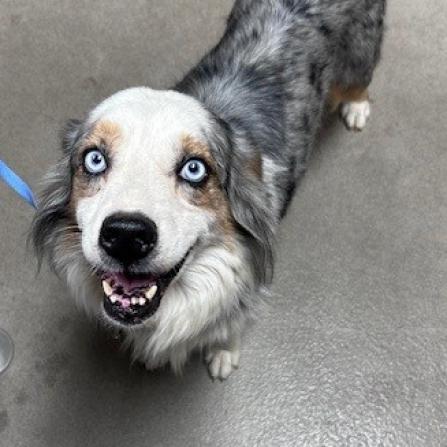
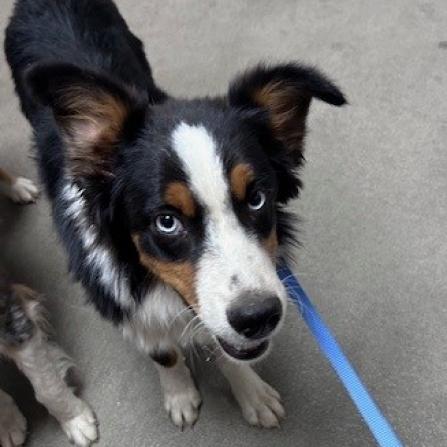
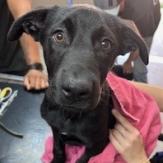
LAKE COUNTY, Calif. — Lake County Animal Care and Control is housing many dogs that are ready for new homes.

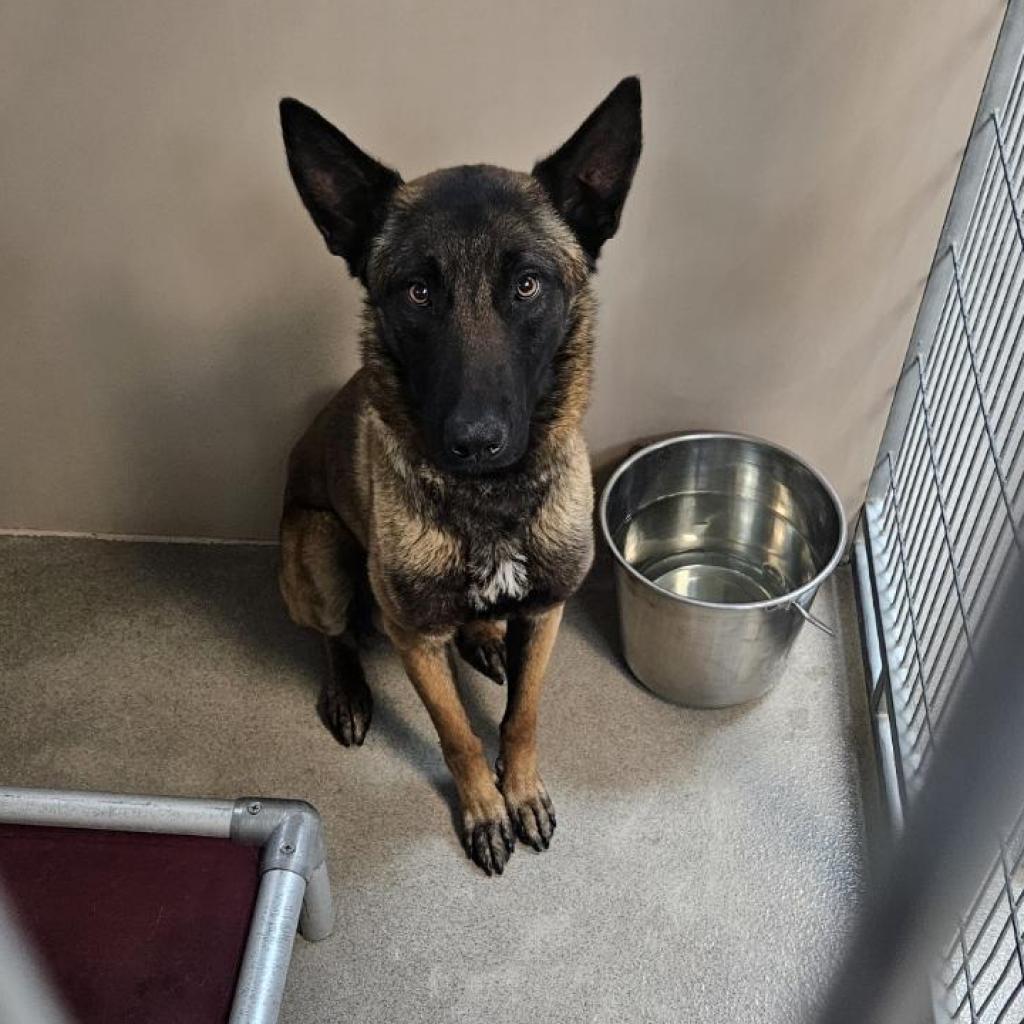
The dogs available for adoption this week include mixes of Anatolian shepherd, Australian cattle dog, Australian shepherd, border collie, boxer, cane corso, Chihuahua, German shepherd, husky, Labrador Retriever, pit bull terrier and terrier.

Dogs that are adopted from Lake County Animal Care and Control are either neutered or spayed, microchipped and, if old enough, given a rabies shot and county license before being released to their new owner. License fees do not apply to residents of the cities of Lakeport or Clearlake.

Those dogs and the others shown on this page at the Lake County Animal Care and Control shelter have been cleared for adoption.

Call Lake County Animal Care and Control at 707-263-0278 or visit the shelter online for information on visiting or adopting.

The shelter is located at 4949 Helbush in Lakeport.

Email Elizabeth Larson at This email address is being protected from spambots. You need JavaScript enabled to view it.. Follow her on Twitter, @ERLarson, or Lake County News, @LakeCoNews.

Kennel#34's preview photo
Kennel#34

Kennel#21's preview photo
Kennel#21

Kennel#8's preview photo
Kennel#8

Kennel#27's preview photo
Kennel#27

Kennel#30a(GreenCollar)'s preview photo
Kennel#30a(GreenCollar)

Kennel#32c(PinkCollar)'s preview photo
Kennel#32c(PinkCollar)

Kennel#15a(blue collar)'s preview photo
Kennel#15a(blue collar)

Kennel#15b(green collar)'s preview photo
Kennel#15b(green collar)

Kennel#16c(blue collar)'s preview photo
Kennel#16c(blue collar)

Kennel#16d(yellow collar)'s preview photo
Kennel#16d(yellow collar)

Kennel#17e(red collar)'s preview photo
Kennel#17e(red collar)

Kennel#4's preview photo
Kennel#4

Kennel#10's preview photo
Kennel#10

Kennel#23(Kora)'s preview photo
Kennel#23(Kora)

Kennel#14's preview photo
Kennel#14

Kennel#33's preview photo
Kennel#33

Kennel#2's preview photo
Kennel#2

Kennel#5's preview photo
Kennel#5

Kennel#11(Mona Lisa, Sweetie)'s preview photo
Kennel#11(Mona Lisa, Sweetie)

Kennel#7's preview photo
Kennel#7

Kennel#22's preview photo
Kennel#22


Kennel#26a's preview photo
Kennel#26a

Kennel#25's preview photo
Kennel#25


Kennel#18's preview photo
Kennel#18

Kennel#3's preview photo
Kennel#3

Kennel#20's preview photo
Kennel#20

Kennel#31's preview photo
Kennel#31

Kennel#29's preview photo
Kennel#29
 

Changes to notification alert system used to find missing Native Americans signed into law

Details
Written by: Lake County News reports
Published: 29 September 2024
Gov. Gavin Newsom has signed AB 2348, a bill that would revise and strengthen California’s Feather Alert — a notification alert system similar to the AMBER and Silver alerts — by requiring law enforcement agencies to respond within 24 hours of a request, and allowing tribal governments to directly communicate with the California Highway Patrol.

Assemblymember James C. Ramos (D-San Bernardino) authored the original bill, AB 1314, that created the alert system to notify the public when Indigenous people are missing in 2022.

“In the almost two years since the Feather Alert was activated, we have learned that the process can be streamlined and made more accessible to tribal communities,” Ramos said.

Since the Feather Alert took effect, tribal communities made five requests from tribal communities, but the California Highway Patrol, in consultation with local law enforcement, granted activation in two instances.

Of the two approved alerts, only one missing individual was found.

AB 2348 would further streamline the process for activating the Feather Alert and remove ambiguity in the process of requesting the alert activation.

The proposed changes would provide tribal governments with a pathway to directly communicate with CHP, as long as certain criteria are met with local law enforcement within 24 hours.

“AB 2348 will be a helpful tool in getting Feather Alerts activated quicker,” Ramos said. “The 24-hour window of determination by our law enforcement partners will help to determine the direction our tribal partners and their family can take in regards to their missing family members. Earlier this year, the Assembly reviewed the effectiveness of this important tool one year after its enactment, and listened to tribal members and law enforcement. We are committed to ensuring that this life-saving notification system works effectively and easily for families worried about missing loved ones.”

Diet-related diseases are the No. 1 cause of death in the US – yet many doctors receive little to no nutrition education in med school

Details
Written by: Nathaniel Johnson, University of North Dakota and Madeline Comeau, University of North Dakota
Published: 29 September 2024


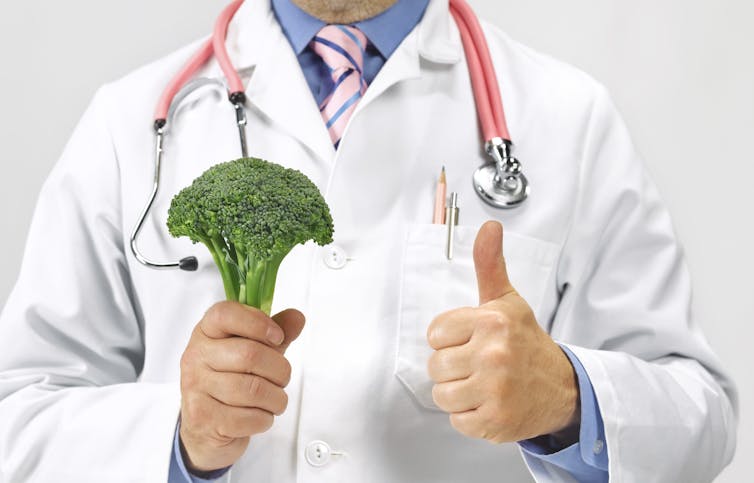
Nearly 60% of respondents to one medical school survey said they received no nutritional education at all. Peter Dazeley/The Image Bank via Getty Images

On television shows like “Grey’s Anatomy,” “The Resident” and “Chicago Med,” physicians seem to always have the right answer.

But when it comes to nutrition and dietary advice, that may not be the case.

One of us is an assistant professor of nutrition and dietetics; the other is a medical student with a master’s degree in nutrition.

Both of us understand the powerful effects that food has on your health and longevity. A poor diet may lead to cardiovascular disease, diabetes, obesity and even psychological conditions like depression and anxiety. Diet-related diseases are the leading causes of death in the U.S., and a poor diet is responsible for more deaths than smoking.

These health problems are not only common and debilitating, but expensive. Treating high blood pressure, diabetes and high cholesterol costs about US$400 billion per year. Within 25 years, those costs are expected to triple, to $1.3 trillion.

These facts support the need for physicians to give accurate advice about diet to help prevent these diseases. But how much does a typical physician know about nutrition?

The deficiencies in nutrition education happen at all levels of medical training.

What doctors don’t know

In a 2023 survey of more than 1,000 U.S. medical students, about 58% of respondents said they received no formal nutrition education while in medical school for four years. Those who did averaged about three hours of nutrition education per year.

That is woefully short of the goals set by the U.S. Committee on Nutrition in Medical Education back in 1985: that med students should receive a total of 25 hours of nutrition education while in school – a little more than six hours per year.

But a 2015 study showed only 29% of medical schools met this goal, and a 2023 study suggests the problem has become even worse – only 7.8% of med students reported 20 or more hours of nutrition education across all four years of med school. If this is representative of medical schools throughout the country, it has happened despite efforts to bolster nutrition education through numerous government initiatives.

Not surprisingly, the lack of education has had a direct impact on physicians’ nutrition knowledge. In a study of 257 first- and second-year osteopathic medical students taking a nutrition knowledge quiz, more than half flunked the test. Prior to the test, more than half the students – 55% – felt comfortable counseling patients on nutrition.

Unfortunately, this problem is not limited to U.S. medical schools. A 2018 global study concluded that no matter the country, nutrition education of med students is insufficient throughout the world.

Bringing nutrition education back

Even though evidence suggests that nutrition education can be effective, there are many reasons why it’s lacking. Medical students and physicians are some of the busiest people in society. The amount of information taught in medical curricula is often described as overwhelming – like drinking out of a fire hose.

First- and second-year medical students focus on dense topics, including biochemistry, molecular biology and genetics, while they learn clinical skills such as interviewing patients and understanding heart and lung sounds. Third- and fourth-year students are practicing in clinics and hospitals as they learn from physicians and patients.

As a result, their schedules are already jammed. There is no room for nutrition. And once they are physicians, it gets no better. Providing preventive care including nutrition counseling to patients would take them more than seven hours per week – and that’s not counting the time they would have to spend on continuing education to keep up with new findings in nutrition science.

On top of that, the lack of nutrition education in medical schools has been attributed to a dearth of qualified instructors for nutrition courses, as most physicians do not understand nutrition well enough to teach it.

Ironically, many medical schools are part of universities that have nutrition departments with Ph.D.-trained professors; those academicians could fill this gap by teaching nutrition to medical students. But those classes are often taught by physicians who may not have adequate nutrition training – which means truly qualified instructors, within reach of most medical schools, are left out of the process.

This doctor said he learned virtually nothing about nutrition in medical school.

Finding the right advice

The best source of nutrition information, whether for medical students or the general public, is a registered dietitian, certified nutrition specialist or some other type of nutrition professional with multiple degrees and certification. They study for years and record many practice hours in order to give dietary advice.

Although anyone can make an appointment with a nutrition professional for dietary counseling, typically a referral from a health care provider like a physician is needed for the appointment to be covered by insurance. So seeing a physician or other primary care provider is often a step before meeting with a nutrition professional.

This extra step might be one reason why many people look elsewhere, such as on their phones, for nutrition advice. However, the worst place to look for accurate nutrition information is social media. There, about 94% of posts about nutrition and diet are of low value – either inaccurate or lacking adequate data to back up the claim.

Keep in mind that anyone can post nutrition advice on social media, regardless of their qualifications. Good dietary advice is individualized and takes into account one’s age, sex, body weight, goals and personal preferences. This complexity is tough to capture in a brief social media post.

The good news is that nutrition education, when it occurs, is effective, and most medical students and physicians acknowledge the critical role nutrition plays in health. In fact, close to 90% of med students say nutrition education should be a mandatory part of medical school.

We hope that nutrition education, after being devalued or ignored for decades, will soon be an integral part of every medical school’s curriculum. But given its history and current status, this seems unlikely to happen anytime soon.

In the meantime, those who want to learn more about a healthy diet should meet with a nutrition professional, or at the very least read the 2020-2025 Dietary Guidelines for Americans or the World Health Organization’s healthy diet recommendations.The Conversation

Nathaniel Johnson, Assistant Professor of Nutrition and Dietetics, University of North Dakota and Madeline Comeau, Medical Student, University of North Dakota

This article is republished from The Conversation under a Creative Commons license. Read the original article.

  1. Space News: This rocky planet around a white dwarf resembles Earth — 8 billion years from now
  2. Lakeport to hold fall Community Cleanup Day Oct. 12
  3. Clearlake Animal Control: ‘Nemo’ and the dogs
  • 531
  • 532
  • 533
  • 534
  • 535
  • 536
  • 537
  • 538
  • 539
  • 540
How to resolve AdBlock issue?

Refresh this page