News
- Details
- Written by: Elizabeth Larson
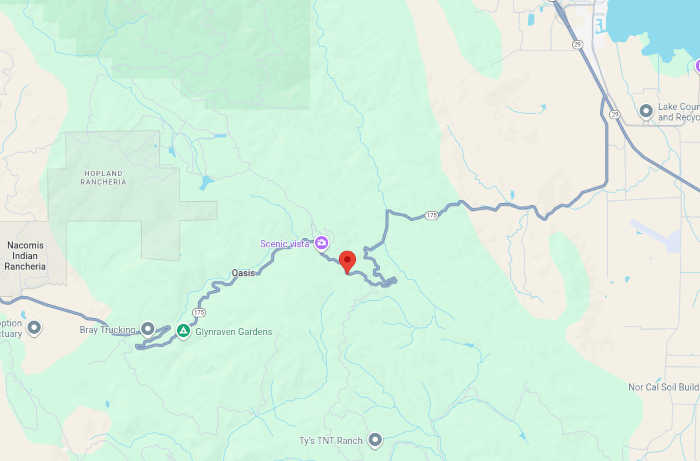
LAKE COUNTY, Calif. — A Saturday night solo-vehicle crash on the Hopland Grade sent one person to a trauma center.
The crash was first reported shortly after 7 p.m. on westbound Highway 175 just inside the Lake County line, according to the California Highway Patrol.
First responders arriving on scene, just after 7:30 p.m. reported over the radio that a vehicle was 200 feet down an embankment.
Radio reports said there was just one patient. The CHP said that individual was reported to be out of the vehicle and up on the roadway.
Lakeport Fire transported the crash victim to Sutter Lakeside Hospital, where REACH arrived at around 8:30 p.m. to pick the patient up and fly them to a trauma center.
The CHP said the crash victim suffered major injuries.
Additional information about the crash and its cause was not immediately available.
Email Elizabeth Larson at
- Details
- Written by: Elizabeth Larson
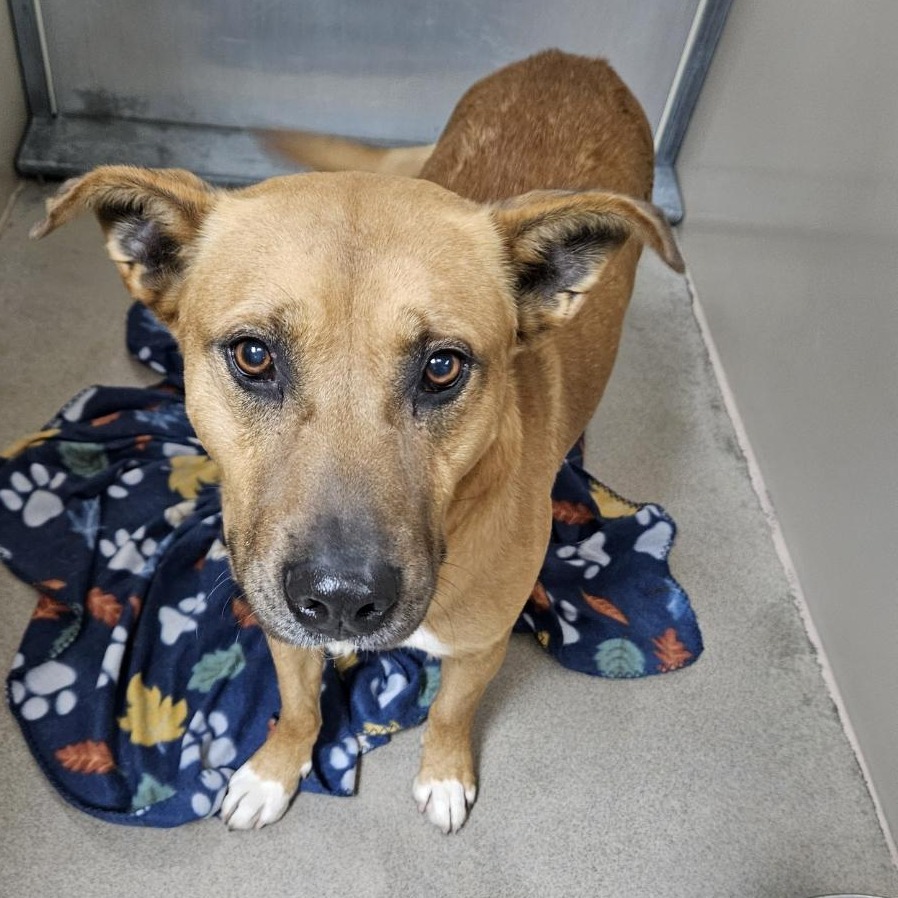
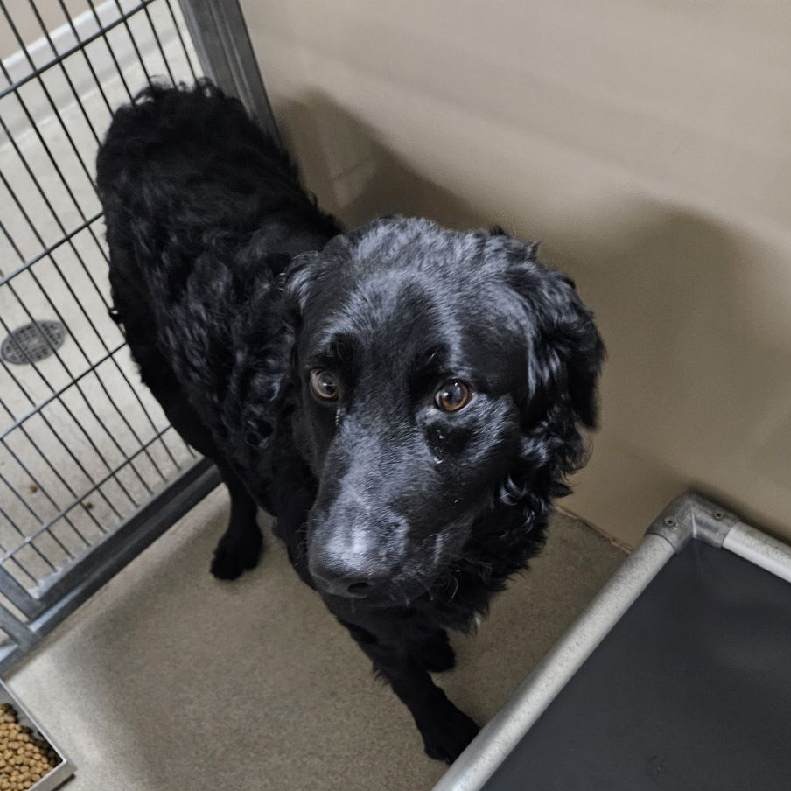
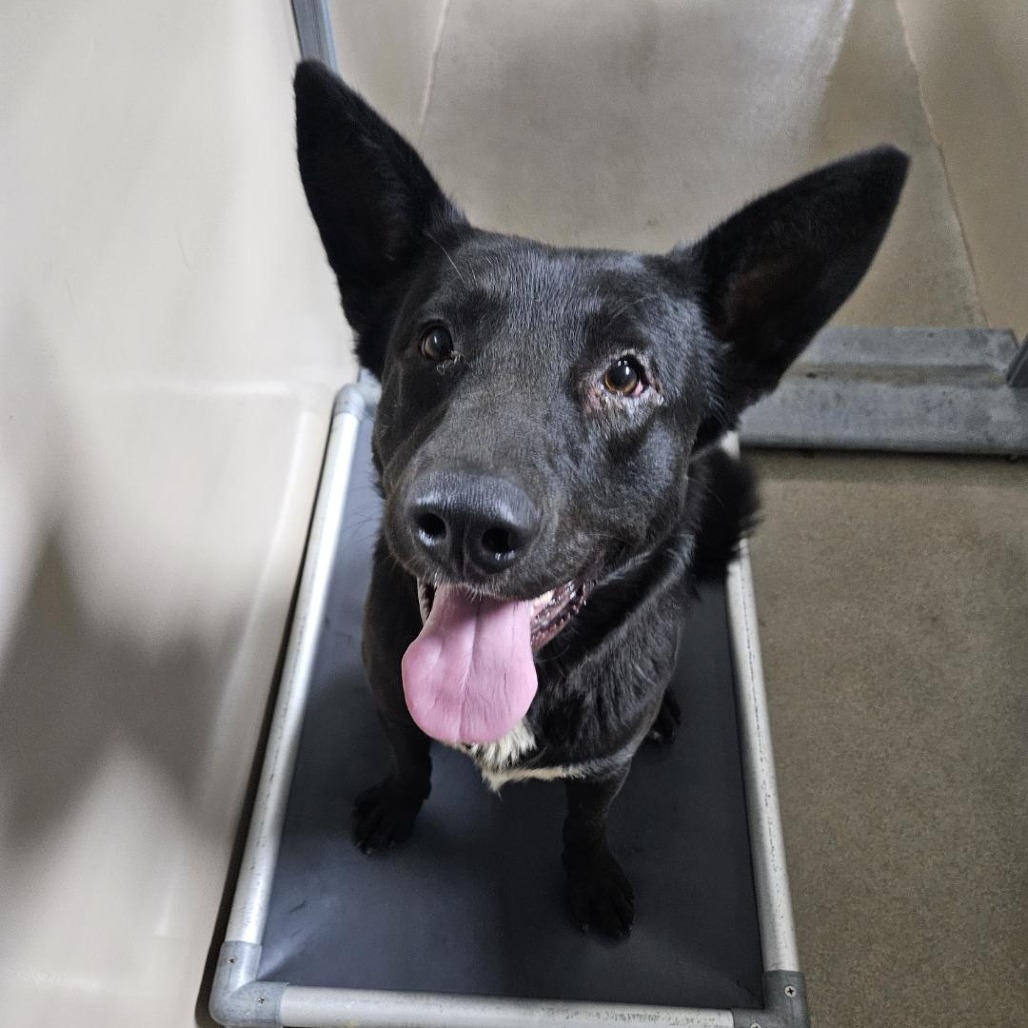
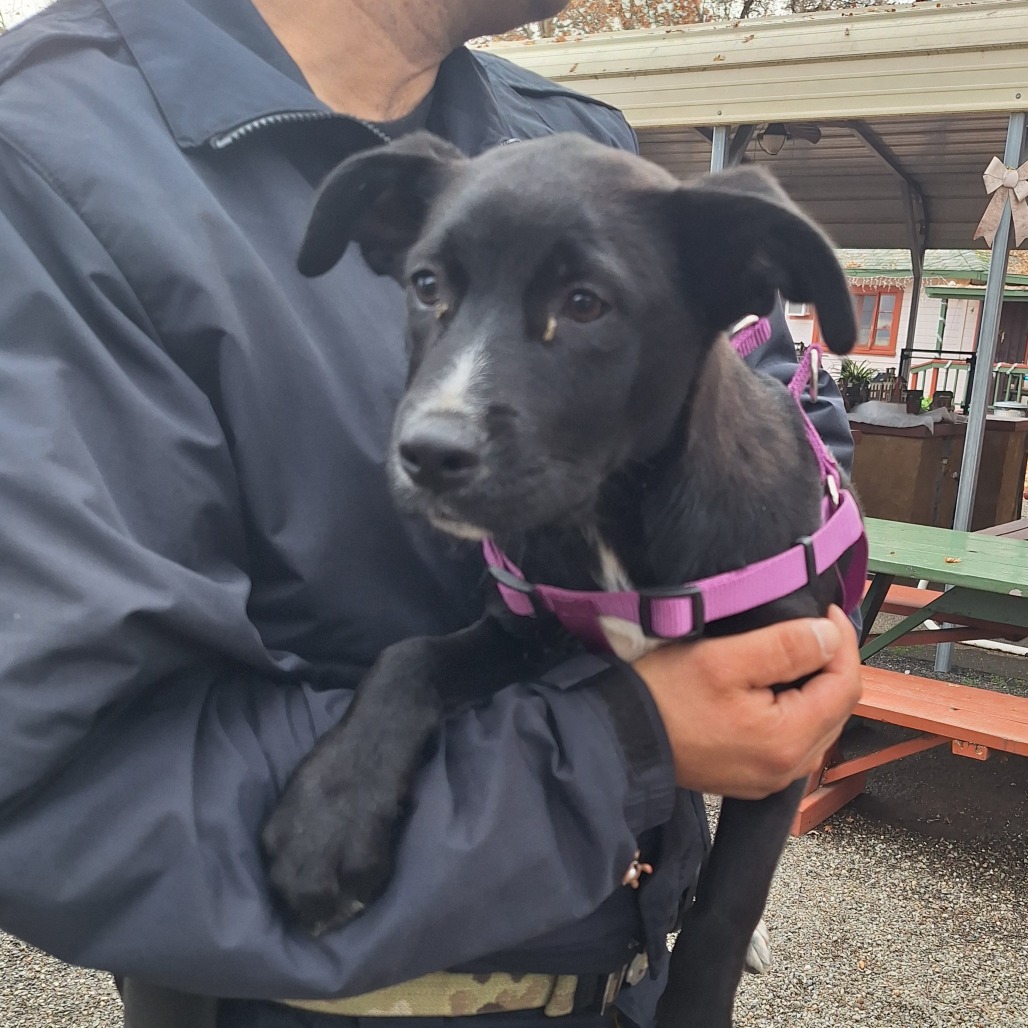
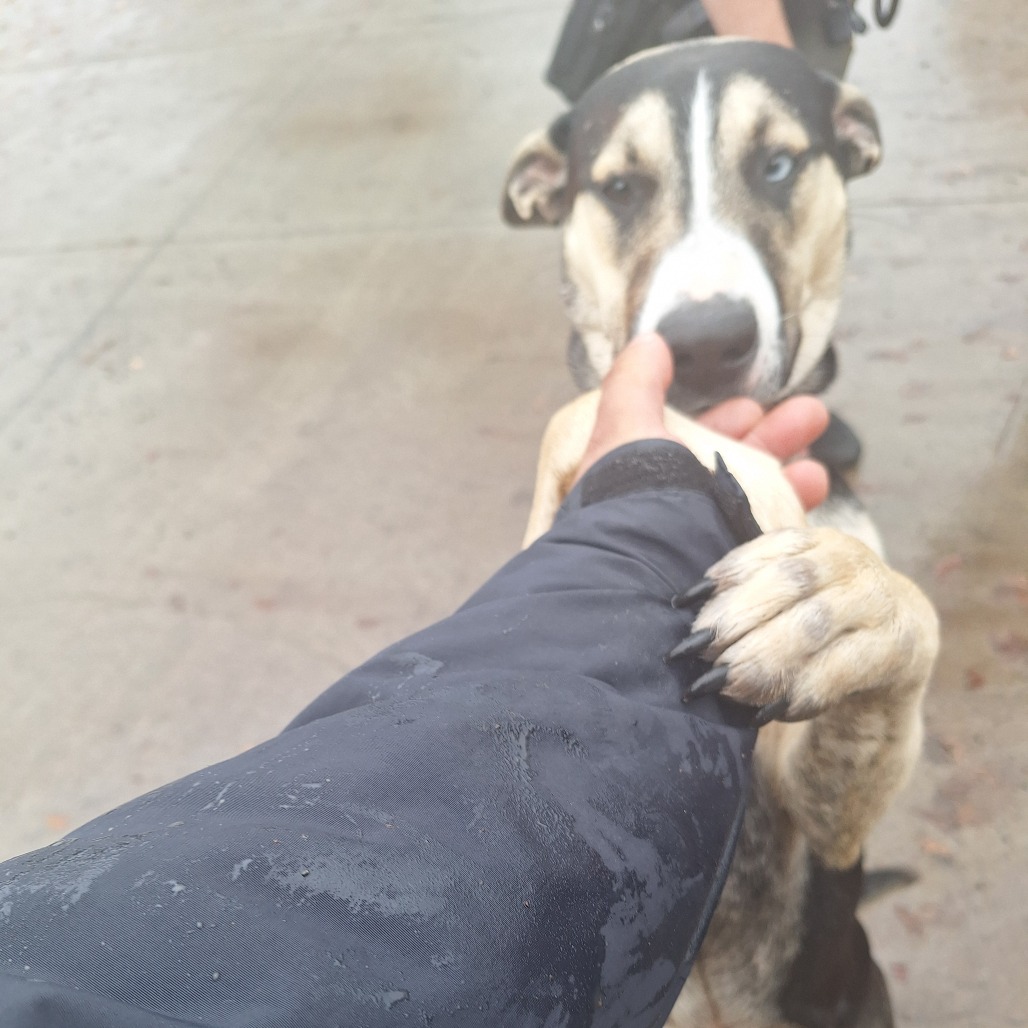
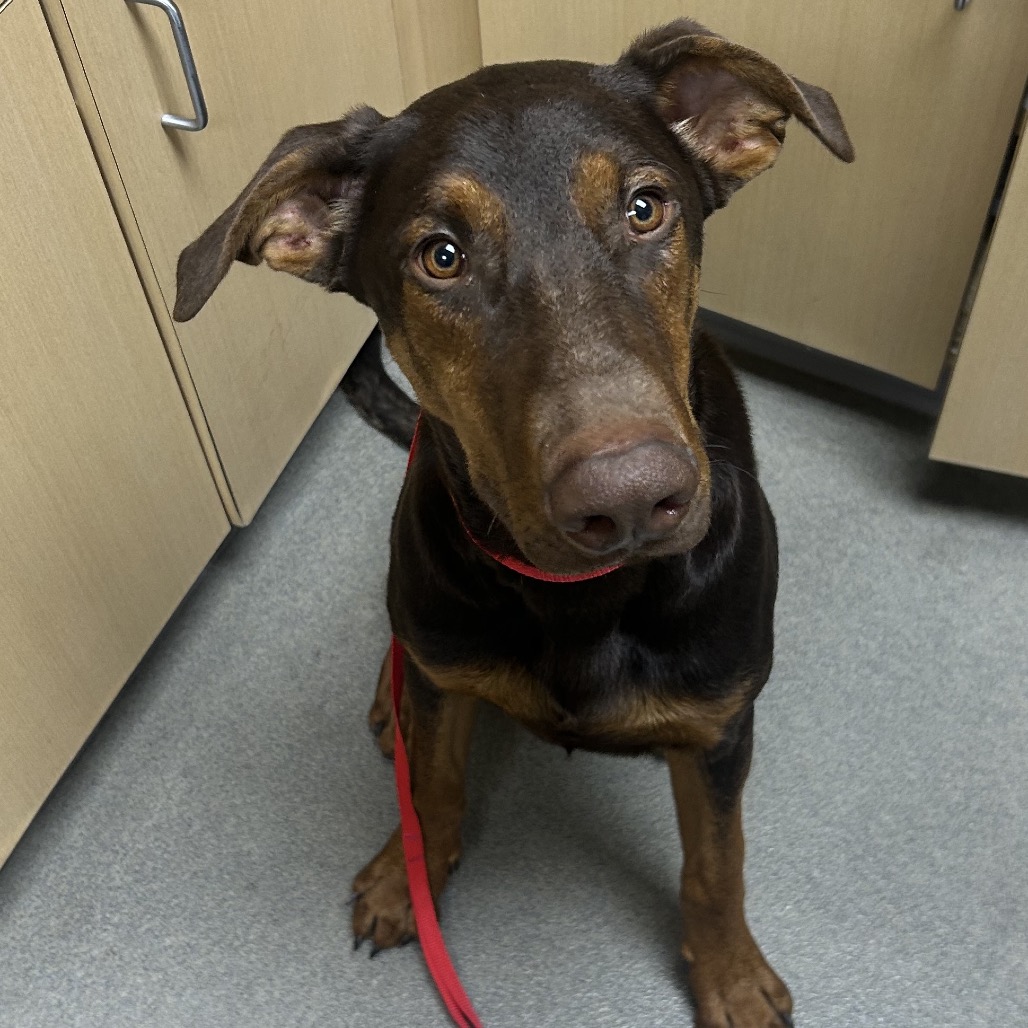
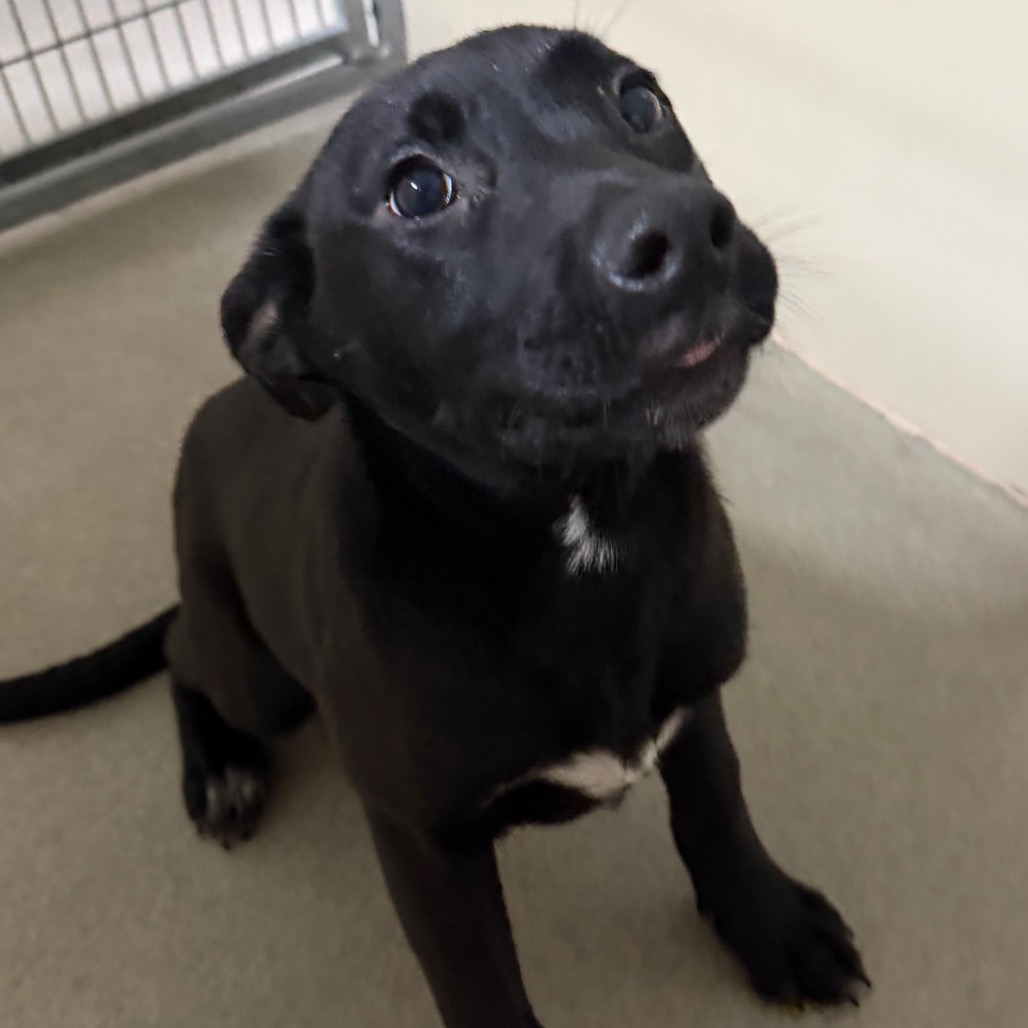
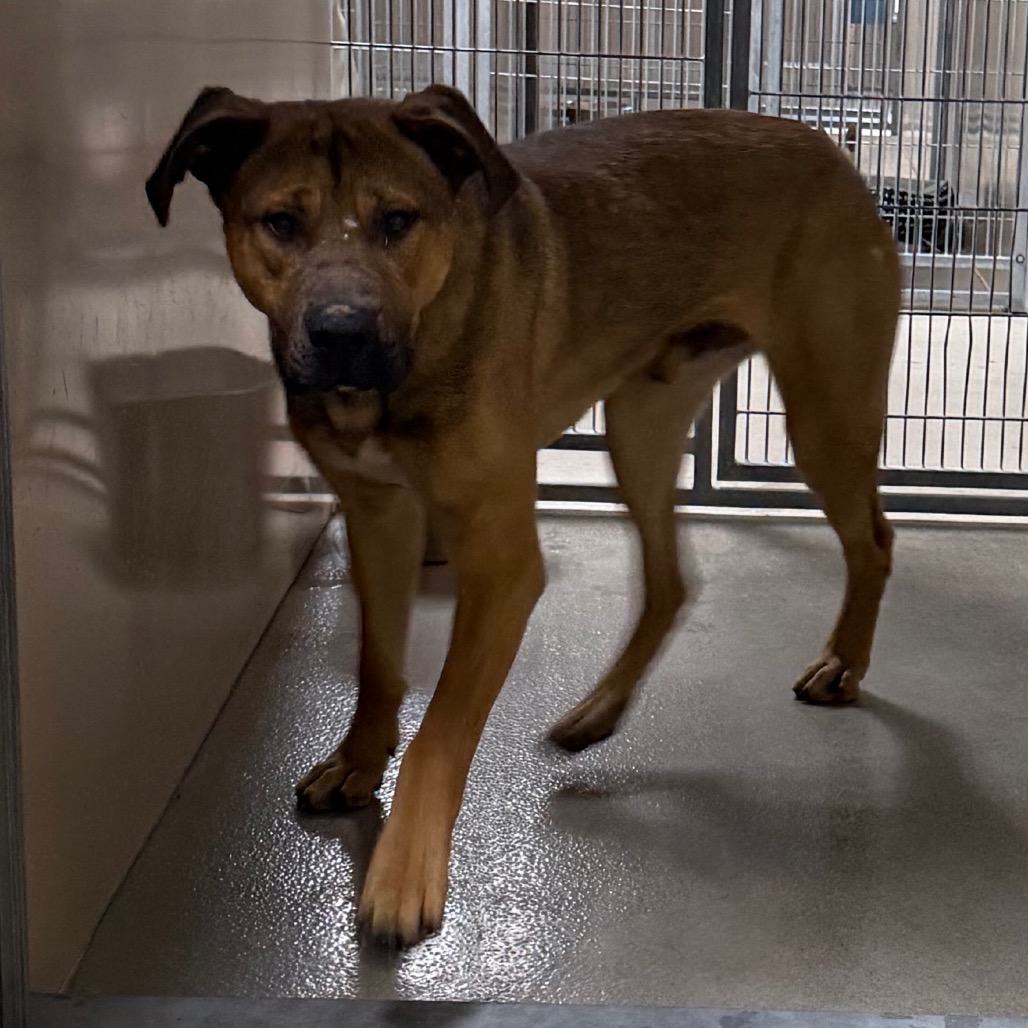
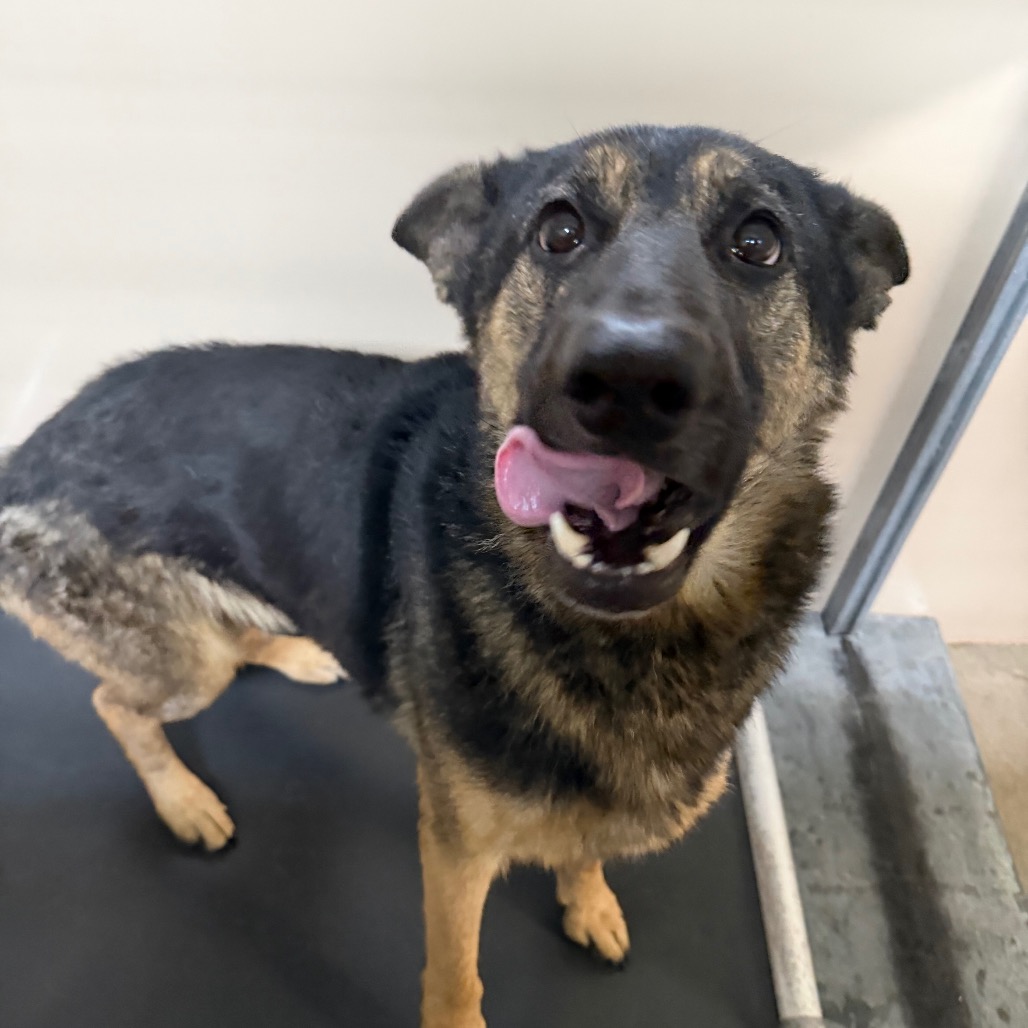
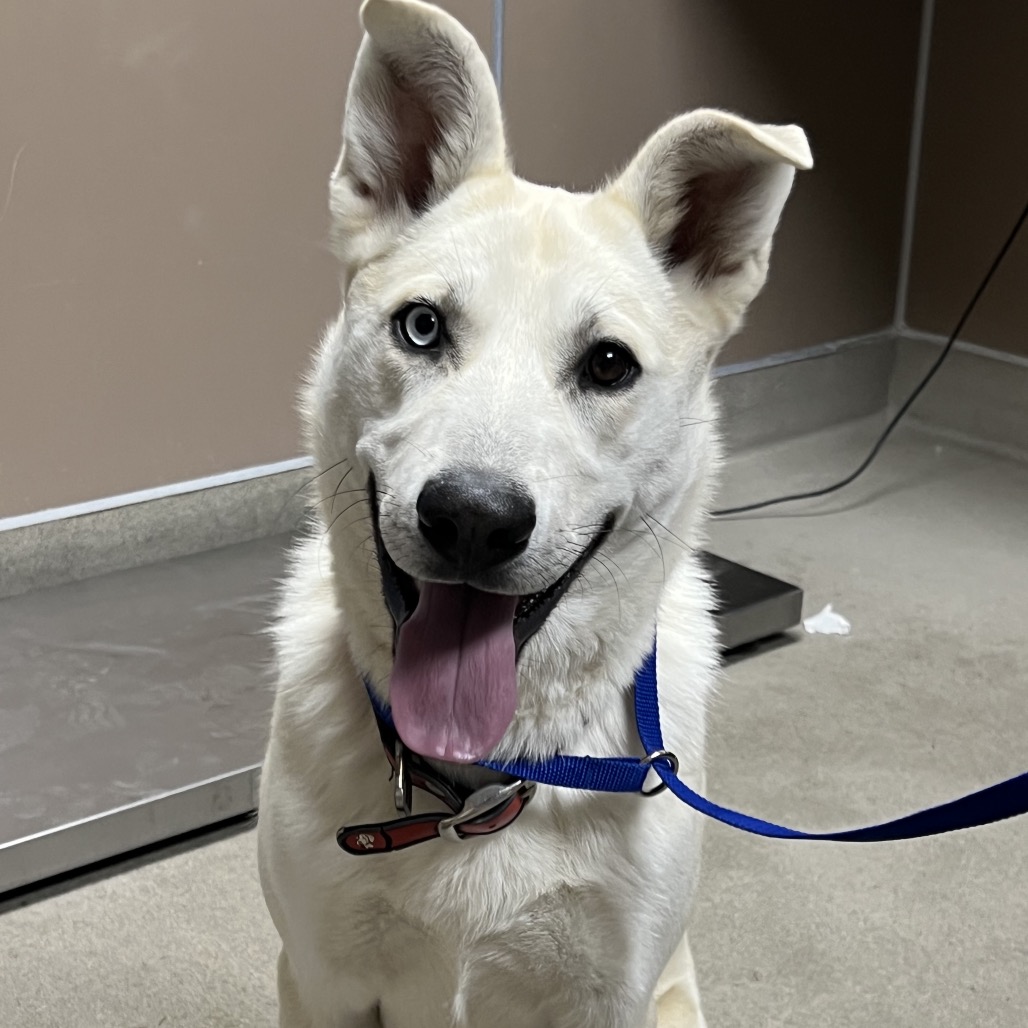
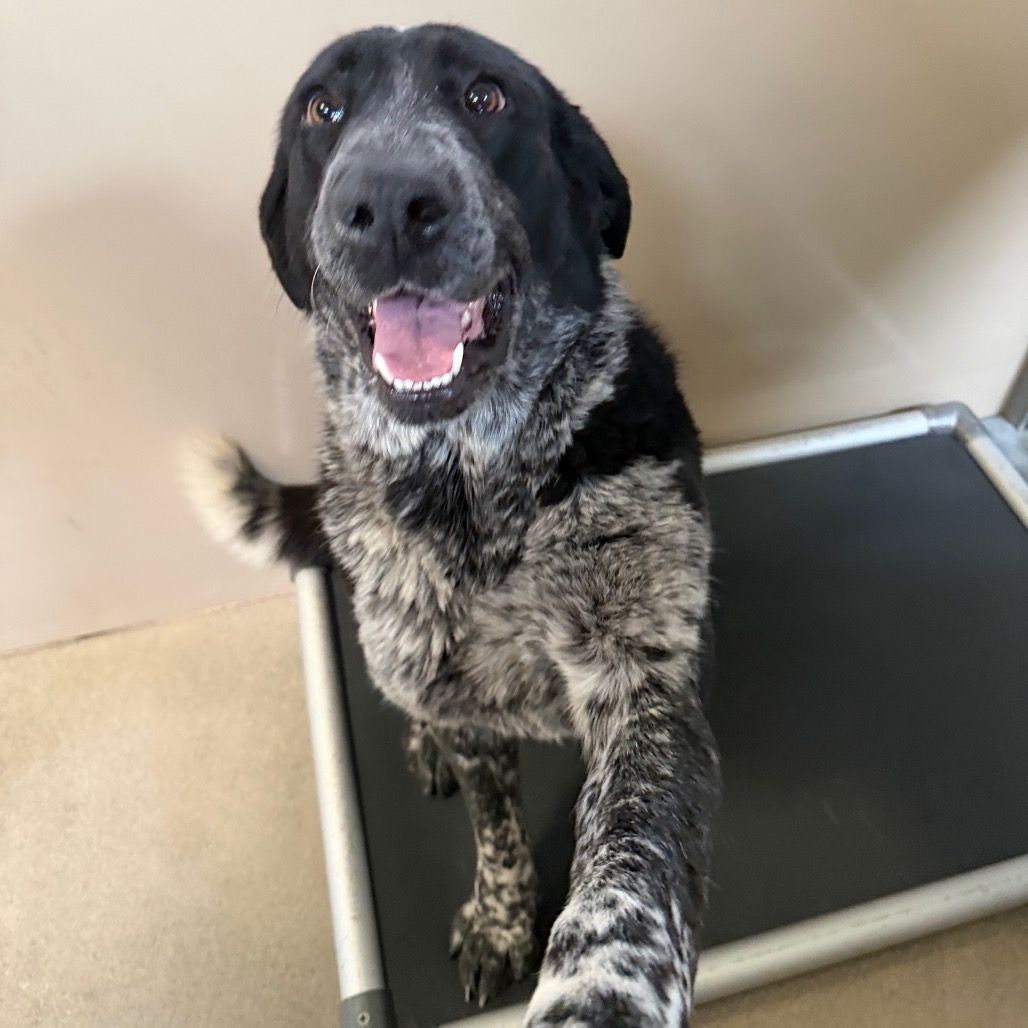
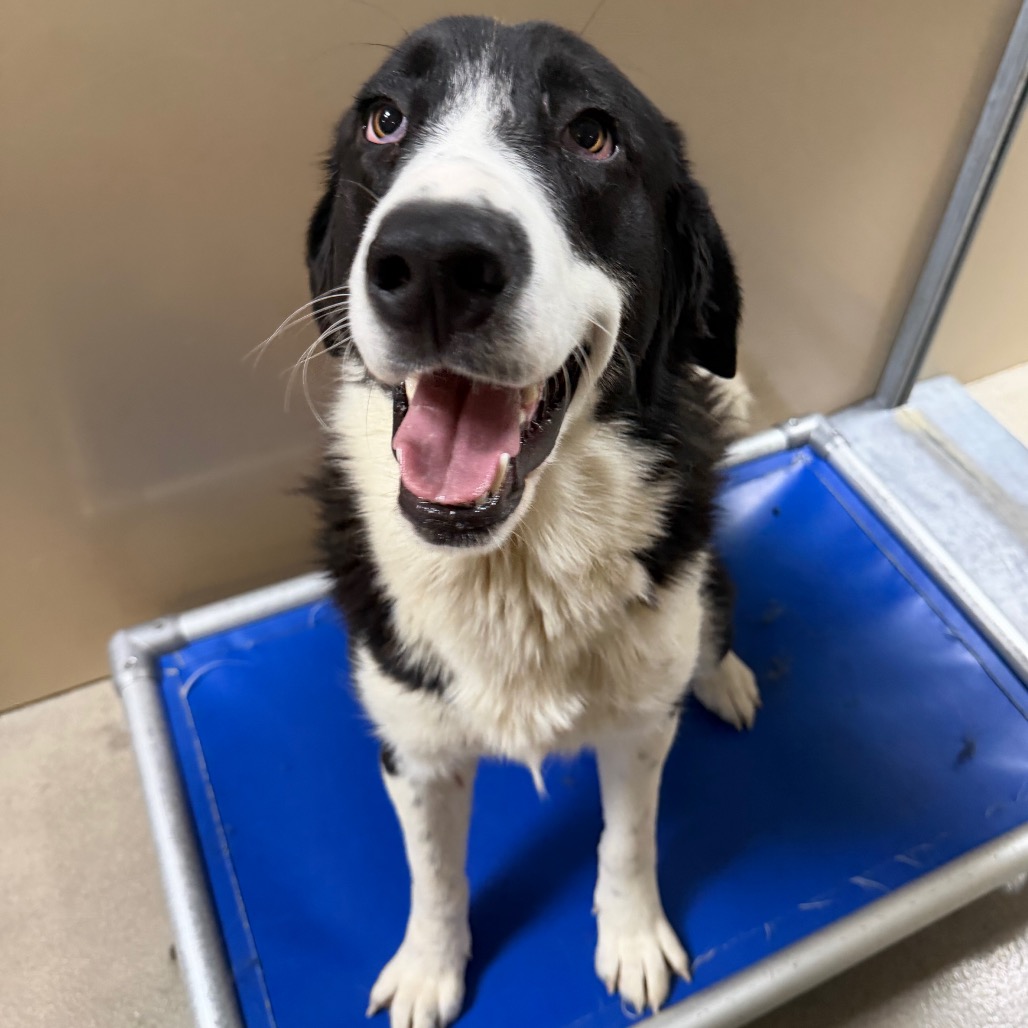
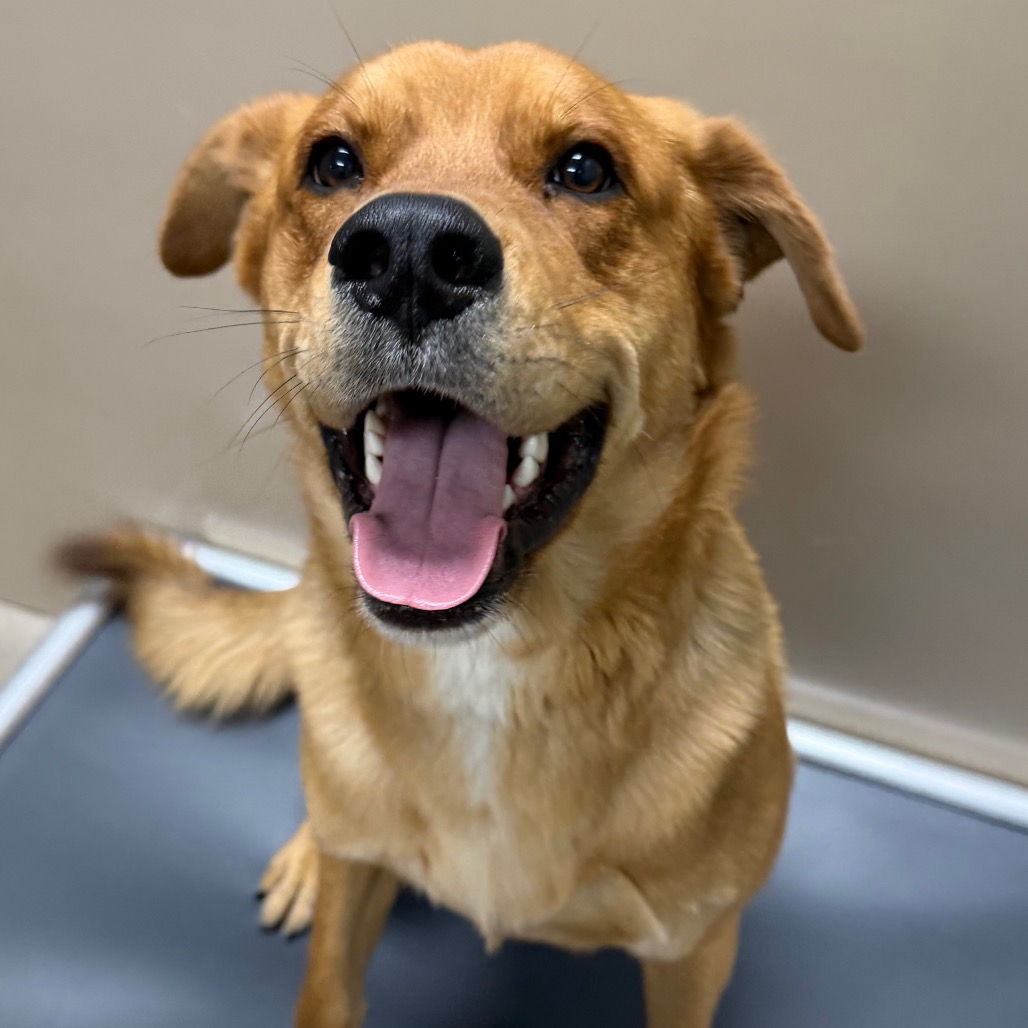
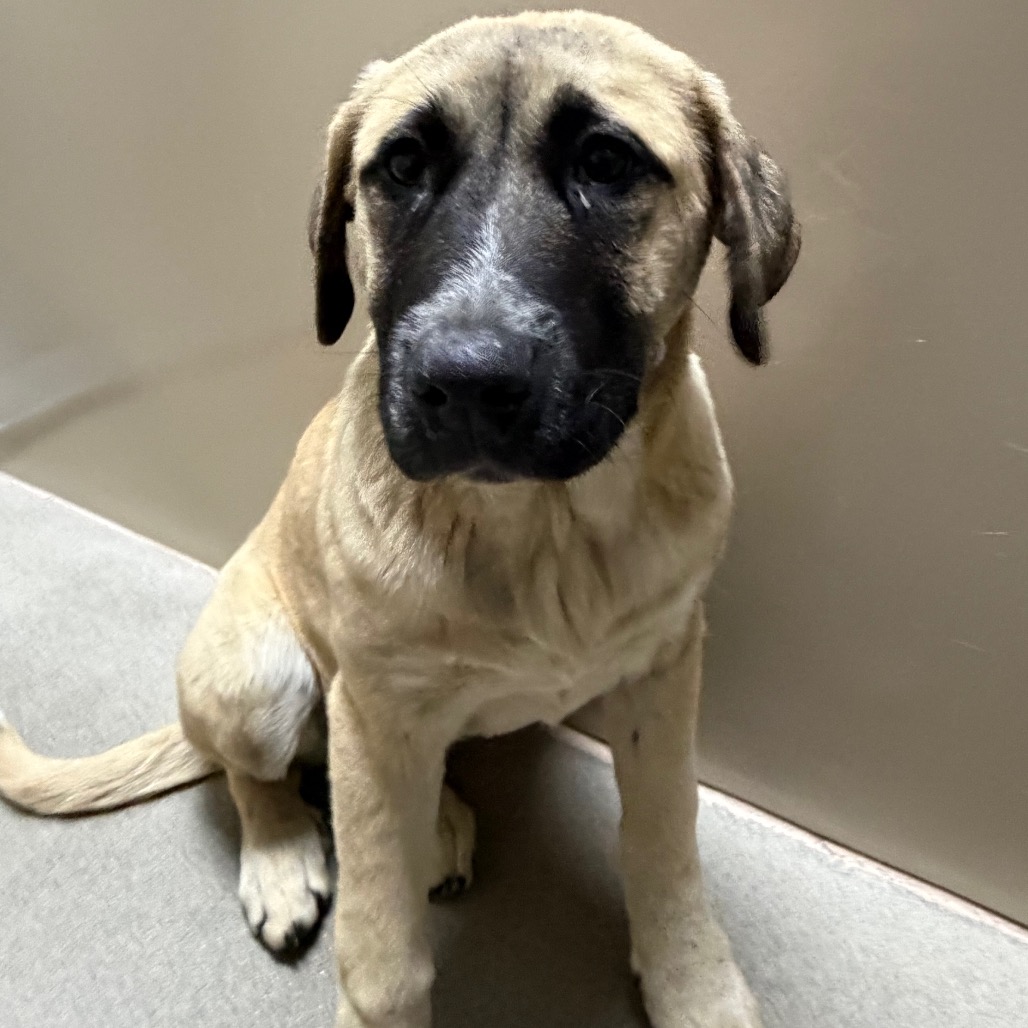
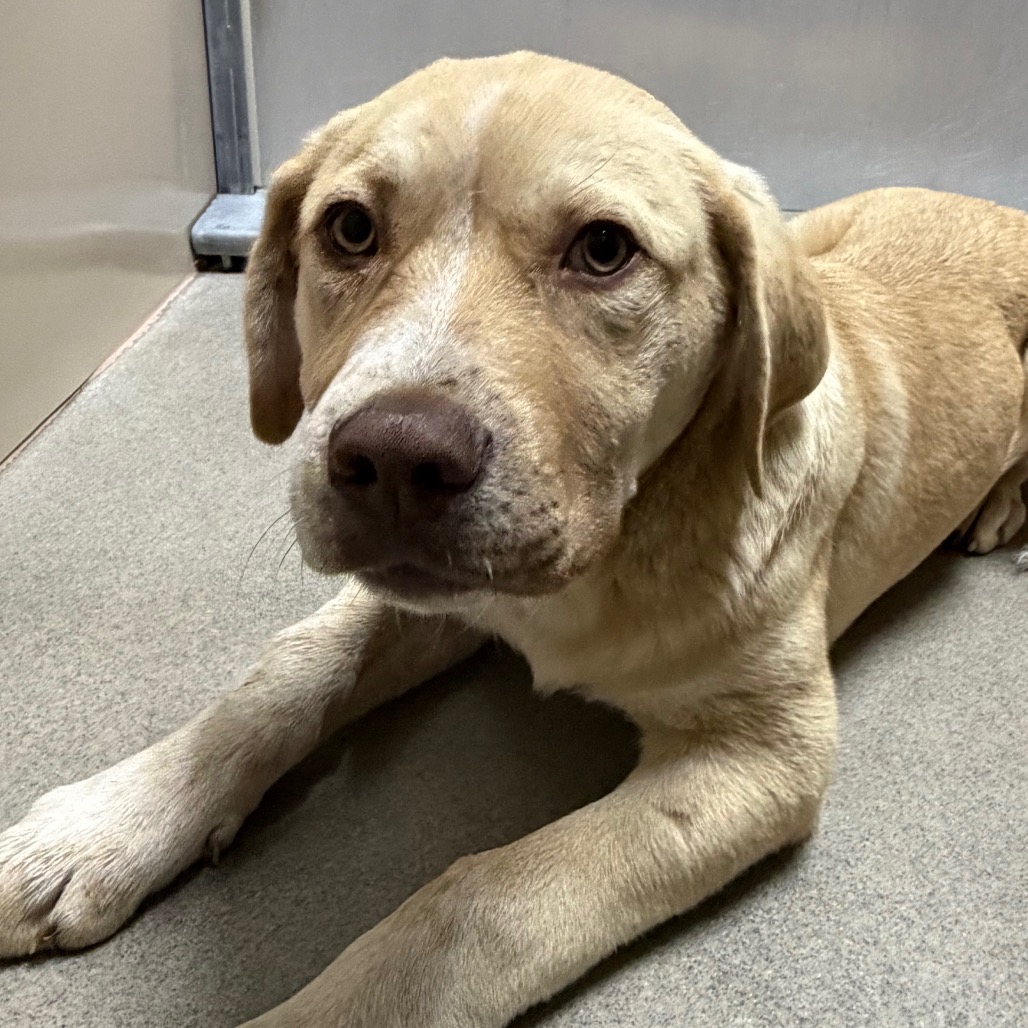
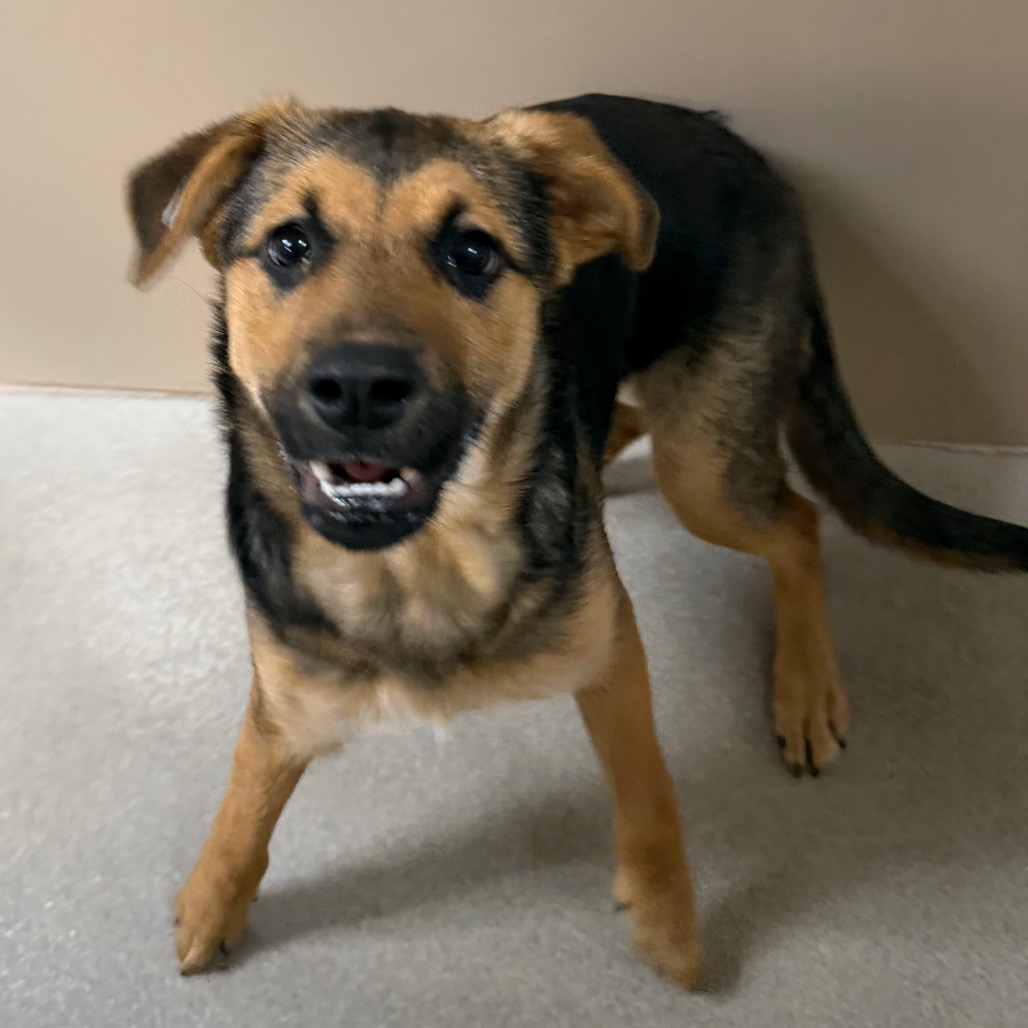
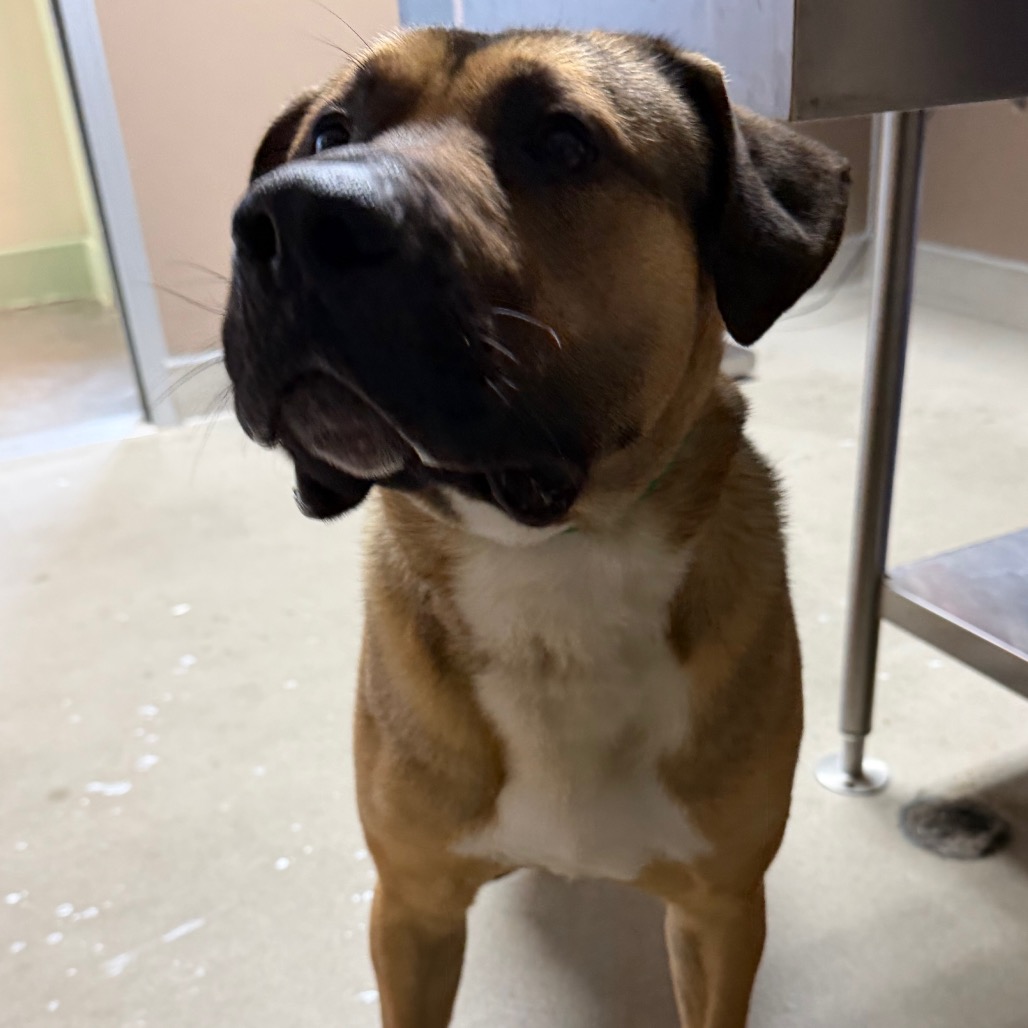
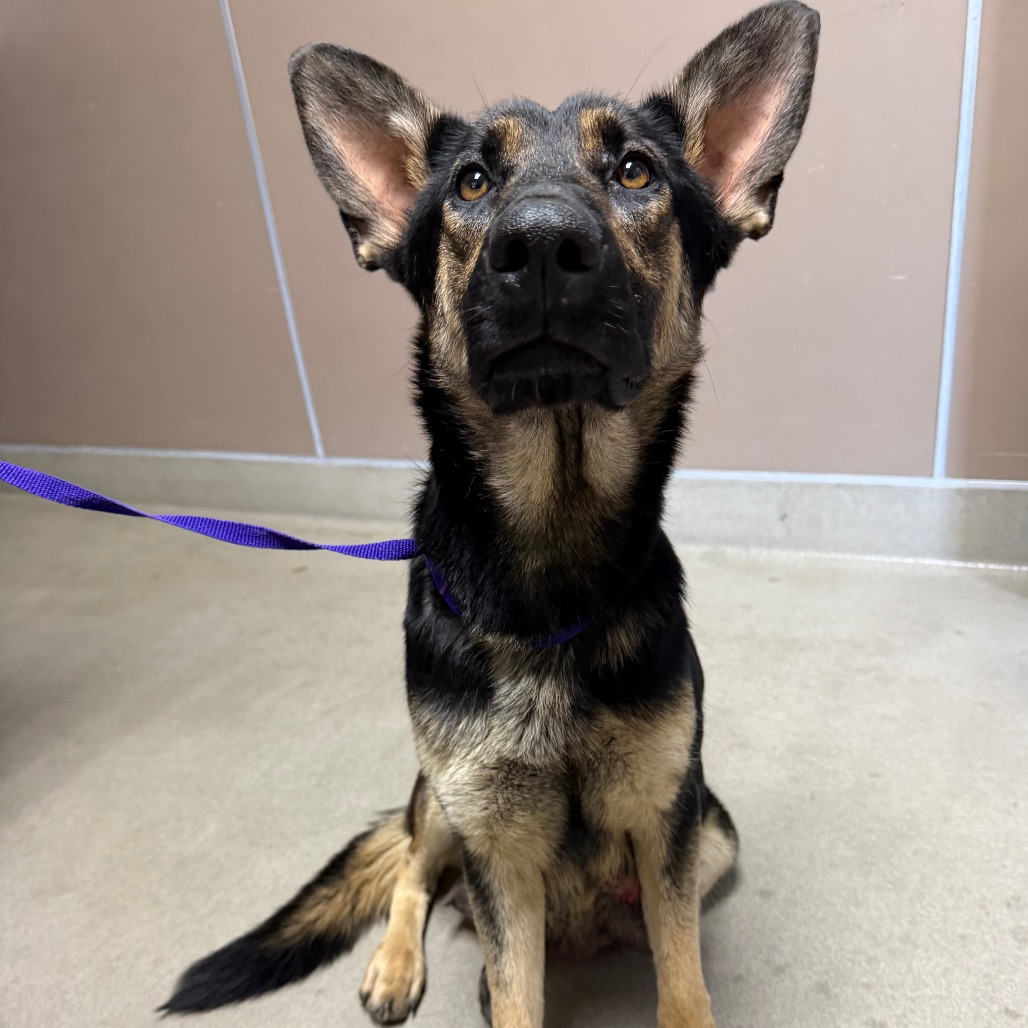
LAKE COUNTY, Calif. — Lake County Animal Care and Control has new puppies and dogs waiting to meet their new families.
The dogs available for adoption this week include mixes of Belgian Malinois, Chihuahua, corgi, Doberman Pinscher, German shepherd, husky, Labrador Retriever, pit bull terrier, shepherd and Yorkshire terrier.
Dogs that are adopted from Lake County Animal Care and Control are either neutered or spayed, microchipped and, if old enough, given a rabies shot and county license before being released to their new owner. License fees do not apply to residents of the cities of Lakeport or Clearlake.
Those animals shown on this page at the Lake County Animal Care and Control shelter have been cleared for adoption.
Call Lake County Animal Care and Control at 707-263-0278 or visit the shelter online for information on visiting or adopting.
The shelter is located at 4949 Helbush in Lakeport.
Email Elizabeth Larson at















- Details
- Written by: NASA Hubble Mission Team, Goddard Space Flight Center
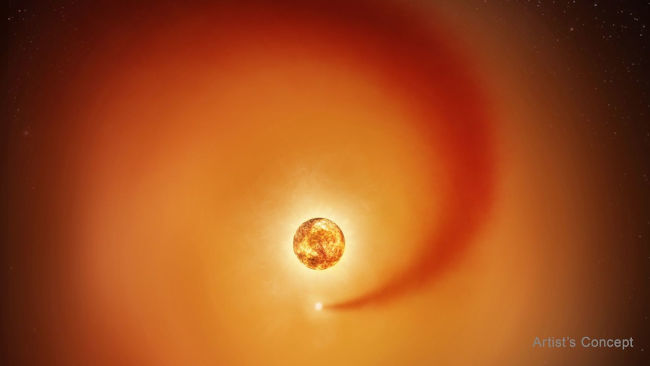
Using new observations from NASA’s Hubble Space Telescope and ground-based observatories, astronomers tracked the influence of a recently discovered companion star, Siwarha, on the gas around Betelgeuse.
The research, from scientists at the Center for Astrophysics | Harvard & Smithsonian, or CfA, reveals a trail of dense gas swirling through Betelgeuse’s vast, extended atmosphere, shedding light on why the giant star’s brightness and atmosphere have changed in strange and unusual ways.
The results of the new study were presented Monday at a news conference at the 247th meeting of the American Astronomical Society in Phoenix and are accepted for publication in The Astrophysical Journal.
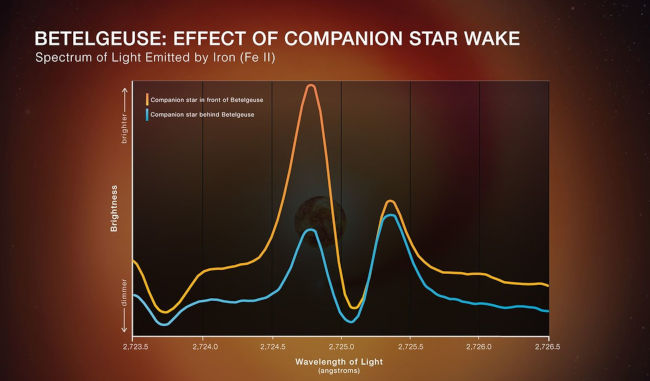
The team detected Siwarha’s wake by carefully tracking changes in the star’s light over nearly eight years. These changes show the effects of the previously unconfirmed companion as it plows through the outer atmosphere of Betelgeuse.
This discovery resolves one of the biggest mysteries about the giant star, helping scientists to explain how it behaves and evolves while opening new doors to understanding other massive stars nearing the end of their lives.
Located roughly 650 light-years away from Earth in the constellation Orion, Betelgeuse is a red supergiant star so large that more than 400 million Suns could fit inside.
Because of its enormous size and proximity, Betelgeuse is one of the few stars whose surface and surrounding atmosphere can be directly observed by astronomers, making it an important and accessible laboratory for studying how giant stars age, lose mass, and eventually explode as supernovae.
Using NASA’s Hubble and ground-based telescopes at the Fred Lawrence Whipple Observatory and Roque de Los Muchachos Observatory, the team was able to see a pattern of changes in Betelgeuse, which provided clear evidence of a long-suspected companion star and its impact on the red supergiant’s outer atmosphere.
Those include changes in the star’s spectrum, or the specific colors of light given off by different elements, and the speed and direction of gases in the outer atmosphere due to a trail of denser material, or wake. This trail appears just after the companion crosses in front of Betelgeuse every six years, or about 2,100 days, confirming theoretical models.
“It’s a bit like a boat moving through water. The companion star creates a ripple effect in Betelgeuse’s atmosphere that we can actually see in the data,” said Andrea Dupree, an astronomer at the CfA, and the lead study author. “For the first time, we’re seeing direct signs of this wake, or trail of gas, confirming that Betelgeuse really does have a hidden companion shaping its appearance and behavior.”
For decades, astronomers have tracked changes in Betelgeuse’s brightness and surface features in hopes of figuring out why the star behaves the way it does. Curiosity intensified after the giant star appeared to “sneeze” and became unexpectedly faint in 2020. Two distinct periods of variation in the star were especially puzzling for scientists: a short 400-day cycle, recently attributed to pulsations within the star itself, and the long, 2,100-day secondary period.
Until now, scientists have considered everything from large convection cells and clouds of dust to magnetic activity, and the possibility of a hidden companion star.
Recent studies concluded that the long secondary period was best explained by the presence of a low-mass companion orbiting deep within Betelgeuse’s atmosphere, and another team of scientists reported a possible detection, but until now, astronomers lacked the evidence to prove what they believed was happening.
Now, for the first time, they have firm evidence that a companion is disrupting the atmosphere of this supergiant star.
“The idea that Betelgeuse had an undetected companion has been gaining in popularity for the past several years, but without direct evidence, it was an unproven theory,” said Dupree. “With this new direct evidence, Betelgeuse gives us a front-row seat to watch how a giant star changes over time. Finding the wake from its companion means we can now understand how stars like this evolve, shed material, and eventually explode as supernovae.”
With Betelgeuse now eclipsing its companion from our point of view, astronomers are planning new observations for its next emergence in 2027. This breakthrough may also help explain similar mysteries in other giant and supergiant stars.
The Hubble Space Telescope has been operating for over three decades and continues to make ground-breaking discoveries that shape our fundamental understanding of the universe. Hubble is a project of international cooperation between NASA and ESA (European Space Agency). NASA’s Goddard Space Flight Center in Greenbelt, Maryland, manages the telescope and mission operations. Lockheed Martin Space, based in Denver, also supports mission operations at Goddard. The Space Telescope Science Institute in Baltimore, which is operated by the Association of Universities for Research in Astronomy, conducts Hubble science operations for NASA.
- Details
- Written by: CRAIG NELSON

LAKE COUNTY, CAlif. — "Moving Day" lived up to its name at the inaugural WON Bass Winter Open, but not before Mother Nature threw a freezing curveball at the field.
Friday morning began with a harsh frost warning as temperatures plummeted to 27 degrees.
The cold was so intense that anglers arrived to find their livewell lids frozen shut during the AM boat check, and many struggled with icy landings while boarding their vessels. Despite the shivering start, the competition on the water was red hot.

The leaderboard saw incredible movement Friday, with three separate "30-pound bags" brought to the scales, putting the top contenders within striking distance of the coveted Century Belt.
Bakersfield resident Mason McAbee’s 9.97-pound monster took Day 2 “Big Bass” honors. He is currently in 13th place with 41.44 pounds.
After a stellar Day 1 with 30.97 lbs, Vance Hayes of Chico surged into the lead by backing it up with a massive 36.24-pound bag.
Garrett Ellison of Nine Mile Falls, Washington, held steady in second place, proving his consistency with another “mega bag” weighing 33.76 pounds.

Joe Uribe Jr. of Surprise, Arizona, stole the show Friday, taking “Big Bag” honors with a staggering 36.79-pound haul, the heaviest of the tournament so far.
The tournament also marked a significant milestone for the Uribe family. Rachel Uribe of San Diego made her professional debut during the tournament.
As the sole female angler in the field, she is currently holding her own in 40th place with a total weight of 18.78 pounds.
The stage is set for a thrilling finale on Saturday. With the Ranger Prize Package on the line, the margins are razor-thin.
In a tournament of this caliber, a single cast on Saturday could be the one that changes a competitor's life forever.
Craig Nelson is a former professional golfer who fell in love with tournament bass fishing 20 years ago. He found Lake County after fishing an FLW Stren Series event and never left. He’s the back-to-back winner of the Konocti Classic and runner up in the inaugural WON Bass Clear Lake Open.