How to resolve AdBlock issue?
Refresh this page
How to resolve AdBlock issue?
Refresh this page
Lake County News,California
  • Home
    • Registration Form
  • News
    • Education
    • Veterans
    • Community
      • Obituaries
      • Letters
      • Commentary
    • Police Logs
    • Business
    • Recreation
    • Health
    • Religion
    • Legals
    • Arts & Life
    • Regional
  • Calendar
  • Contact us
    • FAQs
    • Phones, E-Mail
    • Subscribe
  • Advertise Here
  • Login

News

Labor Day and May Day emerged from the movement for a shorter workday in industrial America

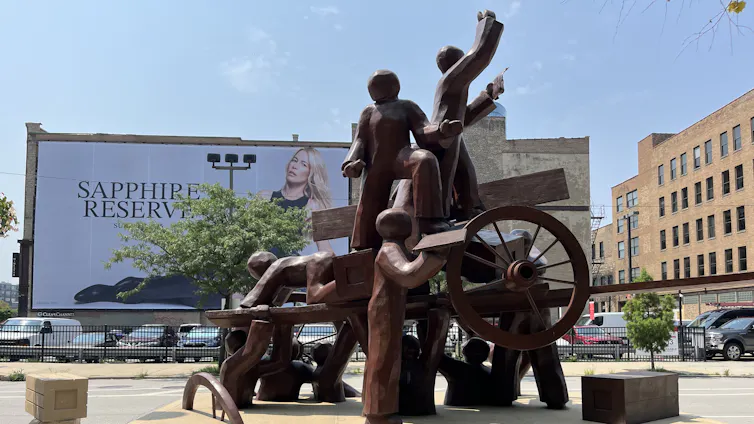
It took more than a century for Chicago’s Haymarket Square to get this memorial to the historic labor strife that occurred there. Jeffrey Sklansky

Most of the world observes International Workers’ Day on May 1 or the first Monday in May each year, but not the United States and Canada. Instead, Americans and Canadians have celebrated Labor Day as a national holiday on the first Monday in September since 1894, 12 years after the first observance of Labor Day in New York City.

The celebrations aren’t the same.

In much of Europe, Asia, Africa and Latin America, the event commonly called May Day honors workers’ political and economic power, often with demonstrations by socialist or workers’ parties and tributes to national labor rights. America’s Labor Day features labor union parades in many places, but for most Americans, it’s less about organized labor and more about barbecues, beach days and back-to-school sales.

Both holidays, however, arose during the same period, in the U.S. nearly 150 years ago, in the midst of an explosive labor uprising in America’s industrial heartland. Their founding united native-born and immigrant workers in an extraordinary alliance to demand an eight-hour workday at a time when American workers toiled an average of 10 or more hours daily, six days a week.

The call for shorter hours was rooted in a big idea: that workers’ days belonged to them, even if employers owned their workplaces and paid for their work. That idea inspired the loftiest goals of a growing labor movement that spanned from Chicago and New York to Stockholm and Saint Petersburg. And the labor activism of the late 1800s still casts a distant light on Labor Day today, carrying a vital message about the struggle for control of workers’ daily lives.

I’m a historian at the University of Illinois Chicago, where I study the history of labor. The fight for shorter hours is no longer a top issue for organized labor in the U.S.. But it was a crusade for the eight-hour day that brought together the diverse coalition of labor groups that created Labor Day and May Day in the 1880s.

Colorful beach umbrellas cover the sand on a sunny day, with a lifeguard elevated above the crowd
On Labor Day, U.S. beaches are crowded with people who spend the late-summer holiday relaxing and having fun. One such destination is Chincoteague Island, Va., seen here on Labor Day weekend in 2018. Bastiaan Slabbers/NurPhoto via Getty Images

Labor Day’s radical roots

Led by socialist-leaning trade unions, Labor Day’s founders included skilled, native-born craft workers defending control over their trades, immigrant laborers seeking relief from daylong drudgery, and revolutionary anarchists who saw the quest for control of the workers’ day as a step toward seizing factories and smashing the state.

They originally chose Sept. 5, 1882, for the first Labor Day to coincide with a general assembly in New York City of what was then the largest and broadest association of American workers, the Knights of Labor. Two years later, labor leaders moved the annual event to the first Monday in September, giving the majority of workers a two-day weekend for the first time.

As Labor Day parades and picnics spread, many American cities and states soon made it an official holiday. But since few employers gave workers the day off in its early years, Labor Day likewise became “a virtual one-day general strike in many cities,” according to historians Michael Kazin and Steven Ross.

American roots of May Day

My students come from working-class, mostly immigrant families, and Chicago’s history of labor conflict is all around our downtown campus in the heart of what were once meatpacking plants, stockyards and crowded immigrant neighborhoods.

My office is about 12 blocks from the spot – surrounded today by upscale office buildings – where the eight-hour movement reached a bloody climax in the battle of Haymarket Square. May Day commemorates that battle.

On May 1, 1886, unions of skilled workers organized by their crafts or trades led a nationwide general strike for the eight-hour day. They were joined by radical socialists, militant anarchists and many members of the Knights of Labor. More than 100,000 workers took part across the country.

The most dramatic demonstrations happened in Chicago, which had become the second-largest city in the U.S. after years of swift growth. Nearly 40,000 striking Chicago workers shut down much of that burgeoning industrial, agricultural and commercial hub. Three days later, a bomb thrown at a rally in Haymarket Square killed seven police officers, sparking a sweeping nationwide crackdown on labor activism.

In 1889, socialist trade unions and workers’ parties, meeting in Paris for the first congress of a new Socialist International, proclaimed May 1 an international workers’ holiday. They were partly following the lead of the new American Federation of Labor, which had called for renewed strikes on the anniversary of the 1886 action.

And they were honoring the memory of the eight labor activists who had been tried and convicted for the Haymarket bombing solely on the basis of their speeches and radical politics, in what was widely viewed as a rigged trial. Four “Haymarket martyrs” had been hanged and a fifth died by suicide before he could be executed.

Protesters march in the streets, waving French flags and holding a labor-themed poster aloft, with French words.
Protesters march through the streets of Marseille, France, with flags and placards on May 1, 2025, to mark International Workers Day. Denis Thaust/SOPA Images/LightRocket via Getty Images

An earlier labor win

Though May 1 had long been associated with European celebrations of springtime, its modern meaning has deeper American roots that precede the Haymarket tragedy. It was on that date in 1867 that workers in Chicago celebrated an earlier victory.

At the end of the Civil War, campaigns for an eight-hour workday arose in cities across the country, championing a common interpretation of the abolition of slavery: for many workers, emancipation meant that employers purchased only their labor, not their lives.

Employers might monopolize workers’ means of making a living, but not their hours and days.

The movement led to laws declaring an eight-hour day in six states, including Illinois, where the new rule went into effect on May 1, 1867. But employers widely disobeyed or circumvented the laws, and states failed to enforce them while they lasted, so workers continued to struggle for a shorter workday.

Seizing the day

In the 19th century, American workers’ labor came to be measured by how long they worked and how much they were paid. While they were divided by their widely different wages, they were united by the generally uniform hours at each workplace.

The demand for a shorter workday without a pay cut was designed to appeal to all wage earners no matter who they were, where they were from, or what they did for a living.

Labor leaders said shorter hours meant employers would have to hire more people, creating jobs and boosting hourly pay. Spending less time on the job would enable workers to become bigger consumers, spurring economic growth.

Having “eight hours for work, eight hours for rest, and eight hours for what we will,” a popular labor movement refrain, would also leave more time for education, organization and political action.

Most broadly, the fight for shorter hours encapsulated workers’ struggle to control their own time, both on and off the job. That far-reaching struggle included efforts to limit the number of years people spent earning a living by ending child labor and creating pensions for retired workers – a topic I’m currently researching.

Benjamin Franklin famously said, “Time is money,” meaning that time off costs money that workers could be making on the job. But the message of the movement for a shorter workday was that the worth of workers’ lives could not be calculated in dollars and cents.

Diverging holidays

In the Haymarket battle’s aftermath, the alliance of radicals and reformers, factory operatives and skilled artisans, U.S.-born workers and immigrant laborers began to come apart. And as union leaders in the American Federation of Labor parted ways with socialists and anarchists, each side of the divided workers’ movement claimed one of the two labor days as its own, making the holidays appear increasingly opposed and losing sight of their shared foundation in the campaign for a shorter workday.

Conservative politicians and employers hostile to unions began to equate labor organizing with bomb throwing. In response, trade unions seeking acceptance as part of American industry and democracy displayed their allegiance on Labor Day by waving the American flag, singing patriotic songs and portraying themselves as proud, native-born Americans as opposed to foreign workers with subversive ideas.

Many political radicals and the immigrant workers among whom they found much of their following, meanwhile, came to identify more with the international workers’ movement associated with May Day than with American business and politics. They disavowed May Day’s origins among American trade unions, even as many trade unions distanced themselves from the radical roots of Labor Day. By the turn of the century, May Day moved further from the center of American culture, while Labor Day became more mainstream and less militant.

A man in a t-shirt identifying him as a member of Sheet Metal Workers Local 10, wearing a straw hat with American flags poking it out of it, walks in a parade.
A member of Sheet Metal Workers Local 105 walks in the small annual Labor Day parade hosted by the Los Angeles/Long Beach Harbor Labor Coalition on Sept. 5, 2022, in Wilmington, Calif. Mario Tama/Getty Images

20th-century gains and losses

In the 20th century, labor unions won shorter hours for many of their members across the country. But they detached that demand from the broader agenda of workers’ autonomy and international solidarity.

They gained a landmark achievement with the federal enactment of the eight-hour day and 40-hour workweek for many industries during the 1930s. At that point, economist John Maynard Keynes projected that the rising productivity of labor would enable 21st-century wage earners to work just three hours a day.

Workers’ productivity did keep climbing as Keynes predicted, and their wages rose apace – until the 1970s. But their work hours did not decline, leaving the three-hour day a forgotten vision of what organized labor might achieve.The Conversation

Jeffrey Sklansky, Professor of History, University of Illinois Chicago

This article is republished from The Conversation under a Creative Commons license. Read the original article.

Lakeport City Council to review fee increases, traffic safety and hazard mitigation plan

LAKEPORT, Calif. — The Lakeport City Council will review a comprehensive user fee study proposing fee increases, hear updates on traffic safety and consider a hazard mitigation plan to maintain eligibility for disaster funding.

The council will meet Tuesday, Sep. 2, at 6 p.m. in the council chambers at Lakeport City Hall, 225 Park St. 

The agenda can be found here. 

If you cannot attend in person, and would like to speak on an agenda item, you can access the Zoom meeting remotely at this link or join by phone by calling toll-free 669-900-9128 or 346-248-7799. 

The webinar ID is 973 6820 1787, access code is 477973; the audio pin will be shown after joining the webinar. Those phoning in without using the web link will be in “listen mode” only and will not be able to participate or comment. 

Comments can be submitted by email to This email address is being protected from spambots. You need JavaScript enabled to view it.. To give the city clerk adequate time to print out comments for consideration at the meeting, please submit written comments before 3:30 p.m. on Tuesday, Sep. 2.

Under council business, the council will review a comprehensive study of city service fees that recommends both new charges and increases across multiple departments.

The city last conducted a full user fee study in 2006. Since then, although there has been annual adjustment based on Consumer Price Index, the staff report said those adjustments have not accounted for underlying changes in actual service costs.

The new study examined fees in administrative services, finance, planning, engineering, police, code enforcement and building.

The council will also hear an update on traffic safety and transportation, discussing traffic complaints received from December to August, enforcement efforts, road improvements and plans to improve pedestrian and bicycle infrastructure. 

Following that, the council will consider adopting the Lake County Multi-Jurisdictional Hazard Mitigation Plan, that identifies risks from natural hazards and outlines long-term strategies to reduce them. 

Adoption also keeps the city eligible for several federal and state funding for disaster mitigation, according to the staff report.

The council will also consider accepting up to $10,000 in state grant funds to replenish the city's oil spill response trailer and equipment. 

The trailer was first funded in 2019 and has been used in multiple spill incidents on Clear Lake and other water bodies. The grant will cover new containment boom, protective equipment and other supplies. 

In the closed session, city negotiators will meet with the Lakeport Police Officers Association. 

On the consent agenda — items considered noncontroversial and usually accepted as a slate on one vote — are ordinances; waive reading except by title of any ordinances under consideration at this meeting for either introduction or passage per Government Code Section 36934; approval of the minutes of the City Council regular meeting of August 19, 2025; authorize the cancellation of the regular meeting scheduled for October 7, 2025, for National Night Out; adopt an ordinance amending Sections 9.04.010 and 9.08.110 of the Lakeport Municipal Code related to alcohol possession and consumption in city parklands; approval of application 2025-042, with staff recommendations, for the CLHS Homecoming Parade; and adopt a resolution accepting construction of the South Main Street Pavement Rehabilitation Project by Granite Construction Company and authorize the filing of the Notice of Completion.

Email staff reporter Lingzi Chen at This email address is being protected from spambots. You need JavaScript enabled to view it.. 

East Region Town Hall meets Sept. 3

LAKE COUNTY, Calif. — The East Region Town Hall, or ERTH, will meet on Wednesday, Sept. 3.

The meeting will begin at 4 p.m. at the Moose Lodge, located at 15900 Moose Lodge Lane in Clearlake Oaks.

The meeting will be available via Zoom. The meeting ID is 813 6295 6146, pass code is 917658.

On the agenda is an update on ERTH business, including consideration of its activities and projects, and discussion on subcommittees.

They also will discuss survey results and hold a discussion on potential projects and activities to date for the District 3 municipal advisory committee group.

Other items on the agenda include the commercial cannabis report and cannabis ordinance update, updates on code enforcement updates, Spring Valley, the Superfund cleanup and Klaus Park, a report from District 3 Supervisor EJ Crandell, and new business and announcements.
    
ERTH’s next meeting will take place on Oct. 1.

Members are Angela Amaral, Jim Burton, Holly Harris, Maria Kann and Denise Loustalot.

For more information visit the group’s Facebook page.

Helping Paws: Shepherds, retrievers and terriers

LAKE COUNTY, Calif. — Lake County Animal Care and Control has many dogs needing new homes of their own this week.

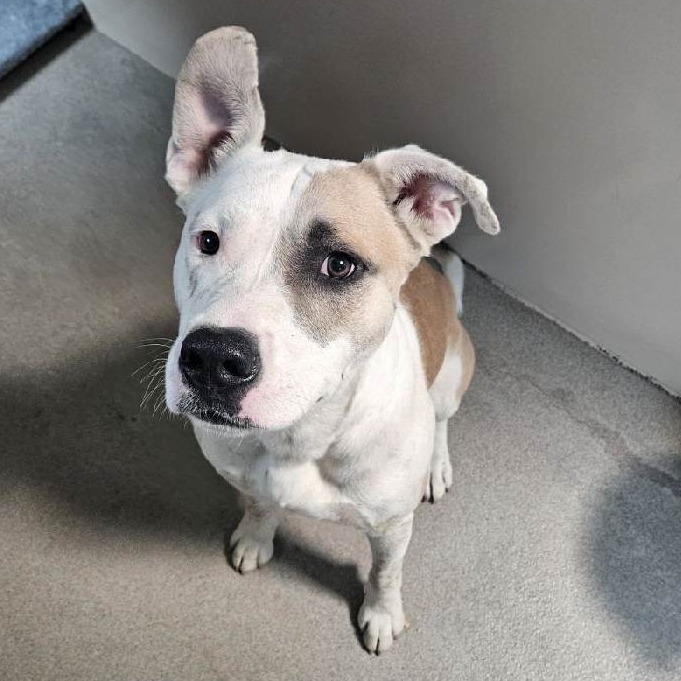
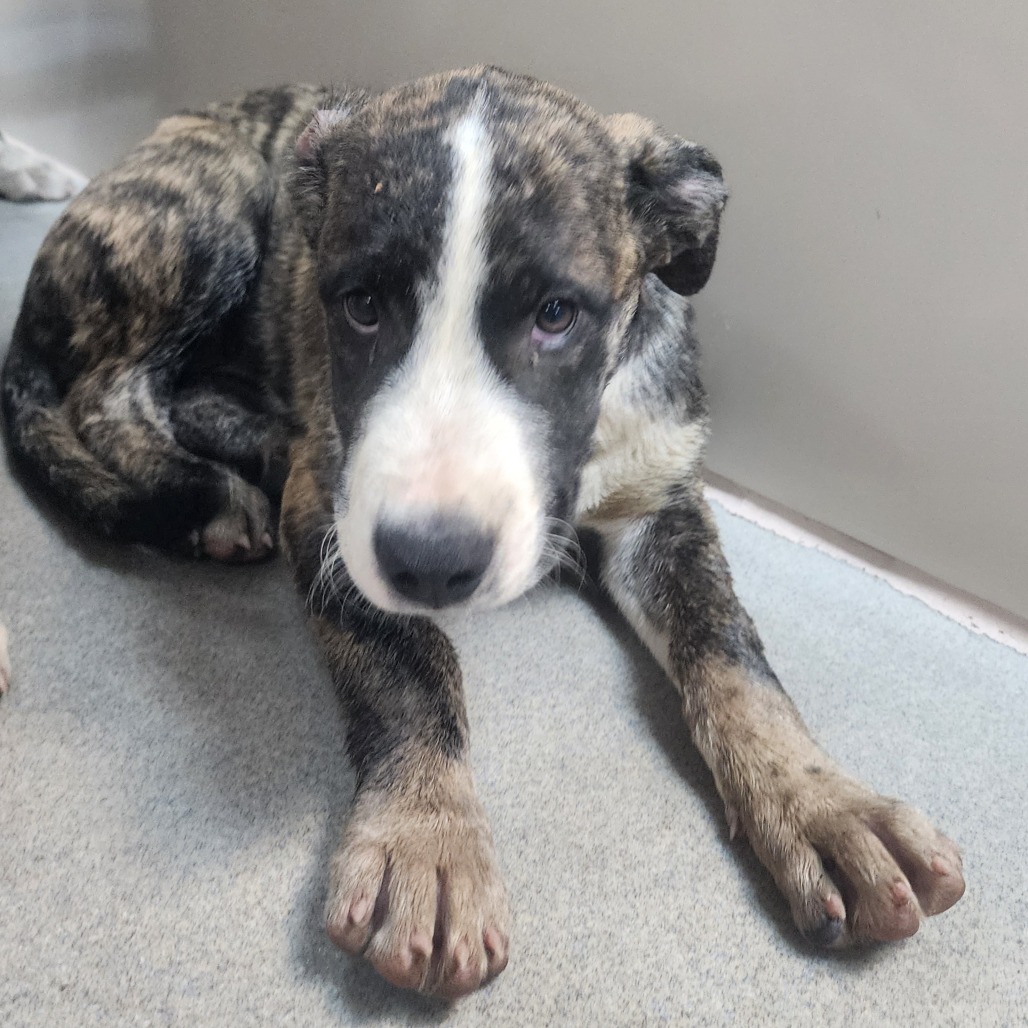
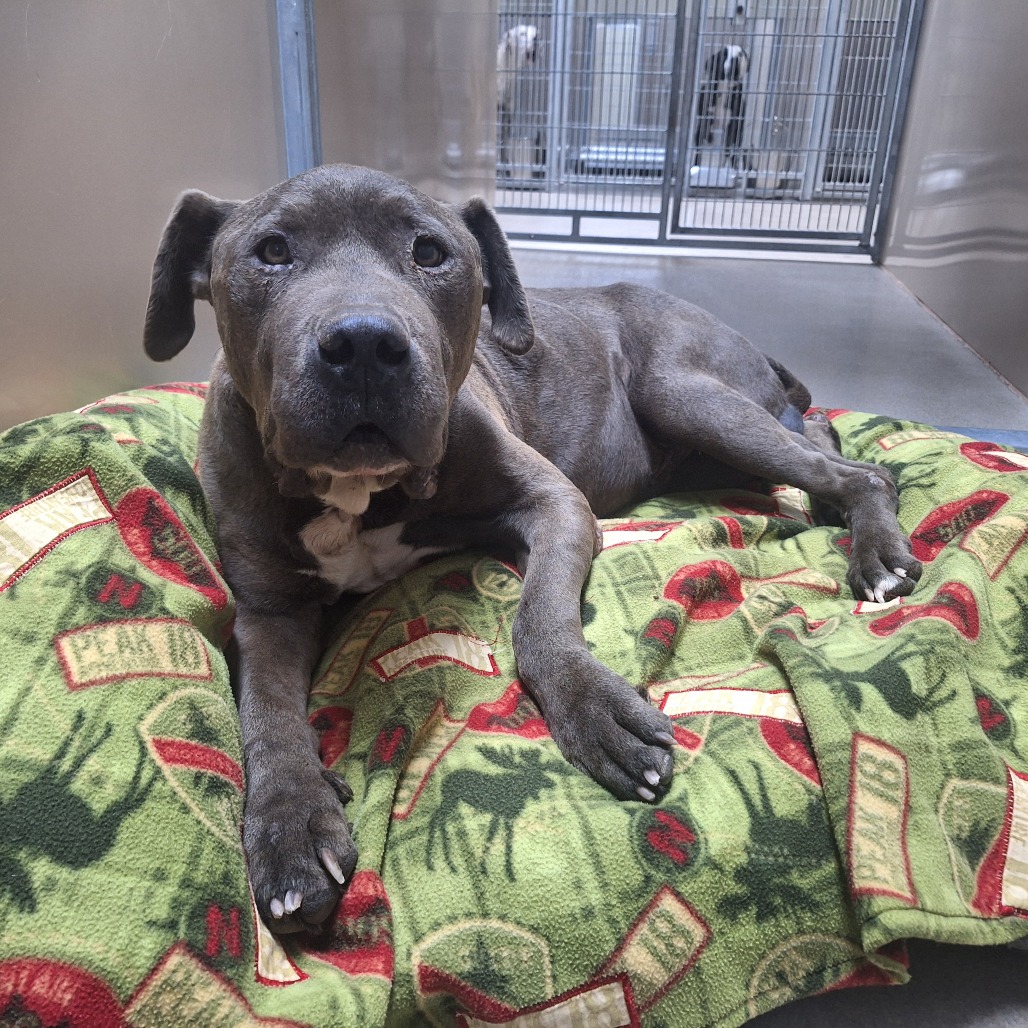
The dogs available for adoption this week include mixes of border collie, Chihuahua, Doberman, German shepherd, husky, Labrador Retriever, pit bull terrier, Rottweiler, terrier and shepherd.

Dogs that are adopted from Lake County Animal Care and Control are either neutered or spayed, microchipped and, if old enough, given a rabies shot and county license before being released to their new owner. License fees do not apply to residents of the cities of Lakeport or Clearlake.

Those animals shown on this page at the Lake County Animal Care and Control shelter have been cleared for adoption.

Call Lake County Animal Care and Control at 707-263-0278 or visit the shelter online for information on visiting or adopting.

The shelter is located at 4949 Helbush in Lakeport.

Email Elizabeth Larson at This email address is being protected from spambots. You need JavaScript enabled to view it.. Follow her on Twitter, @ERLarson, and on Bluesky, @erlarson.bsky.social. Find Lake County News on the following platforms: Facebook, @LakeCoNews; X, @LakeCoNews; Threads, @lakeconews, and on Bluesky, @lakeconews.bsky.social. 


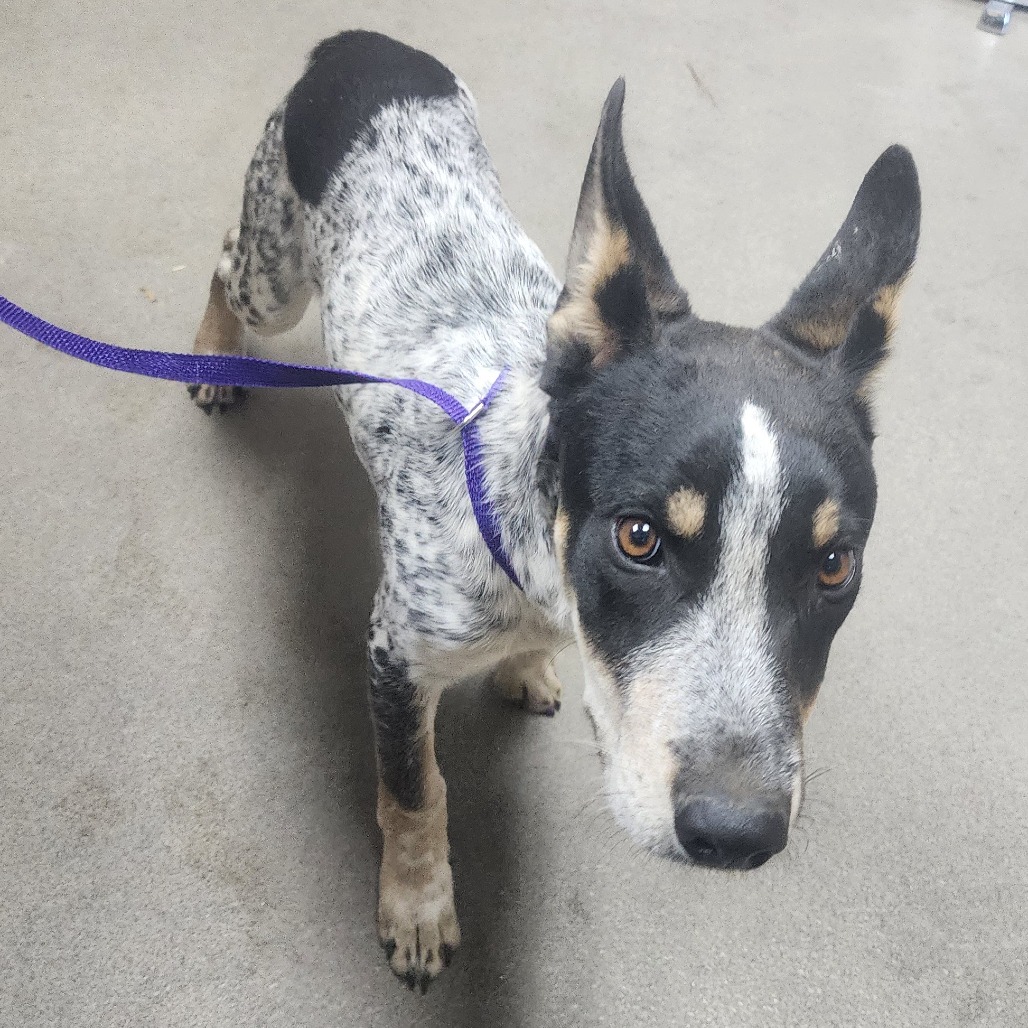
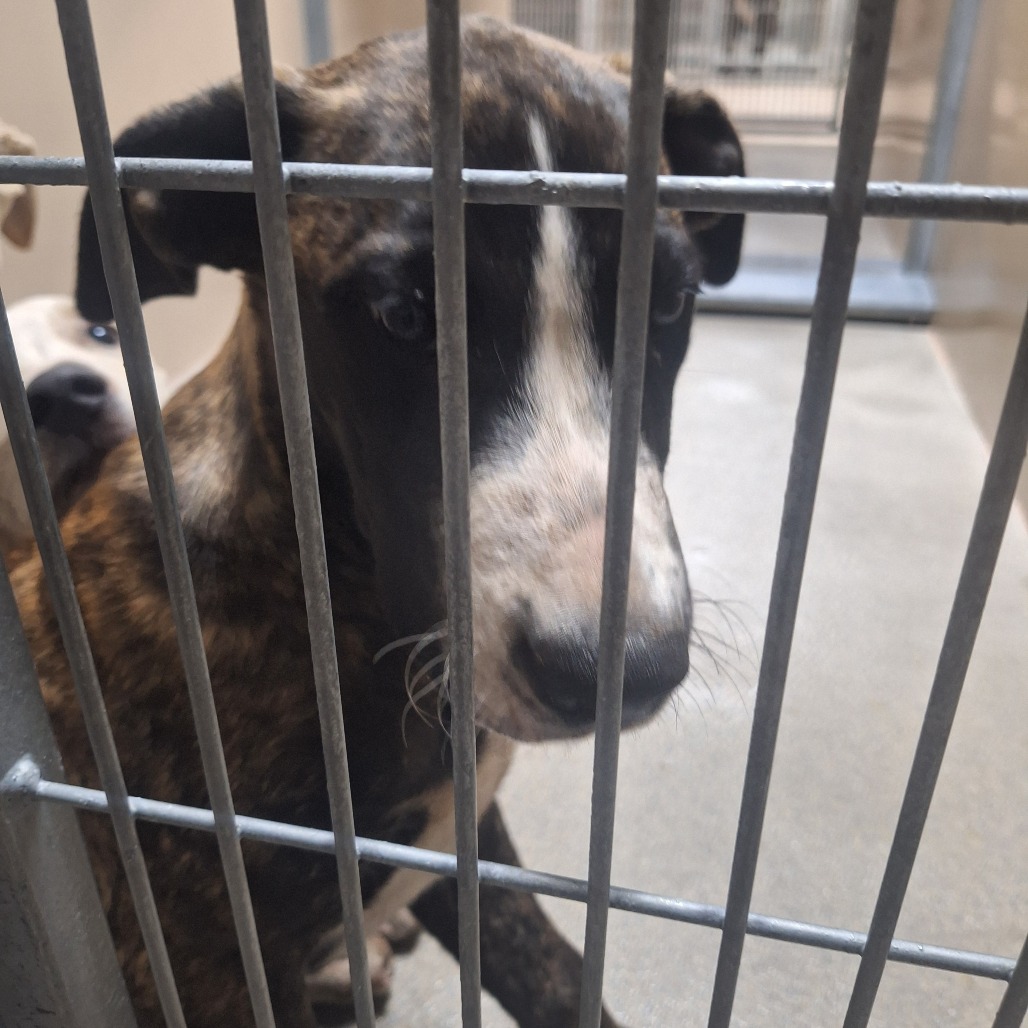
Kennel#6 (Jax)'s preview photo

Kennel#6 (Jax)

Kennel#11 Kate's preview photo
Kennel#11 Kate

Kennel#33 Hunter's preview photo
Kennel#33 Hunter

Kennel#21 Helen's preview photo
Kennel#21 Helen

Kennel#17 Bruce's preview photo
Kennel#17 Bruce

Quarantine#4 Cici's preview photo
Quarantine#4 Cici

Kennel#29 Angel's preview photo
Kennel#29 Angel

Kennel#7 Tabitha's preview photo
Kennel#7 Tabitha

Kennel#10 Bay's preview photo
Kennel#10 Bay

Kennel#18 Lizzy's preview photo
Kennel#18 Lizzy

Kennel#22 Henry's preview photo
Kennel#22 Henry

Kennel#19a Stacy's preview photo
Kennel#19a Stacy

Kennel#19b Betty's preview photo
Kennel#19b Betty

Kennel#3 Star's preview photo
Kennel#3 Star

Kennel#9 Angie's preview photo
Kennel#9 Angie

Kennel#4 Lanee's preview photo
Kennel#4 Lanee

Kennel#24 Stout's preview photo
Kennel#24 Stout

Kennel#13 Balen's preview photo
Kennel#13 Balen

Kennel#15 Sweetie's preview photo
Kennel#15 Sweetie

Kennel#12 Emmie's preview photo
Kennel#12 Emmie

Kennel#30a Lillith's preview photo
Kennel#30a Lillith

Kennel#30b Beethoven's preview photo
Kennel#30b Beethoven

Kennel#27a Corey's preview photo
Kennel#27a Corey

Kennel#27b Minnie's preview photo
Kennel#27b Minnie

Kennel#16 Nana (Yellow)'s preview photo
Kennel#16 Nana (Yellow)

Kennel#32 Tye (green) 's preview photo
Kennel#32 Tye (green)

Kennel#32 Ricky (Blue) 's preview photo
Kennel#32 Ricky (Blue)

Kennel#16 Lottie (Pink) 's preview photo
Kennel#16 Lottie (Pink)

Kennel#16 Sandy's preview photo
Kennel#16 Sandy

Kennel#23 Shawn's preview photo
Kennel#23 Shawn

Kennel#8 Ol' Man's preview photo
Kennel#8 Ol' Man

Kennel #2's preview photo
Kennel #2

Kennel#31's preview photo
Kennel#31

Kennel#26 (Tank)'s preview photo
Kennel#26 (Tank)

Kennel#20's preview photo
Kennel#20

Kennel#25a's preview photo
Kennel#25a

Kennel#25b's preview photo
Kennel#25b

Kennel#25c's preview photo
Kennel#25c

 Kennel#34a green collar's preview photo
Kennel#34a green collar

 Kennel#34b's preview photo
Kennel#34b

 Kennel#34c yellow collar's preview photo
Kennel#34c yellow collar

 Kennel#34d blue collar's preview photo
Kennel#34d blue collar


Governor calls on Legislature to pass critical power grid proposal

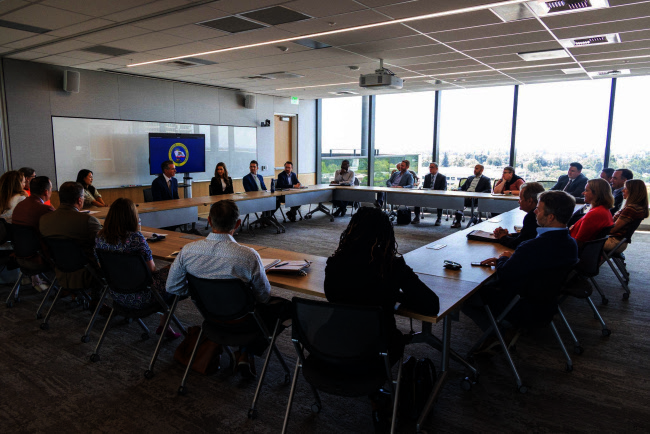
In August 2025 Gov. Gavin Newsom met with the coalition of supporters for a new energy proposal. Photo courtesy of the Governor’s Office.


Gov. Gavin Newsom is calling on the Legislature to pass a viable proposal to save California consumers upwards of $1 billion every year on energy costs, savings that would benefit millions of Californians.

The proposal — which is supported by a broad and diverse coalition of clean energy, environmental and labor advocates — enables the expansion of regional energy markets to lower energy costs, cut air and climate pollution, and avoid power outages. 

The governor’s call for action comes after recent studies have found that acting this year is expected to yield more than $1 billion every year in economic benefits for the state — translating to real savings on customer electric bills.

“I’m calling on the Legislature to pass a viable  proposal to expand regional power markets – it’s our best shot at affordability this year,” said Newsom. “Over $1 billion in economic benefits to our state is on the line and failure to get this done will mean higher electric bills, more pollution and a less reliable power grid. Californians deserve action now to make their electric bills more affordable.”

In August, the governor met with the coalition of supporters and thanked them for their work advancing this commonsense plan to further integrate California’s power grid with the broader West.

Newsom’s office said pollution is down and the economy is up. Greenhouse gas emissions in California are down 20% since 2000 — even as the state’s GDP increased 78% in that same time period.

The state also continues to set clean energy records. Newsom’s office said California was powered by two-thirds clean energy in 2023, the latest year for which data is available — the largest economy in the world to achieve this level of clean energy. The state has run on 100% clean electricity for some part of the day almost every day this year.

Since the beginning of the Newsom Administration, battery storage is up to over 15,000 megawatts — a 1,900%+ increase, and over 25,000 megawatts of new resources have been added to the electric grid. 

Big Valley Band of Pomo Indians and California State Parks celebrate cultural items returning home

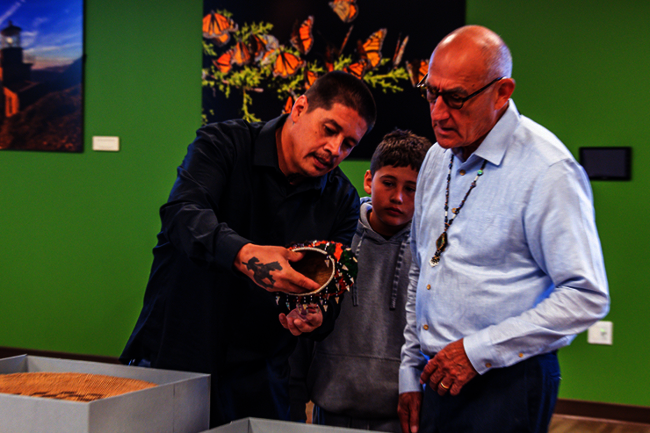
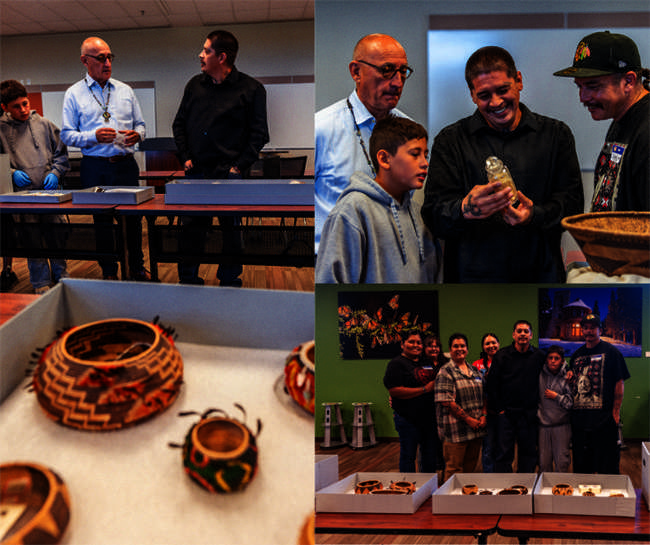
Big Valley Band of Pomo Indians Tribal Chairman Flaman McCloud Jr., left, and State Parks Director Armando Quintero, right, examine a basket being repatriated to the tribe. Photo courtesy of California State Parks.


LAKE COUNTY, Calif. — California State Parks has repatriated cultural items to the Big Valley Band of Pomo Indians that have now returned home.

Big Valley and State Parks met to complete the repatriation of 21 baskets, regalia and other cultural items from the State Indian Museum State Historic Park on July 23. 

This repatriation was part of State Parks’ compliance with the Native American Graves Protection and Repatriation Act.

Big Valley Tribal Chairman Flaman McCloud Jr. and tribal members traveled to Sacramento to complete the repatriation and bring these cultural items back home to Lake County. 

For Big Valley, these cultural items are integral to Pomo culture, identity and connect the community to their ancestors.

“It is an honor to be able to bring home items that our ancestors have touched and held and put sweat and their life into creating,” said Chairman McCloud. “It is a real blessing to be able to do that because we never got to know these ancestors in person. Through our oral history we know who they are, when they were in our community, what they did, whether it is for our ceremonies or just in our families. It is an honor to be able to have these things come home, however long it took, whatever work was needed.”

The Native American Graves Protection and Repatriation Act, or NAGPRA, is a United States federal law that requires agencies and institutions to return Native American ancestors and cultural items to their rightful communities. Visit State Parks’ NAGPRA webpage for additional information.

“State Parks is committed to fulfilling our legal obligation under NAGPRA,” said State Parks Director Armando Quintero. “We are honored to be a part of the important repatriation process that returns ancestors and belongings to their homes and peoples. The State Parks NAGPRA program will continue this very important work until every Native American ancestor and cultural item has completed the NAGPRA process.”

Repatriated Items

Some of the repatriated items were obtained as early as 1880 by a private collector before being donated to State Parks, and others were purchased in 1960 by State Parks for display at the State Indian Museum State Historic Park, or SIM. Until recently, some of these items were on display in the museum. 

This was the State Indian Museum’s first repatriation in over a decade. Like most museums with Native American collections nationwide, the SIM is in a moment of transition. 

To educate and inform the public, the SIM created a new exhibit, “Welcomed Home: A Celebration,” about NAGPRA that communicates the joy and empowerment of repatriation. 

The State Indian Museum was honored to work with Big Valley and assist with these belongings returning home.

Big Valley Chairman McCloud explained that these cultural items, “have a living spirit and they have been gone from their homeland for so long, that when they come home they are not going to recognize it … They know that it is their family they are coming home to. We are greeting them in the best way that we know how, we welcome them.” 

Big Valley tribal members and State Parks staff then bowed their heads while the Chairman sang prayer in Pomo over the items.

For some of the cultural items, this was the first time they had heard their language in over a century.

Big Valley Tribal Chairman Flaman McCloud Jr. (in black dress shirt), State Parks Director Armando Quintero, and tribal members discuss items being repatriated. Photos from California State Parks.
  • 115
  • 116
  • 117
  • 118
  • 119
  • 120
  • 121
  • 122
  • 123
  • 124

Community

  • Lake County Wine Alliance offers sponsor update; beneficiary applications open 

  • Mendocino National Forest announces seasonal hiring for upcoming field season

Public Safety

  • Lakeport Police logs: Thursday, Jan. 15

  • Lakeport Police logs: Wednesday, Jan. 14

Education

  • Woodland Community College receives maximum eight-year reaffirmation of accreditation from ACCJC

  • SNHU announces Fall 2025 President's List

Health

  • California ranks 24th in America’s Health Rankings Annual Report from United Health Foundation

  • Healthy blood donors especially vital during active flu season

Business

  • Two Lake County Mediacom employees earn company’s top service awards

  • Redwood Credit Union launches holiday gift and porch-to-pantry food drives

Obituaries

  • Rufino ‘Ray’ Pato

  • Patty Lee Smith

Opinion & Letters

  • The benefits of music for students

  • How to ease the burden of high electric bills

Veterans

  • CalVet and CSU Long Beach team up to improve data collection related to veteran suicides

  • A ‘Big Step Forward’ for Gulf War Veterans

Recreation

  • Wet weather trail closure in effect on Upper Lake Ranger District

  • Mendocino National Forest seeking public input on OHV grant applications

  • State Parks announces 2026 Anderson Marsh nature walk schedule 

  • BLM lifts seasonal fire restrictions in central California

Religion

  • Kelseyville Presbyterian to host Ash Wednesday service and Lenten dinner Feb. 18

  • Kelseyville Presbyterian Church to hold ‘Longest Night’ service Dec. 21

Arts & Life

  • Auditions announced for original musical ‘Even In Shadow’ set for March 21 and 28

  • ‘The Rip’ action heist; ‘Steal’ grounded in a crime thriller

Government & Politics

  • Lake County Democrats issue endorsements in local races for the June California Primary

  • County negotiates money-saving power purchase agreement

Legals

  • March 3 hearing on ordinance amending code for commercial cannabis uses

  • Feb. 12 public hearing on resolution to establish standards for agricultural roads

How to resolve AdBlock issue?
Refresh this page